Synthetic Sweeteners and Human Health: An Overview of Health Risks, Vulnerable Populations, and Effects on Key Biological Systems

 ,
,  , , , and
Abstract
1. Introduction
2. Materials and Methods
3. Results and Discussion
3.1. Overview of Synthetic Sweeteners
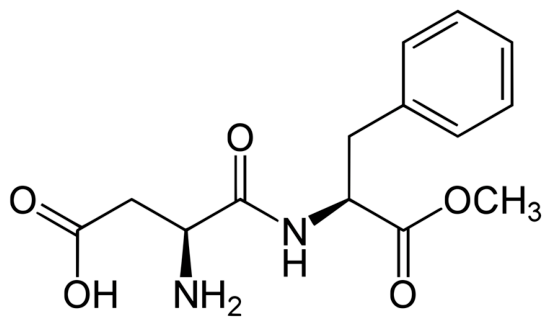
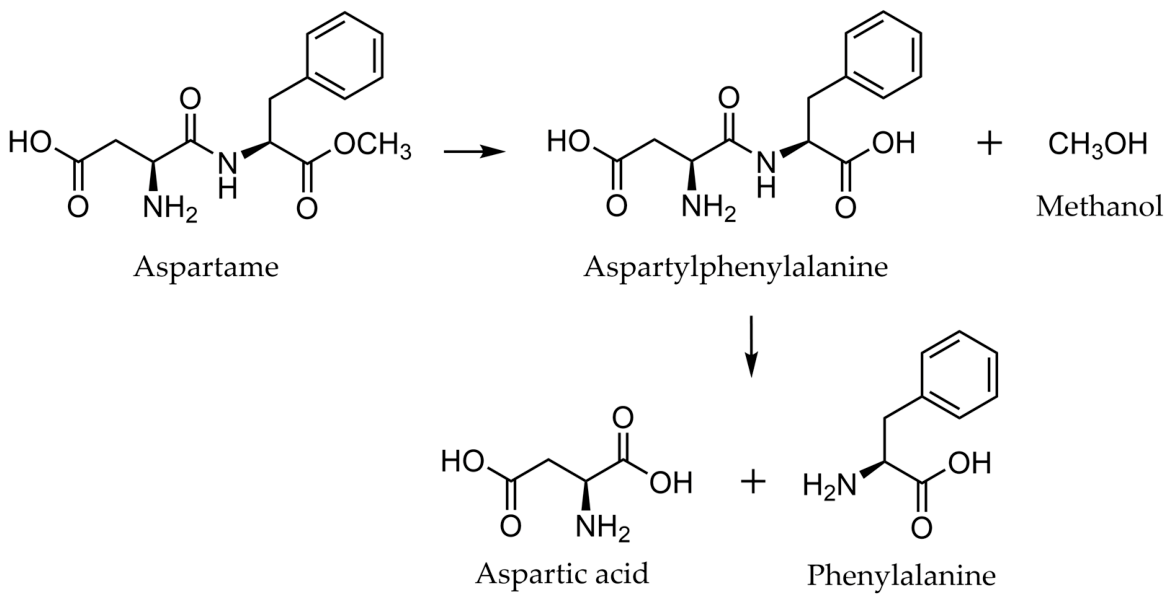
3.1.1. Aspartame
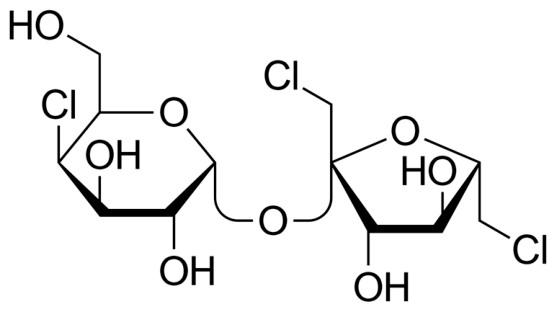
3.1.2. Sucralose
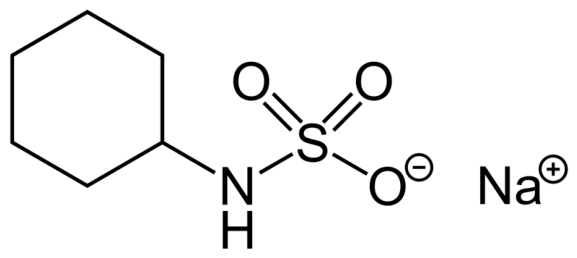
3.1.3. Cyclamate
3.1.4. Saccharin
3.1.5. Acesulfame Potassium (Acesulfame-K)
3.1.6. Neotame
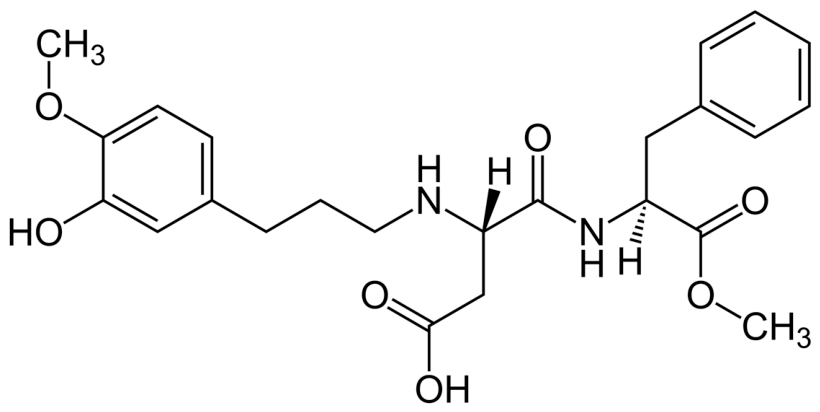
3.1.7. Advantame
3.2. Regulatory Status and Acceptable Daily Intake
3.3. Vulnerable Populations
3.3.1. Pregnant Women
3.3.2. Children and Adolescents
3.3.3. Animal Studies
3.4. Studies on Metabolic and Endocrine Effects

| Study Objective | Results | Ref. |
|---|---|---|
| A randomized, double-blind clinical trial evaluating the effect of sucralose and aspartame on glucose metabolism in healthy individuals. | The blood levels of glucose, insulin, active GLP-1, and leptin were similar for both groups (aspartame and sucralose) compared with the values in healthy participants, while no change in insulin sensitivity compared with the baseline values was observed. | [92] |
| Twelve-week randomized controlled trial comparing the effects of sucrose, aspartame, saccharin, sucralose, and rebaudioside A consumption on body weight, ingestive behaviors, and glucose tolerance in adults with overweight or obesity. | Sucrose and saccharin consumption resulted in comparable increases in body weight, while other sweeteners showed no significant effect. Sucralose reduced energy intake and produced the lowest weight gain, and glucose tolerance remained unaffected across all sweeteners. | [99] |
| A randomized, single-blinded, controlled study assessing the effect of regular consumption of saccharine, sucralose, aspartame, and acesulfame-K on glycemic response in healthy women. | No differences for glucose, insulin, GLP-1, or HbA1c levels and insulin sensitivity at baseline or at week 4 were observed in comparison with the control group. No significant effect of sweetener consumption on body weight, body composition, and waist circumference was observed. | [93] |
| A randomized crossover study examining the adverse effect of soft drinks sweetened with acesulfame-K and aspartame on glucose control in normal-weight, overweight, and obese participants. | Concentrations of fasting glucose and fasting insulin, the area under the curve for an oral glucose tolerance test (OGTT) glucose and insulin, the incremental area under the curve for OGTT glucose and insulin, the homeostatic model assessment for insulin resistance, and the Matsuda index were not altered during the two-week intake of artificially sweetened drinks compared with the baseline and the control group. | [100] |
| A randomized controlled trial assessing the effect of daily aspartame intake for 12 weeks on glycemia, in addition to effects on appetite and body weight in lean adults. | No significant differences in glucose, insulin, resting leptin, GLP- 1, or gastric inhibitory peptide levels at baseline or week 12 were observed in the two groups. In addition, no effect on appetite and body weight was observed. | [101] |
| A randomized crossover clinical trial evaluating the acute effects of three soft drinks sweetened with aspartame/acesulfame-K (AAK), sucrose/stevia (SUC/STE) or sucrose on glucose and hormone responses. | Significant increase in glucose and insulin levels was observed at 30 min after sucrose-containing beverage consumption, while SUC/STE resulted in lowering the glucose levels at 60 min and sustained increase in PP levels. The AAK group and control group demonstrated no significant differences in glucose or hormone levels. | [104] |
| A single-blinded randomized study determining the aspartame and sucralose effect on blood glucose, insulin, c-peptide and glucagon-like GLP-1 levels in patients with type 2 diabetes. | In healthy subjects, sucralose enhances GLP-1 release and lowers blood glucose, while in type 2 diabetic patients no statistical difference in three settings for the glucose, insulin, c-peptide, and GLP-1 values were observed. | [105] |
| A randomized, double-blind, crossover study comparing the effects of a carbonated beverage containing aspartame and acesulfame-K consumption with those of an unsweetened carbonated beverage on insulin sensitivity and secretion in nondiabetic adults. | Consumption of beverage, sweetened with aspartame and acesulfame-K has no significant effect on insulin sensitivity and secretion, body weight, self-reported dietary consumption or physical activity in nondiabetic adults. | [102] |
| A randomized, parallel, double-blind, placebo-controlled trial determining the effect of acute and chronic consumption of sucralose on insulin and glucose profiles in young healthy adults. | Consumption of sucralose for 10 weeks induced increased insulin and blood glucose concentrations in the 48 mg sucralose group, increased area under the curve of insulin in both 48 and 96 mg sucralose groups, and reduced Matsuda index in the 48 mg sucralose group, suggesting that chronic consumption of sucralose can affect insulin and glucose responses in non-insulin resistant healthy young adults. | [94] |
| Parallel randomized clinical trial investigating the effect of sucralose consumption on concentrations of appetite-regulating hormones, including GLP- 1, ghrelin, peptide tyrosine, and leptin, and secondarily on insulin resistance in healthy, normal-weight individuals. | Sucralose consumption did not induce significant changes in concentrations of GLP-1, ghrelin, peptide tyrosine, or leptin. | [96] |
| A randomized double-blind placebo-controlled trial aiming to determine the effects of chronic consumption of sucralose on glycemic response, insulin secretion and sensitivity, and GLP-1 release in healthy subjects in healthy volunteers. | Active GLP-1 levels were significantly higher in the sucralose group than placebo, while acute insulin response and whole-body insulin sensitivity were lower after exposure to sucralose than placebo. | [95] |
| A human study assessing of the saccharin effect on insulin and blood glucose levels in healthy young men, including nine participants. | One statistically significant difference in blood glucose between sucrose and saccharin was found. Insulin secretion was significantly higher after the sucrose trial compared to the saccharin trial and water. The higher insulin levels after the saccharin trial compared to water were non-statistically significant differences. | [97] |
| A cross-sectional study evaluating the biochemical effects of chronic saccharin and cyclamate consumption in healthy individuals and type 2 diabetes mellitus patients. | Chronic saccharin and cyclamate consumption was associated with a time and dose-dependent effect on biochemical parameters related to metabolic functions and increased oxidative stress in both healthy and diabetic type 2 patients. | [98] |
| A randomized crossover trial evaluating the acute and repeated ingestive effects of biscuit formulations sweetened with neotame or stevia rebaudioside M (StRebM) vs. sucrose on appetite and endocrine responses in adults with overweight and obesity. | Appetite sensations were reduced similarly for all the formulations. Neotame and StRebM formulation showed lower postprandial insulin compared to sucrose, while glucose was lower after StRebM and not after Neotame compared to sucrose. No statistical differences in ghrelin, glucagon-like peptide 1 or pancreatic polypeptide levels were found for sweeteners and sweetness enhancers or sucrose formulations. | [103] |
3.5. Studies on Gut Microbiota and Gastrointestinal Effects
3.6. Studies on Neurological and Behavioral Effects
3.6.1. Aspartame
3.6.2. Sucralose
| Study Objective | Results | Ref. |
|---|---|---|
| Longitudinal observational study investigating the correlation between the total consumption of seven sweeteners (aspartame, saccharin, acesulfame-K, erythritol, xylitol, sorbitol and tagatose) and cognitive decline in a substantial cohort of civil servants over eight years. | Participants with diabetes who regularly used low-calorie sweeteners had significantly lower verbal fluency and memory scores than participants without diabetes. | [121] |
| A randomized double-blind study assessing the effects of glucose and aspartame on episodic memory, word recall, and reaction times in healthy young adults. | The authors reported better results for subjects who consumed glucose-sweetened drinks than for those who consumed aspartame-sweetened drinks. | [126] |
| A human study examining the effects of repeated short-term use of both nutritive and non-nutritive sweeteners, such as sucralose, on CNS activity, using neuropsychological tests and quantitative electroencephalogram assessments | The participants in the sucralose group performed significantly worse in their final evaluation compared to their initial one. Their scores for overall memory, encoding memory, and executive functions all decreased after the supplementation regimen, suggesting a potentially significant effect of this sweetener on brain functions. | [127] |
| In vivo study in mice determining the effects of consuming the maximum allowable dose of non-nutritive sweeteners, including aspartame, stevia, and sucralose, on memory retention and on the histology of the hippocampus. | The consumption of sucralose was linked to higher theta wave activity in quantitative electroencephalography—a cognitive impairment marker. | [128] |
3.6.3. Saccharin
| Study Design | Results | Ref. |
|---|---|---|
| A prospective cohort study investigating the association between low-calorie and non-caloric artificial sweetener consumption, including saccharin, and the development of cognitive decline over an eight-year follow-up period. A total of 12,772 people took part in the study, and they came from a wide range of age groups, sexes, lifestyle characteristics and comorbidity backgrounds. | The consumption of saccharin and other LNCSs is found to result in a faster decline in certain cognitive functions, such as verbal fluency and memory. Furthermore, the results show that higher consumption of artificially sweetened beverages is associated with an increased risk of developing dementia, including Alzheimer’s disease, as well as more pronounced cognitive decline over time. | [121] |
| In vivo study in male mice investigating whether exposure to saccharin alone or saccharin combined with nicotine produces behavioral and cognitive alterations in the exposed animals and whether these phenotypes are transmitted to their offspring through epigenetic mechanisms. | Exposure of male mice to saccharin induced motor impulsivity that was transmitted to offspring, while offspring additionally showed hyperactivity and working memory deficits. These effects were associated with hypermethylation of sperm DNA, particularly in dopamine receptor gene promoter regions, suggesting epigenetic transgenerational inheritance. | [129] |
| In vivo study in juvenile and adolescent rats evaluating whether early-life consumption of low-calorie sweeteners (stevia, acesulfame potassium, and saccharin) affects glucose metabolism, sugar-motivated behavior, and hippocampal-dependent memory function. | Daily consumption of saccharin during the juvenile and adolescent developmental stages could impair hippocampal-dependent contextual episodic memory in male and female rats. Deficits in spatial memory were also observed, but only in male rats. No anxiety-like behavior was demonstrated in either female or male animals. | [130] |
| In vivo study in mice examining whether prolonged consumption of sweetened beverages, including sugar-sweetened and artificially sweetened drinks, alters cognitive function, reward processing, and decision-making behavior. | Long-term consumption of saccharin-sweetened beverages leads to significant impairment of cognitive function and changes in the neurobiological mechanisms related to reward processing. These changes are accompanied by long-lasting alterations in dopaminergic activity in various brain regions. | [131] |
| In vivo study in adult male rats comparing the long-term effects of artificial sweeteners, including saccharin, on brain function, oxidative stress, learning behavior, and hippocampal histology. | Saccharin impairs passive learning and memory, accompanied by increased oxidative stress and increased hippocampal expression of Glial fibrillary acidic protein. These findings suggest that long-term consumption of saccharin may have harmful effects on the cognition and hippocampal integrity of rats. | [123] |
| In vivo study in juvenile mice investigating the effects of excessive sucrose and saccharin intake during neurodevelopment on behavioral alterations and changes in dopamine and serotonin signaling that persist into adulthood. | Saccharin-exposed animals showed a blunted locomotor response during both the juvenile and mature stages. Anxiety-like behaviour is modulated in an age-dependent manner. Measures of attention and social interaction are not significantly affected by saccharin consumption. Animals exposed to saccharin exhibit elevated expression of dopamine and serotonin transporter proteins, suggesting enduring alterations in monoaminergic signalling. | [132] |
| In vivo study in female rats evaluating the behavioral and metabolic effects of switching from chronic consumption of a 10% sucrose solution to either saccharin or water, with emphasis on feeding behavior, body weight, and reward-related responses. | Chronic consumption of a 10% sucrose solution resulted in metabolic disorders and impaired learning and memory. Replacing sugar with saccharin or water significantly improved both metabolic indicators and hippocampal-dependent cognitive performance. | [133] |
| In vivo study in male and female rats investigating whether saccharin intake (0.1% saccharin solution for 2 h per day for three weeks) affects hippocampal and cortical synaptic plasticity, including long-term potentiation and related neural function. | No differences in the formation of long-term potentiation in the hippocampus or somatosensory cortex between male and female rats were found, suggesting that saccharin exposure during the juvenile stage did not affect synaptic plasticity in either the hippocampus or the somatosensory cortex. | [134] |
3.6.4. Acesulfame-K
3.6.5. Neotame
3.6.6. Advantame
3.7. Comparison with Natural and Novel Alternatives
| Sweetener | Plant Origin | Sweetness Potency | Adverse Effects | Use/Remark | Ref. |
|---|---|---|---|---|---|
| Thaumatin | Fruits of Thaumatococcus daniellii (Benn.) Benth., Marantaceae | 2000 to 3000 times sweeter than sucrose | No adverse effects were observed. | Food additive in confectionery, ice creams, chewing gum, etc. | [147] |
| Glycyrrhizin and other licorice root derivatives | Roots of Glycyrrhiza glabra, Fabaceae | About 50 times sweeter than sucrose. | Chronic excessive intake may lead to high blood pressure and low potassium levels. Inhibits the 11βHSD enzyme. | Flavoring and sweetening agent for beverages, chewing gums, candies, toothpastes, and tobacco. | [150] |
| Mogrosides (terpene glycosides) | Fruits of Siraitia grosvenorii Swingle, Cucurbitaceae | About 200–300 times sweeter than sucrose. | No adverse effects were observed. | A table-top sweetener and a non-nutritive sweetener for general use in food. | [146,151] |
| Steviol glycosides | Leaves of Stevia rebaudiana Bertoni, Asteraceae | 200 to 400 times sweeter than table sugar | No adverse effects were observed. | Food industry. | [152] |
| Miraculin | Fruits of Synsepalum dulcificum Daniell., Sapotaceae | Exceeds 400,000 times the sweetness of sugar. | No adverse effects were observed. | Not approved as a standard food additive or sweetener. Commercial products containing it are generally marketed as dietary supplements rather than approved sweeteners, and availability is inconsistent. | [153,154] |
| Hernandulcin (sesquiterpene) | Leaves and flowers of Lippia dulcis Trevir., Verbenaceae | Up to 1000 times greater than sucrose. | No adverse effects were observed. | It is not used commercially as a sweetener. | [155] |
4. Conclusions
Author Contributions
Funding
Institutional Review Board Statement
Informed Consent Statement
Data Availability Statement
Acknowledgments
Conflicts of Interest
Abbreviations
| ADI | Acceptable Daily Intake |
| ASD | Autism spectrum disorder |
| ATP | Adenosine triphosphate |
| BDNF | Brain-derived neurotrophic factor |
| BMI | Body mass index |
| CAGR | Compound annual growth rate |
| CNS | Central nervous system |
| ECG | Electrocardiogram |
| EFSA | European Food Safety Authority |
| FAO | Food and Agriculture Organization |
| FDA | Food and Drug Administration |
| FSG | Fasting blood glucose |
| GDM | Gestational diabetes mellitus |
| GFAP | Glial fibrillary acidic protein |
| GIP | Glucose-dependent insulinotropic peptide |
| GLP-1 | Glucagon-like peptide-1 |
| HbA1c | Hemoglobin A1C |
| JECFA | Joint FAO/WHO Expert Committee on Food Additives |
| LDL | Low-density lipoproteins |
| LTP | Long-term potentiation |
| MDA | Malondialdehyde |
| NOAEL | No-observed-adverse-effect level |
| OGTT | Oral glucose tolerance test |
| PP | Pancreatic polypeptide |
| SCFA | Short-chain fatty acid |
| TC/HDL | Total cholesterol to high-density lipoproteins ratio |
| TG | Triglycerides |
| WHO | World Health Organization |
References
- European Food Safety Authority (EFSA). Sweeteners. Available online: https://www.efsa.europa.eu/en/topics/topic/sweeteners (accessed on 1 March 2026).
- Sylvetsky, A.C.; Jin, Y.; Clark, E.J.; Welsh, J.A.; Rother, K.I.; Talegawkar, S.A. Consumption of Low-Calorie Sweeteners among Children and Adults in the United States. J. Acad. Nutr. Diet. 2017, 117, 441–448.e2. [Google Scholar] [CrossRef] [PubMed]
- World Health Organization. Healthy Diet. Available online: https://www.who.int/news-room/fact-sheets/detail/healthy-diet (accessed on 2 March 2026).
- Mordor Intelligence. Artificial Sweetener Market Size & Share Analysis–Growth Trends and Forecast (2026–2031); Mordor Intelligence: Hyderabad, India, 2026; Available online: https://www.mordorintelligence.com/industry-reports/artificial-sweeteners-market (accessed on 2 March 2026).
- Future Market Insights. Artificial Sweetener Market Size & Trends 2026–2036; Future Market Insights: Valley Cottage, NY, USA, 2026; Available online: https://www.futuremarketinsights.com/reports/global-artificial-sweeteners-market (accessed on 2 March 2026).
- Debras, C.; Chazelas, E.; Srour, B.; Druesne-Pecollo, N.; Esseddik, Y.; Szabo De Edelenyi, F.; Agaësse, C.; De Sa, A.; Lutchia, R.; Gigandet, S.; et al. Artificial Sweeteners and Cancer Risk: Results from the NutriNet-Santé Population-Based Cohort Study. PLoS Med. 2022, 19, e1003950. [Google Scholar] [CrossRef]
- Pearlman, M.; Obert, J.; Casey, L. The Association Between Artificial Sweeteners and Obesity. Curr. Gastroenterol. Rep. 2017, 19, 64. [Google Scholar] [CrossRef]
- Basson, A.R.; Rodriguez-Palacios, A.; Cominelli, F. Artificial Sweeteners: History and New Concepts on Inflammation. Front. Nutr. 2021, 8, 746247. [Google Scholar] [CrossRef]
- U.S. Food and Drug Administration (FDA). Aspartame and Other Sweeteners in Food. Available online: https://www.fda.gov/food/food-additives-petitions/aspartame-and-other-sweeteners-food (accessed on 2 March 2026).
- Goel, R.; Bhardwaj, S.; Bana, S. Pharmaceutical Excipients. In Dosage Forms, Formulation Developments and Regulations; Elsevier: Amsterdam, The Netherlands, 2024; pp. 311–348. ISBN 978-0-323-91817-6. [Google Scholar]
- Magnuson, B.A.; Carakostas, M.C.; Moore, N.H.; Poulos, S.P.; Renwick, A.G. Biological Fate of Low-Calorie Sweeteners. Nutr. Rev. 2016, 74, 670–689. [Google Scholar] [CrossRef]
- EFSA Panel on Food Additives and Nutrient Sources added to Food (ANS). Scientific Opinion on the Re-evaluation of Aspartame (E 951) as a Food Additive. EFS2 2013, 11, 3496. [CrossRef]
- Czarnecka, K.; Pilarz, A.; Rogut, A.; Maj, P.; Szymańska, J.; Olejnik, Ł.; Szymański, P. Aspartame—True or False? Narrative Review of Safety Analysis of General Use in Products. Nutrients 2021, 13, 1957. [Google Scholar] [CrossRef] [PubMed]
- EFSA Panel on Food Additives and Flavourings (FAF); Castle, L.; Andreassen, M.; Aquilina, G.; Bastos, M.L.; Boon, P.; Fallico, B.; FitzGerald, R.; Frutos Fernandez, M.J.; Grasl-Kraupp, B.; et al. Re-evaluation of Saccharin and Its Sodium, Potassium and Calcium Salts (E 954) as Food Additives. EFS2 2024, 22, e9044. [Google Scholar] [CrossRef]
- EFSA Panel on Food Additives and Flavourings (FAF); Castle, L.; Andreassen, M.; Aquilina, G.; Bastos, M.L.; Boon, P.; Fallico, B.; FitzGerald, R.; Frutos Fernandez, M.J.; Grasl-Kraupp, B.; et al. Re-evaluation of Acesulfame K (E 950) as Food Additive. EFS2 2025, 23, e9317. [Google Scholar] [CrossRef]
- Das, A.; Chakraborty, R. Sweeteners: Classification, Sensory and Health Effects. In Encyclopedia of Food and Health; Elsevier: Amsterdam, The Netherlands, 2016; pp. 234–240. ISBN 978-0-12-384953-3. [Google Scholar]
- O’Brien-Nabors, L. (Ed.) Alternative Sweeteners; CRC Press: Boca Raton, FL, USA, 2016; ISBN 978-0-429-10908-9. [Google Scholar]
- Pang, M.D.; Goossens, G.H.; Blaak, E.E. The Impact of Artificial Sweeteners on Body Weight Control and Glucose Homeostasis. Front. Nutr. 2021, 7, 598340. [Google Scholar] [CrossRef]
- World Health Organization. Use of Non-Sugar Sweeteners: WHO Guideline; World Health Organization: Geneva, Switzerland, 2023; ISBN 978-92-4-007361-6. [Google Scholar]
- Azad, M.B.; Abou-Setta, A.M.; Chauhan, B.F.; Rabbani, R.; Lys, J.; Copstein, L.; Mann, A.; Jeyaraman, M.M.; Reid, A.E.; Fiander, M.; et al. Nonnutritive Sweeteners and Cardiometabolic Health: A Systematic Review and Meta-Analysis of Randomized Controlled Trials and Prospective Cohort Studies. CMAJ 2017, 189, E929–E939. [Google Scholar] [CrossRef] [PubMed]
- Suez, J.; Korem, T.; Zeevi, D.; Zilberman-Schapira, G.; Thaiss, C.A.; Maza, O.; Israeli, D.; Zmora, N.; Gilad, S.; Weinberger, A.; et al. Artificial Sweeteners Induce Glucose Intolerance by Altering the Gut Microbiota. Nature 2014, 514, 181–186. [Google Scholar] [CrossRef]
- Choudhary, A.K.; Lee, Y.Y. Neurophysiological Symptoms and Aspartame: What Is the Connection? Nutr. Neurosci. 2018, 21, 306–316. [Google Scholar] [CrossRef] [PubMed]
- National Center for Biotechnology Information PubChem Compound Summary for CID 134601, Aspartame. Available online: https://pubchem.ncbi.nlm.nih.gov/compound/134601 (accessed on 5 March 2026).
- Trawiński, J.; Skibiński, R. Stability of Aspartame in the Soft Drinks: Identification of the Novel Phototransformation Products and Their Toxicity Evaluation. Food Res. Int. 2023, 173, 113365. [Google Scholar] [CrossRef] [PubMed]
- Elhadad, N.; Wu, J. Decoding the Taste of Peptides: Structure, Interactions with Taste Receptors, Bioactivities, and Applications. Sustain. Food Proteins 2025, 3, e70009. [Google Scholar] [CrossRef]
- Conceição, M.M.; Fernandes, V.J.; Souza, A.G.; Nascimento, T.G.; Aragão, C.F.S.; Macedo, R.O. Study of Thermal Degradation of Aspartame and Its Products of Conversion in Sweetener Using Isothermal Thermogravimetry and HPLC. Thermochim. Acta 2005, 433, 163–169. [Google Scholar] [CrossRef]
- Jorge, K. SOFT DRINKS | Chemical Composition. In Encyclopedia of Food Sciences and Nutrition; Elsevier: Amsterdam, The Netherlands, 2003; pp. 5346–5352. ISBN 978-0-12-227055-0. [Google Scholar]
- Maler, V.; Goetz, V.; Tardieu, M.; Khalil, A.E.; Alili, J.M.; Meunier, P.; Maillot, F.; Labarthe, F. Aspartame and Phenylketonuria: An Analysis of the Daily Phenylalanine Intake of Aspartame-Containing Drugs Marketed in France. Orphanet J. Rare Dis. 2023, 18, 142. [Google Scholar] [CrossRef]
- Öncel, H.U.; Sökmen, Z. The Safety Profile of Aspartame: A Review of Regulatory Standards and Emerging Health Concerns. J. Nutr. Metab. 2026, 2026, 4727546. [Google Scholar] [CrossRef]
- Holeček, M. Aspartic Acid in Health and Disease. Nutrients 2023, 15, 4023. [Google Scholar] [CrossRef]
- Dorokhov, Y.L.; Shindyapina, A.V.; Sheshukova, E.V.; Komarova, T.V. Metabolic Methanol: Molecular Pathways and Physiological Roles. Physiol. Rev. 2015, 95, 603–644. [Google Scholar] [CrossRef]
- Sun, W.; Huo, S.; Li, S.; Yang, D.; Wei, C.; Zheng, J.; Cai, S. Evaluating the Role of Glutathione Reductase in Aspartame-Induced Liver Hepatocellular Carcinoma: A Molecular Network and Prognostic Approach. Toxicol. Lett. 2025, 413, 111748. [Google Scholar] [CrossRef]
- National Center for Biotechnology Information PubChem Compound Summary for CID 71485, Sucralose. Available online: https://pubchem.ncbi.nlm.nih.gov/compound/71485 (accessed on 5 March 2026).
- Aguayo-Guerrero, J.A.; Méndez-García, L.A.; Solleiro-Villavicencio, H.; Viurcos-Sanabria, R.; Escobedo, G. Sucralose: From Sweet Success to Metabolic Controversies—Unraveling the Global Health Implications of a Pervasive Non-Caloric Artificial Sweetener. Life 2024, 14, 323. [Google Scholar] [CrossRef]
- Schiffman, S.S.; Rother, K.I. Sucralose, A Synthetic Organochlorine Sweetener: Overview of Biological Issues. J. Toxicol. Environ. Health Part B 2013, 16, 399–451. [Google Scholar] [CrossRef]
- Del Pozo, S.; Gómez-Martínez, S.; Díaz, L.E.; Nova, E.; Urrialde, R.; Marcos, A. Potential Effects of Sucralose and Saccharin on Gut Microbiota: A Review. Nutrients 2022, 14, 1682. [Google Scholar] [CrossRef]
- Chattopadhyay, S.; Raychaudhuri, U.; Chakraborty, R. Artificial Sweeteners—A Review. J. Food Sci. Technol. 2014, 51, 611–621. [Google Scholar] [CrossRef]
- Behrens, M.; Blank, K.; Meyerhof, W. Blends of Non-Caloric Sweeteners Saccharin and Cyclamate Show Reduced Off-Taste Due to TAS2R Bitter Receptor Inhibition. Cell Chem. Biol. 2017, 24, 1199–1204.e2. [Google Scholar] [CrossRef]
- Sachan, M.; Singh, P. Artificial Sweeteners: Chemistry, Health Impacts and Regulatory Perspectives. Asian J. Pharm. Res. Dev. 2025, 13, 39–43. [Google Scholar] [CrossRef]
- Yu, S.; Zhu, B.; Lv, F.; Li, S.; Huang, W. Rapid Analysis of Cyclamate in Foods and Beverages by Gas Chromatography-Electron Capture Detector (GC-ECD). Food Chem. 2012, 134, 2424–2429. [Google Scholar] [CrossRef] [PubMed]
- Huang, Z.; Ma, J.; Chen, B.; Zhang, Y.; Yao, S. Determination of Cyclamate in Foods by High Performance Liquid Chromatography–Electrospray Ionization Mass Spectrometry. Anal. Chim. Acta 2006, 555, 233–237. [Google Scholar] [CrossRef]
- Hashemi, M.; Habibi, A.; Jahanshahi, N. Determination of Cyclamate in Artificial Sweeteners and Beverages Using Headspace Single-Drop Microextraction and Gas Chromatography Flame-Ionisation Detection. Food Chem. 2011, 124, 1258–1263. [Google Scholar] [CrossRef]
- Chen, Z.; Chen, G.; Zhou, K.; Zhang, P.; Ren, X.; Mei, X. Toxicity of Food Sweetener-Sodium Cyclamate on Osteoblasts Cells. Biochem. Biophys. Res. Commun. 2019, 508, 507–511. [Google Scholar] [CrossRef]
- Bopp, B.A.; Sonders, R.C.; Kesterson, J.W.; Renwick, A.G. Toxicological Aspects of Cyclamate and Cyclohexylamine. CRC Crit. Rev. Toxicol. 1986, 16, 213–306. [Google Scholar] [CrossRef]
- Serra-Majem, L.; Bassas, L.; García-Glosas, R.; Ribas, L.; Inglés, C.; Casals, I.; Saavedra, P.; Renwick, A.G. Cyclamate Intake and Cyclohexylamine Excretion Are Not Related to Male Fertility in Humans. Food Addit. Contam. 2003, 20, 1097–1104. [Google Scholar] [CrossRef]
- Xiao, J.; Zhuo, D.; Tang, J.; Chen, J.; Tan, C.; Zhang, S.; Li, S.; Zou, Z. Selective and Sensitive Detection of Cyclamate in Beverages Using a Portable Pressure Meter: A Specific Reaction-Based Analytical Kit. Microchem. J. 2024, 204, 110959. [Google Scholar] [CrossRef]
- Zhao, X.; Liu, M.; Cui, M.; Liu, B. Multiple Interaction Modes between Saccharin and Sweet Taste Receptors Determine a Species-dependent Response to Saccharin. FEBS Open Bio 2022, 12, 494–499. [Google Scholar] [CrossRef] [PubMed]
- O’Mullane, M.; Fields, B.; Stanley, G. Food Additives: Sweeteners. In Encyclopedia of Food Safety; Elsevier: Amsterdam, The Netherlands, 2014; pp. 477–484. ISBN 978-0-12-378613-5. [Google Scholar]
- Carreira-Casais, A.; Pereira, A.G. From Sweeteners to Sleeplessness: The Hidden Effects of Sucralose and Saccharin on the Gut–Brain Axis. Med. Sci. Forum 2026, 43, 1. [Google Scholar] [CrossRef]
- Plaza-Diaz, J.; Pastor-Villaescusa, B.; Rueda-Robles, A.; Abadia-Molina, F.; Ruiz-Ojeda, F.J. Plausible Biological Interactions of Low- and Non-Calorie Sweeteners with the Intestinal Microbiota: An Update of Recent Studies. Nutrients 2020, 12, 1153. [Google Scholar] [CrossRef] [PubMed]
- Qin, X. Etiology of Inflammatory Bowel Disease: A Unified Hypothesis. World J. Gastroenterol. 2012, 18, 1708–1722. [Google Scholar] [CrossRef]
- Lawrence, J.F. ACESULFAME | ACESULPHAME. In Encyclopedia of Food Sciences and Nutrition; Elsevier: Amsterdam, The Netherlands, 2003; pp. 1–3. ISBN 978-0-12-227055-0. [Google Scholar]
- Chowdhury, C.R.; Havlik, J. Beyond Sweetness: A Review of the Health and Safety of Acesulfame-K. Food Chem. 2026, 499, 147290. [Google Scholar] [CrossRef]
- Klug, C.; Von Rymon Lipinski, G.; Acesulfame, K. Sweeteners and Sugar Alternatives in Food Technology; O’Donnell, K., Kearsley, M.W., Eds.; Wiley: Hoboken, NJ, USA, 2012; pp. 91–115. ISBN 978-0-470-65968-7. [Google Scholar]
- Rother, K.I.; Sylvetsky, A.C.; Walter, P.J.; Garraffo, H.M.; Fields, D.A. Pharmacokinetics of Sucralose and Acesulfame-Potassium in Breast Milk Following Ingestion of Diet Soda. J. Pediatr. Gastroenterol. Nutr. 2018, 66, 466–470. [Google Scholar] [CrossRef]
- Halasa, B.C.; Sylvetsky, A.C.; Conway, E.M.; Shouppe, E.L.; Walter, M.F.; Walter, P.J.; Cai, H.; Hui, L.; Rother, K.I. Non-Nutritive Sweeteners in Human Amniotic Fluid and Cord Blood: Evidence of Transplacental Fetal Exposure. Am. J. Perinatol. 2023, 40, 1286–1291. [Google Scholar] [CrossRef]
- Abu-Reidah, I.M. Carbonated Beverages. In Trends in Non-Alcoholic Beverages; Elsevier: Amsterdam, The Netherlands, 2020; pp. 1–36. ISBN 978-0-12-816938-4. [Google Scholar]
- Tiefenbacher, K.F. Technology of Main Ingredients—Sweeteners and Lipids. In Wafer and Waffle; Elsevier: Amsterdam, The Netherlands, 2017; pp. 123–225. ISBN 978-0-12-809438-9. [Google Scholar]
- BeMiller, J.N. Carbohydrate and Noncarbohydrate Sweeteners. In Carbohydrate Chemistry for Food Scientists; Elsevier: Amsterdam, The Netherlands, 2019; pp. 371–399. ISBN 978-0-12-812069-9. [Google Scholar]
- Kumari, A.; Choudhary, S.; Arora, S.; Sharma, V. Stability of Aspartame and Neotame in Pasteurized and In-Bottle Sterilized Flavoured Milk. Food Chem. 2016, 196, 533–538. [Google Scholar] [CrossRef]
- O’donnell, K. Aspartame, Neotame and Advantame. In Sweeteners and Sugar Alternatives in Food Technology; O’Donnell, K., Kearsley, M.W., Eds.; Wiley: Hoboken, NJ, USA, 2012; pp. 117–136. ISBN 978-0-470-65968-7. [Google Scholar]
- Warrington, S.; Lee, C.; Otabe, A.; Narita, T.; Polnjak, O.; Pirags, V.; Krievins, D. Acute and Multiple-Dose Studies to Determine the Safety, Tolerability, and Pharmacokinetic Profile of Advantame in Healthy Volunteers. Food Chem. Toxicol. 2011, 49, S77–S83. [Google Scholar] [CrossRef]
- Ubukata, K.; Nakayama, A.; Mihara, R. Pharmacokinetics and Metabolism of N-[N-[3-(3-Hydroxy-4-Methoxyphenyl) Propyl]-α-Aspartyl]-l-Phenylalanine 1-Methyl Ester, Monohydrate (Advantame) in the Rat, Dog, and Man. Food Chem. Toxicol. 2011, 49, S8–S29. [Google Scholar] [CrossRef]
- Aspartame Hazard and Risk Assessment Results Released. Available online: https://www.who.int/news/item/14-07-2023-aspartame-hazard-and-risk-assessment-results-released (accessed on 17 April 2026).
- EFSA Panel on Food Additives and Nutrient Sources added to Food (ANS). Guidance for Submission for Food Additive Evaluations. EFS2 2012, 10, 2760. [CrossRef]
- EFSA Panel on Food Additives and Flavourings (FAF); Castle, L.; Andreassen, M.; Aquilina, G.; Bastos, M.L.; Boon, P.; Fallico, B.; FitzGerald, R.; Frutos Fernandez, M.J.; Grasl-Kraupp, B.; et al. Guidance on the Scientific Data Requirements for an Application for Authorisation of a Food Additive Submitted under Regulation (EC) No 1331/2008. EFS2 2026, 24, e9778. [Google Scholar] [CrossRef]
- International Programme on Chemical Safety (IPCS). IPCS Risk Assessment Terminology; IPCS Harmonization Project; World Health Organization: Geneva, Switzerland, 2004; ISBN 978-92-4-156267-6. [Google Scholar]
- Acceptable Daily Intake of Sweeteners in the EU. Available online: https://knowledge4policy.ec.europa.eu/health-promotion-knowledge-gateway/sugars-sweeteners-7_en (accessed on 10 March 2026).
- European Food Safety Authority Food. Additives. Available online: https://www.efsa.europa.eu/en/topics/topic/food-additives (accessed on 15 April 2026).
- Hedrick, V.E.; Nieto, C.; Grilo, M.F.; Sylvetsky, A.C. Non-Sugar Sweeteners: Helpful or Harmful? The Challenge of Developing Intake Recommendations with the Available Research. BMJ 2023, 383, e075293. [Google Scholar] [CrossRef]
- American Diabetes Association. Classification and Diagnosis of Diabetes: Standards of Medical Care in Diabetes—2020. Diabetes Care 2020, 43, S14–S31. [Google Scholar] [CrossRef]
- Bowers, K.; Tobias, D.K.; Yeung, E.; Hu, F.B.; Zhang, C. A Prospective Study of Prepregnancy Dietary Fat Intake and Risk of Gestational Diabetes. Am. J. Clin. Nutr. 2012, 95, 446–453. [Google Scholar] [CrossRef]
- Goran, M.I.; Plows, J.F.; Ventura, E.E. Effects of Consuming Sugars and Alternative Sweeteners during Pregnancy on Maternal and Child Health: Evidence for a Secondhand Sugar Effect. Proc. Nutr. Soc. 2019, 78, 262–271. [Google Scholar] [CrossRef]
- Huang, L.; Huang, Y.; Zhang, H.; Lyu, C. Correlation Analyses of the Consumption of Artificial Sweeteners During Pregnancy and the Incidence of Gestational Diabetes Mellitus. Diabetes Metab. Syndr. Obes. 2025, 18, 1527–1538. [Google Scholar] [CrossRef]
- Gjørup, E.M.; Bech, B.H.; Stampe, S.; Halldorsson, T.I.; Bjerregaard, A.A.; Olsen, S.F.; Ovesen, P.G.; Leth-Møller, M. Consumption of Artificial Sweeteners during Pregnancy and the Risk of Overweight in the Offspring. Br. J. Nutr. 2025, 133, 966–976. [Google Scholar] [CrossRef]
- Fowler, S.P.; Gimeno Ruiz De Porras, D.; Swartz, M.D.; Stigler Granados, P.; Heilbrun, L.P.; Palmer, R.F. Daily Early-Life Exposures to Diet Soda and Aspartame Are Associated with Autism in Males: A Case-Control Study. Nutrients 2023, 15, 3772. [Google Scholar] [CrossRef]
- Walton, R.G.; Monte, W.C. Dietary Methanol and Autism. Med. Hypotheses 2015, 85, 441–446. [Google Scholar] [CrossRef]
- Humphries, P.; Pretorius, E.; Naudé, H. Direct and Indirect Cellular Effects of Aspartame on the Brain. Eur. J. Clin. Nutr. 2008, 62, 451–462. [Google Scholar] [CrossRef]
- Abdel-Salam, O.M.E.; Salem, N.A.; El-Shamarka, M.E.S.; Hussein, J.S.; Ahmed, N.S.; El-Nagar, M.E.S. Studies on the Effects of Aspartame on Memory and Oxidative Stress in Brain of Mice. Eur. Rev. Med. Pharmacol. Sci. 2012, 16, 2092–2101. [Google Scholar]
- Songur, A.; Ozen, O.A.; Sarsilmaz, M. The Toxic Effects of Formaldehyde on the Nervous System. In Reviews of Environmental Contamination and Toxicology Vol 203;Reviews of Environmental Contamination and Toxicology; Whitacre, D.M., Ed.; Springer: New York, NY, USA, 2010; Volume 203, pp. 105–118. ISBN 978-1-4419-1373-9. [Google Scholar]
- Gul, S.S.; Hamilton, A.R.L.; Munoz, A.R.; Phupitakphol, T.; Liu, W.; Hyoju, S.K.; Economopoulos, K.P.; Morrison, S.; Hu, D.; Zhang, W.; et al. Inhibition of the Gut Enzyme Intestinal Alkaline Phosphatase May Explain How Aspartame Promotes Glucose Intolerance and Obesity in Mice. Appl. Physiol. Nutr. Metab. 2017, 42, 77–83. [Google Scholar] [CrossRef]
- MacFabe, D.F. Enteric Short-Chain Fatty Acids: Microbial Messengers of Metabolism, Mitochondria, and Mind: Implications in Autism Spectrum Disorders. Microb. Ecol. Health Dis. 2015, 26, 28177. [Google Scholar] [CrossRef]
- El-Ansary, A.; Al-Salem, H.S.; Asma, A.; Al-Dbass, A. Glutamate Excitotoxicity Induced by Orally Administered Propionic Acid, a Short Chain Fatty Acid Can Be Ameliorated by Bee Pollen. Lipids Health Dis. 2017, 16, 96. [Google Scholar] [CrossRef]
- Frye, R.E.; Nankova, B.; Bhattacharyya, S.; Rose, S.; Bennuri, S.C.; MacFabe, D.F. Modulation of Immunological Pathways in Autistic and Neurotypical Lymphoblastoid Cell Lines by the Enteric Microbiome Metabolite Propionic Acid. Front. Immunol. 2017, 8, 1670. [Google Scholar] [CrossRef]
- Wolraich, M.L.; Lindgren, S.D.; Stumbo, P.J.; Stegink, L.D.; Appelbaum, M.I.; Kiritsy, M.C. Effects of Diets High in Sucrose or Aspartame on The Behavior and Cognitive Performance of Children. N. Engl. J. Med. 1994, 330, 301–307. [Google Scholar] [CrossRef] [PubMed]
- Espinosa, A.; Mendoza, K.; Laviada-Molina, H.; Rangel-Méndez, J.A.; Molina-Segui, F.; Sun, Q.; Tobias, D.K.; Willett, W.C.; Mattei, J. Effects of Non-Nutritive Sweeteners on the BMI of Children and Adolescents: A Systematic Review and Meta-Analysis of Randomised Controlled Trials and Prospective Cohort Studies. Lancet Glob. Health 2023, 11, S8. [Google Scholar] [CrossRef]
- Baker-Smith, C.M.; De Ferranti, S.D.; Cochran, W.J.; Committee on Nutrition Section on Gastroenterology Hepatology Nutrition; Abrams, S.A.; Fuchs, G.J., III; Kim, J.H.; Lindsey, C.W.; Magge, S.N.; Rome, E.S.; et al. The Use of Nonnutritive Sweeteners in Children. Pediatrics 2019, 144, e20192765. [Google Scholar] [CrossRef]
- Yang, Q. Gain Weight by “Going Diet?” Artificial Sweeteners and the Neurobiology of Sugar Cravings: Neuroscience 2010. Yale J. Biol. Med. 2010, 83, 101–108. [Google Scholar]
- Liauchonak, I.; Qorri, B.; Dawoud, F.; Riat, Y.; Szewczuk, M.R. Non-Nutritive Sweeteners and Their Implications on the Development of Metabolic Syndrome. Nutrients 2019, 11, 644. [Google Scholar] [CrossRef]
- Shi, Z.; Chen, G.; Cao, Z.; Wu, F.; Lei, H.; Chen, C.; Song, Y.; Liu, C.; Li, J.; Zhou, J.; et al. Gut Microbiota and Its Metabolite Deoxycholic Acid Contribute to Sucralose Consumption-Induced Nonalcoholic Fatty Liver Disease. J. Agric. Food Chem. 2021, 69, 3982–3991. [Google Scholar] [CrossRef]
- Aguayo-Guerrero, J.A.; Méndez-García, L.A.; Manjarrez-Reyna, A.N.; Esquivel-Velázquez, M.; León-Cabrera, S.; Meléndez, G.; Zambrano, E.; Ramos-Martínez, E.; Fragoso, J.M.; Briones-Garduño, J.C.; et al. Newborns from Mothers Who Intensely Consumed Sucralose during Pregnancy Are Heavier and Exhibit Markers of Metabolic Alteration and Low-Grade Systemic Inflammation: A Cross-Sectional, Prospective Study. Biomedicines 2023, 11, 650. [Google Scholar] [CrossRef]
- Ahmad, S.Y.; Friel, J.K.; MacKay, D.S. The Effect of the Artificial Sweeteners on Glucose Metabolism in Healthy Adults: A Randomized, Double-Blinded, Crossover Clinical Trial. Appl. Physiol. Nutr. Metab. 2020, 45, 606–612. [Google Scholar] [CrossRef] [PubMed]
- Orku, S.E.; Suyen, G.; Bas, M. The Effect of Regular Consumption of Four Low- or No-Calorie Sweeteners on Glycemic Response in Healthy Women: A Randomized Controlled Trial. Nutrition 2023, 106, 111885. [Google Scholar] [CrossRef]
- Bueno-Hernández, N.; Esquivel-Velázquez, M.; Alcántara-Suárez, R.; Gómez-Arauz, A.Y.; Espinosa-Flores, A.J.; De León-Barrera, K.L.; Mendoza-Martínez, V.M.; Sánchez Medina, G.A.; León-Hernández, M.; Ruiz-Barranco, A.; et al. Chronic Sucralose Consumption Induces Elevation of Serum Insulin in Young Healthy Adults: A Randomized, Double Blind, Controlled Trial. Nutr. J. 2020, 19, 32. [Google Scholar] [CrossRef] [PubMed]
- Lertrit, A.; Srimachai, S.; Saetung, S.; Chanprasertyothin, S.; Chailurkit, L.; Areevut, C.; Katekao, P.; Ongphiphadhanakul, B.; Sriphrapradang, C. Effects of Sucralose on Insulin and Glucagon-like Peptide-1 Secretion in Healthy Subjects: A Randomized, Double-Blind, Placebo-Controlled Trial. Nutrition 2018, 55–56, 125–130. [Google Scholar] [CrossRef]
- Romo-Romo, A.; Aguilar-Salinas, C.A.; López-Carrasco, M.G.; Guillén-Pineda, L.E.; Brito-Córdova, G.X.; Gómez-Díaz, R.A.; Gómez-Pérez, F.J.; Almeda-Valdes, P. Sucralose Consumption over 2 Weeks in Healthy Subjects Does Not Modify Fasting Plasma Concentrations of Appetite-Regulating Hormones: A Randomized Clinical Trial. J. Acad. Nutr. Diet. 2020, 120, 1295–1304. [Google Scholar] [CrossRef]
- Bayındır Gümüş, A.; Keser, A.; Tunçer, E.; Altuntaş Yıldız, T.; Kepenekci Bayram, İ. Effect of Saccharin, a Non-Nutritive Sweeteners, on Insulin and Blood Glucose Levels in Healthy Young Men: A Crossover Trial. Diabetes Metab. Syndr. Clin. Res. Rev. 2022, 16, 102500. [Google Scholar] [CrossRef]
- Hasan, H.M.; Alkass, S.Y.; De Oliveira, D.S.P. Impact of Long-Term Cyclamate and Saccharin Consumption on Biochemical Parameters in Healthy Individuals and Type 2 Diabetes Mellitus Patients. Medicina 2023, 59, 698. [Google Scholar] [CrossRef]
- Higgins, K.A.; Mattes, R.D. A Randomized Controlled Trial Contrasting the Effects of 4 Low-Calorie Sweeteners and Sucrose on Body Weight in Adults with Overweight or Obesity. Am. J. Clin. Nutr. 2019, 109, 1288–1301. [Google Scholar] [CrossRef] [PubMed]
- Kim, Y.; Keogh, J.B.; Clifton, P.M. Consumption of a Beverage Containing Aspartame and Acesulfame K for Two Weeks Does Not Adversely Influence Glucose Metabolism in Adult Males and Females: A Randomized Crossover Study. Int. J. Environ. Res. Public Health 2020, 17, 9049. [Google Scholar] [CrossRef]
- Higgins, K.A.; Considine, R.V.; Mattes, R.D. Aspartame Consumption for 12 Weeks Does Not Affect Glycemia, Appetite, or Body Weight of Healthy, Lean Adults in a Randomized Controlled Trial. J. Nutr. 2018, 148, 650–657. [Google Scholar] [CrossRef] [PubMed]
- Bonnet, F.; Tavenard, A.; Esvan, M.; Laviolle, B.; Viltard, M.; Lepicard, E.M.; Lainé, F. Consumption of a Carbonated Beverage with High-Intensity Sweeteners Has No Effect on Insulin Sensitivity and Secretion in Nondiabetic Adults. J. Nutr. 2018, 148, 1293–1299. [Google Scholar] [CrossRef] [PubMed]
- Gibbons, C.; Beaulieu, K.; Almiron-Roig, E.; Navas-Carretero, S.; Martínez, J.A.; O’Hara, B.; O’Connor, D.; Nazare, J.-A.; Le Bail, A.; Rannou, C.; et al. Acute and Two-Week Effects of Neotame, Stevia Rebaudioside M and Sucrose-Sweetened Biscuits on Postprandial Appetite and Endocrine Response in Adults with Overweight/Obesity—A Randomised Crossover Trial from the SWEET Consortium. eBioMedicine 2024, 102, 105005. [Google Scholar] [CrossRef]
- Galicia-Ayala, C.; Klünder-Klünder, M.; Vilchis-Ordoñez, A.; López-Martínez, B.; Miranda-Lora, A.L. Enteroendocrine Hormonal Response after the Ingestion of Cola Beverages with Sucrose and Non-Nutritive Sweeteners in Healthy Adults: A Randomized Crossover Trial. Nutrition 2026, 141, 112938. [Google Scholar] [CrossRef]
- Temizkan, S.; Deyneli, O.; Yasar, M.; Arpa, M.; Gunes, M.; Yazici, D.; Sirikci, O.; Haklar, G.; Imeryuz, N.; Yavuz, D.G. Sucralose Enhances GLP-1 Release and Lowers Blood Glucose in the Presence of Carbohydrate in Healthy Subjects but Not in Patients with Type 2 Diabetes. Eur. J. Clin. Nutr. 2015, 69, 162–166. [Google Scholar] [CrossRef]
- Hou, K.; Wu, Z.-X.; Chen, X.-Y.; Wang, J.-Q.; Zhang, D.; Xiao, C.; Zhu, D.; Koya, J.B.; Wei, L.; Li, J.; et al. Microbiota in Health and Diseases. Sig. Transduct. Target. Ther. 2022, 7, 135. [Google Scholar] [CrossRef] [PubMed]
- Hetta, H.F.; Sirag, N.; Elfadil, H.; Salama, A.; Aljadrawi, S.F.; Alfaifi, A.J.; Alwabisi, A.N.; AbuAlhasan, B.M.; Alanazi, L.S.; Aljohani, Y.A.; et al. Artificial Sweeteners: A Double-Edged Sword for Gut Microbiome. Diseases 2025, 13, 115. [Google Scholar] [CrossRef]
- Wei, Y.; Ji, B. The Health Effects of Artificial Sweeteners: Towards Personalized Quantification and Prediction through Gut Microbiome. Eco-Environ. Health 2023, 2, 89–91. [Google Scholar] [CrossRef]
- Rinninella, E.; Raoul, P.; Cintoni, M.; Franceschi, F.; Miggiano, G.A.D.; Gasbarrini, A.; Mele, M.C. What Is the Healthy Gut Microbiota Composition? A Changing Ecosystem across Age, Environment, Diet, and Diseases. Microorganisms 2019, 7, 14. [Google Scholar] [CrossRef]
- Zhang, Y.-J.; Li, S.; Gan, R.-Y.; Zhou, T.; Xu, D.-P.; Li, H.-B. Impacts of Gut Bacteria on Human Health and Diseases. Int. J. Mol. Sci. 2015, 16, 7493–7519. [Google Scholar] [CrossRef]
- Ahmad, S.Y.; Friel, J.; Mackay, D. The Effects of Non-Nutritive Artificial Sweeteners, Aspartame and Sucralose, on the Gut Microbiome in Healthy Adults: Secondary Outcomes of a Randomized Double-Blinded Crossover Clinical Trial. Nutrients 2020, 12, 3408. [Google Scholar] [CrossRef] [PubMed]
- Thomson, P.; Santibañez, R.; Aguirre, C.; Galgani, J.E.; Garrido, D. Short-Term Impact of Sucralose Consumption on the Metabolic Response and Gut Microbiome of Healthy Adults. Br. J. Nutr. 2019, 122, 856–862. [Google Scholar] [CrossRef]
- Shil, A.; Ladeira Faria, L.M.; Walker, C.A.; Chichger, H. The Artificial Sweetener Neotame Negatively Regulates the Intestinal Epithelium Directly through T1R3-Signaling and Indirectly through Pathogenic Changes to Model Gut Bacteria. Front. Nutr. 2024, 11, 1366409. [Google Scholar] [CrossRef]
- Frankenfeld, C.L.; Sikaroodi, M.; Lamb, E.; Shoemaker, S.; Gillevet, P.M. High-Intensity Sweetener Consumption and Gut Microbiome Content and Predicted Gene Function in a Cross-Sectional Study of Adults in the United States. Ann. Epidemiol. 2015, 25, 736–742.e4. [Google Scholar] [CrossRef]
- Serrano, J.; Smith, K.R.; Crouch, A.L.; Sharma, V.; Yi, F.; Vargova, V.; LaMoia, T.E.; Dupont, L.M.; Serna, V.; Tang, F.; et al. High-Dose Saccharin Supplementation Does Not Induce Gut Microbiota Changes or Glucose Intolerance in Healthy Humans and Mice. Microbiome 2021, 9, 11. [Google Scholar] [CrossRef] [PubMed]
- Suez, J.; Cohen, Y.; Valdés-Mas, R.; Mor, U.; Dori-Bachash, M.; Federici, S.; Zmora, N.; Leshem, A.; Heinemann, M.; Linevsky, R.; et al. Personalized Microbiome-Driven Effects of Non-Nutritive Sweeteners on Human Glucose Tolerance. Cell 2022, 185, 3307–3328.e19. [Google Scholar] [CrossRef]
- Iyaswamy, A.; Rathinasamy, S.; Dapkupar, W. Acute Effect of Aspartame-Induced Oxidative Stress in Wistar Albino Rat Brain. J. Biomed. Res. 2015, 29, 390–396. [Google Scholar] [CrossRef]
- Rycerz, K.; Jaworska-Adamu, J.E. Effects of Aspartame Metabolites on Astrocytes and Neurons. Folia Neuropathol. 2013, 51, 10–17. [Google Scholar] [CrossRef]
- Romano, M.; Diomede, L.; Guiso, G.; Caccia, S.; Perego, C.; Salmona, M. Plasma and Brain Kinetics of Large Neutral Amino Acids and of Striatum Monoamines in Rats given Aspartame. Food Chem. Toxicol. 1990, 28, 317–321. [Google Scholar] [CrossRef] [PubMed]
- De Morais, H.; De Souza, C.P.; Da Silva, L.M.; Ferreira, D.M.; Werner, M.F.; Andreatini, R.; Da Cunha, J.M.; Zanoveli, J.M. Increased Oxidative Stress in Prefrontal Cortex and Hippocampus Is Related to Depressive-like Behavior in Streptozotocin-Diabetic Rats. Behav. Brain Res. 2014, 258, 52–64. [Google Scholar] [CrossRef]
- Gonçalves, N.G.; Martinez-Steele, E.; Lotufo, P.A.; Bensenor, I.; Goulart, A.C.; Barreto, S.M.; Giatti, L.; De Faria, C.P.; Molina, M.D.C.B.; Caramelli, P.; et al. Association Between Consumption of Low- and No-Calorie Artificial Sweeteners and Cognitive Decline: An 8-Year Prospective Study. Neurology 2025, 105, e214023. [Google Scholar] [CrossRef]
- Morales-Ríos, E.I.; García-Machorro, J.; Briones-Aranda, A.; Gómez-Pliego, R.; Espinosa-Raya, J. Effect of Long-Term Intake of Nutritive and Non-Nutritive Sweeteners on Metabolic Health and Cognition in Adult Male Rats. J. Med. Food 2022, 25, 1059–1065. [Google Scholar] [CrossRef]
- Erbaş, O.; Erdoğan, M.A.; Khalilnezhad, A.; Solmaz, V.; Gürkan, F.T.; Yiğittürk, G.; Eroglu, H.A.; Taskiran, D. Evaluation of Long-term Effects of Artificial Sweeteners on Rat Brain: A Biochemical, Behavioral, and Histological Study. J. Biochem. Mol. Toxicol. 2018, 32, e22053. [Google Scholar] [CrossRef] [PubMed]
- Abhilash, M.; Alex, M.; Mathews, V.V.; Nair, R.H. Chronic Effect of Aspartame on Ionic Homeostasis and Monoamine Neurotransmitters in the Rat Brain. Int. J. Toxicol. 2014, 33, 332–341. [Google Scholar] [CrossRef]
- Welcome, M.O.; Mastorakis, N.E.; Pereverzev, V.A. Sweet Taste Receptor Signaling Network: Possible Implication for Cognitive Functioning. Neurol. Res. Int. 2015, 2015, 606479. [Google Scholar] [CrossRef] [PubMed]
- Sünram-Lea, S.I.; Foster, J.K.; Durlach, P.; Perez, C. Investigation into the Significance of Task Difficulty and Divided Allocation of Resources on the Glucose Memory Facilitation Effect. Psychopharmacology 2002, 160, 387–397. [Google Scholar] [CrossRef]
- López-Meza, M.S.; Otero-Ojeda, G.; Estrada, J.A.; Esquivel-Hernández, F.J.; Contreras, I. The Impact of Nutritive and Non-Nutritive Sweeteners on the Central Nervous System: Preliminary Study. Nutr. Neurosci. 2022, 25, 1623–1632. [Google Scholar] [CrossRef]
- Villareal, L.M.A.; Cruz, R.A.M.; Ples, M.B.; Vitor, R.J.S. Neurotropic Effects of Aspartame, Stevia and Sucralose on Memory Retention and on the Histology of the Hippocampus of the ICR Mice (Mus Musculus). Asian Pac. J. Trop. Biomed. 2016, 6, 114–118. [Google Scholar] [CrossRef]
- McCarthy, D.M.; Lowe, S.E.; Morgan, T.J.; Cannon, E.N.; Biederman, J.; Spencer, T.J.; Bhide, P.G. Transgenerational Transmission of Behavioral Phenotypes Produced by Exposure of Male Mice to Saccharin and Nicotine. Sci. Rep. 2020, 10, 11974. [Google Scholar] [CrossRef]
- Tsan, L.; Chometton, S.; Hayes, A.M.R.; Klug, M.E.; Zuo, Y.; Sun, S.; Bridi, L.; Lan, R.; Fodor, A.A.; Noble, E.E.; et al. Early-Life Low-Calorie Sweetener Consumption Disrupts Glucose Regulation, Sugar-Motivated Behavior, and Memory Function in Rats. JCI Insight 2022, 7, e167266. [Google Scholar] [CrossRef]
- Hamelin, H.; Poizat, G.; Florian, C.; Kursa, M.B.; Pittaras, E.; Callebert, J.; Rampon, C.; Taouis, M.; Hamed, A.; Granon, S. Prolonged Consumption of Sweetened Beverages Lastingly Deteriorates Cognitive Functions and Reward Processing in Mice. Cereb. Cortex 2022, 32, 1365–1378. [Google Scholar] [CrossRef]
- Choe, W.-H.; Lee, K.-A.; Goto, Y.; Lee, Y.-A. Concurrent and Delayed Behavioral and Monoamine Alterations by Excessive Sucrose Intake in Juvenile Mice. Front. Neurosci. 2020, 14, 504. [Google Scholar] [CrossRef]
- Kendig, M.D.; Fu, M.X.; Rehn, S.; Martire, S.I.; Boakes, R.A.; Rooney, K.B. Metabolic and Cognitive Improvement from Switching to Saccharin or Water Following Chronic Consumption by Female Rats of 10% Sucrose Solution. Physiol. Behav. 2018, 188, 162–172. [Google Scholar] [CrossRef]
- Park, J.-S.; Yoo, S.B.; Kim, J.Y.; Lee, S.J.; Oh, S.-B.; Kim, J.-S.; Lee, J.-H.; Park, K.; Jahng, J.W.; Choi, S.-Y. Effects of Saccharin Intake on Hippocampal and Cortical Plasticity in Juvenile and Adolescent Rats. Korean J. Physiol. Pharmacol. 2010, 14, 113–118. [Google Scholar] [CrossRef]
- Hill, S.E.; Prokosch, M.L.; Morin, A.; Rodeheffer, C.D. The Effect of Non-Caloric Sweeteners on Cognition, Choice, and Post-Consumption Satisfaction. Appetite 2014, 83, 82–88. [Google Scholar] [CrossRef]
- Cong, W.; Wang, R.; Cai, H.; Daimon, C.M.; Scheibye-Knudsen, M.; Bohr, V.A.; Turkin, R.; Wood, W.H.; Becker, K.G.; Moaddel, R.; et al. Long-Term Artificial Sweetener Acesulfame Potassium Treatment Alters Neurometabolic Functions in C57BL/6J Mice. PLoS ONE 2013, 8, e70257. [Google Scholar] [CrossRef]
- Yan, J.; Zhang, Y.; Wang, L.; Li, Z.; Tang, S.; Wang, Y.; Gu, N.; Sun, X.; Li, L. TREM2 Activation Alleviates Neural Damage via Akt/CREB/BDNF Signalling after Traumatic Brain Injury in Mice. J. Neuroinflamm. 2022, 19, 289. [Google Scholar] [CrossRef] [PubMed]
- Fu, C.; Wu, Y.; Liu, S.; Luo, C.; Lu, Y.; Liu, M.; Wang, L.; Zhang, Y.; Liu, X. Rehmannioside A Improves Cognitive Impairment and Alleviates Ferroptosis via Activating PI3K/AKT/Nrf2 and SLC7A11/GPX4 Signaling Pathway after Ischemia. J. Ethnopharmacol. 2022, 289, 115021. [Google Scholar] [CrossRef]
- Ibi, D.; Suzuki, F.; Hiramatsu, M. Effect of AceK (Acesulfame Potassium) on Brain Function under Dietary Restriction in Mice. Physiol. Behav. 2018, 188, 291–297. [Google Scholar] [CrossRef] [PubMed]
- Mohammed, A.J.; Al-Awadi, H.K.; Al-Shukri, H.H.K. Comparative Study between Artificial Sweeteners Such as Aspartame and Neotame on Neurobehavioral and Some Haematological Parameters in Male Rats. Iraqi J. Ind. Res. 2025, 12, 109–117. [Google Scholar] [CrossRef]
- Otabe, A.; Fujieda, T.; Masuyama, T.; Ubukata, K.; Lee, C. Advantame—An Overview of the Toxicity Data. Food Chem. Toxicol. 2011, 49, S2–S7. [Google Scholar] [CrossRef] [PubMed]
- Otabe, A.; Fujieda, T.; Masuyama, T. Chronic Toxicity and Carcinogenicity of N-[N-[3-(3-Hydroxy-4-Methoxyphenyl) Propyl]-α-Aspartyl]-l-Phenylalanine 1-Methyl Ester, Monohydrate (Advantame) in the Rat. Food Chem. Toxicol. 2011, 49, S35–S48. [Google Scholar] [CrossRef]
- Sclafani, A.; Ackroff, K. Advantame Sweetener Preference in C57BL/6J Mice and Sprague-Dawley Rats. Chem. Senses 2015, 40, 181–186. [Google Scholar] [CrossRef]
- EFSA Panel on Food Additives and Nutrient Sources added to Food (ANS). Scientific Opinion on the Safety of Advantame for the Proposed Uses as a Food Additive. EFS2 2013, 11, 3301. [CrossRef]
- Koyama, E.; Sakai, N.; Ohori, Y.; Kitazawa, K.; Izawa, O.; Kakegawa, K.; Fujino, A.; Ui, M. Absorption and Metabolism of Glycosidic Sweeteners of Stevia Mixture and Their Aglycone, Steviol, in Rats and Humans. Food Chem. Toxicol. 2003, 41, 875–883. [Google Scholar] [CrossRef]
- Kaim, U.; Gawlik, U.; Lisiecka, K. Why Does Monk Fruit Extract Remain Only Partially Approved in the EU? Regulatory Barriers and Policy Implications for Food Innovation. Foods 2025, 14, 2810. [Google Scholar] [CrossRef]
- EFSA Panel on Food Additives and Nutrient Sources added to Food (ANS). Scientific Opinion on the Safety of the Extension of Use of Thaumatin (E 957). EFS2 2015, 13, 4290. [CrossRef]
- EFSA Panel on Food Additives and Flavourings (FAF); Younes, M.; Aquilina, G.; Castle, L.; Engel, K.; Fowler, P.; Frutos Fernandez, M.J.; Fürst, P.; Gürtler, R.; Gundert-Remy, U.; et al. Re-evaluation of Thaumatin (E 957) as Food Additive. EFS2 2021, 19, e06884. [Google Scholar] [CrossRef]
- Zheng, W.; Zuo, J.; Ma, S.; Deng, Z.; Zhang, X.; Song, R.; Li, B.; Chen, Y.; Guo, J. Sweetness Perception Enhancement of Thaumatin via Gum Arabic Complexation: Improved Thermostability and Oral Retention. Int. J. Biol. Macromol. 2026, 361, 151778. [Google Scholar] [CrossRef]
- Isbrucker, R.A.; Burdock, G.A. Risk and Safety Assessment on the Consumption of Licorice Root (Glycyrrhiza sp.), Its Extract and Powder as a Food Ingredient, with Emphasis on the Pharmacology and Toxicology of Glycyrrhizin. Regul. Toxicol. Pharmacol. 2006, 46, 167–192. [Google Scholar] [CrossRef]
- Chen, N.; Cao, W.; Yuan, Y.; Wang, Y.; Zhang, X.; Chen, Y.; Yiasmin, M.N.; Tristanto, N.A.; Hua, X. Recent Advancements in Mogrosides: A Review on Biological Activities, Synthetic Biology, and Applications in the Food Industry. Food Chem. 2024, 449, 139277. [Google Scholar] [CrossRef]
- EFSA Panel on Food Additives and Flavourings (FAF); Younes, M.; Aquilina, G.; Engel, K.; J Fowler, P.; Frutos Fernandez, M.J.; Fürst, P.; Gürtler, R.; Gundert-Remy, U.; Husøy, T.; et al. Safety Evaluation of Glucosylated Steviol Glycosides as a Food Additive in Different Food Categories. EFS2 2022, 20, e07066. [Google Scholar] [CrossRef]
- Farag, M.A.; Rezk, M.M.; Elashal, M.H.; El-Araby, M.; Khalifa, S.A.; El-Seedi, H.R. An Updated Multifaceted Overview of Sweet Proteins and Dipeptides as Sugar Substitutes; the Chemistry, Health Benefits, Gut Interactions, and Safety. Food Res. Int. 2022, 162, 111853. [Google Scholar] [CrossRef] [PubMed]
- Food Standards Agency; Food Standards Scotland. Safety Assessment of Dried Miracle Berry (Synsepalum dulcificum) as a Novel Food for Use in Food and Food Supplements (RP1351). FSA Res. Evid. 2025, 131823. [Google Scholar] [CrossRef]
- Jiménez-Ortega, L.A.; Avilés-Gaxiola, S.; Valdés-Baro, O.; Gutiérrez-Grijalva, E.P.; Avena-Bustillos, R.J.; Heredia, J.B. A Comprehensive Review on the Chemical Composition and Nutraceutical Potential of Plant-Derived Sweet Compounds, with a Highlight on Lippia Dulcis Trev. J. Food Compos. Anal. 2025, 148, 108444. [Google Scholar] [CrossRef]
- Arrigoni, E.; Brouns, F.; Amadò, R. Human Gut Microbiota Does Not Ferment Erythritol. Br. J. Nutr. 2005, 94, 643–646. [Google Scholar] [CrossRef]
- Teysseire, F.; Bordier, V.; Budzinska, A.; Van Oudenhove, L.; Weltens, N.; Beglinger, C.; Wölnerhanssen, B.K.; Meyer-Gerspach, A.C. Metabolic Effects and Safety Aspects of Acute D-Allulose and Erythritol Administration in Healthy Subjects. Nutrients 2023, 15, 458. [Google Scholar] [CrossRef] [PubMed]
- Abushamat, L.A.; Yu, B.; Hoogeveen, R.C.; Sun, C.; Cheng, C.; Hartig, S.M.; Herman, M.A.; Balasubramanyam, A.; Reusch, J.E.; Selvin, E.; et al. Erythritol, Erythronate, and Cardiovascular Outcomes in Older Adults in the ARIC Study. JACC Adv. 2025, 4, 101605. [Google Scholar] [CrossRef]
- Witkowski, M.; Nemet, I.; Alamri, H.; Wilcox, J.; Gupta, N.; Nimer, N.; Haghikia, A.; Li, X.S.; Wu, Y.; Saha, P.P.; et al. The Artificial Sweetener Erythritol and Cardiovascular Event Risk. Nat. Med. 2023, 29, 710–718. [Google Scholar] [CrossRef] [PubMed]
- Franchi, F.; Yaranov, D.M.; Rollini, F.; Rivas, A.; Rivas Rios, J.; Been, L.; Tani, Y.; Tokuda, M.; Iida, T.; Hayashi, N.; et al. Effects of D-Allulose on Glucose Tolerance and Insulin Response to a Standard Oral Sucrose Load: Results of a Prospective, Randomized, Crossover Study. BMJ Open Diab. Res. Care 2021, 9, e001939. [Google Scholar] [CrossRef]


| Study Objective | Results | Ref. |
|---|---|---|
| This study investigated the effects of sucralose and aspartame intake on gut microbiota composition in healthy adults aged 18–45 years with a body mass index (BMI) between 20 and 25. | No significant changes were observed in the median relative abundances of the dominant bacterial taxa at the family or genus level before and after exposure to either non-nutritive sweetener. The overall structure of the gut microbial community likewise remained largely unchanged. In addition, fecal short-chain fatty acid concentrations were not altered following consumption of the sweeteners. | [111] |
| A randomized, double-blind study assessing the short-term effects of sucralose intake on glucose regulation and gut microbiota in healthy male participants. | The consumption of high doses of sucralose for 7 days does not alter glycaemic control, insulin resistance, or gut microbiome in healthy individuals. | [112] |
| A study evaluating the effects of synthetic sweetener neotame on human intestinal epithelial function (Caco-2), microbiota metabolism (Escherichia coli and Enterococcus faecalis), and interactions between the intestinal epithelium and the microbiota. | At concentrations higher than 100 μM, neotame induced a significant increase in intestinal epithelial cell death. Furthermore, intestinal barrier disruption was observed at concentrations of 1–100 μM. At the same time, the model intestinal bacteria studied, E. faecalis, Shigella, E. faecium and E. coli, did not show any changes in the growth curve in response to neotame exposure at concentrations between 0 and 2 mM. | [113] |
| A cross-sectional study aimed to assess the effects of recent intake of high-intensity sweeteners (aspar-tame and acesulfame-K) on the gut microbiome in a cohort of 31 healthy adults. | Microbiome analysis revealed no notable differences in the relative abundance of bacterial taxa between consumers of aspartame or acesulfame-K and non-consumers. Bacterial diversity differed between consumers of aspartame (p < 0.01) and acesulfame-K (p = 0.03) compared to non-consumers. | [114] |
| A randomized, double-blind study evaluating the impact of pure saccharin on gut microbiota and glucose tolerance in healthy men and women. | Short-term supplementation with pure saccharin at maximum ADI had no effect on glucose tolerance and plasma excursions of insulin, C-peptide, glucagon or GLP-1 in healthy subjects. Daily consumption of saccharin for two weeks does not alter microbial diversity and metabolites. | [115] |
| A randomized-controlled trial examining the effects of non-nutritive sweeteners saccharin, sucralose, aspartame and stevia on microbiome of healthy adults. | Non-nutritive sweeteners can modify the human gut and oral microbiome in a personalized manner, leading to changes in microbial composition and function that may, in some individuals, influence glucose metabolism. | [116] |
| Study Design | Results | Ref. |
|---|---|---|
| A prospective cohort study investigating the association between low-calorie and non-caloric artificial sweetener consumption, including acesulfame-K, and the development of cognitive decline over an eight-year follow-up period. A total of 12,772 people took part in the study, and they came from a wide range of age groups, sexes, lifestyle characteristics and comorbidity backgrounds. | Higher consumption of acesulfame-K is associated with faster overall cognitive decline in terms of global cognition, memory, and verbal fluency (i.e., the ability to produce speech). This association is particularly evident in participants under 60 years of age, for whom higher intake of this and other sweeteners is linked to a faster decline in cognitive performance. | [121] |
| In vivo study in male C57BL/6J mice investigating whether long-term exposure to acesulfame-K alters metabolic regulation, cognitive function, and neurometabolic signaling, including hippocampal neuronal activity and memory-related pathways. | Acesulfame-K -treated mice showed impaired cognitive performance, along with hippocampal metabolic dysregulation, ATP depletion, and abnormalities in BDNF/TrkB and Akt/Erk signaling pathways, suggesting that prolonged ACK intake may negatively affect neurometabolic and memory-related functions. | [136] |
| In vivo study in male mice investigating the long-term effects of acesulfame-K intake combined with dietary restriction (low-carbohydrate diet) for 4 weeks on cognitive and emotional brain function, including memory performance and brain glucose metabolism. | Mice on a low-carbohydrate diet with acesulfame-K exposure had impaired working memory, in addition to impaired recognition memory. The authors observed dramatically lower cortical glucose levels, suggesting that acesulfame-K may disrupt glucose transport from the blood to the frontal cortex in mice. | [139] |
| In vivo study in adolescent male and female rats investigating the long-term effects of habitual early-life consumption of low-calorie sweeteners, including acesulfame-K, on glucose regulation, sugar-motivated behavior, hippocampal-dependent memory, gut microbiome composition, and brain gene-expression pathways in adulthood. | Animals exposed to acesulfame-K during the juvenile period exhibited significant deficits in hippocampal-dependent tasks associated with deficits in contextual memory, impaired spatial learning and memory, as well as increased anxiety-like behavior. Acesulfame-K produced sex-dependent changes in hippocampal and nucleus accumbens gene-expression pathways associated with synaptic and collagen-related signaling. | [130] |
Disclaimer/Publisher’s Note: The statements, opinions and data contained in all publications are solely those of the individual author(s) and contributor(s) and not of MDPI and/or the editor(s). MDPI and/or the editor(s) disclaim responsibility for any injury to people or property resulting from any ideas, methods, instructions or products referred to in the content. |
© 2026 by the authors. Published by MDPI on behalf of the Lithuanian University of Health Sciences. Licensee MDPI, Basel, Switzerland. This article is an open access article distributed under the terms and conditions of the Creative Commons Attribution (CC BY) license.
Share and Cite
Ivanova, S.; Dyankov, S.; Nalbantova, V.; Shishmanova-Doseva, M.; Slavova, I.; Saracheva, K. Synthetic Sweeteners and Human Health: An Overview of Health Risks, Vulnerable Populations, and Effects on Key Biological Systems. Medicina 2026, 62, 1138. https://doi.org/10.3390/medicina62061138
Ivanova S, Dyankov S, Nalbantova V, Shishmanova-Doseva M, Slavova I, Saracheva K. Synthetic Sweeteners and Human Health: An Overview of Health Risks, Vulnerable Populations, and Effects on Key Biological Systems. Medicina. 2026; 62(6):1138. https://doi.org/10.3390/medicina62061138
Chicago/Turabian StyleIvanova, Stanislava, Stanislav Dyankov, Vanya Nalbantova, Michaela Shishmanova-Doseva, Iva Slavova, and Kremena Saracheva. 2026. "Synthetic Sweeteners and Human Health: An Overview of Health Risks, Vulnerable Populations, and Effects on Key Biological Systems" Medicina 62, no. 6: 1138. https://doi.org/10.3390/medicina62061138
APA StyleIvanova, S., Dyankov, S., Nalbantova, V., Shishmanova-Doseva, M., Slavova, I., & Saracheva, K. (2026). Synthetic Sweeteners and Human Health: An Overview of Health Risks, Vulnerable Populations, and Effects on Key Biological Systems. Medicina, 62(6), 1138. https://doi.org/10.3390/medicina62061138