Article

Thymoquinone Potentiates Docetaxel-Induced Antitumor Activity with the Involvement of ROS and PI3K/AKT Pathway Modulation in Triple-Negative Breast Cancer Cells


1
Department of Gynecology and Obstetrics, Medicana Bursa Hospital, 16150 Bursa, Turkey
2
Department of Anatomy, Faculty of Medicine, Dicle University, 21280 Diyarbakır, Turkey
3
Department of Histology and Embryology, Faculty of Medicine, Kahramanmaraş Sütçü İmam University, 46000 Kahramanmaraş, Turkey
*
Author to whom correspondence should be addressed.
Pharmaceuticals 2026, 19(8), 1154; https://doi.org/10.3390/ph19081154
Submission received: 3 July 2026 / Revised: 20 July 2026 / Accepted: 22 July 2026 / Published: 24 July 2026

Abstract

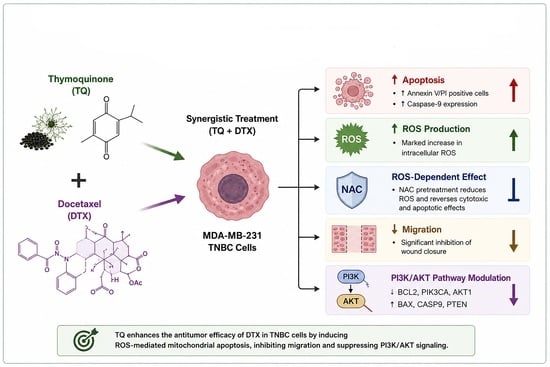
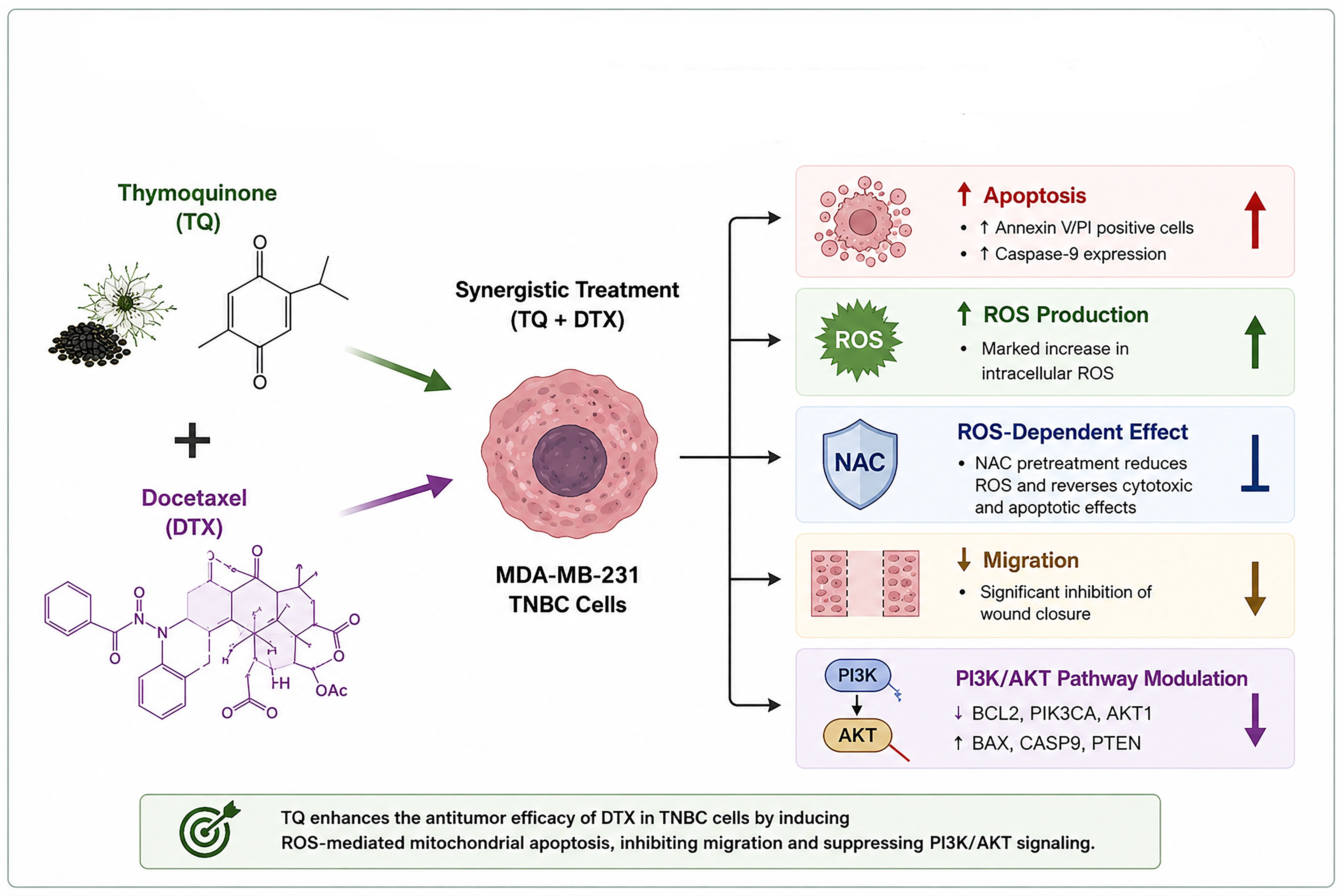
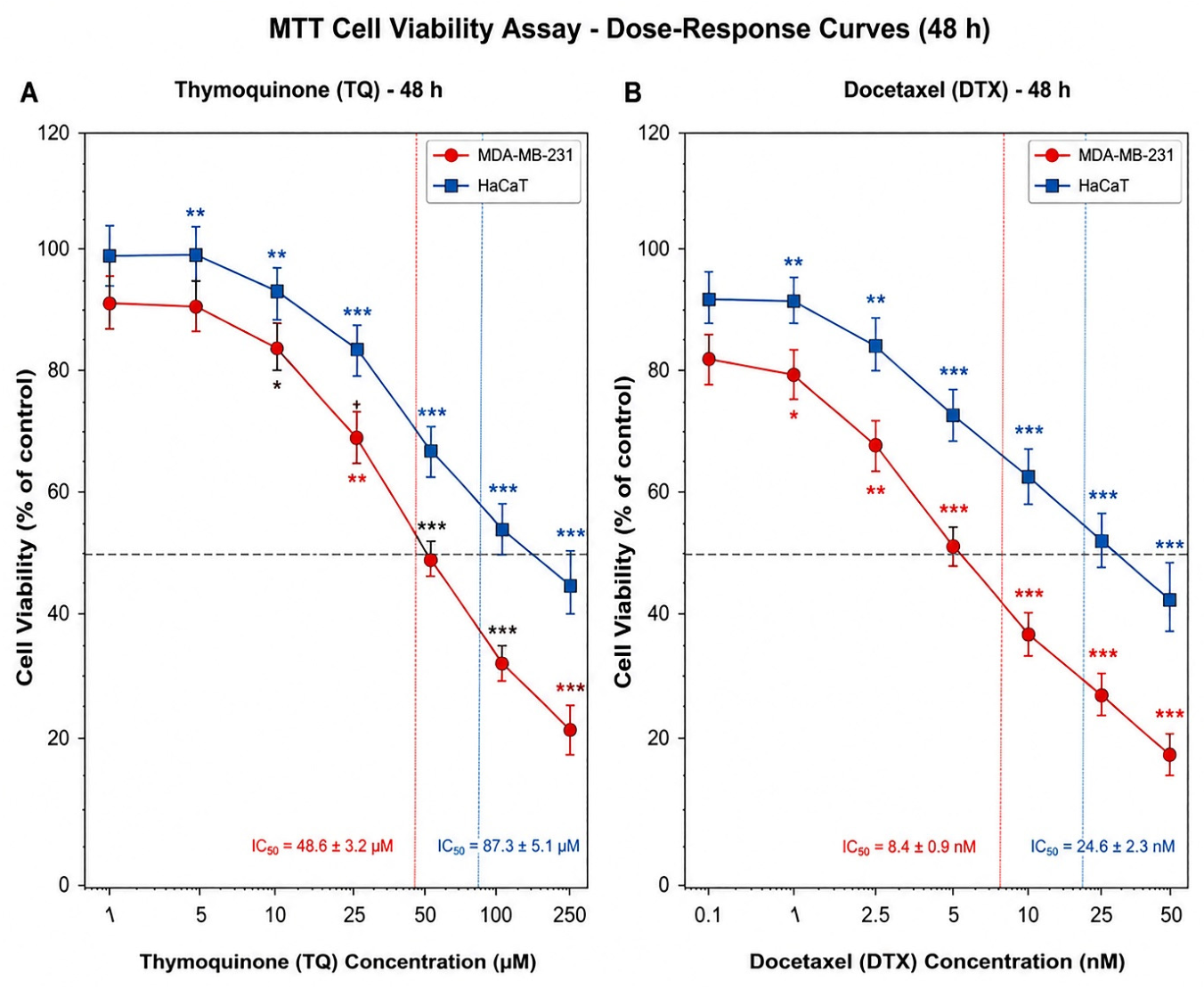
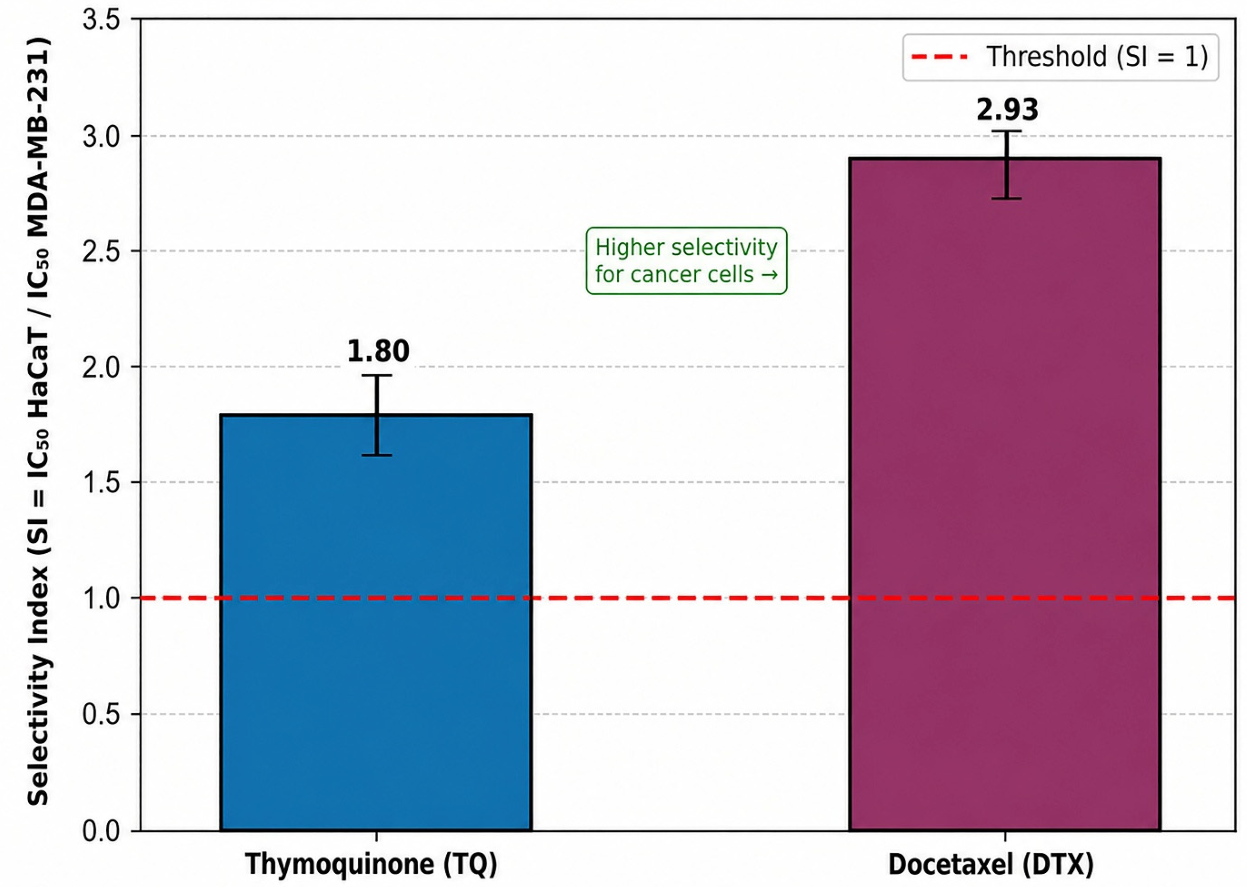
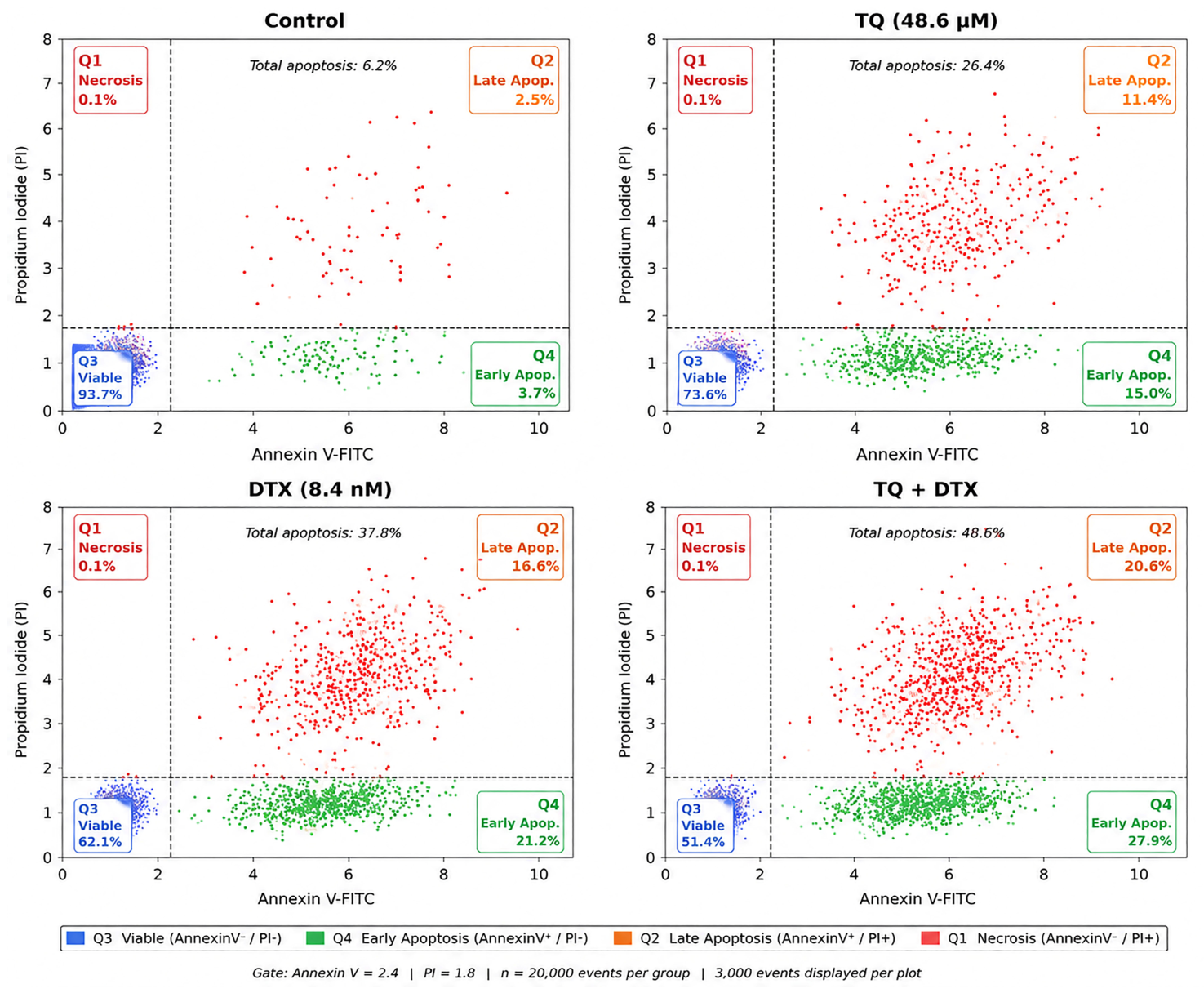
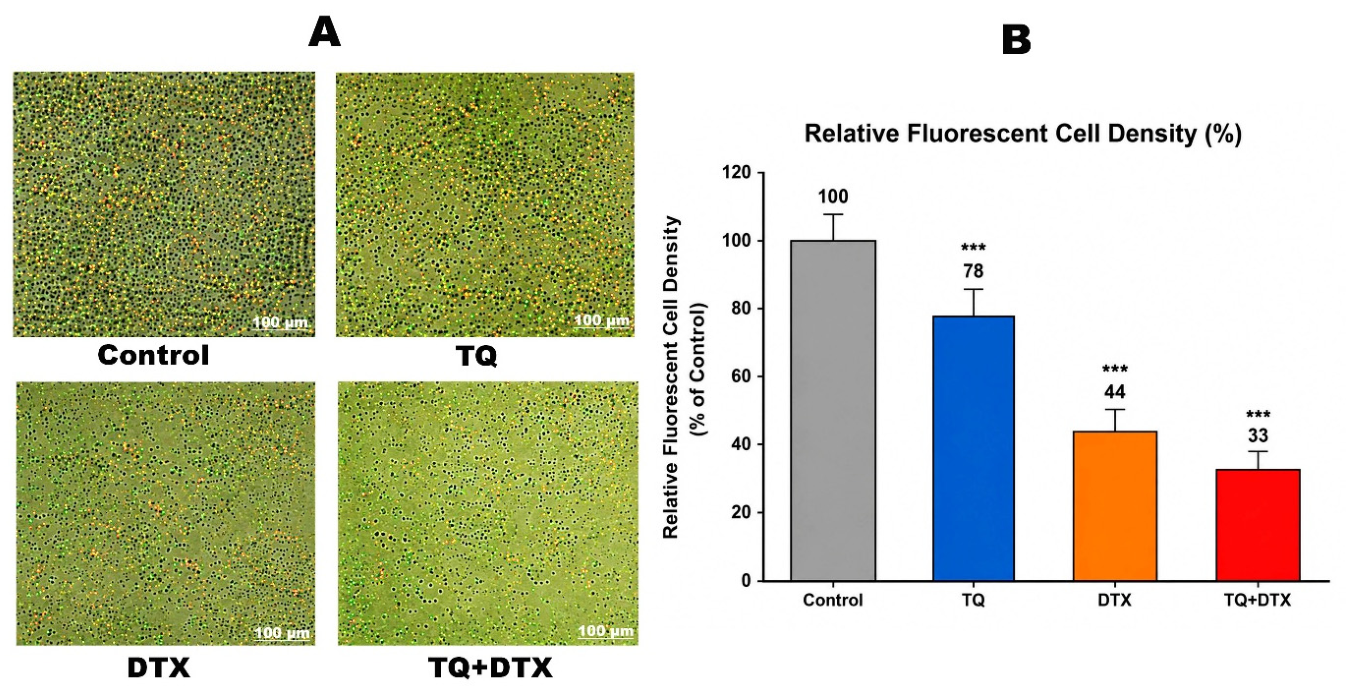
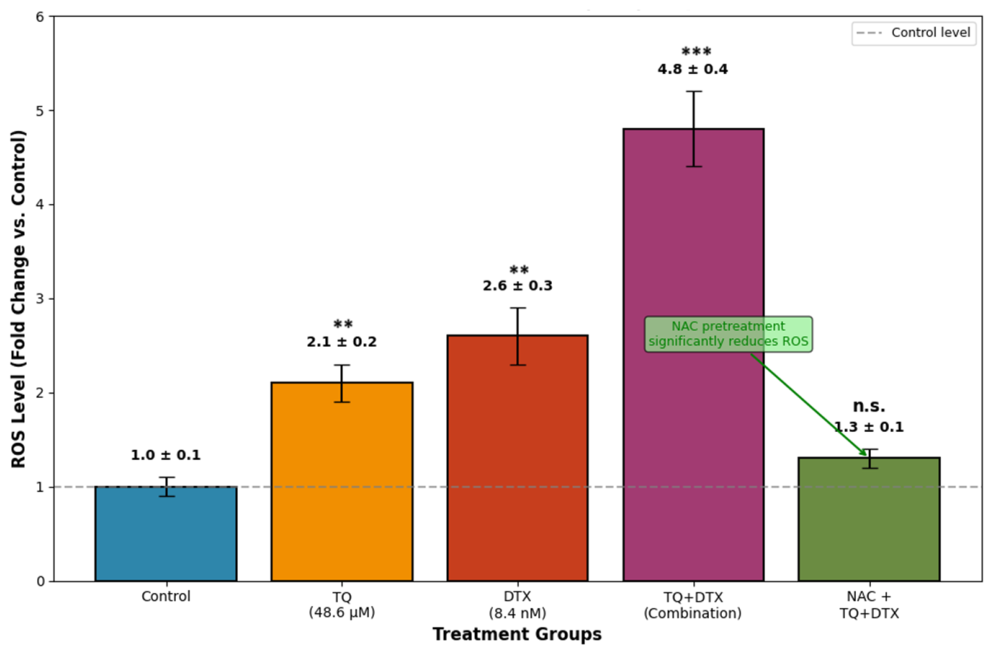
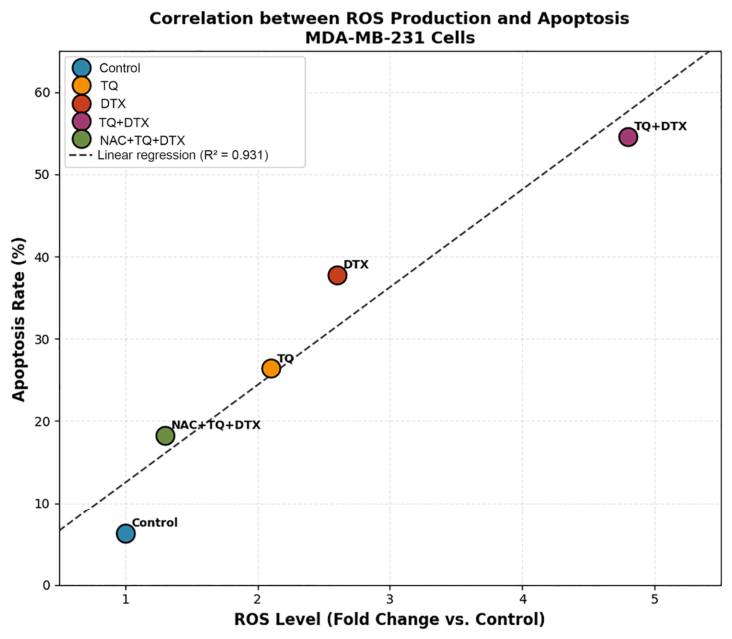
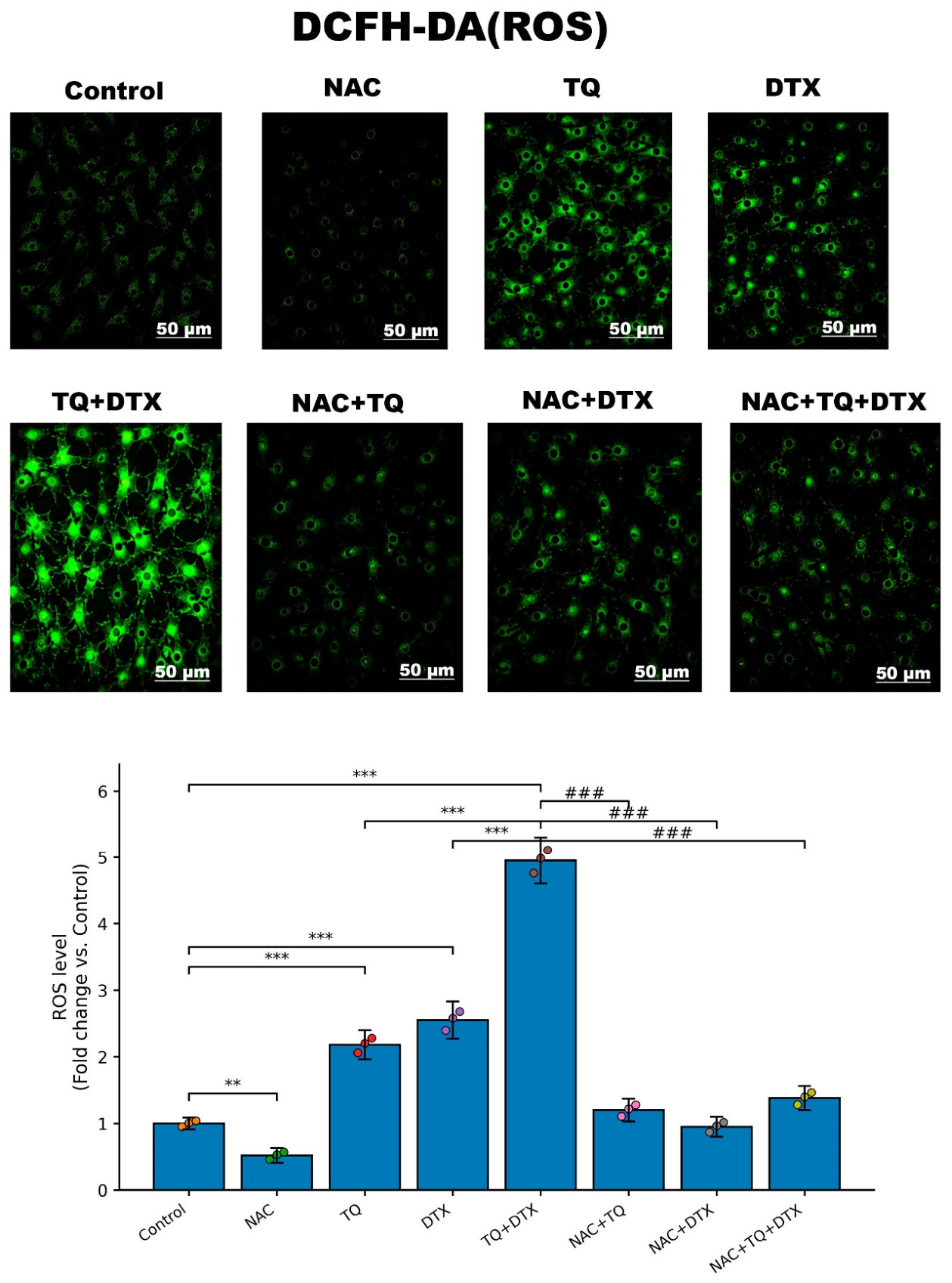
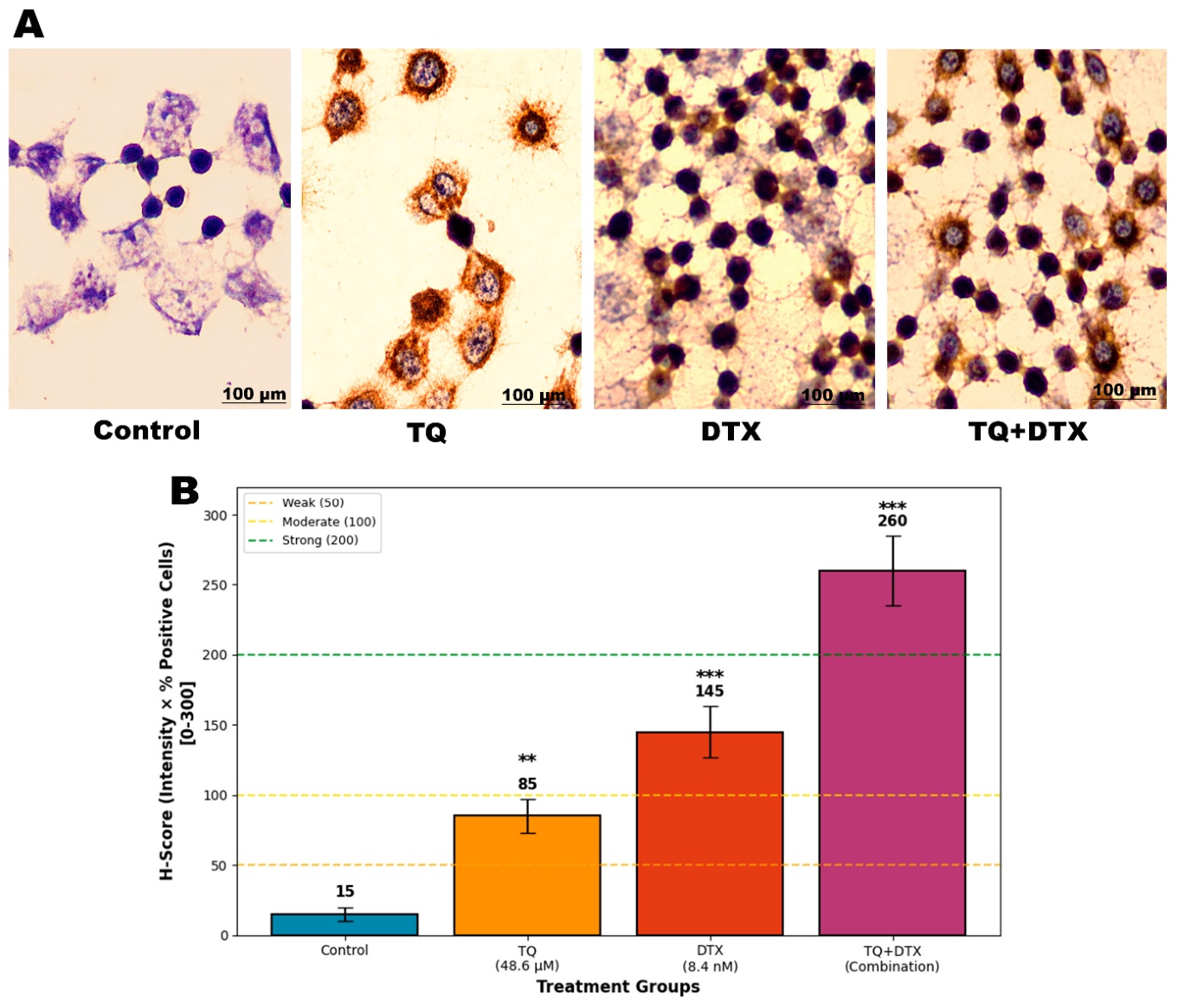
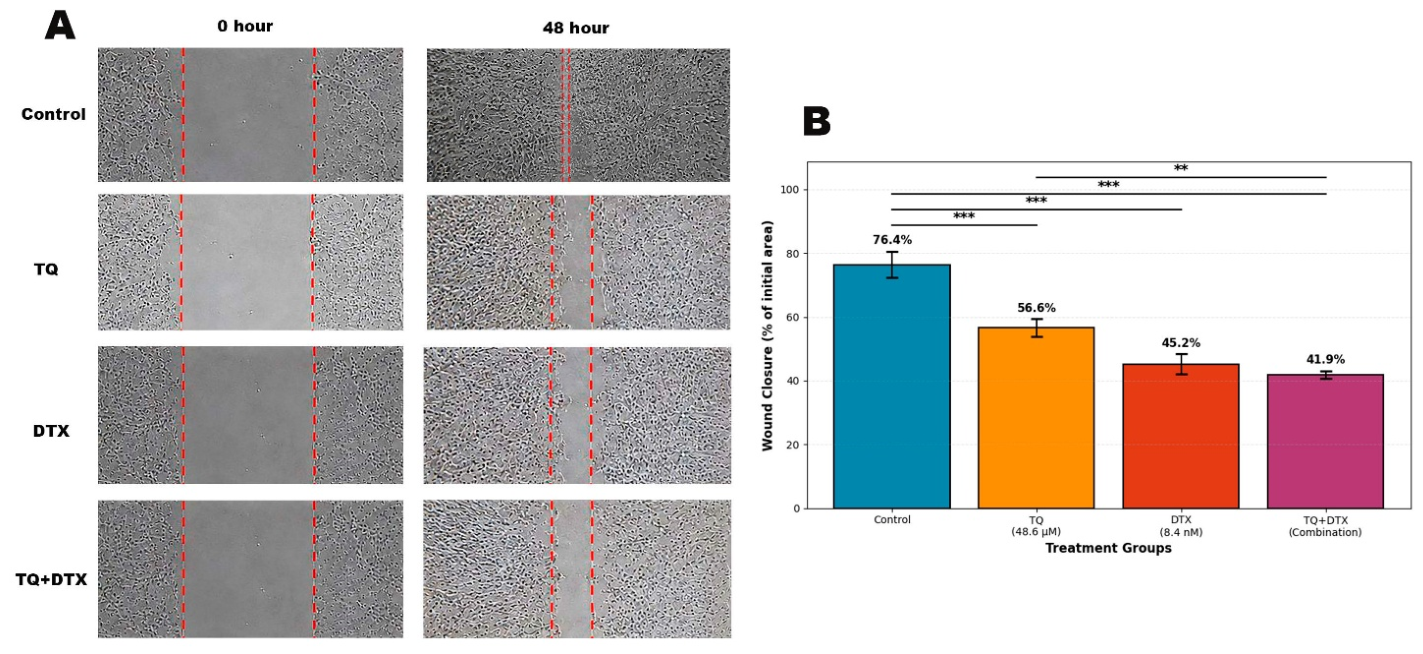
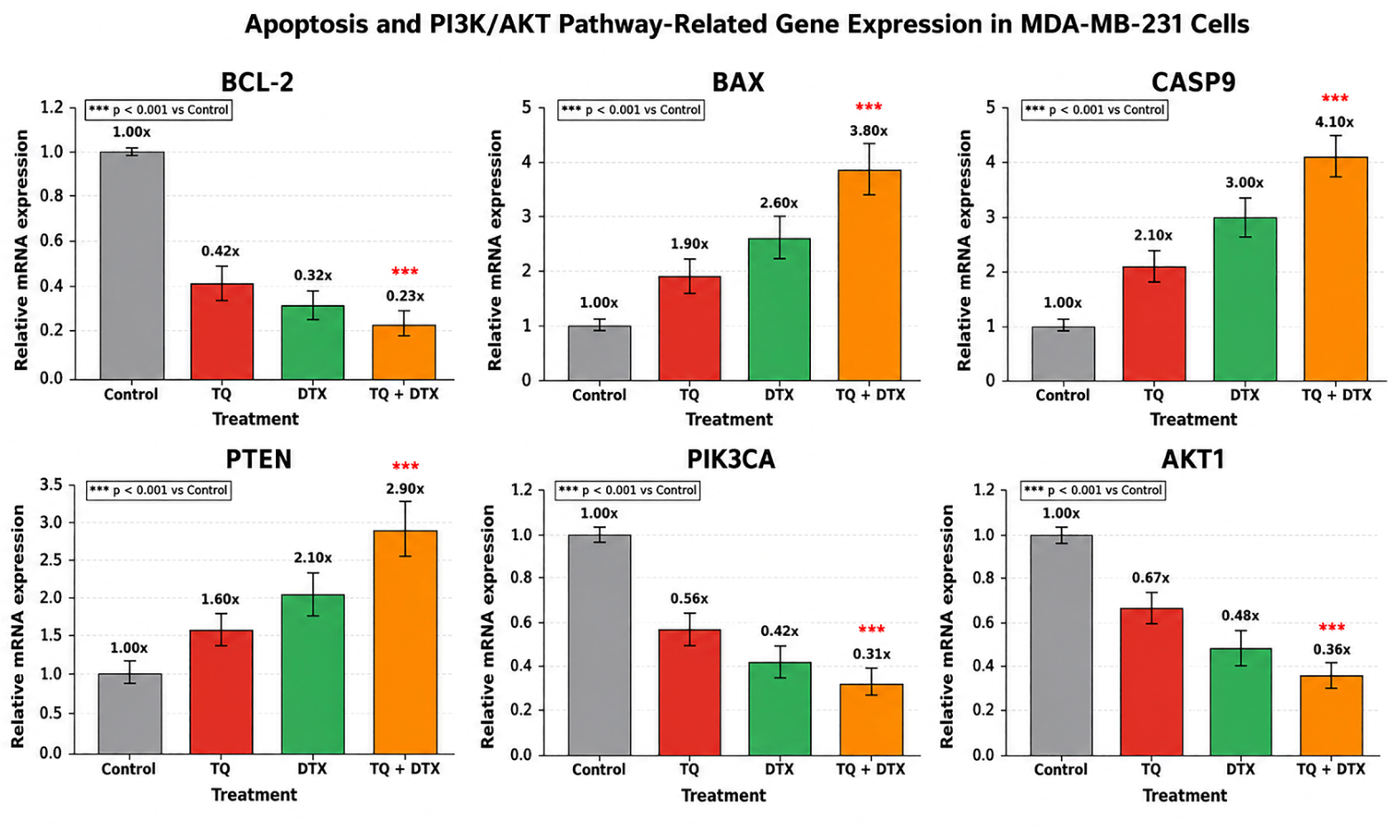
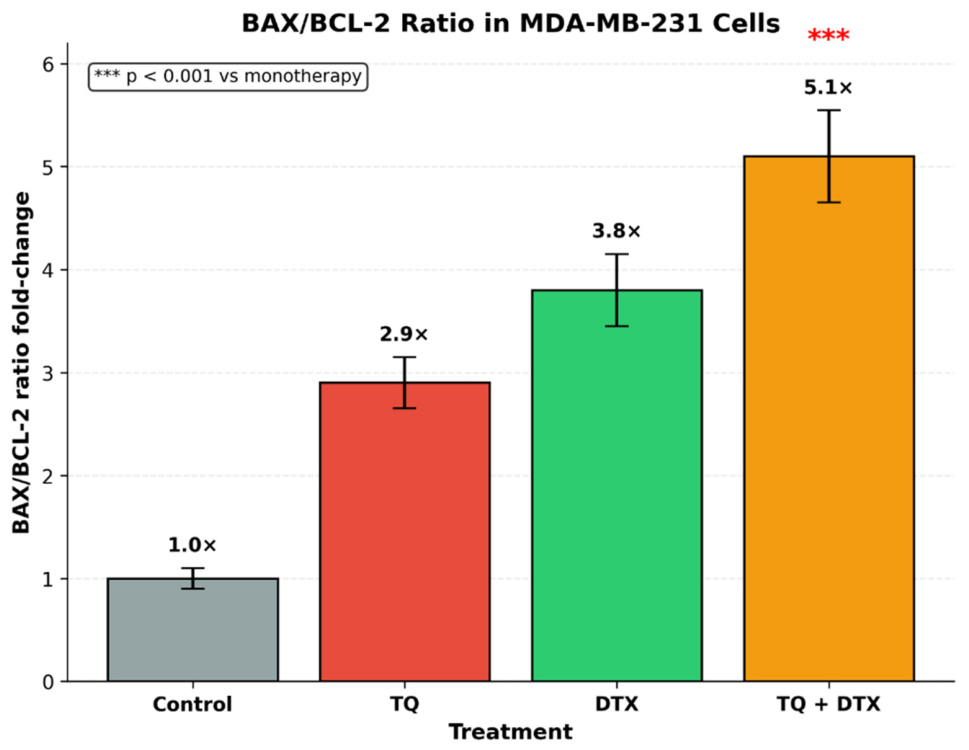
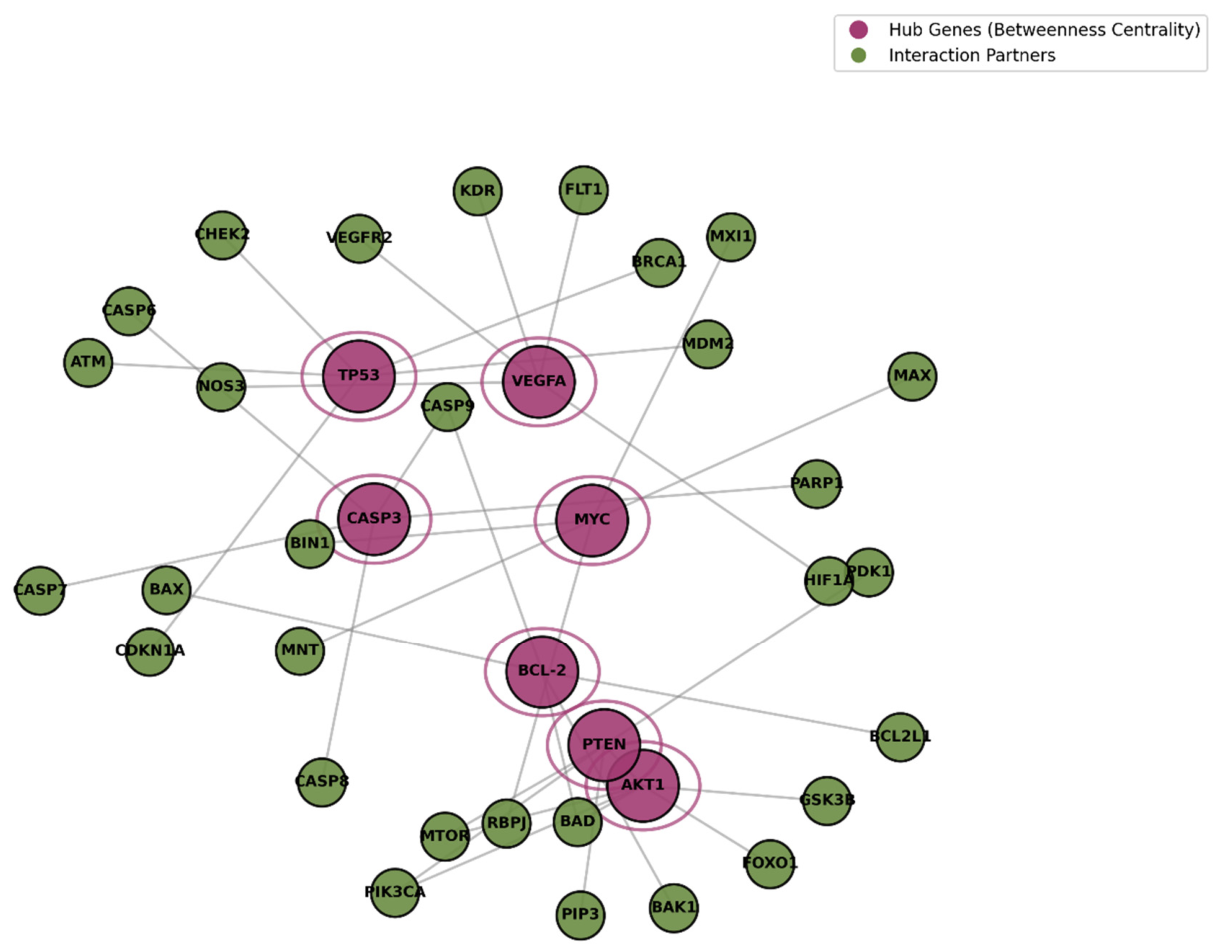
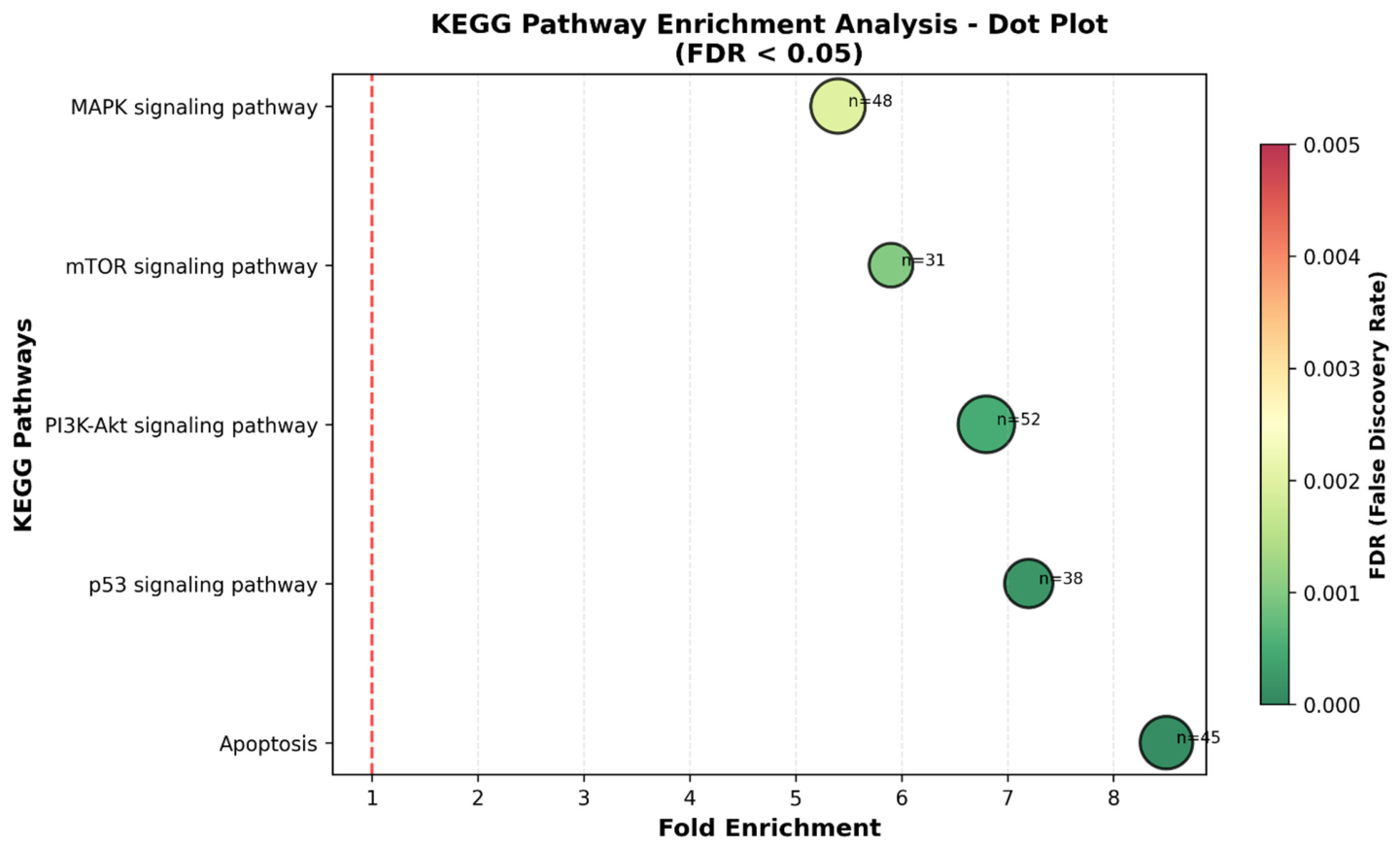
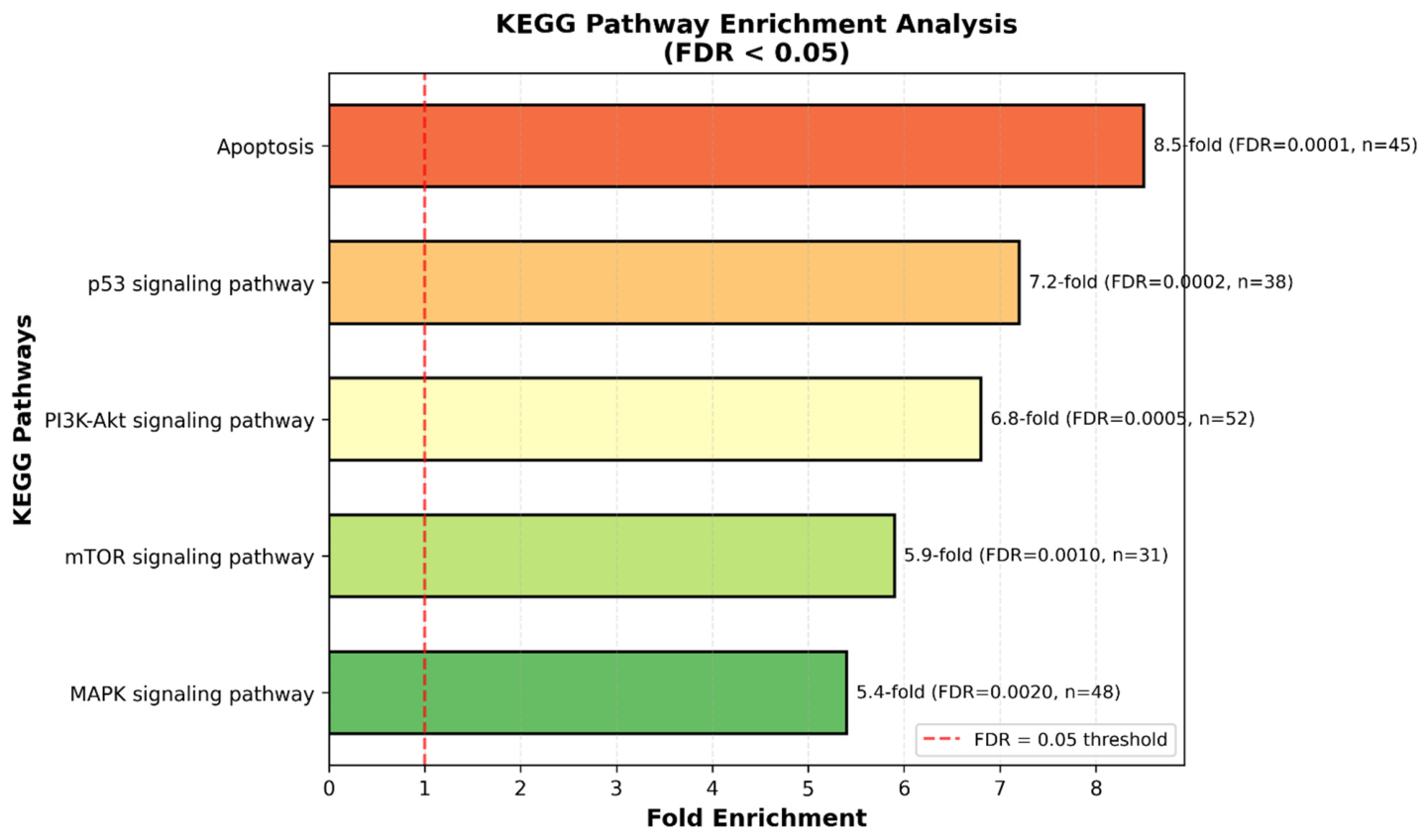
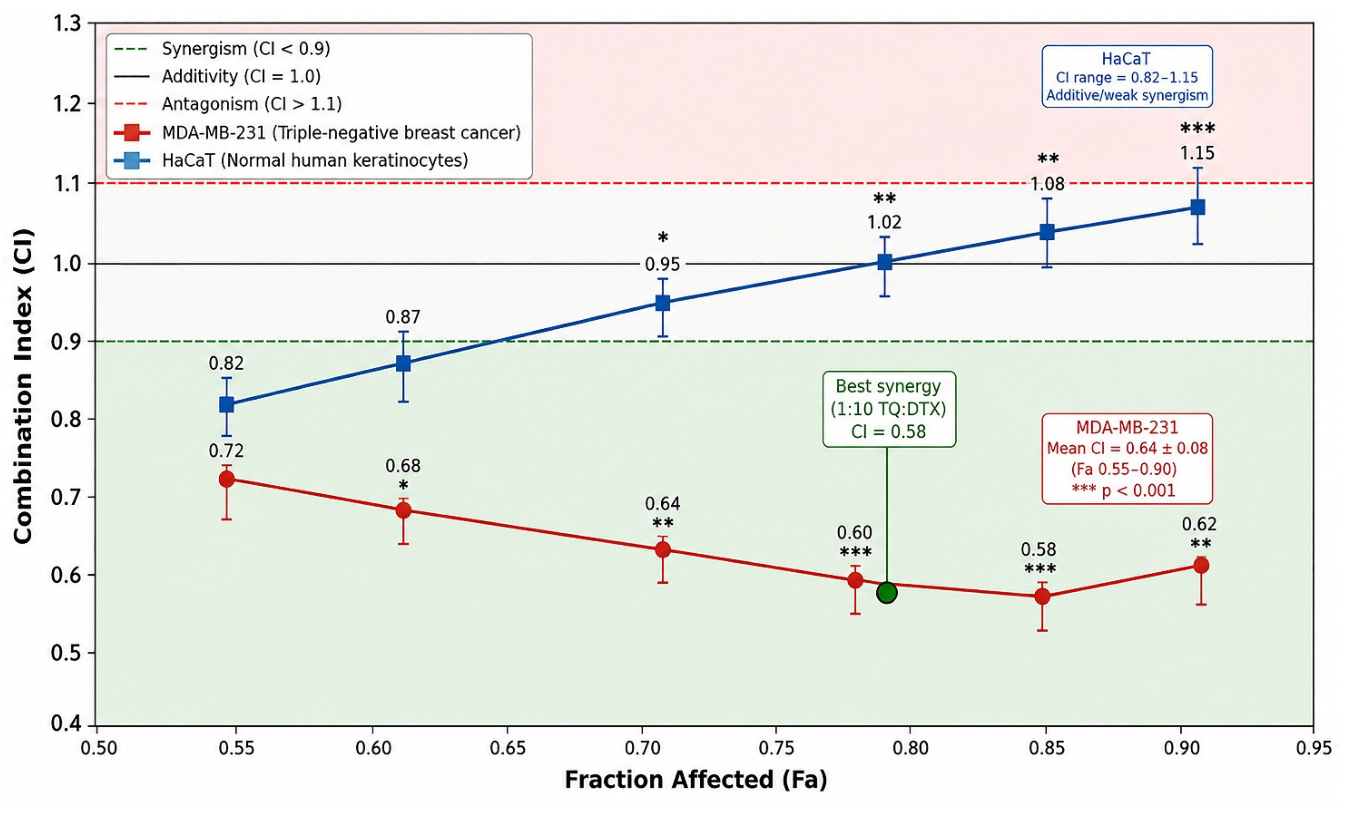
Background: Drug resistance and treatment-associated toxicity remain major limitations of conventional chemotherapy for triple-negative breast cancer (TNBC). Thymoquinone (TQ), a bioactive phytochemical derived from Nigella sativa, has demonstrated anticancer properties and may enhance the therapeutic efficacy of docetaxel (DTX) through complementary molecular mechanisms. Objective: To investigate whether TQ potentiates the antitumor activity of DTX in MDA-MB-231 TNBC cells by affecting apoptosis, oxidative stress, wound closure, and PI3K/AKT pathway-related gene expression. Methods: MDA-MB-231 TNBC cells and HaCaT keratinocytes were treated with TQ, DTX, or their combination. Cell viability was determined using the MTT assay, and drug interactions were evaluated by the Chou–Talalay combination index (CI) method. Apoptosis, intracellular reactive oxygen species (ROS) production, ROS rescue experiments using N-acetyl-L-cysteine (NAC), caspase-9 expression, wound closure, and gene-expression changes were assessed using Annexin V/PI flow cytometry, DCFH-DA-based flow cytometric and fluorescence analyses, immunocytochemistry, wound-healing assay, and quantitative real-time PCR (qRT-PCR), respectively. Bioinformatic analyses were performed to identify signaling pathways associated with the observed molecular alterations. Results: The TQ + DTX combination demonstrated synergistic cytotoxicity and significantly increased apoptotic cell death compared with either monotherapy. Combination treatment markedly enhanced intracellular ROS accumulation, whereas NAC pretreatment significantly attenuated ROS generation and partially reversed the cytotoxic and pro-apoptotic effects, suggesting the involvement of ROS in the observed antitumor effects. Caspase-9 immunoreactivity was markedly increased following combination treatment, suggesting the involvement of the intrinsic apoptotic pathway. Furthermore, the combination significantly suppressed wound closure and downregulated BCL2, PIK3CA, and AKT1 while upregulating BAX, CASP9, and PTEN. Bioinformatic analyses identified apoptosis, p53, PI3K/AKT, mTOR, and MAPK signaling as the principal pathways potentially associated with the observed gene expression changes. Conclusions: TQ potentiates the antitumor activity of DTX, with the involvement of oxidative stress, apoptotic signaling, suppression of wound closure, and regulation of PI3K/AKT pathway-related gene expression in TNBC cells. These findings provide evidence supporting further preclinical investigation of the TQ + DTX combination as a promising therapeutic strategy for triple-negative breast cancer.
Keywords: thymoquinone; docetaxel; triple-negative breast cancer; MDA-MB-231; apoptosis; combination index thymoquinone; docetaxel; triple-negative breast cancer; MDA-MB-231; apoptosis; combination index
Graphical Abstract