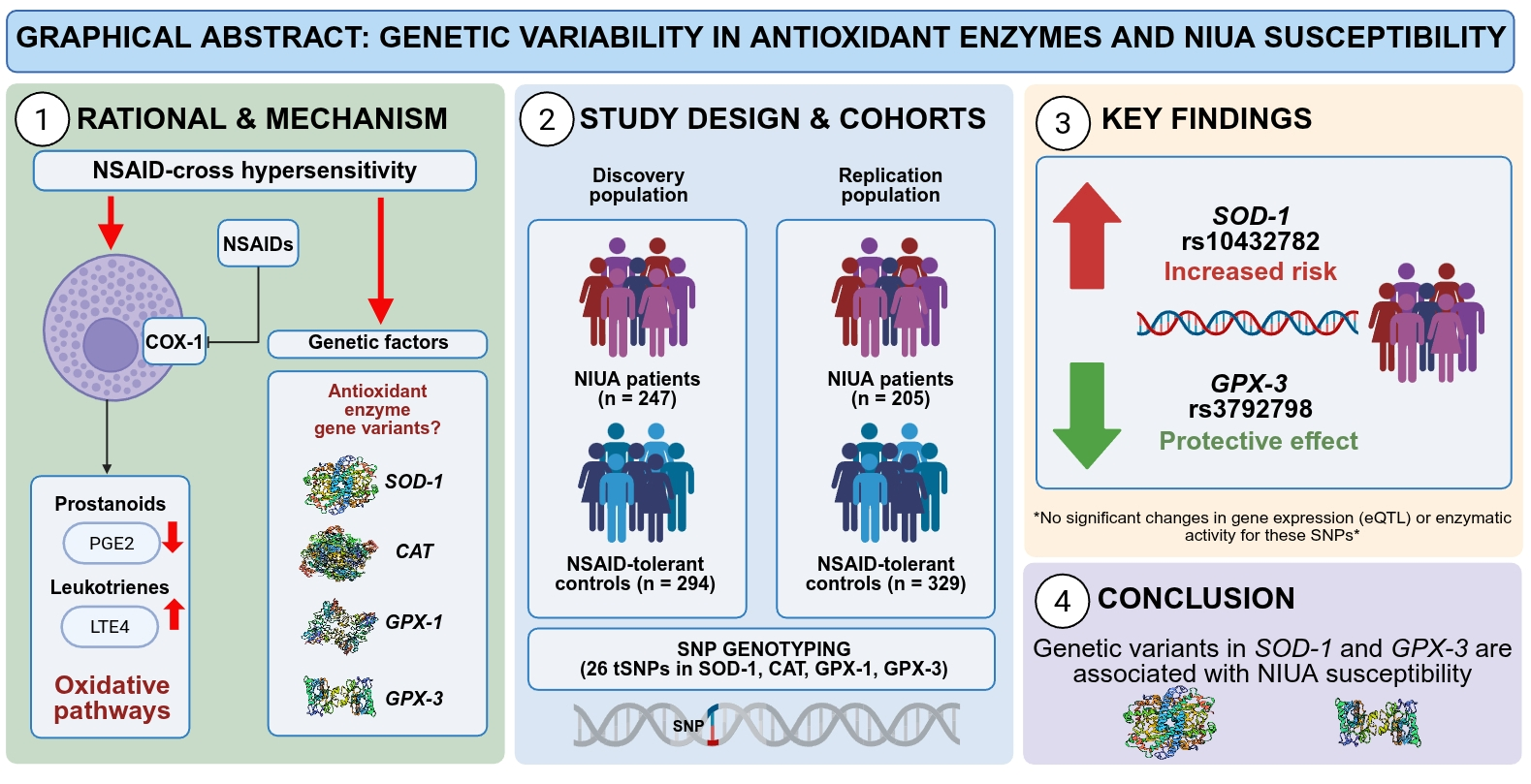
Antioxidant Enzymes Genetic Variants Associated with Urticaria/Angioedema Induced by Cross-Reactive Hypersensitivity to Nonsteroidal Anti-Inflammatory Drugs
 , , , , ,
Abstract
1. Introduction
2. Results
2.1. Demographic and Clinical Data
2.2. Genetic Association Study
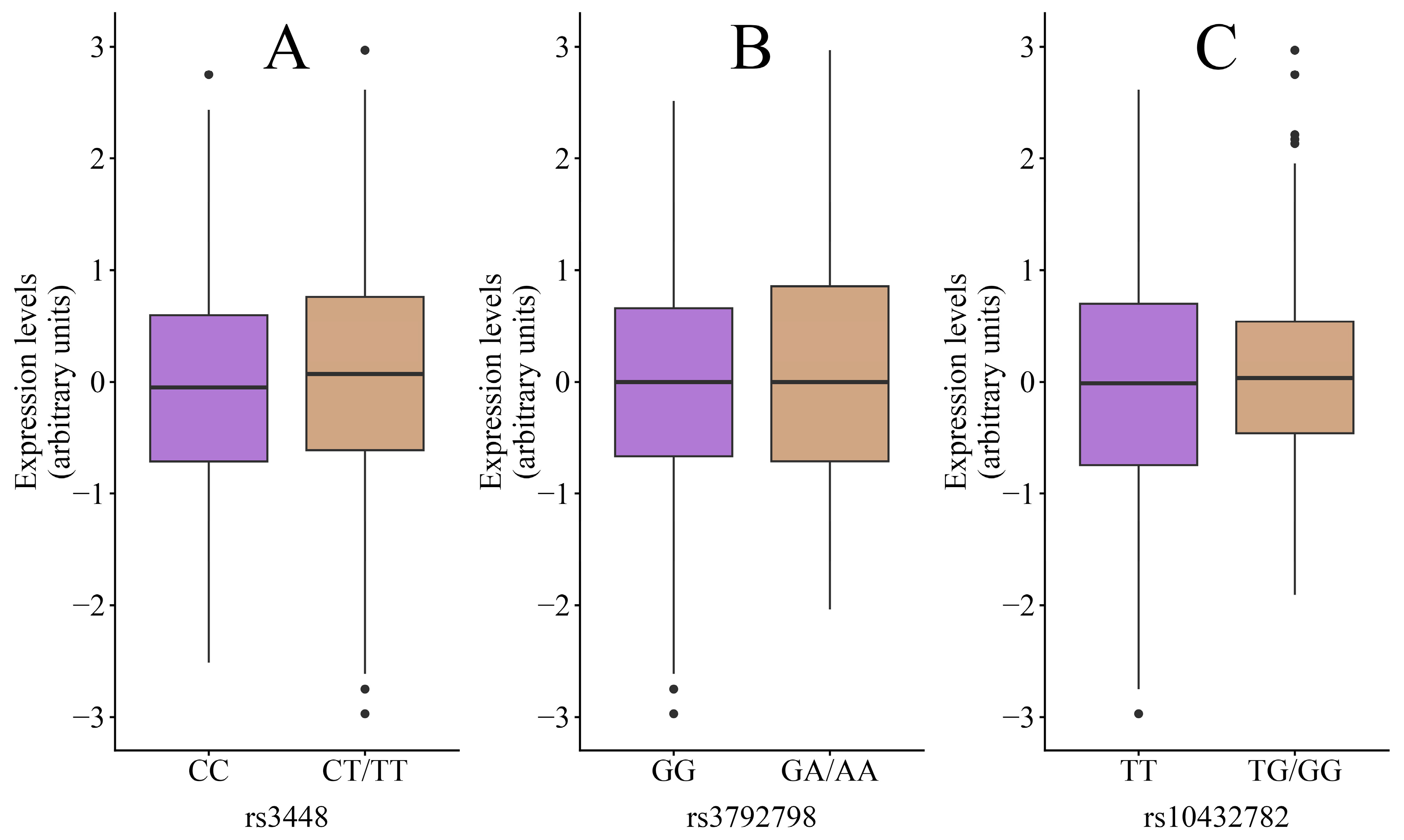
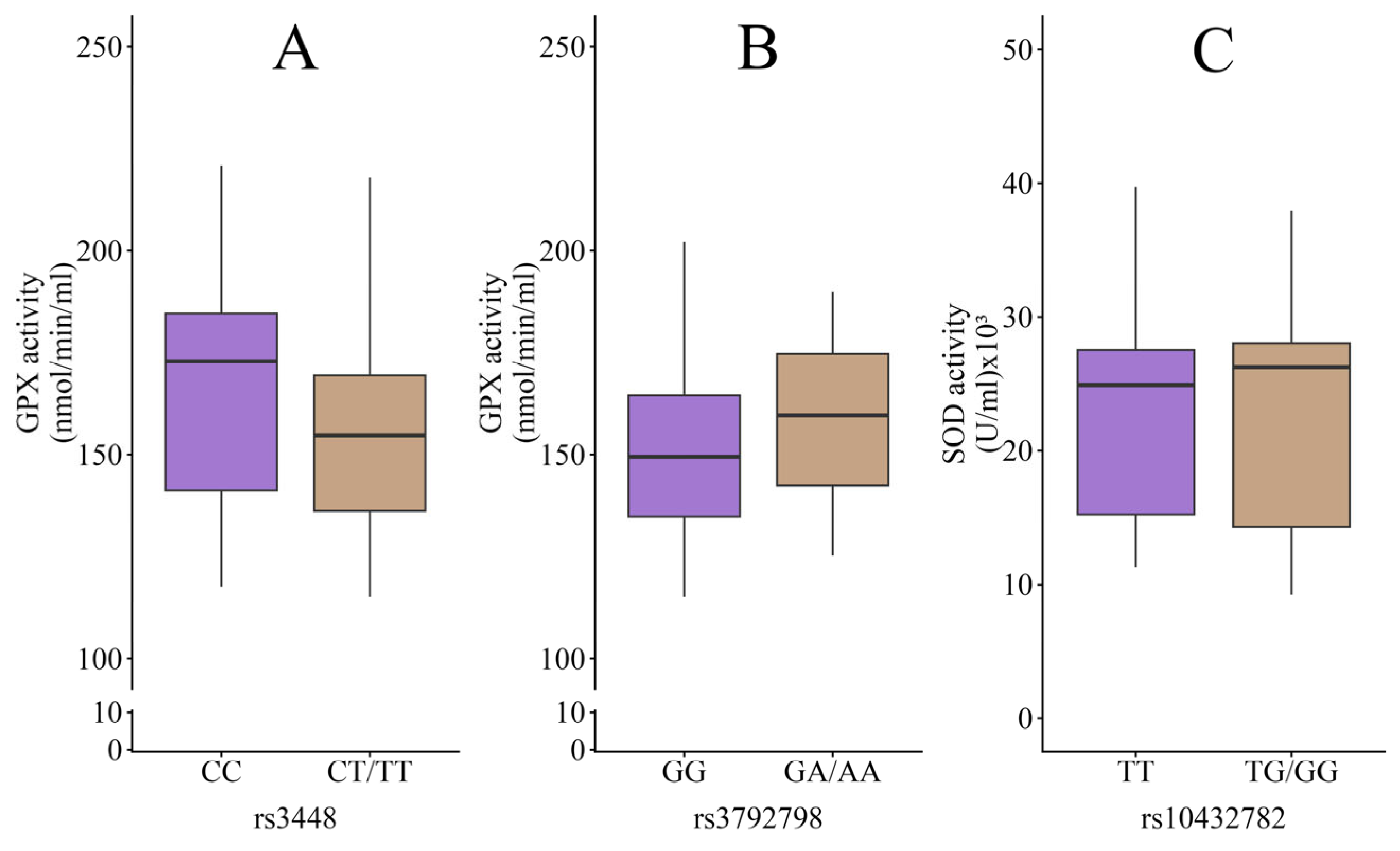
2.3. Gene Expression and Enzyme Activities
3. Discussion
4. Materials and Methods
4.1. Subjects
4.2. ASA Drug Provocation Test
4.3. Genotyping
4.4. Gene Expression and Enzyme Activities
4.5. Statistical Analysis
5. Conclusions
Author Contributions
Funding
Institutional Review Board Statement
Informed Consent Statement
Data Availability Statement
Acknowledgments
Conflicts of Interest
Abbreviations
| NSAIDs | Nonsteroidal anti-inflammatory drugs |
| HSRs | Hypersensitivity reactions |
| EAACI | European Academy of Allergy and Clinical Immunology |
| ASA | Acetylsalicylic acid |
| S-HSRs | Selective HSRs |
| C-HSRs | Cross-reactive HSRs |
| NERD | NSAIDs-exacerbated respiratory disease |
| NECD | NSAIDs-exacerbated cutaneous disease |
| NIUA | NSAIDs-induced urticaria/angioedema |
| COX-1 | Cyclooxygenase-1 |
| PGs | Prostaglandins |
| CysLTs | Cysteinyl-leukotrienes |
| GSH | Reduced glutathione |
| SNPs | Single nucleotide polymorphisms |
| CAT | Catalase |
| GPX | Glutathione peroxidase |
| SOD | Superoxide dismutase |
| tSNPs | Tagging SNPs |
| eQTL | Expression quantitative trait locus |
| HWE | Hardy–Weinberg equilibrium |
References
- Machado, G.C.; Abdel-Shaheed, C.; Underwood, M.; Day, R.O. Non-steroidal anti-inflammatory drugs (NSAIDs) for musculoskeletal pain. BMJ 2021, 372, n104. [Google Scholar] [CrossRef]
- Fosbol, E.L.; Gislason, G.H.; Jacobsen, S.; Abildstrom, S.Z.; Hansen, M.L.; Schramm, T.K.; Folke, F.; Sorensen, R.; Rasmussen, J.N.; Kober, L.; et al. The pattern of use of non-steroidal anti-inflammatory drugs (NSAIDs) from 1997 to 2005: A nationwide study on 4.6 million people. Pharmacoepidemiol. Drug Saf. 2008, 17, 822–833. [Google Scholar] [CrossRef]
- Conaghan, P.G. A turbulent decade for NSAIDs: Update on current concepts of classification, epidemiology, comparative efficacy, and toxicity. Rheumatol. Int. 2012, 32, 1491–1502. [Google Scholar] [CrossRef] [PubMed]
- Doña, I.; Blanca-Lopez, N.; Torres, M.J.; Garcia-Campos, J.; Garcia-Nunez, I.; Gomez, F.; Salas, M.; Rondon, C.; Canto, M.G.; Blanca, M. Drug hypersensitivity reactions: Response patterns, drug involved, and temporal variations in a large series of patients. J. Investig. Allergol. Clin. Immunol. 2012, 22, 363–371. [Google Scholar] [PubMed]
- Aun, M.V.; Blanca, M.; Garro, L.S.; Ribeiro, M.R.; Kalil, J.; Motta, A.A.; Castells, M.; Giavina-Bianchi, P. Nonsteroidal anti-inflammatory drugs are major causes of drug-induced anaphylaxis. J. Allergy Clin. Immunol. Pract. 2014, 2, 414–420. [Google Scholar] [CrossRef] [PubMed]
- Faria, E.; Rodrigues-Cernadas, J.; Gaspar, A.; Botelho, C.; Castro, E.; Lopes, A.; Gomes, E.; Malheiro, D.; Cadinha, S.; Campina-Costa, S.; et al. Drug-induced anaphylaxis survey in Portuguese Allergy Departments. J. Investig. Allergol. Clin. Immunol. 2014, 24, 40–48. [Google Scholar]
- Al-Ahmad, M.; Edin, J.; Musa, F.; Rodriguez-Bouza, T. Drug Allergy Profile From a National Drug Allergy Registry. Front. Pharmacol. 2020, 11, 555666. [Google Scholar] [CrossRef]
- Jares, E.J.; Baena-Cagnani, C.E.; Sanchez-Borges, M.; Ensina, L.F.; Arias-Cruz, A.; Gomez, M.; Cuello, M.N.; Morfin-Maciel, B.M.; De Falco, A.; Barayazarra, S.; et al. Drug-Induced Anaphylaxis in Latin American Countries. J. Allergy Clin. Immunol. Pract. 2015, 3, 780–788. [Google Scholar] [CrossRef]
- Kowalski, M.L.; Asero, R.; Bavbek, S.; Blanca, M.; Blanca-Lopez, N.; Bochenek, G.; Brockow, K.; Campo, P.; Celik, G.; Cernadas, J.; et al. Classification and practical approach to the diagnosis and management of hypersensitivity to nonsteroidal anti-inflammatory drugs. Allergy 2013, 68, 1219–1232. [Google Scholar] [CrossRef]
- Kowalski, M.L.; Stevenson, D.D. Classification of reactions to nonsteroidal antiinflammatory drugs. Immunol. Allergy Clin. N. Am. 2013, 33, 135–145. [Google Scholar] [CrossRef]
- Lacombe-Barrios, J.; Gomez, F.; Perez, N.; Barrionuevo, E.; Doña, I.; Fernandez Tahia, D.; Mayorga, C.; Torres, M.J.; Moreno, E.; Bogas, B.; et al. Accuracy of the Diagnosis of Allergic Reactions in the Emergency Department. J. Investig. Allergol. Clin. Immunol. 2019, 29, 222–230. [Google Scholar] [CrossRef]
- Cerci, P.; Kendirlinan, R.; Buyukozturk, S.; Gelincik, A.; Unal, D.; Demir, S.; Erkekol, F.O.; Karakaya, G.; Dursun, A.B.; Celikel, S.; et al. Hypersensitivity reactions to nonsteroidal anti-inflammatory drugs in adults: Beyond current classification. Allergol. Immunopathol. 2023, 51, 84–92. [Google Scholar] [CrossRef] [PubMed]
- Doña, I.; Blanca-Lopez, N.; Cornejo-Garcia, J.A.; Torres, M.J.; Laguna, J.J.; Fernandez, J.; Rosado, A.; Rondon, C.; Campo, P.; Agundez, J.A.; et al. Characteristics of subjects experiencing hypersensitivity to non-steroidal anti-inflammatory drugs: Patterns of response. Clin. Exp. Allergy 2011, 41, 86–95. [Google Scholar] [CrossRef] [PubMed]
- Christie, P.E.; Tagari, P.; Ford-Hutchinson, A.W.; Black, C.; Markendorf, A.; Schmitz-Schumann, M.; Lee, T.H. Urinary leukotriene E4 after lysine-aspirin inhalation in asthmatic subjects. Am. Rev. Respir. Dis. 1992, 146, 1531–1534. [Google Scholar] [CrossRef] [PubMed]
- Setkowicz, M.; Mastalerz, L.; Podolec-Rubis, M.; Sanak, M.; Szczeklik, A. Clinical course and urinary eicosanoids in patients with aspirin-induced urticaria followed up for 4 years. J. Allergy Clin. Immunol. 2009, 123, 174–178. [Google Scholar] [CrossRef]
- Higashi, N.; Mita, H.; Ono, E.; Fukutomi, Y.; Yamaguchi, H.; Kajiwara, K.; Tanimoto, H.; Sekiya, K.; Akiyama, K.; Taniguchi, M. Profile of eicosanoid generation in aspirin-intolerant asthma and anaphylaxis assessed by new biomarkers. J. Allergy Clin. Immunol. 2010, 125, 1084–1091.e6. [Google Scholar] [CrossRef]
- Sanak, M.; Gielicz, A.; Bochenek, G.; Kaszuba, M.; Nizankowska-Mogilnicka, E.; Szczeklik, A. Targeted eicosanoid lipidomics of exhaled breath condensate provide a distinct pattern in the aspirin-intolerant asthma phenotype. J. Allergy Clin. Immunol. 2011, 127, 1141–1147.e2. [Google Scholar] [CrossRef]
- Doña, I.; Jurado-Escobar, R.; Perkins, J.R.; Ayuso, P.; Plaza-Seron, M.C.; Perez-Sanchez, N.; Campo, P.; Bogas-Herrera, G.; Bartra, J.; Torres, M.J.; et al. Eicosanoid mediator profiles in different phenotypes of nonsteroidal anti-inflammatory drug-induced urticaria. Allergy 2019, 74, 1135–1144. [Google Scholar] [CrossRef]
- Jurado-Escobar, R.; Doña, I.; Bogas-Herrera, G.; Pérez-Sánchez, N.; Salas, M.; Laguna, J.J.; Muñoz-Cano, R.; Mayorga, C.; Torres, M.J.; Cornejo-García, J.A. Platelet-Adherent Leukocytes Associated With Cutaneous Cross-Reactive Hypersensitivity to Nonsteroidal Anti-Inflammatory Drugs. Front. Pharmacol. 2020, 11, 594427. [Google Scholar] [CrossRef]
- Klaewsongkram, J.; Buranapraditkun, S.; Mongkolpathumrat, P.; Palapinyo, S.; Chantaphakul, H. Clinical Characteristics, Urinary Leukotriene E4 Levels, and Aspirin Desensitization Results in Patients With NSAID-Induced Blended Reactions. Allergy Asthma Immunol. Res. 2021, 13, 229–244. [Google Scholar] [CrossRef]
- Laidlaw, T.M.; Boyce, J.A. Updates on immune mechanisms in aspirin-exacerbated respiratory disease. J. Allergy Clin. Immunol. 2023, 151, 301–309. [Google Scholar] [CrossRef]
- Bunn, K.E.; Bressman, Z.J.; Nation, G.K.; Wu, P.; Amin, T.; Lehman, C.; Lin, A.; Gray, C.J.; Laidlaw, T.M.; Cahill, K.N.; et al. Nasal Epithelial Extracellular Vesicles Correlate with Type 2 Inflammation During Aspirin-induced Respiratory Reactions. Am. J. Respir. Cell Mol. Biol. 2025, 73, 623–633. [Google Scholar] [CrossRef] [PubMed]
- Laidlaw, T.M. New insights into the mechanisms of aspirin-exacerbated respiratory disease. Curr. Opin. Allergy Clin. Immunol. 2025, 25, 41–46. [Google Scholar] [CrossRef] [PubMed]
- Chen, C.C.; Buchheit, K.M.; Lee, P.Y.; Brodeur, K.E.; Sohail, A.; Cho, L.; Baloh, C.H.; Balestrieri, B.; Derakhshan, T.; Feng, C.; et al. IL-4Ralpha signaling promotes barrier-altering oncostatin M and IL-6 production in aspirin-exacerbated respiratory disease. J. Allergy Clin. Immunol. 2024, 154, 458–467.e3. [Google Scholar] [CrossRef] [PubMed]
- Jakobsson, P.J.; Thoren, S.; Morgenstern, R.; Samuelsson, B. Identification of human prostaglandin E synthase: A microsomal, glutathione-dependent, inducible enzyme, constituting a potential novel drug target. Proc. Natl. Acad. Sci. USA 1999, 96, 7220–7225. [Google Scholar] [CrossRef]
- Lam, B.K. Leukotriene C(4) synthase. Prostaglandins Leukot. Essent. Fatty Acids 2003, 69, 111–116. [Google Scholar] [CrossRef]
- Jiménez-Sánchez, I.M.; Jurado-Escobar, R.; Triano-Cornejo, J.; Doña, I.; De Santa María-García, S.; Salas-Cassinello, M.; Torres, M.J.; Cornejo-García, J.A. Nonsteroidal anti-inflammatory drug cross-hypersensitivity show high carbonyl levels. Allergy 2025, 80, S449. Available online: https://onlinelibrary.wiley.com/doi/epdf/10.1111/all.70138 (accessed on 18 March 2026).
- Jiménez-Sánchez, I.M.; Jurado-Escobar, R.; Doña, I.; Triano-Cornejo, J.; Molina-Sánchez, D.D.; De Santa María-García, S.; Salas-Cassinello, M.; Torres, M.J.; Cornejo-García, J.A. Membrane lipid oxidative damage in cross-hypersensitivity to nonsteroidal anti-inflammatory drugs. Allergy 2024, 79, 425. Available online: https://onlinelibrary.wiley.com/doi/epdf/10.1111/all.16300 (accessed on 18 March 2026).
- Mastalerz, L.; Setkowicz, M.; Sanak, M.; Rybarczyk, H.; Szczeklik, A. Familial aggregation of aspirin-induced urticaria and leukotriene C synthase allelic variant. Br. J. Dermatol. 2006, 154, 256–260. [Google Scholar] [CrossRef]
- Caimmi, S.M.; Manca, E.; Caimmi, D.; Marseglia, G.L.; Demoly, P. NSAID hypersensitivity in twins. Pediatr. Allergy Immunol. 2014, 25, 828–829. [Google Scholar] [CrossRef]
- Suikkila, A.; Lyly, A.; Hafren, L.; Saarinen, R.; Klockars, T. Inheritance of NSAID-Exacerbated Respiratory Disease. Otolaryngol. Head. Neck Surg. 2023, 168, 540–543. [Google Scholar] [CrossRef]
- Jurado-Escobar, R.; Perkins, J.R.; Garcia-Martin, E.; Isidoro-Garcia, M.; Doña, I.; Torres, M.J.; Cornejo-Garcia, J.A. Update on the Genetic Basis of Drug Hypersensitivity Reactions. J. Investig. Allergol. Clin. Immunol. 2017, 27, 336–345. [Google Scholar] [CrossRef] [PubMed]
- Trinh, H.K.T.; Pham, L.D.; Le, K.M.; Park, H.S. Pharmacogenomics of Hypersensitivity to Non-steroidal Anti-inflammatory Drugs. Front. Genet. 2021, 12, 647257. [Google Scholar] [CrossRef] [PubMed]
- Fathollahpour, A.; Abyaneh, F.A.; Darabi, B.; Ebrahimi, M.; Kooti, W.; Kalmarzi, R.N. Aspirin-Exacerbated Respiratory Disease Polymorphisms; a review study. Gene 2023, 870, 147326. [Google Scholar] [CrossRef] [PubMed]
- Jurado-Escobar, R.; Doña, I.; Perkins, J.R.; Laguna, J.J.; Muñoz-Cano, R.; García-Sánchez, A.; Ayuso, P.; Torres, M.J.; Mayorga, C.; Cornejo-García, J.A. Polymorphisms in eicosanoid-related biosynthesis enzymes associated with acute urticaria/angioedema induced by nonsteroidal anti-inflammatory drug hypersensitivity. Br. J. Dermatol. 2021, 185, 815–824. [Google Scholar] [CrossRef]
- Jurado-Escobar, R.; Doña, I.; Triano-Cornejo, J.; Perkins, J.R.; Pérez-Sánchez, N.; Testera-Montes, A.; Labella, M.; Bartra, J.; Laguna, J.J.; Estravís, M.; et al. Genetic Variants in Cytosolic Phospholipase A2 Associated With Nonsteroidal Anti-Inflammatory Drug-Induced Acute Urticaria/Angioedema. Front. Pharmacol. 2021, 12, 667824. [Google Scholar] [CrossRef]
- Matés, J.M.; Segura, J.M.; Pérez-Gómez, C.; Rosado, R.; Olalla, L.; Blanca, M.; Sánchez-Jiménez, F.M. Antioxidant enzymatic activities in human blood cells after an allergic reaction to pollen or house dust mite. Blood Cells Mol. Dis. 1999, 25, 103–109. [Google Scholar] [CrossRef]
- Cornejo-García, J.A.; Mayorga, C.; Torres, M.J.; Fernández, T.D.; R-Pena, R.; Bravo, I.; Mates, J.M.; Blanca, M. Anti-oxidant enzyme activities and expression and oxidative damage in patients with non-nimmediate reactions to drugs. Clin. Exp. Immunol. 2006, 145, 287–295. [Google Scholar] [CrossRef]
- Han, J.W.; Wang, Y.; Alateng, C.; Li, H.B.; Bai, Y.H.; Lyu, X.X.; Wu, R. Tumor Necrosis Factor-alpha Induced Protein 3 Interacting Protein 1 Gene Polymorphisms and Pustular Psoriasis in Chinese Han Population. Chin. Med. J. 2016, 129, 1519–1524. [Google Scholar] [CrossRef]
- Engelken, J.; Espadas, G.; Mancuso, F.M.; Bonet, N.; Scherr, A.L.; Jimenez-Alvarez, V.; Codina-Sola, M.; Medina-Stacey, D.; Spataro, N.; Stoneking, M.; et al. Signatures of Evolutionary Adaptation in Quantitative Trait Loci Influencing Trace Element Homeostasis in Liver. Mol. Biol. Evol. 2016, 33, 738–754. [Google Scholar] [CrossRef]
- Iorio, A.; Velocci, M.; Graziano, M.E.; Piacentini, S.; Polimanti, R.; Manfellotto, D.; Fuciarelli, M. GPX1*Pro198Leu AND GPX3 rs2070593 as genetic risk markers for Italian asthmatic patients. Clin. Exp. Pharmacol. Physiol. 2016, 43, 277–279. [Google Scholar] [CrossRef] [PubMed]
- Chien, C.Y.; Huang, T.Y.; Tai, S.Y.; Chang, N.C.; Wang, H.M.; Wang, L.F.; Ho, K.Y. Glutathione peroxidase 3 gene polymorphisms and the risk of sudden sensorineural hearing loss. Kaohsiung J. Med. Sci. 2017, 33, 359–364. [Google Scholar] [CrossRef] [PubMed]
- Lin, J.C.; Kuo, W.R.; Chiang, F.Y.; Hsiao, P.J.; Lee, K.W.; Wu, C.W.; Juo, S.H. Glutathione peroxidase 3 gene polymorphisms and risk of differentiated thyroid cancer. Surgery 2009, 145, 508–513. [Google Scholar] [CrossRef] [PubMed]
- Wang, J.Y.; Yang, I.P.; Wu, D.C.; Huang, S.W.; Wu, J.Y.; Juo, S.H. Functional glutathione peroxidase 3 polymorphisms associated with increased risk of Taiwanese patients with gastric cancer. Clin. Chim. Acta 2010, 411, 1432–1436. [Google Scholar] [CrossRef]
- Abe, M.; Xie, W.; Regan, M.M.; King, I.B.; Stampfer, M.J.; Kantoff, P.W.; Oh, W.K.; Chan, J.M. Single-nucleotide polymorphisms within the antioxidant defence system and associations with aggressive prostate cancer. BJU Int. 2011, 107, 126–134. [Google Scholar] [CrossRef]
- Geybels, M.S.; van den Brandt, P.A.; van Schooten, F.J.; Verhage, B.A. Oxidative stress-related genetic variants, pro- and antioxidant intake and status, and advanced prostate cancer risk. Cancer Epidemiol. Biomark. Prev. 2015, 24, 178–186. [Google Scholar] [CrossRef]
- Martin-Way, D.; Puche-Sanz, I.; Cozar, J.M.; Zafra-Gomez, A.; Gomez-Regalado, M.D.C.; Morales-Alvarez, C.M.; Hernandez, A.F.; Martinez-Gonzalez, L.J.; Alvarez-Cubero, M.J. Genetic variants of antioxidant enzymes and environmental exposures as molecular biomarkers associated with the risk and aggressiveness of bladder cancer. Sci. Total Environ. 2022, 843, 156965. [Google Scholar] [CrossRef]
- Neves, A.L.; Mohammedi, K.; Emery, N.; Roussel, R.; Fumeron, F.; Marre, M.; Velho, G. Allelic variations in superoxide dismutase-1 (SOD1) gene and renal and cardiovascular morbidity and mortality in type 2 diabetic subjects. Mol. Genet. Metab. 2012, 106, 359–365. [Google Scholar] [CrossRef]
- Tiwari, A.; Xu, Z.; Hayward, L.J. Aberrantly increased hydrophobicity shared by mutants of Cu,Zn-superoxide dismutase in familial amyotrophic lateral sclerosis. J. Biol. Chem. 2005, 280, 29771–29779. [Google Scholar] [CrossRef]
- Birve, A.; Neuwirth, C.; Weber, M.; Marklund, S.L.; Nilsson, A.C.; Jonsson, P.A.; Andersen, P.M. A novel SOD1 splice site mutation associated with familial ALS revealed by SOD activity analysis. Hum. Mol. Genet. 2010, 19, 4201–4206. [Google Scholar] [CrossRef]
- Wu, J.; Yan, S.; Bian, Y.; Liu, R.; Lyu, X.; Zhang, Z.; Huang, S.; Chen, T.; Cheng, L. The Impact of Splicing Dysregulation on Neuromuscular Disorders and Current Neuromuscular Genetic Therapies. J. Neurochem. 2025, 169, e70133. [Google Scholar] [CrossRef]
- Chen, H.; Tang, J.; Xiang, J. Alternative Splicing in Tumorigenesis and Cancer Therapy. Biomolecules 2025, 15, 789. [Google Scholar] [CrossRef]
- Garinet, S.; Pignot, G.; Vacher, S.; Le Goux, C.; Schnitzler, A.; Chemlali, W.; Sirab, N.; Barry Delongchamps, N.; Zerbib, M.; Sibony, M.; et al. High Prevalence of a Hotspot of Noncoding Somatic Mutations in Intron 6 of GPR126 in Bladder Cancer. Mol. Cancer Res. 2019, 17, 469–475. [Google Scholar] [CrossRef] [PubMed]
- El-Seedy, A.; Ladeveze, V. Intron Retention and Alzheimer’s Disease (AD): A Review of Regulation Genes Implicated in AD. Genes 2025, 16, 782. [Google Scholar] [CrossRef] [PubMed]
- Wang, E.; Nie, Y.; Fan, X.; Zheng, Z.; Hu, S. Intronic Polymorphisms in Gene of Second Heart Field as Risk Factors for Human Congenital Heart Disease in a Chinese Population. DNA Cell Biol. 2019, 38, 521–531. [Google Scholar] [CrossRef] [PubMed]
- Geybels, M.S.; Hutter, C.M.; Kwon, E.M.; Ostrander, E.A.; Fu, R.; Feng, Z.; Stanford, J.L.; Peters, U. Variation in selenoenzyme genes and prostate cancer risk and survival. Prostate 2013, 73, 734–742. [Google Scholar] [CrossRef]
- Mavaddat, N.; Dunning, A.M.; Ponder, B.A.; Easton, D.F.; Pharoah, P.D. Common genetic variation in candidate genes and susceptibility to subtypes of breast cancer. Cancer Epidemiol. Biomark. Prev. 2009, 18, 255–259. [Google Scholar] [CrossRef]
- Mohammedi, K.; Patente, T.A.; Bellili-Munoz, N.; Driss, F.; Le Nagard, H.; Fumeron, F.; Roussel, R.; Hadjadj, S.; Correa-Giannella, M.L.; Marre, M.; et al. Glutathione peroxidase-1 gene (GPX1) variants, oxidative stress and risk of kidney complications in people with type 1 diabetes. Metabolism 2016, 65, 12–19. [Google Scholar] [CrossRef]
- Mayr, C. What Are 3′ UTRs Doing? Cold Spring Harb. Perspect. Biol. 2019, 11, a034728. [Google Scholar] [CrossRef]
- Xu, X.; Wang, S.; Zhou, H.; Tan, Q.; Lang, Z.; Zhu, Y.; Yuan, H.; Wu, Z.; Zhu, L.; Hu, K.; et al. Transcriptome-wide association study of alternative polyadenylation identifies susceptibility genes in non-small cell lung cancer. Oncogene 2025, 44, 2127–2141. [Google Scholar] [CrossRef]
- Chhichholiya, Y.; Kumar, V.; Hlawndo, L.; Sangave, K.; Singh, S.; Munshi, A. BreVamiR3′: A comprehensive database for breast cancer-associated genetic variations in miRNA and 3′ UTR of their target genes. Comput. Biol. Med. 2025, 186, 109639. [Google Scholar] [CrossRef]
- Zemni, I.; Bortolotti, D.; Dhouioui, S.; Baroudi, S.; Ferjani, M.; Nasri, I.; Zenzri, Y.; Rahman, M.A.; Harrath, A.H.; Rizzo, R.; et al. Associations of HLA-G 3′UTR polymorphisms and increased HLA-G expression with gastric cancer susceptibility and prognosis. Immunobiology 2025, 230, 152864. [Google Scholar] [CrossRef]
- Aljumaili, K.M.H.; Haghi, M.; Khalaj Kondori, M.; Ardalan, M.R.; Hosseinpour Feizi, M.A. Association Study of rs1632947, rs1233334, and rs371194629 Polymorphisms in Human Leukocyte Antigen G Gene Expression and soluble Human Leukocyte Antigen G with Lupus. DNA Cell Biol. 2025, 44, 25–31. [Google Scholar] [CrossRef]
- Shamala, V.; Asha Devi, S. Decoding the genetic influence of CT60 non-coding polymorphism in CTLA-4 gene and sCTLA-4 biomarker with rheumatoid arthritis in the Indian population. Mol. Biol. Rep. 2024, 51, 1023. [Google Scholar] [CrossRef] [PubMed]
- Anarlouei, S.; Roohy, F.; Mohamadynejad, P. Effect of rs1058240 polymorphism in 3′-UTR of GATA3 gene on potential binding of miRNAs and its association with RRMS risk: Bioinformatics analysis and case-control study. Int. J. Neurosci. 2024, 134, 1541–1546. [Google Scholar] [CrossRef] [PubMed]
- Zhao, H.L.; You, Y.; Tian, Y.; Wang, L.; An, Y.; Zhang, G.; Shu, C.; Yu, M.; Zhu, Y.; Li, Q.; et al. Impact of LDLR polymorphisms on lipid levels and atorvastatin’s efficacy in a northern Chinese adult Han cohort with dyslipidemia. Lipids Health Dis. 2024, 23, 106. [Google Scholar] [CrossRef] [PubMed]
- Li, C.; Yuan, X.; Huang, L.; Bai, Z.; Zheng, L.; Tan, Y.; Liu, X. The Genetic Polymorphisms of rs161620 and rs2229611 in G6PC 3′UTR Are Associated With Metformin Efficacy in Chinese Type 2 Diabetes Mellitus. Pharmacol. Res. Perspect. 2025, 13, e70090. [Google Scholar] [CrossRef]
- Li, D.; Xiang, B.; Peng, J.; Li, H.; Peng, L.; Chen, X. Association of genetic variations of 3′-UTR in clopidogrel pharmacokinetic-relevant genes with clopidogrel response in Han Chinese patients with coronary artery disease. Eur. J. Pharm. Sci. 2024, 200, 106830. [Google Scholar] [CrossRef]
- Liu, Y.; Wang, C.W.; Chen, C.B.; Yu, K.H.; Wu, Y.J.; Choon, S.E.; Chang, W.C.; Yang, F.; Luo, X.Q.; Chung, W.H.; et al. DNA methylation of ITGB2 contributes to allopurinol hypersensitivity. Clin. Immunol. 2023, 248, 109250. [Google Scholar] [CrossRef]
- Fiegl, H.; Schnaiter, S.; Reimer, D.U.; Leitner, K.; Nardelli, P.; Tsibulak, I.; Wieser, V.; Wimmer, K.; Schamschula, E.; Marth, C.; et al. BRCA loss of function including BRCA1 DNA-methylation, but not BRCA-unrelated homologous recombination deficiency, is associated with platinum hypersensitivity in high-grade ovarian cancer. Clin. Epigenet. 2024, 16, 171. [Google Scholar] [CrossRef]
- Guo, X.; Bai, Y.; Jia, X.; Wu, P.; Luo, L.; Wang, J.; Li, H.; Guo, H.; Li, J.; Guo, Z.; et al. DNA methylation profiling reveals potential biomarkers of beta-lactams induced fatal anaphylactic shock. Forensic Sci. Int. 2024, 356, 111943. [Google Scholar] [CrossRef] [PubMed]
- Lee, J.U.; Soo Chang, H.; Kyung Kim, M.; Park, S.L.; Kim, J.H.; Park, J.S.; Park, C.S. Genome-wide DNA methylation profile of peripheral blood lymphocytes from subjects with nonsteroidal anti-inflammatory drug-induced respiratory diseases. Pharmacogenet. Genom. 2022, 32, 226–234. [Google Scholar] [CrossRef] [PubMed]
- Lee, J.U.; Chang, H.S.; Shim, J.S.; Kim, M.H.; Cho, Y.J.; Kim, M.K.; Park, S.L.; Lee, S.J.; Park, J.S.; Park, C.S. Aspirin Challenge-Induced Genome-Wide DNA Methylation Profile of Peripheral Blood Lymphocytes in Aspirin-Exacerbated Respiratory Disease. DNA Cell Biol. 2024, 43, 132–140. [Google Scholar] [CrossRef] [PubMed]
- Suzuki, Y.; Yoshimaru, T.; Matsui, T.; Inoue, T.; Niide, O.; Nunomura, S.; Ra, C. Fc epsilon RI signaling of mast cells activates intracellular production of hydrogen peroxide: Role in the regulation of calcium signals. J. Immunol. 2003, 171, 6119–6127. [Google Scholar] [CrossRef]
- Swindle, E.J.; Coleman, J.W.; DeLeo, F.R.; Metcalfe, D.D. FcepsilonRI- and Fcgamma receptor-mediated production of reactive oxygen species by mast cells is lipoxygenase- and cyclooxygenase-dependent and NADPH oxidase-independent. J. Immunol. 2007, 179, 7059–7071. [Google Scholar] [CrossRef]
- Suzuki, Y.; Yoshimaru, T.; Inoue, T.; Ra, C. Discrete generations of intracellular hydrogen peroxide and superoxide in antigen-stimulated mast cells: Reciprocal regulation of store-operated Ca2+ channel activity. Mol. Immunol. 2009, 46, 2200–2209. [Google Scholar] [CrossRef]
- Yang, B.; Yang, C.; Wang, P.; Li, J.; Huang, H.; Ji, Q.; Liu, J.; Liu, Z. Food allergen—induced mast cell degranulation is dependent on PI3K-mediated reactive oxygen species production and upregulation of store-operated calcium channel subunits. Scand. J. Immunol. 2013, 78, 35–43. [Google Scholar] [CrossRef]
- Piotin, A.; Oulehri, W.; Charles, A.L.; Tacquard, C.; Collange, O.; Mertes, P.M.; Geny, B. Oxidative Stress and Mitochondria Are Involved in Anaphylaxis and Mast Cell Degranulation: A Systematic Review. Antioxidants 2024, 13, 920. [Google Scholar] [CrossRef]
- Nakano, N.; Nakao, A.; Uchida, T.; Shirasaka, N.; Yoshizumi, H.; Okumura, K.; Tsuboi, R.; Ogawa, H. Effects of arachidonic acid analogs on FcepsilonRI-mediated activation of mast cells. Biochim. Biophys. Acta 2005, 1738, 19–28. [Google Scholar] [CrossRef]
- Dona, I.; Barrionuevo, E.; Salas, M.; Laguna, J.J.; Agundez, J.; Garcia-Martin, E.; Bogas, G.; Perkins, J.R.; Cornejo-Garcia, J.A.; Torres, M.J. NSAIDs-hypersensitivity often induces a blended reaction pattern involving multiple organs. Sci. Rep. 2018, 8, 16710. [Google Scholar] [CrossRef]
- Doña, I.; Perez-Sanchez, N.; Bogas, G.; Moreno, E.; Salas, M.; Torres, M.J. Medical algorithm: Diagnosis and treatment of nonsteroidal antiinflammatory drugs hypersensitivity. Allergy 2020, 75, 1003–1005. [Google Scholar] [CrossRef] [PubMed]
- Doña, I.; de Santa Maria, R.S.; Moreno, E.M.; Bartra, J.; Torres, M.J. An algorithm for the diagnosis and treatment of nonsteroidal antiinflammatory drugs hypersensitivity, 2024 update. Allergy 2025, 80, 1183–1186. [Google Scholar] [CrossRef] [PubMed]
- Nizankowska-Mogilnicka, E.; Bochenek, G.; Mastalerz, L.; Swierczynska, M.; Picado, C.; Scadding, G.; Kowalski, M.L.; Setkowicz, M.; Ring, J.; Brockow, K.; et al. EAACI/GA2LEN guideline: Aspirin provocation tests for diagnosis of aspirin hypersensitivity. Allergy 2007, 62, 1111–1118. [Google Scholar] [CrossRef] [PubMed]
- Li, H. Tabix: Fast retrieval of sequence features from generic TAB-delimited files. Bioinformatics 2011, 27, 718–719. [Google Scholar] [CrossRef]
- Danecek, P.; Auton, A.; Abecasis, G.; Albers, C.A.; Banks, E.; DePristo, M.A.; Handsaker, R.E.; Lunter, G.; Marth, G.T.; Sherry, S.T.; et al. The variant call format and VCFtools. Bioinformatics 2011, 27, 2156–2158. [Google Scholar] [CrossRef]
- Barrett, J.C.; Fry, B.; Maller, J.; Daly, M.J. Haploview: Analysis and visualization of LD and haplotype maps. Bioinformatics 2005, 21, 263–265. [Google Scholar] [CrossRef]
- de Bakker, P.I.; Yelensky, R.; Pe’er, I.; Gabriel, S.B.; Daly, M.J.; Altshuler, D. Efficiency and power in genetic association studies. Nat. Genet. 2005, 37, 1217–1223. [Google Scholar] [CrossRef]
- Purcell, S.; Cherny, S.S.; Sham, P.C. Genetic Power Calculator: Design of linkage and association genetic mapping studies of complex traits. Bioinformatics 2003, 19, 149–150. [Google Scholar] [CrossRef]
- Consortium, G.T. The Genotype-Tissue Expression (GTEx) project. Nat. Genet. 2013, 45, 580–585. [Google Scholar] [CrossRef]
- Warwick, A.N.; Zuckerman, B.; Ung, C.Y.; Luben, R.; Olvera-Barrios, A. gtexr: A convenient R interface to the Genotype-Tissue Expression (GTEx) Portal API. J. Open Source Softw. 2025, 10, 8249. [Google Scholar] [CrossRef]
- Gonzalez, J.R.; Armengol, L.; Sole, X.; Guino, E.; Mercader, J.M.; Estivill, X.; Moreno, V. SNPassoc: An R package to perform whole genome association studies. Bioinformatics 2007, 23, 644–645. [Google Scholar] [CrossRef]
- Polimanti, R.; Fuciarelli, M.; Destro-Bisol, G.; Battaggia, C. Functional diversity of the glutathione peroxidase gene family among human populations: Implications for genetic predisposition to disease and drug response. Pharmacogenomics 2013, 14, 1037–1045. [Google Scholar] [CrossRef]

| Discovery Population | Replication Population | |||||
|---|---|---|---|---|---|---|
| Variable | NIUA (n = 247) | Controls (n = 294) | p-Value | NIUA (n = 205) | Controls (n = 329) | p-Value |
| Age, years (mean ± SD) * | 40.25 ± 15.1 | 42.68 ± 13.63 | 0.073 | 41.57 ± 14.82 | 42.48 ± 11.78 | 0.457 |
| Female counts, n (%) ** | 148 (59.9) | 181 (61.6) | 0.763 | 176 (53.5) | 106 (51.7) | 0.754 |
| No. of reactions (mean ± SD) *** | 3.85 ± 1.71 | NA | NA | 3.64 ± 1.58 | NA | NA |
| Pharmacological culprit drug, No. of reactions (%) **** | NA | - | NA | - | ||
| Propionic acid derivatives | 422 (44.4) | 297 (39.5) | ||||
| Acetylsalicylic acid | 172 (18.1) | 156 (20.7) | ||||
| Pyrazolones | 181 (19) | 158 (21) | ||||
| Arylacetic acid derivatives | 100 (10.5) | 86 (11.4) | ||||
| Others | 76 (8) | 55 (7.3) | ||||
| Gene | Tag-SNPs | Position | Alleles (M/m) |
|---|---|---|---|
| CAT | rs564250 | 34437314 | C/T |
| rs769214 | 34438170 | A/G | |
| rs1001179 | 34438684 | C/T | |
| rs769217 | 34461361 | C/T | |
| rs7104301 | 34472091 | A/G | |
| rs475043 | 34472254 | T/C | |
| rs16925614 | 34470762 | C/T | |
| rs551929 | 34465645 | G/T | |
| rs11032703 | 34448109 | C/T | |
| rs525938 | 34442046 | T/C | |
| rs554576 | 34462347 | A/T | |
| rs480496 | 34467282 | G/A | |
| GPX-1 | rs3448 | 49359318 | C/T |
| GPX-3 | rs3792798 | 151022204 | G/A |
| rs3792796 | 151022929 | C/G | |
| rs2070593 | 151028379 | G/A | |
| rs4958872 | 151022773 | T/C | |
| rs2233311 | 151030658 | C/A | |
| rs3805435 | 151021735 | T/C | |
| SOD-1 | rs36233090 | 31657962 | C/G |
| rs17881274 | 31658867 | C/T | |
| rs17880135 | 31669690 | T/G | |
| rs17883442 | 31669841 | T/C | |
| rs2833474 | 31670038 | A/G | |
| rs12626475 | 31670616 | A/G | |
| rs10432782 | 31664078 | T/G |
| Model | ||||||||||
|---|---|---|---|---|---|---|---|---|---|---|
| Gene | tSNPs | Dominant | Recessive | Additive | ||||||
| OR (95% CI) | p | p* | OR (95% CI) | p | p* | OR (95% CI) | p | p* | ||
| CAT | rs564250 | 0.93 (0.66–1.31) | 0.674 | 1.43 (0.65–3.16) | 0.373 | 1 (0.75–1.33) | 0.981 | |||
| rs769214 | 1.07 (0.76–1.51) | 0.686 | 0.86 (0.51–1.43) | 0.552 | 1 (0.78–1.28) | 0.998 | ||||
| rs1001179 | 1.01 (0.71–1.44) | 0.959 | 0.69 (0.27–1.79) | 0.445 | 0.97 (0.71–1.31) | 0.835 | ||||
| rs769217 | 0.99 (0.71–1.39) | 0.958 | 0.81 (0.41–1.6) | 0.541 | 0.96 (0.73–1.26) | 0.773 | ||||
| rs7104301 | 0.94 (0.67–1.32) | 0.718 | 0.85 (0.47–1.55) | 0.589 | 0.93 (0.72–1.21) | 0.605 | ||||
| rs475043 | 1.14 (0.81–1.61) | 0.444 | 1.04 (0.58–1.84) | 0.903 | 1.09 (0.84–1.42) | 0.521 | ||||
| rs16925614 | 0.89 (0.61–1.3) | 0.544 | 1.21 (0.34–3.8) | 0.744 | 0.93 (0.66–1.3) | 0.659 | ||||
| rs551929 | 1.12 (0.62–2.03) | 0.709 | 1.21 (0.08–19.39) | 0.895 | 1.11 (0.64–1.95) | 0.706 | ||||
| rs11032703 | 1.22 (0.78–1.21) | 0.552 | 1.21 (0.17–8.63) | 0.852 | 1.2 (0.79–1.83) | 0.391 | ||||
| rs525938 | 1.05 (0.75–1.4) | 0.762 | 0.85 (0.48–1.5) | 0.578 | 1 (0.77–1.29) | 0.979 | ||||
| rs554576 | 1.06 (0.74–1.52) | 0.742 | 0.77 (0.48–1.24) | 0.278 | 0.96 (0.75–1.23) | 0.729 | ||||
| rs480496 | 0.93 (0.66–1.31) | 0.674 | 1.43 (0.65–3.16) | 0.373 | 1 (0.75–1.33) | 0.981 | ||||
| GPX-1 | rs3448 | 0.47 (0.33–0.68) | 3.76 ×10⁻⁵ | 9.79 × 10⁻⁴ | 1.32 (0.59–2.95) | 0.495 | 0.61 (0.45–0.83) | 1.42 × 10⁻³ | 0.037 | |
| GPX-3 | rs3792798 | 0.39 (0.23–0.65) | 1.86 × 10⁻⁴ | 4.85 × 10⁻³ | 1.21 (0.24–6.04) | 0.819 | 0.47 (0.29–0.75) | 9.16 × 10⁻⁴ | 0.024 | |
| rs3792796 | 0.78 (0.55–1.11) | 0.169 | 1.15 (0.72–1.83) | 0.561 | 0.92 (0.72–1.18) | 0.516 | ||||
| rs2070593 | 0.9 (0.62–1.32) | 0.599 | 1.84 (0.65–5.24) | 0.249 | 0.98 (0.71–1.36) | 0.927 | ||||
| rs4958872 | 0.81 (0.58–1.15) | 0.238 | 1.03 (0.57–1.85) | 0.923 | 0.89 (0.69–1.16) | 0.387 | ||||
| rs2233311 | 1.21 (0.76–1.94) | 0.422 | 2.42 (0.22–26.84) | 0.456 | 1.23 (0.79–1.91) | 0.365 | ||||
| rs3805435 | 0.85 (0.54–1.57) | 0.761 | 6.13 (0.71–52.82) | 0.053 | 0.97 (0.64–1.45) | 0.867 | ||||
| SOD-1 | rs36233090 | 0.92 (0.54–1.57) | 0.762 | 0.6 (0.05–6.66) | 0.671 | 0.91 (0.55–1.5) | 0.708 | |||
| rs17881274 | 0.92 (0.54–1.57) | 0.762 | 1.21 (0.17–8.63) | 0.852 | 0.94 (0.58–1.54) | 0.817 | ||||
| rs17880135 | 0.8 (0.44–1.47) | 0.476 | 1.21 (0.08–19.38) | 0.895 | 0.83 (0.47–1.47) | 0.52 | ||||
| rs17883442 | 1.69 (0.94–3.06) | 0.08 | 2.43 (0.22–26.95) | 0.454 | 1.64 (0.95–2.84) | 0.074 | ||||
| rs2833474 | 0.94 (0.63–1.4) | 0.744 | 0.45 (0.12–1.7) | 0.213 | 0.89 (0.62–1.27) | 0.518 | ||||
| rs12626475 | 0.76 (0.54–1.07) | 0.117 | 1.09 (0.67–1.78) | 0.729 | 0.89 (0.69–1.14) | 0.344 | ||||
| rs10432782 | 1.42 (0.97–2.08) | 0.07 | 5.59 (2.53–12.35) | 1.56 × 10⁻⁶ | 4.05 × 10⁻⁵ | 1.6 (1.21–2.13) | 8.74 × 10⁻⁴ | 0.022 | ||
| tSNPs | Dominant | Recessive | Additive | ||||||
|---|---|---|---|---|---|---|---|---|---|
| OR (95% CI) | p | p* | OR (95% CI) | p | p* | OR (95% CI) | p | p* | |
| rs3448 | 0.7 (0.49–1.01) | 0.055 | 0.63 (0.27–1.45) | 0.263 | 0.74 (0.54–1) | 0.045 | 0.131 | ||
| rs3792798 | 0.58 (0.37–0.9) | 0.014 | 0.043 | 0.53 (0.11–2.65) | 0.419 | 0.61 (0.4–0.92) | 0.015 | 0.045 | |
| rs10432782 | 1.92 (1.33–2.77) | 5.2 × 10⁻⁴ | 1.56 × 10⁻³ | 2.86 (1.11–7.39) | 0.026 | 0.079 | 1.81 (1.32–2.49) | 2.05 × 10⁻⁴ | 6.14 × 10⁻⁴ |
Disclaimer/Publisher’s Note: The statements, opinions and data contained in all publications are solely those of the individual author(s) and contributor(s) and not of MDPI and/or the editor(s). MDPI and/or the editor(s) disclaim responsibility for any injury to people or property resulting from any ideas, methods, instructions or products referred to in the content. |
© 2026 by the authors. Licensee MDPI, Basel, Switzerland. This article is an open access article distributed under the terms and conditions of the Creative Commons Attribution (CC BY) license.
Share and Cite
Jiménez-Sánchez, I.M.; Jurado-Escobar, R.; Triano-Cornejo, J.; Sáenz de Santa María, R.; Núñez, R.; Allali-Bouamara, I.; Raya-López, V.; Chacón, P.; Laguna, J.J.; Torres, M.J.; et al. Antioxidant Enzymes Genetic Variants Associated with Urticaria/Angioedema Induced by Cross-Reactive Hypersensitivity to Nonsteroidal Anti-Inflammatory Drugs. Pharmaceuticals 2026, 19, 522. https://doi.org/10.3390/ph19040522
Jiménez-Sánchez IM, Jurado-Escobar R, Triano-Cornejo J, Sáenz de Santa María R, Núñez R, Allali-Bouamara I, Raya-López V, Chacón P, Laguna JJ, Torres MJ, et al. Antioxidant Enzymes Genetic Variants Associated with Urticaria/Angioedema Induced by Cross-Reactive Hypersensitivity to Nonsteroidal Anti-Inflammatory Drugs. Pharmaceuticals. 2026; 19(4):522. https://doi.org/10.3390/ph19040522
Chicago/Turabian StyleJiménez-Sánchez, Isabel M., Raquel Jurado-Escobar, José Triano-Cornejo, Rocío Sáenz de Santa María, Rafael Núñez, Imane Allali-Bouamara, Victoria Raya-López, Pedro Chacón, José J. Laguna, María J. Torres, and et al. 2026. "Antioxidant Enzymes Genetic Variants Associated with Urticaria/Angioedema Induced by Cross-Reactive Hypersensitivity to Nonsteroidal Anti-Inflammatory Drugs" Pharmaceuticals 19, no. 4: 522. https://doi.org/10.3390/ph19040522
APA StyleJiménez-Sánchez, I. M., Jurado-Escobar, R., Triano-Cornejo, J., Sáenz de Santa María, R., Núñez, R., Allali-Bouamara, I., Raya-López, V., Chacón, P., Laguna, J. J., Torres, M. J., Doña, I., & Cornejo-García, J. A. (2026). Antioxidant Enzymes Genetic Variants Associated with Urticaria/Angioedema Induced by Cross-Reactive Hypersensitivity to Nonsteroidal Anti-Inflammatory Drugs. Pharmaceuticals, 19(4), 522. https://doi.org/10.3390/ph19040522