Systematic Review

Intrathecal Morphine Versus Other Techniques for Postoperative Pain Management in the Context of Multimodal Analgesia: A Meta-Analysis


1
School of Medicine and Medical Sciences, University of Aberdeen, Aberdeen AB25 2ZD, UK
2
Department of Anesthesia, University Hospital of Lausanne, 1011 Lausanne, Switzerland
3
Pain and Opioids After Surgery (PANDOS) European Society of Anaesthesiology and Intensive Care (ESAIC) Research Group, 1000 Brussels, Belgium
4
Aberdeen Centre for Arthritis and Musculoskeletal Health (Epidemiology Group), Institute of Applied Health Sciences and Nutrition, School of Medicine and Medical Sciences, University of Aberdeen, Aberdeen AB25 2ZD, UK
5
Department of Anaesthesia, NHS Grampian, Aberdeen AB25 2ZD, UK
6
IMAGINE UR UM 103, Anaesthesia Critical Care, Emergency and Pain Medicine Division, Nîmes University Hospital, Montpellier University, 30900 Nîmes, France
*
Author to whom correspondence should be addressed.
These authors contributed equally to this work.
Pharmaceuticals 2025, 18(4), 512; https://doi.org/10.3390/ph18040512
Submission received: 20 February 2025 / Revised: 9 March 2025 / Accepted: 20 March 2025 / Published: 31 March 2025

Abstract

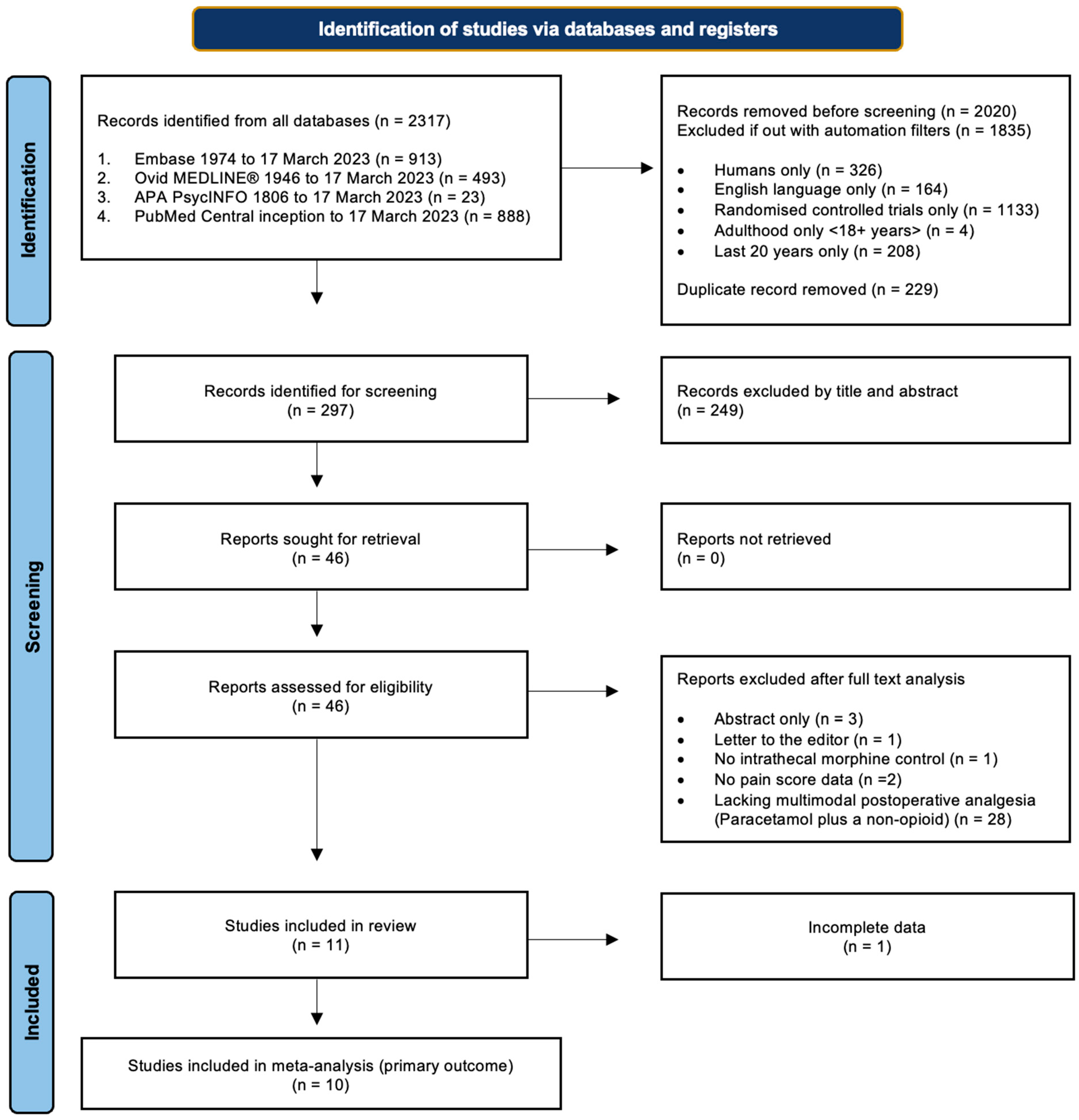
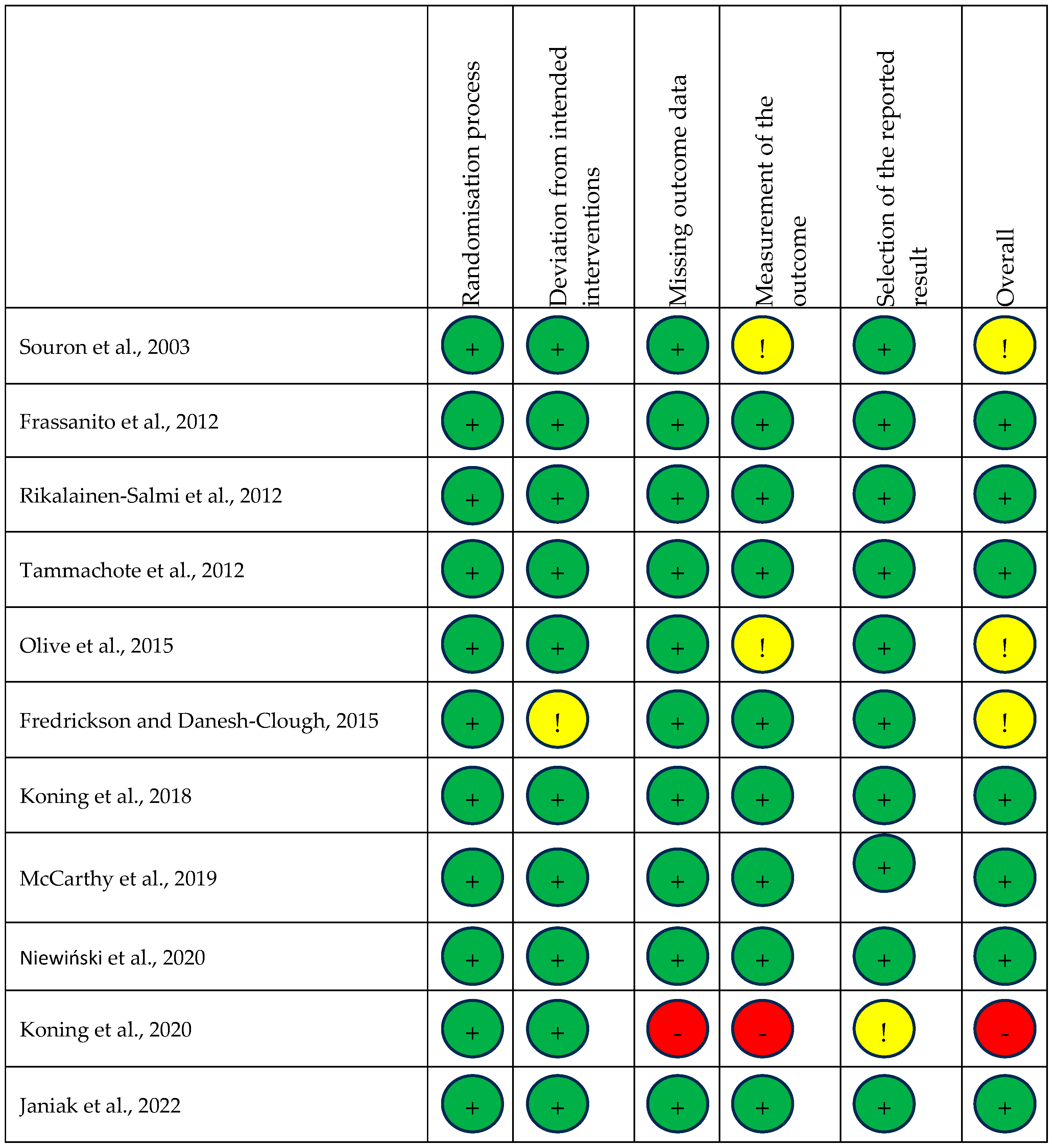
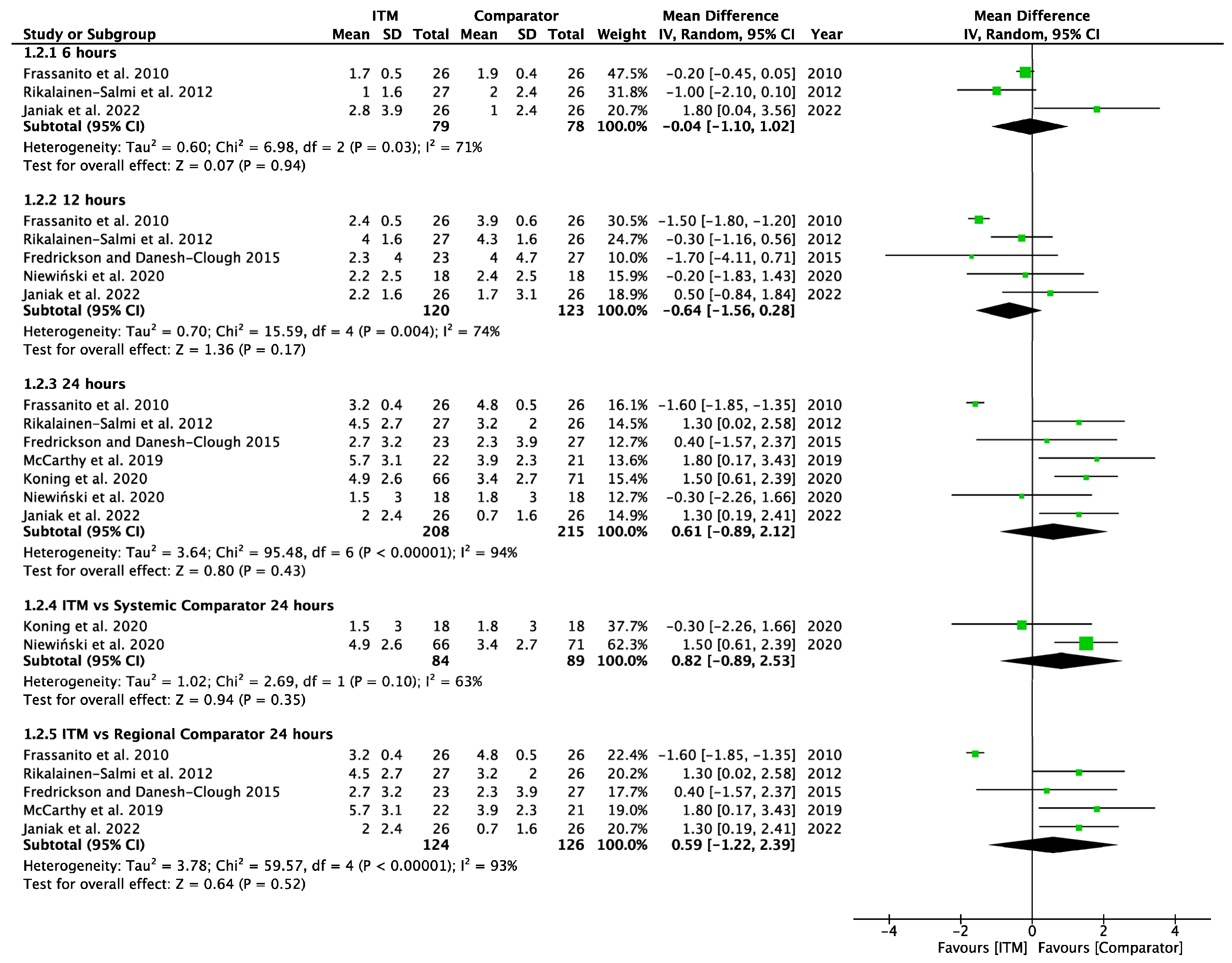
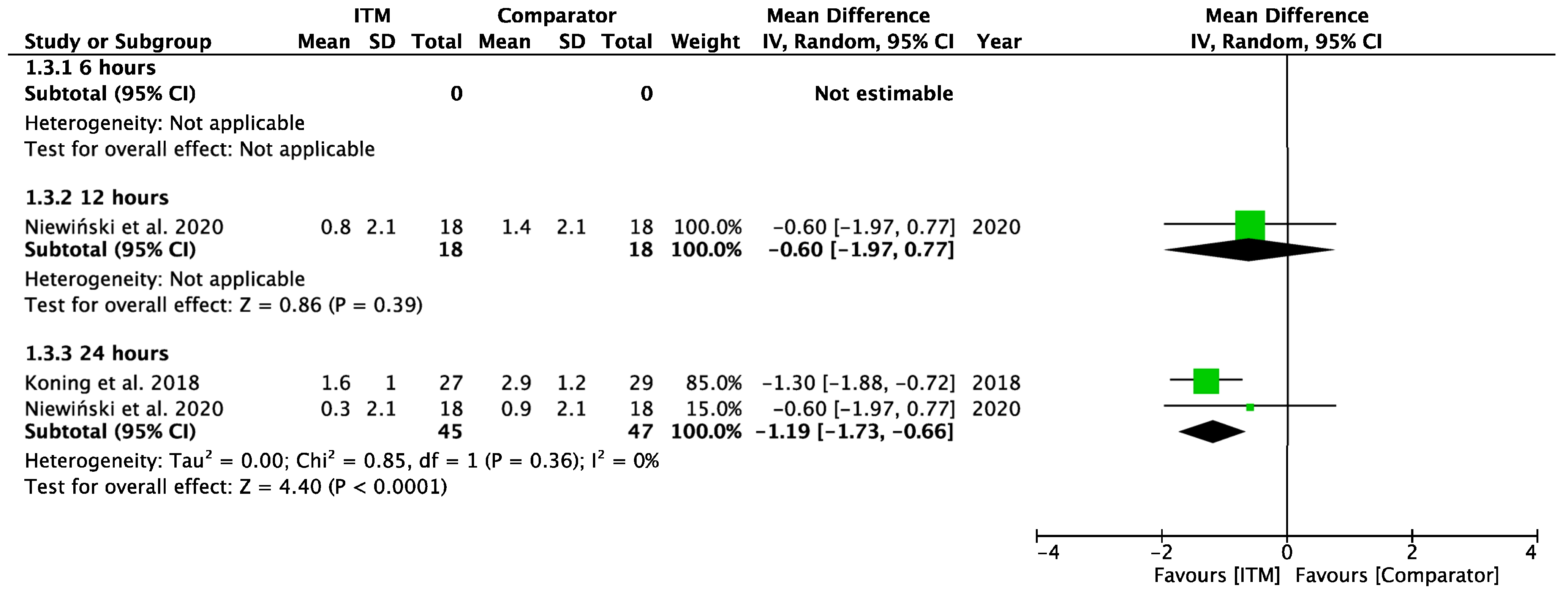
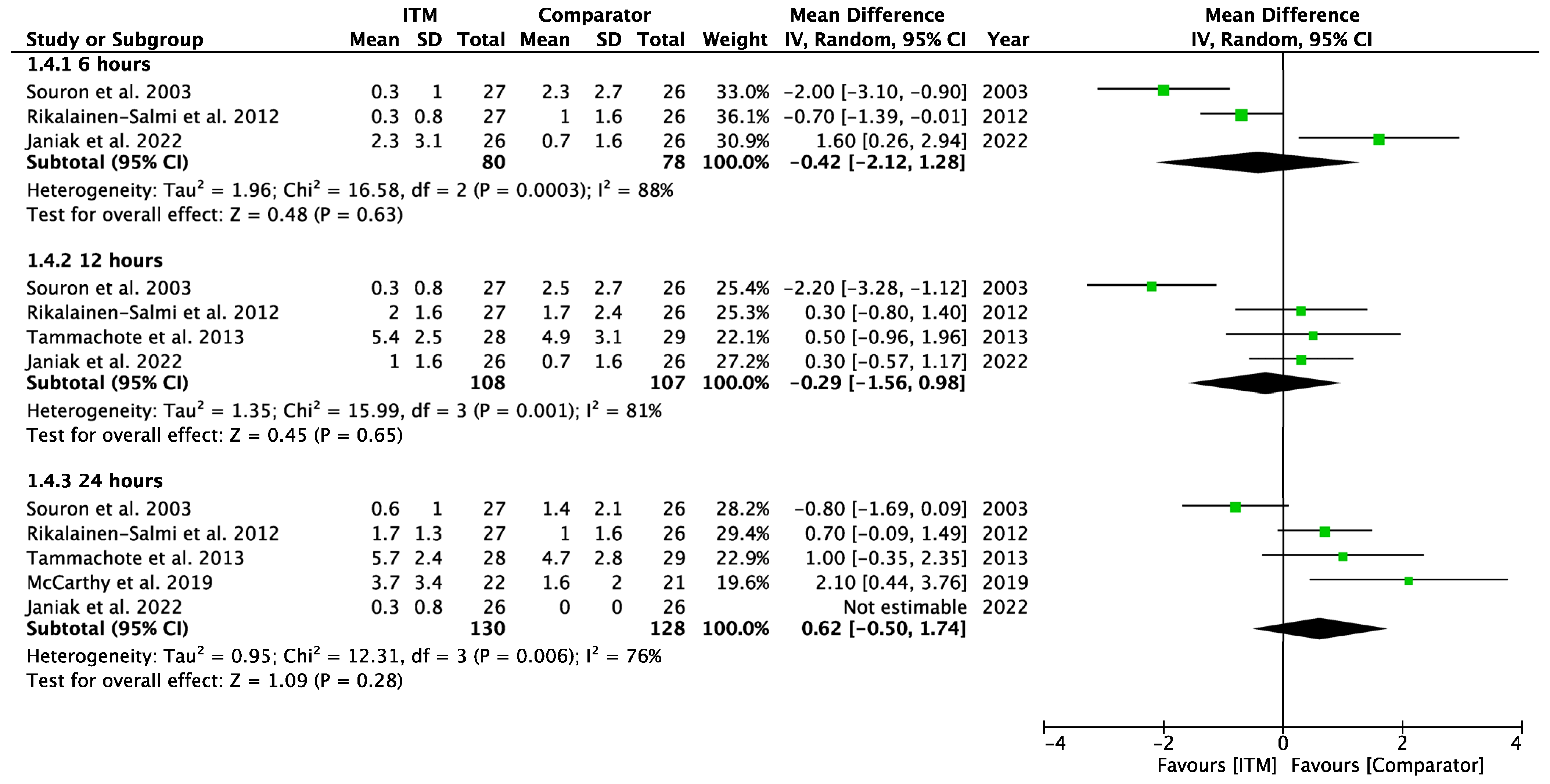
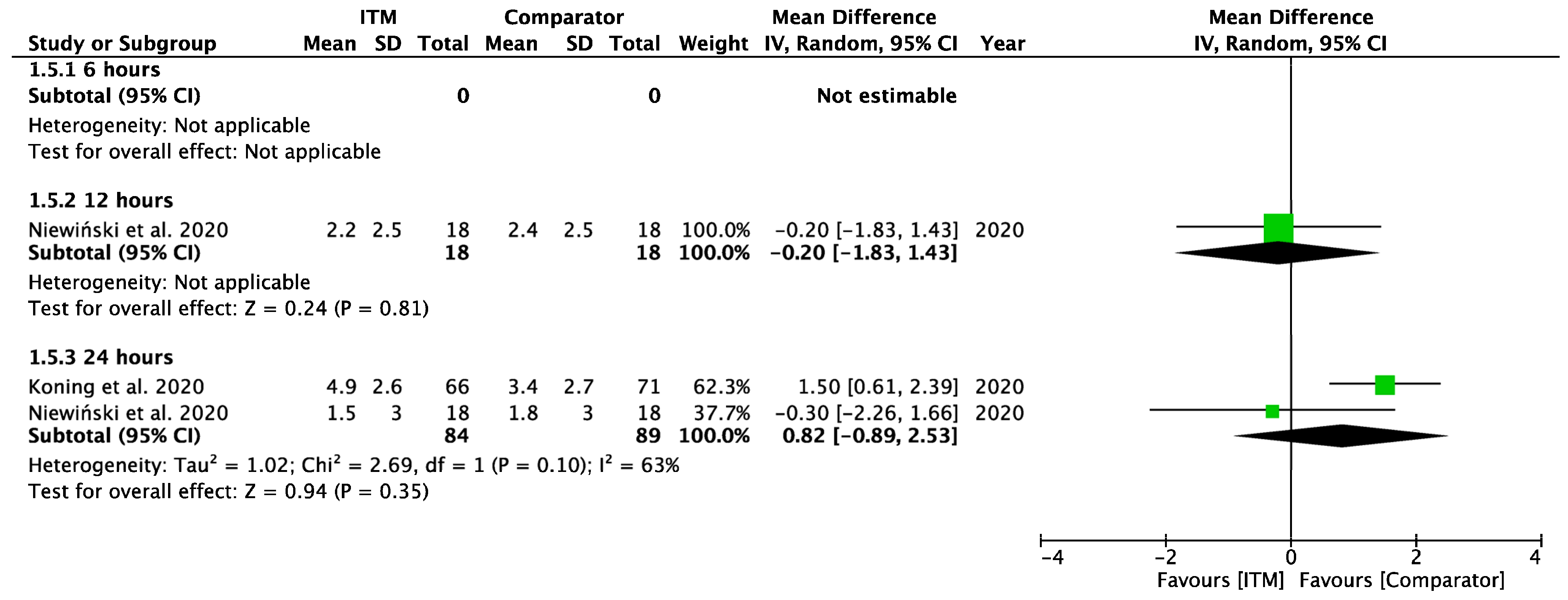
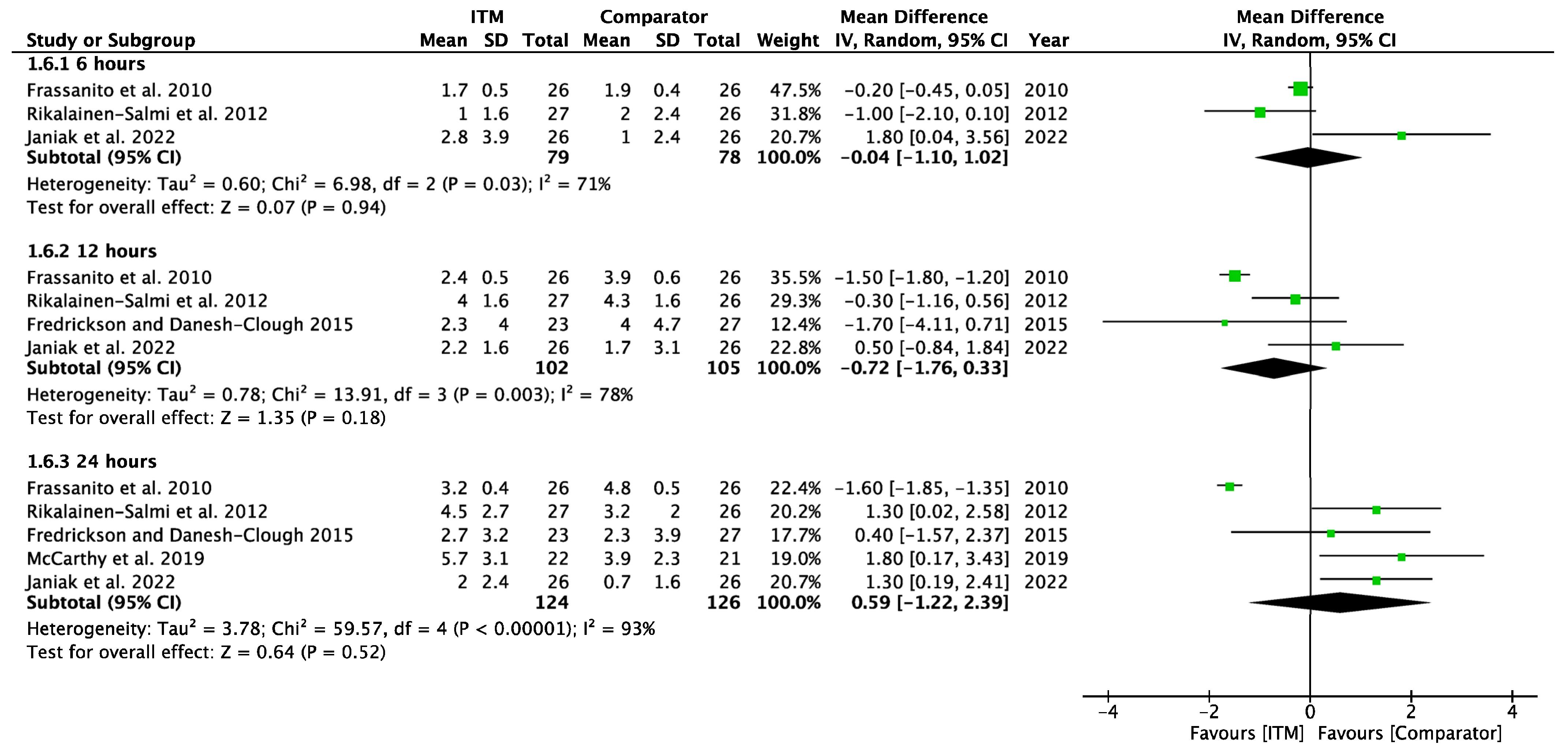
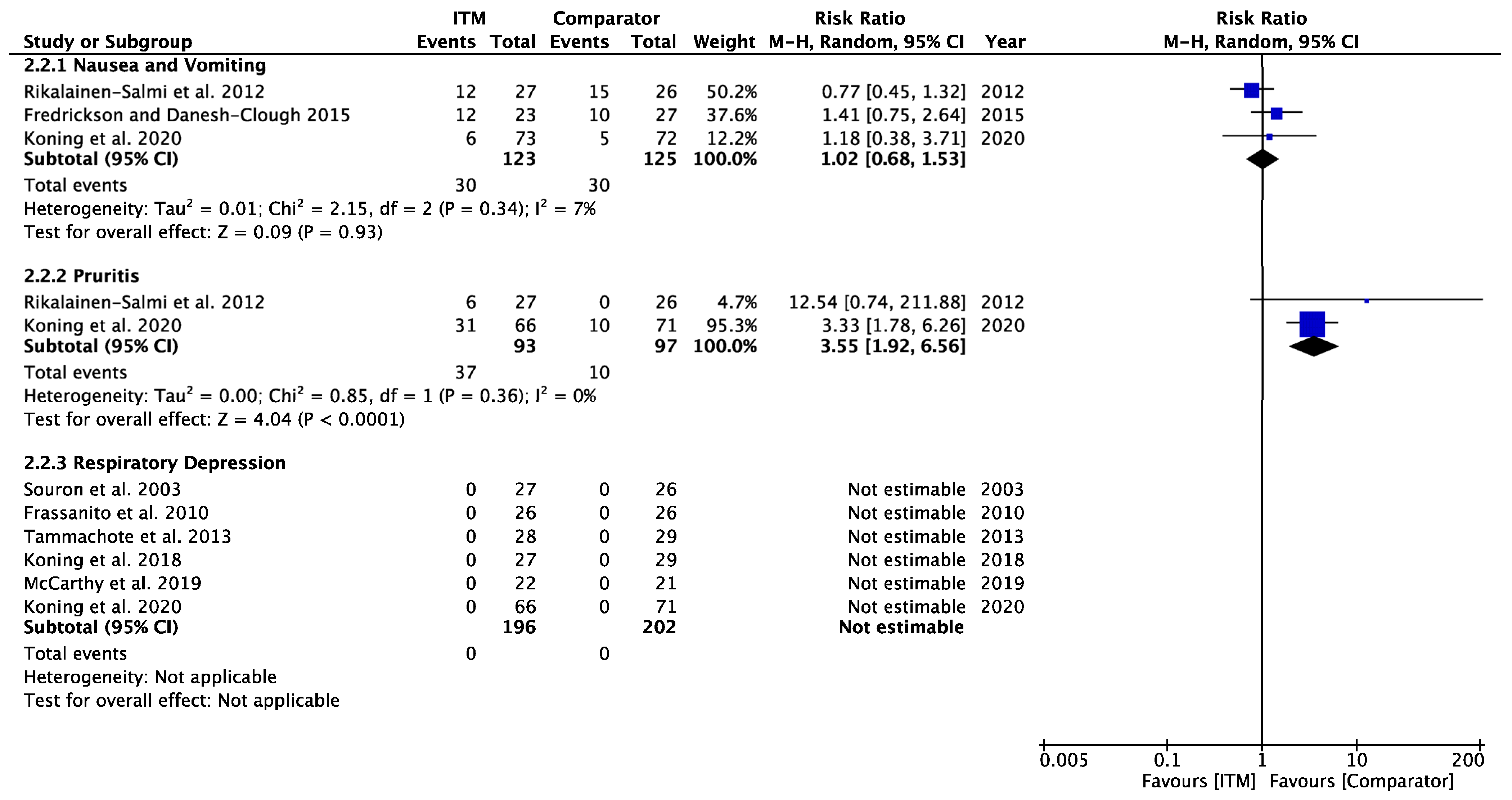
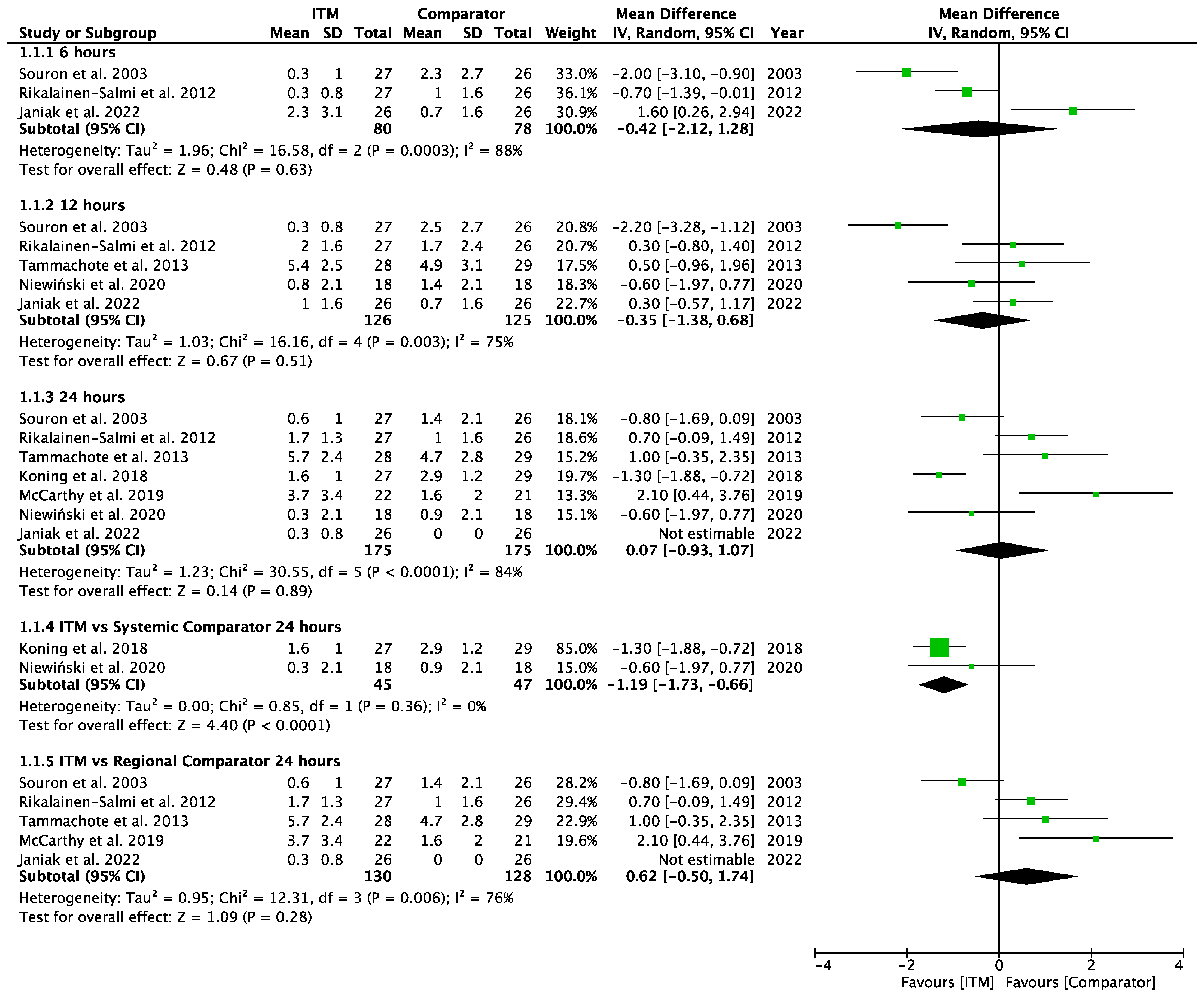
Objective: Intrathecal morphine (ITM) has been administered in recent years to provide postoperative pain control in non-obstetric surgery; however, current research has limited consideration of the recommendations for regular, basic analgesia from clinical guidelines when exploring its efficacy. This systematic review and meta-analysis aimed to compare ITM against alternative methods of analgesia in the presence of multimodal analgesia, for reducing pain scores within the first 24 h postoperatively. Secondary outcomes included postoperative opioid consumption, incidence of opioid-related effects, and time to mobilisation. Methods: Database searches and screening identified 11 trials for inclusion in this review. Pain scores were compared by meta-analysis at 6, 12, and 24 h postoperatively at rest and on movement, with sub-analysis of systemic versus regional techniques. Results: The data found no significant difference between ITM and active comparators for reducing pain scores at rest or on movement at any of the time intervals explored. Sub-analysis demonstrated that regional techniques may provide superior analgesia at 24 h at rest (MD = −1.19; 95% CI [−1.73, −0.66], p < 0.001, I2 = 0%) and on movement (MD = 1.27 [0.44, 2.10], p = 0.003, I2 = 0%). Cumulative opioid consumption was reduced in ITM groups (MD = −11.61 [−18.73, −4.50], p = 0.001, I2 = 95%), with significantly increased risk of pruritus (p < 0.001) but not nausea and vomiting (p = 0.93). There was no evidence of respiratory depression. Conclusions: This meta-analysis was unable to demonstrate any significant benefit to postoperative pain relief with the use of ITM but may suggest that it is as a viable option compared to other active modalities. However, this meta-analysis was limited by a low quantity and quality of data from which to draw conclusions and demonstrated high statistical fragility. We believe this highlights a significant gap in the current literature on ITM.
Keywords: intrathecal morphine; multimodal analgesia; postoperative pain intrathecal morphine; multimodal analgesia; postoperative pain