Next Article in Journal
Yeokwisan: Standardised Herbal Formula Enhancing Gastric Mucosal Protection Against Gastric Ulcers in Mice, a Preclinical Study
Previous Article in Journal
Potential Interaction of Pinocembrin with Drug Transporters and Hepatic Drug-Metabolizing Enzymes
Previous Article in Special Issue
Comprehensive Analysis of Characteristics of Cuproptosis-Related LncRNAs Associated with Prognosis of Lung Adenocarcinoma and Tumor Immune Microenvironment
 
 
Correction published on 14 July 2025, see Pharmaceuticals 2025, 18(7), 1040.
Article

Multi-Omics and Network-Based Drug Repurposing for Septic Cardiomyopathy
1
Department of Pharmacology, College of Pharmacy, Harbin Medical University, Harbin 150081, China
2
Key Laboratory of Drug Quality Control and Pharmacovigilance, Ministry of Education, China Pharmaceutical University, Nanjing 210009, China
3
Department of Pharmaceutical Analysis, School of Pharmacy, China Pharmaceutical University, Nanjing 210009, China
4
Department of Critical Care Medicine, Nanjing Drum Tower Hospital, Clinical College, Nanjing Medical University, Nanjing 210008, China
5
State Key Laboratory of Frigid Zone Cardiovascular Diseases, Ministry of Science and Technology, Harbin Medical University, Harbin 150081, China
6
Key Laboratory of Cardiovascular Research, Ministry of Education, Harbin Medical University, Harbin 150081, China
*
Authors to whom correspondence should be addressed.
These authors contributed equally to this work.
Pharmaceuticals 2025, 18(1), 43; https://doi.org/10.3390/ph18010043
Submission received: 13 November 2024 / Revised: 23 December 2024 / Accepted: 31 December 2024 / Published: 2 January 2025 / Corrected: 14 July 2025
(This article belongs to the Special Issue Data-Driven Biomarker and Drug Discovery for Complex Disease)

Abstract

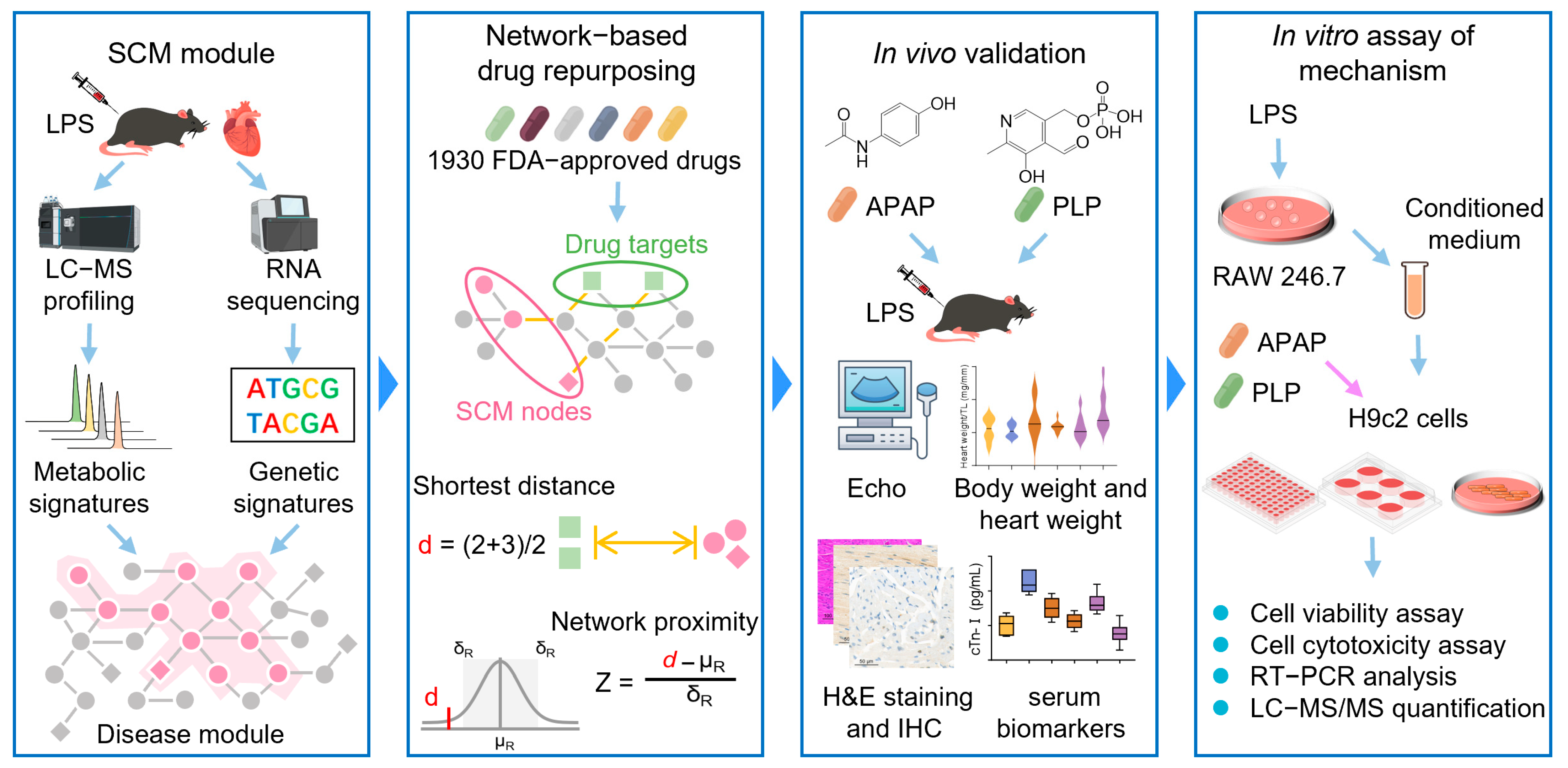
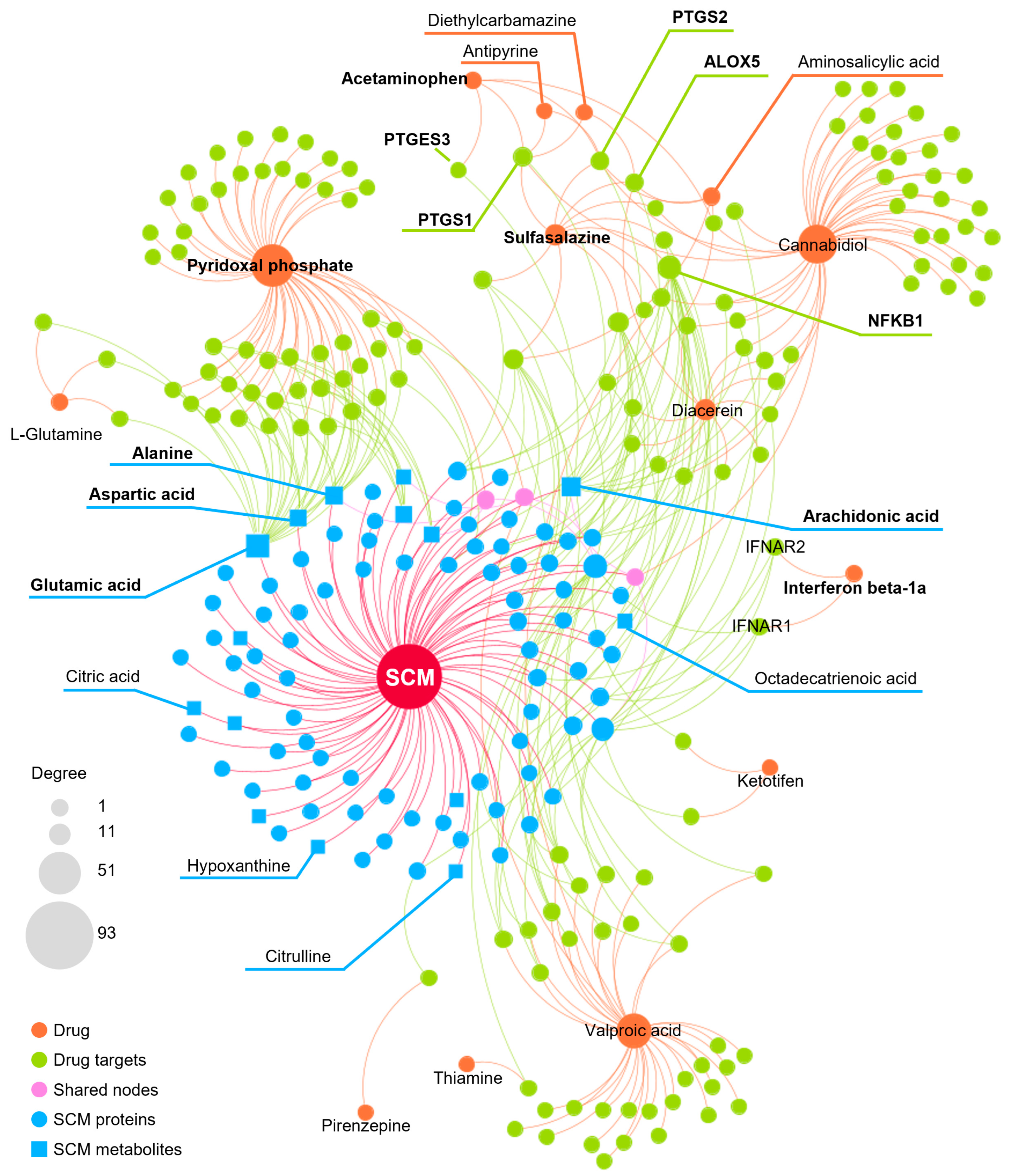
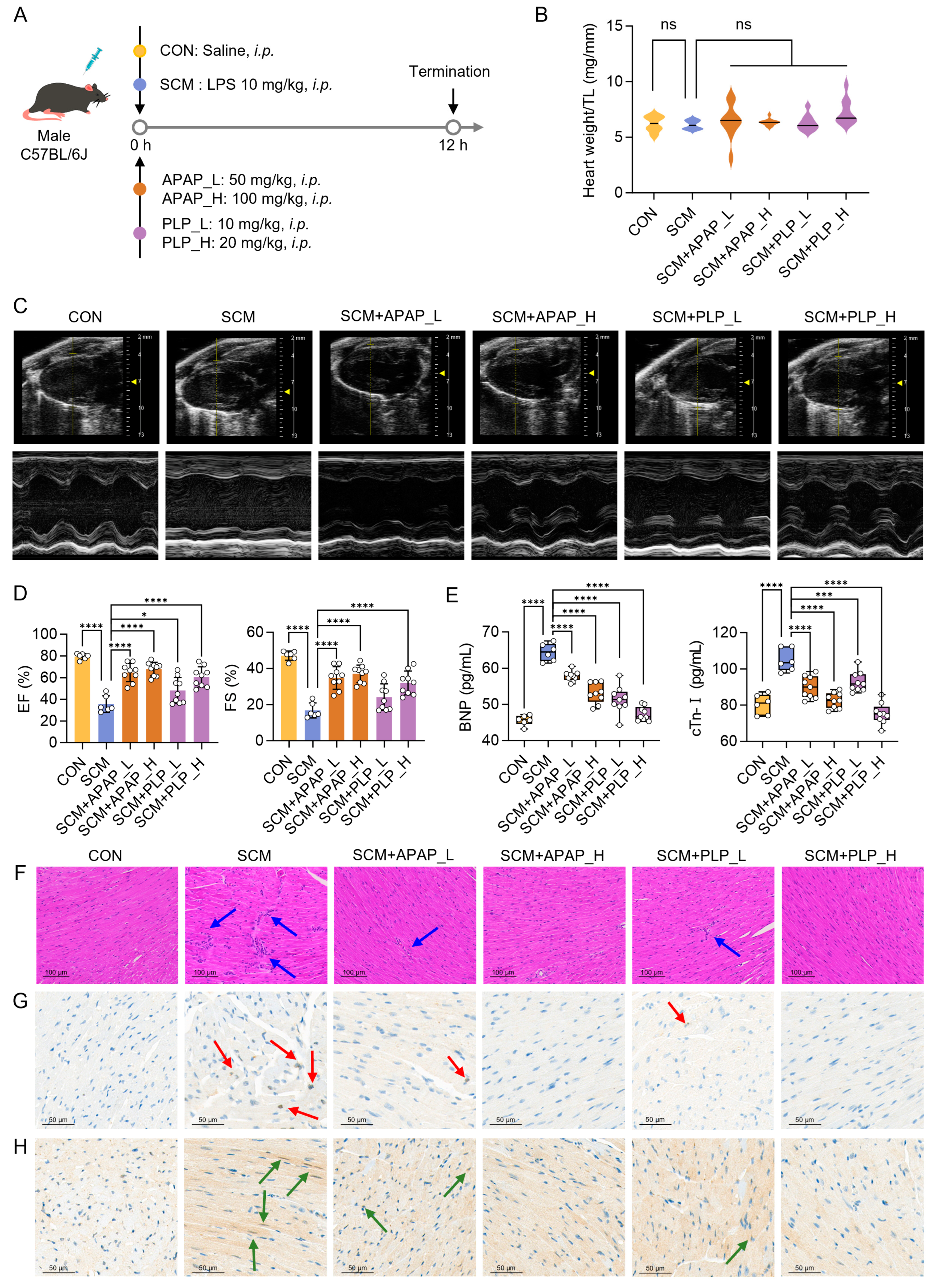
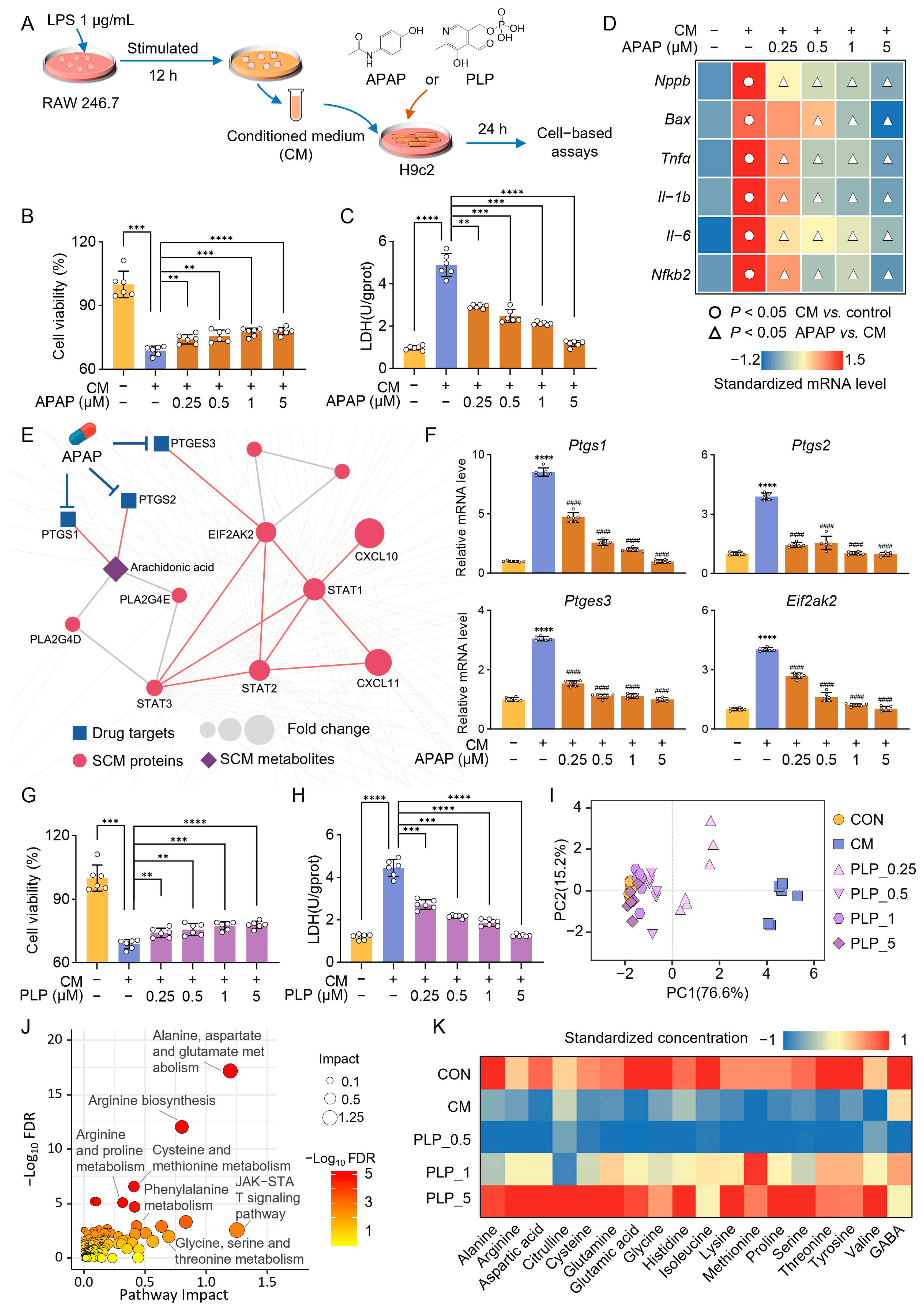
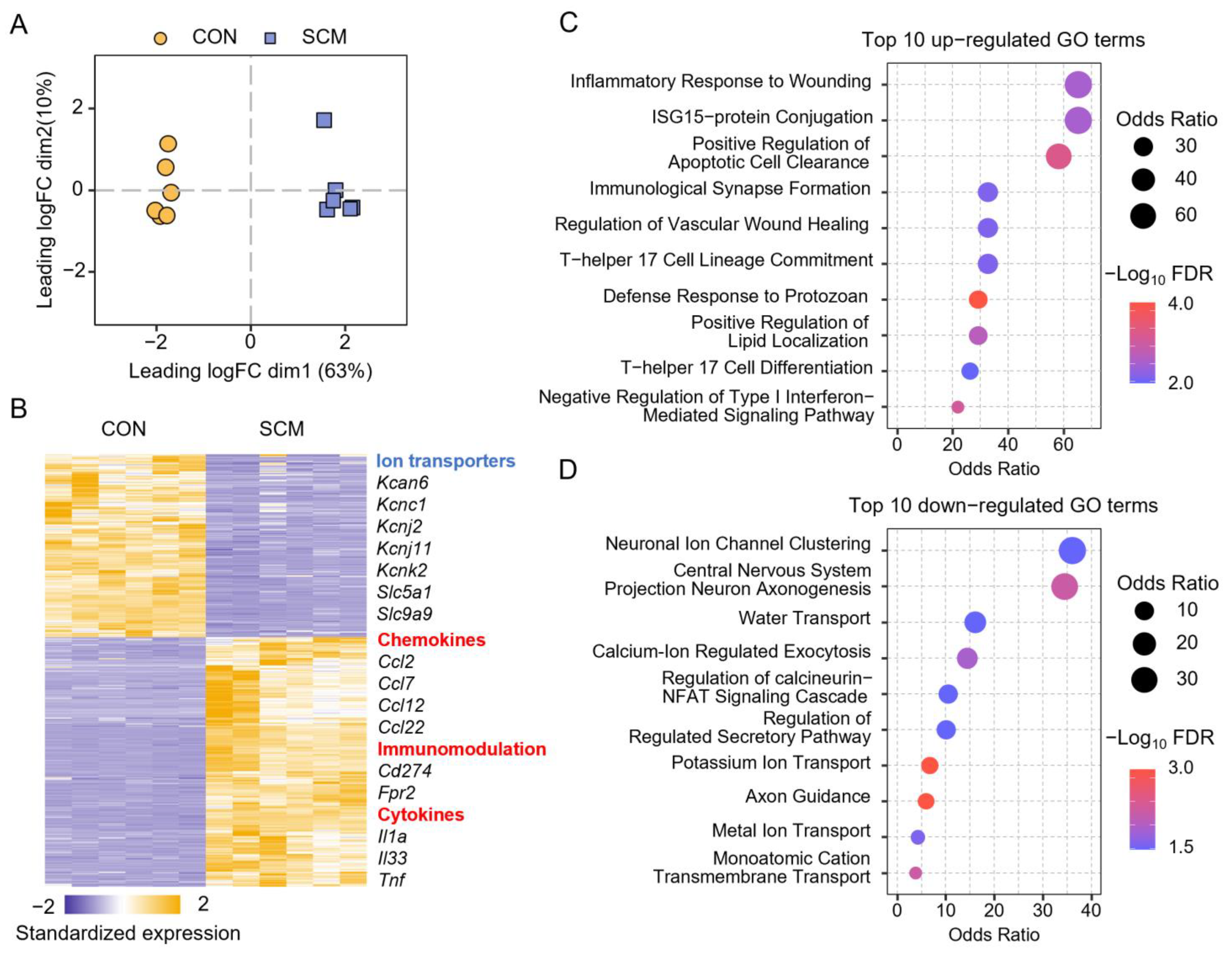
Background/Objectives: Septic cardiomyopathy (SCM) is a severe cardiac complication of sepsis, characterized by cardiac dysfunction with limited effective treatments. This study aimed to identify repurposable drugs for SCM by integrated multi-omics and network analyses. Methods: We generated a mouse model of SCM induced by lipopolysaccharide (LPS) and then obtained comprehensive metabolic and genetic data from SCM mouse hearts using ultra-performance liquid chromatography–tandem mass spectrometry (UPLC–MS/MS) and RNA sequencing (RNA-seq). Using network proximity analysis, we screened for FDA-approved drugs that interact with SCM-associated pathways. Additionally, we tested the cardioprotective effects of two drug candidates in the SCM mouse model and explored their mechanism-of-action in H9c2 cells. Results: Network analysis identified 129 drugs associated with SCM, which were refined to 14 drug candidates based on strong network predictions, proven anti-infective effects, suitability for ICU use, and minimal side effects. Among them, acetaminophen and pyridoxal phosphate significantly improved cardiac function in SCM moues, as demonstrated by the increased ejection fraction (EF) and fractional shortening (FS), and the reduced levels of cardiac injury biomarkers: B-type natriuretic peptide (BNP) and cardiac troponin I (cTn-I). In vitro assays revealed that acetaminophen inhibited prostaglandin synthesis, reducing inflammation, while pyridoxal phosphate restored amino acid balance, supporting cellular function. These findings suggest that both drugs possess protective effects against SCM. Conclusions: This study provides a robust platform for drug repurposing in SCM, identifying acetaminophen and pyridoxal phosphate as promising candidates for clinical translation, with the potential to improve treatment outcomes in septic patients with cardiac complications.
Keywords: metabolomics; transcriptomics; network medicine; acetaminophen; LC-MS metabolomics; transcriptomics; network medicine; acetaminophen; LC-MS