Article

Wound Healing Efficacy of Cucurbitaceae Seed Oils in Rats: Comprehensive Phytochemical, Pharmacological, and Histological Studies Tackling AGE/RAGE and Nrf2/Ho-1 Cue


by
Ayat M. Emad
1,†,
Engy A. Mahrous
2,†,
Dalia M. Rasheed
1,
Fatma Alzahraa M. Gomaa
3,4,
Ahmed Mohsen Elsaid Hamdan
5,
Heba Mohammed Refat M. Selim
6,
Einas M. Yousef
7,
Hagar B. Abo-Zalam
8,
Amira A. El-Gazar
8,* and
Ghada M. Ragab
9
1
Pharmacognosy Department, Faculty of Pharmacy, October 6 University, Sixth of October City 12585, Egypt
2
Pharmacognosy Department, Faculty of Pharmacy, Cairo University, Kasr El-Aini St., Cairo 11562, Egypt
3
Microbiology and Immunology, Faculty of Pharmacy, Al-Baha University, Al Baha 65511, Saudi Arabia
4
Microbiology and Immunology Department, Faculty of Pharmacy (Girls), Al-Azhar University, Cairo 35527, Egypt
5
Department of Pharmacy Practice, Faculty of Pharmacy, University of Tabuk, Tabuk 71491, Saudi Arabia
6
Department of Pharmaceutical Sciences, College of Pharmacy, AlMaarefa University, Diriyah, Riyadh 11597, Saudi Arabia
7
Histology and Cell Biology Department, Faculty of Medicine, Menoufia University, Shebin Elkom 3251, Egypt
8
Pharmacology and Toxicology Department, Faculty of Pharmacy, October 6 University, Sixth of October City 12585, Egypt
9
Pharmacology and Toxicology Department, Faculty of Pharmacy, Misr University for Science & Technology (MUST), Sixth of October City 12585, Egypt
*
Author to whom correspondence should be addressed.
These authors contributed equally to this work.
Pharmaceuticals 2024, 17(6), 733; https://doi.org/10.3390/ph17060733
Submission received: 28 April 2024 / Revised: 29 May 2024 / Accepted: 31 May 2024 / Published: 5 June 2024
(This article belongs to the Section Medicinal Chemistry)

Abstract

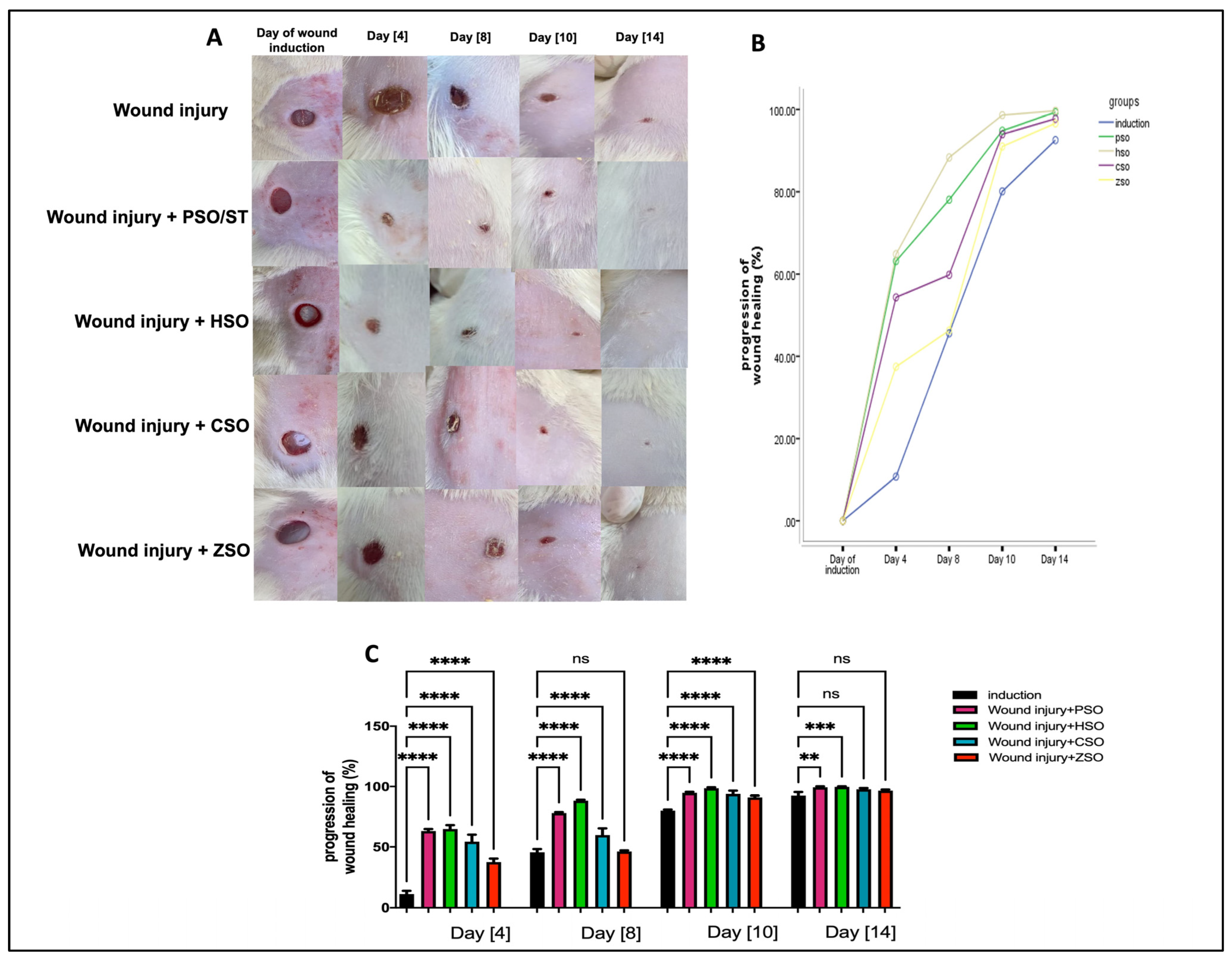
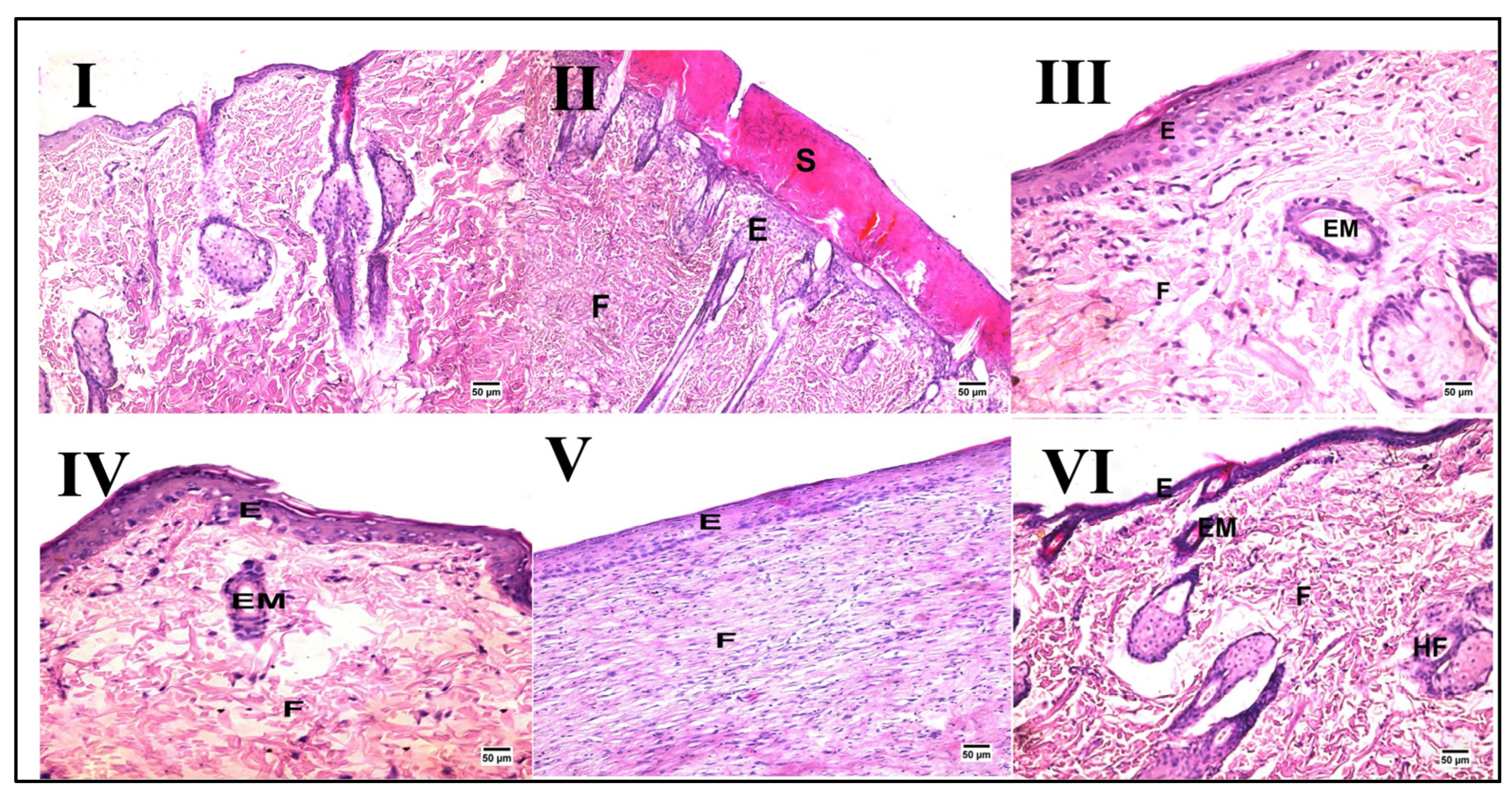
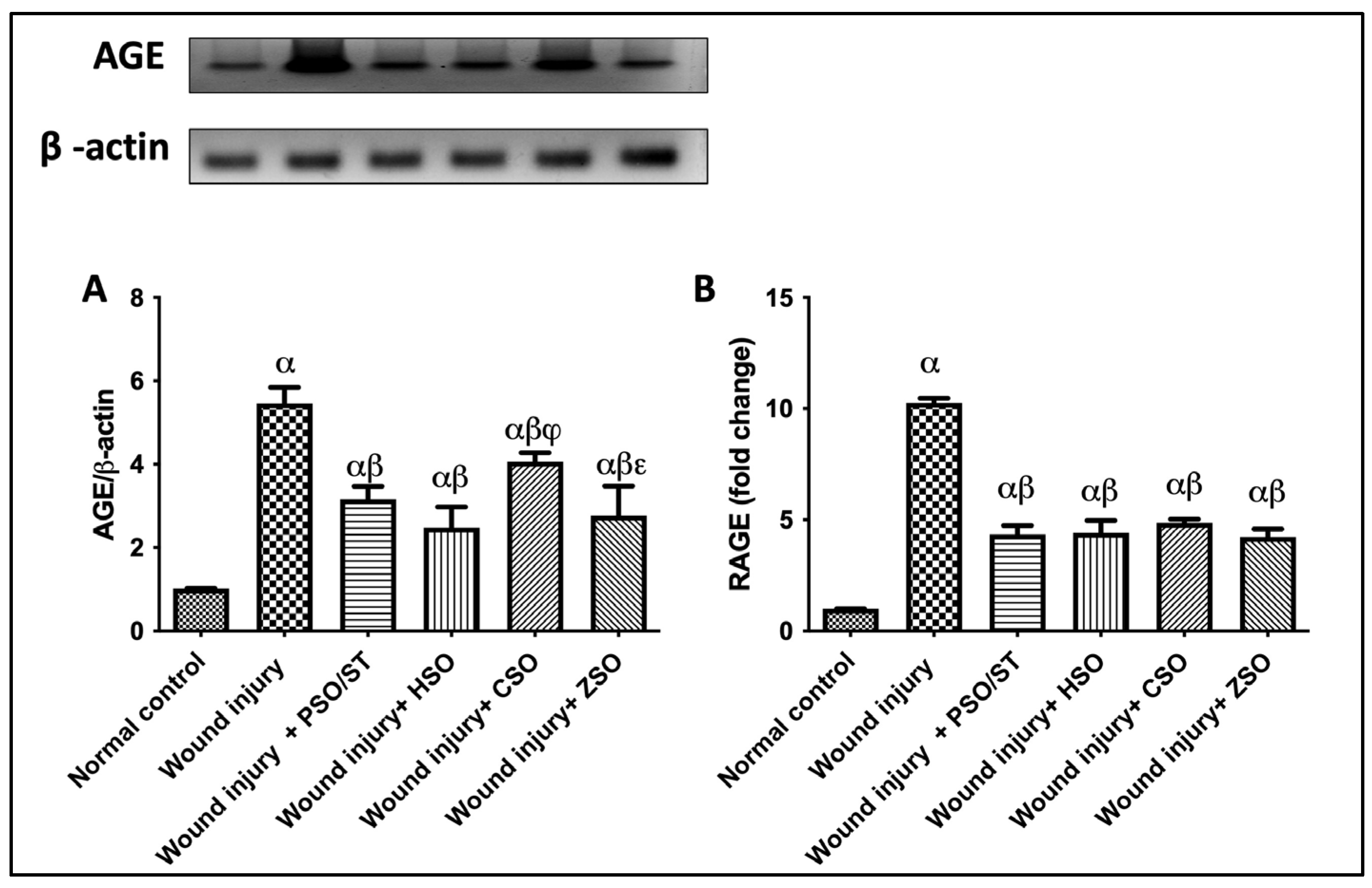
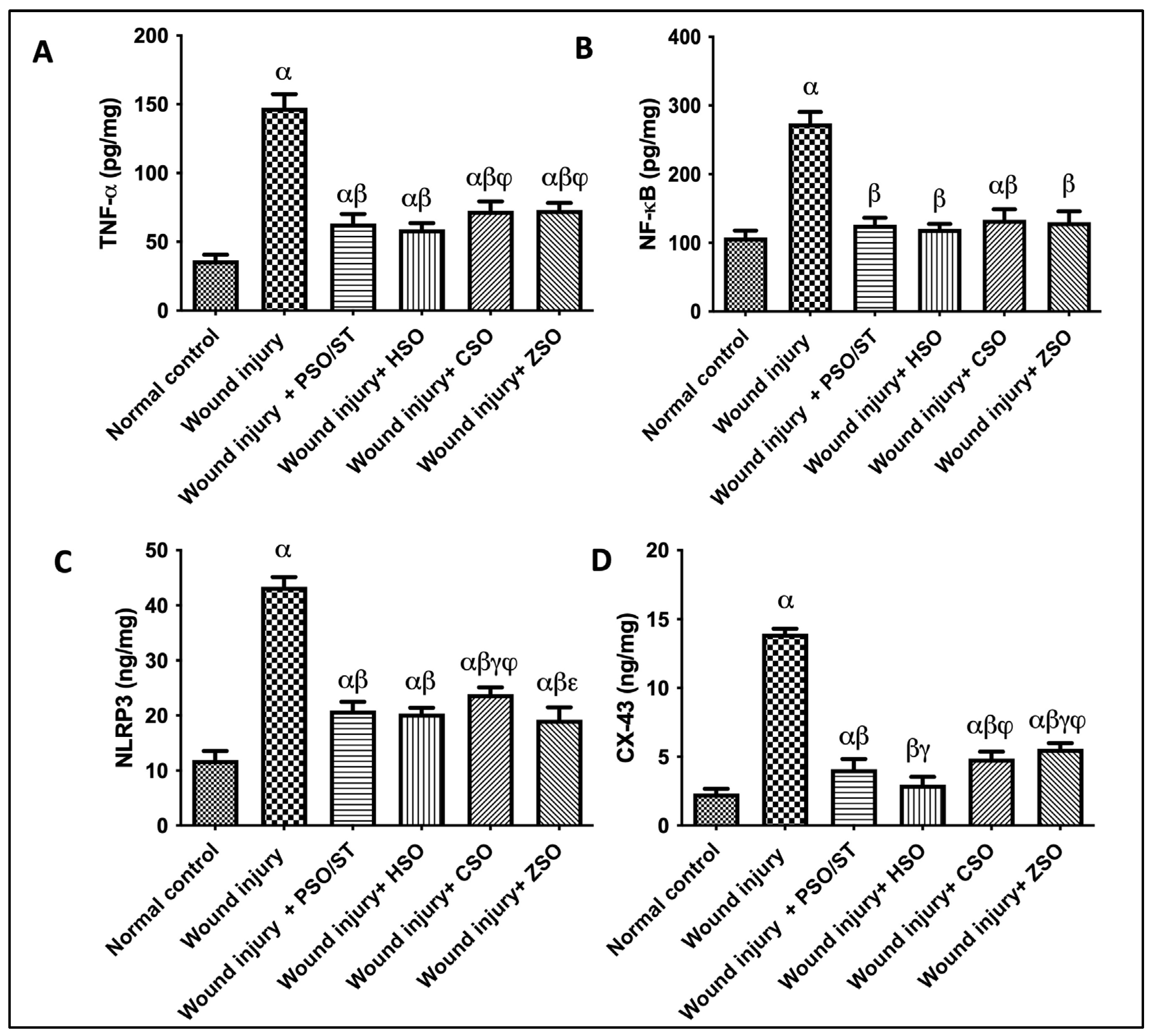
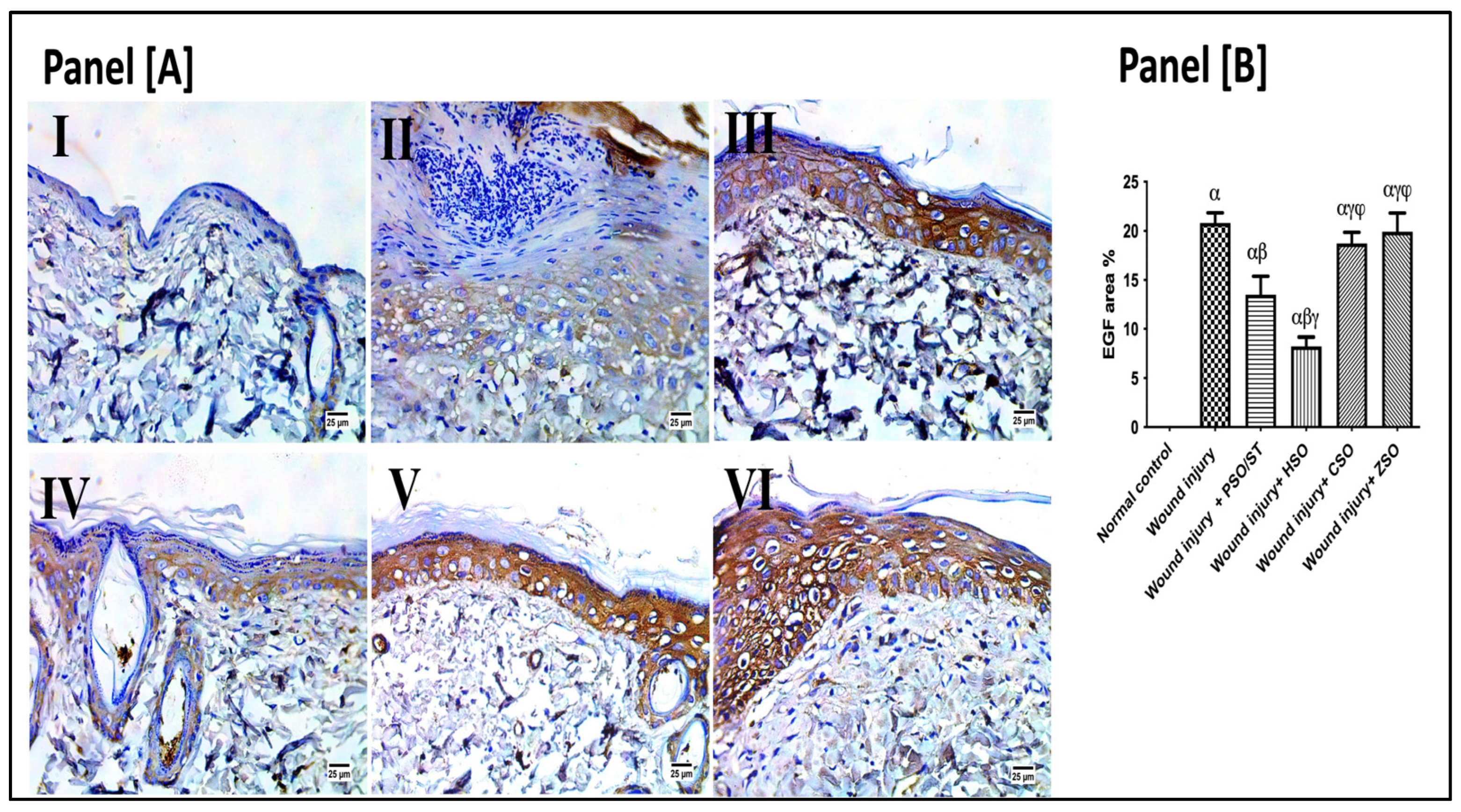
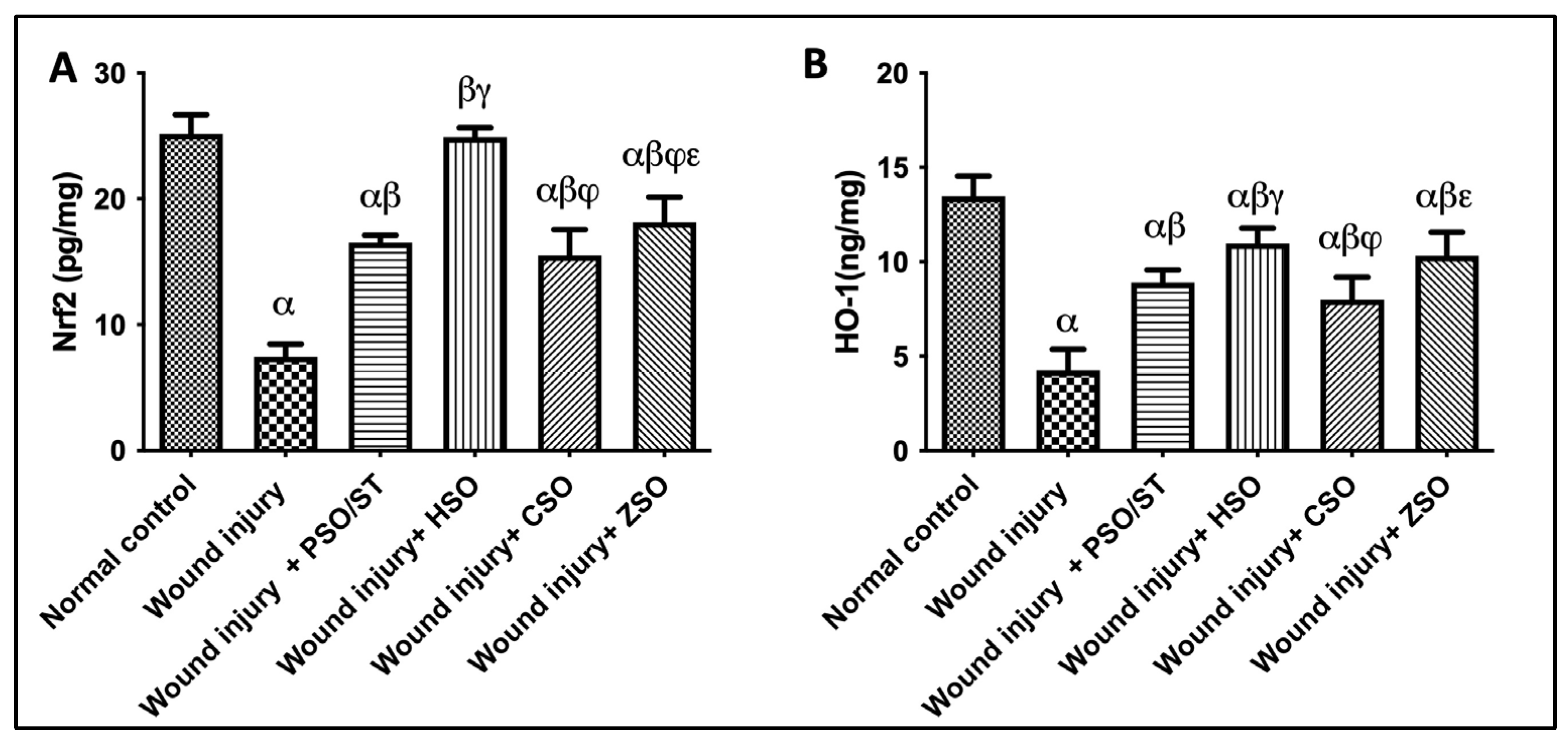
The Cucurbitaceae family includes several edible species that are consumed globally as fruits and vegetables. These species produce high volumes of seeds that are often discarded as waste. In this study, we investigate the chemical composition and biological activity of three seed oils from Cucurbitaceae plants, namely, cantaloupe, honeydew, and zucchini, in comparison to the widely used pumpkin seed oil for their ability to enhance and accelerate wound healing in rats. Our results showed that honeydew seed oil (HSO) was effective in accelerating wound closure and enhancing tissue repair, as indicated by macroscopic, histological, and biochemical analyses, as compared with pumpkin seed oil (PSO). This effect was mediated by down-regulation of the advanced glycation end products (AGE) and its receptor (RAGE) cue, activating the cytoprotective enzymes nuclear factor erythroid 2 (Nrf2) and heme oxygenase-1 (HO-1), suppressing the inflammatory mediators tumor necrosis factor (TNF)-α, nuclear factor kappa B (NF-κB), and nod-like receptor protein 3 (NLRP3), and reducing the levels of the skin integral signaling protein connexin (CX)-43. Furthermore, immunohistochemical staining for epidermal growth factor (EGF) showed the lowest expression in the skin after treatment with HSO, indicating a well-organized and complete healing process. Other seed oils from cantaloupe and zucchini exhibited favorable activity when compared with untreated rats; however, their efficacy was comparatively lower than that of PSO and HSO. Gas chromatographic analysis of the derivatized oils warranted the superior activity of HSO to its high nutraceutical content of linoleic acid, which represented 65.9% of the fatty acid content. This study’s findings validate the use of honeydew seeds as a wound-healing fixed oil and encourage further investigation into the potential of Cucurbitaceae seeds as sources of medicinally valuable plant oils.
Keywords: Cucurbitaceae seeds; linoleic acid; wound healing; EGF; CX43; Nrf2 Cucurbitaceae seeds; linoleic acid; wound healing; EGF; CX43; Nrf2