Article

Effect of Agave Fructan Bioconjugates on Metabolic Syndrome Parameters in a Murine Model

by
Eduardo Padilla-Camberos
1,
Javier Arrizon
2 and
Georgina Sandoval
3,*
1
Medical and Pharmaceutical Biotechnology Unit, Center for Research and Assistance in Technology and Design of the State of Jalisco, A.C. (CIATEJ), Av. Normalistas No. 800 Col. Colinas de la Normal, Guadalajara C.P. 44270, Jalisco, Mexico
2
Industrial Biotechnology Unit, Center for Research and Assistance in Technology and Design of the State of Jalisco, A.C. (CIATEJ), Camino Arenero 1227, El Bajío del Arenal, Zapopan C.P. 45019, Jalisco, Mexico
3
LIBBA Laboratory, Industrial Biotechnology Unit, Center for Research and Assistance in Technology and Design of the State of Jalisco, A.C. (CIATEJ), Av. Normalistas No. 800 Col. Colinas de la Normal, Guadalajara C.P. 44270, Jalisco, Mexico
*
Author to whom correspondence should be addressed.
Pharmaceuticals 2023, 16(3), 412; https://doi.org/10.3390/ph16030412
Submission received: 30 November 2022 / Revised: 21 February 2023 / Accepted: 2 March 2023 / Published: 8 March 2023
(This article belongs to the Special Issue Carbohydrate-Based Drugs)

Abstract

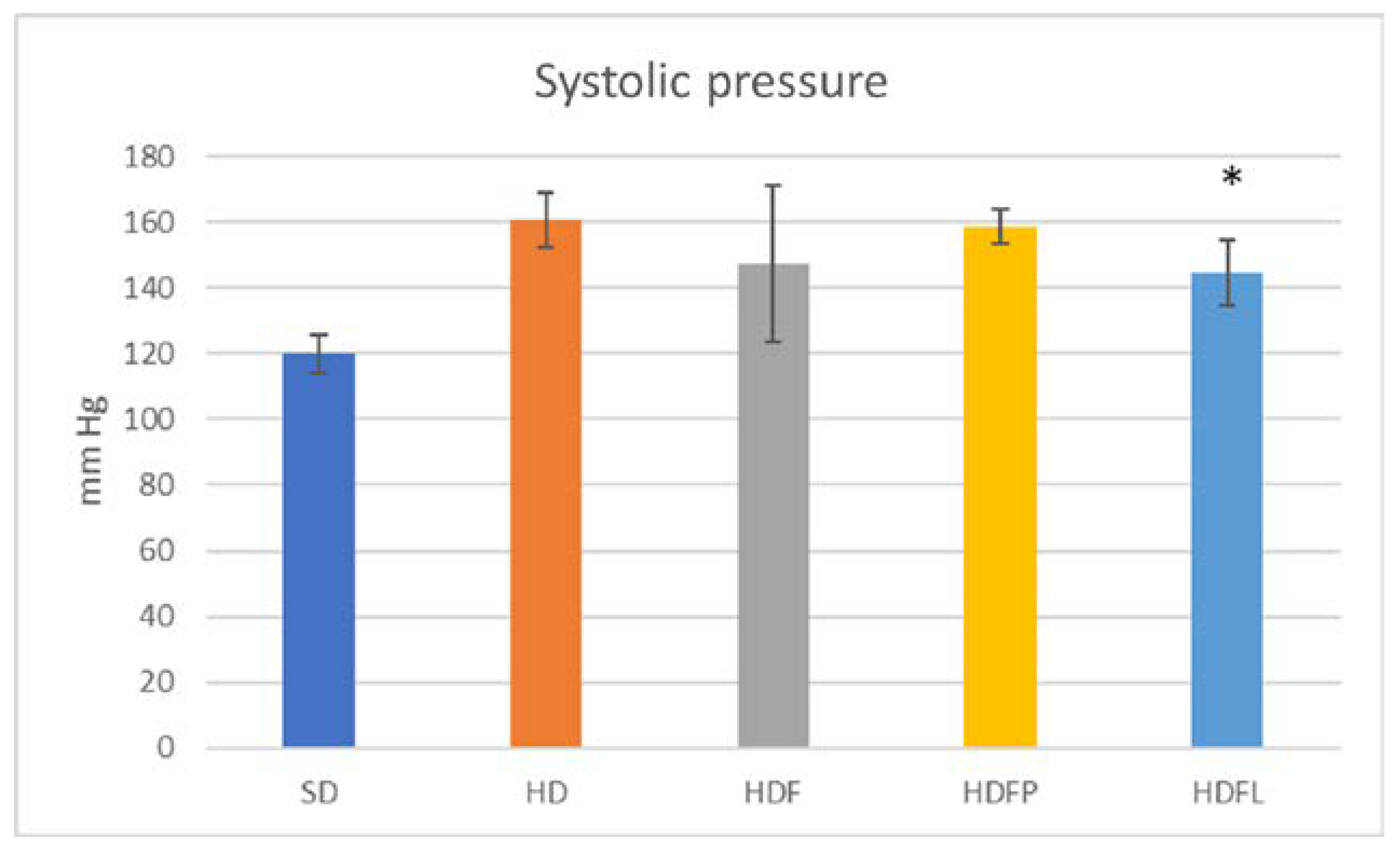
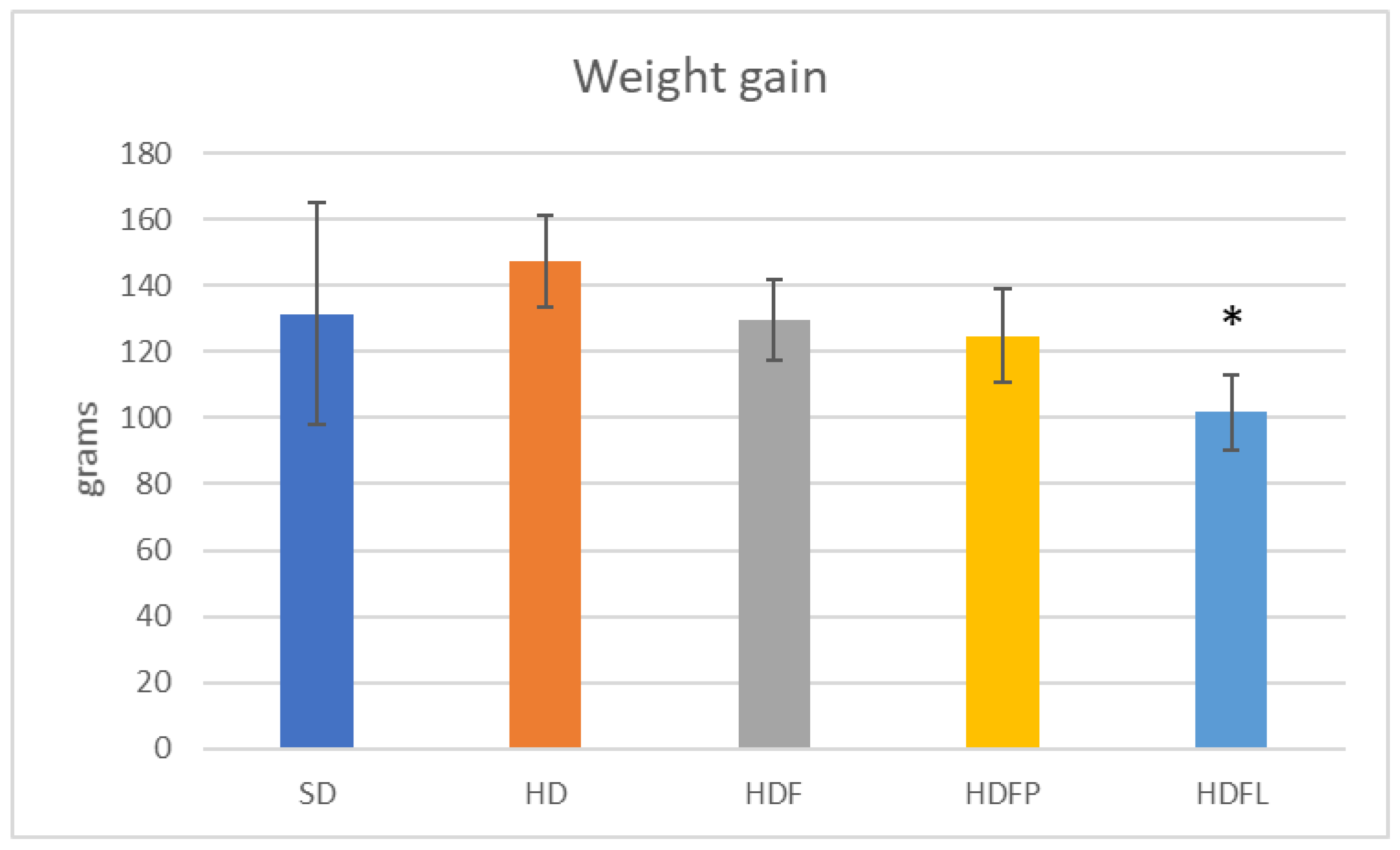
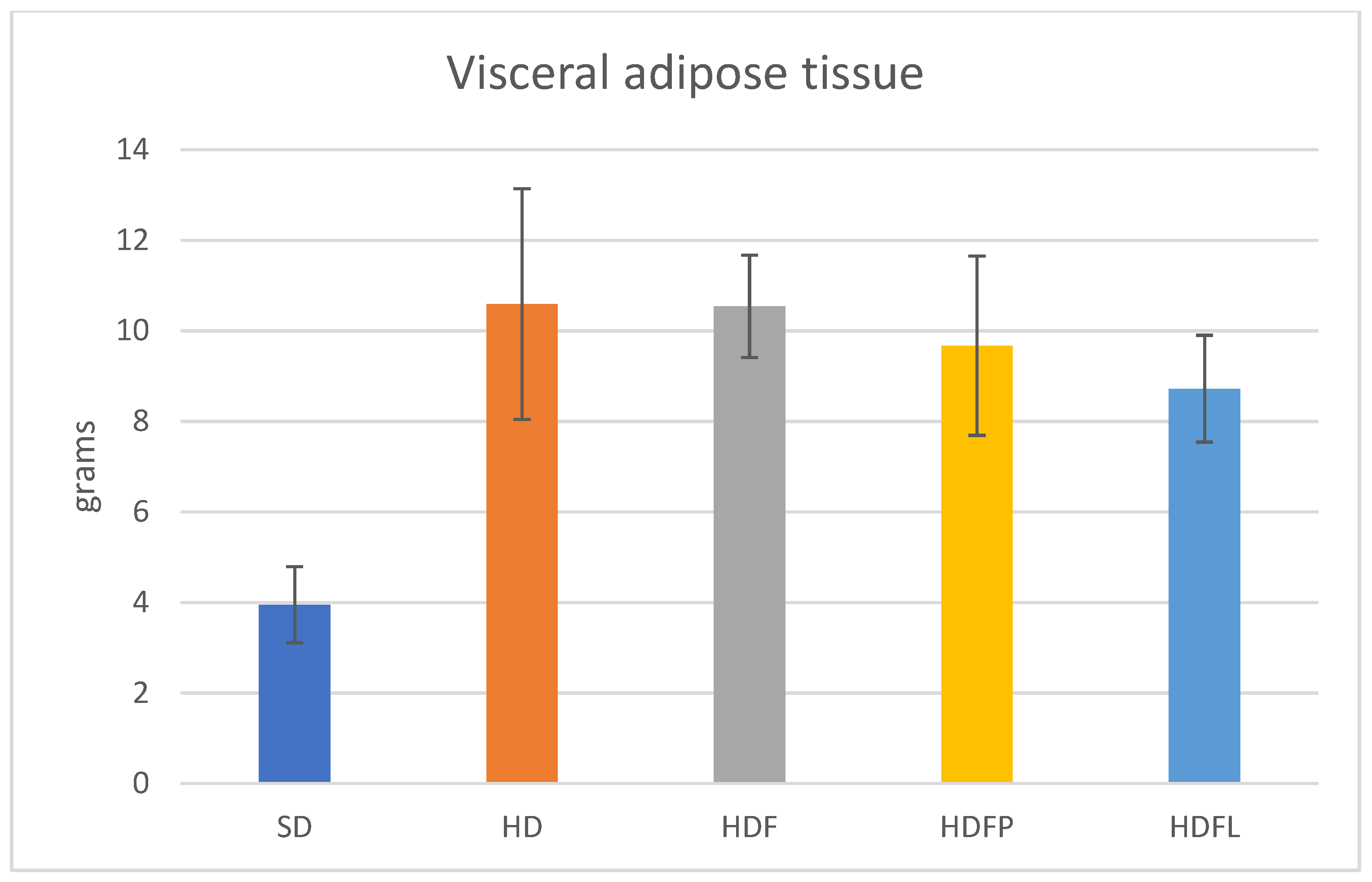
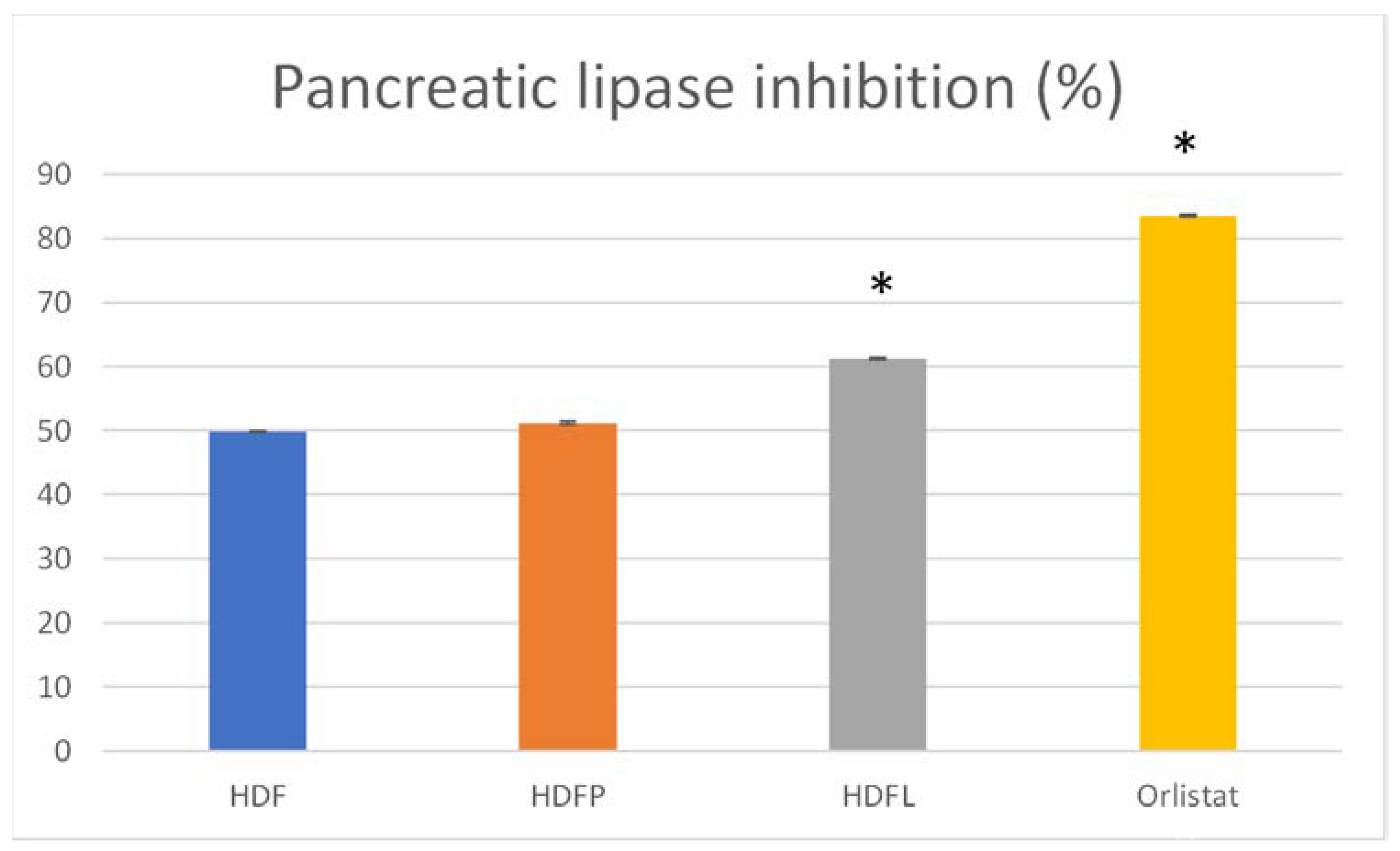
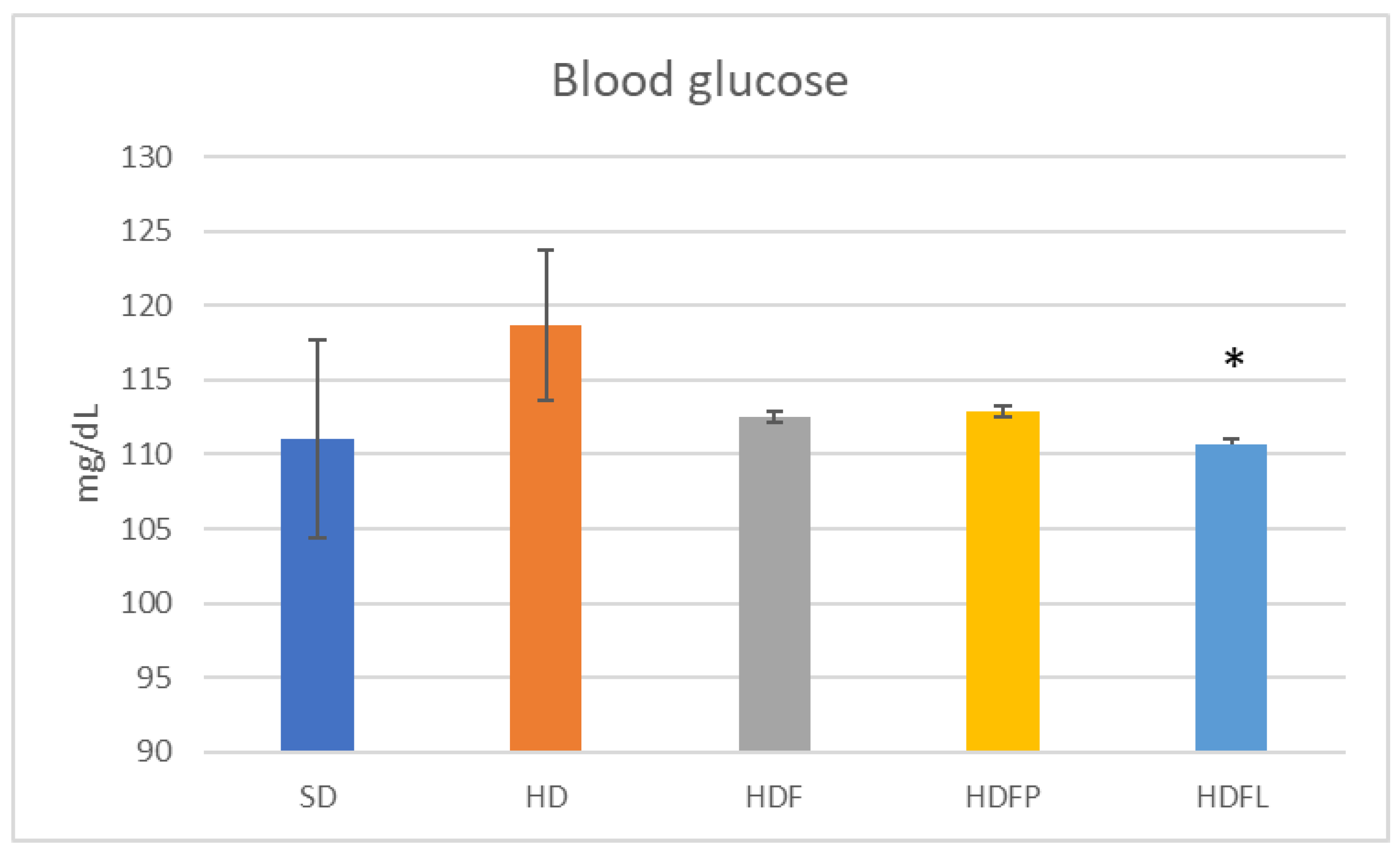
Metabolic syndrome is a complex disorder that combines abdominal obesity, dyslipidemia, hypertension, and insulin resistance. Metabolic syndrome affects 25% of the world’s population. Agave fructans have shown positive effects on alterations related to metabolic syndrome, so some investigations have focused on their bioconjugation with fatty acids to increase their biological activity. The objective of this work was to evaluate the effect of agave fructan bioconjugates in a rat model with metabolic syndrome. Agave fructans enzymatically bioconjugated (acylated via food-grade lipase catalysis) with propionate or laurate were administered orally for 8 weeks in rats fed a hypercaloric diet. Animals without treatment were used as the control group, as well as animals fed with a standard diet. The data indicate that the group of animals treated with laurate bioconjugates showed a significant decrease in glucose levels, systolic pressure, weight gain, and visceral adipose tissue, as well as a positive effect of pancreatic lipase inhibition. These results allow us to demonstrate the potential of agave bioconjugates, particularly laurate bioconjugates, for the prevention of diseases associated with metabolic syndrome.
Keywords: hypertension; weight gain; oligosaccharides; prebiotics; lipase; acylation hypertension; weight gain; oligosaccharides; prebiotics; lipase; acylation