Next—Generation Diagnostic Technologies for Dengue Virus Detection: Microfluidics, Biosensing, CRISPR, and AI Approaches


Abstract

1. Introduction
2. Physiology
3. Dengue Detection Techniques and Recent Advances
3.1. Cell Culture Isolation
3.2. Genomic Detection
3.3. Serological Testing
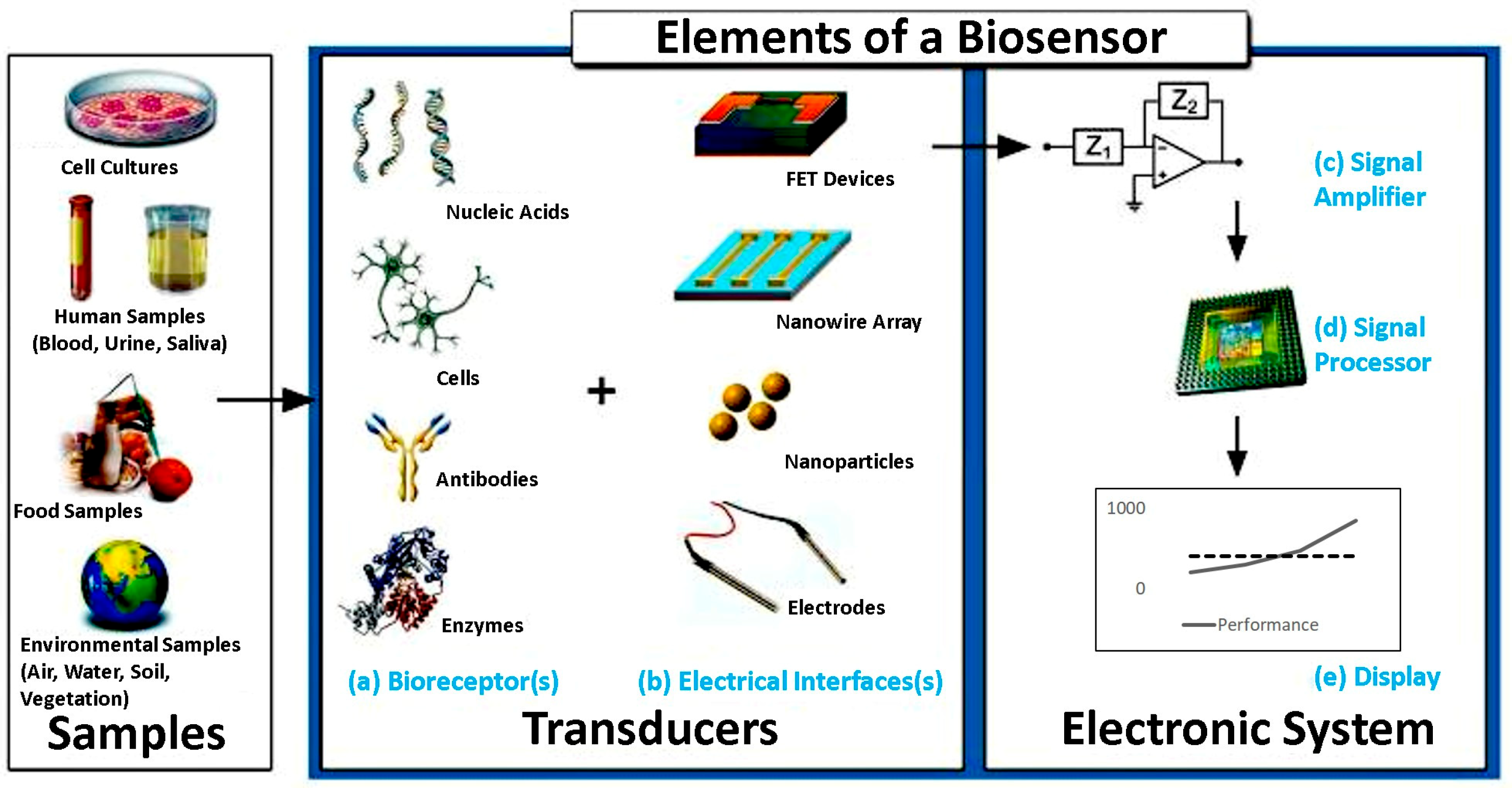
3.4. Biosensors
3.4.1. Optical Biosensors
Colorimetric Biosensors
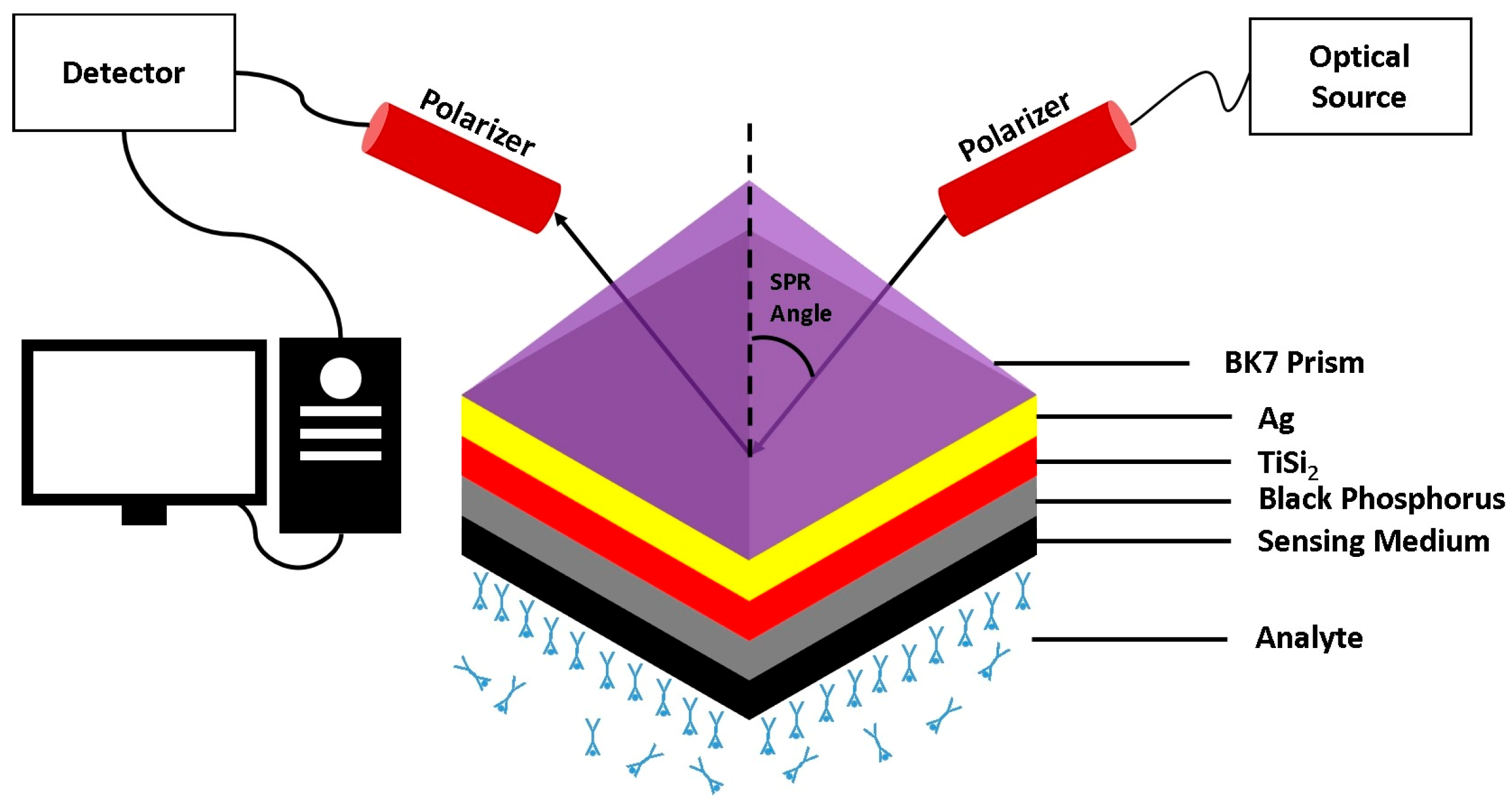
Plasmonic Biosensors
Raman–Based Biosensors
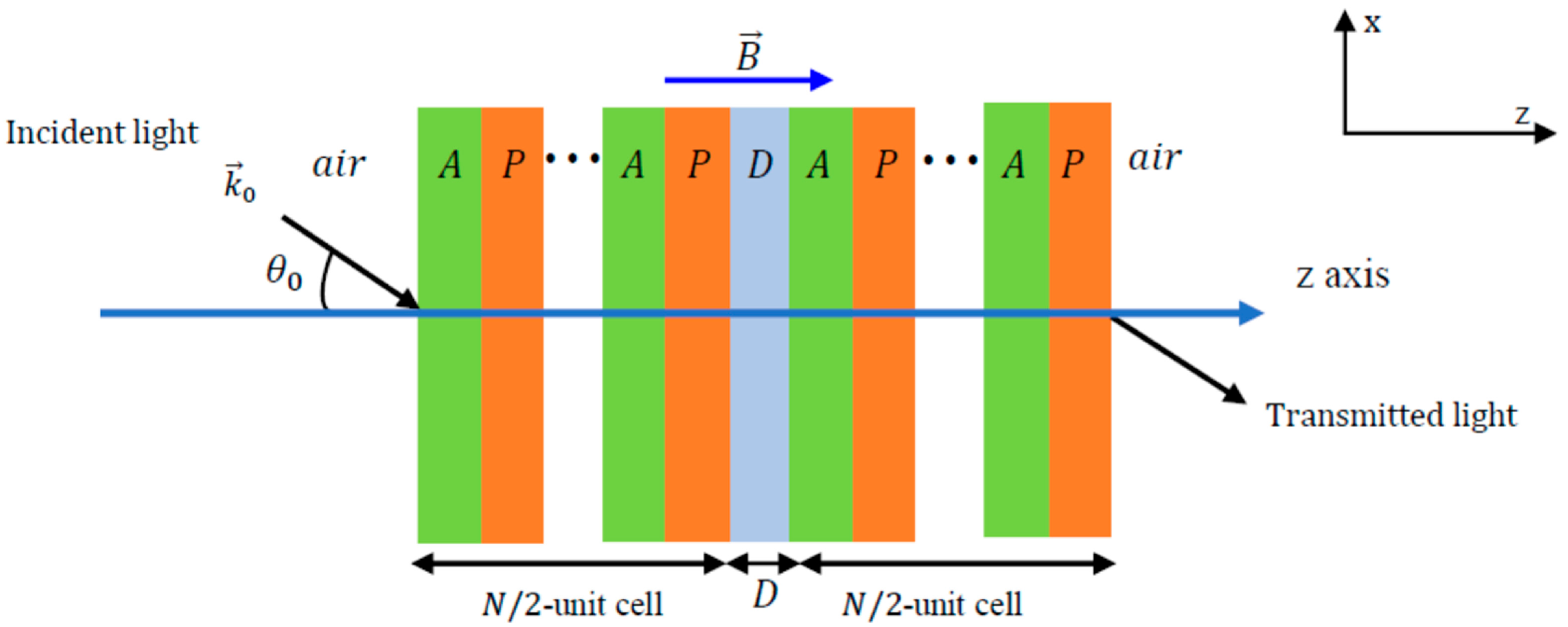
Photonic Biosensors
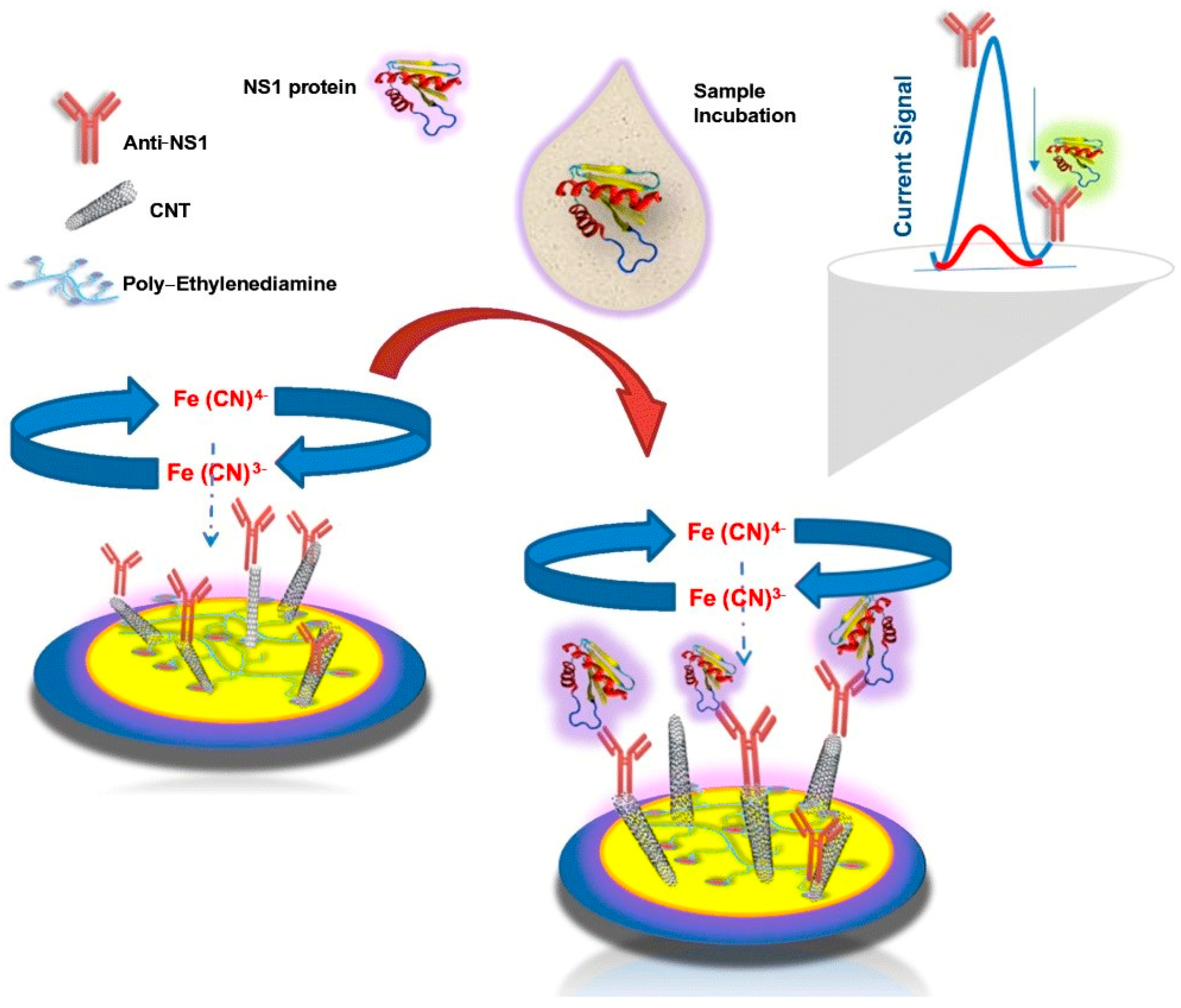
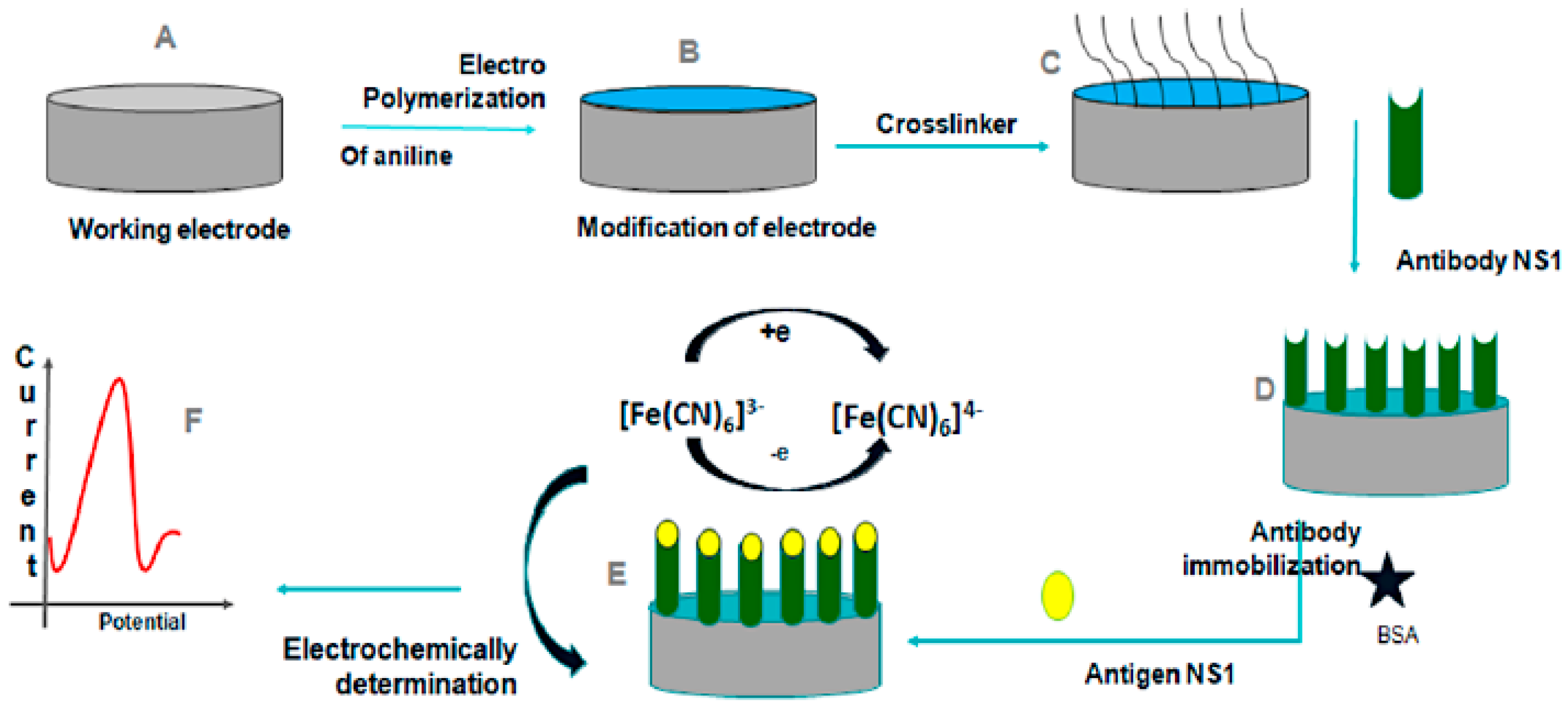
3.4.2. Electrochemical Biosensors
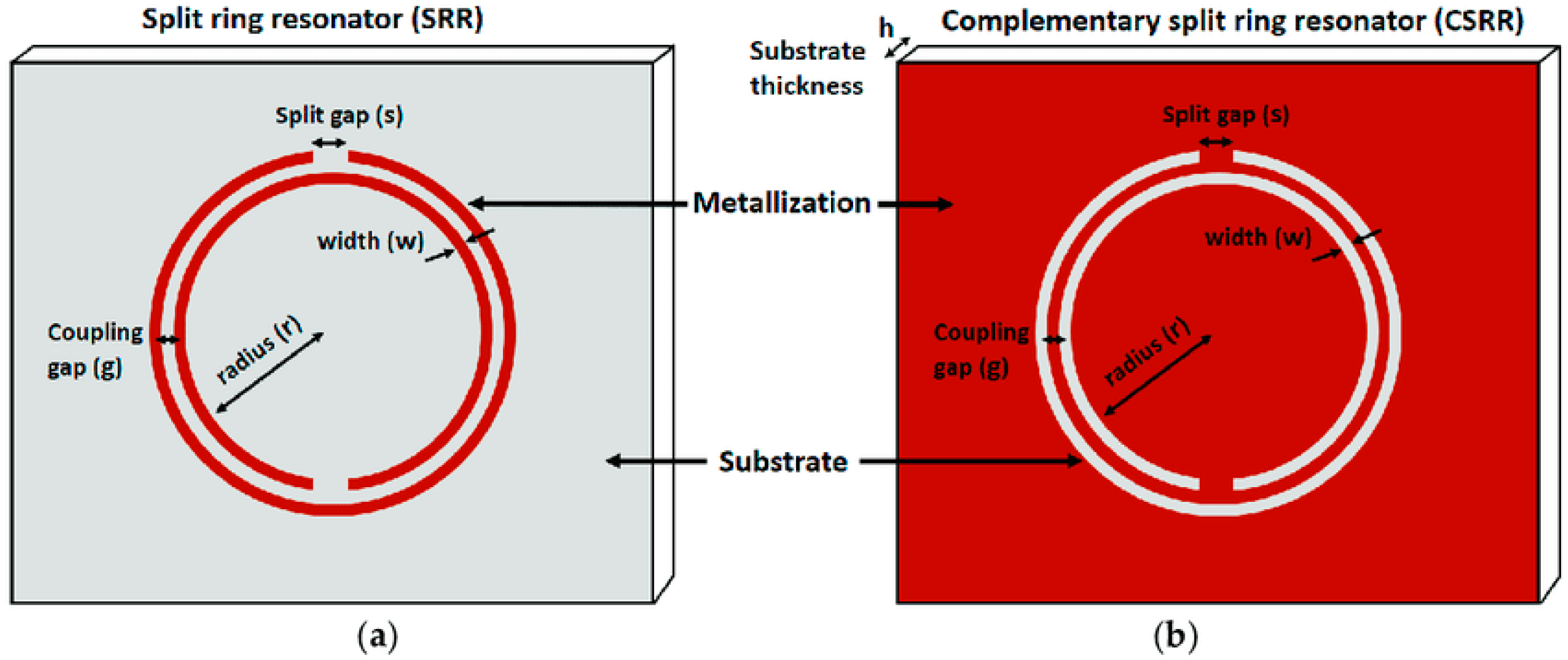
3.4.3. Microwave Based Sensors
3.4.4. Other Biosensors
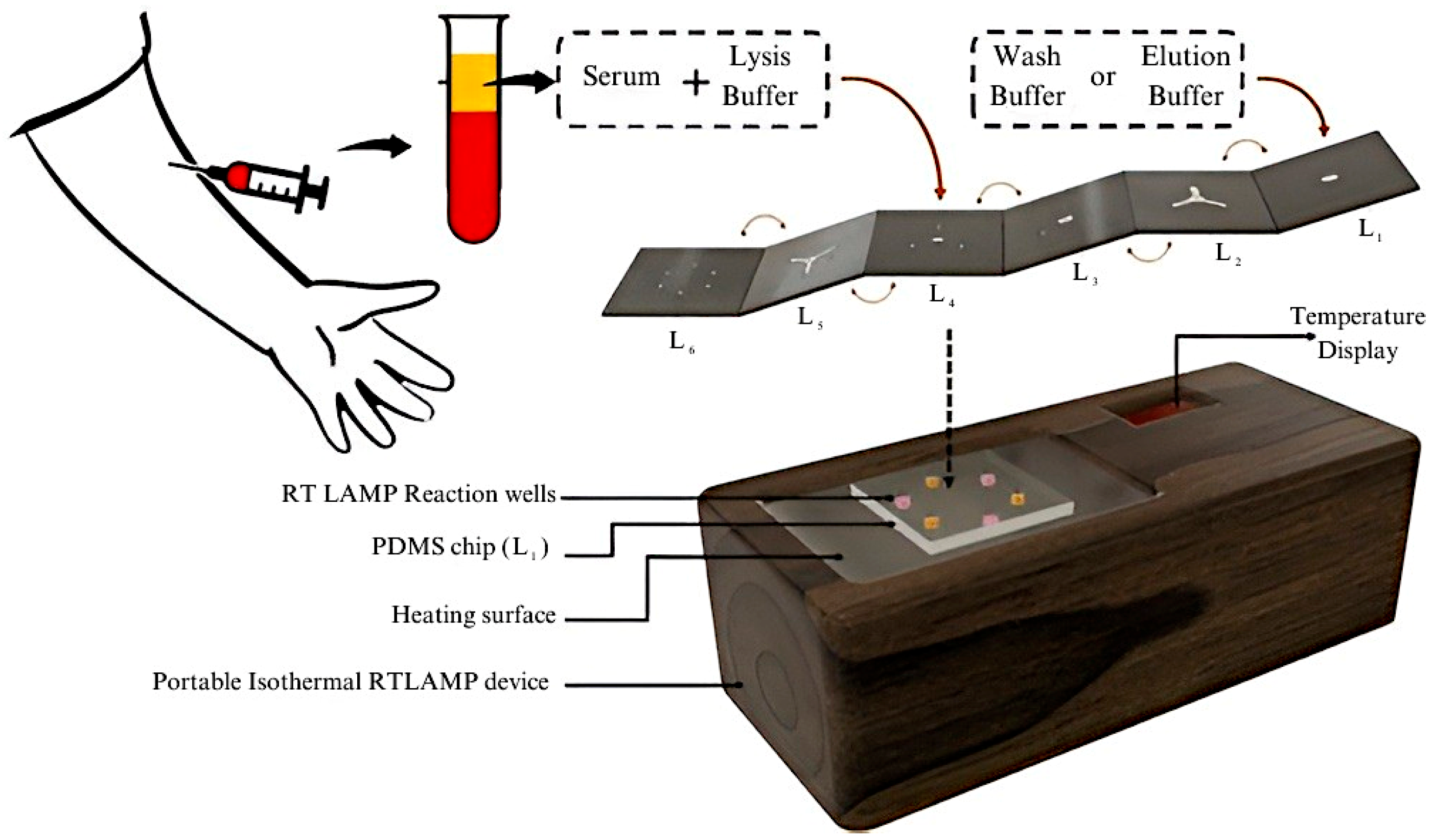
Microfluidic Biosensors
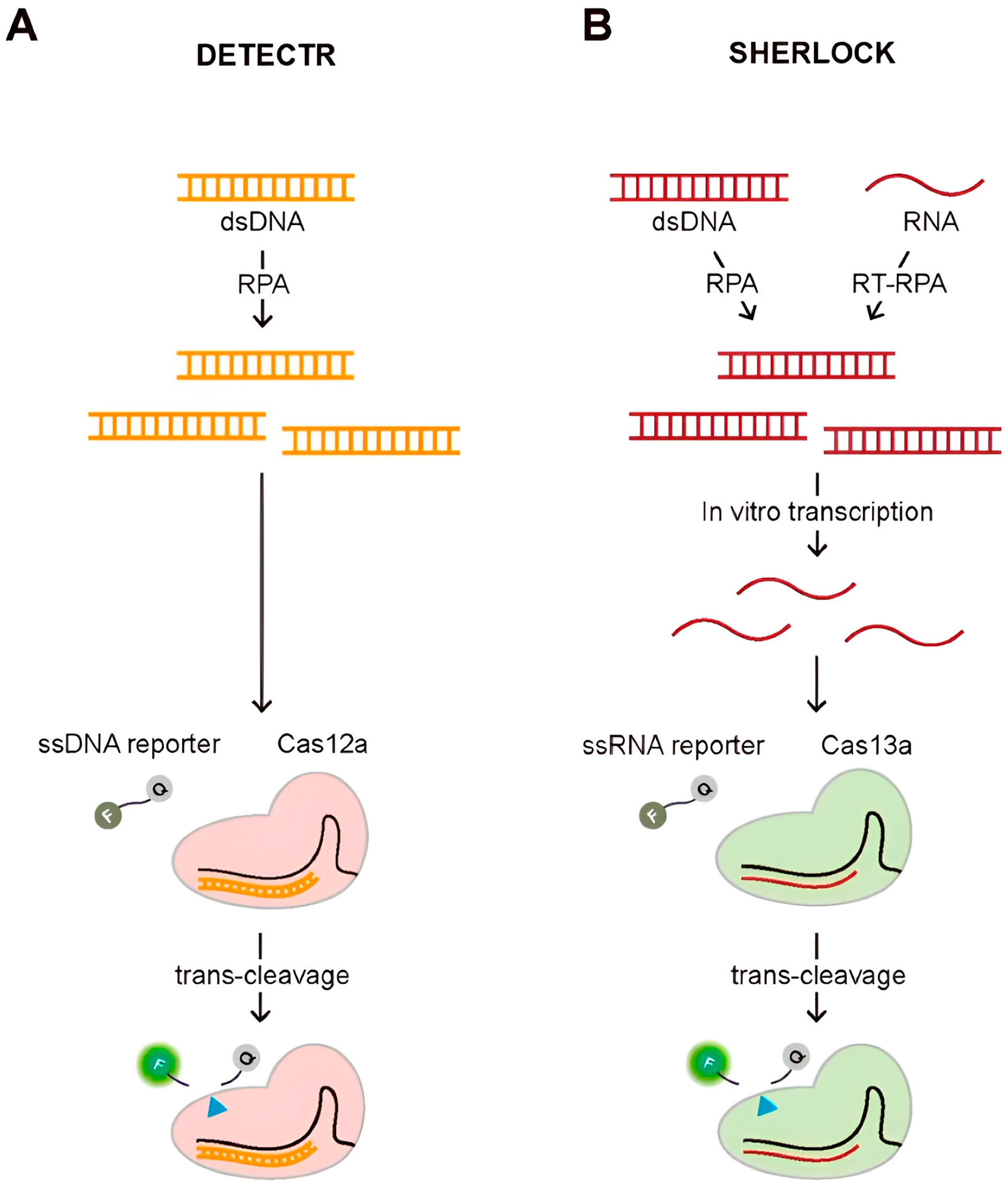
CRISPR Based Assays
Artificial Intelligence
4. Future Outlooks and Conclusions
Author Contributions
Funding
Institutional Review Board Statement
Informed Consent Statement
Data Availability Statement
Acknowledgments
Conflicts of Interest
Abbreviations
| TLA | Three letter acronyms |
| DENV | Dengue Virus |
| NS1 | Non–structural protein 1 |
| PCR | Polymerase chain reaction |
| RT–PCR | Reverse transcriptase–polymerase chain reaction |
| RT–qPCR | Real–time quantitative RT–PCR |
| LOD | Limit of Detection |
| ELISA | Enzyme–linked immunosorbent assays |
| LFA | Lateral Flow Assays |
| AuNPs | Gold nanoparticles |
| POC | Point–of–Care |
| IFA | Immunofluorescence based assays |
| SPR | Surface plasmon resonance |
| LSPR | Localized Surface plasmon resonance |
| SERS | Surface–enhanced Raman scattering |
| DPV | Differential pulse voltammetry |
| EIS | Electrochemical impedance spectroscopy |
| SRR | Split ring resonator |
| CSRR | Complementary split ring resonator |
| RT–LAMP | Reverse transcriptase—loop mediated isothermal amplification |
| CRISPR | Clustered regularly interspaced short palindromic repeats |
| SHERLOCK | Specific High–sensitivity Enzymatic Reporter un–LOCKing |
| DETECTR | DNA Endonuclease—Targeted CRISPR Trans Reporter |
| AI | Artificial Intelligence |
| ML | Machine Learning |
| DL | Deep learning |
| CBC | Complete Blood Count |
| SVM | Support Vector Machine |
| ETC | Extra Tree Classifier |
| ANN | Artificial Neural Network |
| AUC | Area Under Curve |
| DNN | Deep neural network |
| LR | Logistic regression |
References
- World Health Organization. Dengue and Severe Dengue. Available online: https://www.who.int/news-room/fact-sheets/detail/dengue-and-severe-dengue (accessed on 6 December 2024).
- Cafferata, M.L.; Bardach, A.; Rey-Ares, L.; Alcaraz, A.; Cormick, G.; Gibbons, L.; Romano, M.; Cesaroni, S.; Ruvinsky, S. Dengue Epidemiology and Burden of Disease in Latin America and the Caribbean: A Systematic Review of the Literature and Meta-Analysis. Value Health Reg. Issues 2013, 2, 347–356. [Google Scholar] [CrossRef] [PubMed]
- Van Kleef, E.; Bambrick, H.; Hales, S. The geographic distribution of dengue fever and the potential influence of global climate change. ISEE Conf. Abstr. 2011, 2011, 1–22. [Google Scholar] [CrossRef]
- World Health Organization. Dengue—Global Situation. Available online: https://www.who.int/emergencies/disease-outbreak-news/item/2023-DON498 (accessed on 6 December 2024).
- Haider, N.; Hasan, M.N.; Onyango, J.; Asaduzzaman, M. Global landmark: 2023 marks the worst year for dengue cases with millions infected and thousands of deaths reported. IJID Reg. 2024, 13, 100459. [Google Scholar] [CrossRef] [PubMed]
- Dengue Fever Outbreak in Jeddah, Saudi Arabia: September 2022 to April 2023|Field Epidemiology Training Program. Available online: https://www.saudifetp.org/seb/dengue-fever-outbreak-jeddah-saudi-arabia-september-2022-april-2023 (accessed on 26 November 2025).
- Alyahya, H.S. Prevalence of dengue fever in Saudi Arabia: Jeddah as a case study. Entomol. Res. 2023, 53, 539–553. [Google Scholar] [CrossRef]
- Dengue Fever Awareness Starts in Jeddah|National Platform (National Portal). Available online: https://my.gov.sa/en/news/3126 (accessed on 26 November 2025).
- Laporta, G.Z.; Potter, A.M.; Oliveira, J.F.A.; Bourke, B.P.; Pecor, D.B.; Linton, Y.-M. Global Distribution of Aedes aegypti and Aedes albopictus in a Climate Change Scenario of Regional Rivalry. Insects 2023, 14, 49. [Google Scholar] [CrossRef]
- Clark, G.G.; Suárez, M.F. Mosquito vector control and biology in Latin America—A second symposium. J. Am. Mosq. Control Assoc. 1992, 8, 305–317. [Google Scholar]
- Thisyakorn, U.; Thisyakorn, C. Latest developments and future directions in dengue vaccines. Ther. Adv. Vaccines 2013, 2, 3–9. [Google Scholar] [CrossRef]
- Bhattacharya, M.K.; Maitra, S.; Ganguly, A.; Bhattacharya, A.; Sinha, A. Dengue: A Growing Menace—A Snapshot of Recent Facts, Figures & Remedies. Int. J. Biomed. Sci. 2013, 9, 61–67. [Google Scholar]
- Smith, C.E.G. The History of Dengue in Tropical Asia and its Probable Relationship to the Mosquito Aedes aegypti. J. Trop. Med. Hyg. 1956, 59, 243–251. [Google Scholar]
- Mustafa, M.; Rasotgi, V.; Jain, S.; Gupta, V. Discovery of fifth serotype of dengue virus (DENV-5): A new public health dilemma in dengue control. Med. J. Armed Forces India 2015, 71, 67–70. [Google Scholar] [CrossRef]
- Marchette, N.J.; Rudnick, A.; Garcia, R.; MacVean, D.W. Alphaviruses in Peninusular Malaysia: I. Virus isolations and animal serology. Southeast Asian J. Trop. Med. Public Health 1978, 9, 317–329. [Google Scholar] [PubMed]
- Robert, V.; Lhuillier, M.; Meunier, D.; Sarthou, J.L.; Monteny, N.; Digoutte, J.P.; Cornet, M.; Germain, M.; Cordellier, R. Yellow fever virus, dengue 2 and other arboviruses isolated from mosquitos, in Burkina Faso, from 1983 to 1986. Entomological and epidemiological considerations. Bull. Soc. Pathol. Exot. 1993, 86, 90–100. [Google Scholar] [PubMed]
- Ramage, H.; Cherry, S. Virus-Host Interactions: From Unbiased Genetic Screens to Function. Annu. Rev. Virol. 2015, 2, 497–524. [Google Scholar] [CrossRef] [PubMed]
- Bessaud, M.; Pastorino, B.A.M.; Peyrefitte, C.N.; Rolland, D.; Grandadam, M.; Tolou, H.J. Functional characterization of the NS2B/NS3 protease complex from seven viruses belonging to different groups inside the genus Flavivirus. Virus Res. 2006, 120, 79–90. [Google Scholar] [CrossRef]
- Islam, M.T.; Quispe, C.; Herrera-Bravo, J.; Sarkar, C.; Sharma, R.; Garg, N.; Fredes, L.I.; Martorell, M.; Alshehri, M.M.; Sharifi-Rad, J.; et al. Production, Transmission, Pathogenesis, and Control of Dengue Virus: A Literature-Based Undivided Perspective. BioMed Res. Int. 2021, 2021, 4224816. [Google Scholar] [CrossRef]
- Ashley, E.A. Dengue fever. Trends Anaesth. Crit. Care 2011, 1, 39–41. [Google Scholar] [CrossRef]
- Darwish, N.T.; Alias, Y.B.; Khor, S.M. An introduction to dengue-disease diagnostics. TrAC Trends Anal. Chem. 2015, 67, 45–55. [Google Scholar] [CrossRef]
- Pervin, M.; Shahina, T.; Sil, B.K.; Md, N.I. Isolation and Serotyping of Dengue Viruses by Mosquito Inoculation and Cell Culture Technique: An Experience in Bangladesh. World Health Organization. Available online: https://iris.who.int/handle/10665/163882 (accessed on 6 December 2024).
- Choy, M.M.; Gubler, D.J. Isolation and titration of dengue viruses by the mosquito inoculation technique. Methods Mol. Biol. 2014, 1138, 15–25. [Google Scholar] [CrossRef]
- Vene, S.; Mangiafico, J.; Niklasson, B. Indirect immunofluorescence for serological diagnosis of dengue virus infections in Swedish patients. Clin. Diagn. Virol. 1995, 4, 43–50. [Google Scholar] [CrossRef]
- Martinez-Liu, C.; Machain-Williams, C.; Martinez-Acuña, N.; Lozano-Sepulveda, S.; Galan-Huerta, K.; Arellanos-Soto, D.; Meléndez-Villanueva, M.; Ávalos-Nolazco, D.; Pérez-Ibarra, K.; Galindo-Rodríguez, S.; et al. Development of a Rapid Gold Nanoparticle-Based Lateral Flow Immunoassay for the Detection of Dengue Virus. Biosensors 2022, 12, 495. [Google Scholar] [CrossRef]
- Jalali, M.; Zaborowska, J.; Jalali, M. Chapter 1—The Polymerase Chain Reaction: PCR, qPCR, and RT-PCR. In Basic Science Methods for Clinical Researchers; Jalali, M., Saldanha, F.Y.L., Jalali, M., Eds.; Academic Press: Boston, MA, USA, 2017; pp. 1–18. [Google Scholar] [CrossRef]
- Harris, E.; Roberts, T.G.; Smith, L.; Selle, J.; Kramer, L.D.; Valle, S.; Sandoval, E.; Balmaseda, A. Typing of Dengue Viruses in Clinical Specimens and Mosquitoes by Single-Tube Multiplex Reverse Transcriptase PCR. J. Clin. Microbiol. 1998, 36, 2634–2639. [Google Scholar] [CrossRef]
- Miller, T.E.; Beltran, W.F.G.; Bard, A.Z.; Gogakos, T.; Anahtar, M.N.; Astudillo, M.G.; Yang, D.; Thierauf, J.; Fisch, A.S.; Mahowald, G.K.; et al. Clinical sensitivity and interpretation of PCR and serological COVID-19 diagnostics for patients presenting to the hospital. FASEB J. 2020, 34, 13877–13884. [Google Scholar] [CrossRef] [PubMed]
- Laboratory Diagnosis And Diagnostic Tests. In Dengue: Guidelines for Diagnosis, Treatment, Prevention and Control: New Edition; World Health Organization: Geneva, Switzerland, 2009. Available online: https://www.ncbi.nlm.nih.gov/books/NBK143156/ (accessed on 6 December 2024).
- Jiang, K.; Lee, J.-H.; Fung, T.S.; Wu, J.; Liu, C.; Mi, H.; Rajapakse, R.J.; Balasuriya, U.B.; Peng, Y.-K.; Go, Y.Y. Next-generation diagnostic test for dengue virus detection using an ultrafast plasmonic colorimetric RT-PCR strategy. Anal. Chim. Acta 2023, 1274, 341565. [Google Scholar] [CrossRef]
- Kabir, A.; Zilouchian, H.; Younas, M.A.; Asghar, W. Dengue Detection: Advances in Diagnostic Tools from Conventional Technology to Point of Care. Biosensors 2021, 11, 206. [Google Scholar] [CrossRef] [PubMed]
- Musso, D.; Desprès, P. Serological Diagnosis of Flavivirus-Associated Human Infections. Diagnostics 2020, 10, 302. [Google Scholar] [CrossRef] [PubMed]
- Darwish, N.T.; Sekaran, S.D.; Alias, Y.; Khor, S.M. Immunofluorescence–based biosensor for the determination of dengue virus NS1 in clinical samples. J. Pharm. Biomed. Anal. 2018, 149, 591–602. [Google Scholar] [CrossRef]
- Chen, P.-K.; Chang, J.-H.; Ke, L.-Y.; Kao, J.-K.; Chen, C.-H.; Yang, R.-C.; Yoshimura, T.; Ito, E.; Tsai, J.-J. Advanced Detection Method for Dengue NS1 Protein Using Ultrasensitive ELISA with Thio-NAD Cycling. Viruses 2023, 15, 1894. [Google Scholar] [CrossRef]
- Watabe, S.; Kodama, H.; Kaneda, M.; Morikawa, M.; Nakaishi, K.; Yoshimura, T.; Iwai, A.; Miura, T.; Ito, E. Ultrasensitive enzyme-linked immunosorbent assay (ELISA) of proteins by combination with the thio-NAD cycling method. Biophysics 2014, 10, 49–54. [Google Scholar] [CrossRef]
- Ding, S.C. Virology: Principles and Applications. Yale J. Biol. Med. 2008, 81, 155–156. [Google Scholar]
- Dengue Guidelines, for Diagnosis, Treatment, Prevention and Control. Available online: https://www.who.int/publications/i/item/9789241547871 (accessed on 15 October 2025).
- Jarman, R.G.; Nisalak, A.; Anderson, K.B.; Klungthong, C.; Thaisomboonsuk, B.; Kaneechit, W.; Kalayanarooj, S.; Gibbons, R.V. Factors influencing dengue virus isolation by C6/36 cell culture and mosquito inoculation of nested PCR-positive clinical samples. Am. J. Trop. Med. Hyg. 2011, 84, 218–223. [Google Scholar] [CrossRef]
- Scarpaleggia, M.; Garzillo, G.; Lucente, M.; Fraccalvieri, C.; Randazzo, N.; Massaro, E.; Galano, B.; Ricucci, V.; Bruzzone, B.; Domnich, A. Diagnostic Accuracy of Five Molecular Assays for the Detection of Dengue Virus. Medicina 2024, 60, 1557. [Google Scholar] [CrossRef]
- Christenson, R.H.; Snyder, S.R.; Shaw, C.S.; Derzon, J.H.; Black, R.S.; Mass, D.; Epner, P.; Favoretto, A.M.; Liebow, E.B. Laboratory Medicine Best Practices: Systematic Evidence Review and Evaluation Methods for Quality Improvement. Clin. Chem. 2011, 57, 816–825. [Google Scholar] [CrossRef] [PubMed]
- Emerging Technologies in Point-of-Care Molecular Diagnostics for Resource-Limited Settings|Request PDF. ResearchGate. August 2025. Available online: https://www.researchgate.net/publication/262015193_Emerging_technologies_in_point-of-care_molecular_diagnostics_for_resource-limited_settings (accessed on 24 November 2025).
- CDC. Serologic Tests for Dengue Virus. Dengue. Available online: https://www.cdc.gov/dengue/hcp/diagnosis-testing/serologic-tests-for-dengue-virus.html (accessed on 24 November 2025).
- Lavanya, N.; Fazio, E.; Neri, F.; Bonavita, A.; Leonardi, S.G.; Neri, G.; Sekar, C. Simultaneous electrochemical determination of epinephrine and uric acid in the presence of ascorbic acid using SnO2/graphene nanocomposite modified glassy carbon electrode. Sens. Actuators B Chem. 2015, 221, 1412–1422. [Google Scholar] [CrossRef]
- Gaspar-Castillo, C.; Rodríguez, M.H.; Ortiz-Navarrete, V.; Alpuche-Aranda, C.M.; Martinez-Barnetche, J. Structural and immunological basis of cross-reactivity between dengue and Zika infections: Implications in serosurveillance in endemic regions. Front. Microbiol. 2023, 14, 1107496. [Google Scholar] [CrossRef] [PubMed]
- Haleem, A.; Javaid, M.; Singh, R.P.; Suman, R.; Rab, S. Biosensors applications in medical field: A brief review. Sensors Int. 2021, 2, 100100. [Google Scholar] [CrossRef]
- Akgönüllü, S.; Denizli, A. Recent advances in optical biosensing approaches for biomarkers detection. Biosens. Bioelectron. X 2022, 12, 100269. [Google Scholar] [CrossRef]
- Rasheed, S.; Kanwal, T.; Ahmad, N.; Fatima, B.; Najam-Ul-Haq, M.; Hussain, D. Advances and challenges in portable optical biosensors for onsite detection and point-of-care diagnostics. TrAC Trends Anal. Chem. 2024, 173, 117640. [Google Scholar] [CrossRef]
- Shanbhag, M.M.; Manasa, G.; Mascarenhas, R.J.; Mondal, K.; Shetti, N.P. Fundamentals of bio-electrochemical sensing. Chem. Eng. J. Adv. 2023, 16, 100516. [Google Scholar] [CrossRef]
- Zhao, J.-M.; Wang, Y.-K.; Shi, B.-W.; Wang, Y.-X.; Jiang, Y.-F.; Yang, G.-L.; Gao, X.-D.; Qiang, T. Microwave biosensor for the detection of growth inhibition of human liver cancer cells at different concentrations of chemotherapeutic drug. Front. Bioeng. Biotechnol. 2024, 12, 1398189. [Google Scholar] [CrossRef]
- Liu, Z.; Zhou, Y.; Lu, J.; Gong, T.; Ibáñez, E.; Cifuentes, A.; Lu, W. Microfluidic biosensors for biomarker detection in body fluids: A key approach for early cancer diagnosis. Biomark. Res. 2024, 12, 153. [Google Scholar] [CrossRef]
- Bakhtiari, A.; Kähler, C.J. A method to prevent clogging and clustering in microfluidic systems using microbubble streaming. Biomicrofluidics 2024, 18, 044101. [Google Scholar] [CrossRef] [PubMed]
- Liberty, J.T.; Bromage, S.; Peter, E.; Ihedioha, O.C.; Alsalman, F.B.; Odogwu, T.S. CRISPR revolution: Unleashing precision pathogen detection to safeguard public health and food safety. Methods 2025, 240, 180–194. [Google Scholar] [CrossRef]
- What Are the Ethical Concerns of Genome Editing? Available online: https://www.genome.gov/about-genomics/policy-issues/Genome-Editing/ethical-concerns (accessed on 25 November 2025).
- Damborský, P.; Švitel, J.; Katrlík, J. Optical biosensors. Essays Biochem. 2016, 60, 91–100. [Google Scholar] [CrossRef] [PubMed]
- Trakoolwilaiwan, T.; Takeuchi, Y.; Leung, T.S.; Sebek, M.; Storozhuk, L.; Nguyen, L.; Tung, L.D.; Thanh, N.T.K. Development of a thermochromic lateral flow assay to improve sensitivity for dengue virus serotype 2 NS1 detection. Nanoscale 2023, 15, 12915–12925. [Google Scholar] [CrossRef] [PubMed]
- Perumal, V.; Hashim, U. Advances in biosensors: Principle, architecture and applications. J. Appl. Biomed. 2014, 12, 1–15. [Google Scholar] [CrossRef]
- SariSabban. English: Surface Plasmon Resonance (SPR) Configuration. 2011. Available online: https://commons.wikimedia.org/w/index.php?curid=18139885 (accessed on 30 November 2025).
- Gahlaut, S.K.; Pathak, A.; Gupta, B.D.; Singh, J. Portable fiber-optic SPR platform for the detection of NS1-antigen for dengue diagnosis. Biosens. Bioelectron. 2022, 196, 113720. [Google Scholar] [CrossRef]
- Almawgani, A.H.M.; Sarkar, P.; Pal, A.; Srivastava, G.; Uniyal, A.; Alhawari, A.R.H.; Muduli, A. Titanium Disilicide, Black Phosphorus–Based Surface Plasmon Resonance Sensor for Dengue Detection. Plasmonics 2023, 18, 1223–1232. [Google Scholar] [CrossRef]
- Versiani, A.F.; Martins, E.M.N.; Andrade, L.M.; Cox, L.; Pereira, G.C.; Barbosa-Stancioli, E.F.; Nogueira, M.L.; Ladeira, L.O.; da Fonseca, F.G. Nanosensors based on LSPR are able to serologically differentiate dengue from Zika infections. Sci. Rep. 2020, 10, 11302. [Google Scholar] [CrossRef]
- Aprilia, L.; Mayasari, R.D.; Yanza, N.; Pambudi, S.; Tarwadi; Budi, A.S.; Nuryadi, R. Surface Plasmon Resonance Sensor Based on Kretschmann Configuration for Dengue Virus Detection. In Proceedings of the 2022 International Conference on Radar, Antenna, Microwave, Electronics, and Telecommunications (ICRAMET), Bandung, Indonesia, 6–7 December 2022; Institute of Electrical and Electronics Engineers (IEEE): New York, NY, USA, 2022; pp. 175–178. [Google Scholar] [CrossRef]
- Gahlaut, S.K.; Savargaonkar, D.; Sharan, C.; Yadav, S.; Mishra, P.; Singh, J.P. SERS Platform for Dengue Diagnosis from Clinical Samples Employing a Hand Held Raman Spectrometer. Anal. Chem. 2020, 92, 2527–2534. [Google Scholar] [CrossRef]
- Sánchez-Purrà, M.; Carré-Camps, M.; de Puig, H.; Bosch, I.; Gehrke, L.; Hamad-Schifferli, K. Surface-Enhanced Raman Spectroscopy-Based Sandwich Immunoassays for Multiplexed Detection of Zika and Dengue Viral Biomarkers. ACS Infect. Dis. 2017, 3, 767–776. [Google Scholar] [CrossRef]
- Li, T.; Liu, G.; Kong, H.; Yang, G.; Wei, G.; Zhou, X. Recent advances in photonic crystal-based sensors. Coord. Chem. Rev. 2022, 475, 214909. [Google Scholar] [CrossRef]
- Dakhlaoui, H.; Belhadj, W.; Elabidi, H.; Al-Shameri, N.S.; Ungan, F.; Wong, B.M. Harnessing a Dielectric/Plasma Photonic Crystal as an Optical Microwave Filter: Role of Defect Layers and External Magnetic Fields. Materials 2024, 17, 559. [Google Scholar] [CrossRef] [PubMed]
- Sharma, S.; Kumar, A. Design of a Biosensor for the Detection of Dengue Virus Using 1D Photonic Crystals. Plasmonics 2021, 17, 675–680. [Google Scholar] [CrossRef]
- Butt, M.; Khonina, S.; Kazanskiy, N. Recent advances in photonic crystal optical devices: A review. Opt. Laser Technol. 2021, 142, 107265. [Google Scholar] [CrossRef]
- Grieshaber, D.; MacKenzie, R.; Vörös, J.; Reimhult, E. Electrochemical Biosensors—Sensor Principles and Architectures. Sensors 2008, 8, 1400–1458. [Google Scholar] [CrossRef]
- Mendonça, P.D.; Santos, L.K.B.; Foguel, M.V.; Rodrigues, M.A.B.; Cordeiro, M.T.; Gonçalves, L.M.; Marques, E.T.A.; Dutra, R.F. NS1 glycoprotein detection in serum and urine as an electrochemical screening immunosensor for dengue and Zika virus. Anal. Bioanal. Chem. 2021, 413, 4873–4885. [Google Scholar] [CrossRef]
- Chowdhury, A.D.; Ganganboina, A.B.; Nasrin, F.; Takemura, K.; Doong, R.-A.; Utomo, D.I.S.; Lee, J.; Khoris, I.M.; Park, E.Y. Femtomolar Detection of Dengue Virus DNA with Serotype Identification Ability. Anal. Chem. 2018, 90, 12464–12474. [Google Scholar] [CrossRef]
- Kanagavalli, P.; Veerapandian, M. Opto-electrochemical functionality of Ru(II)-reinforced graphene oxide nanosheets for immunosensing of dengue virus non-structural 1 protein. Biosens. Bioelectron. 2020, 150, 111878. [Google Scholar] [CrossRef]
- Abu Odeh, A.; Al-Douri, Y.; Voon, C.H.; Ayub, R.M.; Gopinath, S.C.B.; Abu Odeh, R.; Ameri, M.; Bouhemadou, A. A needle-like Cu2CdSnS4 alloy nanostructure-based integrated electrochemical biosensor for detecting the DNA of Dengue serotype 2. Microchim. Acta 2017, 184, 2211–2218. [Google Scholar] [CrossRef]
- Lazanas, A.C.; Prodromidis, M.I. Electrochemical Impedance Spectroscopy─A Tutorial. ACS Meas. Sci. Au 2023, 3, 162–193. [Google Scholar] [CrossRef]
- Sampaio, I.; Quatroni, F.D.; Costa, J.N.Y.; Zucolotto, V. Electrochemical detection of Zika and Dengue infections using a single chip. Biosens. Bioelectron. 2022, 216, 114630. [Google Scholar] [CrossRef]
- Dutta, R.; Thangapandi, K.; Mondal, S.; Nanda, A.; Bose, S.; Sanyal, S.; Jana, S.K.; Ghorai, S. Polyaniline Based Electrochemical Sensor for the Detection of Dengue Virus Infection. Avicenna J. Med. Biotechnol. 2020, 12, 77–84. [Google Scholar]
- RoyChoudhury, S.; Rawat, V.; Jalal, A.H.; Kale, S.; Bhansali, S. Recent advances in metamaterial split-ring-resonator circuits as biosensors and therapeutic agents. Biosens. Bioelectron. 2016, 86, 595–608. [Google Scholar] [CrossRef] [PubMed]
- Salim, A.; Lim, S. Review of Recent Metamaterial Microfluidic Sensors. Sensors 2018, 18, 232. [Google Scholar] [CrossRef] [PubMed]
- Upender, P.; Bharathi, S.P.; Sukriti; Kumba, K.; Kumar, A. A Compact Metamaterial Biosensor for Multi-Virus Detection with Tunability and High Incidence Angle Absorption. IEEE Access 2023, 11, 131915–131925. [Google Scholar] [CrossRef]
- Kothai, R.; Arul, B.; Kothai, R.; Arul, B. Dengue Fever: An Overview. In Dengue Fever in a One Health Perspective; IntechOpen: London, UK, 2020. [Google Scholar] [CrossRef]
- Banerjee, A.; Tripathi, A.; Duggal, S.; Banerjee, A.; Vrati, S. Dengue virus infection impedes megakaryopoiesis in MEG-01 cells where the virus envelope protein interacts with the transcription factor TAL-1. Sci. Rep. 2020, 10, 19587. [Google Scholar] [CrossRef]
- CDC. Pathophysiology of Dengue Virus Infection, Centers for Disease Control and Prevention. Available online: https://www.cdc.gov/dengue/training/cme/ccm/Pathophysiology.pdf (accessed on 11 December 2025).
- Hematocrit Test: What It Is, Levels, High & Low Range. Cleveland Clinic. Available online: https://my.clevelandclinic.org/health/diagnostics/17683-hematocrit (accessed on 18 January 2025).
- Ralapanawa, U.; Alawattegama, A.T.M.; Gunrathne, M.; Tennakoon, S.; Kularatne, S.A.M.; Jayalath, T. Value of peripheral blood count for dengue severity prediction. BMC Res. Notes 2018, 11, 400. [Google Scholar] [CrossRef]
- Qureshi, S.A.; Abidin, Z.Z.; Majid, H.A.; Ashyap, A.Y.; See, C.H. Double-Layered metamaterial resonator operating at millimetre wave for detection of dengue virus. AEU—Int. J. Electron. Commun. 2022, 146, 154134. [Google Scholar] [CrossRef]
- Biswas, P.; Sulochana, G.N.M.; Banuprasad, T.N.; Goyal, P.; Modak, D.; Ghosh, A.K.; Chakraborty, S. All-Serotype Dengue Virus Detection through Multilayered Origami-Based Paper/Polymer Microfluidics. ACS Sens. 2022, 7, 3720–3729. [Google Scholar] [CrossRef]
- Pormrungruang, P.; Phanthanawiboon, S.; Jessadaluk, S.; Larpthavee, P.; Thaosing, J.; Rangkasikorn, A.; Kayunkid, N.; Waiwijit, U.; Horprathum, M.; Klamchuen, A.; et al. Metal Oxide Nanostructures Enhanced Microfluidic Platform for Efficient and Sensitive Immunofluorescence Detection of Dengue Virus. Nanomaterials 2023, 13, 2846. [Google Scholar] [CrossRef]
- Kim, S.; Ji, S.; Koh, H.R. CRISPR as a Diagnostic Tool. Biomolecules 2021, 11, 1162. [Google Scholar] [CrossRef] [PubMed]
- Lee, Y.; Choi, J.; Han, H.K.; Park, S.; Park, S.Y.; Park, C.; Bark, C.; Lee, T.; Min, J. Fabrication of ultrasensitive electrochemical biosensor for dengue fever viral RNA Based on CRISPR/Cpf1 reaction. Sens. Actuators B Chem. 2021, 326, 128677. [Google Scholar] [CrossRef]
- Zhong, M.; Liu, J.; Wu, J.; Li, J.; Luo, N.; Zhu, C.; Liu, R.; Xia, Q.; Ju, H. Proximity sequence enhanced CRISPR-Cas12a connected through hybridization chain reaction for sensitive biosensing of dengue virus. Sens. Actuators B Chem. 2022, 366, 132011. [Google Scholar] [CrossRef]
- Wang, J.; Xia, Q.; Wu, J.; Lin, Y.; Ju, H. A sensitive electrochemical method for rapid detection of dengue virus by CRISPR/Cas13a-assisted catalytic hairpin assembly. Anal. Chim. Acta 2021, 1187, 339131. [Google Scholar] [CrossRef]
- What Is a Colorimeter? Definition, Working & Key Advantages. Available online: https://www.prestogroup.com/blog/what-is-a-colorimeter-definition-working-advantages/ (accessed on 25 November 2025).
- Fundamentals of Colorimetry|IntechOpen. Available online: https://www.intechopen.com/chapters/87730 (accessed on 25 November 2025).
- Wei, J. 6 Advantages of Surface Plasmon Resonance Technology. Affinite Instruments. Available online: https://www.affiniteinstruments.com/post/6-advantages-of-surface-plasmon-resonance-technology (accessed on 25 November 2025).
- Mallika, C.S.; Shwetha, M. Plasmonic Ring Resonator-Based Sensors: Design, Performance, and Applications. Plasmonics 2025, 20, 8423–8440. [Google Scholar] [CrossRef]
- Han, X.X.; Rodriguez, R.S.; Haynes, C.L.; Ozaki, Y.; Zhao, B. Surface-enhanced Raman spectroscopy. Nat. Rev. Methods Prim. 2021, 1, 87. [Google Scholar] [CrossRef]
- Li, M.; Lai, X.; Li, C.; Song, Y. Recent advantages of colloidal photonic crystals and their applications for lumnescence enhancement. Mater. Today Nano 2019, 6, 100039. [Google Scholar] [CrossRef]
- Firouzjaei, A.S.; Afghahi, S.S.; Valmoozi, A.-A.E.; Firouzjaei, A.S.; Afghahi, S.S.; Valmoozi, A.-A.E. Emerging Trends, Applications, and Fabrication Techniques in Photonic Crystal Technology. In Recent Advances and Trends in Photonic Crystal Technology; IntechOpen: London, UK, 2024. [Google Scholar] [CrossRef]
- Kashyap, B.; Kumar, R. A novel multi-set differential pulse voltammetry technique for improving precision in electrochemical sensing. Biosens. Bioelectron. 2022, 216, 114628. [Google Scholar] [CrossRef]
- Mota, F.A.; Passos, M.L.; Santos, J.L.; Saraiva, M.M. Comparative analysis of electrochemical and optical sensors for detection of chronic wounds biomarkers: A review. Biosens. Bioelectron. 2024, 251, 116095. [Google Scholar] [CrossRef]
- Strong, M.E.; Richards, J.R.; Torres, M.; Beck, C.M.; La Belle, J.T. Faradaic electrochemical impedance spectroscopy for enhanced analyte detection in diagnostics. Biosens. Bioelectron. 2021, 177, 112949. [Google Scholar] [CrossRef]
- Microfluidic Point-of-Care (POC) Devices in Early Diagnosis: A Review of Opportunities and Challenges—PMC. Available online: https://pmc.ncbi.nlm.nih.gov/articles/PMC8875995/ (accessed on 25 November 2025).
- Vealan, K.; Joseph, N.; Alimat, S.; Karumbati, A.S.; Thilakavathy, K. Lateral flow assay: A promising rapid point-of-care testing tool for infections and non-communicable diseases. Asian Biomed. 2023, 17, 250–266. [Google Scholar] [CrossRef]
- Riya, N.J.; Chakraborty, M.; Khan, R. Artificial Intelligence-Based Early Detection of Dengue Using CBC Data. IEEE Access 2024, 12, 112355–112367. [Google Scholar] [CrossRef]
- Qaiser, A.; Manzoor, S.; Hashmi, A.H.; Javed, H.; Zafar, A.; Ashraf, J. Support Vector Machine Outperforms Other Machine Learning Models in Early Diagnosis of Dengue Using Routine Clinical Data. Adv. Virol. 2024, 2024, 5588127. [Google Scholar] [CrossRef]
- Abdualgalil, B.; Abraham, S.; Ismael, W.M. Early Diagnosis for Dengue Disease Prediction Using Efficient Machine Learning Techniques Based on Clinical Data. J. Robot. Control (JRC) 2022, 3, 257–268. Available online: https://journal.umy.ac.id/index.php/jrc/article/view/14387 (accessed on 11 November 2025). [CrossRef]
- Iqbal, N.; Islam, M. Machine learning for dengue outbreak prediction: A performance evaluation of different prominent classifiers. Informatica 2019, 43. [Google Scholar] [CrossRef]
- Exebio-Chepe, Y.V.; Bravo-Ruiz, J.A.; Tuesta-Montesa, V.A. Comparison of machine learning algorithms for dengue virus (DENV) classification. J. Appl. Res. Technol. 2024, 22, 729–745. [Google Scholar] [CrossRef]
- Ho, T.-S.; Weng, T.-C.; Wang, J.-D.; Han, H.-C.; Cheng, H.-C.; Yang, C.-C.; Yu, C.-H.; Liu, Y.-J.; Hu, C.H.; Huang, C.-Y.; et al. Comparing machine learning with case-control models to identify confirmed dengue cases. PLoS Neglected Trop. Dis. 2020, 14, e0008843. [Google Scholar] [CrossRef]
- Ansari, S.; Jain, D.; Budhiraja, S. Machine-learning prediction models for any blood component transfusion in hospitalized dengue patients. Hematol. Transfus. Cell Ther. 2023, 46, S13–S23. [Google Scholar] [CrossRef]
- Hassan, M.; Ali, S.; Saleem, M.; Sanaullah, M.; Fahad, L.G.; Kim, J.Y.; Alquhayz, H.; Tahir, S.F. Diagnosis of dengue virus infection using spectroscopic images and deep learning. PeerJ Comput. Sci. 2022, 8, e985. [Google Scholar] [CrossRef]
- Santos, C.Y.; Tuboi, S.; Abreu, A.d.J.L.d.; Abud, D.A.; Neto, A.A.L.; Pereira, R.; Siqueira, J.B. A machine learning model to assess potential misdiagnosed dengue hospitalization. Heliyon 2023, 9, e16634. [Google Scholar] [CrossRef]
- All Imputation Techniques with Pros and Cons. Available online: https://kaggle.com/code/azminetoushikwasi/all-imputation-techniques-with-pros-and-cons (accessed on 26 November 2025).
- ReplaceMissingValues. Available online: https://weka.sourceforge.io/doc.dev/weka/filters/unsupervised/attribute/ReplaceMissingValues.html (accessed on 26 November 2025).
- Zhou, M.; Li, J.; Yuan, S.; Yang, X.; Lu, J.; Jiang, B. A centrifugal microfluidic system for automated detection of multiple heavy metal ions by aptamer-based colorimetric assay. Sens. Actuators B Chem. 2023, 403, 135210. [Google Scholar] [CrossRef]



| Analyte | Detection Biofluids | Description | Concentration Range * |
|---|---|---|---|
| NS1 Antigen | Serum, plasma, whole blood | Viral Non-structural protein released during early infection | ~1–50 ng/mL |
| DENV–2 NS1 | Serum, plasma | Serotype—specific NS1 antigen | ~1–30 ng/mL |
| Viral RNA | Serum, plasma, whole blood | DENV Genomic RNA | ~102–106 copies/mL |
| Anti—DENV IgM | Serum, plasma | Host Antibody released following first infection | Detected after the 4th or 5th day after the onset of infection symptoms |
| Anti—DENV IgG | Serum, plasma | Host Anitbody release following second infection | Elevated after secondary infections |
| DENV RNA in Urine | Urine | Viral RNA detected at later stages of infection | ~101–104 copies/mL |
| Method of Detection | Advantages | Disadvantages | Example(s) |
|---|---|---|---|
| Cell Culture Isolation | Reliable and accurate. Different serotypes can be identified by combining them with molecular or immunological assays [36]. | It takes a long time to obtain results. Skilled personnel are required to perform the procedure. It should be coupled with other equipment to obtain meaningful readings. Cannot tell if the patient was previously infected with DENV or not [35,36]. | C6/36 cell culture [22]. |
| Genomic Detection (PCR) | Results can be obtained in less than 24 h [37]. It has a very high specificity and sensitivity [38,39]. It can be observed in real–time [40]. | Cross–contamination can result in false–positives. It may not be available in poor areas because it requires expensive equipment to perform tests [41]. Sensitivity may decrease over time [28]. | RT–PCR, RT–qPCR, and plasmonic PCR [30]. |
| Serological Testing | Easy to perform. Can tell if a patient has been infected before [42]. It is very accurate in confirming infection. Results are rapidly achieved [43]. | The type of flavivirus infection cannot be identified because of the same antibodies released. Low IgM levels may not properly indicate whether a patient was infected before and by which flavivirus [44]. | LFA, immunofluorescence assays, and ELISA [23,31,32,33]. |
| Biosensor Types | Advantages | Limitations | Example(s) |
|---|---|---|---|
| Optical Biosensors | Specific, sensitive, rapid, and can be performed in real–time [46]. | Not always portable, and may require complex equipment [47]. | Colorimetry, surface plasmon resonance, surface enhanced Raman spectroscopy, photonic crystals. |
| Electrochemical Biosensors | Requires a small sample volume, is inexpensive, easy to use, and has high sensitivity. | Those sensors suffer from surface fouling, signal drift, and susceptibility to interference [48]. | Cyclic Voltammetry, (DPV), chronoamperometry, amperometry, and EIS |
| Microwave–based Biosensors | High sensitivity, portable, lightweight, and has a wide range of operating frequencies. | Fabrication must be performed carefully and humidity, temperature, and the frequency range used can affect the results [49]. | SRRs. |
| Microfluidics | Uses a smaller sample quantity, is inexpensive, and has the potential to be applied in point–of–care diagnosis [50]. | Lab–on–chip modules can suffer from clogging due to their small tube and compartment sizes, and access to 3D printing and materials is needed [51]. | LFA, lab–on–chip. |
| CRISPR Based Biosensors | Fast, state–of–the–art technology with ultra–high sensitivity [52]. | Binding may occur at the wrong sites, leading to unwanted modifications [53]. | CRISPR/Cpf1, CRISPR/Cas9, CRISPR/Cas12a, CRISPR/Cas13a. |
| Method of Detection | Advantages | Disadvantages |
|---|---|---|
| Colorimetry | Simple to use, quick, and has acceptable specificity and sensitivity [91]. | May require large concentrations, has a limited wavelength measurement range, and cannot analyze colorless substances [92]. |
| SPR | Small sample size is required, real–time detection capability, and quick [93]. | Portability of components, low sensitivity, sophisticated setup, and wavelength of incident light should be considered [94]. |
| SERS | Provides highly specific signals with strong amplification and rapid detection capability | Substrate reuse is challenging, expensive, and poorly quantified [95]. |
| Photonic Crystals | Efficient, can precisely control wavelength, and are compact, and sensitive [96]. | Complex design, incomplete photonic bandgaps, and careful synthesis is needed to avoid incompatibility [97]. |
| DPV | Rapid, inexpensive, and has superior sensitivity [98]. | It is complex to set up and difficult to analyze the output. |
| Amperometry | High selectivity and sensitivity, is inexpensive, and has a low detection limit. | Long response time, sample preparation, and a continuous power supply is required [99]. |
| EIS | Cost–effective, highly sensitive, and requires a low sample volume [100]. | May damage samples, requires skilled personnel for preprocessing. |
| SRR | High sensitivity, portability, dielectric permittivity can be observed, and repeatability is possible. | Environmental changes may alter the output, a complex fabrication process is required, and losses may occur [76]. |
| Microfluidics | Fewer samples are needed, and it has high sensitivity, low cost, and fewer reagents can be applied in POC [101]. | Their fabrication may be expensive, suffer from clogging, and have limited sensitivity [49]. |
| LFA | Easy, user–friendly, cheap, and fast [102]. | The results are qualitative, with risk of cross–contamination and limited sensitivity to design. |
| CRISPR | Extremely sensitive, inexpensive, and rapid [52]. | Unintended modifications and ethical concerns [53]. |
| Reference | Algorithm(s) | Dataset Size | Dataset Type | Description | Precision | Recall | Accuracy |
|---|---|---|---|---|---|---|---|
| [103] | Stacking Ensemble | 320 | CBC | Stacking ensemble classifier (LightGBM, XGBoost, Logistic Regression, and Multilayer perceptron learners). | 0.9773 | 0.9545 | 0.9688 |
| [104] | SVM | 300 | Demographic information, Serological tests, and CBC |
Radial basis function kernel in Support Vector Machine
(RBF—SVM). | 0.7200 | 0.9700 | 0.7140 |
| [105] | ETC | 6694 | Clinically reported symptoms | Five different efficient machine learning techniques were implemented and ETC was the highest–performing in all metrics. | 0.9918 | 0.9912 | 0.9912 |
| [106] | LogitBoost | 75 | Clinically reported symptoms and blood tests | An Ensemble classifier was applied to LogitBoost. | 0.9500 | 0.9000 | 0.9200 |
| [107] | SVM, ANN | 21,157 | Clinically reported symptoms | SVM had the highest sensitivity but ANN overall had better metrics based on AUC. The metrics listed are for the ANN model. | 0.8647 | 0.9291 | 0.8647 |
| [108] | DNN, LR | 4894 | Clinically reported symptoms and CBC | DNN had the best overall AUC, whereas LR showed the highest sensitivity. | N/A * | N/A | N/A |
| [109] | XGBoost | 1148 | CBC | Data was collected daily until discharge or death. XGBoost had the highest AUC. The study focused in the need for blood transfusion. | 0.8210 | 0.6320 | 0.8720 |
| [110] | DENV–TLDNN | 2000 | Raman spectra of blood sera | Transfer–Learning Resnet101. | 0.9610 | N/A | 0.9600 |
| [111] | Random Forest | 400,202 | Meteorological data and binary dengue infection (yes, no) | The study focused on the regional spread of dengue and its misdiagnosis in epidemic regions. | 0.7306 | 0.9900 | 0.8500 |
| Reference | Year of Publication | Method of Detection | Target Analyte | Sample Matrix | Limit of Detection (LOD) | Novel Work | Performance Metrics |
|---|---|---|---|---|---|---|---|
| [63] | 2017 | SERS | NS1 | Serum | 7.67 ng/mL | Multiplexed lateral flow assay with SERS–encoded gold nanostars. | High sensitivity was reported. |
| [72] | 2017 | Amperometry | ssDNA | Synthetic DENV–2 DNA in buffered solutions | 17 nM | Cu2CdSnS4 quaternary alloy nanostructure biosensor deposited on O2/Si substrate. | Transduced current vs. DNA concentration: R2 = 0.5059 Calculated Sensitivity = 24.2 µA/nm cm−2 Standard deviation = 0.34 µA Limit of Quantification = 53.6 nM |
| [70] | 2018 | DPV | DNA | Synthetic DENV DNA in buffered solutions | 9.4 fM | gold nanoparticle nanocomposite (AuNP) and nitrogen, sulfur co–doped graphene quantum dots (N,S–GQDs) with fluorescence technique. | Concentration range = 10−14–10−6 M Can identify different serotypes |
| [62] | 2020 | SERS | NS1 | Blood serum | N/A | Surface–enhanced Raman spectroscopy was directly applied, and statistical analysis was performed using multivariate principal component analysis. | Variance and Cumulative percentages of the first and second principal components in PCA analysis. Enhancement Factor = 1.7 × 10⁷ Reproducibility = 7.05% Acquisition time = 30 s |
| [71] | 2020 | Chronoamperometry | NS1 | NS1—Spiked serum samples | 0.38 ng/mL | Opto–electrochemical functionalization of a ruthenium bipyridine complex on the surface of graphene oxide immunoprobe. | Amperometric current percentage vs. NS1 concentration: Correlation coefficient = 0.9976 Sensitivity = 0.14 µA/ng mL−1 |
| [75] | 2020 | EIS | NS1 | buffer and NS1—Spiked serum | 0.33 ng/mL | A modified polyaniline–coated Glassy Carbon electrode was immobilized with DENV antibodies. | Concentration range = 1–100 ng/mL Calibration curve R2 = 0.997 Sensitivity (Slope) = 13.8% IPR/mL. ng−1 Stability < 5% Relative Standard Deviation = 1.9% (as a measure for reproducibility) |
| [60] | 2020 | LSPR | DENV E proteins | Diluted serum | 0.001 ng/mL | Localized surface plasmon resonance coupled with gold nanorods functionalized with DENV E proteins. | The sensitivity and specificity to ELISA were calculated for each DENV serotype; sensitivities of 80.2%, 59.5%, 71.6%, and 69.1% were achieved for DENV 1, DENV 2, DENV 3, and DENV 4, respectively. Calculated specificities of 93.7%, 93.0%, 85.5%, and 91.5% were obtained for DENV 1–4 serotypes. |
| [69] | 2021 | DPV | NS1 | Serum and urine | 6.8 ng/mL | Nanostructured thin film carbon nanotube–ethylenediamine label–free immunosensor. | Linear range = 20–800 ng/mL R2 = 0.9975 p < 0.01 Reproducibility = 3.0% |
| [88] | 2021 | CRISPR/Cpf1 | RNA | Synthetic dengue viral RNA in buffered solutions | 100 fM | Electrochemical CRISPR reaction–based biosensor conjugating methylene blue to amplify the signal with AuNPs. | Electrochemical signal vs. DNA concentration: R2 = 0.9848 at 95% confidence level Detection time = ~30 min |
| [90] | 2021 | CRISPR/Cas13a | RNA | Synthetic Dengue viral RNA in buffer | 0.78 fM | Electrochemical sensor with hairpin assembly on probe surface that activates a CRISPR reaction when target RNA is detected. | Linear Detection Range = 5fM–50 nM Peak current vs. DENV–1 concentration (Log): R2 = 0.9969 |
| [58] | 2022 | SPR | NS1 | Blood serum | 60 ng/mL | Alkanethiol–based self–assembled monolayer for anti–NSI antibody binding on the surface of unclad fiber coated with silver. | Sensitivity at lowest concentration is 54.7 nm/(µg/mL) |
| [61] | 2022 | SPR | NS1 mAb | Simulated sensing medium | N/A | SPR properties together with gold/EDC–NHS/IgG components. | N/A |
| [66] | 2022 | Photonic Crystals | Plasma, Platelets. and Hemoglobin | Blood refractive index variation representing dengue—infected blood | 9.3 × 10⁻³ RIU | 1D photonic crystals made of a [(Si/LiF)6D(LiF/Si)6] layer with Defect layer being a function of plasma, platelets and hemoglobin. | Q Factor = 1569 Sensitivity = 203.09 nm/RIU |
| [74] | 2022 | EIS | NS1 | Serum samples on a single chip | 1.17 ng/mL | Gold surface electrodes functionalized by a self–assembled biorecognition monolayer. | Concentration range = 15.62–500 ng/mL Percent change impedance vs. NS1concentration (Log): R2 = 0.990 |
| [84] | 2022 | SRR | Blood | Blood—mimicking samples with controlled dielectric properties | N/A | Double–layer metamaterial–based resonator with a replaceable top layer that can detect the dielectric properties of blood samples operating in the millimeter wave range. | Sensitivity = 0.325 GHz R2 = 0.9729 Substrate layer 1 thickness = 1.57 mm Substrate layer 2 thickness = 0.127 mm |
| [85] | 2022 | Microfluidics | RNA | Whole blood | N/A | Paper/polymer strip microfluidic biosensor utilizing nucleic acid isolation, isothermal amplification, and colorimetry. | Acquisition time of ~30 min A sensitivity and specificity of 95% and 100% were calculated for purified RNA and for blood serum, a sensitivity of 91% and a specificity of 100% was achieved. |
| [89] | 2022 | CRISPR/Cas12a | RNA | Synthetic viral DNA/RNA targets in buffer | 51 fM | Fluorescent detection of DENV RNA using CRISPR–based reaction to amplify the signal by target–triggered hybridization chain reaction. | Linear Detection Range = 1pM–10 nM Fluorescence intensity vs. DENV–1 RNA concentration (Log): R2 = 0.9962 Recovery test range = 92.4–106.7% Relative Standard Deviation = 3.1–6.8% |
| [55] | 2023 | Colorimetry | NS1 | Recombinant DENV–2 NS1–Spiked buffer and serum | 1.56 ng/mL | Thermochromic sheet temperature sensor coupled with a lateral flow assay. | Detection limit improved by up to 4 times compared to normal value of 6.25 ng/mL |
| [59] | 2023 | SPR | NS1 | Blood plasma, platelets, and hemoglobin | N/A | Sequential layering of the BK7 prism, silver, titanium disilicide, black phosphorus and sensing medium. | Maximum Sensitivity = 257.3 deg/RIU Quality Factor = 85.45 deg−1 Detection accuracy = 0.54RIU−1 |
| [78] | 2023 | SRR | Blood | Simulated dielectric environments | N/A | Metamaterial–based biosensor with four square split–ring resonators coupled with a graphene ring with absorption in the terahertz range. | Sensitivity = 1.7 THz/RIU Figure of Merit = 165.09 RIU−1 Q factor = 112.5 Substrate Thickness = 3 µm |
| [86] | 2023 | Microfluidics | IgG | Serum | 3.1 × 10⁻⁴ ng/mL | A surface–integrated microfluidic platform was fabricated using zinc oxide nanorods synthesized via a seed–assisted thermal technique. | Dynamic Detection Range = 3.1 × 10³–3.1 × 10⁻⁴ ng/mL Detection time = ~15 min |
Disclaimer/Publisher’s Note: The statements, opinions and data contained in all publications are solely those of the individual author(s) and contributor(s) and not of MDPI and/or the editor(s). MDPI and/or the editor(s) disclaim responsibility for any injury to people or property resulting from any ideas, methods, instructions or products referred to in the content. |
© 2025 by the authors. Licensee MDPI, Basel, Switzerland. This article is an open access article distributed under the terms and conditions of the Creative Commons Attribution (CC BY) license.
Share and Cite
El Kabbani, S.; Saleh, G. Next—Generation Diagnostic Technologies for Dengue Virus Detection: Microfluidics, Biosensing, CRISPR, and AI Approaches. Sensors 2026, 26, 145. https://doi.org/10.3390/s26010145
El Kabbani S, Saleh G. Next—Generation Diagnostic Technologies for Dengue Virus Detection: Microfluidics, Biosensing, CRISPR, and AI Approaches. Sensors. 2026; 26(1):145. https://doi.org/10.3390/s26010145
Chicago/Turabian StyleEl Kabbani, Salim, and Gameel Saleh. 2026. "Next—Generation Diagnostic Technologies for Dengue Virus Detection: Microfluidics, Biosensing, CRISPR, and AI Approaches" Sensors 26, no. 1: 145. https://doi.org/10.3390/s26010145
APA StyleEl Kabbani, S., & Saleh, G. (2026). Next—Generation Diagnostic Technologies for Dengue Virus Detection: Microfluidics, Biosensing, CRISPR, and AI Approaches. Sensors, 26(1), 145. https://doi.org/10.3390/s26010145