Systematic Review

Machine Learning-Based Resource Management in Fog Computing: A Systematic Literature Review

1
Department of Computer Software Engineering, University of Engineering and Technology, Mardan 23200, Pakistan
2
Center of Artificial Intelligence for Medical Instruments, Incheon Metropolitan City 21982, Republic of Korea
3
Department of Computer Engineering, Gachon University, Gyeonggi-do 13120, Republic of Korea
*
Authors to whom correspondence should be addressed.
Sensors 2025, 25(3), 687; https://doi.org/10.3390/s25030687
Submission received: 9 November 2024 / Revised: 5 January 2025 / Accepted: 10 January 2025 / Published: 23 January 2025

Abstract

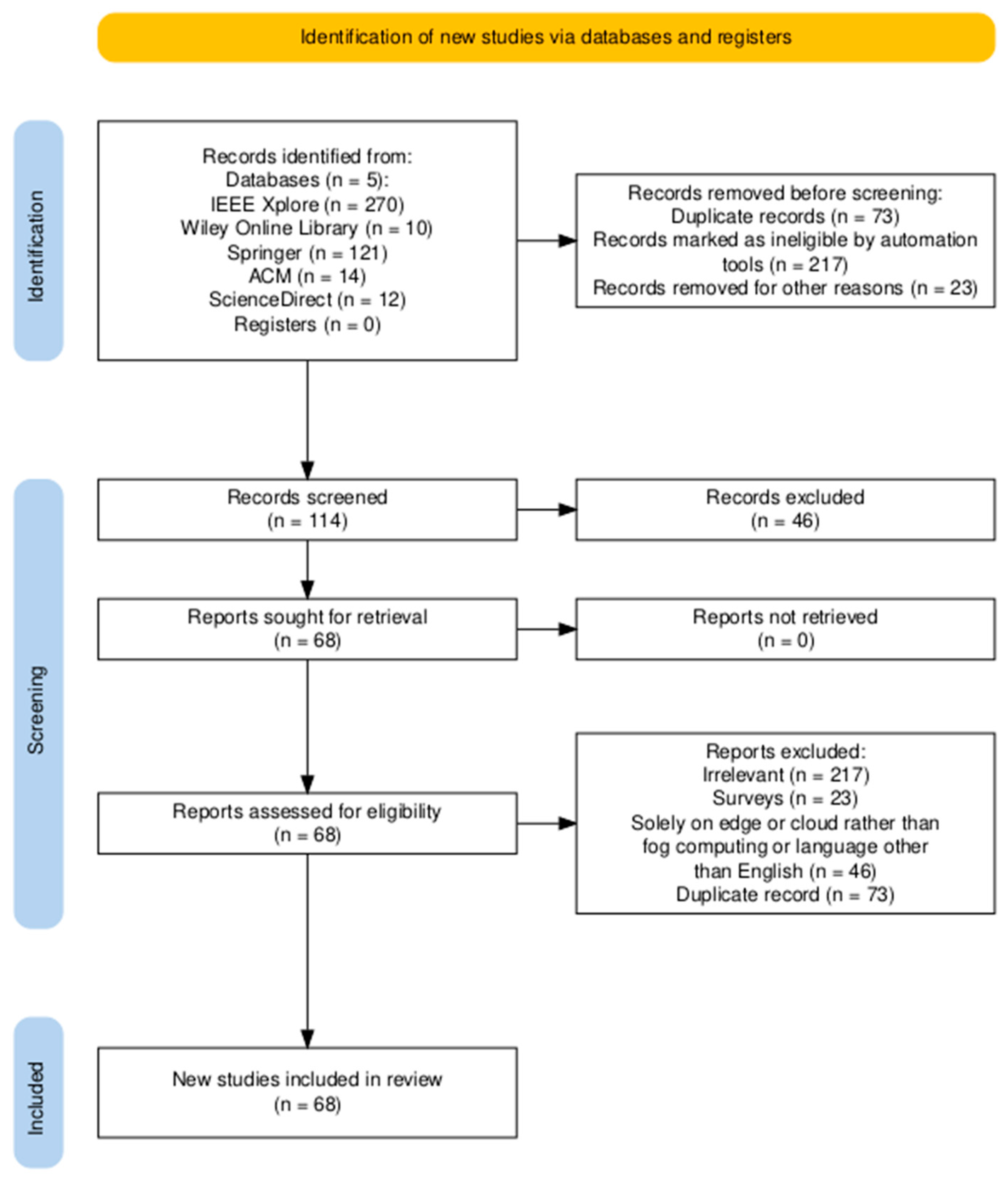
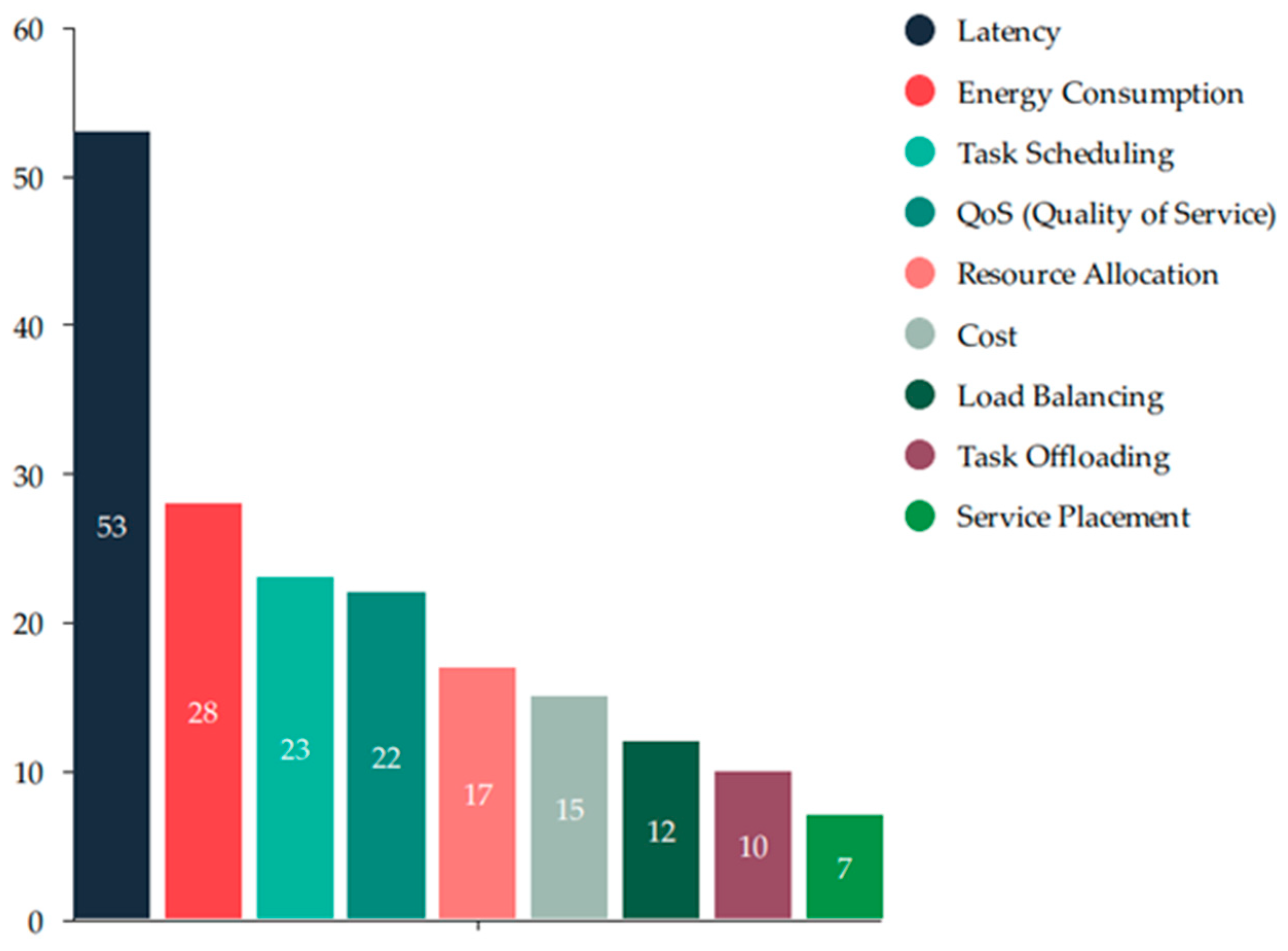
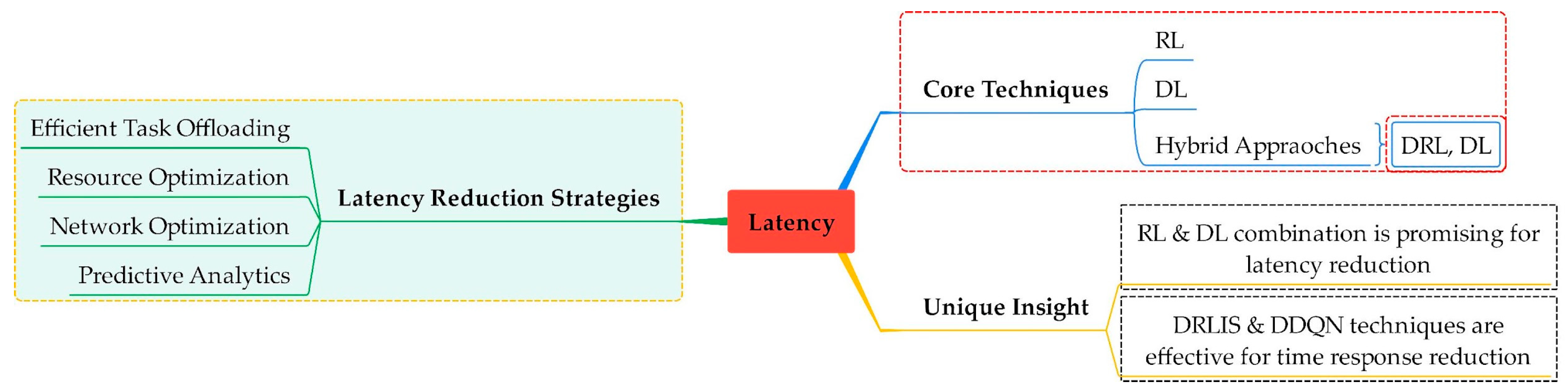
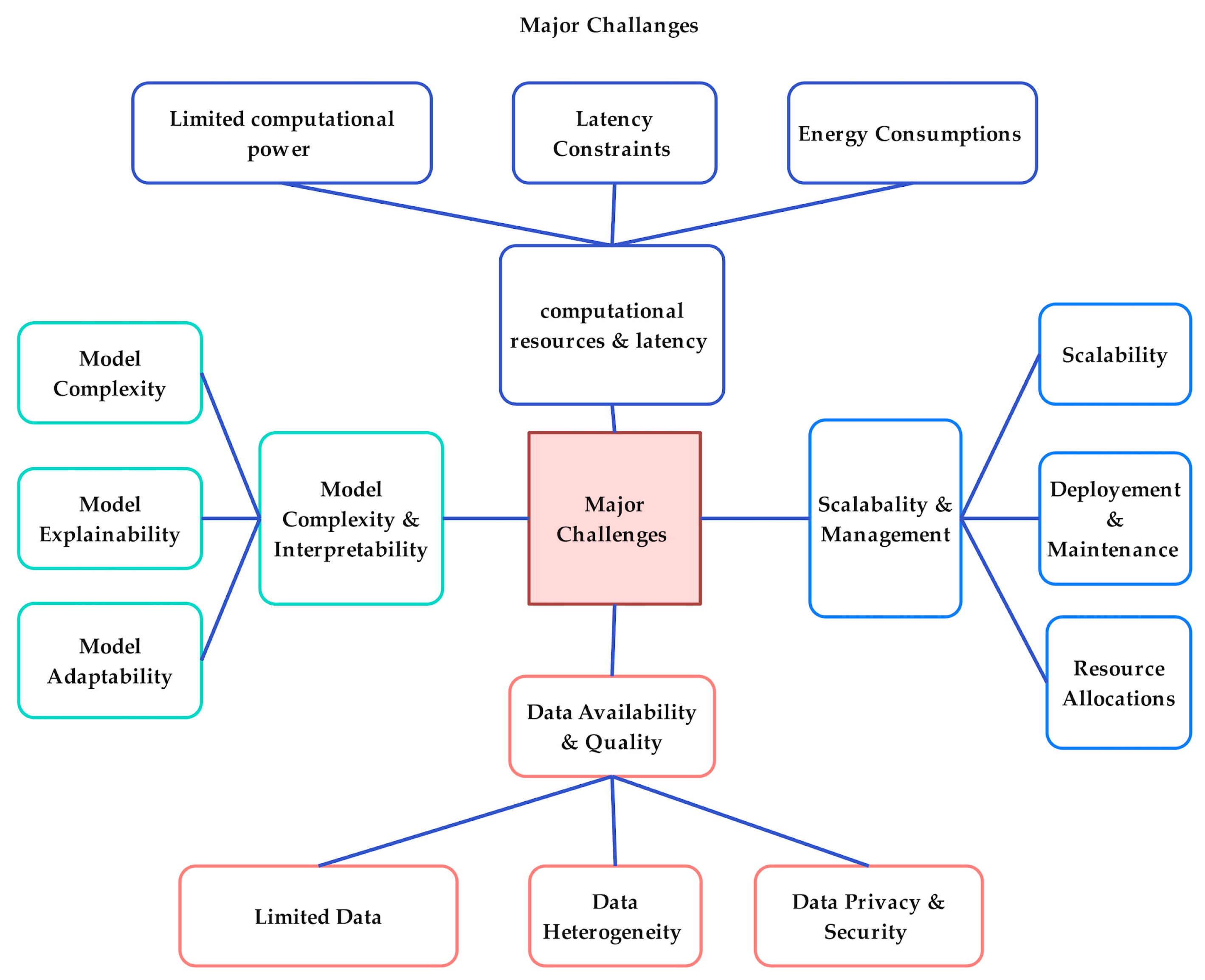
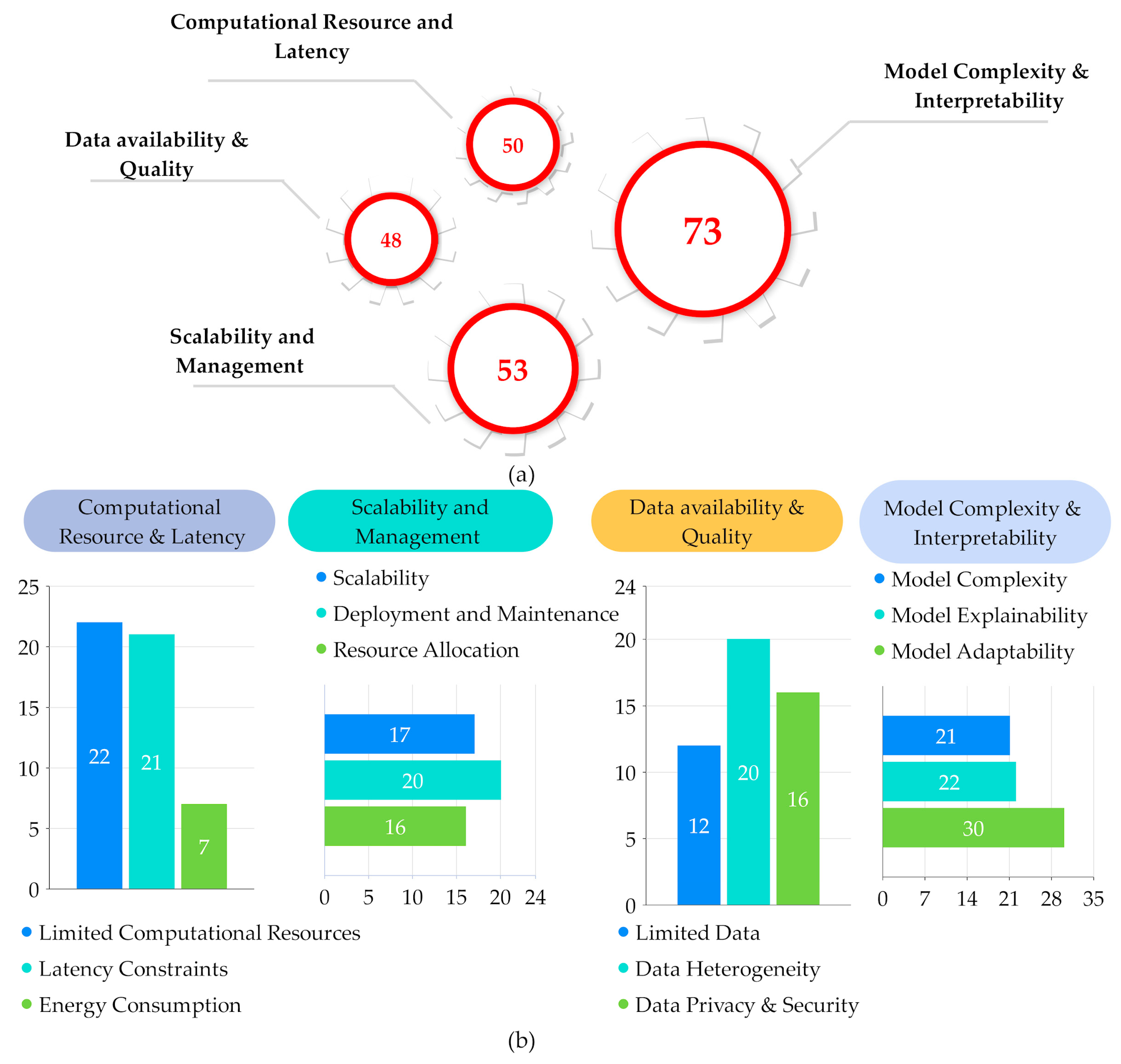
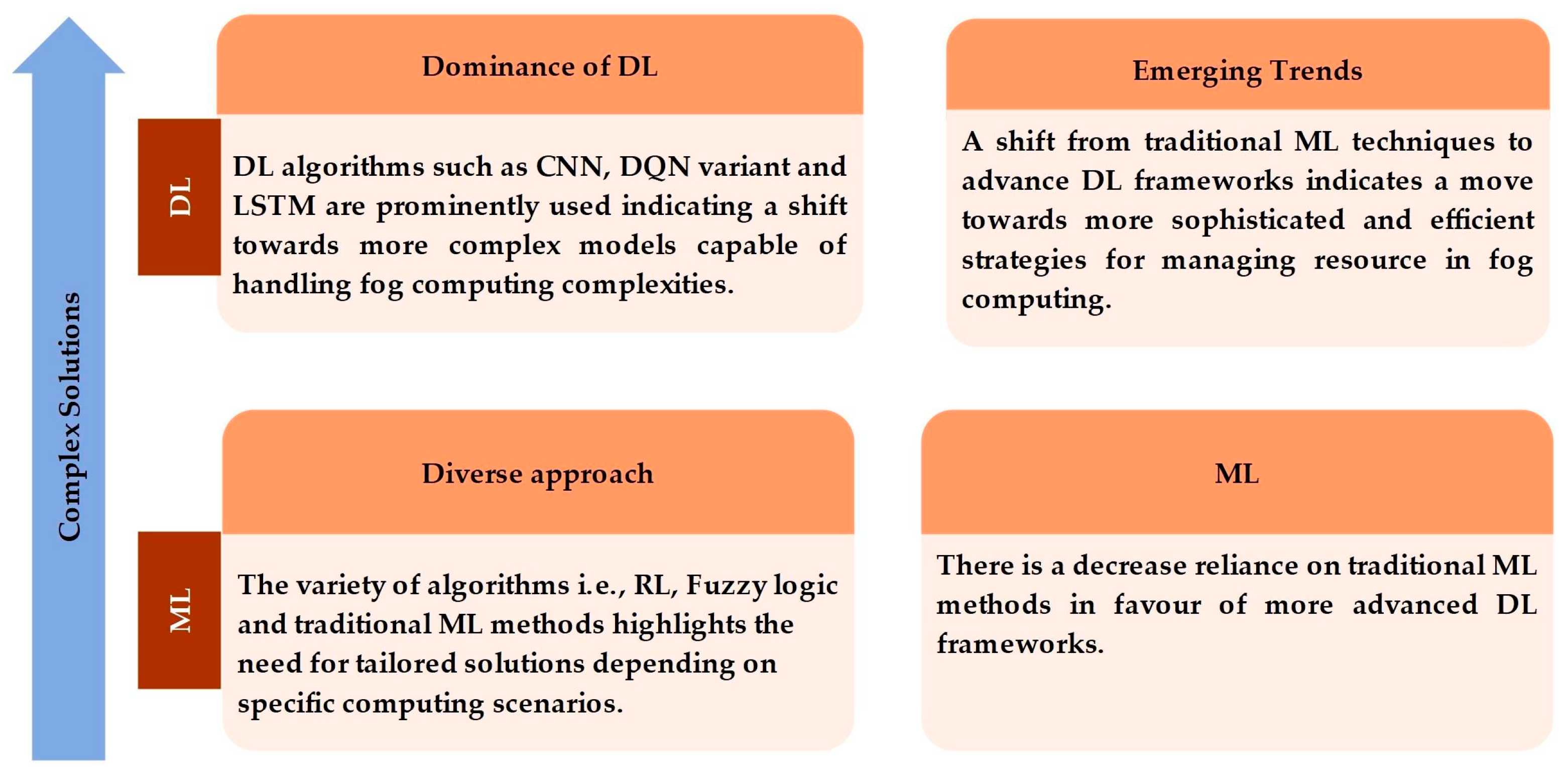
This systematic literature review analyzes machine learning (ML)-based techniques for resource management in fog computing. Utilizing the Preferred Reporting Items for Systematic Reviews and Meta-Analyses (PRISMA) protocol, this paper focuses on ML and deep learning (DL) solutions. Resource management in the fog computing domain was thoroughly analyzed by identifying the key factors and constraints. A total of 68 research papers of extended versions were finally selected and included in this study. The findings highlight a strong preference for DL in addressing resource management challenges within a fog computing paradigm, i.e., 66% of the reviewed articles leveraged DL techniques, while 34% utilized ML. Key factors such as latency, energy consumption, task scheduling, and QoS are interconnected and critical for resource management optimization. The analysis reveals that latency, energy consumption, and QoS are the prime factors addressed in the literature on ML-based fog computing resource management. Latency is the most frequently addressed parameter, investigated in 77% of the articles, followed by energy consumption and task scheduling at 44% and 33%, respectively. Furthermore, according to our evaluation, an extensive range of challenges, i.e., computational resource and latency, scalability and management, data availability and quality, and model complexity and interpretability, are addressed by employing 73, 53, 45, and 46 ML/DL techniques, respectively.
Keywords: machine learning (ML); deep learning (DL); cloud computing; edge computing; Internet of Things (IoT); resource management; scalability; latency; interpretability machine learning (ML); deep learning (DL); cloud computing; edge computing; Internet of Things (IoT); resource management; scalability; latency; interpretability