Article

Quantifying the Influence of Surface Texture and Shape on Structure from Motion 3D Reconstructions

by
Mikkel Schou Nielsen
1,
Ivan Nikolov
2,*,
Emil Krog Kruse
3,
Jørgen Garnæs
1 and
Claus Brøndgaard Madsen
2
1
Nano Research, Danish Fundamental Metrology, Kogle Allé 5, DK-2970 Hørsholm, Denmark
2
Department of Architecture, Design and Media Technology, Faculty of Science, Aalborg University, Rendsburggade 14, DK-9000 Aalborg, Denmark
3
AAU Innovation, Aalborg University, Thomas Manns Vej 25, DK-9220 Aalborg, Denmark
*
Author to whom correspondence should be addressed.
Sensors 2023, 23(1), 178; https://doi.org/10.3390/s23010178
Submission received: 22 November 2022 / Revised: 14 December 2022 / Accepted: 21 December 2022 / Published: 24 December 2022

Abstract

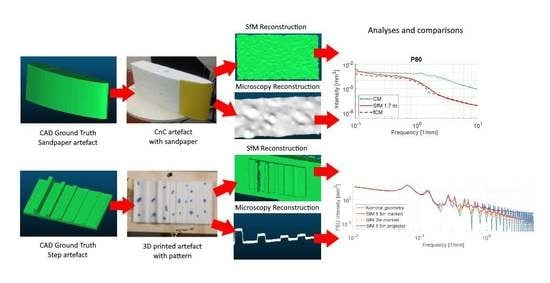
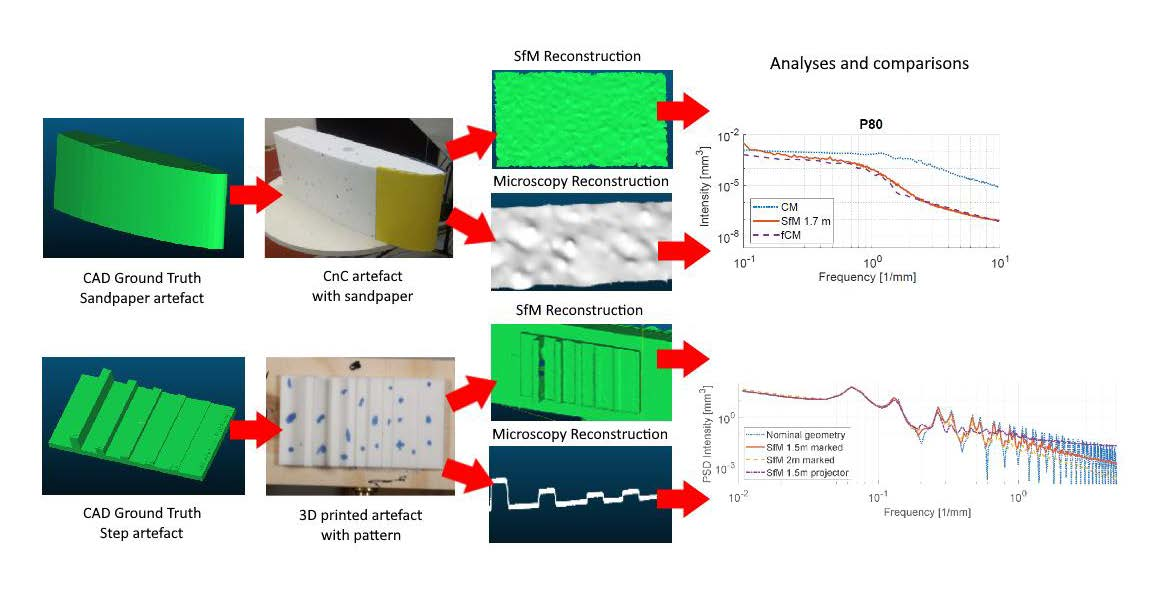
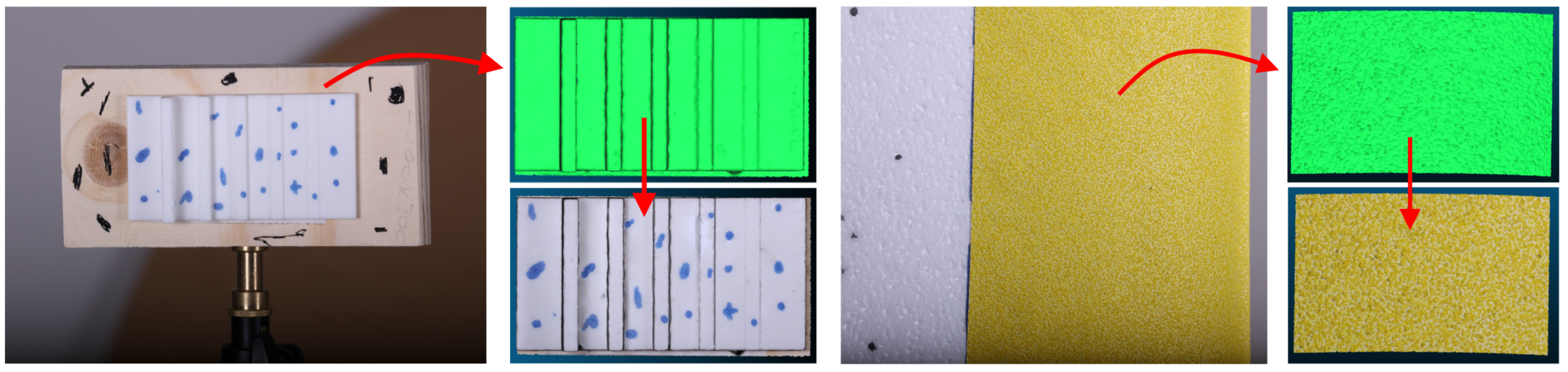
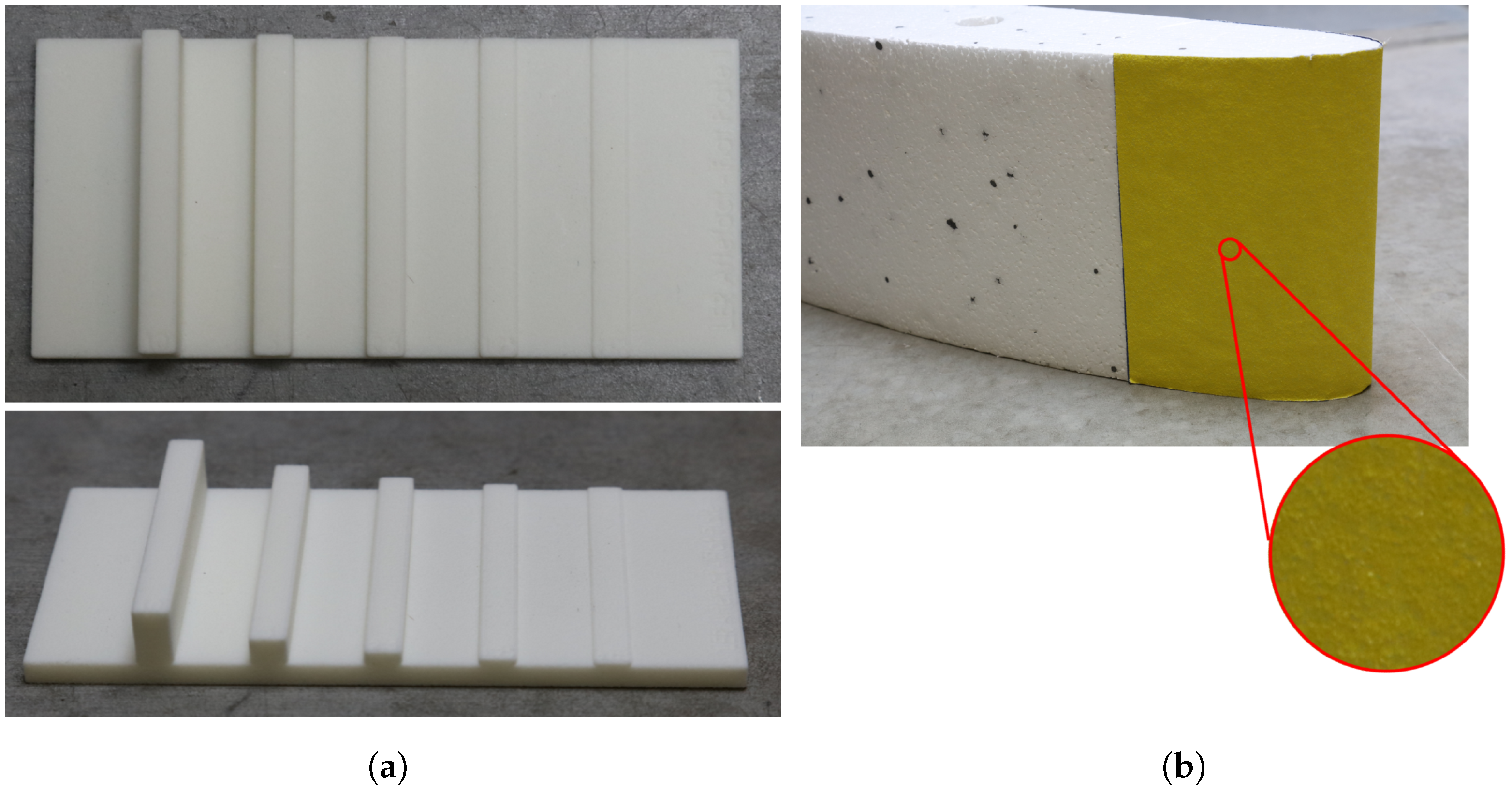
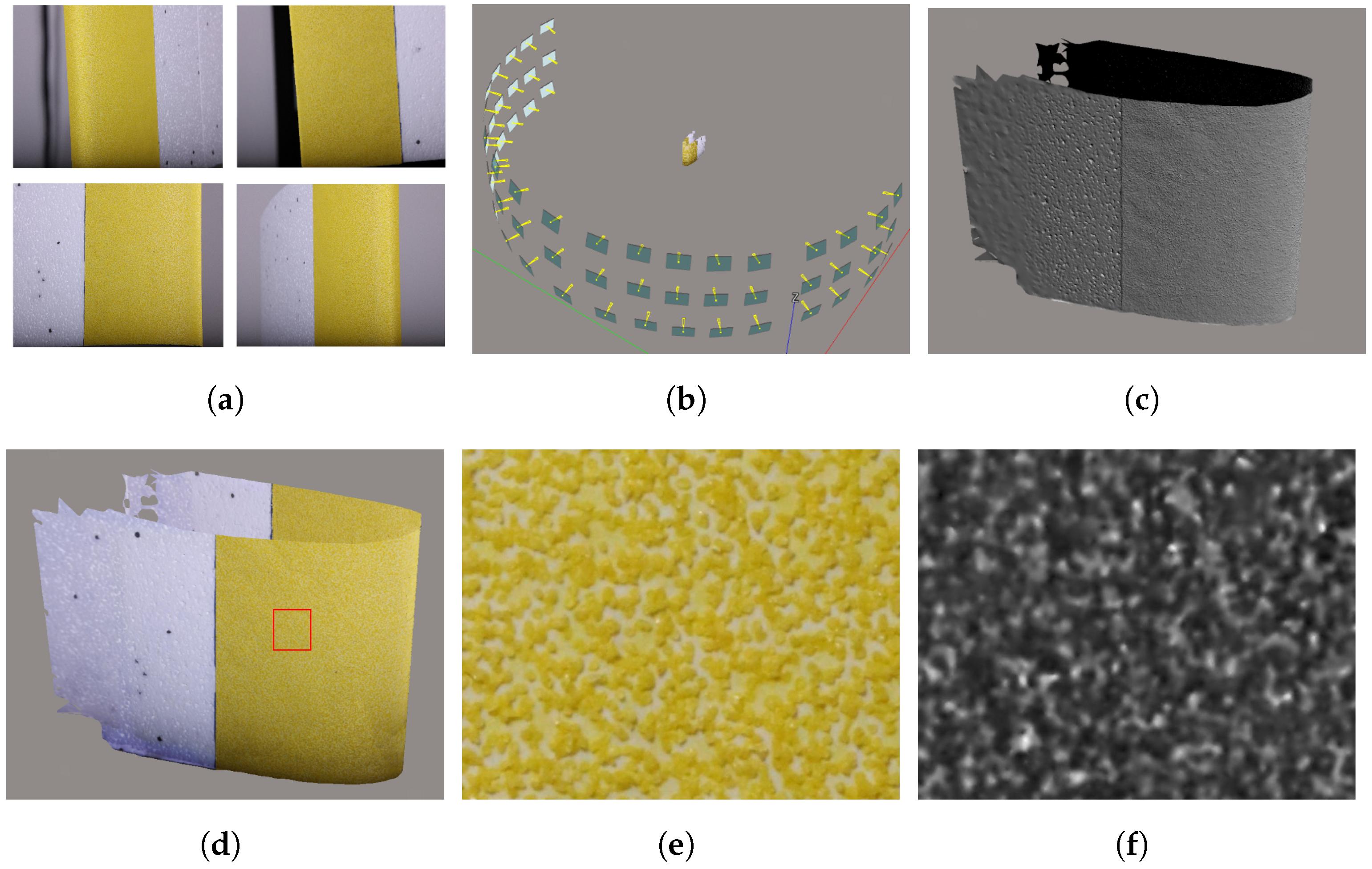
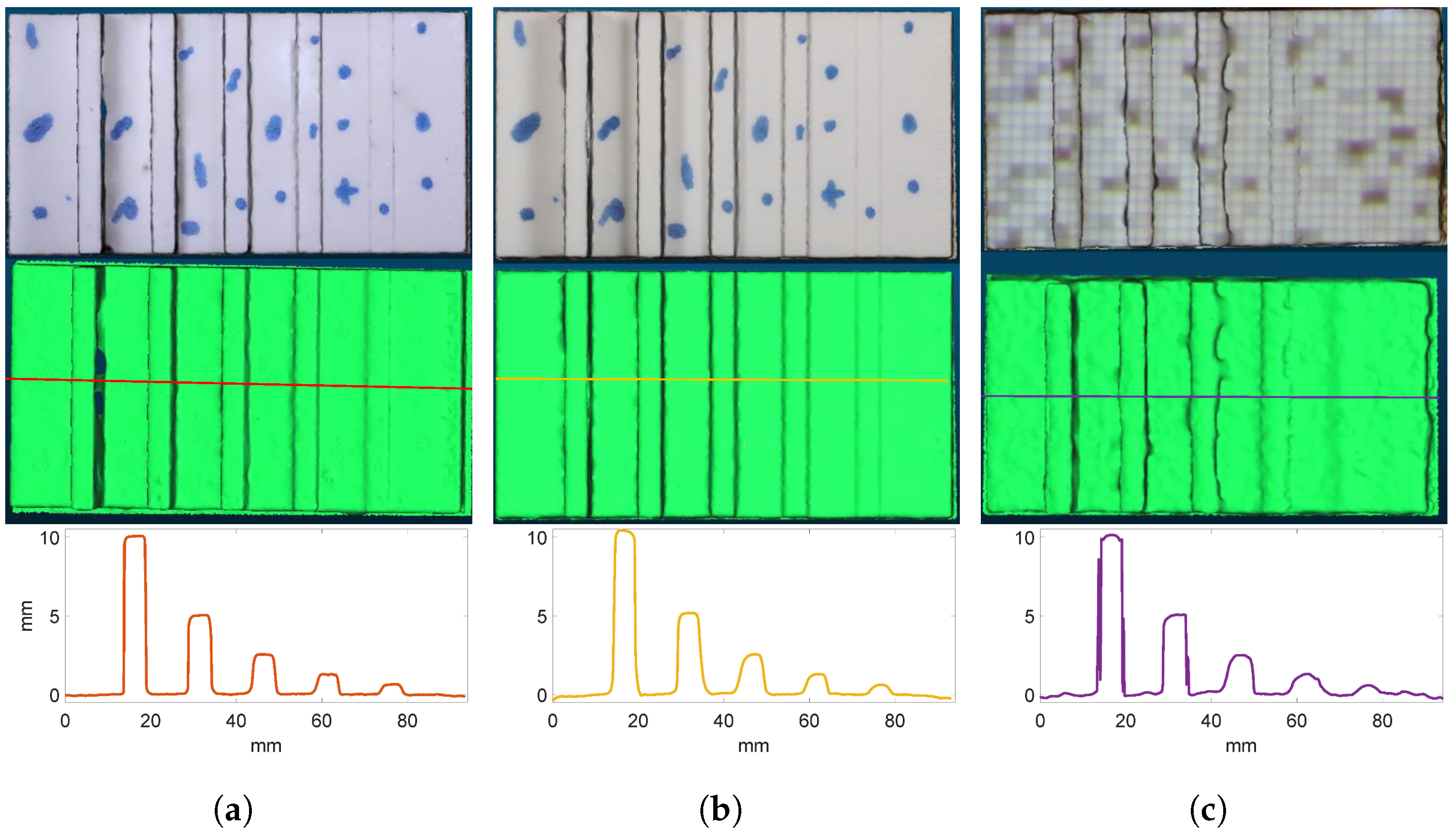
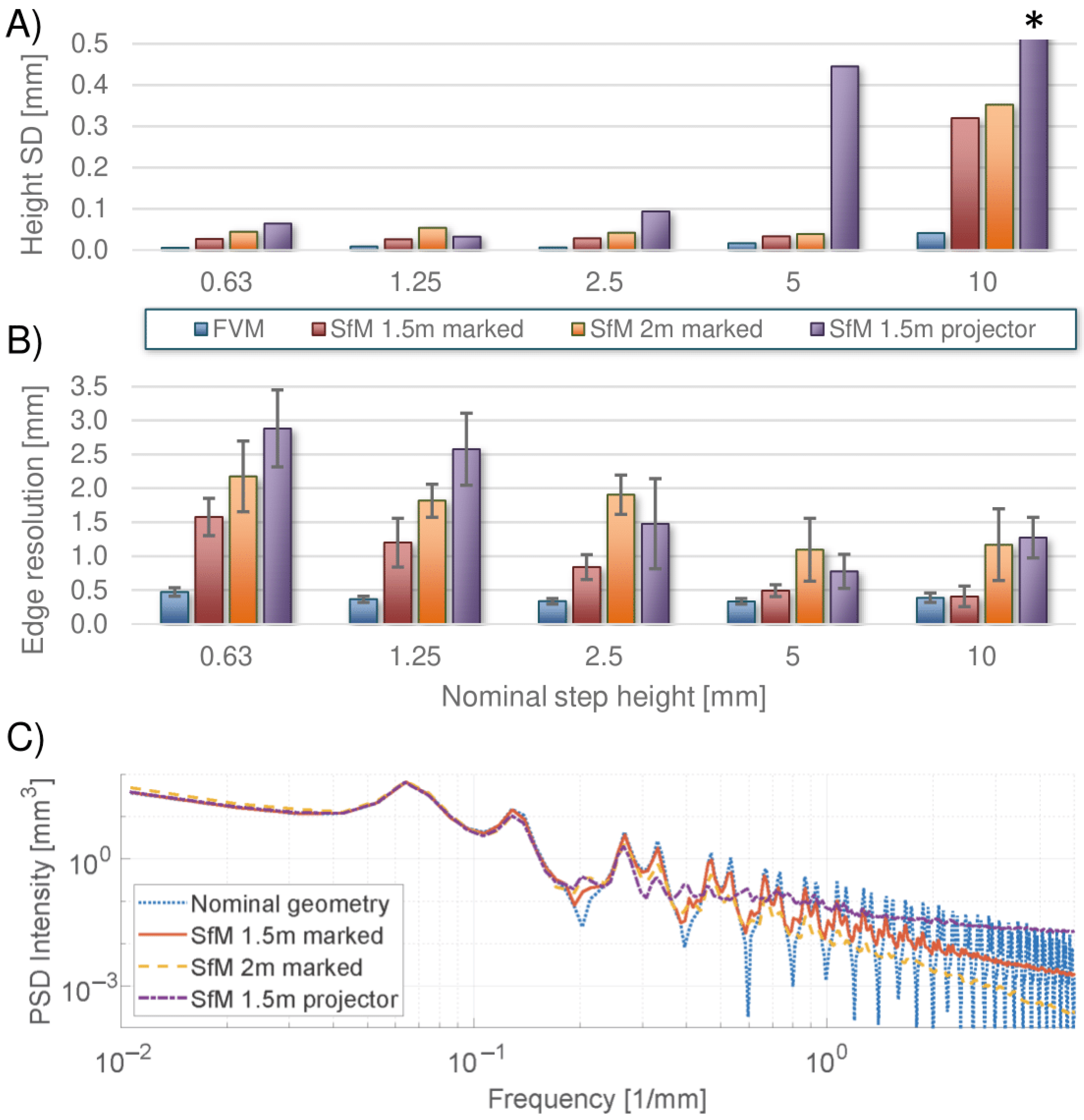
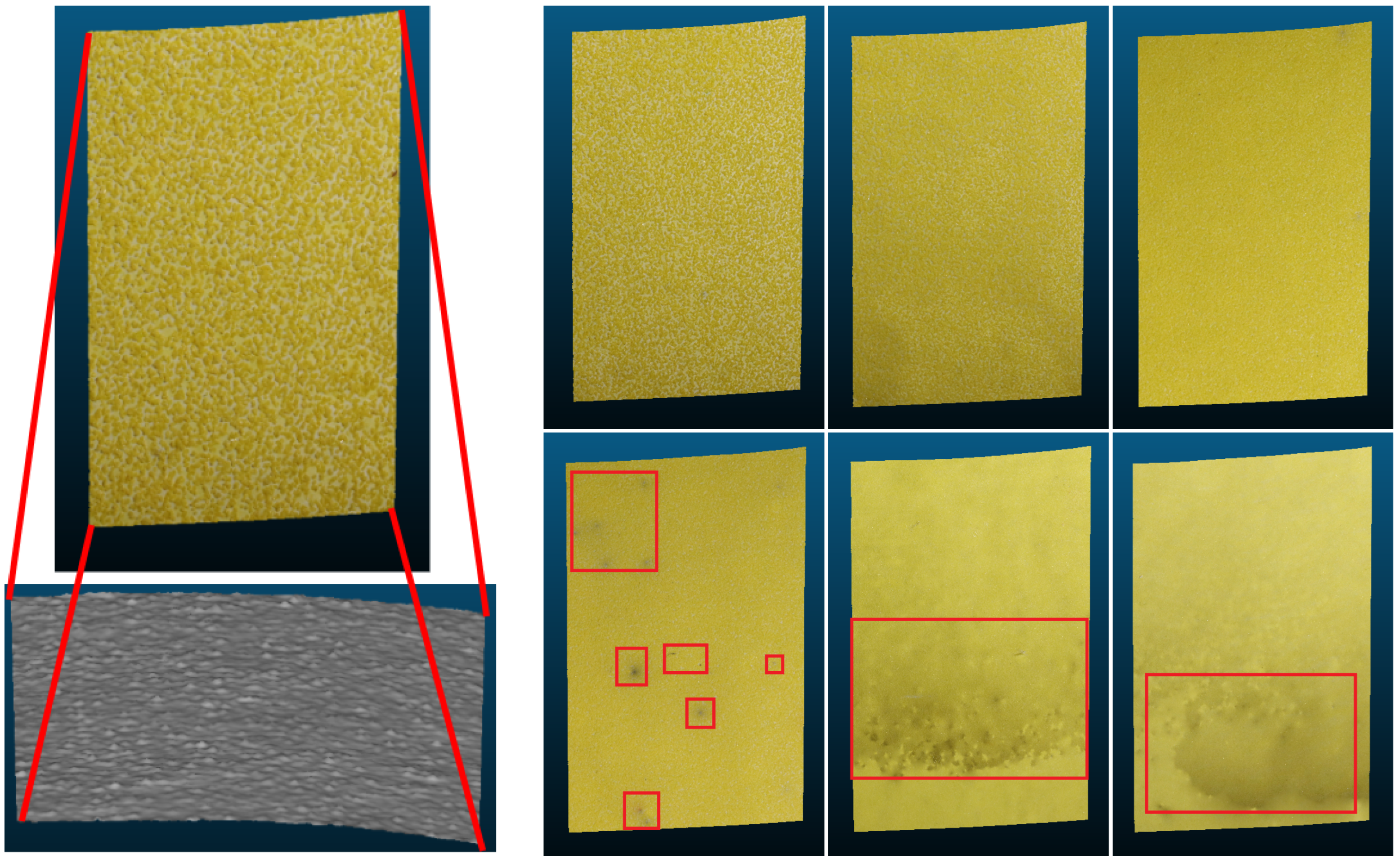
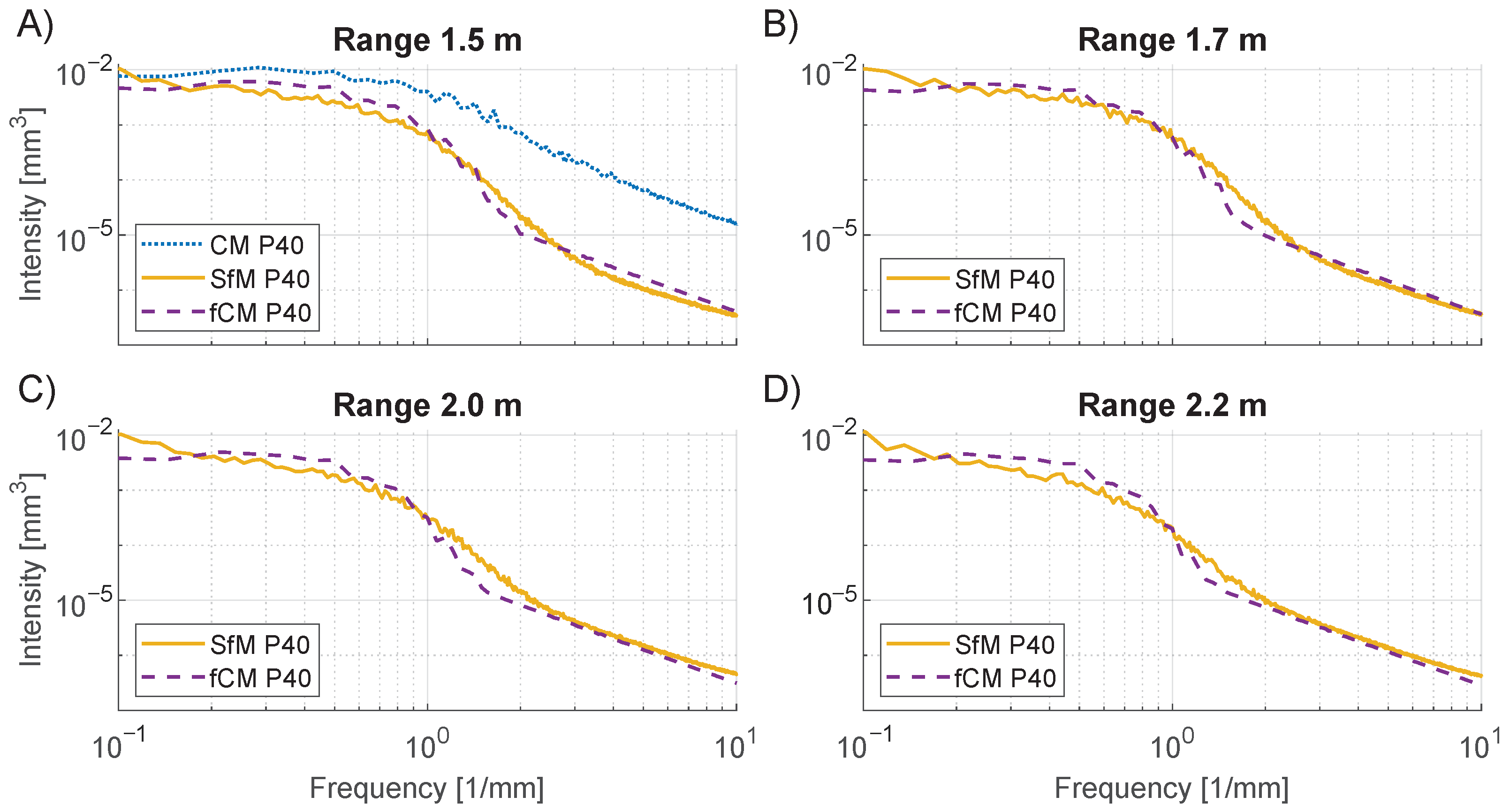
In general, optical methods for geometrical measurements are influenced by the surface properties of the examined object. In Structure from Motion (SfM), local variations in surface color or topography are necessary for detecting feature points for point-cloud triangulation. Thus, the level of contrast or texture is important for an accurate reconstruction. However, quantitative studies of the influence of surface texture on geometrical reconstruction are largely missing. This study tries to remedy that by investigating the influence of object texture levels on reconstruction accuracy using a set of reference artifacts. The artifacts are designed with well-defined surface geometries, and quantitative metrics are introduced to evaluate the lateral resolution, vertical geometric variation, and spatial–frequency information of the reconstructions. The influence of texture level is compared to variations in capturing range. For the SfM measurements, the ContextCapture software solution and a 50 Mpx DSLR camera are used. The findings are compared to results using calibrated optical microscopes. The results show that the proposed pipeline can be used for investigating the influence of texture on SfM reconstructions. The introduced metrics allow for a quantitative comparison of the reconstructions at varying texture levels and ranges. Both range and texture level are seen to affect the reconstructed geometries although in different ways. While an increase in range at a fixed focal length reduces the spatial resolution, an insufficient texture level causes an increased noise level and may introduce errors in the reconstruction. The artifacts are designed to be easily replicable, and by providing a step-by-step procedure of our testing and comparison methodology, we hope that other researchers will make use of the proposed testing pipeline.
Keywords: photogrammetry; SfM; structure from motion; microscopy; power spectrum analysis; surface inspection photogrammetry; SfM; structure from motion; microscopy; power spectrum analysis; surface inspection
Graphical Abstract