Article

Multiservice-Based Traffic Scheduling for 5G Access Traffic Steering, Switching and Splitting
1
State Key Laboratory of Media Convergence and Communication, School of Information and Communication Engineering, Communication University of China, Beijing 100024, China
2
School of Information and Communication Engineering, Communication University of China, Beijing 100024, China
3
Datang Mobile Communication Equipment Co., Ltd., Beijing 100083, China
*
Author to whom correspondence should be addressed.
Sensors 2022, 22(9), 3285; https://doi.org/10.3390/s22093285
Submission received: 25 March 2022 / Revised: 21 April 2022 / Accepted: 24 April 2022 / Published: 25 April 2022
(This article belongs to the Section Communications)

Abstract

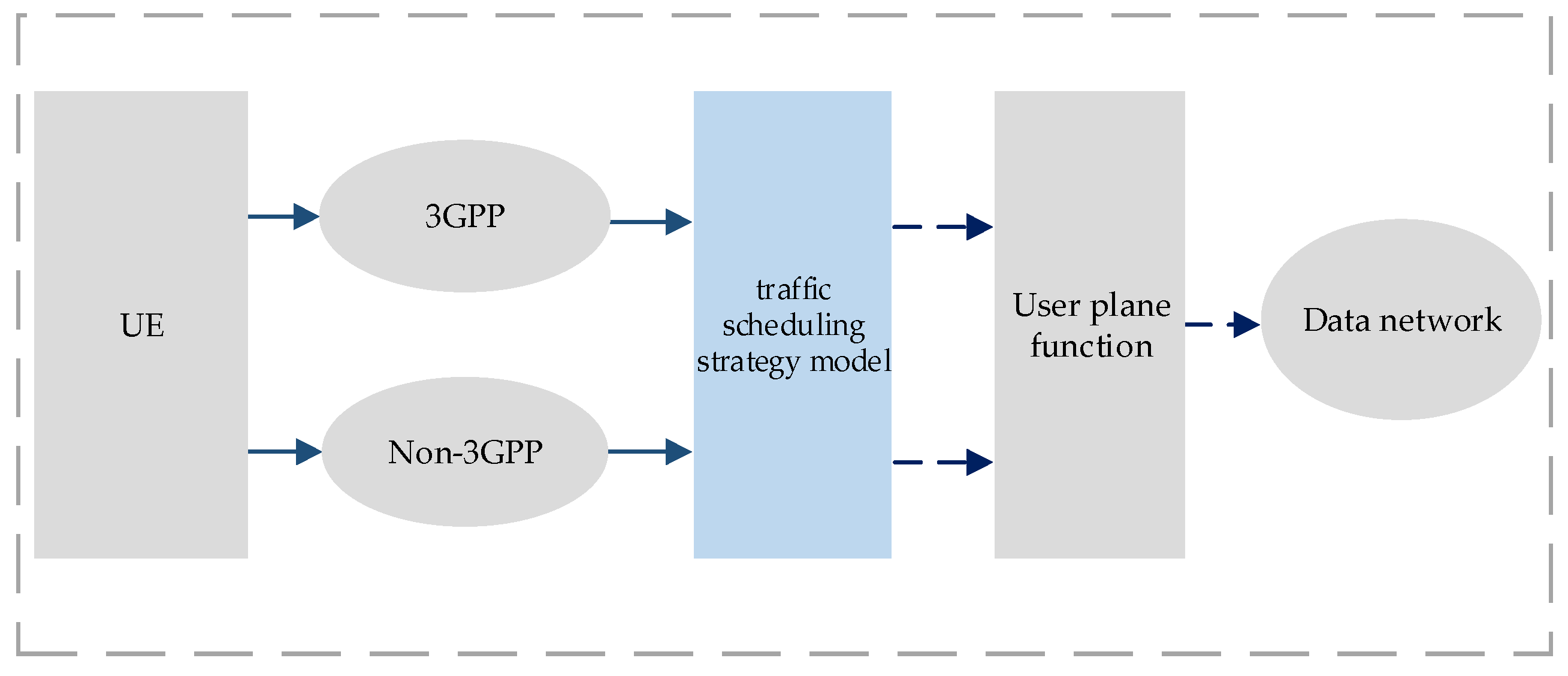
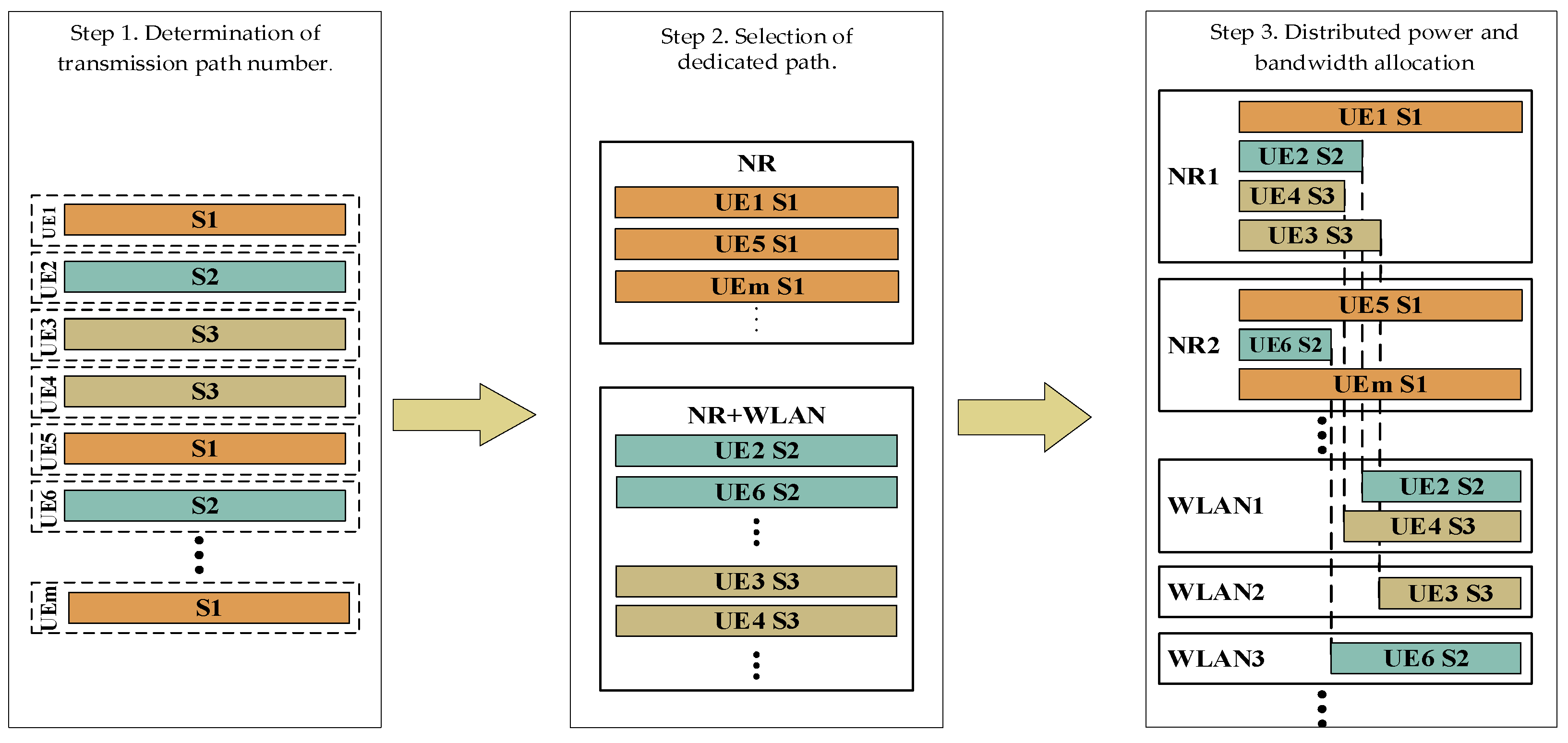
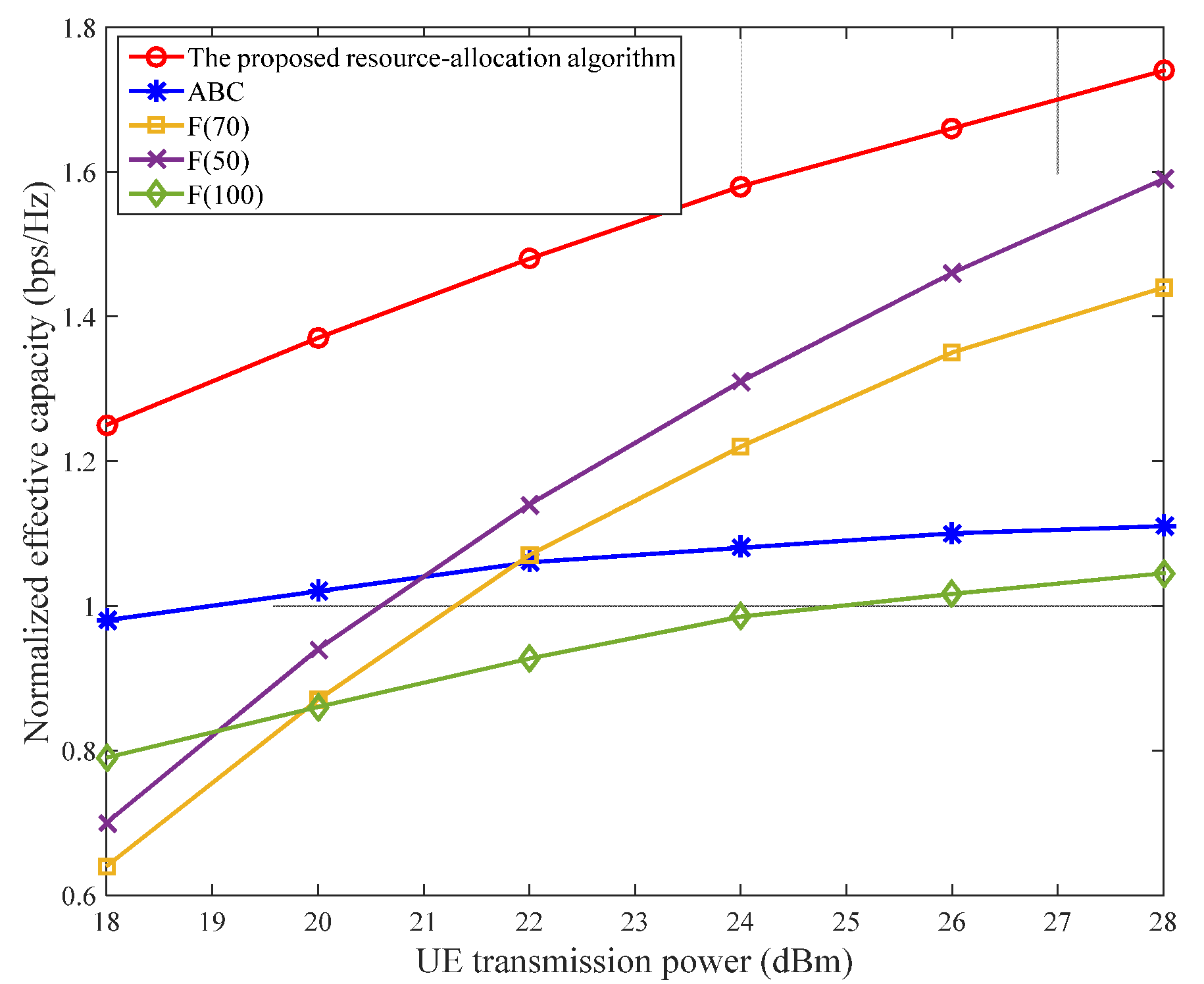
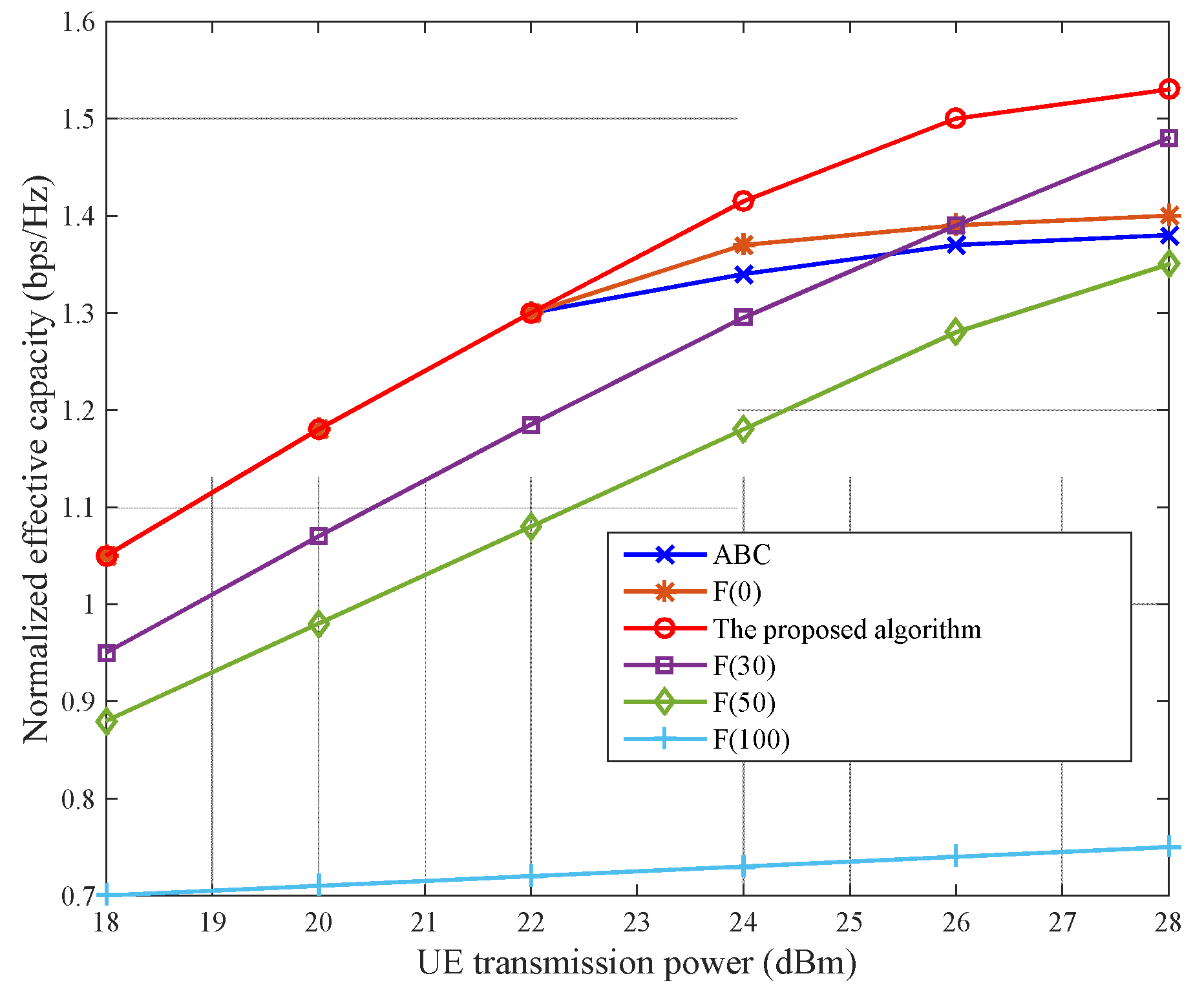
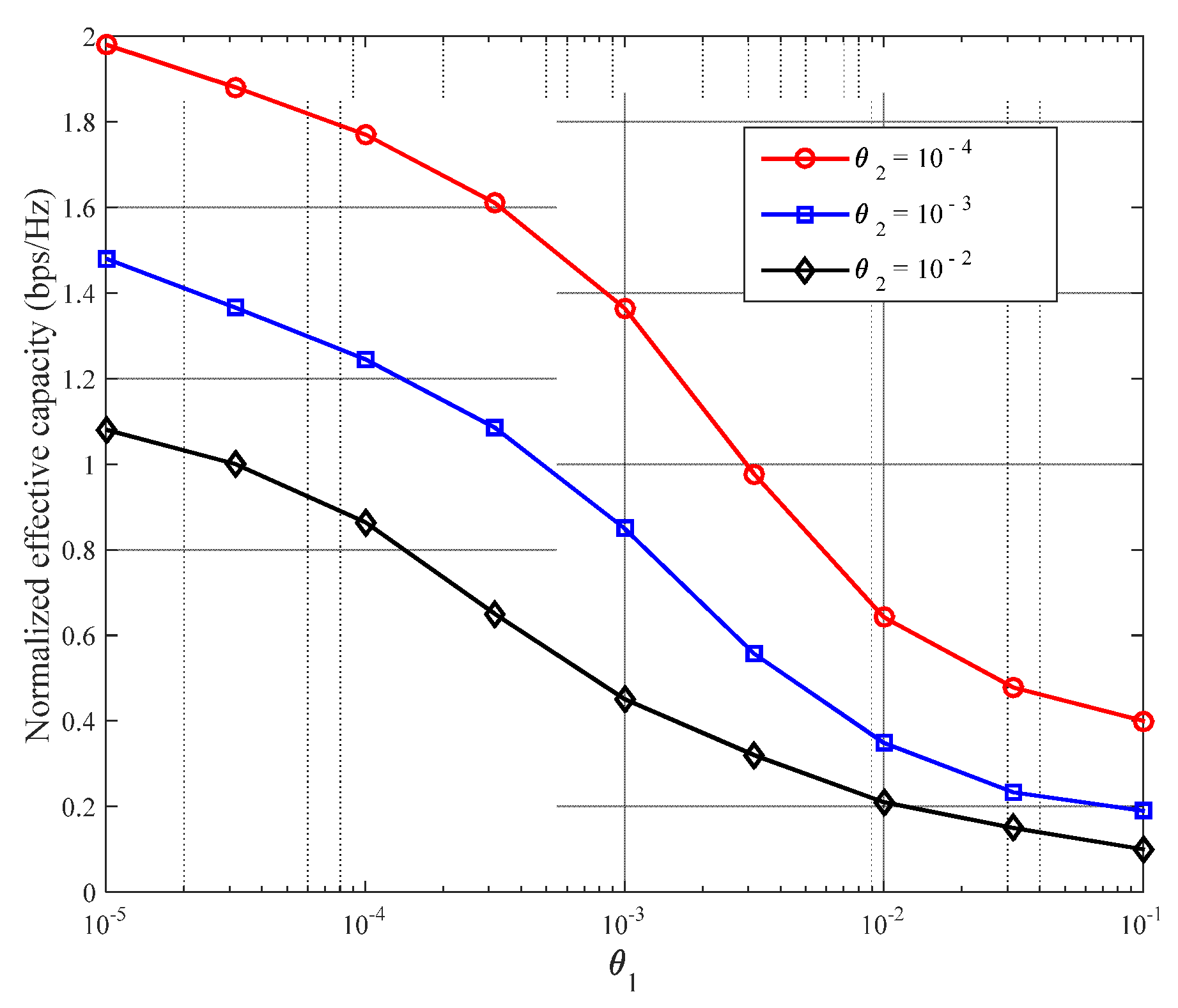
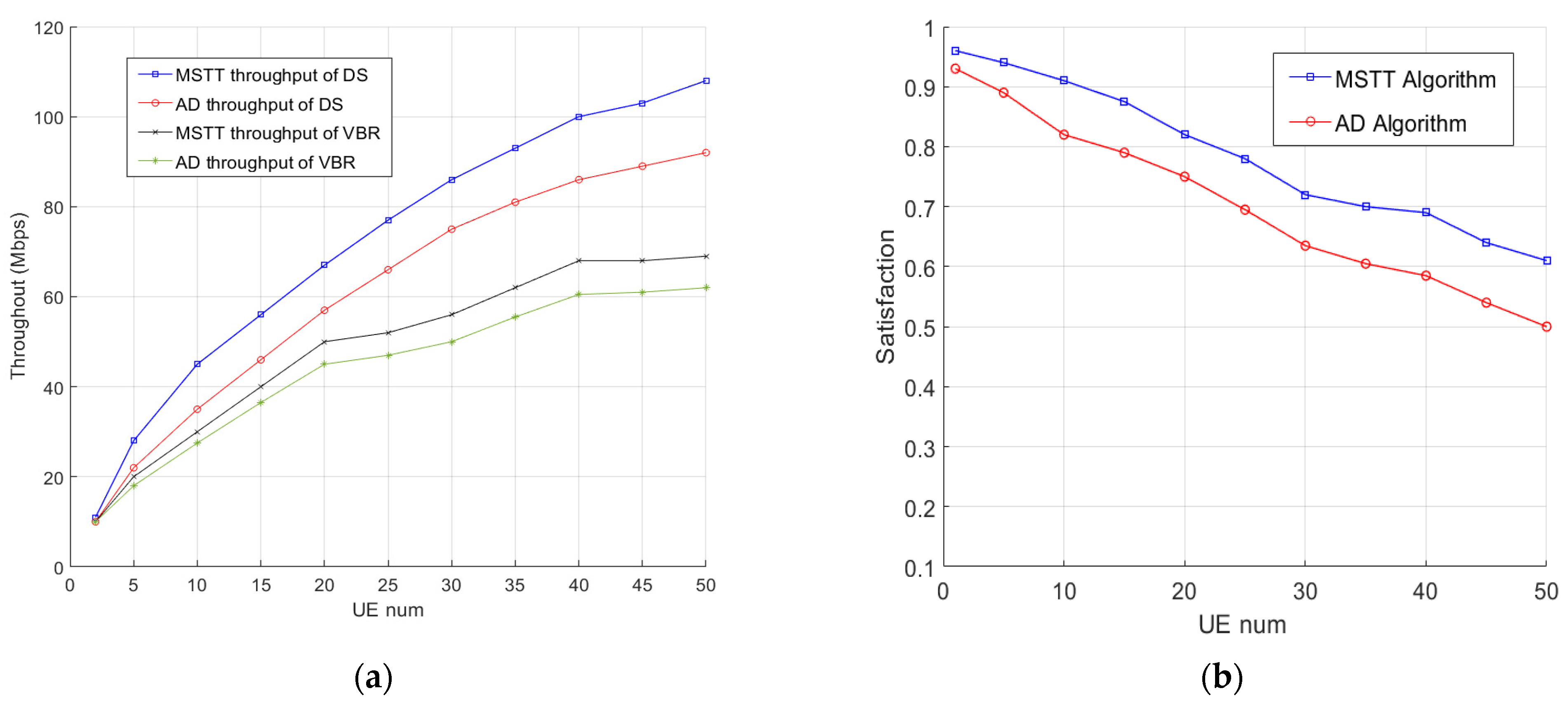
As a key enabler of the access traffic steering, switching and splitting (ATSSS) feature, multipath transport can leverage the simultaneous use of several network paths and support seamless failover to improve both communication throughput and resilience. Therefore, a traffic scheduling strategy is necessary to determine the best network path combination that may improve the performance of multipath transport. To address this need, we developed a multiservice-type based transmission (MSTT) traffic scheduling optimization strategy, which involves three steps. First, the user equipment (UE) selects the number of data stream transmission paths, considering the service utility function, and either transmits all data streams via the 3GPP network or sends two streams, one via the 3GPP network and the other via the non-3GPP network. Second, the proposed method is used to select the transmission path for each data stream based on load balancing. Finally, an algorithm for optimizing traffic scheduling is formulated by applying the convex optimization problem to maximize the effective network capacity under a Delay Quality of Service (DQoS) constraint. The proposed traffic scheduling strategy is validated through simulation experiments. The results indicate that user satisfaction and effective capacity realized are always better than when using the always-best-connected and fixed-ratio power-allocation algorithms.
Keywords: ATSSS; multipath transport; multiservice; effective network capacity ATSSS; multipath transport; multiservice; effective network capacity