Article

High-Order Wave-Damage Interaction Coefficients (WDIC) Extracted through Modal Decomposition

Department of Mechanical Engineering, University of South Carolina, 300 Main Street, Columbia, SC 29208, USA
*
Author to whom correspondence should be addressed.
Sensors 2021, 21(8), 2749; https://doi.org/10.3390/s21082749
Submission received: 26 February 2021 / Revised: 29 March 2021 / Accepted: 8 April 2021 / Published: 13 April 2021
(This article belongs to the Special Issue Feature Papers in Physical Sensors Section 2020)

Abstract

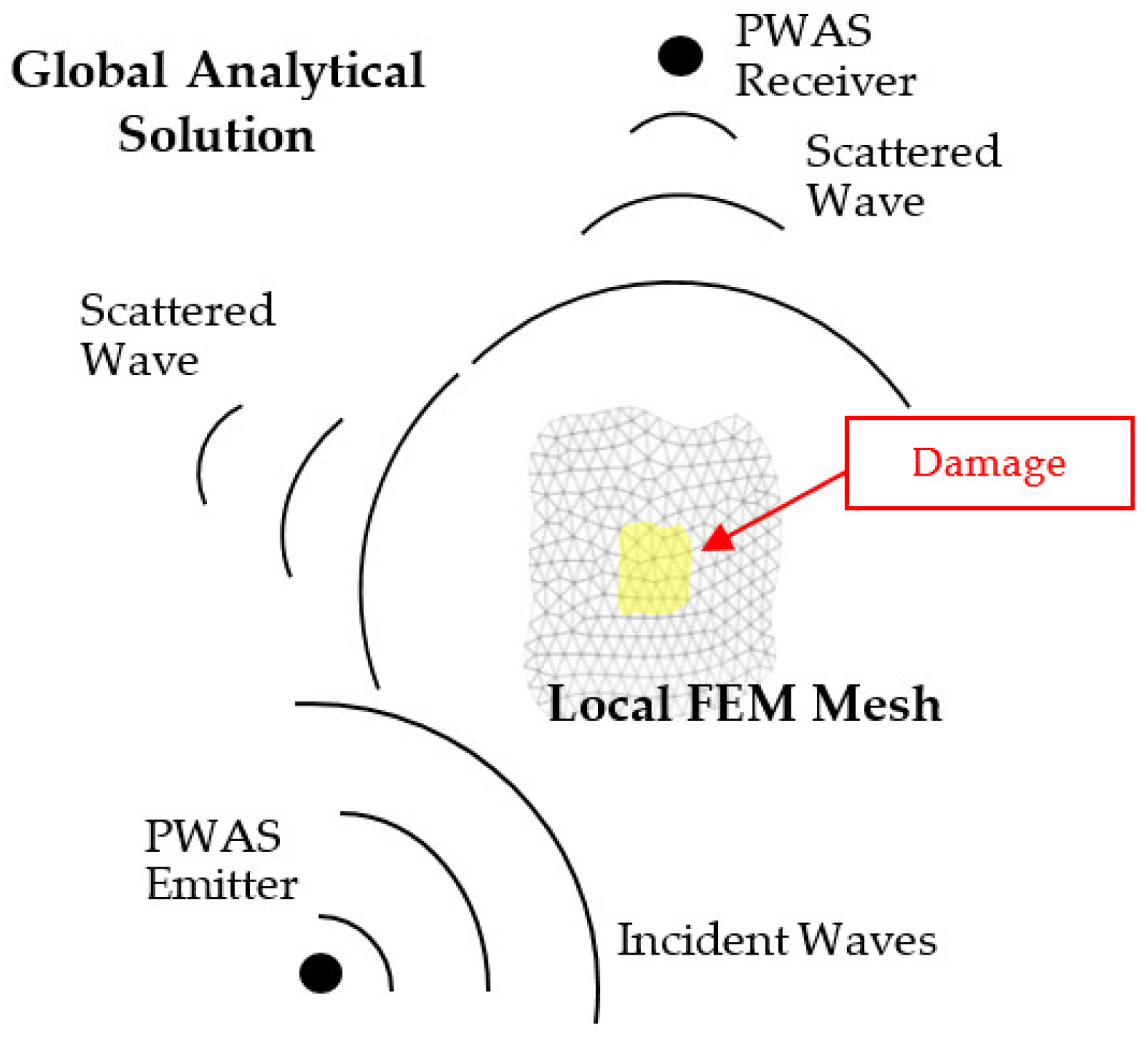
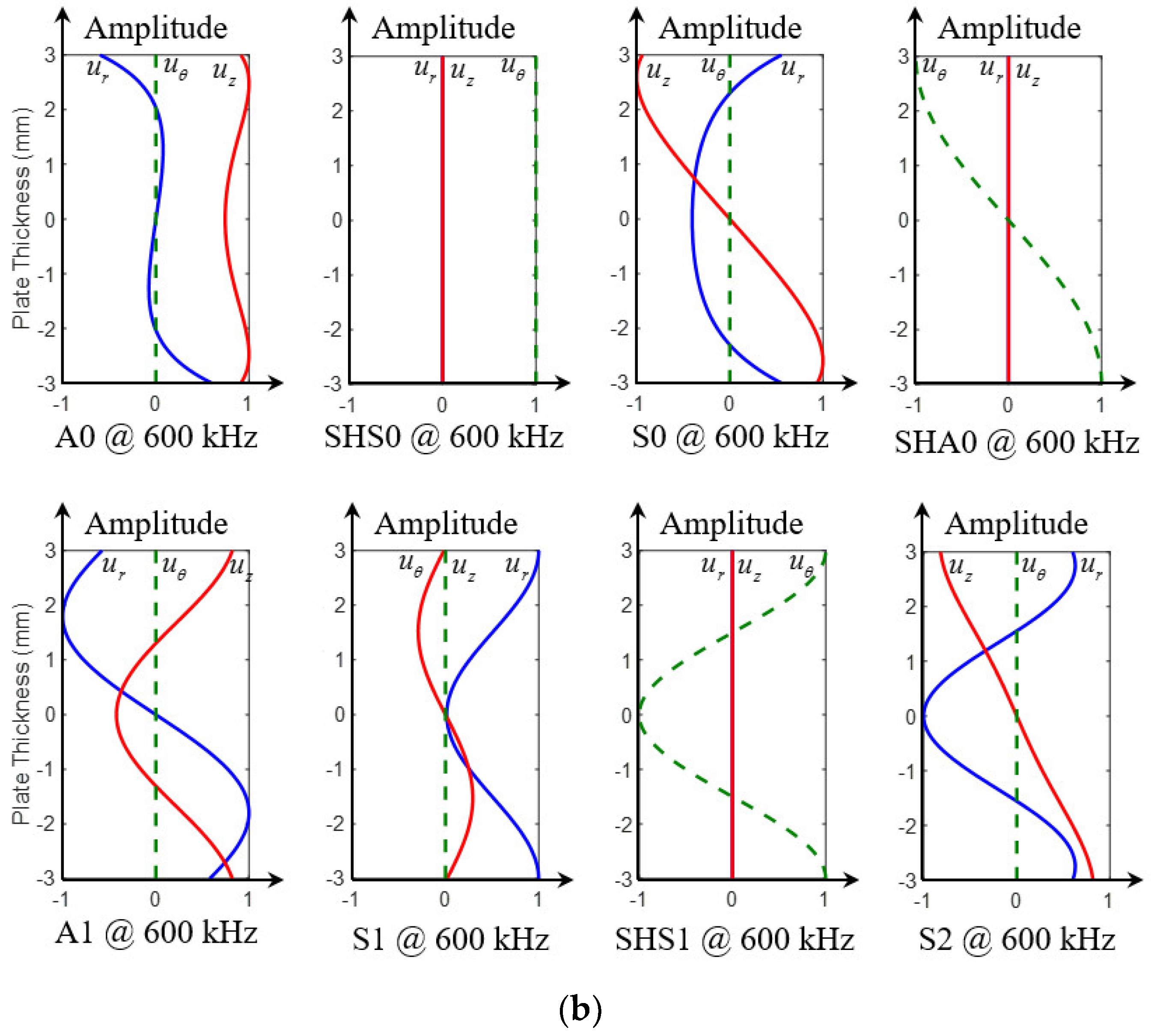
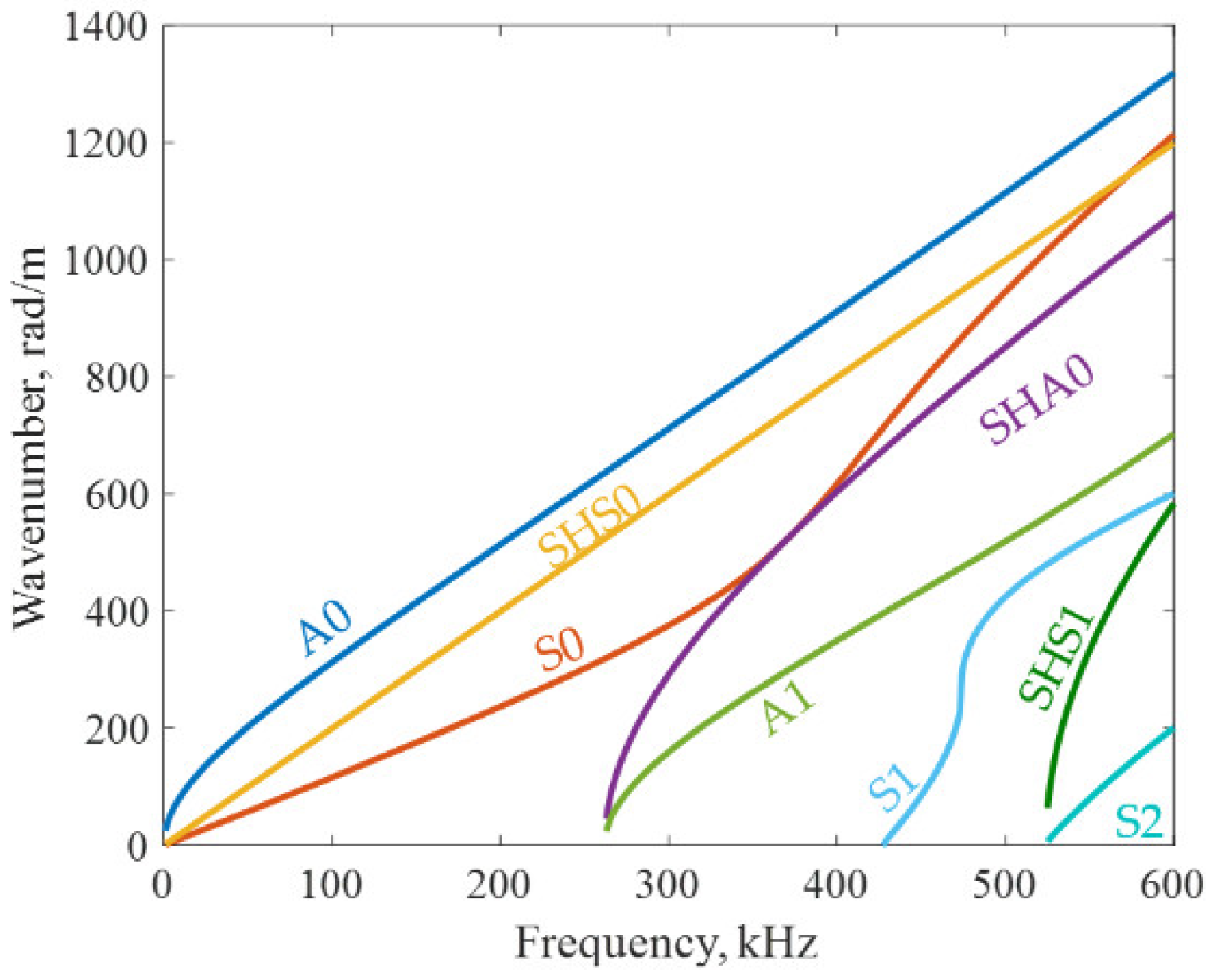
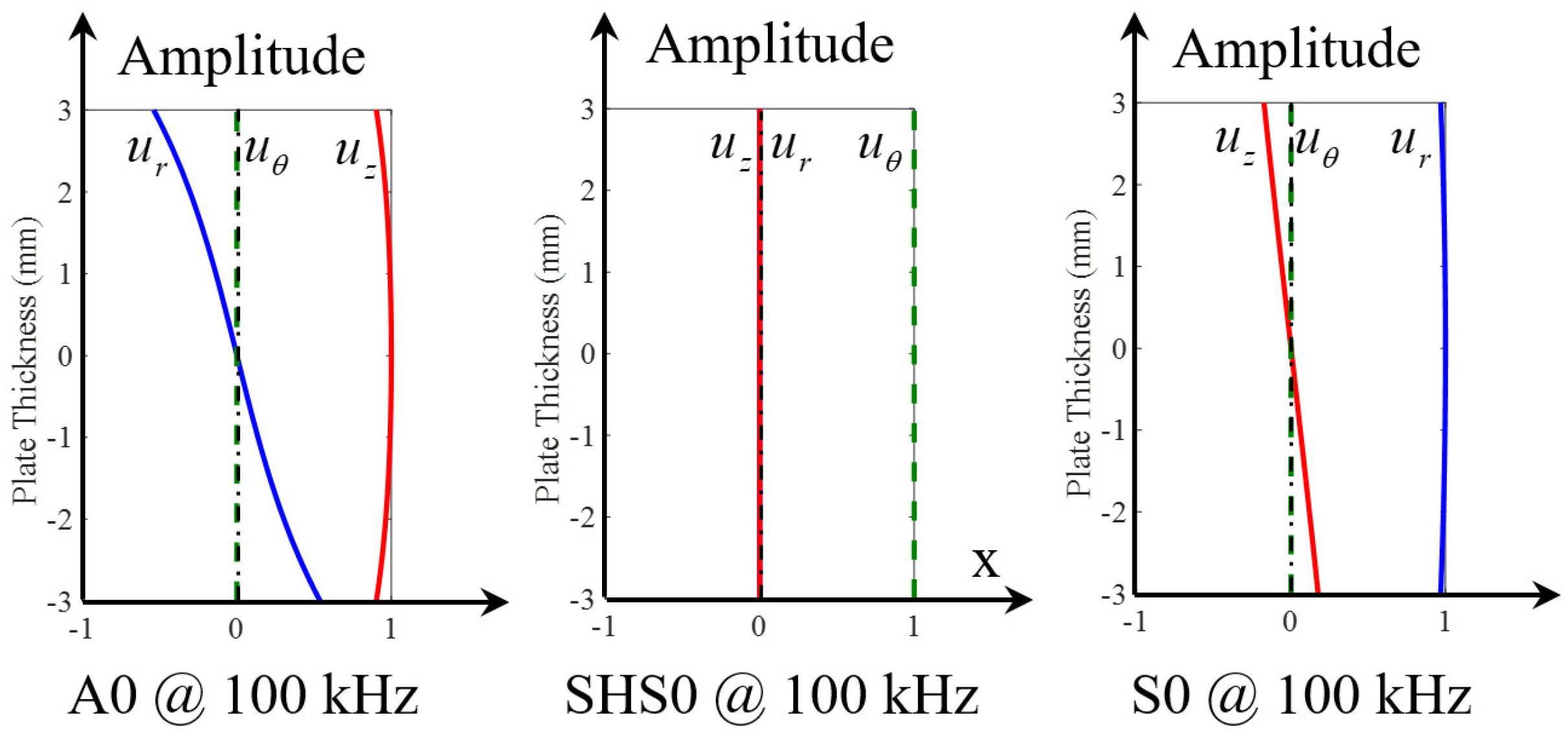
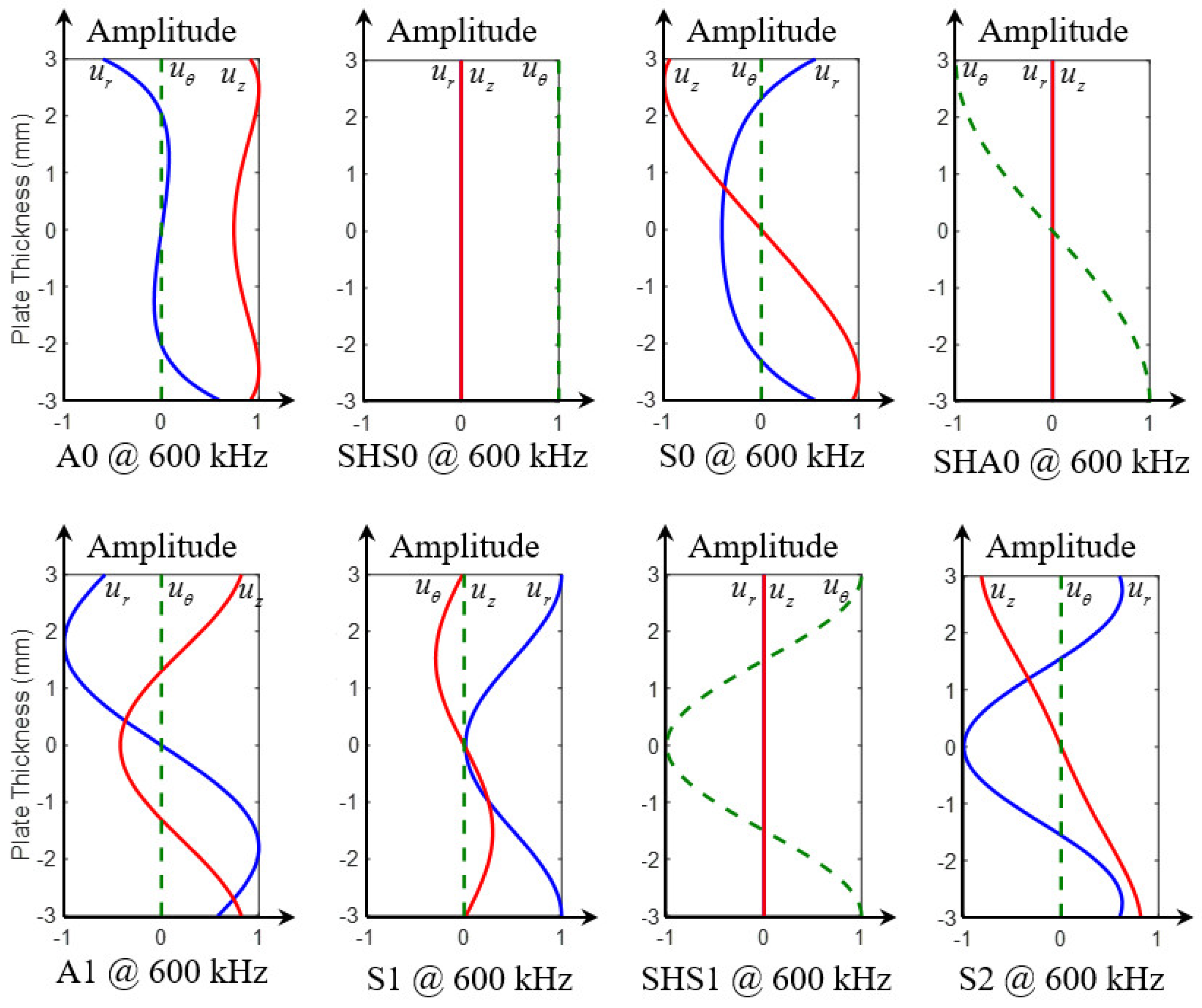
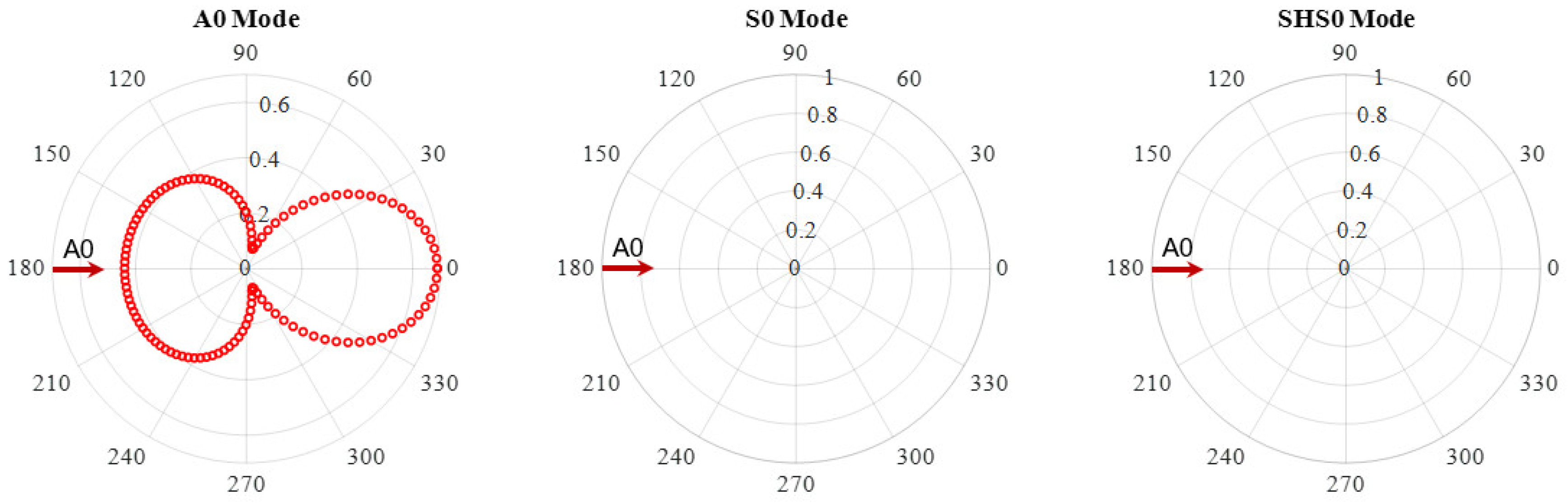
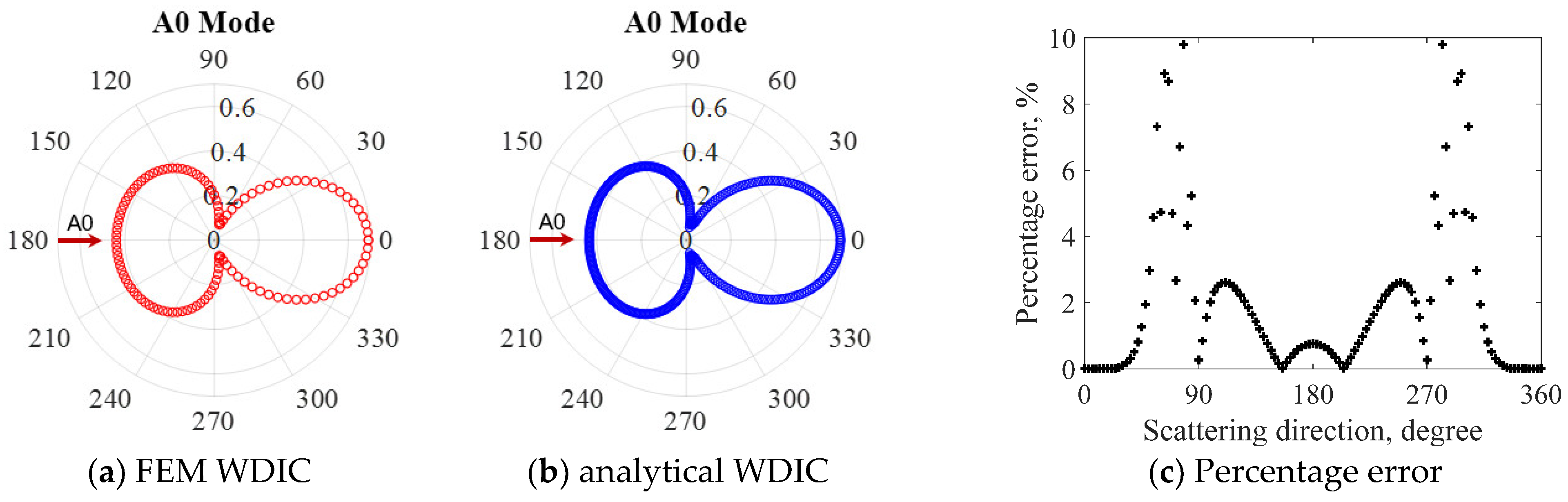
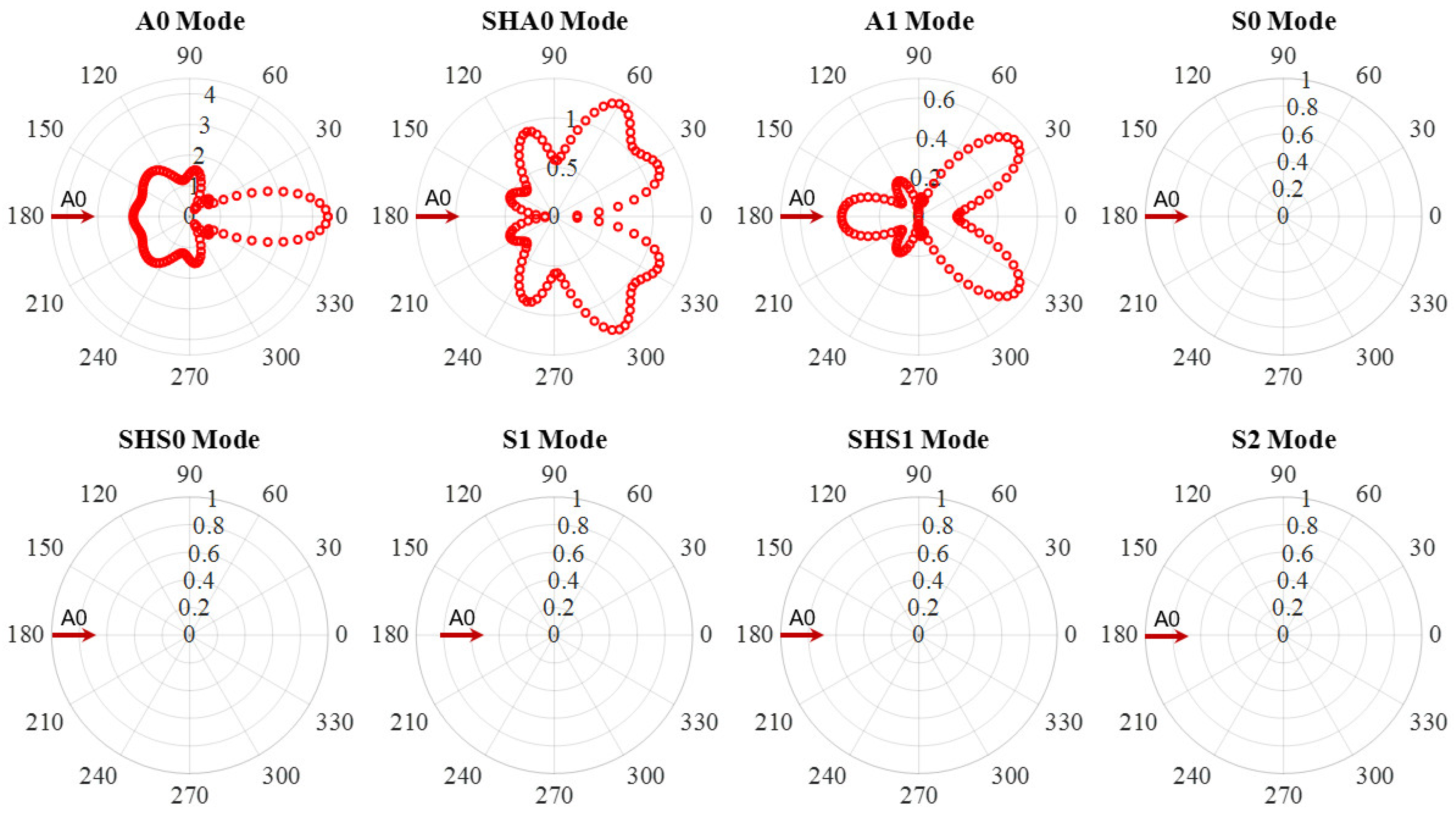
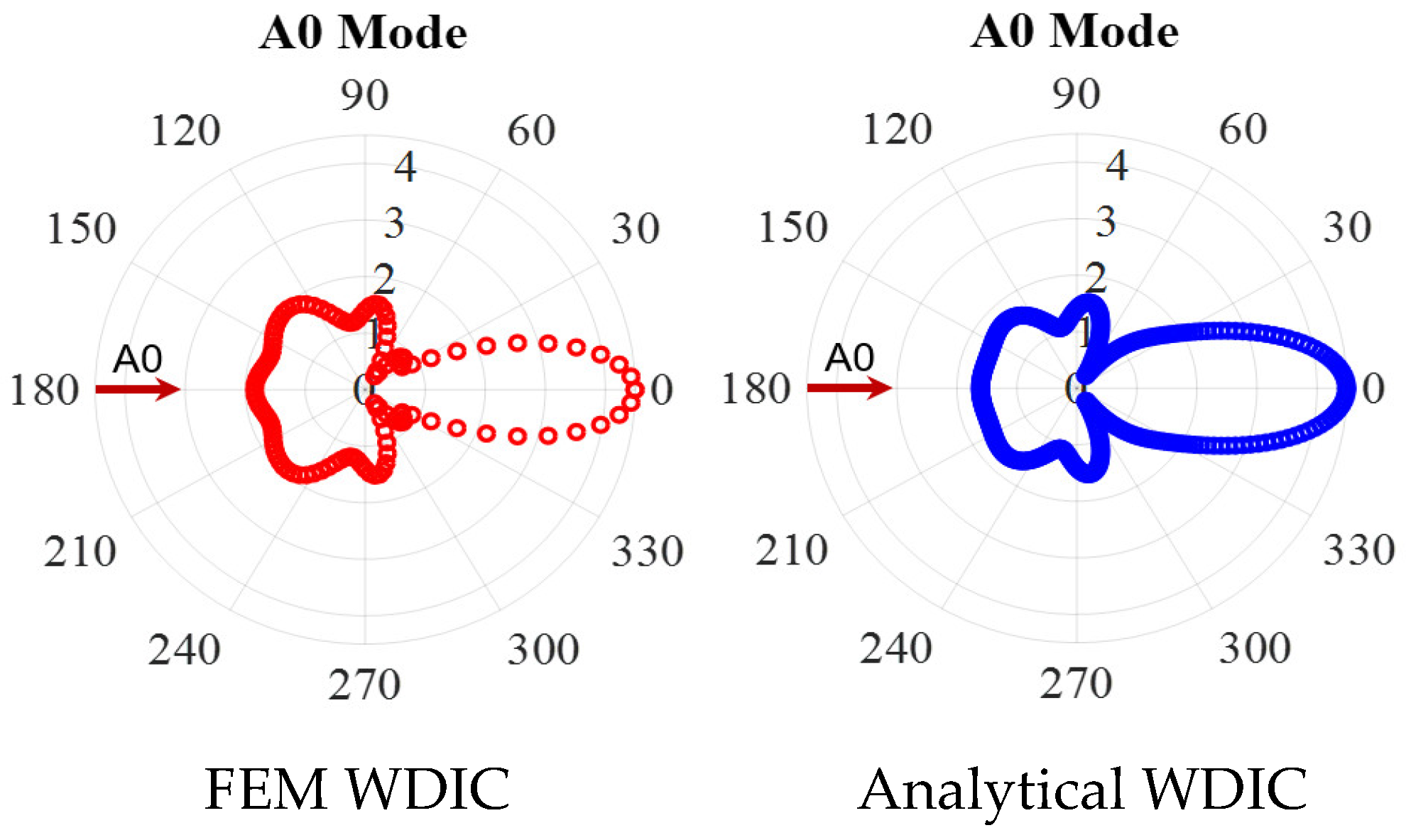
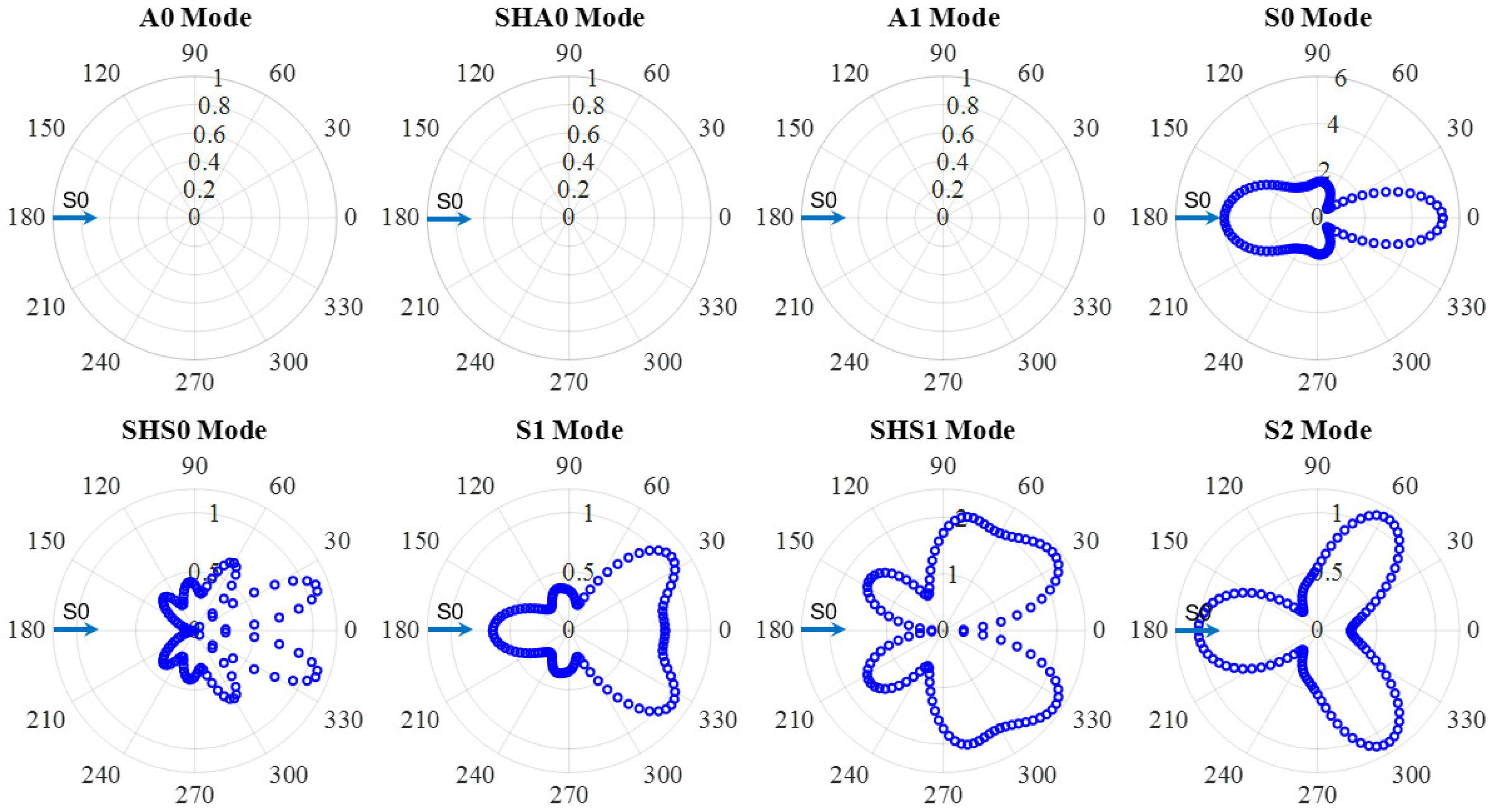
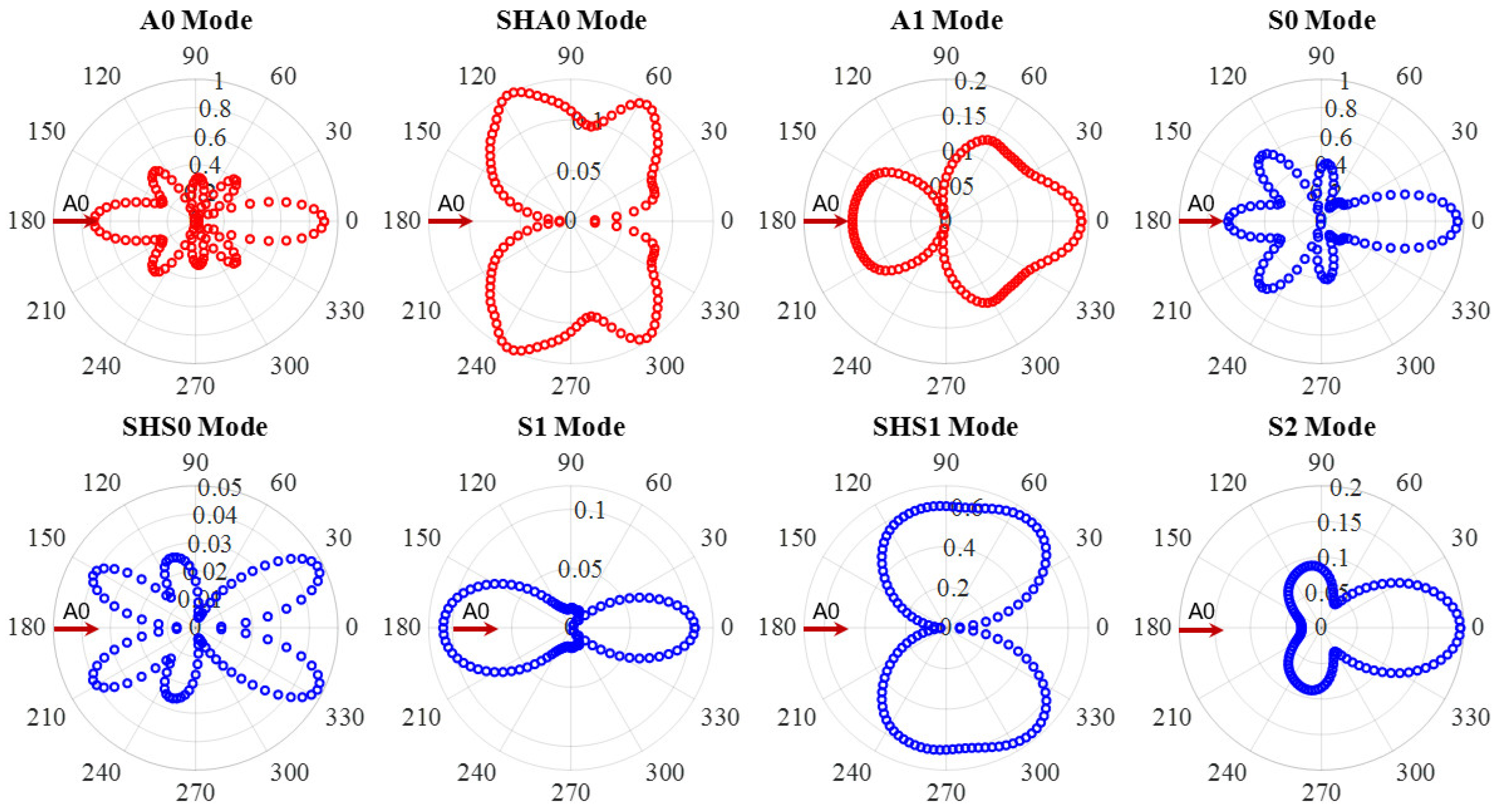
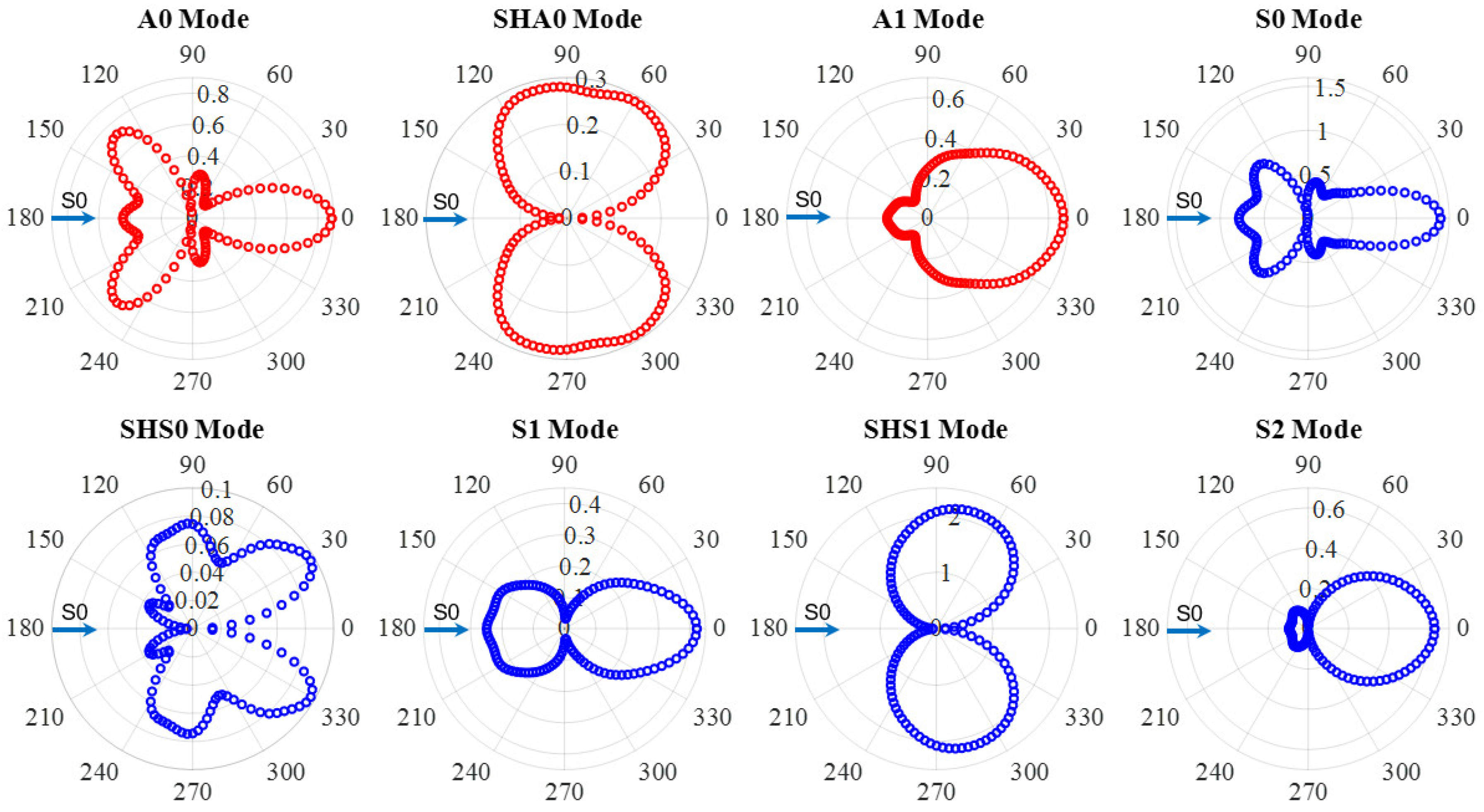
This paper presents a new technique for the extraction of high-order wave-damage interaction coefficients (WDIC) through modal decomposition. The frequency and direction dependent complex-valued WDIC are used to model the scattering and mode conversion phenomena of guided wave interaction with damage. These coefficients are extracted from the harmonic analysis of local finite element model (FEM) mesh with non-reflective boundaries (NRB) and they are capable of describing the amplitude and phase of the scattered waves as a function of frequency and direction. To extract the WDIC of each wave mode, all the possible propagating wave modes are considered to be scattered simultaneously from the damage and propagate independently. Formulated in frequency domain, the proposed method is highly efficient, providing an overdetermined equation system for the calculation of mode participation factors, i.e., WDIC of each mode. Case studies in a 6-mm aluminum plate were carried out to validate the WDIC of: (1) a through-thickness hole and (2) a sub-surface crack. At higher frequency, scattered waves of high-order modes will appear and their WDIC can be successfully extracted through the modal decomposition.
Keywords: guided waves; wave damage interaction; high-order modes; modal decomposition; finite element modeling; scattering; mode conversion guided waves; wave damage interaction; high-order modes; modal decomposition; finite element modeling; scattering; mode conversion