Review

Machine Learning Techniques for Differential Diagnosis of Vertigo and Dizziness: A Review
1
Department of Textile Technology, Indian Institute of Technology Delhi, New Delhi 110016, India
2
Department of Computer Science and Engineering, Indian Institute of Technology Delhi, New Delhi 110016, India
3
School of Computer Science, Faculty of Engineering and Information Technology, University of Technology Sydney, Sydney 2007, Australia
4
Central Clinical School, Faculty of Medicine and Health, University of Sydney, Sydney 2006, Australia
5
Institute of Clinical Neurosciences, Royal Prince Alfred Hospital, Sydney 2006, Australia
*
Author to whom correspondence should be addressed.
Sensors 2021, 21(22), 7565; https://doi.org/10.3390/s21227565
Submission received: 11 June 2021 / Revised: 9 November 2021 / Accepted: 11 November 2021 / Published: 14 November 2021

Abstract

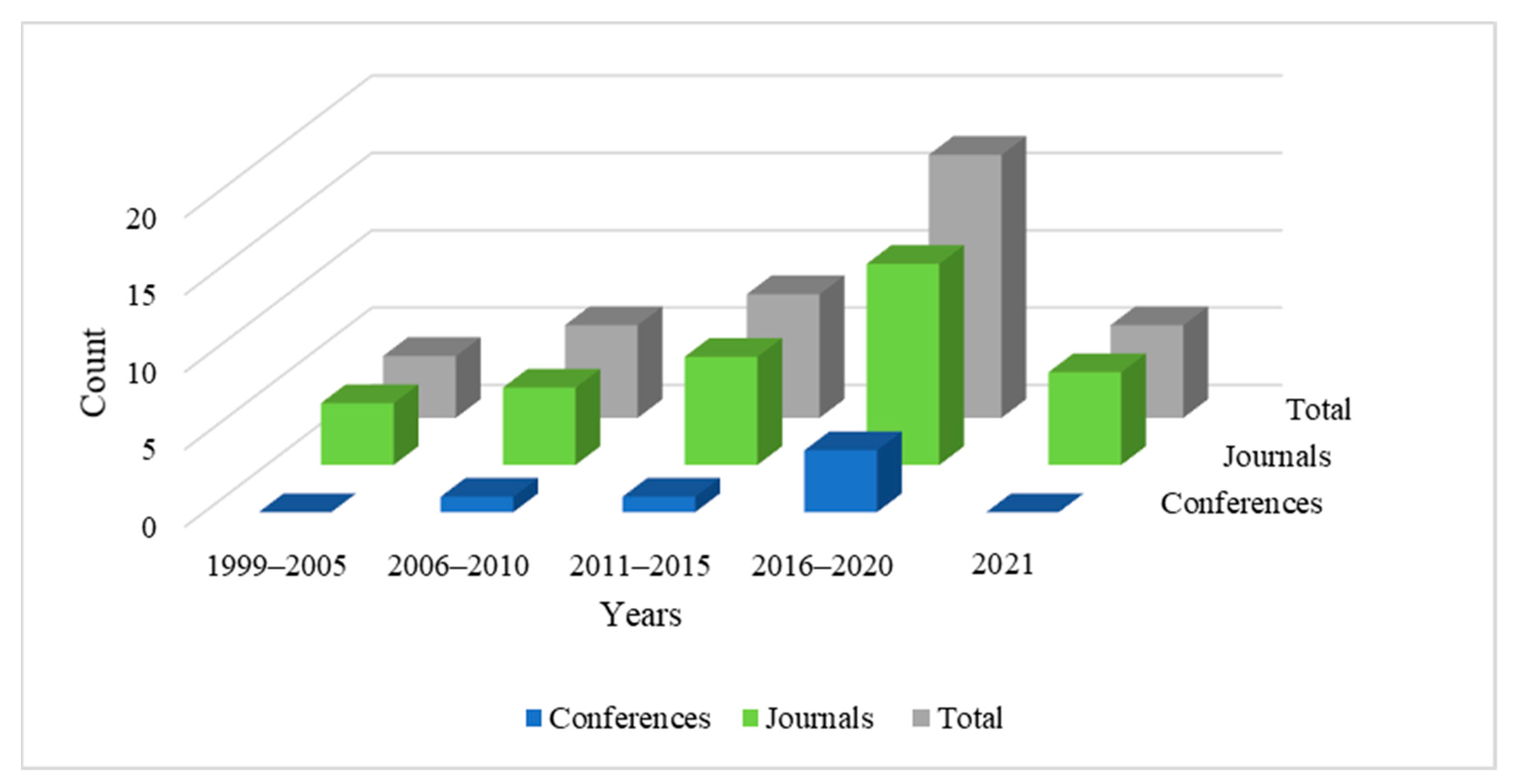
Vertigo is a sensation of movement that results from disorders of the inner ear balance organs and their central connections, with aetiologies that are often benign and sometimes serious. An individual who develops vertigo can be effectively treated only after a correct diagnosis of the underlying vestibular disorder is reached. Recent advances in artificial intelligence promise novel strategies for the diagnosis and treatment of patients with this common symptom. Human analysts may experience difficulties manually extracting patterns from large clinical datasets. Machine learning techniques can be used to visualize, understand, and classify clinical data to create a computerized, faster, and more accurate evaluation of vertiginous disorders. Practitioners can also use them as a teaching tool to gain knowledge and valuable insights from medical data. This paper provides a review of the literatures from 1999 to 2021 using various feature extraction and machine learning techniques to diagnose vertigo disorders. This paper aims to provide a better understanding of the work done thus far and to provide future directions for research into the use of machine learning in vertigo diagnosis.
Keywords: artificial intelligence; vertigo; dizziness; machine learning; feature extraction artificial intelligence; vertigo; dizziness; machine learning; feature extraction