Article

Unsupervised Learning with Generative Adversarial Network for Automatic Tire Defect Detection from X-ray Images

1
State Key Laboratory of Industrial Control Technology, College of Control Science and Engineering, Zhejiang University, Hangzhou 310027, China
2
Zhongce Rubber Group Co., Ltd., Hangzhou 310018, China
3
Zhejiang Laboratory, Hangzhou 311121, China
*
Author to whom correspondence should be addressed.
Sensors 2021, 21(20), 6773; https://doi.org/10.3390/s21206773
Submission received: 3 September 2021 / Revised: 8 October 2021 / Accepted: 8 October 2021 / Published: 12 October 2021
(This article belongs to the Section Intelligent Sensors)

Abstract

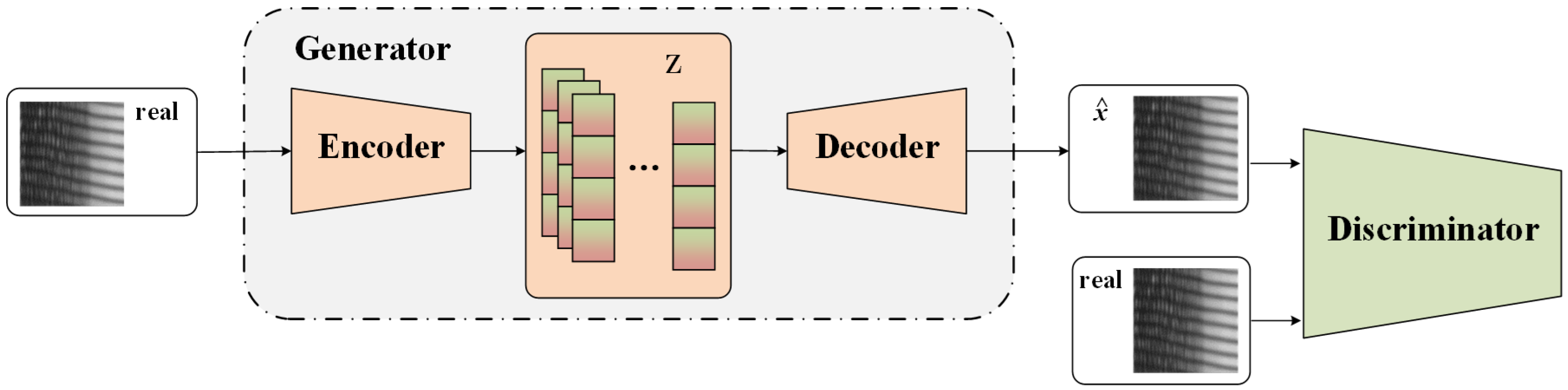
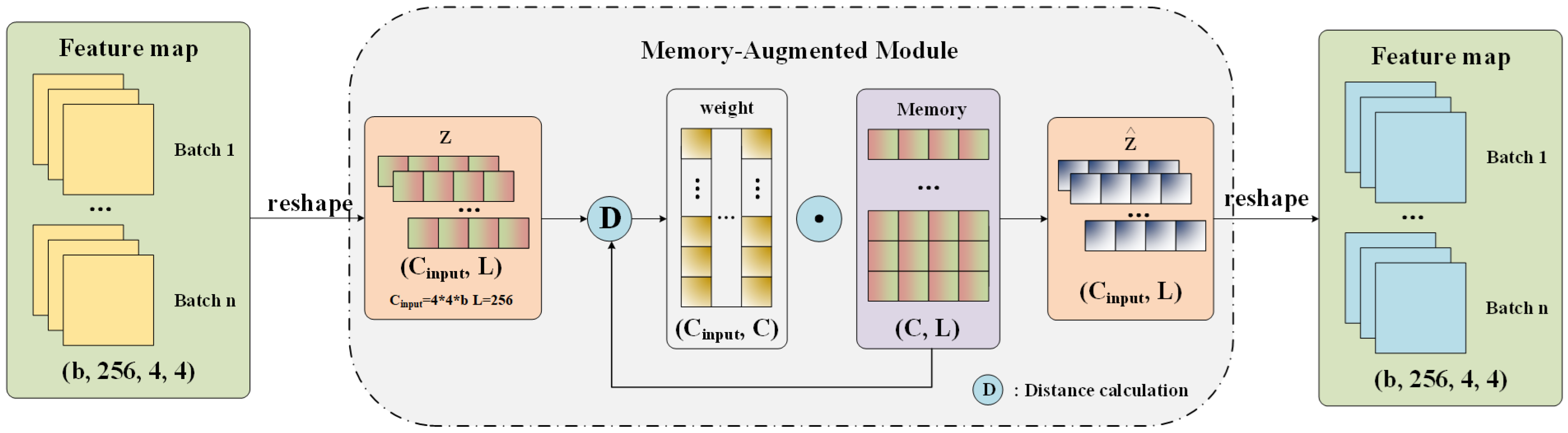
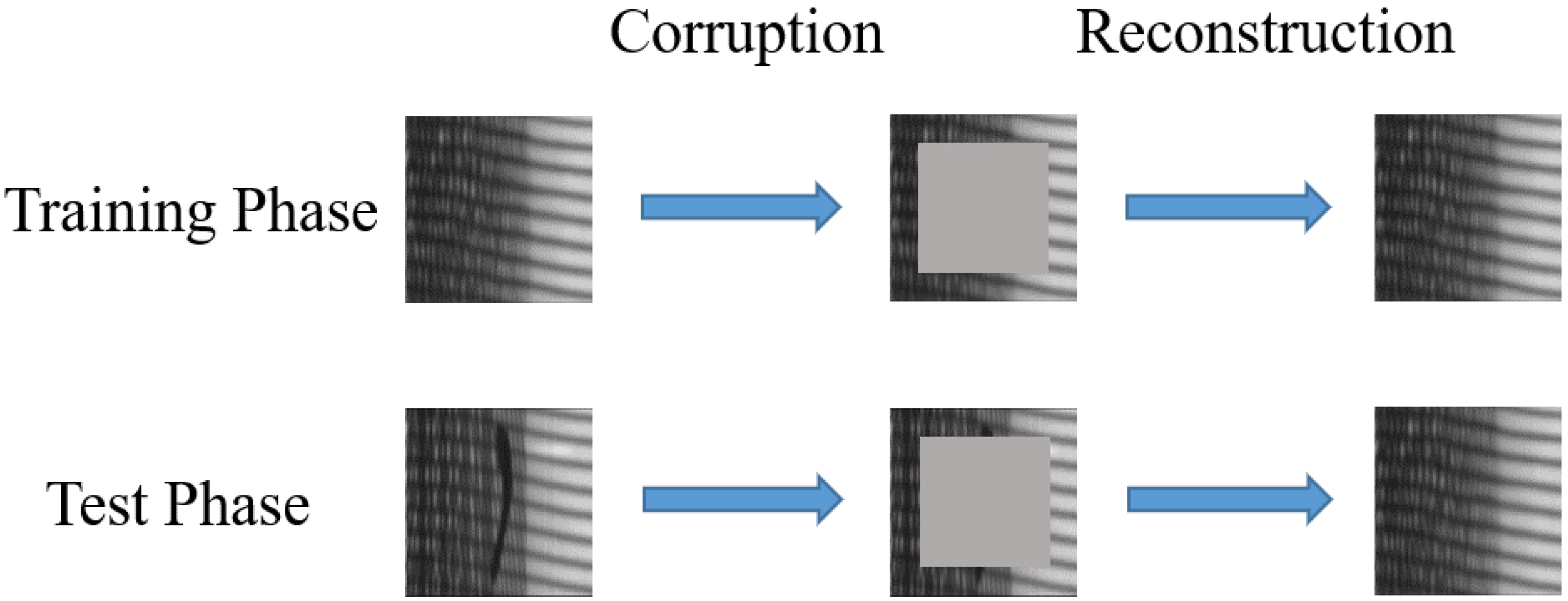
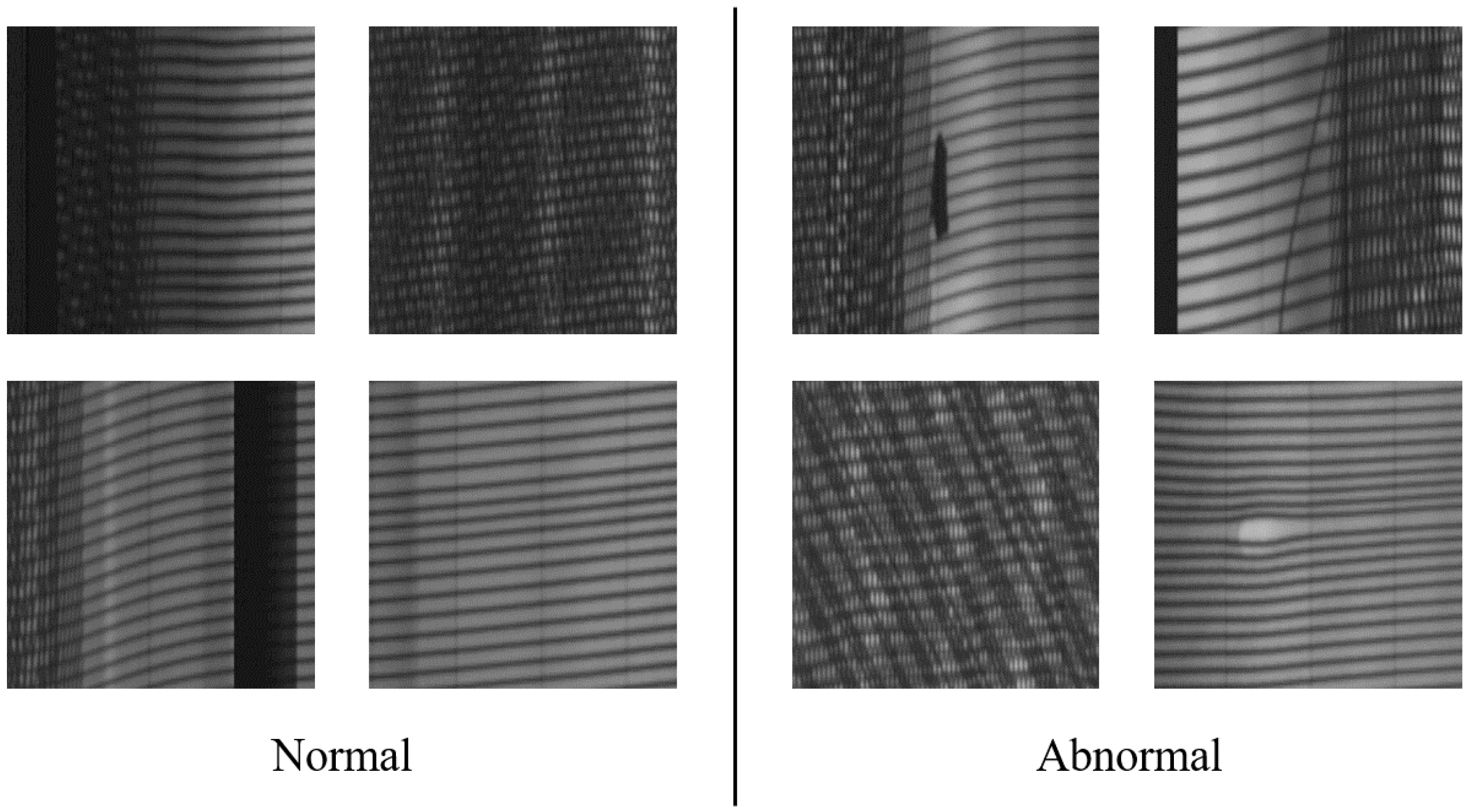
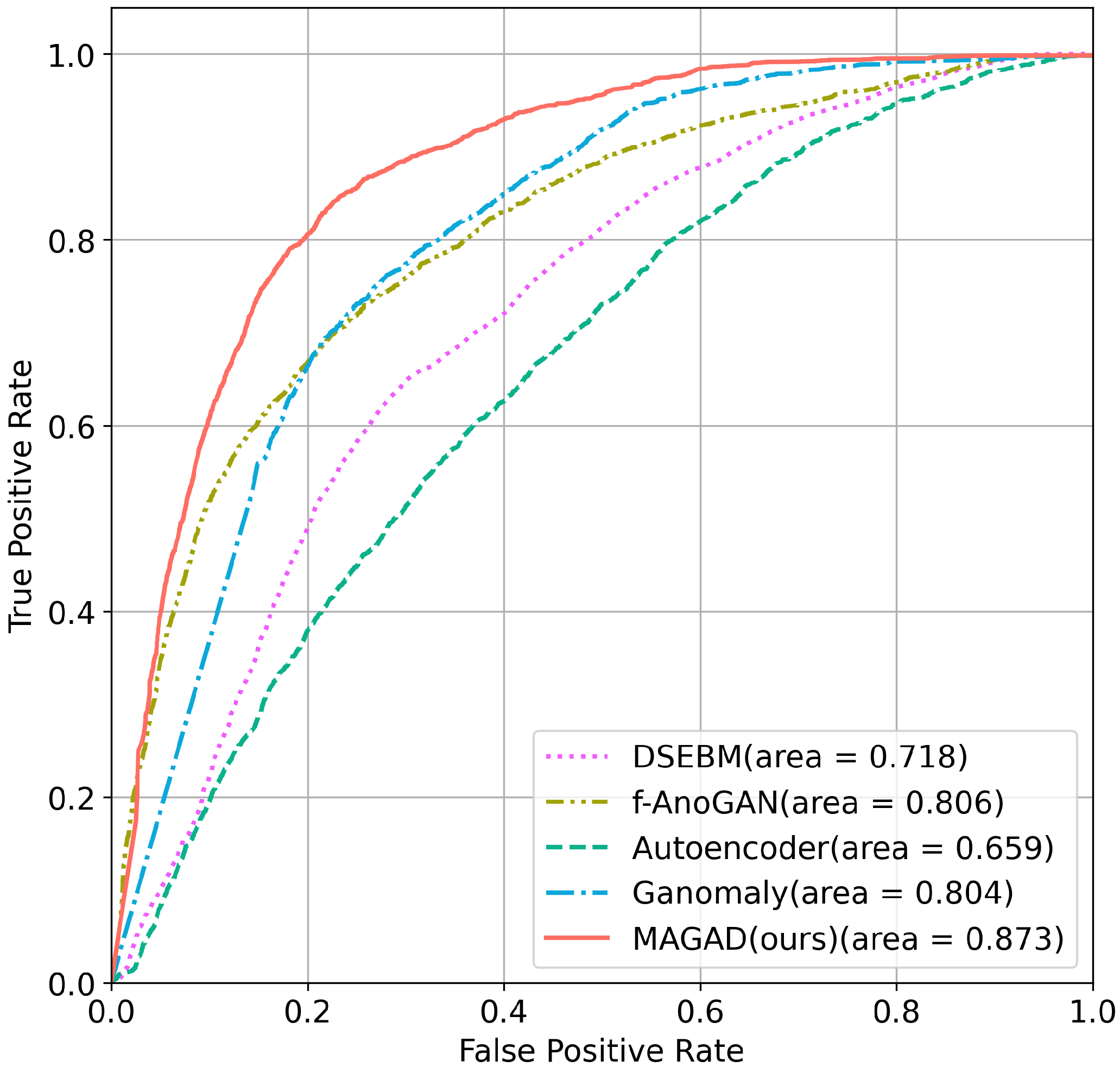
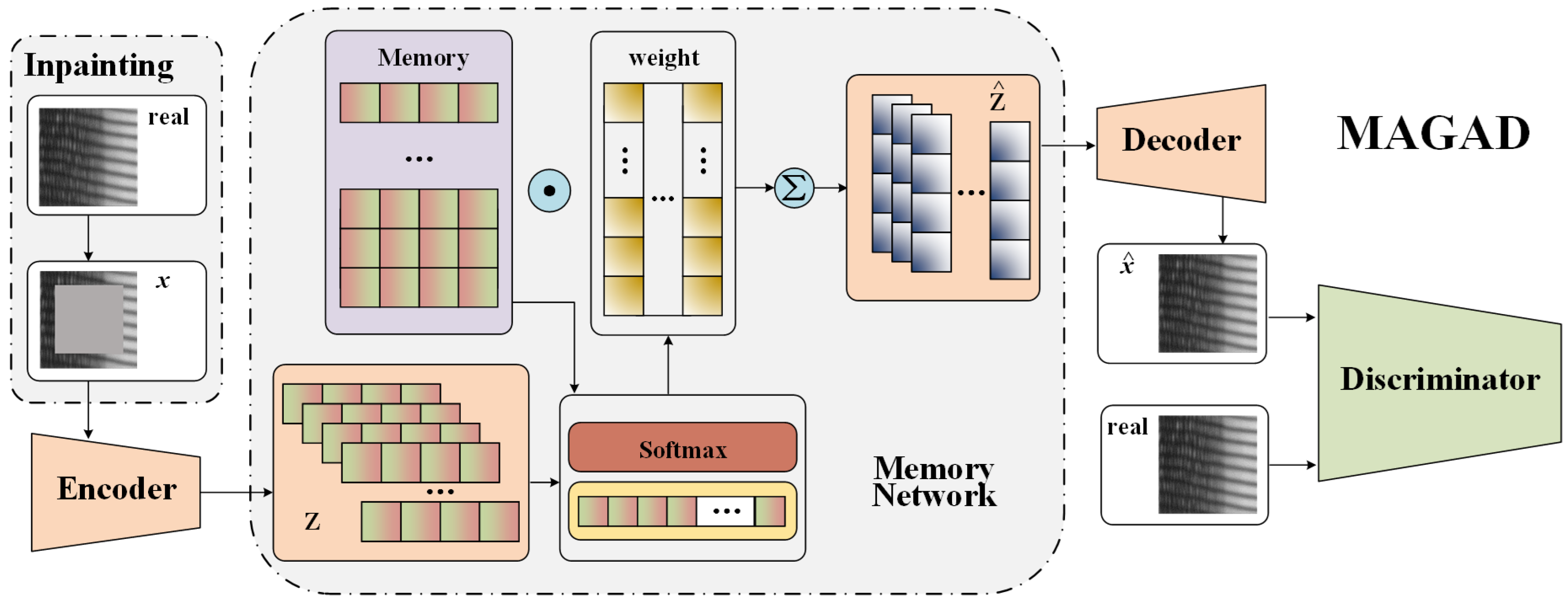
Automatic defect detection of tire has become an essential issue in the tire industry. However, it is challenging to inspect the inner structure of tire by surface detection. Therefore, an X-ray image sensor is used for tire defect inspection. At present, detection of defective tires is inefficient because tire factories commonly conduct detection by manually checking X-ray images. With the development of deep learning, supervised learning has been introduced to replace human resources. However, in actual industrial scenes, defective samples are rare in comparison to defect-free samples. The quantity of defective samples is insufficient for supervised models to extract features and identify nonconforming products from qualified ones. To address these problems, we propose an unsupervised approach, using no labeled defect samples for training. Moreover, we introduce an augmented reconstruction method and a self-supervised training strategy. The approach is based on the idea of reconstruction. In the training phase, only defect-free samples are used for training the model and updating memory items in the memory module, so the reproduced images in the test phase are bound to resemble defect-free images. The reconstruction residual is utilized to detect defects. The introduction of self-supervised training strategy further strengthens the reconstruction residual to improve detection performance. The proposed method is experimentally proved to be effective. The Area Under Curve (AUC) on a tire X-ray dataset reaches 0.873, so the proposed method is promising for application.
Keywords: generative adversarial network; tire defect detection; anomaly detection; image reconstruction; memory-augmented module generative adversarial network; tire defect detection; anomaly detection; image reconstruction; memory-augmented module