Article

Deep Learning Based Antenna Selection for MIMO SDR System †

1
College of Electronics and Information Engineering, Shenzhen University, Nanhai Avenue 3688, Shenzhen 518060, China
2
Guangdong Provincial Mobile Terminal Microwave and Millimeter Wave Antenna Engineering Research Center, College of Electronics and Information Engineering, Shenzhen University, Shenzhen 518060, China
*
Author to whom correspondence should be addressed.
This paper is an extended version of our paper published in Luo, H.; Xu, J.; Zhang, J.; Zhang, P.; Huang, L. Deep Learning Based Antenna Selection Aided Space-Time Shift Keying Systems. In Proceedings of the 2019 International Conference on Artificial Intelligence and Computer Science (AICS 2019), New York, NY, USA, 12–13 July 2019.
Sensors 2020, 20(23), 6987; https://doi.org/10.3390/s20236987
Submission received: 4 November 2020 / Revised: 1 December 2020 / Accepted: 4 December 2020 / Published: 7 December 2020
(This article belongs to the Special Issue Multi-Antenna Techniques for 5G and beyond 5G Communications)

Abstract

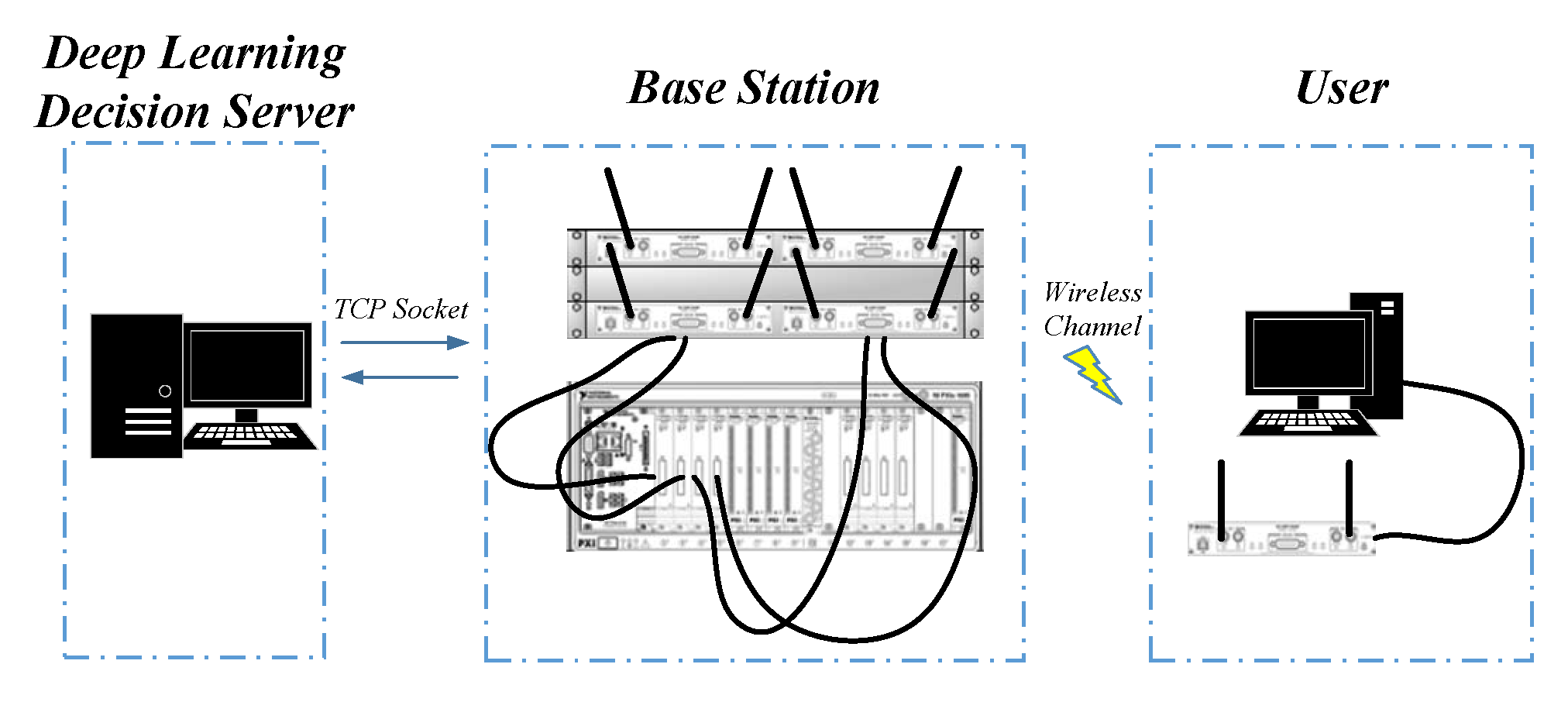
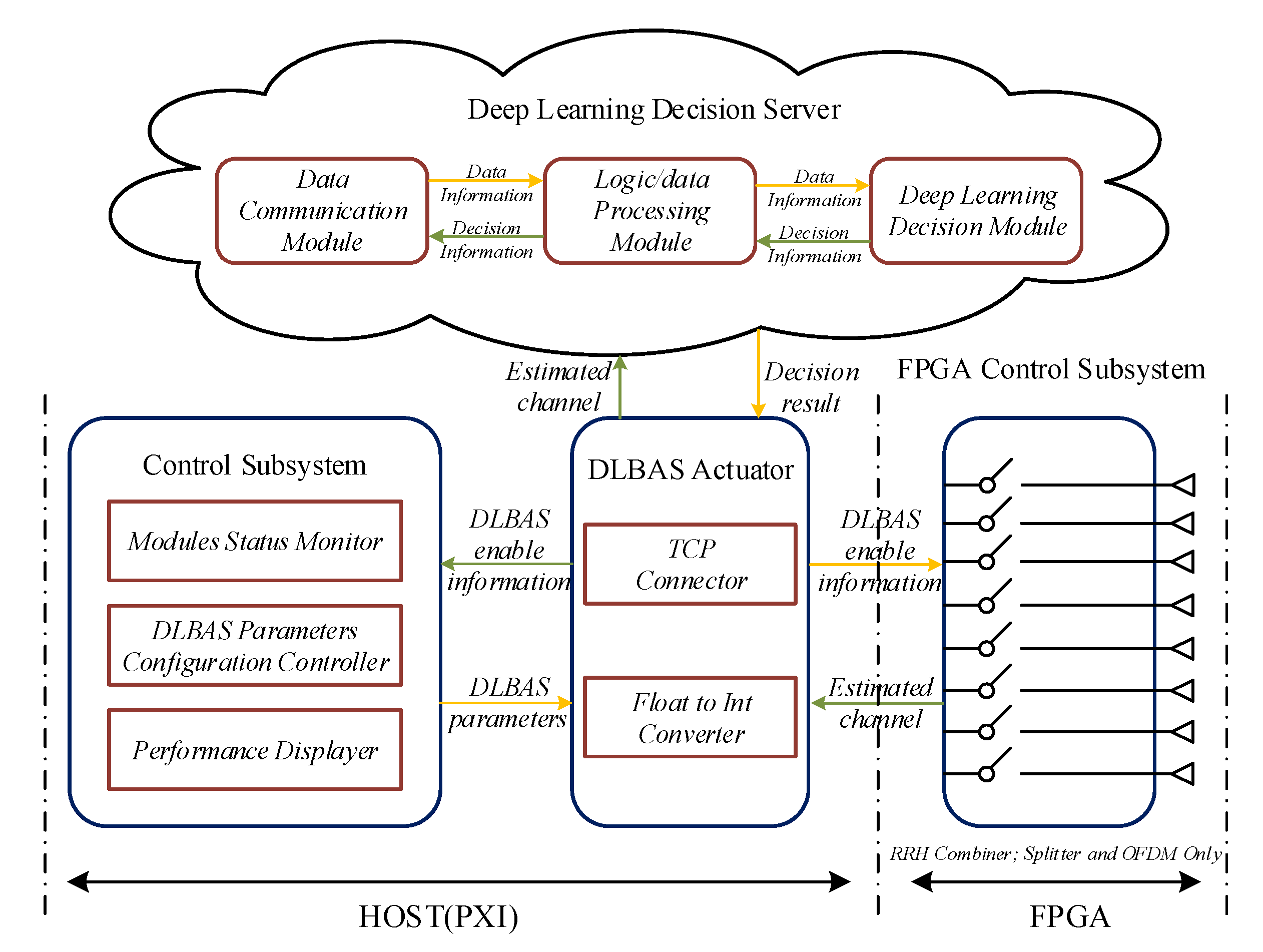
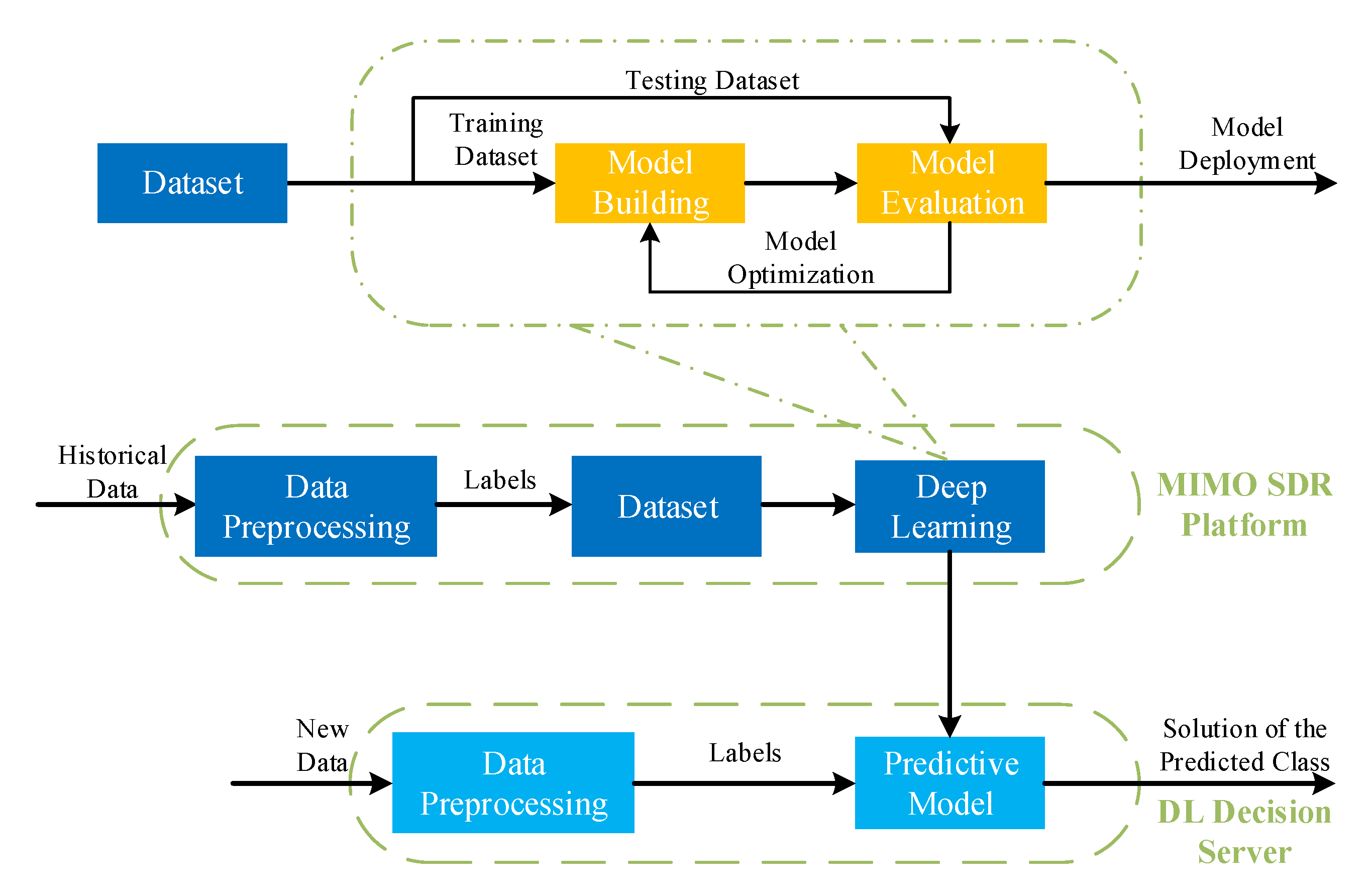
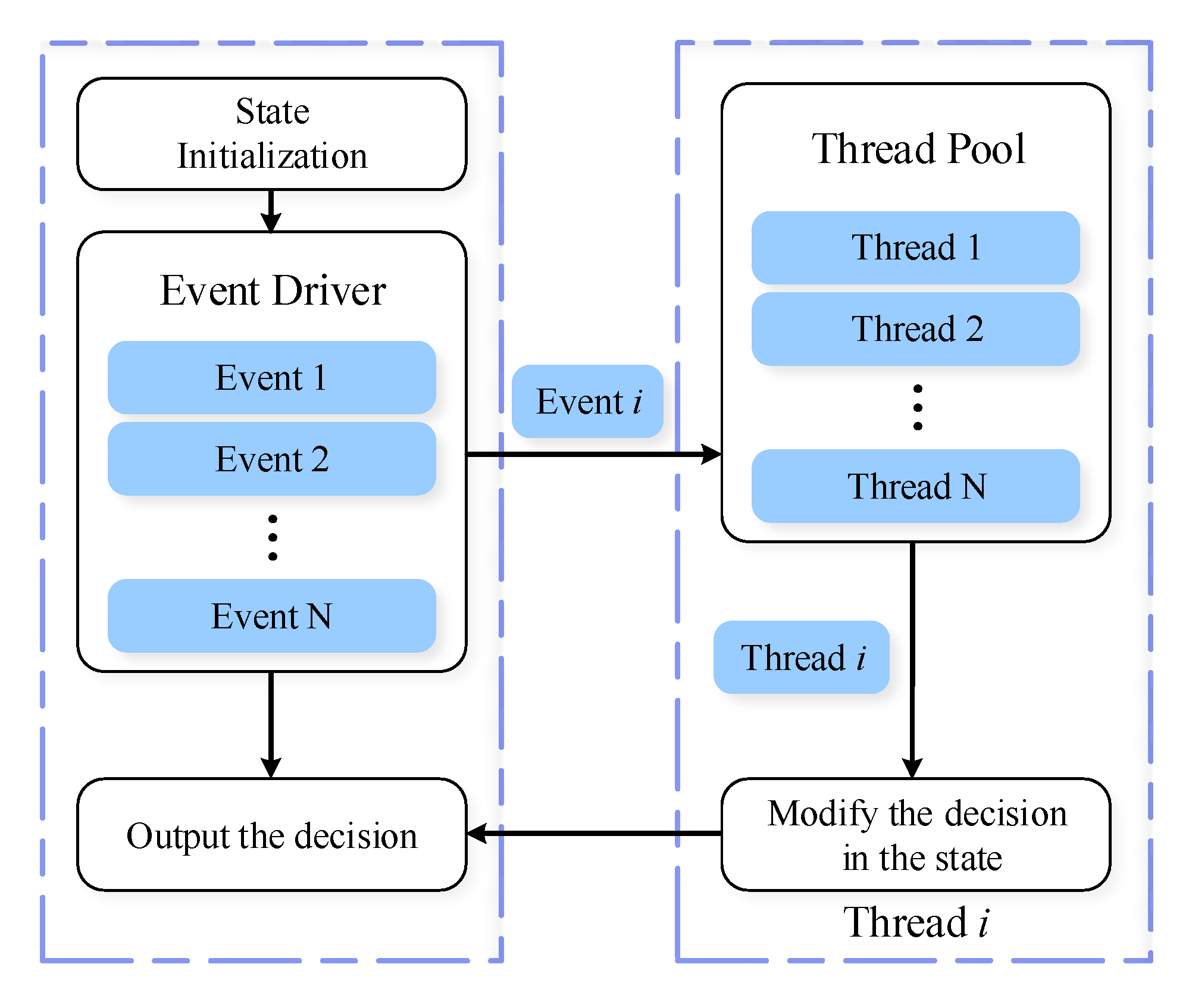
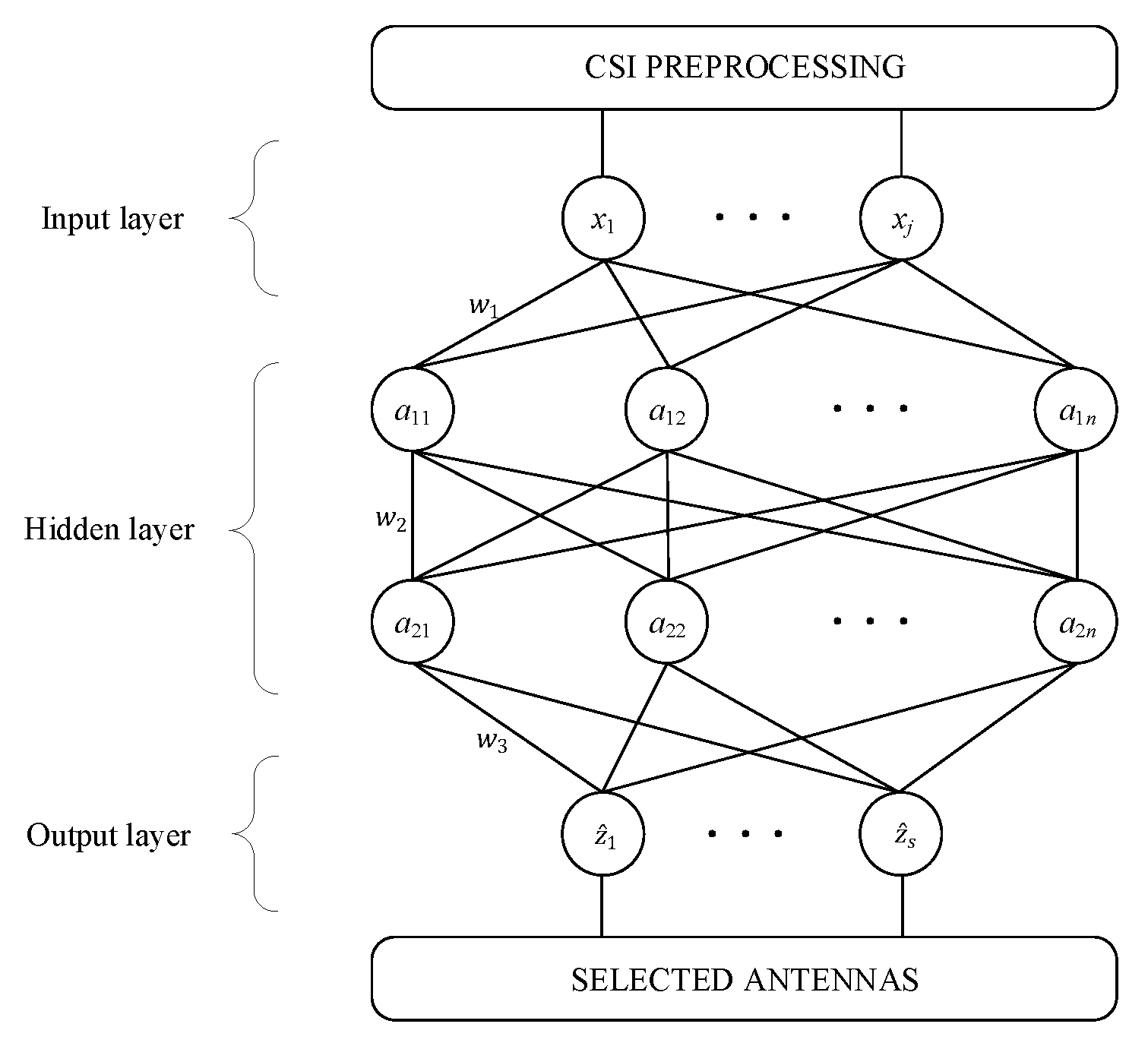
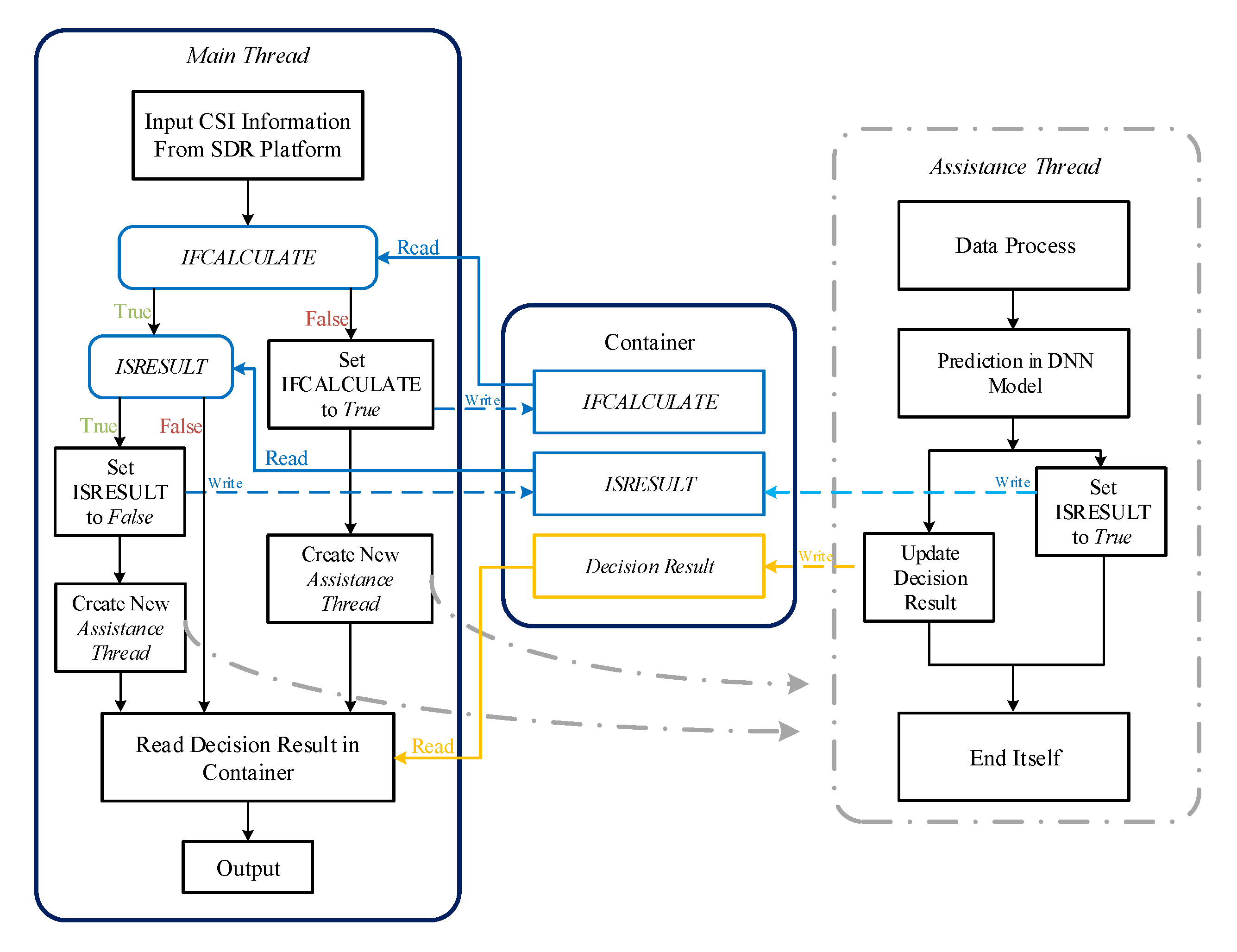
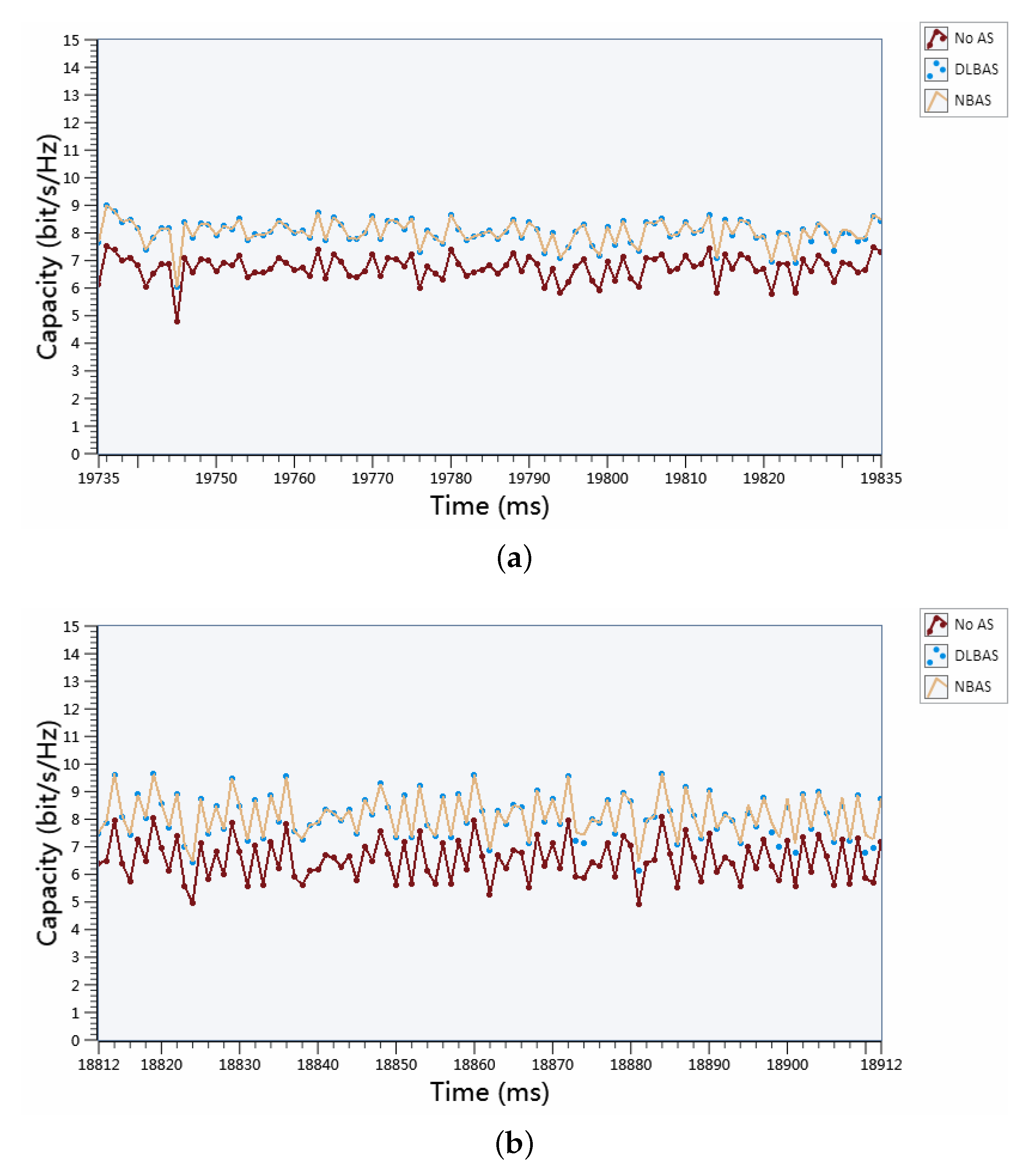
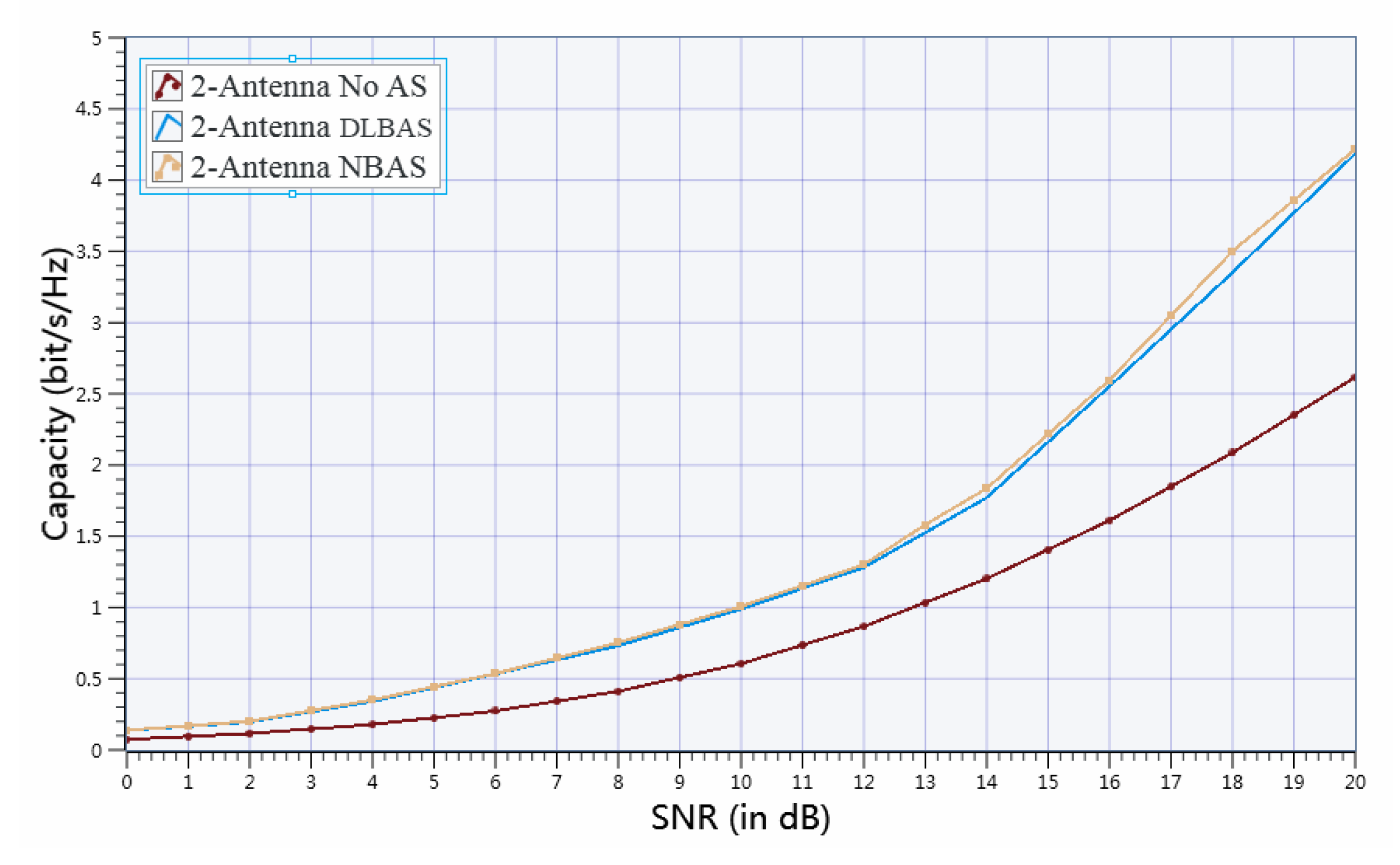
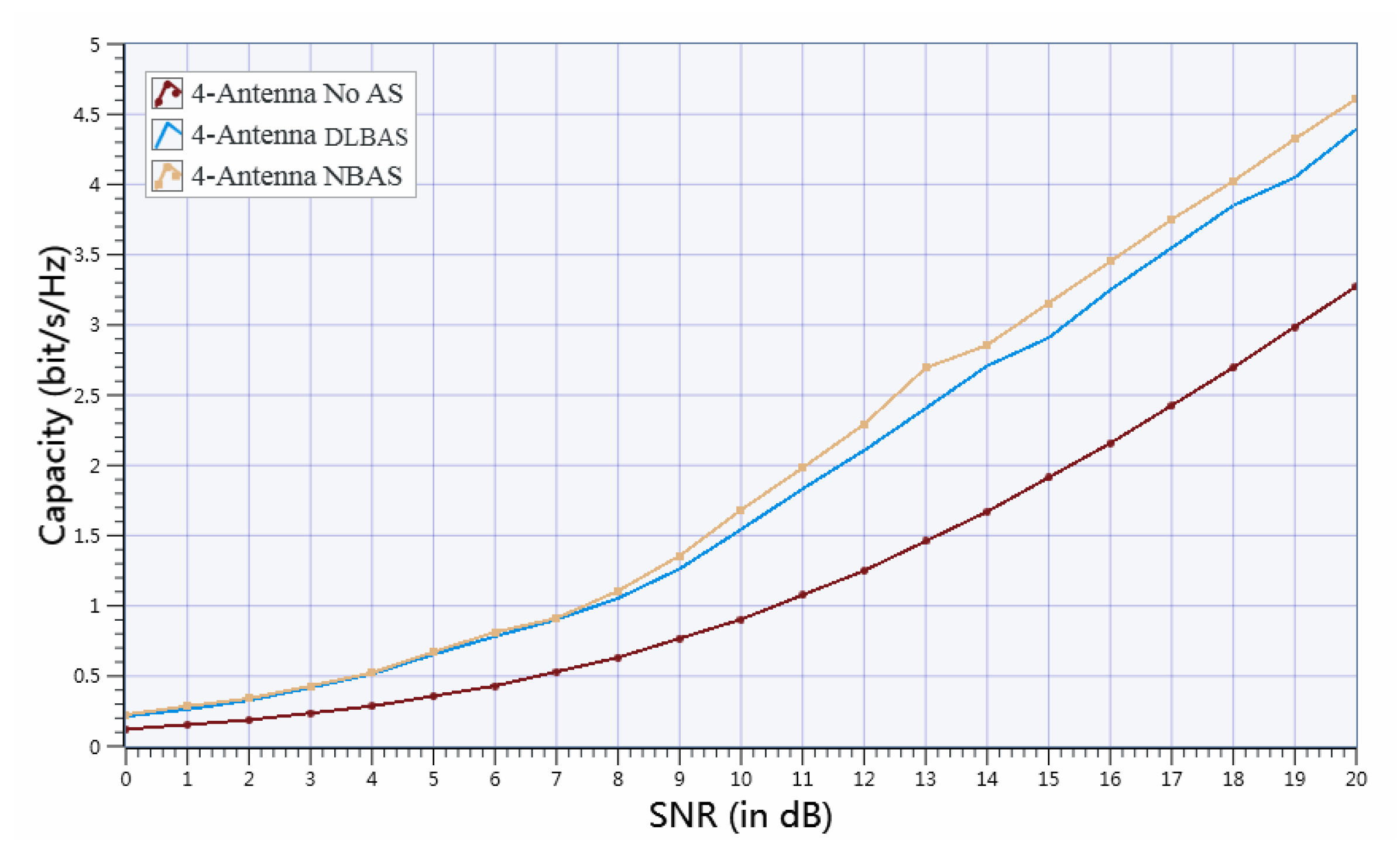
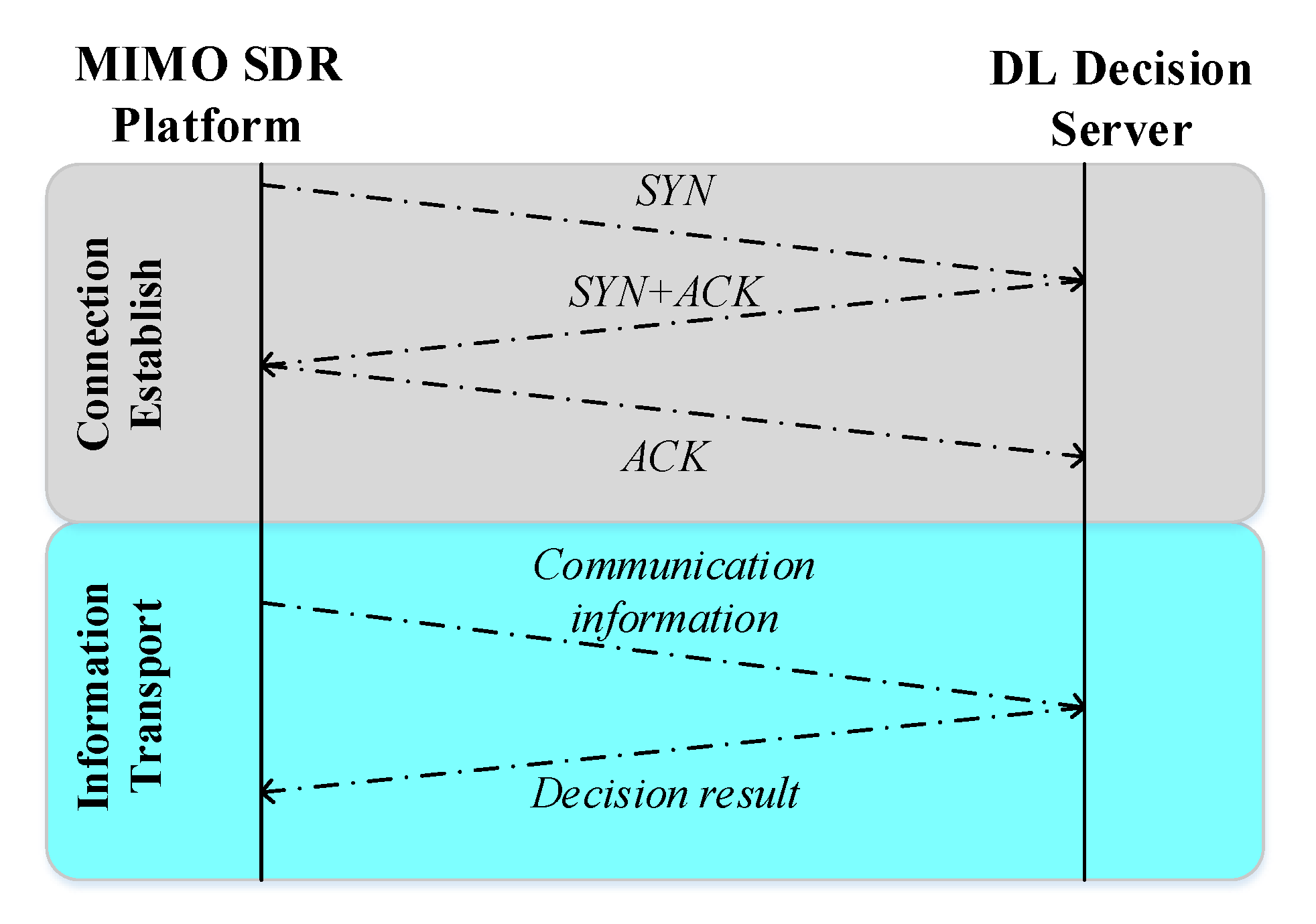
In this paper, we propose and implement a novel framework of deep learning based antenna selection (DLBAS)-aided multiple-input–multiple-output (MIMO) software defined radio (SDR) system. The system is constructed with the following three steps: (1) a MIMO SDR communication platform is first constructed, which is capable of achieving uplink communication from users to the base station via time division duplex (TDD); (2) we use the deep neural network (DNN) from our previous work to construct a deep learning decision server to assist the MIMO SDR platform for making intelligent decision for antenna selection, which transforms the optimization-driven decision making method into a data-driven decision making method; and (3) we set up the deep learning decision server as a multithreading server to improve the resource utilization ratio. To evaluate the performance of the DLBAS-aided MIMO SDR system, a norm-based antenna selection (NBAS) scheme is selected for comparison. The results show that the proposed DLBAS scheme performed equally to the NBAS scheme in real-time and out-performed the MIMO system without AS with up to 53% improvement on average channel capacity gain.
Keywords: antenna selection; deep learning; multiple-input multiple-output (MIMO); software defined radio (SDR); deep neural network (DNN) antenna selection; deep learning; multiple-input multiple-output (MIMO); software defined radio (SDR); deep neural network (DNN)