Article

Low-Cost FPGA-Based Electronic Control Unit for Vehicle Control Systems


by
Javier Pérez Fernández
,
Manuel Alcázar Vargas
,
Juan M. Velasco García
,
Juan A. Cabrera Carrillo
and
Juan J. Castillo Aguilar
*
Department of Mechanical Engineering, University of Málaga, 29071 Málaga, Spain
*
Author to whom correspondence should be addressed.
Sensors 2019, 19(8), 1834; https://doi.org/10.3390/s19081834
Submission received: 19 February 2019 / Revised: 29 March 2019 / Accepted: 13 April 2019 / Published: 17 April 2019
(This article belongs to the Section Intelligent Sensors)

Abstract

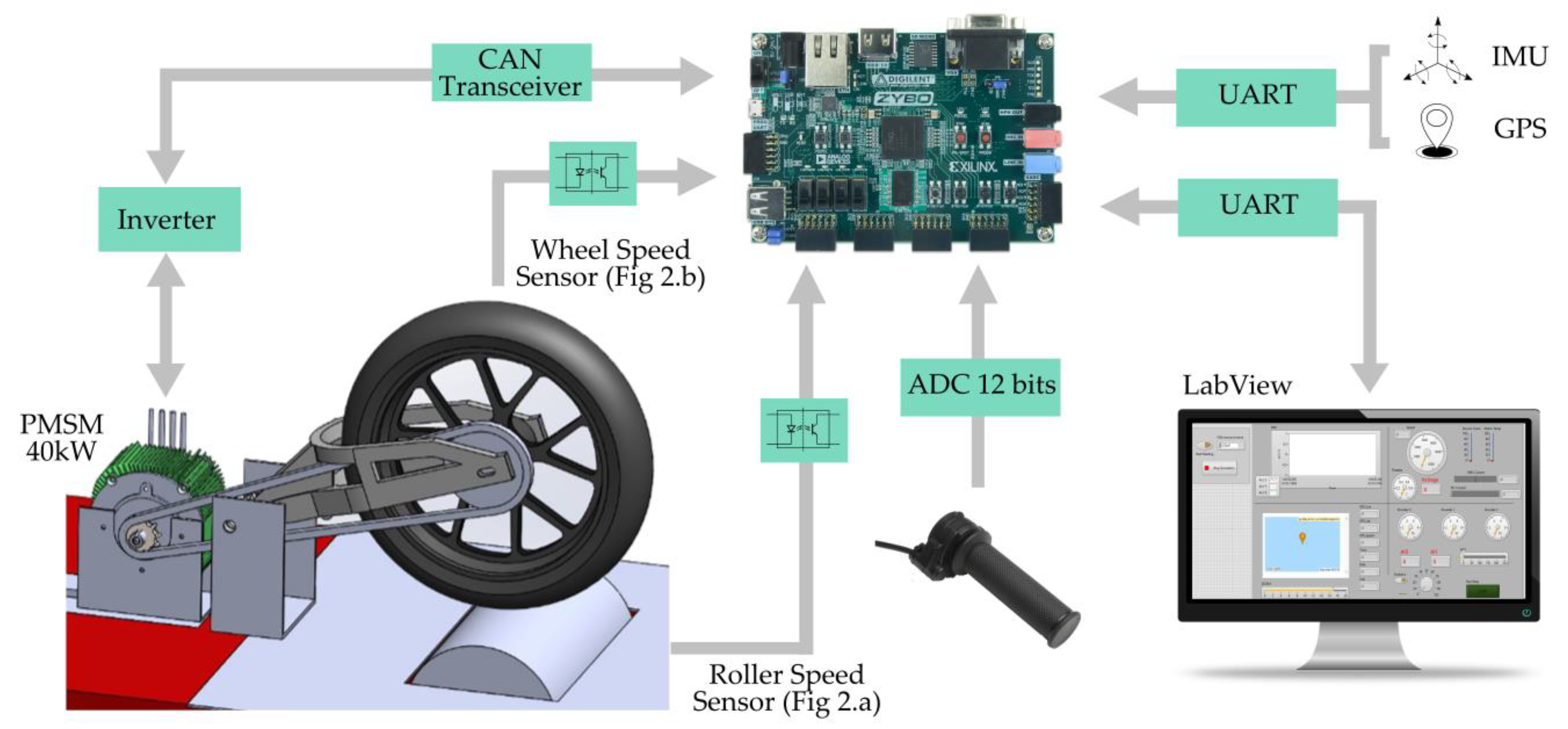
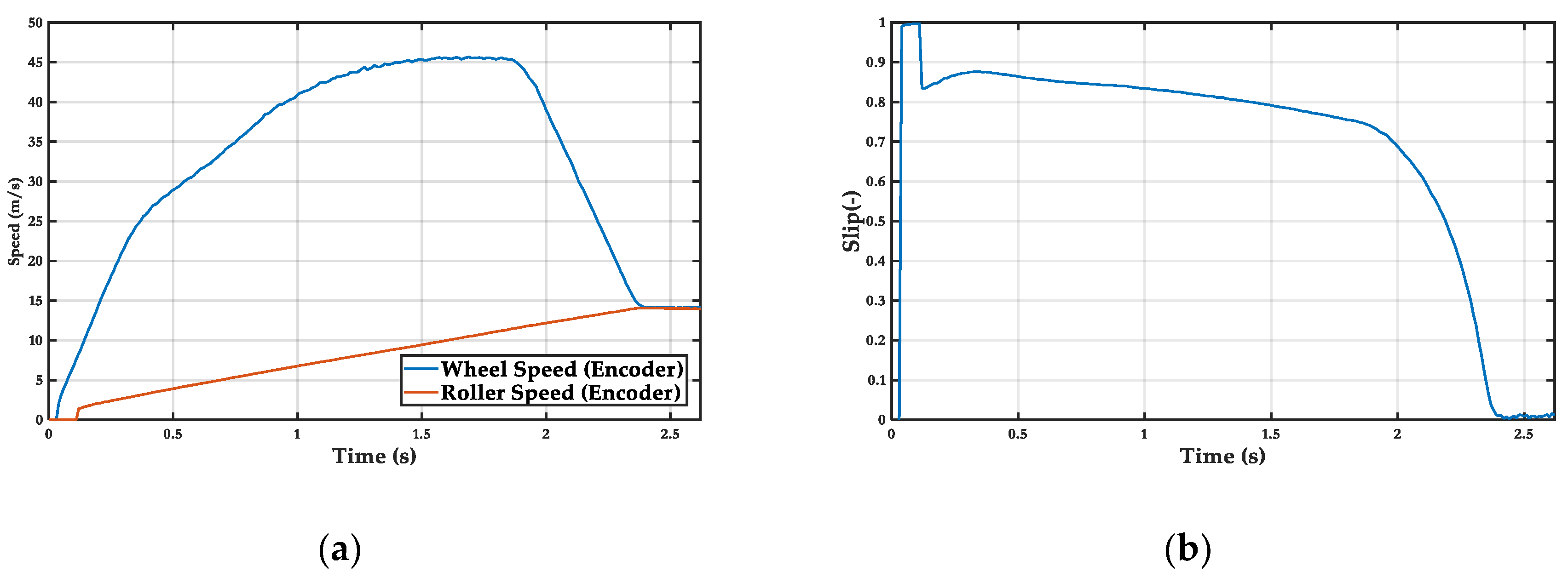
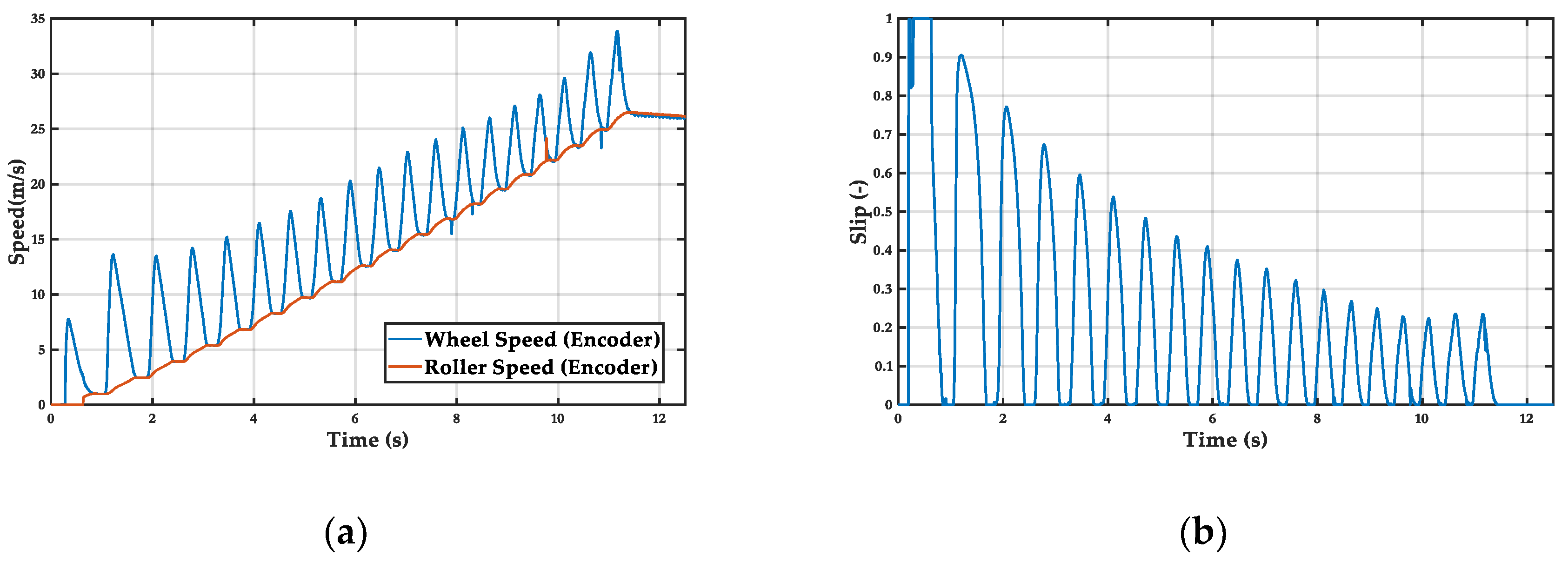
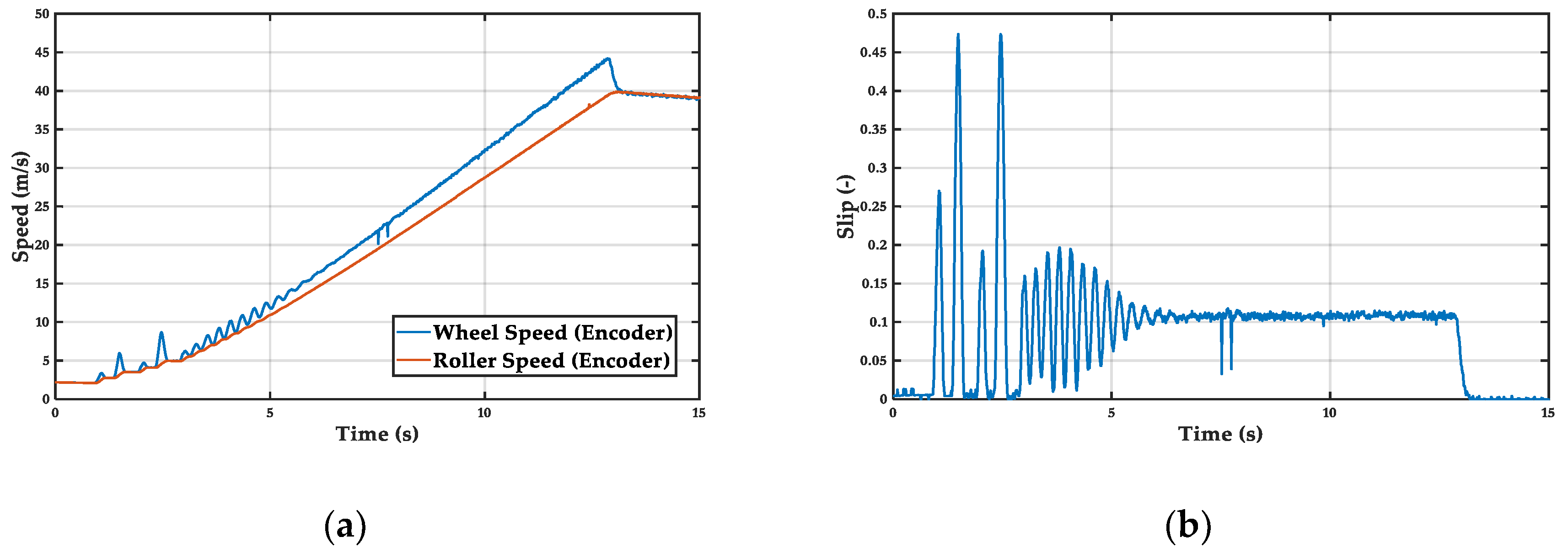
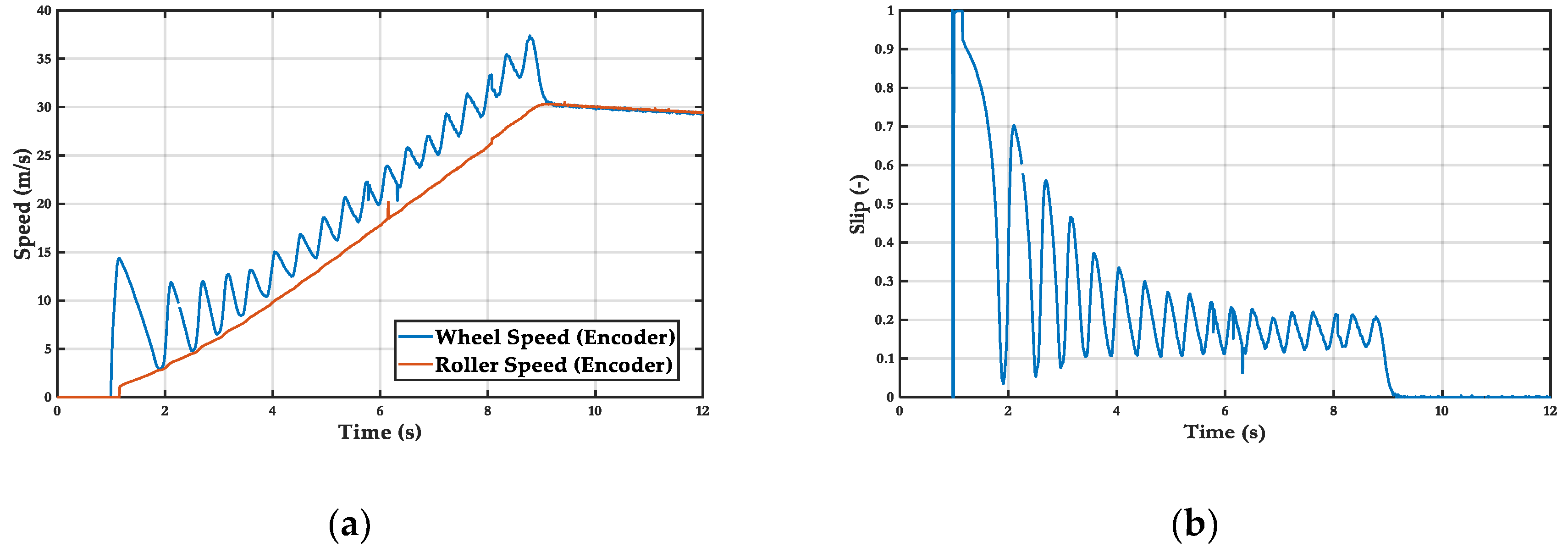
The development of new control algorithms in vehicles requires high economic resources, mainly due to the use of generic real-time instrumentation and control systems. In this work, we proposed a low-cost electronic control unit (ECU) that could be used for both development and implementation. The proposed electronic system used a hybrid system on chip (SoC) between a field-programmable gate array (FPGA) and an Advanced RISC (reduced instruction set computer) Machine (ARM) processor that allowed the execution of parallel tasks, fulfilling the real-time requirements that vehicle controls demand. Another feature of the proposed electronic system was the recording of measured data, allowing the performance of the implemented algorithm to be evaluated. All this was achieved by using modular programming that, without the need for a real-time operating system, executed the different tasks to be performed, exploiting the parallelism offered by the FPGA as well as the dual core of the ARM processor. This methodology facilitates the transition between the designing, testing, and implementation stages in the vehicle. In addition, our system is programmed with a single binary file that integrates the code of all processors as well as the hardware description of the FPGA, which speeds up the updating process. In order to validate and demonstrate the performance of the proposed electronic system as a tool for the development and implementation of control algorithms in vehicles, a series of tests was carried out on a test bench. Different traction control system (TCS) algorithms were implemented and the results were compared.
Keywords: data acquisition; ECU; FPGA; TCS; vehicle control data acquisition; ECU; FPGA; TCS; vehicle control
Graphical Abstract