Article

Exploring Cladocera Assemblage and Responses to Land Use Patterns

1
Department of Hydrobiology, University of Debrecen, Egyetem Square 1, H-4032 Debrecen, Hungary
2
Pál-Juhász Nagy Doctoral School of Biology and Environmental Science, University of Debrecen, Egyetem tér 1, H-4032 Debrecen, Hungary
3
Department of Natural Sciences, School of Pure and Applied Sciences, Mount Kenya University, Thika P.O. Box 342-01000, Kenya
4
National Laboratory for Water Science and Water Security, Department of Hydrobiology, University of Debrecen, Egyetem tér 1, H-4032 Debrecen, Hungary
5
Department of Inorganic and Analytical Chemistry, Faculty of Science and Technology, University of Debrecen, Egyetem tér 1, H-4032 Debrecen, Hungary
6
Department of Limnology, University of Pannonia, Egyetem u. 10, H-8200 Veszprém, Hungary
7
Department of Aquatic Environmental Sciences, Ludovika University of Public Service, Bajcsy-Zsilinszky Str. 12-14, H-6500 Baja, Hungary
*
Author to whom correspondence should be addressed.
Diversity 2025, 17(9), 642; https://doi.org/10.3390/d17090642
Submission received: 3 June 2025 / Revised: 18 August 2025 / Accepted: 22 August 2025 / Published: 12 September 2025
(This article belongs to the Special Issue Diversity and Ecology of Freshwater Plankton)

Abstract

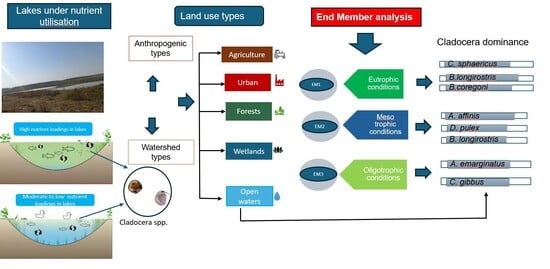
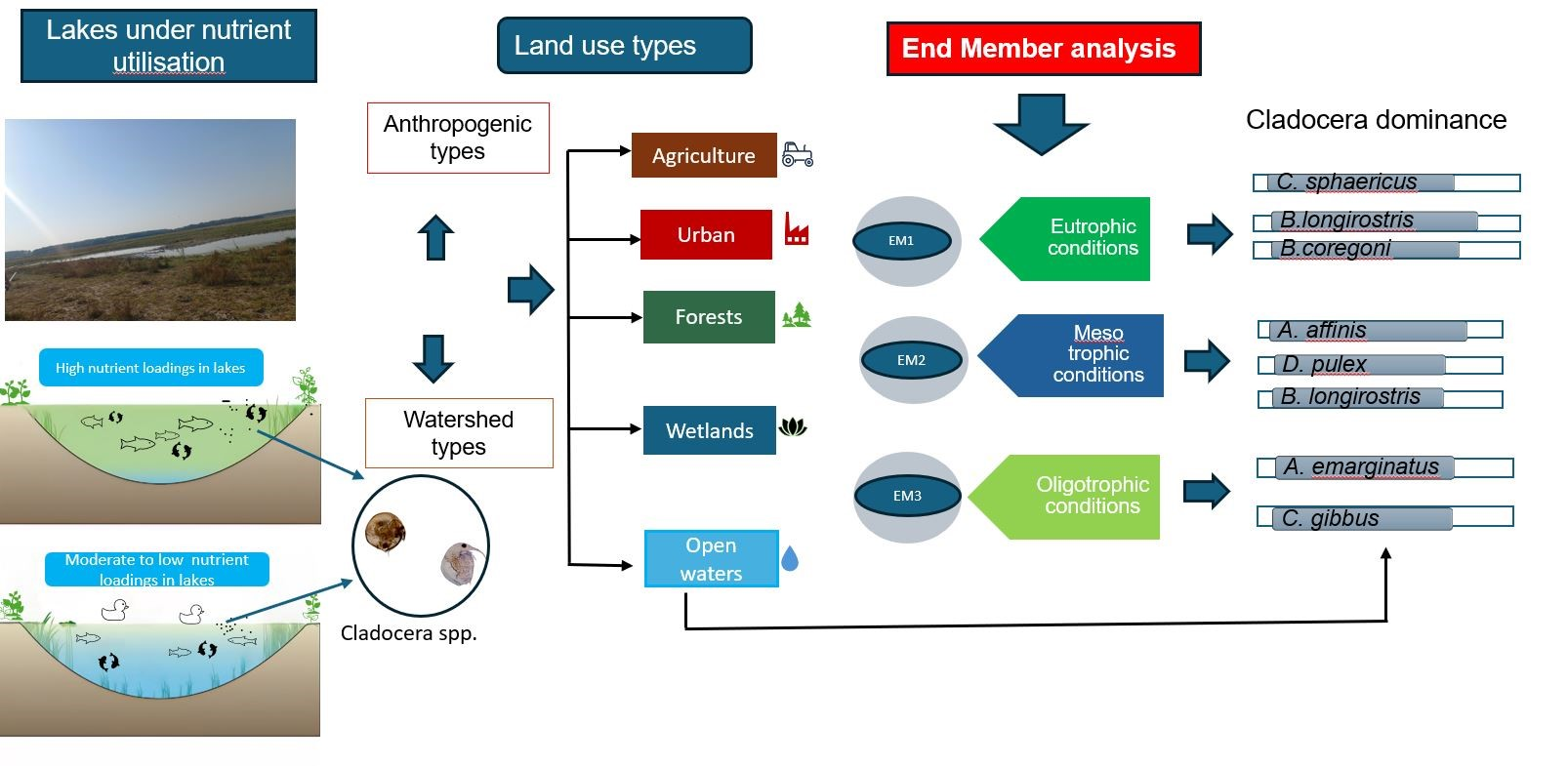
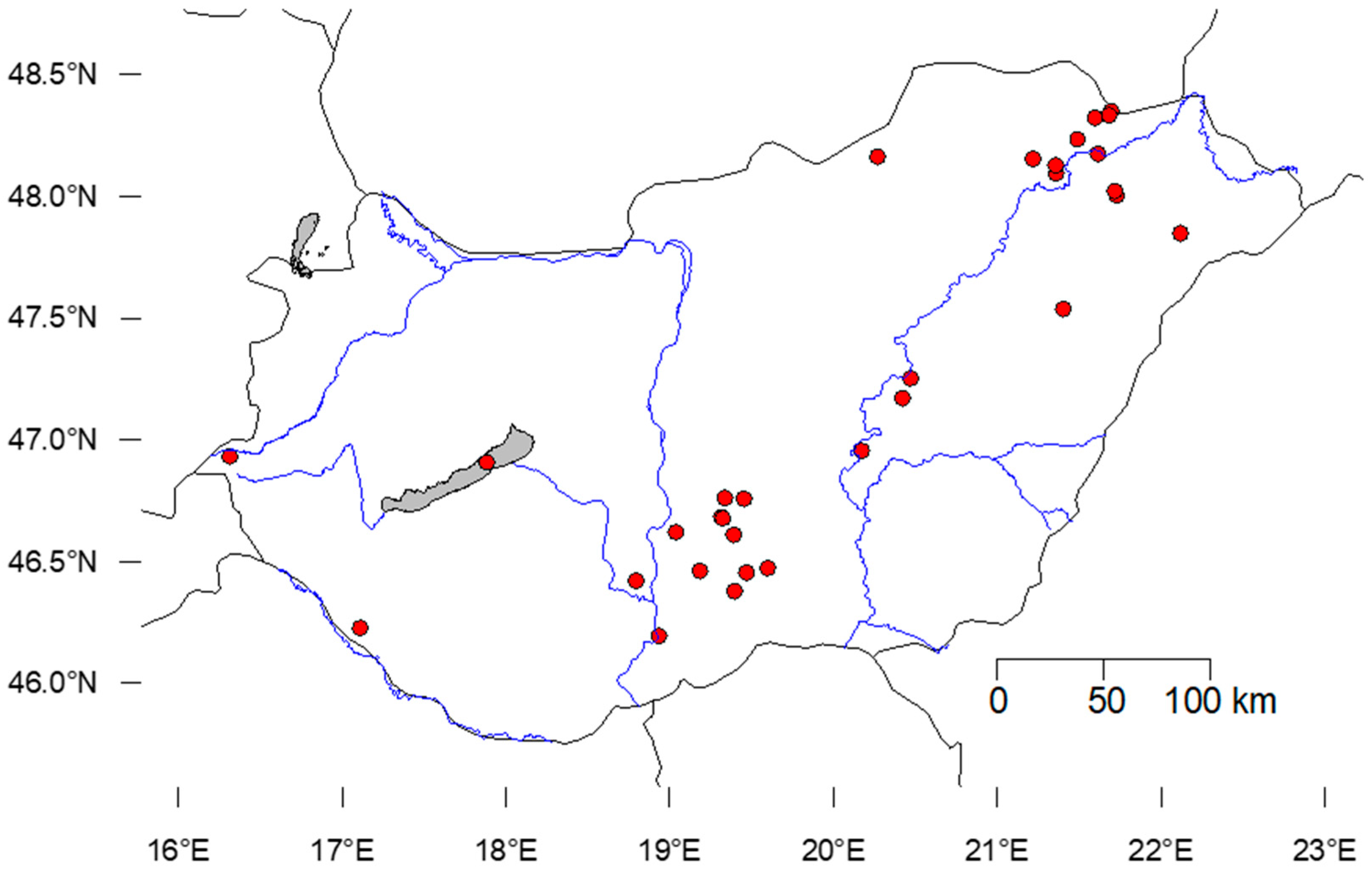
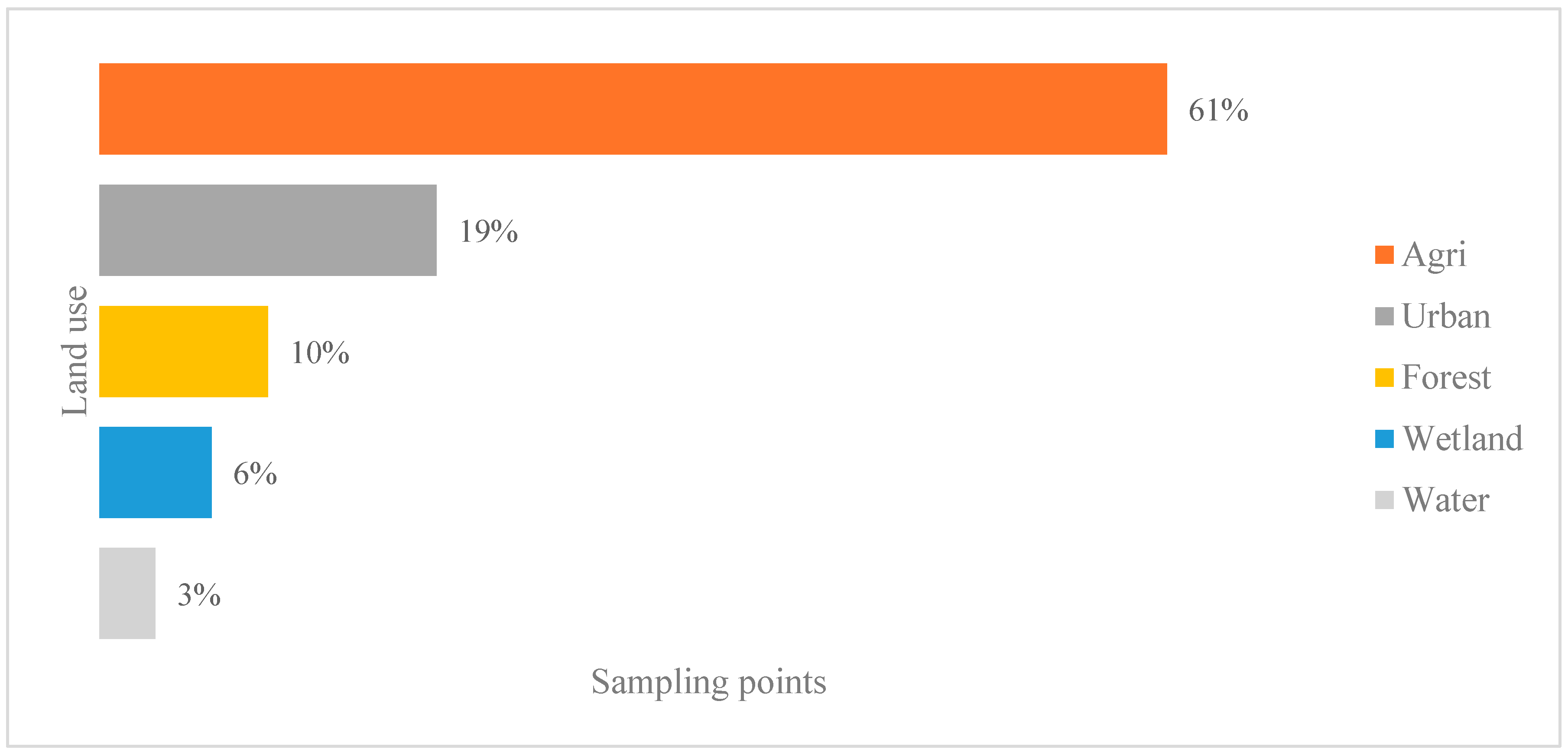
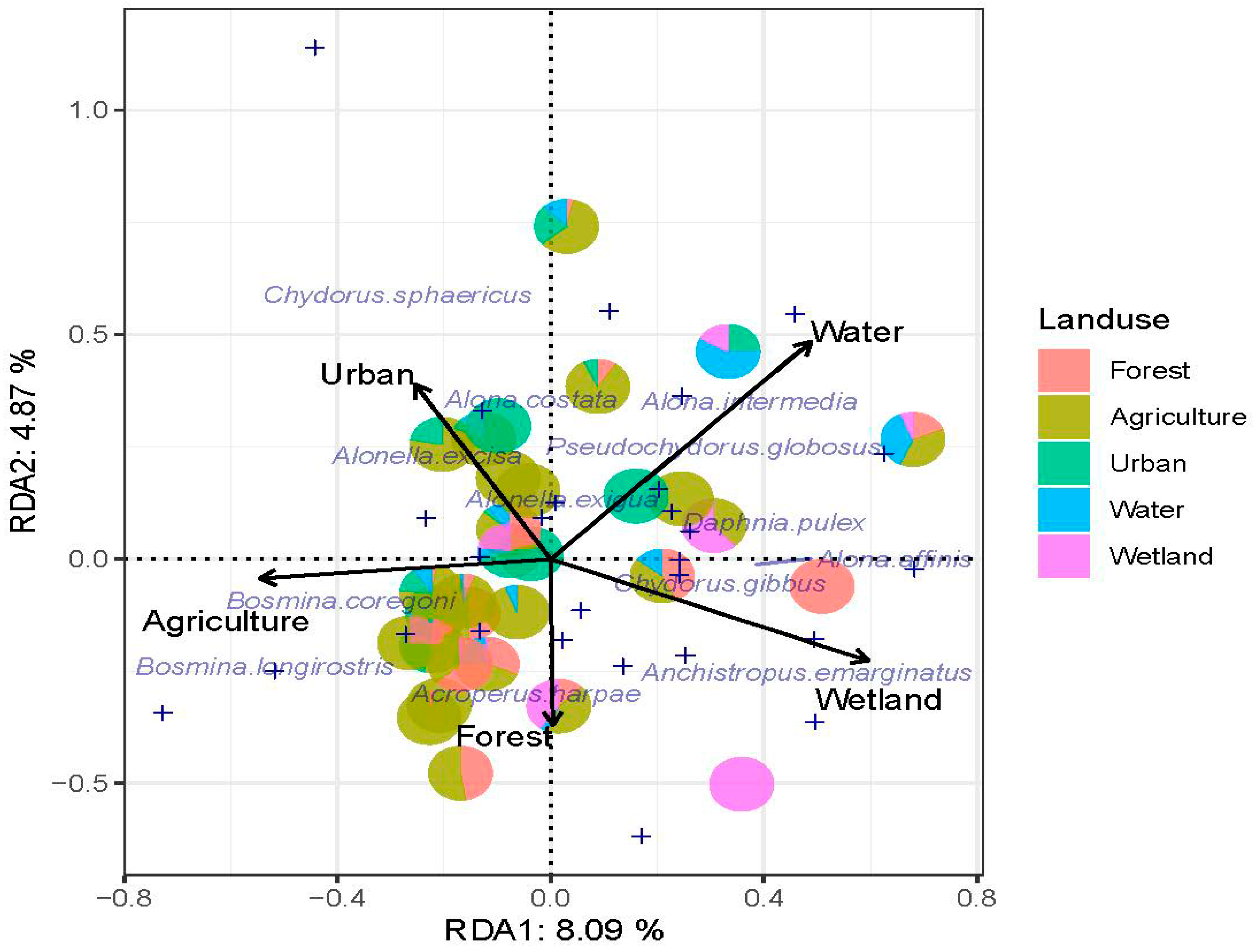
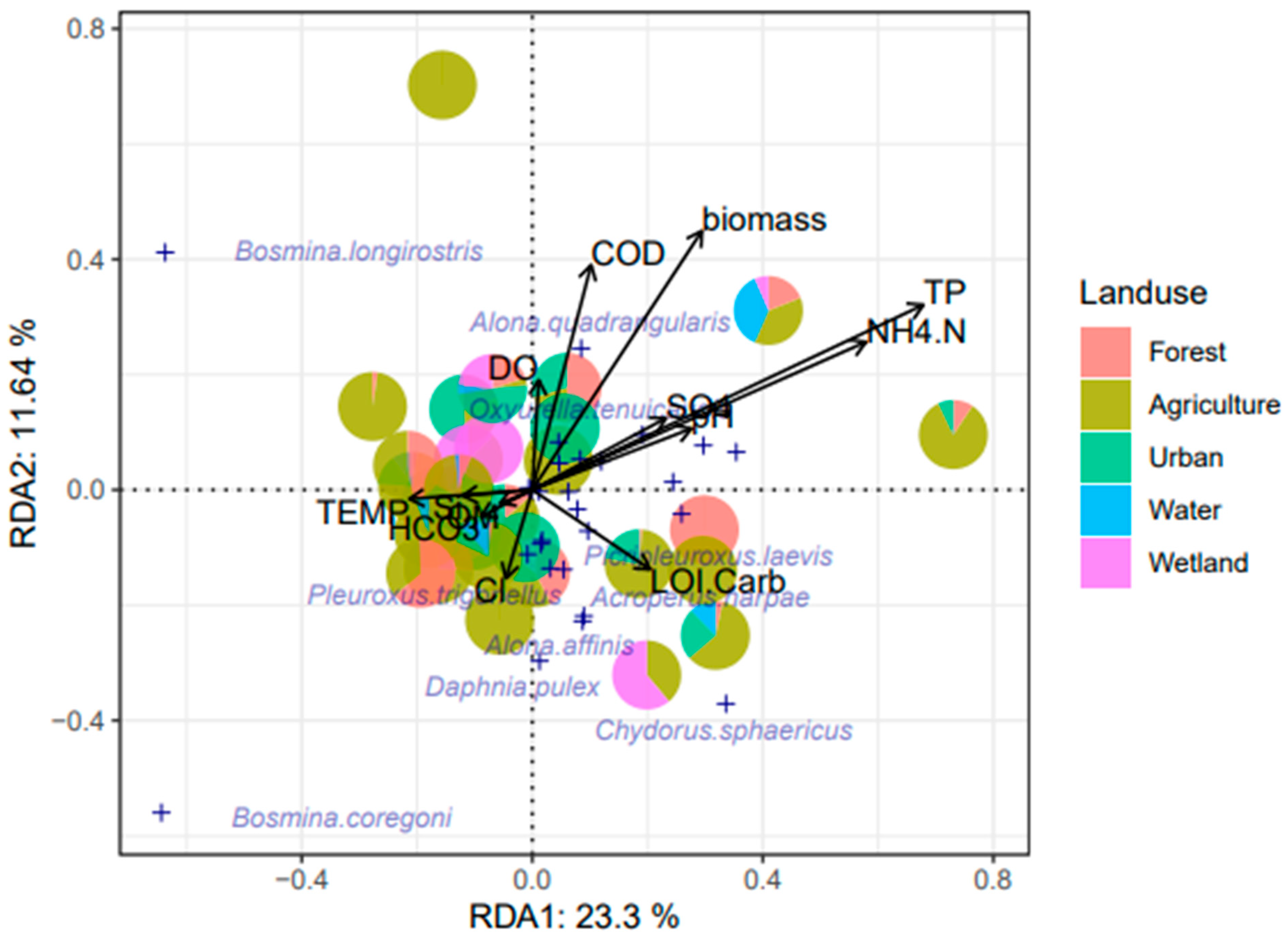
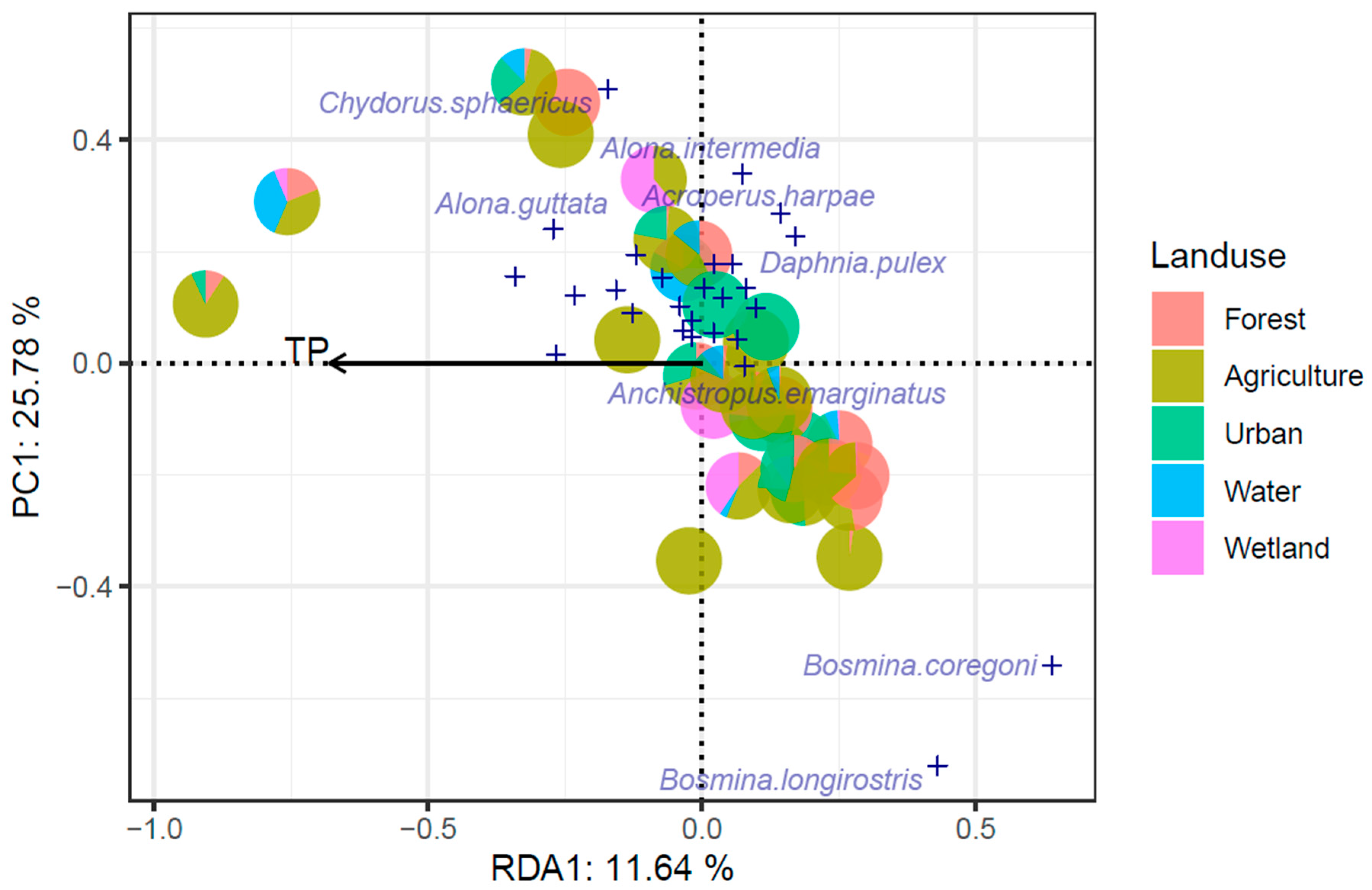
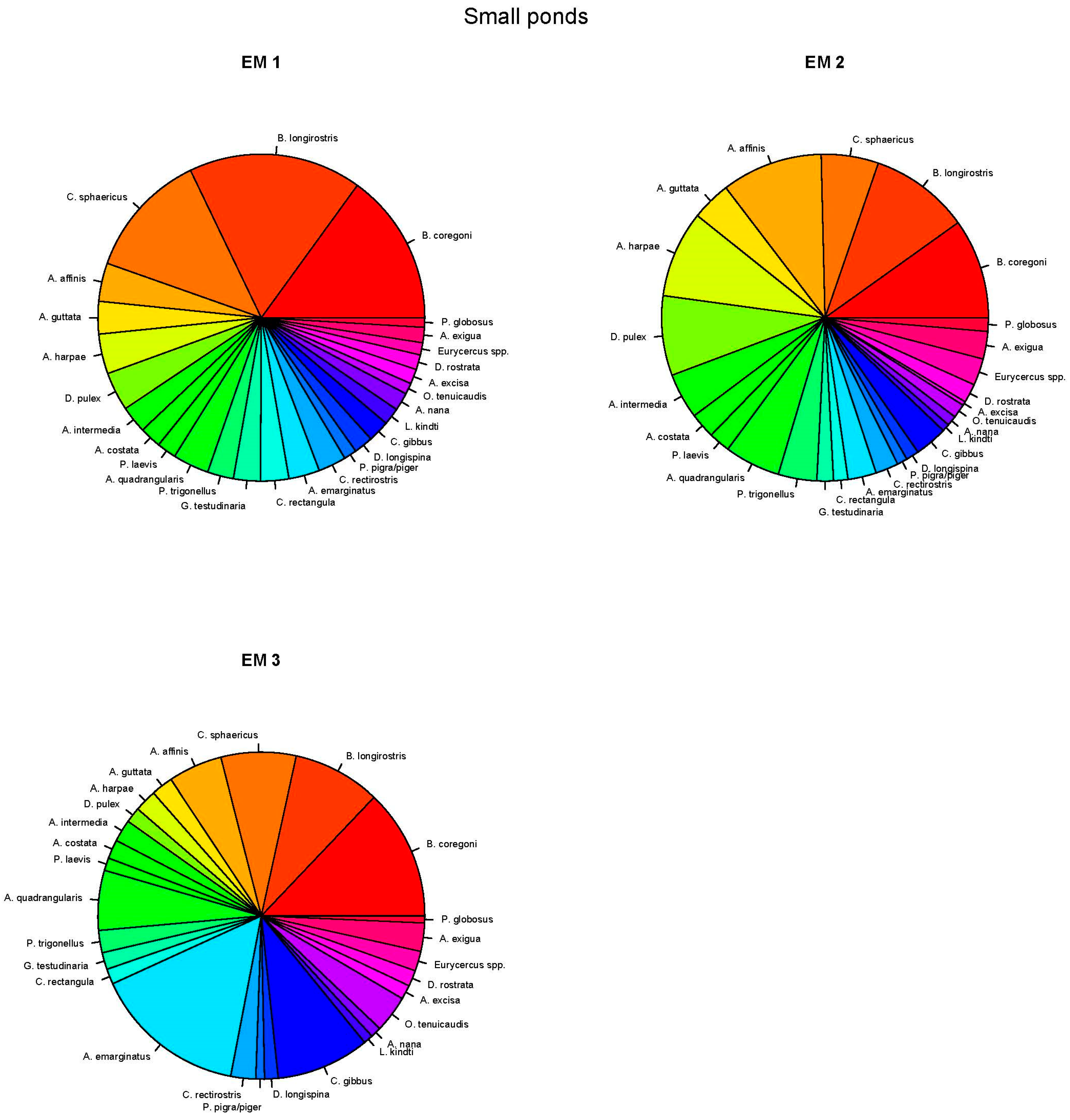
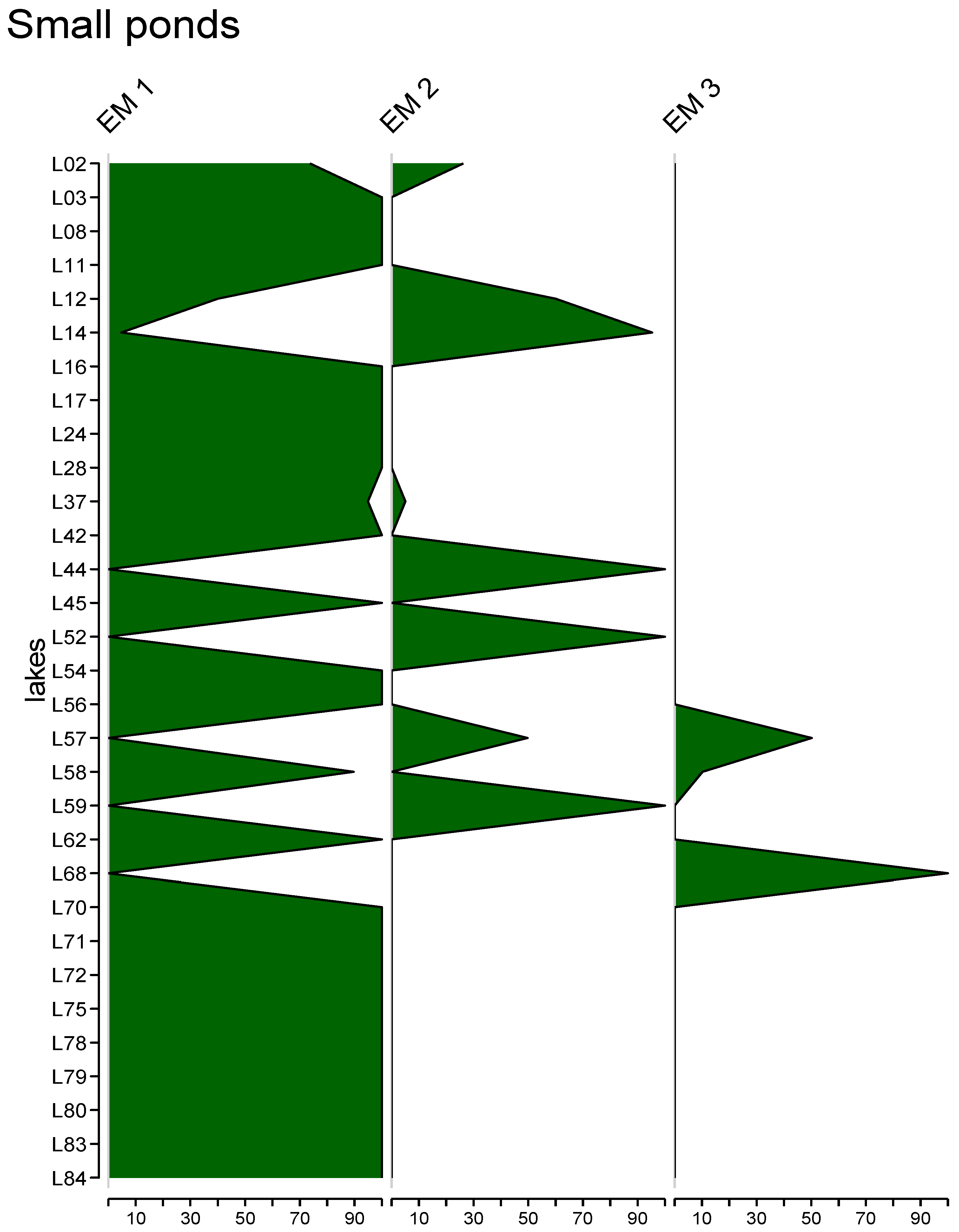
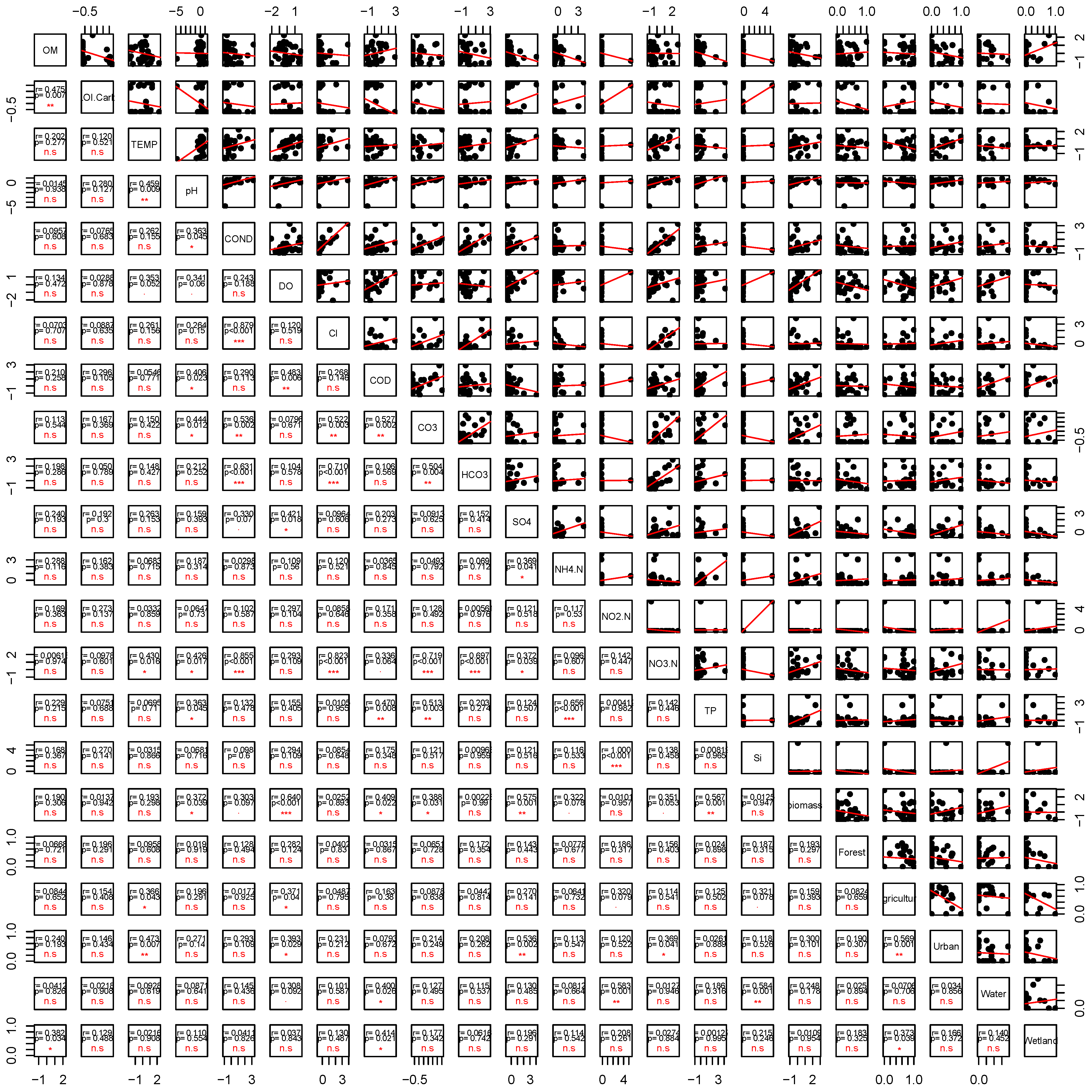
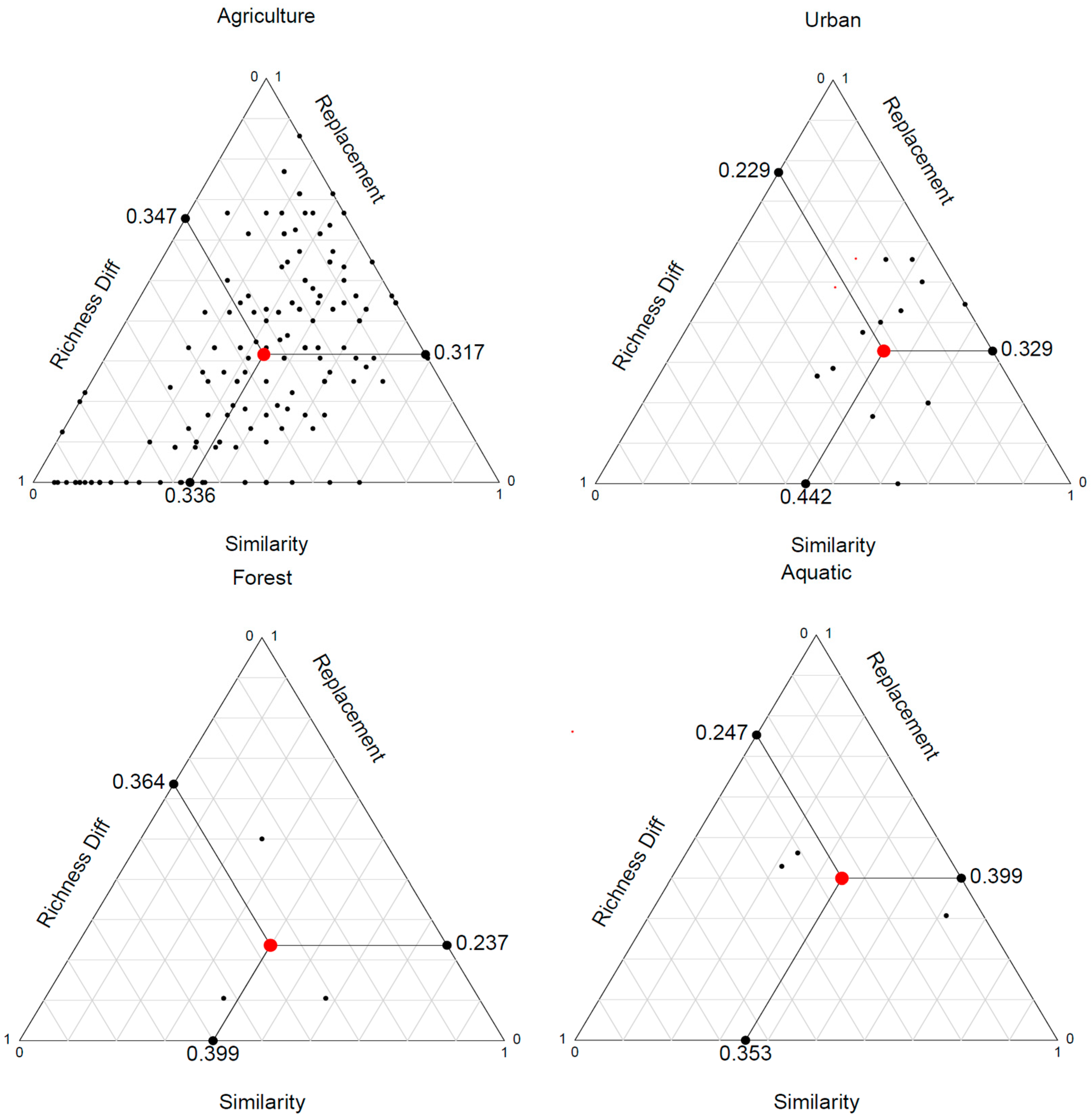
Cladocera communities in surface sediments from 31 lakes in Hungary were analysed to assess the impacts of land use on the aquatic systems. We evaluated the alpha and beta diversity metrics, with land use classification types based on the Corine Land Cover. Physical and water chemistry parameters were analysed using standardised procedures. Using redundancy analysis (RDA), total phosphorus (TP) was identified as the key driver of Cladocera composition and distribution. End-member mixing analysis (EMMA) revealed distinctive ecological patterns in Cladocera assemblages across land use types. Our results demonstrate that agriculture and urbanisation contribute to the associated degradation of the lakes and changes in trophic states. Wetlands, forests, and open waters play a critical role as buffer zones in mitigating anthropogenic effects, with Cladocera community composition mirroring the nutrient conditions of the lakes.
Keywords: Cladocera assemblage; land use; environmental variables; end-member analysis Cladocera assemblage; land use; environmental variables; end-member analysis
Graphical Abstract