
Article

Survival and Genome Diversity of Vibrio parahaemolyticus Isolated from Edible Aquatic Animals
1
Key Laboratory of Quality and Safety Risk Assessment for Aquatic Products on Storage and Preservation (Shanghai), Ministry of Agriculture and Rural Affairs of China, College of Food Science and Technology, Shanghai Ocean University, Shanghai 201306, China
2
Department of Biology, University of Copenhagen, DK 2200 Copenhagen N, Denmark
3
Institute for Genome and Bioinformatics, Shanghai Institute for Biomedical and Pharmaceutical Technologies, Shanghai 201203, China
*
Author to whom correspondence should be addressed.
Diversity 2022, 14(5), 350; https://doi.org/10.3390/d14050350
Submission received: 19 March 2022 / Revised: 18 April 2022 / Accepted: 18 April 2022 / Published: 29 April 2022
(This article belongs to the Special Issue Recent Trends in Bacterial Diversity and Evolution)

Abstract

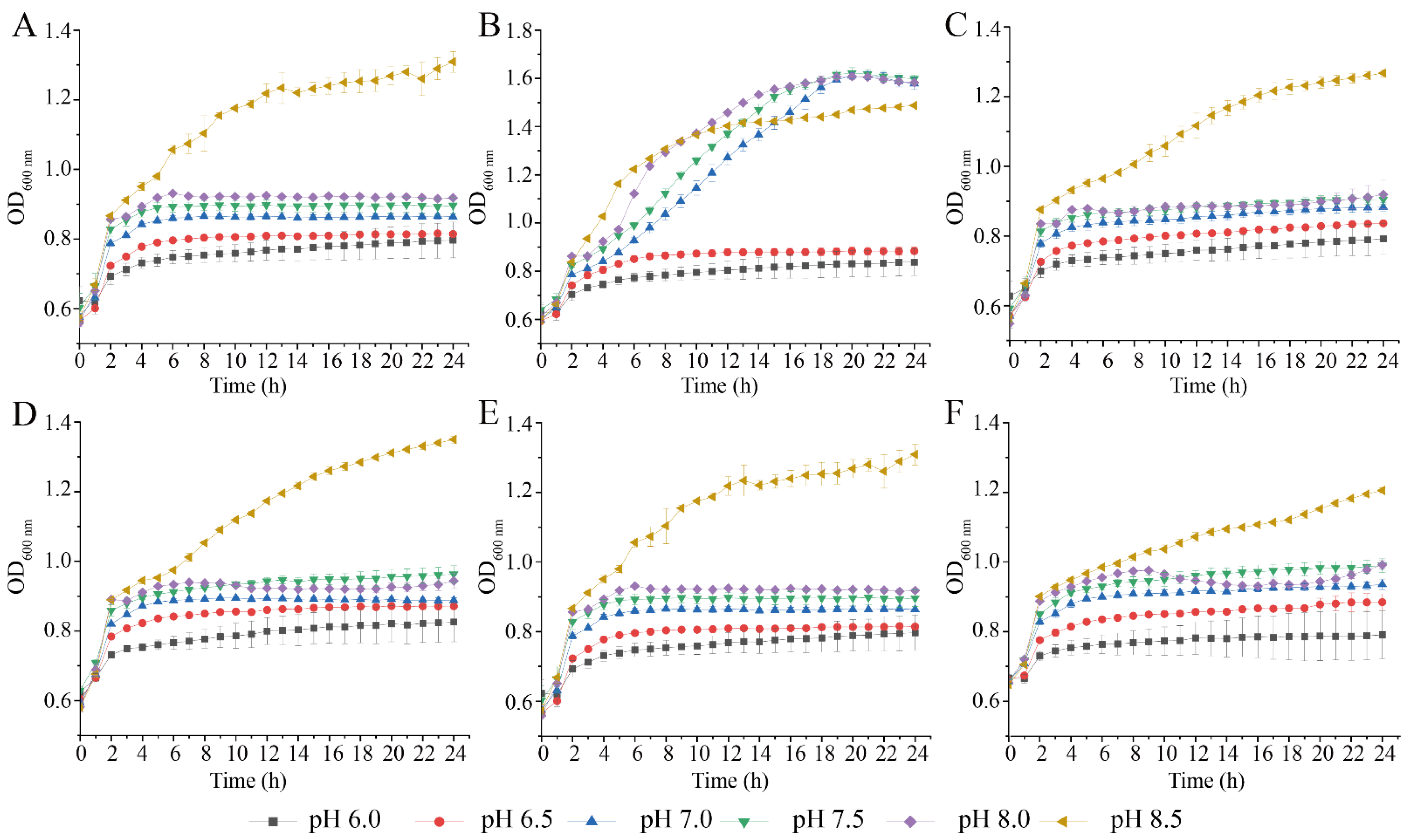
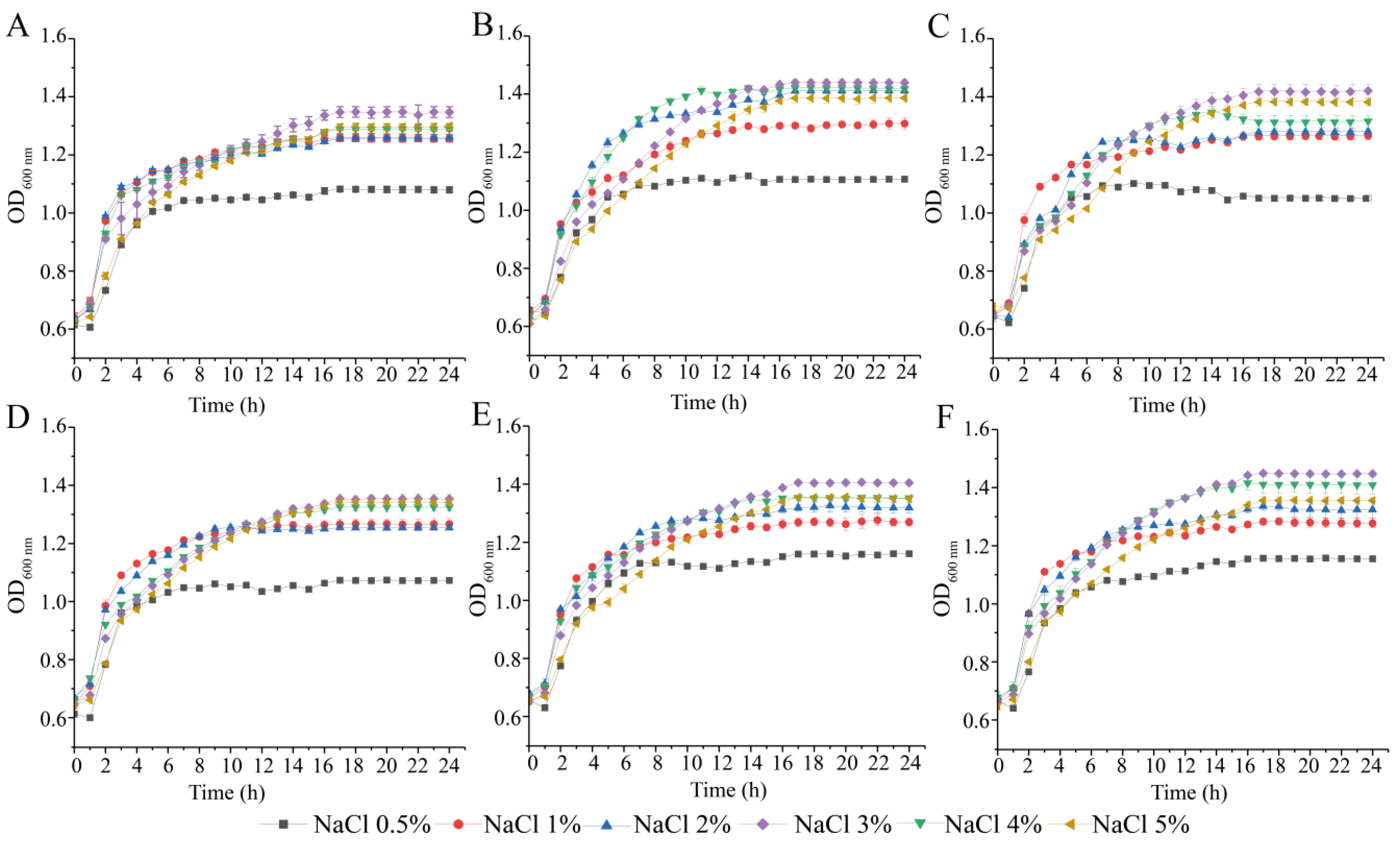
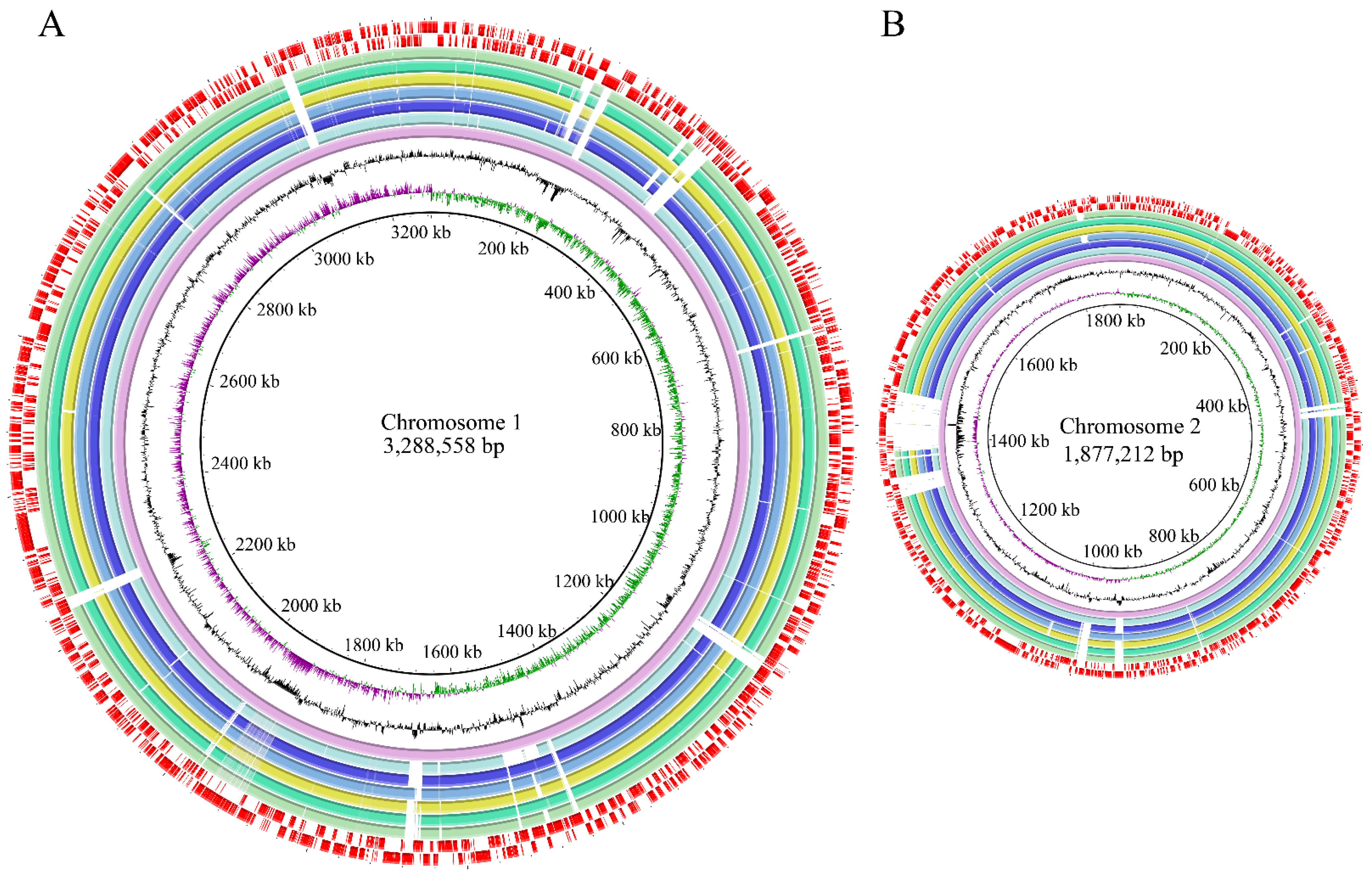
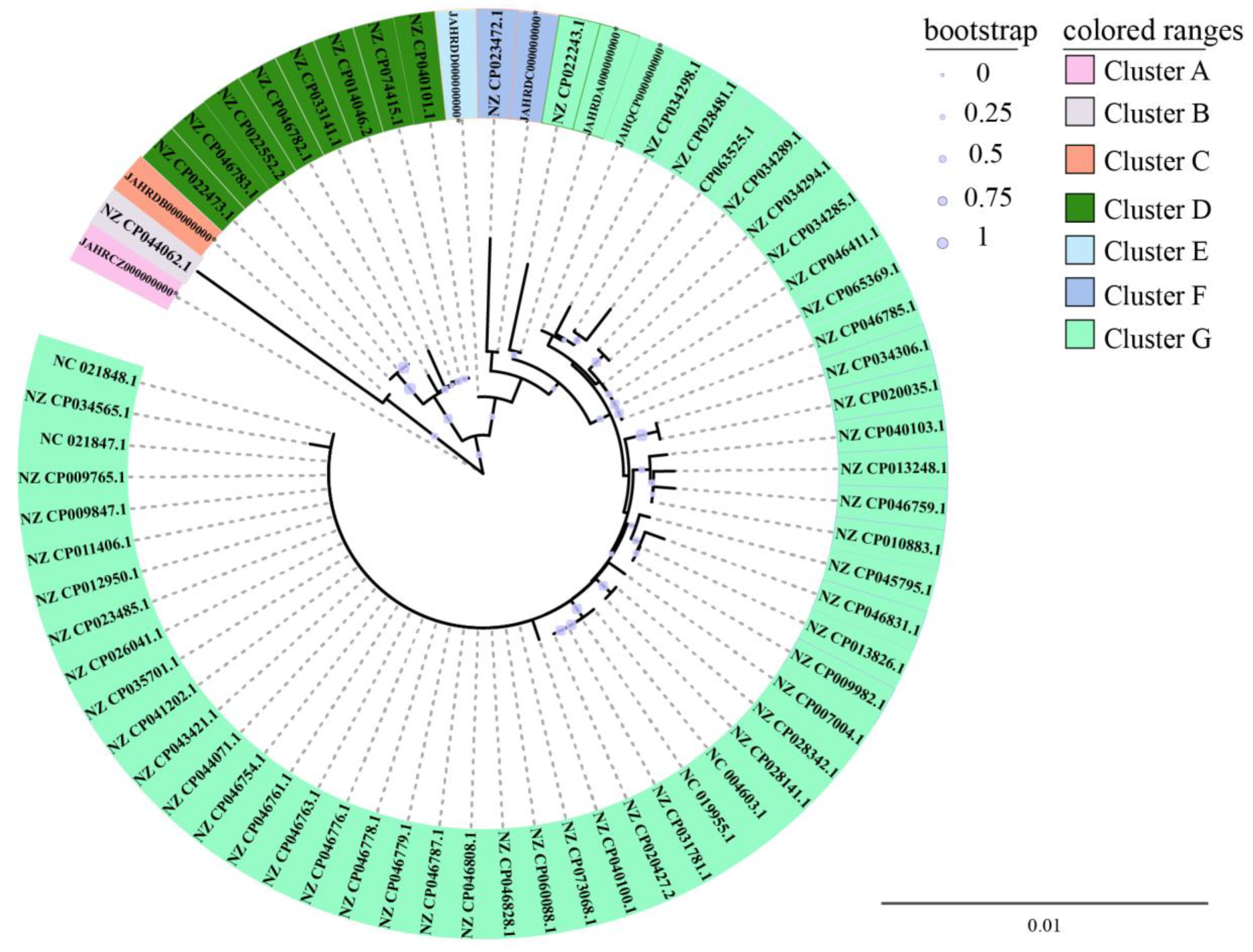
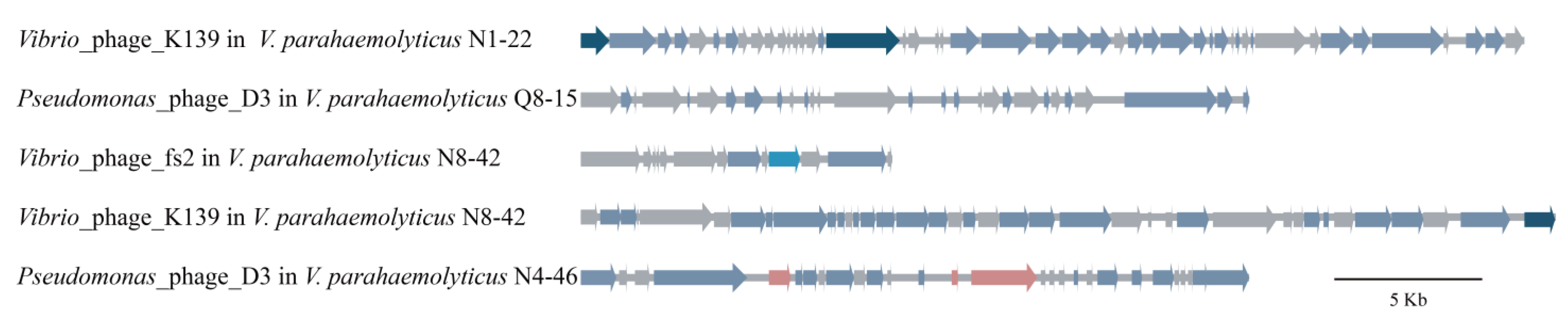
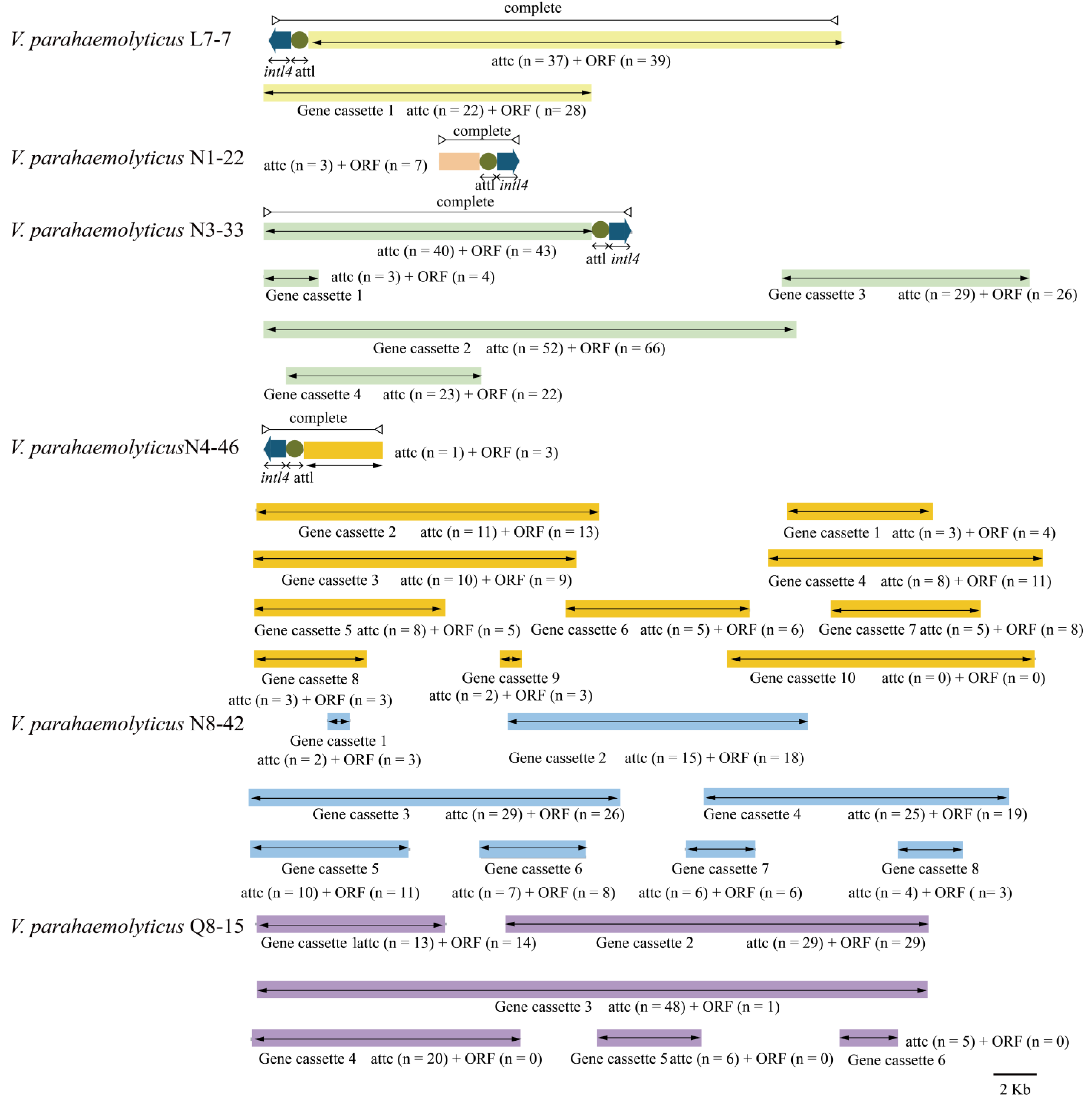
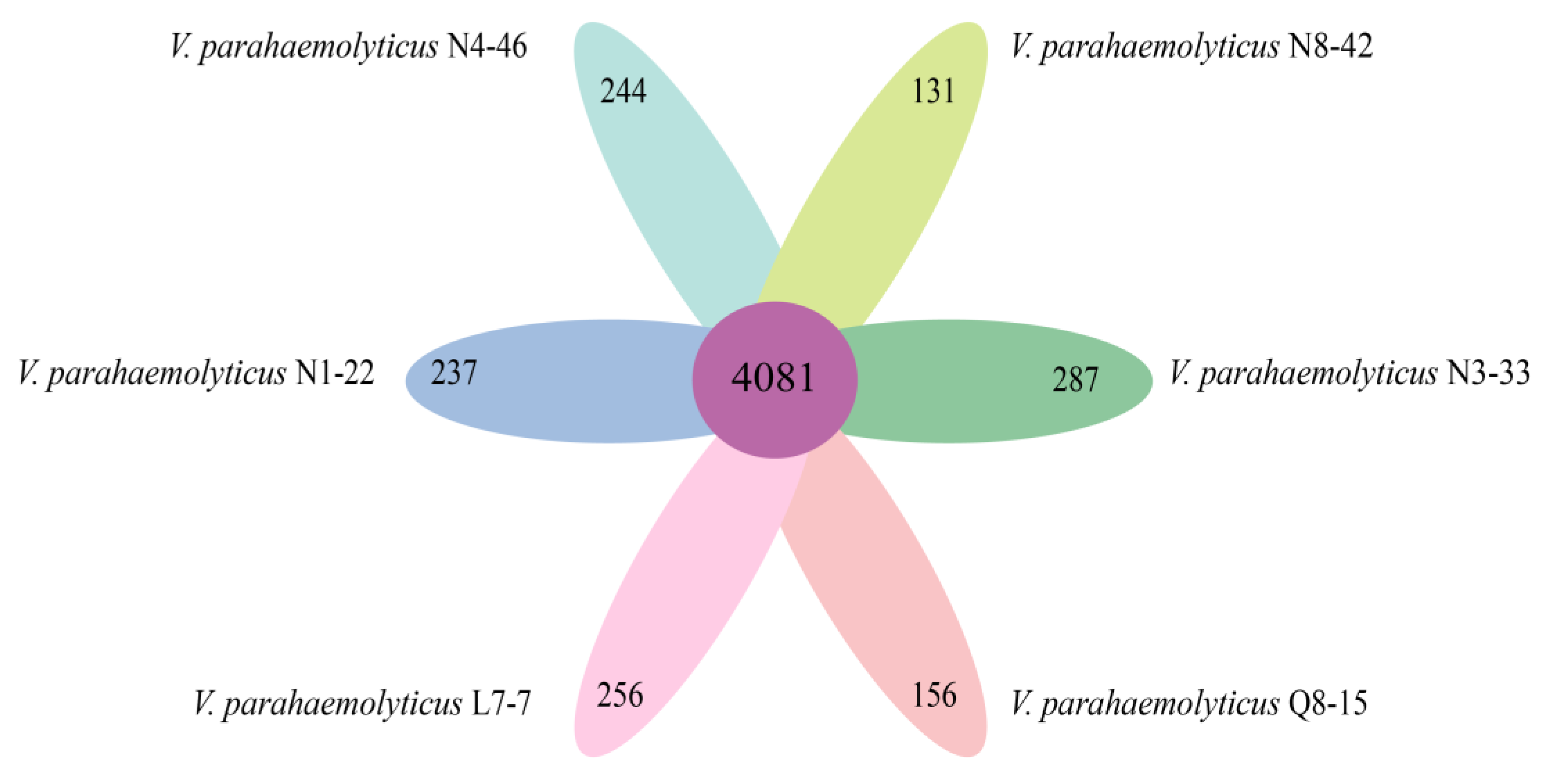
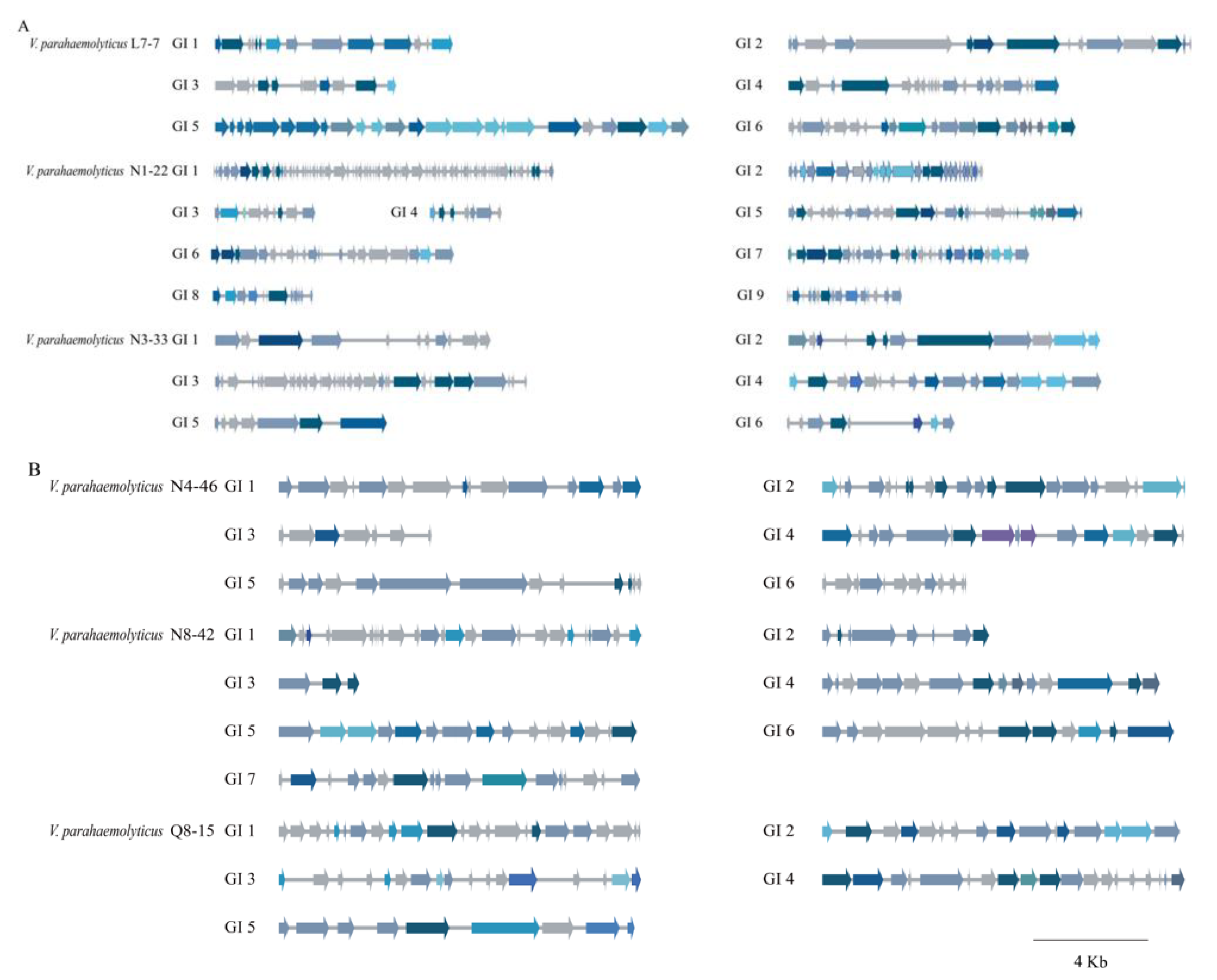
Vibrio parahaemolyticus can cause acute gastroenteritis, wound infection, and septicemia in humans. The waterborne bacterium is frequently isolated from aquatic products worldwide. Nevertheless, little information in genome evolution of V. parahaemolyticus isolated from aquatic animals is yet available. Here we overcome this limitation by specifying six V. parahaemolyticus isolates recovered from edible shellfish, fish, and crustacean. Most isolates with multiple resistance phenotypes grew optimally at 3% NaCl and pH 8.5. Draft genome sequences of the six V. parahaemolyticus isolates (4,937,042 bp to 5,067,778 bp) were determined using the Illumina Hiseq × 10 sequencing platform. Comparative genomic analyses revealed 4622 to 4791 predicted protein-encoding genes, of which 1064 to 1107 were of unknown function. Various mobile genetic elements (MGEs) were identified in the V. parahaemolyticus genomes, including genome islands (n = 5 to 9), prophage gene clusters (n = 0 to 2), integrons (n = 1 to 11), and insertion sequences (n = 0 to 3). A number of antibiotic-resistant (n = 17 to 20), virulence-associated (n = 77 to 79), and strain-specific (n = 131 to 287) genes were also identified, indicating possible horizontal gene transfer via the MGEs and considerable genome variation in the V. parahaemolyticus isolates. Altogether, the results of this study fill prior gaps in our knowledge of the genome evolution of V. parahaemolyticus, as isolated from edible aquatic animals.
Keywords: Vibrio parahaemolyticus; genome evolution; mobile genetic elements; virulence; antibiotic resistance; aquatic animals Vibrio parahaemolyticus; genome evolution; mobile genetic elements; virulence; antibiotic resistance; aquatic animals