Review

Metabolic–Epigenetic Crosstalk in Takayasu Arteritis: The ANK2–MAVS–IL-8 Axis as a Novel Therapeutic Paradigm


1
Department of Anatomy and Histology/Embryology, Faculty of Basic Medical Sciences, Kunming Medical University, Kunming 650500, China
2
The First Clinical Medical College, Kunming Medical University, Kunming 650032, China
3
School of Clinical Oncology, Kunming Medical University, Kunming 650118, China
*
Authors to whom correspondence should be addressed.
These authors contributed equally to this work.
Int. J. Mol. Sci. 2026, 27(7), 3249; https://doi.org/10.3390/ijms27073249
Submission received: 27 February 2026 / Revised: 27 March 2026 / Accepted: 1 April 2026 / Published: 3 April 2026
(This article belongs to the Section Molecular Pathology, Diagnostics, and Therapeutics)

Abstract

Takayasu arteritis (TAK) is a refractory chronic vasculitis of the aorta and its major branches, characterized by unsatisfactory treatment responses and high relapse rates. This review synthesizes current evidence to propose and elaborate a novel pathogenic paradigm: a self-reinforcing “metabolism–epigenetics–inflammation” feedback loop that sustains chronic vascular inflammation in TAK. We detail how immunometabolic reprogramming in immune and vascular wall cells not only meets bioenergetic demands but also generates metabolites (e.g., acetyl-CoA, lactate) that serve as substrates or cofactors for epigenetic modifications. These modifications, in turn, lock in a persistent pro-inflammatory gene expression profile. A central focus is the dissection of the ANK2–MAVS–IL-8 axis, a critical link connecting genetic susceptibility (via ANK2 variants) through mitochondrial dysfunction to sustained, IL-8-driven vascular injury. Building on this mechanistic framework, the review explores the translational potential of emerging biomarker candidates (e.g., IL-8, specific methylation marks) and proposes stratified therapeutic strategies that target distinct nodes within this interactive network, including metabolic drivers, epigenetic stabilizers, and inflammatory effectors. Ultimately, this work provides an integrated conceptual and translational roadmap for advancing precision medicine in TAK.

1. Introduction

Takayasu arteritis (TAK) is an idiopathic, systemic vasculitis that manifests as chronic granulomatous inflammation of the aorta and its primary branches. The epidemiology of TAK exhibits significant geographic and racial disparities: the estimated annual incidence in Western countries is 1 to 2 per million population, while in Asian populations the prevalence is considerably higher (approximately 40 per million in Japan [1,2], and a period prevalence of 11.72 per million in Shanghai, China). The disease predominantly affects young women, with 90% diagnosed before 40 [3,4], and clinical phenotypes vary among ethnic groups—aortic arch involvement is more frequent in Japanese patients, whereas abdominal aorta involvement is more commonly observed in Indian and Chinese populations [3,5]. Clinical manifestations commonly include acroischemia, diminished pulses, and systemic inflammatory symptoms [6]. Severe cases can lead to arterial stenosis, occlusion, or aneurysm formation that are potentially life-threatening. Pathogenetic research has historically centered on the dysregulated activation of the adaptive immune system, with a predominant focus on the vascular wall infiltration by immune cells—notably T cells and macrophages—and the inflammatory cascade they instigate [7]. Clinical treatment relies on glucocorticoids, immunosuppressants [8], and biologics. However, these therapeutic regimens are frequently hampered by limited efficacy, high relapse rates, and dose-limiting adverse effects, underscoring the absence of reliable predictive biomarkers. Consequently, there is a pressing need to elucidate the underlying pathogenic mechanisms to guide the development of more precise and effective therapies.
Genetic predisposition serves as the foundation for the pathogenesis of TAK. Genome-wide association studies (GWAS) have identified the canonical HLA-B*52:01 allele along with several novel non-HLA susceptibility loci (e.g., VPS8, SVEP1). Functional annotations of these loci suggest a predominant impact on monocyte and B-cell biology [9], with implicated pathways involving transcription factor families such as STAT and RUNX. Genetic risk scores reveal heterogeneity in disease susceptibility across different populations [10]. Furthermore, the genetic architecture of TAK partially overlaps with that of inflammatory bowel disease, suggesting shared mechanisms of immune dysregulation. Notably, specific genetic variants are closely associated with distinct clinical phenotypes. For instance, the Interleukin 12 Subunit Beta (IL-12B) SNP rs6871626 correlates with severe vascular injury, aortic regurgitation, and hypertension [11]; polymorphisms in the tumor necrosis factor alpha (TNF-α)-induced protein 3 (TNFAIP3) gene confer an increased risk of TAK [12]; and the co-occurrence of MEFV mutations with HLA-B*52:01 may synergistically drive the disease and influence the therapeutic response to IL-6 blockade [13]. Collectively, these findings underscore the pivotal role of genetic background in shaping the clinical heterogeneity of TAK.
Epigenetic regulation, serving as a molecular bridge linking genetic susceptibility and environmental exposures, is increasingly recognized for its pivotal role in the pathogenesis of TAK. Mechanisms including DNA methylation, histone modifications, and non-coding RNAs convert environmental signals into enduring cellular memory. Research has revealed that Interleukin (IL)-32 and Lymphotoxin-A were genes significantly hypomethylated in CD8 T-cells, which correlates positively with the severity of vascular inflammation. Anti-inflammatory cytokine genes (such as IL-10 and IL1RN) are hypomethylated in γδ T cells, indicating a distinct epigenetic landscape across T-cell subsets [14]. Environmental factors are postulated to synergize with genetic risk by inducing epigenetic reprogramming, ultimately disrupting immune homeostasis and tolerance [9].
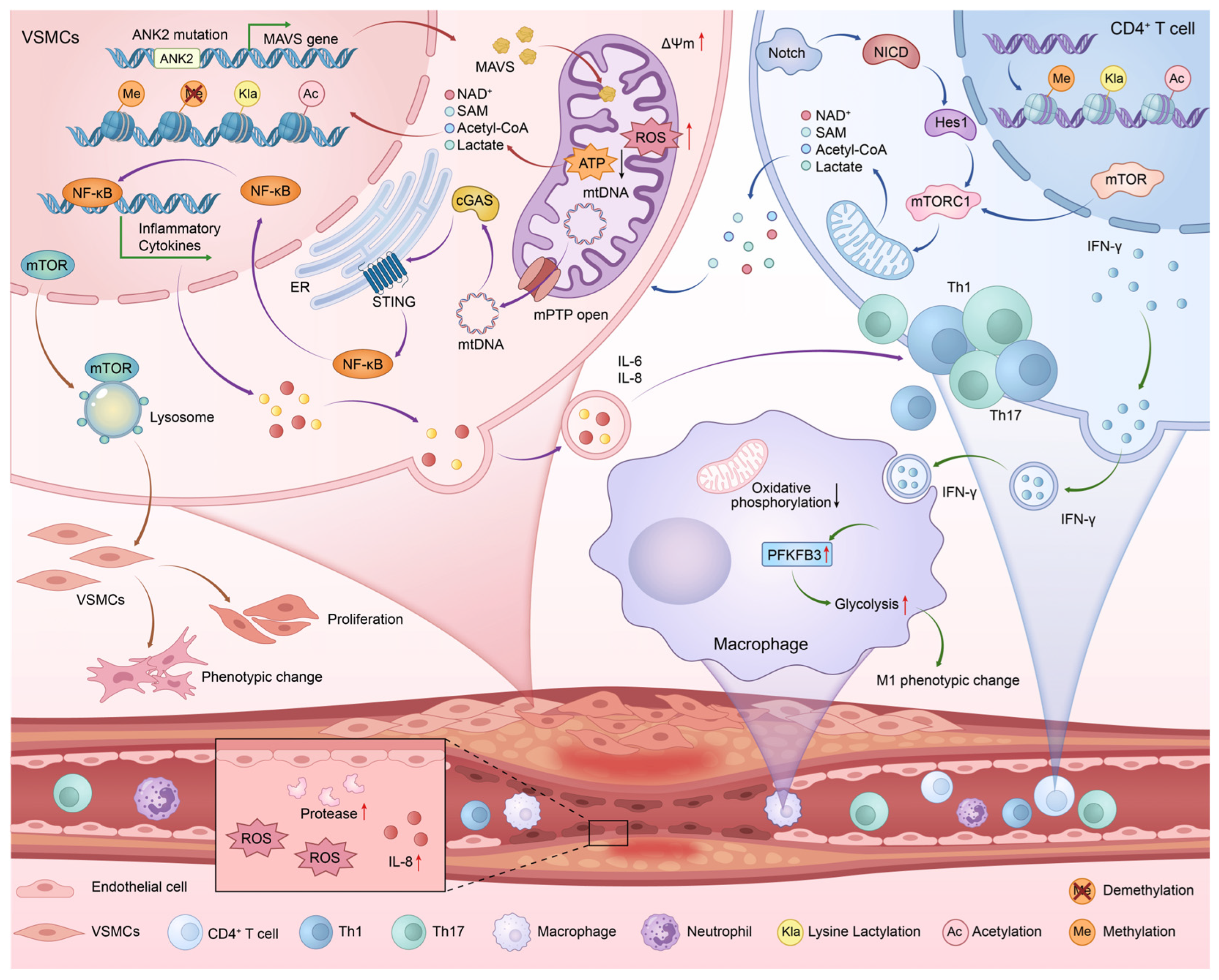
The interplay between metabolic reprogramming and epigenetic regulation has emerged as a novel paradigm for elucidating the persistence of chronic inflammatory memory. Within the inflammatory microenvironment, metabolites serve as substrates or cofactors for a spectrum of epigenetic modifying enzymes. Reciprocally, epigenetic mechanisms reinforce aberrant metabolic and inflammatory states by modulating the expression of metabolism-related genes. In the context of TAK, vascular wall-resident cells—particularly smooth muscle cells and endothelial cells—manifest substantial metabolic reprogramming driven by ankyrin 2 (ANK2) deficiency [15,16], whereas the inflammatory response is amplified by neutrophils, monocytes/macrophages, and T cells. For example, CD4+ T cells exhibit metabolic reprogramming, too, evidenced by hyperactivation of the mechanistic target of rapamycin (mTOR) signaling pathway. These metabolic shifts fulfill a dual function: provisioning the energy and biosynthetic precursors requisite for T cell activation and proliferation, and, critically, by yielding specific metabolic intermediates (e.g., acetyl-CoA, α-ketoglutarate, S-adenosylmethionine [SAM]), serving as direct molecular drivers of epigenetic modifications, encompassing DNA methylation, histone acetylation, and lactylation [17,18]. The ensuing epigenetic changes, in turn, consolidate the dysregulated metabolic and inflammatory phenotype, establishing a self-perpetuating “metabolism–epigenetics–inflammation” positive feedback loop (Figure 1). This vicious cycle is postulated to be a core mechanism that underpins the chronic nature and relapse propensity of TAK [19,20,21].
Mitochondrial dysfunction and the ensuing ANK2–MAVS–IL-8 axis represents a critical node within the aforementioned crosstalk. Rare variants in the ankyrin 2 (ANK2) gene lead to disorganized mitochondrial cristae structure and membrane hyperpolarization, precipitating a bioenergetic crisis and oxidative stress. This state specifically activates the mitochondrial outer membrane protein MAVS (mitochondrial antiviral-signaling protein). Its oligomerization then triggers the NF-κB signaling cascade, resulting in significant upregulation of IL-6 and IL-8 transcription [15]. As a potent neutrophil chemokine, IL-8 contributes to vascular endothelial injury [22], smooth muscle cell activation, and arterial wall remodeling. An in-depth dissection of this axis not only provides a crucial mechanistic breakthrough for understanding the metabolism–epigenetics interplay in TAK but also lays a solid theoretical foundation for discovering novel biomarkers and developing targeted therapeutic strategies against this interactive network.
This review aims to elucidate the pathogenesis of TAK from the novel perspective of the interplay between metabolism and epigenetics. We will first outline the fundamental roles and interactive networks of metabolic reprogramming and epigenetic regulation in driving TAK-associated vascular inflammation. Subsequently, we will focus on the ANK2–MAVS–IL-8 axis, detailing its mechanism in linking mitochondrial dysfunction to immune-inflammatory responses. Finally, grounded in insights from this axis, we will explore novel combinatorial therapeutic strategies targeting metabolic and epigenetic nodes, as well as the potential for biomarker discovery. We posit that this synthesis will provide a novel conceptual framework and translational directions for the precise diagnosis and treatment of TAK.

2. Metabolic Reprogramming Drives Vascular Inflammation in Takayasu Arteritis

2.1. Metabolic Reprogramming of Immune Cells

Metabolic reprogramming plays a pivotal role in regulating immune cell function in TAK. The activation and differentiation of immune cells entail a metabolic shift towards metabolic pathways such as glycolysis, oxidative phosphorylation, and fatty acid oxidation [12]. Analogous to the tumor microenvironment, nutrient scarcity and metabolite accumulation within the vascular inflammatory niche can remodel immune cells, inducing further metabolic reprogramming that ultimately impairs their function [13].
Mitochondrial dysfunction acts as a potent inflammatory trigger by increasing the generation of ROS and activating the inflammasome, thereby promoting the release of IL-1β [23]. Furthermore, the release of mitochondrial DNA amplifies immune signaling through the Toll-like receptor (TLR) and cGAS-STING pathways.

2.2. Mitochondrial Homeostasis Imbalance and Metabolic Stress

Mitochondria, serving as the cellular powerhouses, are intimately linked to a spectrum of metabolic and inflammatory diseases when altered. Specifically, loss-of-function variants in the ANK2 gene disrupt mitochondrial cristae architecture and induce membrane hyperpolarization, culminating in bioenergetic failure and diminished ATP production. The resultant mitochondrial membrane hyperpolarization facilitates excessive accumulation of ROS, which exacerbates oxidative stress and inflicts cellular damage. This cascade activates downstream immune signaling pathways and intensifies inflammatory responses. Furthermore, mitochondrial stress can instigate the release of mitochondrial DNA, thereby activating the cGAS-STING pathway and inducing the production of type I interferons and pro-inflammatory cytokines such as IL-6 and IL-8. Within the context of TAK, ANK2 deficiency promotes MAVS oligomerization, which enhances IL-8 secretion and perpetuates vascular inflammation [15]. Analogous pathophysiological mechanisms are observed in other conditions including metabolic dysfunction-associated steatohepatitis (MASH) and Alzheimer’s disease, underscoring mitochondrial function itself as a promising therapeutic target across metabolic inflammatory disorders [24,25,26,27,28].

2.3. Metabolite-Mediated Immunoregulation

Cellular and gut microbial metabolites play pivotal roles in regulating immune cell phenotypes and functions. Metabolites such as lactate and citrate modulate immune cell gene expression and activation states by influencing epigenetic programs and signaling pathways [29,30]. In autoimmune conditions, including rheumatoid arthritis, gut microbiota dysbiosis and consequent metabolite imbalances (e.g., in short-chain fatty acids and tryptophan derivatives) can drive pathogenic pro-inflammatory cytokine secretion [31]. Metabolites exert immunoregulatory effects through receptor binding, transport, and post-translational protein modifications. For instance, the short-chain fatty acid butyrate inhibits histone deacetylase (HDAC), enhancing the differentiation of colonic regulatory T cells [32]. Itaconate, upon uptake by CD8+ T cells, suppresses their proliferation, cytokine production, and cytotoxic function by inhibiting key biosynthetic pathways (e.g., for aspartate and serine/glycine), unveiling a novel metabolite-mediated checkpoint mechanism [33]. Furthermore, lactate signals through the GPR81 receptor to modulate immune cell function, and lactate-induced histone lactylation promotes M2 macrophage gene expression, coupling glycolytic flux to epigenetic reprogramming [34,35]. Collectively, these insights establish metabolites as crucial signaling mediators of the immunometabolic microenvironment in TAK.

2.4. Metabolic Abnormalities and Endothelial Dysfunction

Metabolic dysregulation significantly compromises endothelial barrier function and increases permeability. In coronary microvascular endothelial cells from diabetic patients, diminished activity of SK potassium channel coincides with an elevated NADH/NAD+ ratio and the accumulation of mitochondrial reactive oxygen species. NAD+ supplementation restored channel function, suggesting that pyridine nucleotides regulate endothelial ion channel activity through modulation of cellular redox status [36]. Dysregulated lipid metabolism affects endothelial inflammation and barrier integrity by altering the gut–liver axis and inflammatory cytokine expression. For instance, quinolinic acid ameliorates trimethylamine N-oxide (TMAO)-induced lipid metabolism abnormalities and mitigates atherosclerosis [37]. Pigment epithelial-derived factor inhibits Apelin/Apj/VE-cadherin signaling, reducing fatty acid uptake and preventing endothelial junction disruption [38]. In the context of TAK, anti-endothelial cell antibodies target endothelial protein C receptor and scavenger receptor β1, promoting T helper 17 cell (Th17) cell differentiation and endothelial activation [39]. Mast cell-derived histamine and increased indoleamine 2,3-dioxygenase (IDO) enhance vascular permeability and promote fibrotic remodeling [40]. Additionally, exosomes derived from the brown adipose tissue (BAT) of obese individuals downregulate inositol 1,4,5-trisphosphate receptor type 3 (ITPR3), which reduces Ca2+ influx and nitric oxide (NO) production, ultimately impairing endothelium-dependent vasodilation [41]. These findings suggest that metabolic abnormalities form a vicious “metabolism–inflammation–vascular injury” cycle via oxidative stress, lipid reprogramming, and immune activation. This mechanistic understanding highlights that targeting metabolic nodes such as SK channels, TMAO, and NADPH oxidase 1 (NOX1) holds promising therapeutic potential.

3. Epigenetic Mechanisms Underpin Inflammatory Memory in TAK

3.1. DNA Methylation and the Regulation of Inflammatory Gene Expression

DNA methylation, a key epigenetic mechanism, regulates the expression of inflammation-related genes and contributes to the pathogenesis of TAK. In patients with TAK, aberrant DNA methylation in the promoter regions of inflammatory genes significantly alters their transcriptional activity, thereby influencing disease initiation and progression [42]. Typically, promoter hypomethylation of pro-inflammatory genes such as TNF-α and IL-1β leads to their upregulated expression, whereas hypermethylation of anti-inflammatory genes like IL-10 results in transcriptional silencing. This skewed methylation landscape promotes the activation of pivotal signaling pathways, including NF-κB, and drives the advancement of vascular inflammation [43]. Furthermore, dynamic changes in DNA methylation levels correlate with disease activity. For instance, in smoke-induced inflammation models, global increases in methylation are noted, and differentially methylated genes are enriched in inflammatory pathways. This association highlights the potential of DNA methylation patterns to serve as biomarkers for assessing disease activity in TAK [44].
Aberrant DNA methylation can also serve as a biomarker for disease prognosis. For instance, intermediate DNA demethylation products in peripheral blood mononuclear cells (PBMCs) from metabolic dysfunction-associated steatotic liver disease (MASLD) patients correlate with the risk of liver fibrosis [44], while abnormal DNA methylation patterns in peripheral blood leukocytes of Alzheimer’s disease (AD) patients correlate with systemic inflammatory marker levels [45]. In tuberculosis infection, hypomethylation of the TNF-α gene in monocyte-derived dendritic cells (mo-DCs) correlates with bacterial strain drug resistance and demonstrates diagnostic potential [46].
In summary, DNA methylation contributes to TAK pathogenesis through the dysregulated expression of inflammatory genes. The dynamic nature of these epigenetic modifications provides a rich source of potential biomarkers for monitoring disease activity and predicting clinical outcomes. Future research should prioritize the precise mapping of disease-relevant methylation loci and the elucidation of their upstream regulatory networks.

3.2. Histone Modifications Regulate Immune Cell Function

Histone modifications, such as acetylation and methylation, precisely regulate inflammatory gene expression by remodeling chromatin structure, thereby exerting a profound influence on immune responses. Within the tumor microenvironment, the expansion of myeloid-derived suppressor cells is intricately linked to specific histone modification states, which guide their differentiation program and reinforce an immunosuppressive phenotype [47]. Histone methylation serves as a critical determinant of immune cells fate, affecting both antitumor immunity and innate immune function [48,49]. In the context of allergic rhinitis, SIN3A regulates CD4+ T cell differentiation into Th17 cells while suppressing Tregs, disrupting the T helper 17/regulatory T cell (Th17/Treg) balance [50]. Histone deacetylases (HDACs) negatively regulate immune activation and inflammatory cytokine production by removing acetyl groups to inhibit gene transcription. Consequently, HDAC inhibitors can enhance the efficacy of tumor immunotherapy [51]. Newly identified histone acylation modifications such as lactylation, crotonylation, and β-hydroxybutyrylation link metabolism to epigenetic regulation of immune signaling and immune evasion [52,53]. Therefore, therapeutic targeting of HDACs and novel histone acylation modifications presents innovative strategies for modulating inflammation and advancing immunotherapeutic approaches.

3.3. Epigenetic Regulation Mediated by Non-Coding RNAs

Non-coding RNAs (ncRNAs), encompassing microRNAs (miRNAs) and long non-coding RNAs (lncRNAs), modulate immune cell activity by regulating inflammatory signaling molecules, thereby contributing to the pathophysiology of TAK. Specifically, miR-146a/b is dysregulated in the vascular tissues of TAK patients, where it promotes vascular inflammation by targeting intercellular adhesion molecule-1 (ICAM-1). Its expression levels correlate with both disease activity and prognosis, demonstrating potential as a clinical biomarker [54,55,56].
lncRNAs modulate chromatin structure by recruiting histone modification complexes, which subsequently affects endothelial and smooth muscle cell function to promote vascular inflammation and fibrosis [57,58]. Some lncRNAs act as competitive endogenous RNAs, sequestering miRNAs to indirectly regulate target gene expression [59]. The expression profiles of numerous miRNAs and lncRNAs are significantly altered in TAK patients, and these alterations correlate with disease severity and therapeutic response. For instance, ANK2 gene variants enhance IL-8 secretion via the mitochondrial–immune signaling pathways, thereby promoting vascular inflammation. Abnormalities in non-coding RNAs also influence immune cell activation through epigenetic modifications, driving TAK disease progression and offering novel therapeutic targets [60,61].

3.4. The Metabolism–Epigenetics Crosstalk in Solidifying TAK Inflammation

A complex bidirectional feedback loop exists between metabolic reprogramming and epigenetic regulation. On one hand, metabolic intermediates serve as substrates or co-factors for epigenetic modifying enzymes, thereby translating the cellular energy state into heritable gene expression signals [62,63]. Acetyl-CoA is an essential substrate for histone acetyltransferases, directly linking metabolic flux to chromatin architecture, where its abundance dictates the level of histone acetylation [63,64]. Metabolites such as NAD+, α-ketoglutarate, and S-adenosylmethionine respectively regulate the activities of deacetylases, demethylases, and methyltransferases, affecting DNA and histone modifications [65]. On the other hand, epigenetic mechanisms regulate the expression of metabolic genes, shaping cellular metabolic phenotypes and completing a self-reinforcing regulatory network [62,66]. For example, the histone methyltransferase Enhancer of Zeste Homolog 2 (EZH2) inhibits the transcription of metabolism-related genes via H3K27 trimethylation, driving tumor metabolic reprogramming [21,67]. Metabolic reprogramming of immune cells provides specific metabolites that drive epigenetic remodeling, dictating cellular fate and function [17].
In summary, metabolic dysregulation and epigenetic regulation jointly constitute the core of the pathogenic loop of TAK. The metabolic reprogramming of immune cells profoundly affects the expression of inflammatory genes by regulating key signaling pathways and providing substrates for epigenetic modifications [68]. Epigenetic changes mechanisms may solidify aberrant metabolic and inflammatory states, leading to disease chronicity [69]. Elucidating the key metabolic nodes and epigenetic targets within this loop not only helps reveal the pathogenic nature of TAK but also lays a critical foundation for developing new diagnostic biomarkers and precision therapeutic strategies.

4. Role of the ANK2–MAVS–IL-8 Axis in the Pathogenesis of TAK

4.1. ANK2 Gene Variants and Mitochondrial Dysfunction

The genetic drivers of TAK, particularly in childhood-onset Takayasu arteritis (c-TAK), remain poorly understood. Recent whole-exome sequencing studies have identified rare ANK2 gene variants (p.L251I and p.P1306S) in c-TAK patients, closely associated with aggressive renal artery stenosis. The ANK2 gene encodes ankyrin B, a scaffold protein linking the cytoskeleton to integral membrane proteins. Its dysfunction disrupts mitochondrial cristae architecture and induces abnormal membrane hyperpolarization, inducing ROS production and metabolic stress. This mitochondrial dysfunction activates the MAVS pathway, promoting MAVS oligomerization [15]. This cascade subsequently drives the secretion of pro-inflammatory cytokines IL-6 and IL-8. The released chemokines recruit and activate neutrophils, monocytes and T cells, which amplify and sustain the local inflammation. Thus, rare ANK2 gene variants in vascular smooth muscle cells (VSMCs) disrupt normal mitochondrial structure and function, triggering a cascade of signals from intracellular metabolic stress to external inflammatory responses. This mechanistic insight uncovers an intrinsic link—a pathogenic continuum—between genetic susceptibility, mitochondrial homeostasis imbalance, and chronic vascular inflammation.

4.2. Activation of the MAVS Signaling Pathway Regulates Metabolism and Immunity

MAVS, as the core adaptor molecule in the RIG-I-like receptor (RLR) signaling pathway, requires K63-linked polyubiquitination chain modification for activation. Ube2N and the E3 ligase Riplet/TRIM31 promote non-anchored K63 ubiquitination of MAVS, driving its oligomerization [70]. The deubiquitinating enzyme ubiquitin-specific peptidase 10 (USP10) suppresses MAVS aggregation by removing ubiquitin chains, thereby affecting type I interferon production. Additionally, the mitochondrial-localized protein aggregates promote MAVS phase separation, enhancing its signaling capacity [71]. MAVS links metabolism and immunity by regulating proinflammatory factors such as IL-6 and IL-8. The SARS-CoV-2 non-structural protein nonstructural protein 5 (Nsp5) exacerbates inflammation by augmenting SUMOylation, thereby activating the NF-κB pathway [72]. Phosphorylation also participates in regulation: the p38 MAPK pathway, via the kinase ASK1, phosphorylates MAVS to enhance its interaction with TRAF and amplify the type I interferon response [73]. Conversely, methylation mediated by protein arginine methyltransferase 9 (PRMT9) inhibits MAVS spontaneous activation [74]. These mechanisms delineate the complex regulatory network positioning MAVS as a pivotal hub integrating metabolic and immune signals [75].

4.3. IL-8 as a Biomarker in Vascular Inflammation and Renal Artery Stenosis

As a key proinflammatory chemokine, IL-8 plays a pivotal role in renal artery stenosis (RAS). It activates neutrophils and monocytes, promoting their adhesion to the vascular endothelium and subsequent release of ROS and proteolytic enzymes, leading to endothelial cell injury and increased vascular permeability [76,77]. Furthermore, IL-8, secreted by ANK2-deficient VSMCs, induces migration and proliferation of VSMCs themselves and promotes the infiltration of neutrophils/macrophages into the vascular wall [78], accelerating arterial wall remodeling and luminal narrowing (Figure 1). Clinical data show that serum IL-8 levels in TAK patients positively correlate with renal artery stenosis severity, and ANK2 variant carriers exhibit higher IL-8 secretion, supporting the notion that the ANK2–MAVS–IL-8 axis drives vascular inflammation [15]. In preclinical models, IL-8 promotes the expression of vascular cell adhesion molecules, enhances leukocyte infiltration and local inflammation, and activates NF-κB and MAPK signaling pathways, triggering an inflammatory cascade [79]. IL-8 shows potential as a biomarker in coronary artery lesions and in predicting responses to immunotherapy [80]; its specificity requires further refinement. Future studies should validate its application value in the stratified diagnosis and management of RAS, as well as in guiding targeted therapeutic interventions [81,82].

5. Combined Therapeutic Strategies Targeting Metabolism and Epigenetic Regulation and the Application of Biomarkers in TAK

5.1. Metabolism-Targeted Therapeutic Strategies

In recent years, metabolic reprogramming has emerged as a critical factor in autoimmune diseases, particularly in chronic large-vessel inflammatory disorders such as TAK. Studies have demonstrated that modulation of mitochondrial function and metabolic pathways can effectively attenuate immune-inflammatory responses in TAK patients. Pathological analysis of TAK vasculature reveals increased infiltration of M1 macrophages, a phenomenon that correlates with elevated expression of interferon-γ (IFN-γ). IFN-γ upregulates the glycolytic rate-limiting enzyme PFKFB3 via the JAK2/STAT1 signaling pathway, thereby promoting M1 macrophage polarization [83]. Consequently, PFKFB3 inhibitors, which can significantly suppress IFN-γ-induced glycolysis and M1 polarization, may represent a promising novel therapeutic strategy for TAK.
Immunosenescent T cells secrete high levels of osteopontin in conditions like obesity and aging, contributing to metabolic dysfunction and chronic inflammation. Therefore, mitochondrial protective agents aimed at improving mitochondrial function may help attenuate vascular inflammation in TAK patients. Additionally, glycolysis inhibitors reduce inflammatory cytokine production and curb M1 macrophage polarization by targeting glycolytic pathways [83].
Potential therapeutic agents include the JAK inhibitor tofacitinib and the IL-6-targeted monoclonal antibody tocilizumab, both of which have demonstrated clinical efficacy in TAK. Future studies should explore the intricate interplay between metabolic dysregulation and epigenetic control in TAK to guide the development of more effective combination therapies.

5.2. Epigenetic Therapeutic Strategies

Histone deacetylase (HDAC) inhibitors and DNA methyltransferase (DNMT) inhibitors, regulate expression of inflammatory mediators by remodeling the cellular epigenetic landscape. Studies have shown that HDAC inhibitors can downregulate the expression of pro-inflammatory mediators like hypoxia-inducible factors 1-alpha (HIF-1α) and IL-1β while upregulating anti-apoptotic genes, including BCL2-like 13 (BCL2L13) and CASPASE-9 [84]. DNMT inhibitors function by reversing aberrant DNA methylation, thereby restoring the expression of genes critical for processes such as bone metabolism [85]. These epigenetic drugs often exhibit pleiotropic effects and possess epigenetic reprogramming properties. For example, trichostatin A has been shown to synergize with anti- vascular endothelial growth factor (VEGF) therapies to regulate oxidative stress-related genes [84]. However, challenges remain regarding dose optimization and specificity.
Non-coding RNAs have gained increasing attention as key mediators of epigenetic regulation and potential therapeutic targets. Long non-coding RNAs can regulate drug-metabolizing enzymes and transporters by influencing histone modifications and DNA methylation patterns [86]. MicroRNAs (miRNAs) exert post-transcriptional control over enzyme systems such as Cytochrome P450 (CYP450), playing a crucial role in mechanisms like tumor drug resistance [87]. ncRNA-based therapeutic strategies include the use of miRNA mimics or inhibitors, small molecules or antisense oligonucleotides targeting specific lncRNAs, and engineered delivery systems. Despite this promise, the path to clinical application is obstructed by considerable hurdles, including suboptimal delivery efficiency, inadequate tissue specificity, and unresolved long-term safety concerns. These challenges necessitate continued efforts in the optimization of design and thorough evaluation.

5.3. Combined Metabolic and Epigenetic Therapeutic Strategies

Metabolic and epigenetic regulation form a complex interactive network in TAK that establishes the basis for combination therapy. Metabolic intermediates such as acetyl-CoA can directly modulate the activity of epigenetic enzymes [88], whereas epigenetic modifications can in turn regulate metabolic enzyme expression [89]. This reciprocal regulatory mechanism provides a robust foundation for multi-targeted therapeutic interventions. Current combined strategies mainly encompass: co-administration of metabolic modulators and epigenetic drugs; dual-function small molecules (e.g., melatonin); and nanotechnology-based co-delivery systems. These approaches warrant exploration in large-vessel vasculitis, particularly for targeting persistent fibroblast activation within the vascular wall. Achieving precision and individualized treatment will necessitate the development of reliable biomarkers and the optimization of drug administration timing [90]. Future research should integrate single-cell multi-omics technologies to characterize metabolic–epigenetic heterogeneity in TAK, thereby enabling the design of dynamic therapeutic strategies tailored to different disease stages (active versus remission phases).

5.4. Development and Clinical Application of Biomarkers

The development of metabolite and epigenetic biomarkers is of paramount importance for the clinical management of TAK. IL-8, a pivotal chemokine at the metabolism-related inflammatory factor, shows markedly elevated serum levels and correlates positively with disease activity scores, demonstrating its considerable potential as a clinical biomarker. Compared with IL-6 and TNF-α, IL-8 exhibits superior specificity for vascular lesions [91].
Epigenetic biomarkers also demonstrate value in early diagnosis and therapeutic monitoring. Peripheral blood lncRNAs in TAK patients—including THRIL, HIF1A-AS1, and HOTAKIR—are significantly downregulated. This dysregulation confers high diagnostic specificity (AUC > 0.78) and is implicated in pathogenesis likely through the modulation of immune-inflammatory pathways [92]. DNA methylation markers such as CYP2E1 and ZFPM2 correlate with both disease activity and vascular damage, highlighting the critical role of epigenetic modifications in TAK pathology [93].
Combined biomarker strategies further improve diagnostic and monitoring performance. For example, combined detection of serum complement C3 and C-reactive protein increases sensitivity to 85.1% and specificity to 94.1% for disease activity assessment [94]. Moreover, integration of positron emission tomography–computed tomography (PET-CT) vascular activity scores (PETVAS) with novel circulating markers, such as pentraxin 3 (PTX3), improves the prediction of new vascular lesions and the risk of adverse events in TAK patients [95]. This multimodal biomarker strategy not only mitigates the limitations inherent to single-analyte approaches but also opens new avenues for precision medicine in TAK.
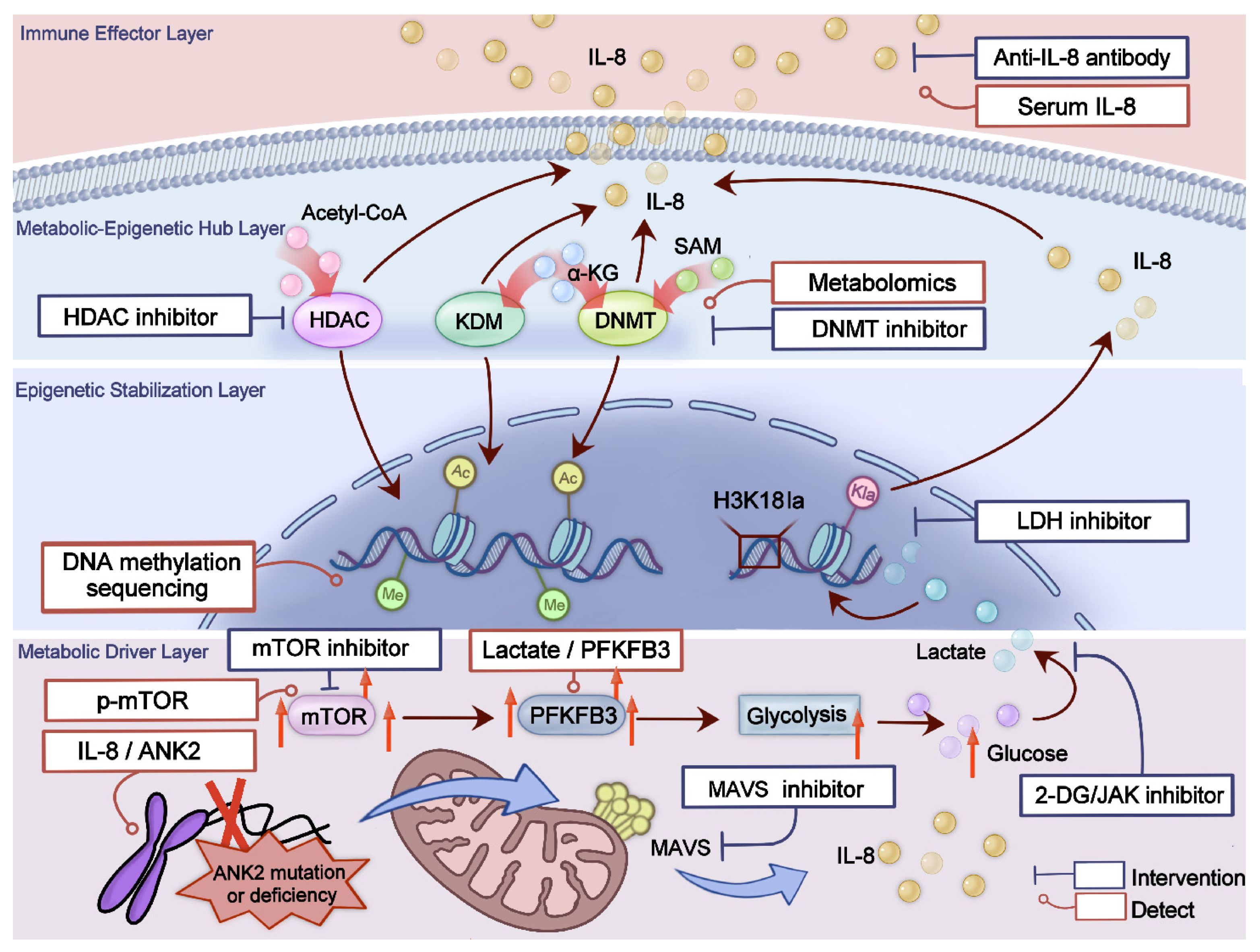
In conclusion, the metabolic-inflammatory and epigenetic markers provide important tools for the early diagnosis, assessment of disease activity, and monitoring of treatment response of TAK. Different targeting strategies should be developed for different pathogenic tiers (Table 1). Future research should further validate the clinical applicability of these markers and explore their potential in individualized treatment.

6. Research Methods and Technological Advances in Metabolic and Epigenetic Regulation

6.1. Multi-Omics Integration Technologies and Applications

High-throughput sequencing technologies have driven the development of single-cell multi-omics approaches—including RNA sequencing, proteomics, metabolomics, and chromatin accessibility sequencing—providing multilayered insights into the pathogenesis of large-vessel vasculitis. Cross-omics data integration methods, such as single-cell optimal transport (SCOT) algorithm and the cross-attention mechanism-based deep learning architectures CrossAttOmics framework, enable unsupervised alignment and fusion of heterogeneous omics datasets, thereby enhancing the accuracy of disease subtyping and outcome prediction [96,97]. The Windows Scanning Multiomics (WSM) technology facilitates the simultaneous extraction of metabolites and proteins. When coupled with ultra-performance liquid chromatography-mass spectrometry (UPLC-MS) analysis, it constructs more precise metabolite–protein association networks while mitigating false-positive correlations inherent in conventional methods [98]. Additionally, approaches based on Boolean networks (e.g., mBNITA), coupled with software packages from the Bioconductor project, facilitate the standardized integration and analysis of multi-omics data, thereby significantly streamlining analytical workflows for both multi-omics and pan-cancer studies [99,100]. Multi-omics studies in COVID-19 have also demonstrated the potential of integrating transcriptomics, proteomics, and lipidomics to elucidate complex disease mechanisms [101].
Artificial intelligence, particularly deep learning, is further driving innovative integration of multi-omics data. The SUPREME framework utilizes graph convolutional neural networks to integrate multi-omics features, achieving precise prediction of breast cancer subtypes [102]. Meanwhile, models based on t-distributed stochastic neighbor embedding (t-SNE) and uniform manifold approximation and projection (UMAP) support nonlinear dimensionality reduction and cross-omics projection of large-scale mass spectrometry imaging and chromosome conformation capture datasets [103]. The BaySyn framework utilizes hierarchical Bayesian models to identify functionally relevant driver genes, uncovering lineage-specific biomarkers in gynecological cancers [104]. Emerging tools such as scPairing and spatial multi-omics technologies like INLAomics are expected to enhance multimodal data integration and spatiotemporal analysis [105,106]. Dynamic interactions between metabolism and epigenetics, such as lactylation-mediated histone modification regulated via the GPR81/GPR4 signaling pathway, highlight coupling mechanisms between metabolic flux and chromatin remodeling, providing a new conceptual lens for investigating immunometabolic dysregulation in TAK [107].

6.2. Single-Cell Technologies Reveal Cellular Heterogeneity and Metabolic–Epigenetic Interactions

Single-cell RNA sequencing and single-cell chromatin accessibility sequencing technologies provide high-resolution tools for dissecting immune cell subpopulations in TAK. scRNA-seq has elucidated the transcriptional heterogeneity of T cells, B cells, and macrophage subsets infiltrating the vascular wall [108], while scATAC-seq complements these findings by identifying chromatin accessibility landscapes and identifying immune cell-specific regulatory regions [109]. Multi-omics integration strategies further deepen our understanding of epigenetic regulatory networks in immune cells.
Cell-type-specific disparities in metabolic and epigenetic regulation constitute pivotal drivers of TAK pathogenesis. Single-cell multi-omics studies demonstrate that distinct metabolic states, such as enhanced glycolysis, are closely associated with histone lactylation, which regulates pro-inflammatory gene expression [110,111]. Single-cell metabolomics tools such as single-cell flux estimation analysis (scFEA) enable quantification of metabolic flux at the cellular level, thereby uncovering metabolic dependencies of pro-inflammatory macrophages [112]. These findings suggest that targeting metabolic–epigenetic crosstalk within specific cellular subpopulations may represent a novel therapeutic strategy for TAK.

6.3. Applications of Bioinformatics and Systems Biology Approaches

Bioinformatics and systems biology approaches integrate multi-omics data with machine learning to construct metabolic–epigenetic interaction networks, revealing key molecular circuits in TAK. Transcriptomic analyses have identified significant elevation of chemokines such as CCL2, CCL20, CXCL8, and CXCL10 in plasma from TAK patients. These levels show strong correlations with disease activity, and their combined measurement demonstrates high diagnostic value [18]. Network analysis has demonstrated that mutations in the NSD1 gene influence tumor metabolic phenotypes by regulation of the TGFB2/PPARGC1A signaling axis, highlighting the impact of metabolic heterogeneity on therapeutic outcomes [113]. The DLST gene promotes tumor progression by regulating histone demethylase activity, suggesting that pivotal nodes at the metabolism–epigenetics interface represent promising therapeutic targets [114].
In the realm of therapeutic target prediction, bioinformatics tools have been instrumental in uncovering epigenetic modifications associated with the PI3K/Akt pathway-related genes and circular RNAs (circRNAs), revealing their respective roles in tumor progression [115,116]. Within TAK research, screening of lactylation-related genes identified the RBM25-ACLY axis as a driver of metabolic–epigenetic reprogramming via histone lactylation [117]. Furthermore, age-associated DNA methylation changes influence gene expression, suggesting that epigenetic aging contributes to TAK pathogenesis [118]. Future integration of single-cell multi-omics and spatial transcriptomics technologies will enable detailed analysis of how metabolites such as lactate drive inflammatory responses through histone modifications or DNA methylation, providing theoretical foundations for precision therapeutic strategies.

6.4. Functional Validation Using Cell and Animal Models

While the studies reviewed above establish strong associations between the ANK2–MAVS–IL-8 axis and TAK pathogenesis, causal evidence is essential to validate this pathway as a therapeutic target. However, the field currently lacks ideal animal models that fully recapitulate TAK pathogenesis [119]. Recent functional studies using ANK2-knockdown models have provided direct mechanistic evidence: ANK2 deficiency induces mitochondrial cristae disorganization and membrane hyperpolarization, leading to MAVS oligomerization and enhanced IL-8 secretion [15]. Existing models include human artery xenografts in immunodeficient mice, which maintain arteritis and enable therapeutic testing [120]. Animal models have also been developed by injecting Toll-like receptor (TLR) ligands into the perivascular adipose tissue (PVAT) surrounding selected segments of the aorta [119] in genetically modified mice, such as mice deficient in interferon regulatory factor (IRF)-4 binding protein (IBP) [121] and interleukin-1 receptor antagonist-deficient (Il1rn−/−) mice [122]. These mice develop inflammation in the aorta.

7. Future Research Directions and Challenges

Although metabolic–epigenetic regulatory networks offer a novel paradigm for understanding TAK, translating this knowledge into clinical benefits remains a core challenge. Decoding spatiotemporal dynamics and cellular heterogeneity presents the primary bottleneck. Current research, which predominantly relies on analyses of circulating cells or tissue homogenates, fails to capture the real-time metabolic–epigenetic crosstalk within the local vascular wall microenvironment, particularly at the active inflammatory front. Therefore, the development and application of spatial multi-omics technologies—such as the integration of spatial metabolomics with ATAC-seq—coupled with advanced in vivo imaging techniques (e.g., reporter gene systems for tracing specific metabolites) are imperative. These approaches are key to in situ mapping of the interactive states among distinct cellular subpopulations (e.g., resident fibroblasts versus infiltrating lymphocytes) within diseased vasculature, thereby revealing the intricate “geography” of the disease.
Second, establishing predictive models and functional validation systems is urgently needed. Potential targets identified through multi-omics data screening—such as specific histone lactylases—require rigorous causal validation. This necessitates the use of sophisticated models that faithfully recapitulate the human disease milieu, such as patient-derived vascular organoids or humanized mouse models of chronic vascular wall inflammation. To further validate the ANK2–MAVS–IL-8 axis, future studies should consider generating vascular-specific ANK2 knockout mouse models to determine whether ANK2 deficiency alone can trigger large vessel inflammation and testing MAVS inhibitors or IL-8-neutralizing antibodies in existing vasculitis models.
Concurrently, developing AI-driven dynamic predictive models that integrate longitudinal metabolomics, epigenetic markers, and imaging features is crucial for discerning the transition from active to chronic phases and predicting treatment resistance.
Ultimately, the overarching goal is to achieve truly individualized and dynamic therapeutic intervention. This requires us to transcend “static classification” and explore sequential therapeutic strategies tailored to distinct disease phases—such as the acute inflammatory stage versus chronic fibrosis. For instance, early interventions could target metabolic reprogramming to “erase” inflammatory memory, while later stages could focus on the epigenetically maintained fibrotic programs.
Furthermore, exploring how modulation of the gut microbiota and its metabolome can indirectly reshape the host’s metabolic–epigenetic axis may unveil novel, non-immunosuppressive adjunctive avenues for TAK management. Beyond epigenetic modifications, protein glycosylation constitutes an additional layer of post-translational regulatory mechanisms that integrate metabolic signals with immune function. Studies have shown that aberrant IgG glycosylation exists in patients with certain autoimmune diseases and vasculitis [123,124], including TAK [125], and is associated with disease activity [126]. Metabolic reprogramming may drive these alterations, positioning glycosylation as a potential complementary biomarker and novel therapeutic target.

8. Discussion and Conclusions

The reciprocal interplay between metabolic reprogramming and epigenetic regulation constitutes a core mechanism underpinning the chronic inflammatory state in TAK [19,20,127]. Herein, we articulate that in TAK, metabolic reprogramming of VSMCs and endothelial cells serves a dual function: it furnishes the bioenergetic and biosynthetic precursors required for cell activation while simultaneously reshaping the intracellular metabolome. These metabolites, acting as substrates or co-factors, directly modulate the activity of epigenetic enzymes, thereby shaping the long-term transcriptional landscape of inflammation-related genes and establishing a persistent inflammatory phenotype [128]. This metabolic–epigenetic crosstalk forms a self-reinforcing “inflammatory memory,” enabling sustained vascular inflammation and fibroblast activation even after inflammatory triggers subside [21,129]. Recent elucidation of the ANK2–MAVS–IL-8 axis provides crucial insights into how mitochondrial metabolic stress arising from genetic susceptibility is translated into sustained immune-inflammatory responses via specific signaling pathways in TAK.
Rare variants in the ANK2 gene in vascular smooth muscle cells (VSMCs) lead to mitochondrial cristae disorganization and dysfunction, inducing abnormal mitochondrial membrane potential, reactive oxygen species accumulation, and a bioenergetic crisis [15,25]. This state of mitochondrial stress specifically activates the mitochondrial-anchored adaptor protein MAVS. Upon oligomerization, MAVS triggers a downstream signaling cascade, including the NF-κB pathway, driving excessive secretion of key proinflammatory cytokines such as IL-6 and IL-8 from the affected vascular cells [15,76]. Among these, IL-8, a potent neutrophil chemoattractant and activator, is central to vascular endothelial injury, smooth muscle cell activation, and arterial wall remodeling [81,130]. Thus, the ANK2–MAVS–IL-8 axis represents a critical link connecting genetic susceptibility, mitochondrial dysfunction, and chronic vascular inflammation.
From a clinical translation perspective, elucidating this axis holds multiple implications. First, it broadens the traditional perspective of immune cell infiltration, partially tracing the root cause of the disease to organelle dysfunction and metabolic imbalance. Second, IL-8, as a key output molecule of this pathway, demonstrates significant potential as a specific biomarker for disease activity and vascular injury. Clinical studies confirm its serum levels correlate positively with the severity of renal artery stenosis and are elevated in ANK2 variants, facilitating more precise risk stratification and treatment monitoring [85]. Third, the development of multiple targets within this axis offers novel therapeutic strategies for TAK management [80]. To further illustrate the translational potential of this metabolic–epigenetic crosstalk framework, we propose a molecular and cellular mechanistic approach to patient stratification based on the distinct pathogenic layers discussed above (Figure 2). Such strategies may exhibit synergistic effects when combined with traditional immunosuppressants or JAK inhibitors, offering particular benefit for patients with inadequate response or high recurrence risk to existing therapies [131].
Notably, the metabolic–epigenetic interaction pattern is not exclusive to TAK. A similar co-occurrence of enhanced glycolysis, mitochondrial dysfunction, and aberrant epigenetic modifications like histone lactylation has been observed in other autoimmune diseases, such as rheumatoid arthritis and giant cell arteritis [57,113,132]. This suggests that therapeutic strategies targeting shared nodes—such as the key metabolic enzyme PFKFB3 and epigenetic regulators HDACs—have broad-spectrum potential across related diseases, providing theoretical support for drug repurposing [56].
However, translating this cutting-edge knowledge into clinical practice remains challenging. The TAK patient population exhibits significant heterogeneity, with immunometabolic and epigenetic profiles varying according to disease stage, affected vascular bed, and individual genetic background [114,133]. Future research must leverage advanced technologies such as single-cell multi-omics and spatial transcriptomics to dissect the specific metabolic–epigenetic dialogs between distinct cellular subpopulations (e.g., infiltrating immune cells and fibroblasts) within the vascular wall microenvironment across both spatial and temporal dimensions [102,103]. Concurrently, large-scale longitudinal cohort studies are essential to validate the predictive value of biomarkers related to the ANK2–MAVS–IL-8 axis for disease relapse, treatment response, and vascular progression. Furthermore, developing integrated predictive models that combine metabolomic signatures (e.g., lactate, acetyl-CoA) with epigenetic markers (e.g., specific lncRNAs or DNA methylation sites) represents a promising direction [18].
In conclusion, the therapeutic paradigm for TAK is poised to evolve from simple immunosuppression toward a multidimensional strategy that integrates metabolic modulation, epigenetic intervention, and precision immune targeting. By deciphering and therapeutically targeting core interaction networks such as the ANK2–MAVS–IL-8 axis, we can envisage disrupting the vicious cycle of chronicity and recurrence in TAK, ultimately improving long-term patient outcomes.

Author Contributions

Conceptualization, T.X., L.Z. and X.Z.; writing—original draft preparation, T.X., L.Z., B.X., Y.W., H.X., H.S. and X.N.; writing—review and editing, T.X., S.L., B.X., P.L. and H.L.; visualization, T.X., L.Z., S.L. and Z.S.; supervision, H.L.; project administration, T.X.; funding acquisition, H.L. and P.L. All authors have read and agreed to the published version of the manuscript.

Funding

This work was supported by Yunnan Fundamental Research Kunming Medical University Projects (Grant No. 507022673062), the Scientific Research Fund of the Yunnan Provincial Department of Education (Grant No. 2023J0217), the Key Project of the Yunnan Provincial Undergraduate Training Program for Innovation and Entrepreneurship (Grant No. S202510678068) and the Educational and Teaching Research Project of Kunming Medical University (Grant No. 2024-JY-Y-007).

Data Availability Statement

No new data were created or analyzed in this study. Data sharing is not applicable to this article.

Acknowledgments

We would like to extend our heartfelt thanks to everyone who contributed to the submission process of this manuscript. During the preparation of this review, we utilized artificial intelligence tools (Bohrium 1.22.1 and DeepSeek-V3.2) to assist with literature organization, preliminary drafting, and language polishing. These tools were employed solely to enhance efficiency and writing quality. All generated content was carefully examined, amended, and endorsed by the authors, who take full responsibility for the published work. We also appreciate the ongoing support and encouragement from our colleagues and peers.

Conflicts of Interest

The authors confirm that this review was carried out without any commercial or financial affiliations that could be perceived as a potential conflict of interest.

Abbreviations

Listed below are the abbreviations that appear in this manuscript:
α-KGalpha-ketoglutarate
ANK2ankyrin 2
BCL2L13BCL2-like 13
cGAScyclic GMP–AMP synthase
c-TAKchildhood-onset Takayasu arteritis
CYP450Cytochrome P450
DNMTDNA methyltransferase
EZH2enhancer of zeste homolog 2
HDAChistone deacetylase
HIF-1αhypoxia-inducible factor 1-alpha
H3K18laHistone H3 lysine 18 lactylation
IDOindoleamine 2,3-dioxygenase
IFN-γinterferon-gamma
IL-1βinterleukin-1 beta
IL-6interleukin-6
IL-8interleukin-8
IL-12BInterleukin 12 Subunit Beta
LDHlactate dehydrogenase
MAVSmitochondrial antiviral-signaling protein
mTORmechanistic target of rapamycin
mTORC1mechanistic target of rapamycin complex 1
NF-κBnuclear factor kappa B
Notch1neurogenic locus notch homolog protein 1
NOX1NADPH oxidase 1
Nsp5nonstructural protein 5
PFKFB36-phosphofructo-2-kinase/fructose-2,6-bisphosphatase 3
PRMT9protein arginine methyltransferase 9
ROSreactive oxygen species
SAMS-adenosylmethionine
scFEAsingle-cell flux estimation analysis
STINGstimulator of interferon genes
TAKTakayasu arteritis
Th1T helper 1 cell
Th17T helper 17 cell
TLRToll-like receptor
TMAOtrimethylamine N-oxide
TNF-αtumor necrosis factor alpha
TNFAIP3TNF-α-induced protein 3
Tregregulatory T cell
USP10ubiquitin-specific peptidase 10
VEGFvascular endothelial growth factor
ZFPM2zinc finger protein, FOG family member 2

References

  1. Numano, F.; Okawara, M.; Inomata, H.; Kobayashi, Y. Takayasu’s arteritis. Lancet 2000, 356, 1023–1025. [Google Scholar] [CrossRef]
  2. Onen, F.; Akkoc, N. Epidemiology of Takayasu arteritis. Presse Med. 2017, 46, e197–e203. [Google Scholar] [CrossRef]
  3. Sun, Y.; Kong, X.; Dai, X.; Jiang, L. Epidemiology of large vasculitis in Shanghai, China: A 10-year multicenter hospital-based study and systematic review. Int. J. Rheum. Dis. 2024, 27, e15360. [Google Scholar] [CrossRef] [PubMed]
  4. Mason, J.C. Takayasu arteritis—Advances in diagnosis and management. Nat. Rev. Rheumatol. 2010, 6, 406–415. [Google Scholar] [CrossRef]
  5. Terao, C.; Yoshifuji, H.; Mimori, T. Recent advances in Takayasu arteritis. Int. J. Rheum. Dis. 2014, 17, 238–247. [Google Scholar] [CrossRef]
  6. Sano, M. Complexity of Inflammation in the Trajectory of Vascular Disease: Interleukin 6 and Beyond. Ann. Vasc. Dis. 2023, 16, 8–16. [Google Scholar] [CrossRef] [PubMed]
  7. Watanabe, R.; Berry, G.J.; Liang, D.H.; Goronzy, J.J.; Weyand, C.M. Cellular Signaling Pathways in Medium and Large Vessel Vasculitis. Front. Immunol. 2020, 11, 587089. [Google Scholar] [CrossRef] [PubMed]
  8. Nakano, M.; Ayano, M.; Fukui, S.; Iwanaga, N.; Tatsutani, T.; Takaki-Kuwahara, A.; Kimoto, Y.; Akahoshi, M.; Migita, K.; Kawakami, A.; et al. Elevated soluble CD226 in Takayasu arteritis is useful for differentiation from giant cell arteritis, disease activity assessment, and prognosis prediction. Medicine 2025, 104, e42844. [Google Scholar] [CrossRef]
  9. Casares-Marfil, D.; Sawalha, A.H. Functional and Practical Insights Into the Genetic Basis of Takayasu Arteritis. ACR Open Rheumatol. 2025, 7, e11766. [Google Scholar] [CrossRef]
  10. Kadoba, K.; Watanabe, R.; Iwasaki, T.; Nakajima, T.; Kitagori, K.; Akizuki, S.; Murakami, K.; Nakashima, R.; Hashimoto, M.; Tanaka, M.; et al. A susceptibility locus in the IL12B but not LILRA3 region is associated with vascular damage in Takayasu arteritis. Sci. Rep. 2021, 11, 13667. [Google Scholar] [CrossRef]
  11. Kondo, S.; Umezawa, N.; Tagawa, Y.; Yasuda, S. Successful treatment with tocilizumab in a case of familial Mediterranean fever with Takayasu arteritis. Mod. Rheumatol. Case Rep. 2025, 9, rxaf027. [Google Scholar] [CrossRef] [PubMed]
  12. Zhou, X.; Shan, N.N. The metabolism-immunity axis in Immune thrombocytopenia: From energy regulation to targeted therapy. Pharmacol. Res. 2025, 217, 107803. [Google Scholar] [CrossRef]
  13. Li, S.; Han, H.; Yang, K.; Li, X.; Ma, L.; Yang, Z.; Zhao, Y.X. Emerging role of metabolic reprogramming in the immune microenvironment and immunotherapy of thyroid cancer. Int. Immunopharmacol. 2025, 144, 113702. [Google Scholar] [CrossRef] [PubMed]
  14. Kabeerdoss, J.; Danda, D.; Goel, R.; Mohan, H.; Danda, S.; Scofield, R.H. Genome-Wide DNA Methylation Profiling in CD8 T-Cells and Gamma Delta T-Cells of Asian Indian Patients with Takayasu Arteritis. Front. Cell Dev. Biol. 2022, 10, 843413. [Google Scholar] [CrossRef]
  15. Chen, S.; Sun, X.; Zhang, J.; Wang, L.; Nie, R.; Luan, H.; Yang, T.; Liao, H.; Zeng, X.; Li, F.; et al. ANK2-MAVS signaling dysfunction triggers mitochondrial stress and enhances IL-8 mediated inflammatory responses in Takayasu arteritis. Free Radic. Biol. Med. 2026, 243, 82–95. [Google Scholar] [CrossRef]
  16. Liu, Y.; Chen, C.; Wang, X.; Sun, Y.; Zhang, J.; Chen, J.; Shi, Y. An Epigenetic Role of Mitochondria in Cancer. Cells 2022, 11, 2518. [Google Scholar] [CrossRef]
  17. Britt, E.C.; John, S.V.; Locasale, J.W.; Fan, J. Metabolic regulation of epigenetic remodeling in immune cells. Curr. Opin. Biotechnol. 2020, 63, 111–117. [Google Scholar] [CrossRef] [PubMed]
  18. Dong, H.; Zhang, Y.; Zou, Y.; Chen, Y.; Yue, J.; Liu, H.; Jiang, X. Elevated chemokines concentration is associated with disease activity in Takayasu arteritis. Cytokine 2021, 143, 155515. [Google Scholar] [CrossRef]
  19. Chen, Z.; Natarajan, R. Epigenetic modifications in metabolic memory: What are the memories, and can we erase them? Am. J. Physiol. Cell Physiol. 2022, 323, C570–C582. [Google Scholar] [CrossRef]
  20. Gómez de Cedrón, M.; Moreno Palomares, R.; Ramírez de Molina, A. Metabolo-epigenetic interplay provides targeted nutritional interventions in chronic diseases and ageing. Front. Oncol. 2023, 13, 1169168. [Google Scholar] [CrossRef]
  21. Sun, Y.H.; Zhang, J.X.; Jin, H.S.; Huang, J. Crosstalk Between Metabolic Reprogramming and Epigenetic Modifications in Colorectal Cancer: Mechanisms and Clinical Applications. Curr. Issues Mol. Biol. 2025, 47, 751. [Google Scholar] [CrossRef]
  22. Hamzaoui, K.; Hamzaoui, A. Vasculitis and the NLRP3 inflammasome. Curr. Opin. Rheumatol. 2024, 36, 9–15. [Google Scholar] [CrossRef]
  23. Hang, L.; Zhang, Y.; Zhang, Z.; Jiang, H.; Xia, L. Metabolism Serves as a Bridge Between Cardiomyocytes and Immune Cells in Cardiovascular Diseases. Cardiovasc. Drugs Ther. 2025, 39, 661–676. [Google Scholar] [CrossRef]
  24. Lin, B.; Wu, T.; Nasb, M.; Li, Z.; Chen, N. Regular exercise alleviates metabolic dysfunction-associated steatohepatitis through rescuing mitochondrial oxidative stress and dysfunction in liver. Free Radic. Biol. Med. 2025, 230, 163–176. [Google Scholar] [CrossRef] [PubMed]
  25. Li, A.; Zheng, N.; Ding, X. Mitochondrial abnormalities: A hub in metabolic syndrome-related cardiac dysfunction caused by oxidative stress. Heart Fail. Rev. 2022, 27, 1387–1394. [Google Scholar] [CrossRef] [PubMed]
  26. Dewanjee, S.; Chakraborty, P.; Bhattacharya, H.; Chacko, L.; Singh, B.; Chaudhary, A.; Javvaji, K.; Pradhan, S.R.; Vallamkondu, J.; Dey, A.; et al. Altered glucose metabolism in Alzheimer’s disease: Role of mitochondrial dysfunction and oxidative stress. Free Radic. Biol. Med. 2022, 193, 134–157. [Google Scholar] [CrossRef]
  27. Mohan, J.; Ghazi, T.; Sibiya, T.; Chuturgoon, A.A. Antiretrovirals Promote Metabolic Syndrome through Mitochondrial Stress and Dysfunction: An In Vitro Study. Biology 2023, 12, 580. [Google Scholar] [CrossRef] [PubMed]
  28. Rossi, M.M.; Signorini, F.J.; Castillo, T.A.; Parada, M.P.S.; Moser, F.; Baez, M.D. Sleeve Gastrectomy Reduces Oxidative Stress and Reverses Mitochondrial Dysfunction Associated with Metabolic Syndrome. Obes. Surg. 2024, 34, 2042–2053. [Google Scholar] [CrossRef]
  29. Zhang, B.; Vogelzang, A.; Fagarasan, S. Secreted immune metabolites that mediate immune cell communication and function. Trends Immunol. 2022, 43, 990–1005. [Google Scholar] [CrossRef]
  30. Li, Y.; Wu, Y.; Hu, Y. Metabolites in the Tumor Microenvironment Reprogram Functions of Immune Effector Cells Through Epigenetic Modifications. Front. Immunol. 2021, 12, 641883. [Google Scholar] [CrossRef]
  31. Cai, X.; Ren, F.; Yao, Y. Gut microbiota and their metabolites in the immune response of rheumatoid arthritis: Therapeutic potential and future directions. Int. Immunopharmacol. 2025, 147, 114034. [Google Scholar] [CrossRef] [PubMed]
  32. Ohno, H. The impact of metabolites derived from the gut microbiota on immune regulation and diseases. Int. Immunol. 2020, 32, 629–636. [Google Scholar] [CrossRef]
  33. Zhao, H.; Teng, D.; Yang, L.; Xu, X.; Chen, J.; Jiang, T.; Feng, A.Y.; Zhang, Y.; Frederick, D.T.; Gu, L.; et al. Myeloid-derived itaconate suppresses cytotoxic CD8(+) T cells and promotes tumour growth. Nat. Metab. 2022, 4, 1660–1673. [Google Scholar] [CrossRef]
  34. Ye, L.; Jiang, Y.; Zhang, M. Crosstalk between glucose metabolism, lactate production and immune response modulation. Cytokine Growth Factor Rev. 2022, 68, 81–92. [Google Scholar] [CrossRef]
  35. Mortazavi Farsani, S.S.; Verma, V. Lactate mediated metabolic crosstalk between cancer and immune cells and its therapeutic implications. Front. Oncol. 2023, 13, 1175532. [Google Scholar] [CrossRef]
  36. Liu, Y.; Kabakov, A.Y.; Xie, A.; Shi, G.; Singh, A.K.; Sodha, N.R.; Ehsan, A.; Usheva, A.; Agbortoko, V.; Koren, G.; et al. Metabolic regulation of endothelial SK channels and human coronary microvascular function. Int. J. Cardiol. 2020, 312, 1–9. [Google Scholar] [CrossRef]
  37. Jin, Q.; Zhang, C.; Chen, R.; Jiang, L.; Li, H.; Wu, P.; Li, L. Quinic acid regulated TMA/TMAO-related lipid metabolism and vascular endothelial function through gut microbiota to inhibit atherosclerotic. J. Transl. Med. 2024, 22, 352. [Google Scholar] [CrossRef] [PubMed]
  38. Wang, H.; Shen, C.; Yang, Y.; Li, X.; Tan, J.; Yang, M.; Wu, Y.; Li, Y.; Feng, Z.; Gao, S.; et al. Pigment epithelium-derived factor prevents endothelial dysfunction in early stage of hyperlipidemia by regulating endothelial fatty acid transport. Atherosclerosis 2025, 408, 120446. [Google Scholar] [CrossRef] [PubMed]
  39. Mutoh, T.; Shirai, T.; Ishii, T.; Shirota, Y.; Fujishima, F.; Takahashi, F.; Kakuta, Y.; Kanazawa, Y.; Masamune, A.; Saiki, Y.; et al. Identification of two major autoantigens negatively regulating endothelial activation in Takayasu arteritis. Nat. Commun. 2020, 11, 1253. [Google Scholar] [CrossRef]
  40. Le Joncour, A.; Desbois, A.C.; Leroyer, A.S.; Tellier, E.; Régnier, P.; Maciejewski-Duval, A.; Comarmond, C.; Barete, S.; Arock, M.; Bruneval, P.; et al. Mast cells drive pathologic vascular lesions in Takayasu arteritis. J. Allergy Clin. Immunol. 2022, 149, 292–301.e3. [Google Scholar] [CrossRef]
  41. Ruan, X.; Zhao, W. Brown adipocyte-derived exosomes in type 2 diabetes mellitus impair endothelial function via regulating intracellular calcium cycle. Front. Cardiovasc. Med. 2025, 12, 1546325. [Google Scholar] [CrossRef]
  42. Li, P.; Wang, T.; Chen, M.; Chen, J.; Shen, Y.; Chen, L. RAGE-mediated functional DNA methylated modification contributes to cigarette smoke-induced airway inflammation in mice. Biosci. Rep. 2021, 41, BSR20210308. [Google Scholar] [CrossRef]
  43. Zhao, X.; Zhu, S.; Li, J.; Long, D.; Wan, M.; Tang, W. Epigenetic changes in inflammatory genes and the protective effect of cooked rhubarb on pancreatic tissue of rats with chronic alcohol exposure. Biomed. Pharmacother. 2022, 146, 112587. [Google Scholar] [CrossRef] [PubMed]
  44. Li, P.; Peng, J.; Chen, G.; Chen, F.; Shen, Y.; Liu, L.; Chen, L. DNA Methylation Profiling in a Cigarette Smoke-Exposed Mouse Model of Airway Inflammation. Int. J. Chronic Obstr. Pulm. Dis. 2022, 17, 2443–2450. [Google Scholar] [CrossRef] [PubMed]
  45. Chacón, T.; Hernández, H.G. DNA methylation in peripheral blood leukocytes in late onset Alzheimer’s disease. J. Alzheimer’s Dis. Rep. 2025, 9, 25424823251341176. [Google Scholar] [CrossRef] [PubMed]
  46. Meskini, M.; Zamani, M.S.; Amanzadeh, A.; Bouzari, S.; Karimipoor, M.; Fuso, A.; Fateh, A.; Siadat, S.D. Epigenetic modulation of cytokine expression in Mycobacterium tuberculosis-infected monocyte derived-dendritic cells: Implications for tuberculosis diagnosis. Cytokine 2024, 181, 156693. [Google Scholar] [CrossRef]
  47. Tian, X.; Wang, T.; Shen, H.; Wang, S. Tumor microenvironment, histone modifications, and myeloid-derived suppressor cells. Cytokine Growth Factor Rev. 2023, 74, 108–121. [Google Scholar] [CrossRef]
  48. Zhang, Y.; Chen, J.; Liu, H.; Mi, R.; Huang, R.; Li, X.; Fan, F.; Xie, X.; Ding, J. The role of histone methylase and demethylase in antitumor immunity: A new direction for immunotherapy. Front. Immunol. 2022, 13, 1099892. [Google Scholar] [CrossRef]
  49. Xiao, Z.; He, R.; Zhao, Z.; Chen, T.; Ying, Z. Dysregulation of epigenetic modifications in inborn errors of immunity. Epigenomics 2024, 16, 1301–1313. [Google Scholar] [CrossRef]
  50. Li, H.; Wang, R.; Yu, B.; Zeng, J.; Xiao, Z. Identification of SIN3A as a Promising Epigenetic Target Against Allergic Rhinitis. J. Inflamm. Res. 2025, 18, 14971–14987. [Google Scholar] [CrossRef]
  51. Luo, H.; Shan, J.; Zhang, H.; Song, G.; Li, Q.; Xu, C.X. Targeting the epigenetic processes to enhance antitumor immunity in small cell lung cancer. Semin. Cancer Biol. 2022, 86, 960–970. [Google Scholar] [CrossRef] [PubMed]
  52. Wang, Z.; Gu, Z.; Mo, W.; Zhang, H. Lactate metabolic checkpoint in immuno-oncology: Mechanisms and therapeutic implications. Cancer Lett. 2025, 633, 218038. [Google Scholar] [CrossRef]
  53. Qian, Z.; Cai, X.; Wu, F.; Ye, Z.; Wu, J. Histone lactylation drives METTL3 upregulation-mediated RNA m6A modification of CCT2 to hinder CD8(+) T cell survival in gastric cancer. Cell. Mol. Life Sci. 2025, 83, 17. [Google Scholar] [CrossRef]
  54. Fadaei, S.; Zarepour, F.; Parvaresh, M.; Motamedzadeh, A.; Tamehri Zadeh, S.S.; Sheida, A.; Shabani, M.; Hamblin, M.R.; Rezaee, M.; Zarei, M.; et al. Epigenetic regulation in myocardial infarction: Non-coding RNAs and exosomal non-coding RNAs. Front. Cardiovasc. Med. 2022, 9, 1014961. [Google Scholar] [CrossRef] [PubMed]
  55. Bonacini, M.; Rossi, A.; Ferrigno, I.; Muratore, F.; Boiardi, L.; Cavazza, A.; Bisagni, A.; Cimino, L.; De Simone, L.; Ghidini, A.; et al. miR-146a and miR-146b regulate the expression of ICAM-1 in giant cell arteritis. J. Autoimmun. 2024, 144, 103186. [Google Scholar] [CrossRef]
  56. Bolha, L.; Hočevar, A.; Jurčić, V. Current state of epigenetics in giant cell arteritis: Focus on microRNA dysregulation. Autoimmun. Rev. 2025, 24, 103739. [Google Scholar] [CrossRef]
  57. Morselli, M.; Dieci, G. Epigenetic regulation of human non-coding RNA gene transcription. Biochem. Soc. Trans. 2022, 50, 723–736. [Google Scholar] [CrossRef]
  58. Garratt, H.; Ashburn, R.; Sopić, M.; Nogara, A.; Caporali, A.; Mitić, T. Long Non-Coding RNA Regulation of Epigenetics in Vascular Cells. Noncoding RNA 2021, 7, 62. [Google Scholar] [CrossRef]
  59. Song, Z.; He, C.; Wen, J.; Yang, J.; Chen, P. Long Non-coding RNAs: Pivotal Epigenetic Regulators in Diabetic Retinopathy. Curr. Genom. 2022, 23, 246–261. [Google Scholar] [CrossRef]
  60. Bure, I.V.; Nemtsova, M.V.; Kuznetsova, E.B. Histone Modifications and Non-Coding RNAs: Mutual Epigenetic Regulation and Role in Pathogenesis. Int. J. Mol. Sci. 2022, 23, 5801. [Google Scholar] [CrossRef] [PubMed]
  61. Saadi, W.; Fatmi, A.; Pallardó, F.V.; García-Giménez, J.L.; Mena-Molla, S. Long Non-Coding RNAs as Epigenetic Regulators of Immune Checkpoints in Cancer Immunity. Cancers 2022, 15, 184. [Google Scholar] [CrossRef]
  62. Milazzotto, M.P.; Ispada, J.; de Lima, C.B. Metabolism-epigenetic interactions on in vitro produced embryos. Reprod. Fertil. Dev. 2022, 35, 84–97. [Google Scholar] [CrossRef]
  63. Flowers, B.; Duric, B. Metabolic-epigenetic interactions in heart failure: Current understanding and future directions. Biochem. Biophys. Res. Commun. 2025, 783, 152608. [Google Scholar] [CrossRef] [PubMed]
  64. Mao, Y.Z.; Zhao, S.M. Target compartmentalized metabolism to regulate epigenetics. Trends Endocrinol. Metab. 2025, 36, 872–873. [Google Scholar] [CrossRef]
  65. Lin, R.; Zhu, Y.; Liu, Y.; Guo, Z.; Wei, J.; Li, Y.; Yu, Y. Sirtuins regulate macrophage polarization in heart failure: Metabolic reprogramming, epigenetic regulation, and immune cell interactions. Pharmacol. Res. 2025, 220, 107936. [Google Scholar] [CrossRef]
  66. Giuliani, S.; Accetta, C.; di Martino, S.; De Vitis, C.; Messina, E.; Pescarmona, E.; Fanciulli, M.; Ciliberto, G.; Mancini, R.; Falcone, I. Metabolic Reprogramming in Melanoma: An Epigenetic Point of View. Pharmaceuticals 2025, 18, 853. [Google Scholar] [CrossRef]
  67. Zhang, T.; Gong, Y.; Meng, H.; Li, C.; Xue, L. Symphony of epigenetic and metabolic regulation-interaction between the histone methyltransferase EZH2 and metabolism of tumor. Clin. Epigenet. 2020, 12, 72. [Google Scholar] [CrossRef]
  68. Liu, Y.; Cui, D.X.; Pan, Y.; Yu, S.H.; Zheng, L.W.; Wan, M. Metabolic-epigenetic nexus in regulation of stem cell fate. World J. Stem Cells 2022, 14, 490–502. [Google Scholar] [CrossRef]
  69. Rousseau, L.; Hajdu, K.L.; Ho, P.C. Meta-epigenetic shifts in T cell aging and aging-related dysfunction. J. Biomed. Sci. 2025, 32, 51. [Google Scholar] [CrossRef] [PubMed]
  70. Liu, F.; Zhuang, W.; Song, B.; Yang, Y.; Liu, J.; Zheng, Y.; Liu, B.; Zheng, J.; Zhao, W.; Gao, C. MAVS-loaded unanchored Lys63-linked polyubiquitin chains activate the RIG-I-MAVS signaling cascade. Cell. Mol. Immunol. 2023, 20, 1186–1202. [Google Scholar] [CrossRef] [PubMed]
  71. Dai, T.; Zhang, L.; Ran, Y.; Zhang, M.; Yang, B.; Lu, H.; Lin, S.; Zhang, L.; Zhou, F. MAVS deSUMOylation by SENP1 inhibits its aggregation and antagonizes IRF3 activation. Nat. Struct. Mol. Biol. 2023, 30, 785–799. [Google Scholar] [CrossRef]
  72. Li, W.; Qiao, J.; You, Q.; Zong, S.; Peng, Q.; Liu, Y.; Hu, S.; Liu, W.; Li, S.; Shu, X.; et al. SARS-CoV-2 Nsp5 Activates NF-κB Pathway by Upregulating SUMOylation of MAVS. Front. Immunol. 2021, 12, 750969. [Google Scholar] [CrossRef]
  73. Zhao, D.; Morimoto, N.; Saito, R.; Yamada, J.; Abe, S.; Kosako, H.; Gotoh, Y.; Okazaki, T. MAVS phosphorylation acts as a cellular stress sensor that modulates antiviral immunity. iScience 2025, 28, 113256. [Google Scholar] [CrossRef]
  74. Bai, X.; Sui, C.; Liu, F.; Chen, T.; Zhang, L.; Zheng, Y.; Liu, B.; Gao, C. The protein arginine methyltransferase PRMT9 attenuates MAVS activation through arginine methylation. Nat. Commun. 2022, 13, 5016, Correction in Nat. Commun. 2024, 15, 282. [Google Scholar] [CrossRef] [PubMed]
  75. Lu, Y.; Qi, Y.; Yinliang, Q.; Zhu, R.; Sarapultsev, A.; Luo, S.; Cui, J.; Hu, D. Old dogs-new tricks: Multifaceted functions of MAVS beyond antivirus activity in human health and diseases. Cell Biosci. 2025, 16, 1. [Google Scholar] [CrossRef]
  76. Gao, S.; Quick, C.; Guasch-Ferre, M.; Zhuo, Z.; Hutchinson, J.M.; Su, L.; Hu, F.; Lin, X.; Christiani, D. The Association Between Inflammatory and Oxidative Stress Biomarkers and Plasma Metabolites in a Longitudinal Study of Healthy Male Welders. J. Inflamm. Res. 2021, 14, 2825–2839. [Google Scholar] [CrossRef] [PubMed]
  77. Guha, D.; Misra, V.; Yin, J.; Horiguchi, M.; Uno, H.; Gabuzda, D. Vascular injury markers associated with cognitive impairment in people with HIV on suppressive antiretroviral therapy. Aids 2023, 37, 2137–2147. [Google Scholar] [CrossRef] [PubMed]
  78. Li, J.; Li, Y.; Yuan, X.; Yao, D.; Gao, Z.; Niu, Z.; Wang, Z.; Zhang, Y. The effective constituent puerarin, from Pueraria lobata, inhibits the proliferation and inflammation of vascular smooth muscle in atherosclerosis through the miR-29b-3p/IGF1 pathway. Pharm. Biol. 2023, 61, 1–11. [Google Scholar] [CrossRef]
  79. Yao, W.; Tao, R.; Wang, K.; Ding, X. Icariin attenuates vascular endothelial dysfunction by inhibiting inflammation through GPER/Sirt1/HMGB1 signaling pathway in type 1 diabetic rats. Chin. J. Nat. Med. 2024, 22, 293–306. [Google Scholar] [CrossRef]
  80. Yang, W.; Guo, W.; Wang, Z.; Jiang, L.; Luo, X.; Chen, K.; Liu, X.; An, C.; Pi, L.; Xu, Y.; et al. Variant rs13045 reduces EIF2AK3 expression and inhibits pro-inflammatory cytokine secretion via the MAPK-ERK1/2 pathway in Kawasaki disease. Biochim. Biophys. Acta Mol. Basis Dis. 2026, 1872, 168032. [Google Scholar] [CrossRef]
  81. Zavoriti, A.; Miossec, P. Understanding Cardiovascular Events with JAK Inhibitors: Similarities and Differences of the Vascular Effects Between Different JAK Inhibitors on Endothelial Cells Exposed to Inflammatory Cytokines. ACR Open Rheumatol. 2025, 7, e70081. [Google Scholar] [CrossRef] [PubMed]
  82. Zavoriti, A.; Miossec, P. Understanding Cardiovascular Events with JAK Inhibitors: Tofacitinib Reduces Synovial and Vascular Inflammation but not the Prothrombotic Effects of Inflammatory Cytokines on Endothelium. ACR Open Rheumatol. 2025, 7, e11790. [Google Scholar] [CrossRef] [PubMed]
  83. Chen, R.; Wang, J.; Dai, X.; Wu, S.; Huang, Q.; Jiang, L.; Kong, X. Augmented PFKFB3-mediated glycolysis by interferon-γ promotes inflammatory M1 polarization through the JAK2/STAT1 pathway in local vascular inflammation in Takayasu arteritis. Arthritis Res. Ther. 2022, 24, 266. [Google Scholar] [CrossRef]
  84. Hamid, M.A.; Moustafa, M.T.; Nashine, S.; Costa, R.D.; Schneider, K.; Atilano, S.R.; Kuppermann, B.D.; Kenney, M.C. Anti-VEGF Drugs Influence Epigenetic Regulation and AMD-Specific Molecular Markers in ARPE-19 Cells. Cells 2021, 10, 878. [Google Scholar] [CrossRef]
  85. Yang, Y.; Yao, Y.; Cai, X.; Tao, Y.; Zhuge, Z.; Zhou, J.; Zheng, C. DNA methylation and immune regulation in osteoporosis: Emerging epigenetic targets for drug discovery. Front. Pharmacol. 2025, 16, 1688305. [Google Scholar] [CrossRef] [PubMed]
  86. Zhou, Y.; Sun, W.; Qin, Z.; Guo, S.; Kang, Y.; Zeng, S.; Yu, L. LncRNA regulation: New frontiers in epigenetic solutions to drug chemoresistance. Biochem. Pharmacol. 2021, 189, 114228. [Google Scholar] [CrossRef]
  87. Wang, J.; Yu, L.; Jiang, H.; Zheng, X.; Zeng, S. Epigenetic Regulation of Differentially Expressed Drug-Metabolizing Enzymes in Cancer. Drug Metab. Dispos. 2020, 48, 759–768. [Google Scholar] [CrossRef]
  88. Mogol, A.N.; Yoo, J.Y.; Eve, A.A.; Goel, M.; Dutton, D.J.; Schane, C.P.; Lam, A.; Dutta, D.; Barnick, B.; Erdogan, E.D.; et al. ACSS2-Mediated Metabolic-Epigenetic Crosstalk Drives Fulvestrant Resistance and Represents a Novel Therapeutic Target. bioRxiv 2025. [Google Scholar] [CrossRef]
  89. Zhao, Z.; Cao, K.; Watanabe, J.; Philips, C.N.; Zeidner, J.M.; Ishi, Y.; Wang, Q.; Gold, S.R.; Junkins, K.; Bartom, E.T.; et al. Therapeutic targeting of metabolic vulnerabilities in cancers with MLL3/4-COMPASS epigenetic regulator mutations. J. Clin. Investig. 2023, 133, e169993. [Google Scholar] [CrossRef]
  90. Gan, Y.; Zhang, J.; Fu, X.; Wang, Y.; Zhao, C.; Dai, Y.; Yan, H.; Liu, Q.; Sun, W.; Liu, L. Lactylation-mitochondria axis in chronic kidney disease: Metabolic reprogramming, epigenetic dysregulation, and therapeutic potential. Mol. Cell Biochem. 2026, 481, 1533–1545. [Google Scholar] [CrossRef]
  91. Kong, X.; Xu, M.; Cui, X.; Ma, L.; Cheng, H.; Hou, J.; Sun, X.; Ma, L.; Jiang, L. Potential Role of Macrophage Phenotypes and CCL2 in the Pathogenesis of Takayasu Arteritis. Front. Immunol. 2021, 12, 646516. [Google Scholar] [CrossRef]
  92. Espinosa-Bautista, F.; Salazar-Sánchez, M.I.; Brianza-Padilla, M.; León-Ávila, G.; Hernández-Díazcouder, A.; Domínguez-López, M.L.; Amezcua-Guerra, L.M.; Pineda, C. Dysregulation of long non-coding RNAs in Takayasu arteritis: A proof-of-concept study. Clin. Rheumatol. 2024, 43, 1253–1259. [Google Scholar] [CrossRef]
  93. Gutiérrez-Repiso, C.; Linares-Pineda, T.M.; Gonzalez-Jimenez, A.; Aguilar-Lineros, F.; Valdés, S.; Soriguer, F.; Rojo-Martínez, G.; Tinahones, F.J.; Morcillo, S. Epigenetic Biomarkers of Transition from Metabolically Healthy Obesity to Metabolically Unhealthy Obesity Phenotype: A Prospective Study. Int. J. Mol. Sci. 2021, 22, 10417. [Google Scholar] [CrossRef]
  94. Chen, R.; Ma, L.; Lv, P.; Lin, J.; Li, C.; Yan, Y.; Jin, X.; Dai, X.; Ji, Z.; Chen, H.; et al. Serum complement 3 is a potential biomarker for assessing disease activity in Takayasu arteritis. Arthritis Res. Ther. 2021, 23, 63. [Google Scholar] [CrossRef]
  95. Ma, L.; Wu, B.; Sun, Y.; Ding, Z.; Dai, X.; Wang, L.; Dai, X.; Zhang, L.; Chen, H.; Ma, L.; et al. PET vascular activity score for predicting new angiographic lesions in patients with Takayasu arteritis: A Chinese cohort study. Rheumatology 2023, 62, 3310–3316. [Google Scholar] [CrossRef]
  96. Demetci, P.; Santorella, R.; Sandstede, B.; Noble, W.S.; Singh, R. Single-Cell Multiomics Integration by SCOT. J. Comput. Biol. 2022, 29, 19–22. [Google Scholar] [CrossRef]
  97. Beaude, A.; Augé, F.; Zehraoui, F.; Hanczar, B. CrossAttOmics: Multiomics data integration with cross-attention. Bioinformatics 2025, 41, btaf302. [Google Scholar] [CrossRef]
  98. Shi, J.; Zhao, J.; Zhang, Y.; Wang, Y.; Tan, C.P.; Xu, Y.J.; Liu, Y. Windows Scanning Multiomics: Integrated Metabolomics and Proteomics. Anal. Chem. 2023, 95, 18793–18802. [Google Scholar] [CrossRef] [PubMed]
  99. Palshikar, M.G.; Min, X.; Crystal, A.; Meng, J.; Hilchey, S.P.; Zand, M.S.; Thakar, J. Executable Network Models of Integrated Multiomics Data. J. Proteome Res. 2023, 22, 1546–1556. [Google Scholar] [CrossRef] [PubMed]
  100. Ramos, M.; Geistlinger, L.; Oh, S.; Schiffer, L.; Azhar, R.; Kodali, H.; de Bruijn, I.; Gao, J.; Carey, V.J.; Morgan, M.; et al. Multiomic Integration of Public Oncology Databases in Bioconductor. JCO Clin. Cancer Inform. 2020, 4, 958–971. [Google Scholar] [CrossRef] [PubMed]
  101. Li, C.X.; Gao, J.; Zhang, Z.; Chen, L.; Li, X.; Zhou, M.; Wheelock, Å.M. Multiomics integration-based molecular characterizations of COVID-19. Brief. Bioinform. 2022, 23, bbab485. [Google Scholar] [CrossRef]
  102. Kesimoglu, Z.N.; Bozdag, S. SUPREME: Multiomics data integration using graph convolutional networks. NAR Genom. Bioinform. 2023, 5, lqad063. [Google Scholar] [CrossRef]
  103. Dexter, A.; Thomas, S.A.; Steven, R.T.; Robinson, K.N.; Taylor, A.J.; Elia, E.A.; Nikula, C.; Campbell, A.D.; Panina, Y.; Najumudeen, A.K.; et al. A New Approach to Large Multiomics Data Integration. Anal. Chem. 2025, 97, 20058–20067. [Google Scholar] [CrossRef] [PubMed]
  104. Bhattacharyya, R.; Henderson, N.; Baladandayuthapani, V. BaySyn: Bayesian Evidence Synthesis for Multi-system Multiomic Integration. Pac. Symp. Biocomput. 2023, 28, 275–286. [Google Scholar]
  105. Niu, J.; Vasquez-Rios, C.; Ding, J. Single-cell multiomics data integration and generation with scPairing. Cell Rep. Methods 2025, 5, 101211. [Google Scholar] [CrossRef] [PubMed]
  106. Arnroth, L.; Vickovic, S. INLAomics for Scalable and Interpretable Spatial Multiomic Data Integration. bioRxiv 2025. [Google Scholar] [CrossRef] [PubMed]
  107. Chen, G.; Liu, J.; Guo, Y.; Sun, P. Mechanisms for Regulatory Effects of Exercise on Metabolic Diseases from the Lactate-Lactylation Perspective. Int. J. Mol. Sci. 2025, 26, 3469. [Google Scholar] [CrossRef] [PubMed]
  108. Chen, K.; Chen, Z.; Wang, J.; Zhou, M.; Liu, Y.; Xu, B.; Yu, Z.; Li, Y.; Yang, G.; Xu, T. Single-Cell Sequencing Unravels Pancreatic Cancer: Novel Technologies Reveal Novel Aspects of Cellular Heterogeneity and Inform Therapeutic Strategies. Biomedicines 2025, 13, 3024. [Google Scholar] [CrossRef]
  109. Sheng, H.; Li, H.; Zeng, H.; Zhang, B.; Lu, Y.; Liu, X.; Xu, Z.; Zhang, J.; Zhang, L. Heterogeneity and tumoral origin of medulloblastoma in the single-cell era. Oncogene 2024, 43, 839–850. [Google Scholar] [CrossRef]
  110. Ma, Y.N.; Xia, Y.; Karako, K.; Song, P.; Tang, W.; Hu, X. Decoding Alzheimer’s Disease: Single-Cell Sequencing Uncovers Brain Cell Heterogeneity and Pathogenesis. Mol. Neurobiol. 2025, 62, 14459–14473. [Google Scholar] [CrossRef]
  111. Wang, X.; Liu, X.; Xiao, R.; Fang, Y.; Zhou, F.; Gu, M.; Luo, X.; Jiang, D.; Tang, Y.; You, L.; et al. Histone lactylation dynamics: Unlocking the triad of metabolism, epigenetics, and immune regulation in metastatic cascade of pancreatic cancer. Cancer Lett. 2024, 598, 217117. [Google Scholar] [CrossRef]
  112. Hernández Martínez, A.; Madurga, R.; García-Romero, N.; Ayuso-Sacido, Á. Unravelling glioblastoma heterogeneity by means of single-cell RNA sequencing. Cancer Lett. 2022, 527, 66–79. [Google Scholar] [CrossRef] [PubMed]
  113. Tang, S.; Wang, Q.; Wang, Z.; Cai, L.; Pan, D.; Li, J.; Chen, Q.; Zhou, Y.; Shen, Y.Q. NSD1 mutation status determines metabolic inhibitor sensitivity in head and neck squamous cell carcinomas by regulating mitochondrial respiration. J. Pathol. 2025, 266, 306–321. [Google Scholar] [CrossRef] [PubMed]
  114. Gu, J.; Cheng, X.; Xu, J.; Cao, H.; Liu, P.; Wang, Z.; Wu, P.; Zhang, X.D.; Thorne, R.F.; Wang, H.; et al. Single-cell and spatial transcriptomics identify dihydrolipoic acid succinyltransferase as a promoter of tumor invasion via vascular pathways in cutaneous melanoma. Int. J. Biol. Macromol. 2025, 327, 147504. [Google Scholar] [CrossRef] [PubMed]
  115. Liang, Z.Z.; Zhu, R.M.; Li, Y.L.; Jiang, H.M.; Li, R.B.; Wang, Q.; Tang, L.Y.; Ren, Z.F. Differential epigenetic profiles induced by sodium selenite in breast cancer cells. J. Trace Elem. Med. Biol. 2021, 64, 126677. [Google Scholar] [CrossRef]
  116. Dai, J.; Wang, Z.; Cheng, X.; Hu, Z.; Hua, J. Dynamic modifications of circular RNAs drive oncogenesis. Epigenomics 2025, 17, 753–762. [Google Scholar] [CrossRef]
  117. Li, Y.; Zhang, T.; Zhou, L.; Huang, Y.; Li, J.; Xu, H.; Wu, X. Identification and prognostic potential of lactylation-related genes in sepsis: Implications of the RBM25-acly axis. Int. Immunopharmacol. 2025, 162, 115177. [Google Scholar] [CrossRef]
  118. Abudahab, S.; Kronfol, M.M.; Dozmorov, M.G.; Campbell, T.; Jahr, F.M.; Nguyen, J.; AlAzzeh, O.; Al Saeedy, D.Y.; Victor, A.; Lee, S.; et al. Genome-wide analysis of hepatic DNA methylation reveals impact of epigenetic aging on xenobiotic metabolism and transport genes in an aged mouse model. Geroscience 2024, 46, 5967–5980. [Google Scholar] [CrossRef]
  119. Chu, C.Q. Animal models for large vessel vasculitis—The unmet need. Rheumatol. Immunol. Res. 2023, 4, 4–10. [Google Scholar] [CrossRef]
  120. Deshayes, S.; Baugé, C.; Dupont, P.A.; Simard, C.; Rida, H.; de Boysson, H.; Manrique, A.; Aouba, A. [(18)F]FDG PET-MR characterization of aortitis in the IL1rn(-/-) mouse model of giant-cell arteritis. EJNMMI Res. 2023, 13, 103. [Google Scholar] [CrossRef]
  121. Nicklin, M.J.; Hughes, D.E.; Barton, J.L.; Ure, J.M.; Duff, G.W. Arterial inflammation in mice lacking the interleukin 1 receptor antagonist gene. J. Exp. Med. 2000, 191, 303–312. [Google Scholar] [CrossRef]
  122. Shepherd, J.; Nicklin, M.J. Elastic-vessel arteritis in interleukin-1 receptor antagonist-deficient mice involves effector Th1 cells and requires interleukin-1 receptor. Circulation 2005, 111, 3135–3140. [Google Scholar] [CrossRef]
  123. Zhou, X.; Motta, F.; Selmi, C.; Ridgway, W.M.; Gershwin, M.E.; Zhang, W. Antibody glycosylation in autoimmune diseases. Autoimmun. Rev. 2021, 20, 102804. [Google Scholar] [CrossRef]
  124. Beyze, A.; Larroque, C.; Le Quintrec, M. The role of antibody glycosylation in autoimmune and alloimmune kidney diseases. Nat. Rev. Nephrol. 2024, 20, 672–689. [Google Scholar] [CrossRef] [PubMed]
  125. Liu, L.; Li, J.; Yang, Y.; Hu, C.; Tian, X. Altered glycosylation profiles of serum IgG in Takayasu arteritis. Eur. J. Med. Res. 2023, 28, 69. [Google Scholar] [CrossRef] [PubMed]
  126. Kissel, T.; Toes, R.E.M.; Huizinga, T.W.J.; Wuhrer, M. Glycobiology of rheumatic diseases. Nat. Rev. Rheumatol. 2023, 19, 28–43. [Google Scholar] [CrossRef] [PubMed]
  127. Gao, Y.; Siyu, Z.; Zhang, X.; Du, Y.; Ni, T.; Hao, S. Crosstalk between metabolic and epigenetic modifications during cell carcinogenesis. iScience 2024, 27, 111359. [Google Scholar] [CrossRef]
  128. Wang, P.; Chen, L.L.; Xiong, Y.; Ye, D. Metabolite regulation of epigenetics in cancer. Cell Rep. 2024, 43, 114815. [Google Scholar] [CrossRef]
  129. Röhrich, M.; Rosales, J.J.; Hoppner, J.; Kvacskay, P.; Blank, N.; Loi, L.; Paech, D.; Schreckenberger, M.; Giesel, F.; Kauczor, H.U.; et al. Fibroblast activation protein inhibitor-positron emission tomography in aortitis: Fibroblast pathology in active inflammation and remission. Rheumatology 2024, 63, 2473–2483. [Google Scholar] [CrossRef]
  130. Gao, Q.; Gao, S.; Li, H.; Chen, Z.; Zhang, R.; Li, Y.; Zhang, H. Multi-Omics Exploration of the Role of PTGS2 as a Hub Gene in Ferroptosis Within the Artery of Takayasu Arteritis. J. Inflamm. Res. 2024, 17, 9135–9146. [Google Scholar] [CrossRef]
  131. Li, A.; Wang, R.; Zhao, Y.; Zhao, P.; Yang, J. Crosstalk between Epigenetics and Metabolic Reprogramming in Metabolic Dysfunction-Associated Steatotic Liver Disease-Induced Hepatocellular Carcinoma: A New Sight. Metabolites 2024, 14, 325. [Google Scholar] [CrossRef] [PubMed]
  132. Liu, W.; Yang, R.; Zhan, Y.; Yang, X.; Zeng, H.; Chen, B.; Zeng, J.; Hu, T.; Hu, J.; Xiao, Q.; et al. Lactate and lactylation: Emerging roles in autoimmune diseases and metabolic reprogramming. Front. Immunol. 2025, 16, 1589853. [Google Scholar] [CrossRef]
  133. Ortiz-Fernández, L.; Saruhan-Direskeneli, G.; Alibaz-Oner, F.; Kaymaz-Tahra, S.; Coit, P.; Kong, X.; Kiprianos, A.P.; Maughan, R.T.; Aydin, S.Z.; Aksu, K.; et al. Identification of susceptibility loci for Takayasu arteritis through a large multi-ancestral genome-wide association study. Am. J. Hum. Genet. 2021, 108, 84–99. [Google Scholar] [CrossRef] [PubMed]
Figure 1. Schematic diagram illustrating the interplay between metabolic reprogramming and epigenetic regulation in the pathogenesis of Takayasu arteritis (TAK). In vascular smooth muscle cells, mutations in the ANK2 gene lead to mitochondrial stress and hyperpolarization of the mitochondrial membrane potential, inducing the accumulation of reactive oxygen species (ROS) and mitochondrial antiviral-signaling protein (MAVS) oligomerization. Mitochondrial metabolic reprogramming, through metabolites such as acetyl-CoA and lactate, affects epigenetic modifications of DNA and histones, thereby promoting the proliferation and migration of vascular smooth muscle cells. The release of mitochondrial DNA (mtDNA) activates the cGAS-STING signaling pathway, which in turn activates the downstream nuclear factor kappa B (NF-κB) signaling pathway, ultimately leading to increased expression of the pro-inflammatory cytokines IL-6 and IL-8. These pro-inflammatory factors recruit immune cells, such as T cells, neutrophils, and macrophages, causing infiltration of the vessel wall. T cells, regulated by the mTOR signaling pathway, undergo metabolic reprogramming toward glycolysis; their metabolic products are released into the microenvironment and may act on vascular smooth muscle cells to influence their epigenetic modifications. Activated and proliferating T cells release interferon-gamma (IFN-γ), which upregulates 6-phosphofructo-2-kinase/fructose-2,6-bisphosphatase 3 (PFKFB3) activity in macrophages, promoting glycolysis and thereby diminishing oxidative phosphorylation. The persistent crosstalk between vascular smooth muscle cells and immune cells within the vessel ultimately leads to sustained inflammatory cell infiltration, wall thickening, luminal narrowing, and increased vascular permeability.
Ijms 27 03249 g001
Figure 2. From molecular mechanisms to precision interventions: a conceptual framework for mechanistic risk stratification. This schematic integrates four pathogenic layers: metabolic driver (ANK2–MAVS, mTOR, PFKFB3 axes), epigenetic stabilization (histone lactylation, DNA methylation), metabolic–epigenetic hub (metabolite-enzyme coupling), and immune-inflammatory effector (IL-8). For each, key molecules, measured parameters, and potential targeted interventions are aligned.
Ijms 27 03249 g002
Table 1. Stratified targeting strategies for the metabolic–epigenetic–immune network in Takayasu arteritis.
Pathogenic LayerFunctional ModuleKey MoleculesMechanismsPathological ConsequencesPotential Targeting Strategies
Metabolic Driver LayerMitochondrial Stress ANK2, MAVSInflammatory Signaling ActivationIL-8 elevation, vascular stenosis MAVS inhibitors, Mitochondrial protective agents
T-cell MetabolismmTORTh1/Th17 DifferentiationImmune InfiltrationmTOR inhibitors
Glycolytic ReprogrammingPFKFB3M1 Macrophage PolarizationInflammatory amplificationGlycolysis inhibitors
Epigenetic Stabilization LayerHistone ModificationsH3K18la/H4K12laInflammatory Gene TranscriptionChronic inflammationLDH inhibitors, Lactylation-targeting strategies
DNA Methylation Pro-inflammatory GenesNF-κB-driven InflammationImmune imbalanceDNMT inhibitors
ncRNAsmiR-146a/b AxisICAM-1 ModulationEndothelial injurymiRNAmimics/inhibitors
Metabolic–Epigenetic Hub LayerMetabolite-Chromatin interactionAcetyl-CoA/α-KG/SAMCofactorstranscriptional reprogrammingMetabolite supplementation or antagonism
Deacetylation Sensing SystemSirtuins/HDACsMetabolic regulation of chromatinImmune imbalanceHDAC inhibitors
Immune-Inflammatory Effector LayerCytokine Amplification LoopMAVS–IL-8 AxisNeutrophil RecruitmentVascular injury and stenosisAnti-IL-8 monoclonal antibodies, JAK inhibitors
T-cell Inflammatory CircuitNotch1–mTORC1 AxisLocked Inflammatory PhenotypeChronic inflammationNotch1 inhibitors
Disclaimer/Publisher’s Note: The statements, opinions and data contained in all publications are solely those of the individual author(s) and contributor(s) and not of MDPI and/or the editor(s). MDPI and/or the editor(s) disclaim responsibility for any injury to people or property resulting from any ideas, methods, instructions or products referred to in the content.