1. Introduction
Ochratoxin A (OTA) is a mycotoxin produced by fungi of the genera Aspergillus and Penicillium. It can be detected in various agricultural products, including grains, nuts, wine, coffee, cheese, and processed meats, and is prevalent throughout all stages of food processing, from raw materials to finished products [
1]. Due to its primary exposure to humans through dietary intake, along with its strong toxicity and high stability, OTA has emerged as a significant food contaminant globally, posing serious threats to human health and food safety [
2]. Statistics indicate that OTA contamination is widespread across different geographic regions, with levels in various foods in some countries reaching as high as 139.20 μg/kg [
3]. Additionally, approximately 25% or more of the world’s agricultural products are contaminated annually by mycotoxins such as OTA. This leads to significant economic losses due to issues like agricultural food destruction, feed bans, and meat product recalls [
4,
5]. In 1993, the International Agency for Research on Cancer (IARC) classified OTA as a group 2B carcinogen (possibly carcinogenic to humans) [
6]. In 1995, the Joint FAO/WHO Expert Committee on Food Additives (JECFA) further established a provisional tolerable daily intake (PTDI) for OTA of 14 ng/kg body weight [
7]. Available studies indicate that OTA exhibits substantial nephrotoxicity and carcinogenicity in various animal models, and its mechanism of action involves multiple pathways, including the induction of oxidative stress, Deoxyribonucleic acid (DNA) damage, disruption of the cell cycle, interference with cell signaling, and alterations in epigenetics [
8]. Despite the clear demonstration of OTA’s carcinogenicity, existing research is limited by challenges such as difficulties in exposure assessment, inadequate control of confounding factors, pronounced population heterogeneity, and inconsistent conclusions. These limitations have hindered a comprehensive understanding of the specific carcinogenic mechanisms at the molecular level. Consequently, it is crucial to further investigate the toxicological properties of OTA, particularly to elucidate its molecular mechanisms of carcinogenicity, which holds significant implications for human health and food safety.
Renal cell carcinoma (RCC) is a prevalent malignant tumor of the urinary system, representing approximately 2% of all cancer diagnoses and deaths globally [
9]. The Global Cancer Observatory (GLOBOCAN) 2022 global cancer statistics report indicates that RCC ranks 14th in incidence and 16th in mortality among all malignant tumors [
10]. Clear cell renal cell carcinoma (ccRCC) is the most common subtype of RCC, comprising about 85% of RCC cases and accounting for 75% of RCC-related deaths; it is the primary pathological type contributing to the morbidity and mortality rates associated with RCC [
11,
12]. ccRCCs arise from renal tubular epithelial cells and exhibit significant histological heterogeneity, including variations in tumor cell morphology and structural diversity, as well as molecular heterogeneity characterized by gene mutations and differences in expression profiles [
13]. Studies indicate that early-stage ccRCC is highly insidious, with approximately 30% of patients presenting with metastasis at diagnosis and a high risk of distant organ spread. Advanced disease commonly manifests with the triad of flank pain, hematuria, and abdominal mass. Unfortunately, the overall prognosis for ccRCC remains poor, as most patients are diagnosed at intermediate or advanced stages of the disease [
14]. The therapeutic approaches for ccRCC encompass local interventions, such as surgical resection or ablation, as well as systemic treatments, including immunotherapy and targeted therapies [
15]. Although these strategies have demonstrated efficacy in certain patients, the overall effectiveness remains limited for the majority due to the tumor’s high metastatic potential, recurrence tendencies, and drug resistance. Recent research indicates that, in addition to intrinsic factors like genetic mutations, genomic instability, and epigenetic inheritance [
16], environmental influences—such as exposure to microplastics and fungal toxins—may also contribute to the development of ccRCC [
17,
18]. Notably, the mycotoxin OTA, a prevalent food contaminant, has been established as nephrotoxic and carcinogenic; however, the existence of a direct causal relationship between OTA and ccRCC, along with the underlying molecular mechanisms, remains uncertain. Limited in vitro studies have reported that OTA exposure leads to the upregulation of WNT1 inducible signaling pathway protein 1 antisense RNA 1 (WISP1-AS1) expression in human proximal tubular cells, and this upregulation of the long non-coding Ribonucleic acid (RNA)—frequently associated with the malignant transformation of ccRCC cells and exhibiting a significant aberrant expression pattern—suggests a potential link between OTA and ccRCC [
19]. However, a clinical study by Fahmy et al. [
20] indicated that while OTA can be detected in the serum of patients with RCC, including ccRCC, its concentration remains low, ranging from 0.004 to 0.25 ng/mL. Additionally, immunohistochemical staining revealed that OTA signals were absent in all RCC tissues, suggesting a lack of direct evidence for OTA-induced RCC in humans. Consequently, the conclusion regarding whether OTA exposure contributes to the development of ccRCC remains contentious. The kidney, as a vital organ for metabolic detoxification and excretion, is particularly susceptible to damage from exogenous compounds and their toxic metabolites. OTA and its metabolites may affect renal tubular epithelial cells of ccRCC origin by inducing oxidative stress, DNA damage, and other pathways. However, comprehensive studies investigating these molecular mechanisms are still lacking. Therefore, further systematic research at both toxicological and molecular biological levels is essential to elucidate the specific mechanisms by which OTA exposure influences the development of ccRCC.
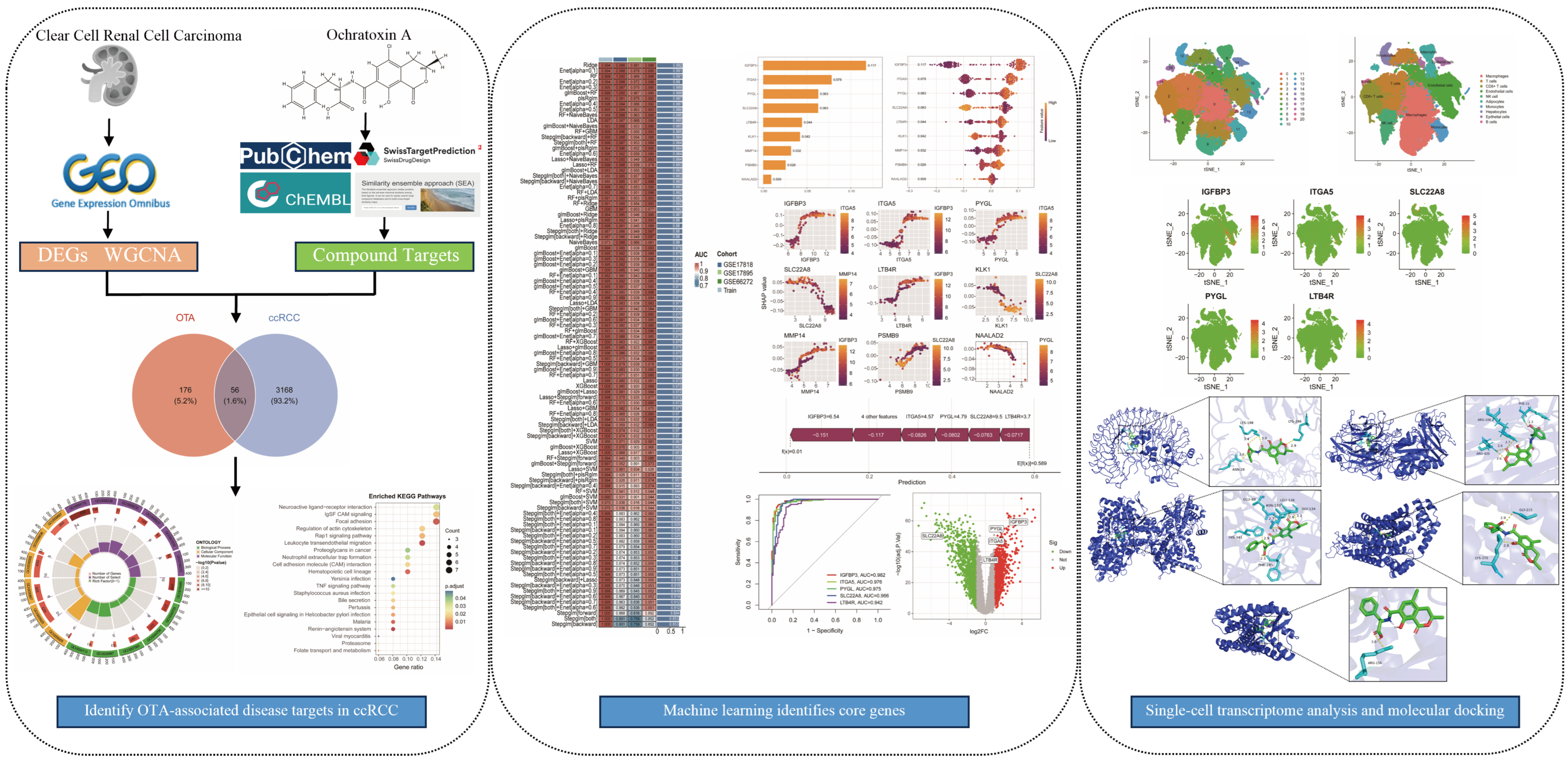
Traditional toxicology studies primarily focus on a single target or pathway, which hinders a comprehensive understanding of the complex molecular mechanisms underlying OTA-associated ccRCC. To address this limitation, the present study innovatively integrates network toxicology, machine learning, and molecular docking technology to establish a multilevel research framework. First, we constructed the “compound-target-disease” association network using network toxicology, systematically screening the intersecting targets and relevant pathways associated with OTA and ccRCC. Next, we employed machine learning methods to prioritize key pivotal genes and assessed model performance using the SHapley Additive exPlanations (SHAP) interpretable method, selecting target genes with greater contributions as core genes. We then validated the diagnostic efficacy of these core genes and conducted single-cell transcriptome analysis. Finally, molecular docking techniques were utilized to predict the interaction patterns between OTA and the core target proteins, as well as to evaluate their binding stability (
Appendix A provides a comprehensive flowchart illustrating the entire analysis process). This analytical process establishes a comprehensive research loop of “target prediction-gene screening-multiple validation,” which aids in systematically elucidating the molecular mechanisms of OTA-associated ccRCC development and provides a scientific foundation for the development of ccRCC-targeted drugs and the toxicological evaluation of OTA.
3. Discussion
In recent years, the relationship between environmental toxins and cancer development has garnered significant attention. Among these toxins, OTA, a mycotoxin commonly found in food, may be closely linked to an increased risk of RCC, particularly ccRCC [
21,
22]. Existing studies indicate that the mechanisms underlying the carcinogenicity of OTA are complex and involve the synergistic effects of multiple pathways. Specifically, OTA can induce oxidative stress and DNA damage upon renal accumulation, which is considered a key mechanism of its nephrotoxicity [
23]. OTA activates mitogen-activated protein kinases (MAPK), including apoptosis signal-regulated kinase 1 (ASK1), extracellular signal-regulated kinase 1/2 (ERK1/2), and c-Jun amino-terminal kinase (JNK); this activation contributes to the excessive generation of reactive oxygen species (ROS), disrupts cellular redox balance, and leads to DNA strand breaks in renal cells, thereby exacerbating oxidative stress and DNA damage [
24,
25]. Furthermore, OTA inhibits the activity of DNA repair enzymes such as pre-mRNA processing factor 18 (PRPF18), resulting in an impaired ability to effectively repair damaged DNA and further increasing the risk of gene mutations [
24]. These findings suggest that the nephrotoxic and carcinogenic effects of OTA may promote tumor progression through mutations induced by oxidative DNA damage. In addition, OTA influences ERK1/2 phosphorylation and apoptosis-related proteins, such as caspase-3/7, by modulating critical signaling pathways, including phosphatidylinositol 3-kinase/protein kinase B (PI3K/Akt) and nuclear factor κB (NF-κB), and this modulation disrupts the equilibrium between cell proliferation and apoptosis, potentially contributing to the malignant transformation and oncogenic effects in renal epithelial cells [
26,
27]. Additionally, OTA promotes tumor progression by interfering with epigenetic regulatory mechanisms, such as DNA methylation and translational modifications, which result in altered gene function and malignant cell transformation [
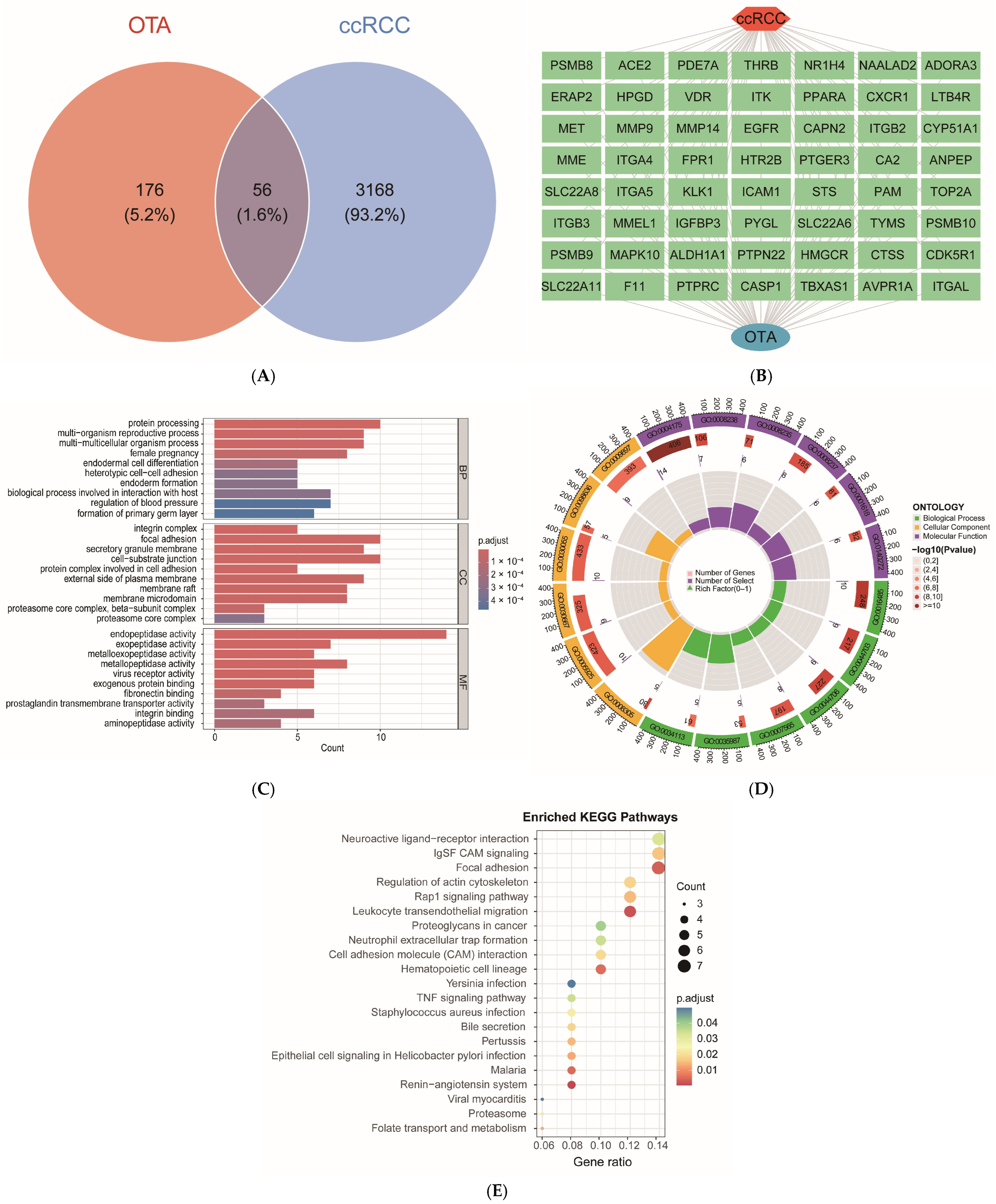
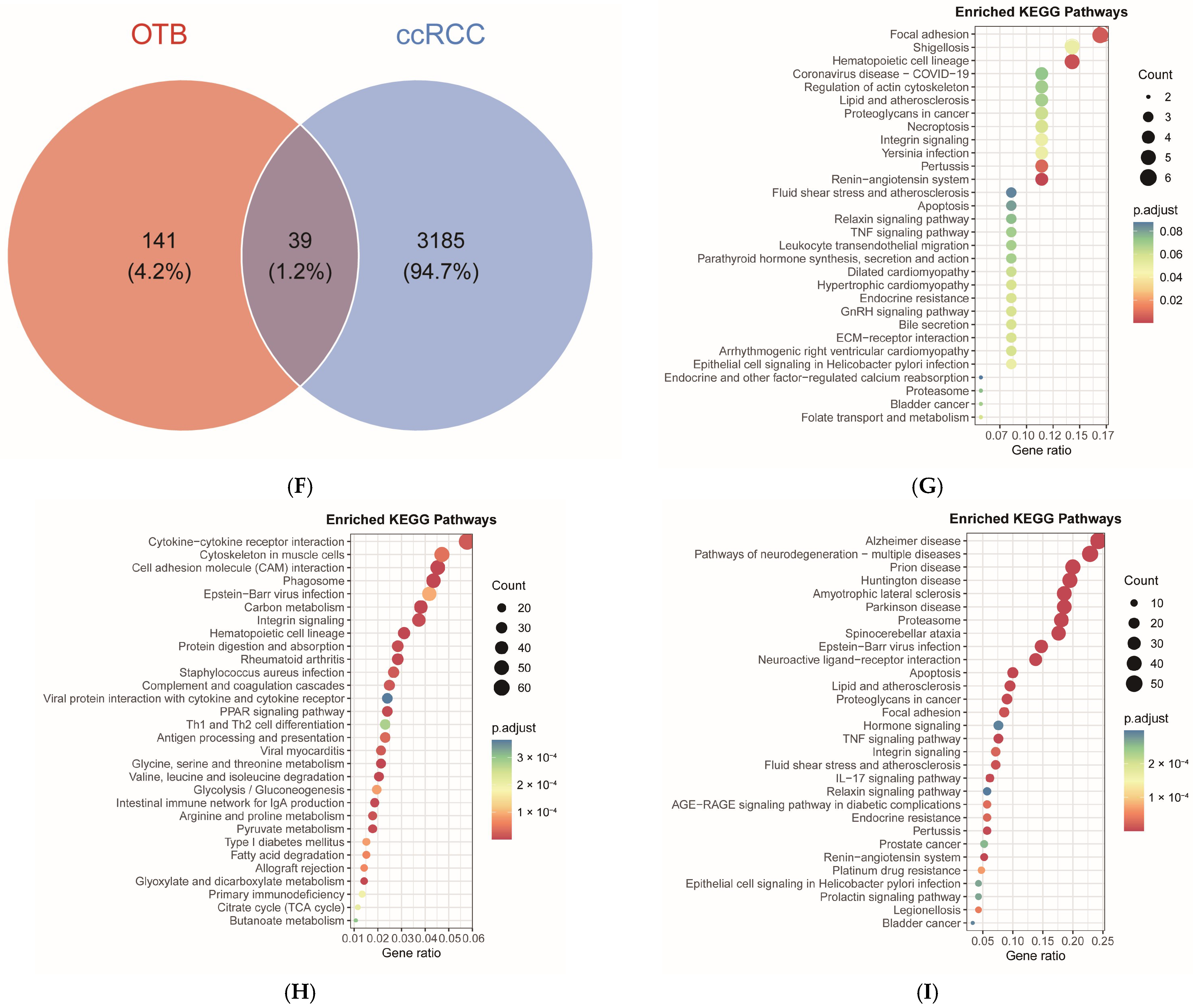
28]. Based on the findings of this study, the intersection of potential targets of OTA with ccRCC-related genes showed significant enrichment in pathways such as Rap1, TNF, and IgSF CAM. These pathways are intricately linked to tumor cell migration and invasion. Notably, IgSF CAM serves as a substrate to activate Rap1, which, upon activation, regulates the cell cycle and development by inhibiting the activity of the MAPK and PI3K pathways, thereby influencing the proliferation, migration, and invasive capabilities of tumor cells [
29]. Furthermore, the activation of the TNF pathway can further modulate NF-κB expression, which subsequently impacts the balance of cell proliferation and apoptosis and is associated with tumor immune escape [
29,
30]. These observations suggest that OTA may facilitate the development of ccRCC through the synergistic effects of the aforementioned pathway network. In conclusion, OTA-associated ccRCC represents a complex process characterized by multiple targets and pathways, with extensive interactions among the underlying mechanisms. Consequently, further investigation into the key target genes and regulatory networks will enhance our understanding of the toxicological mechanisms of OTA and aid in the development of targeted prevention and treatment strategies for ccRCC.
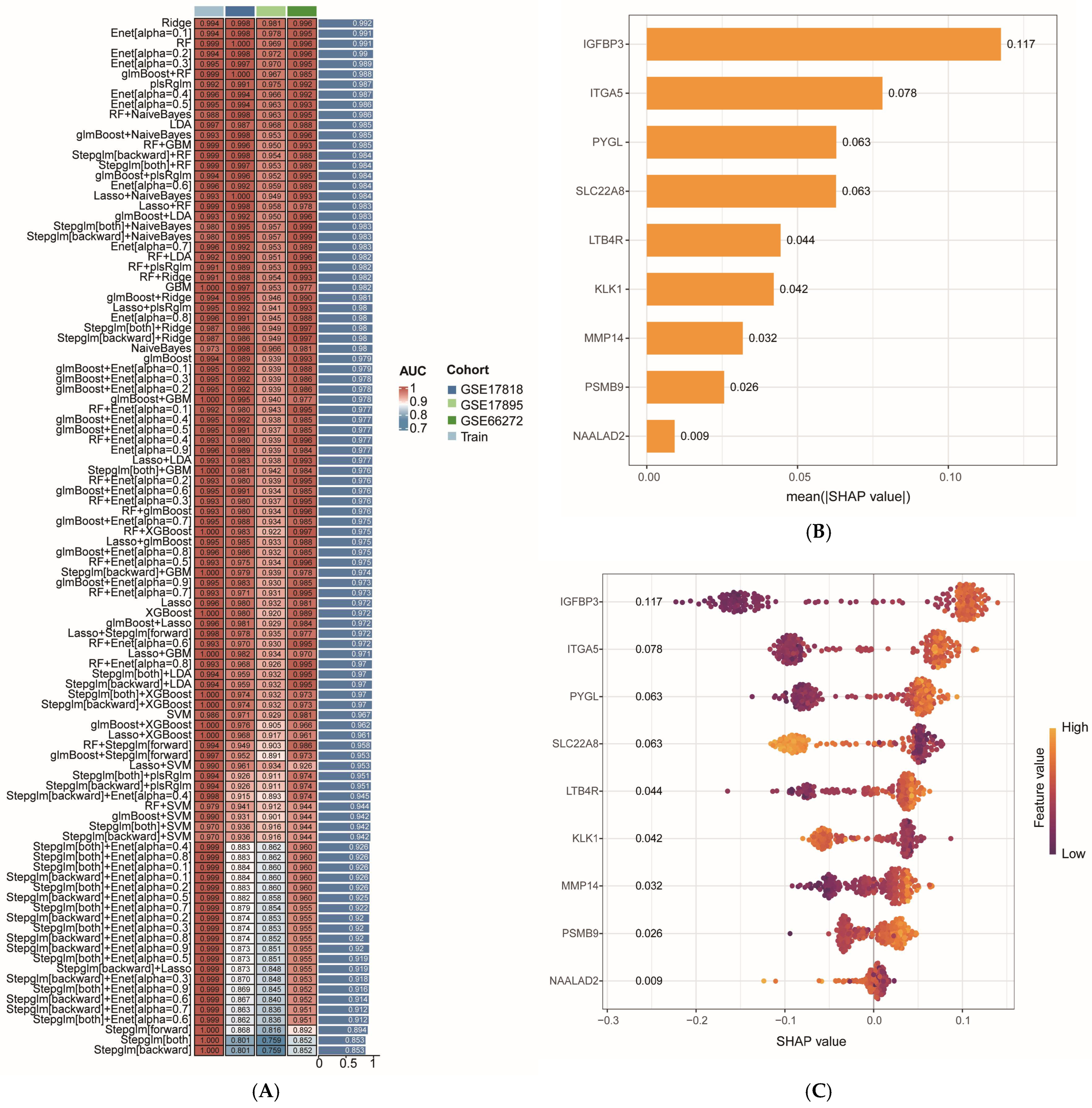
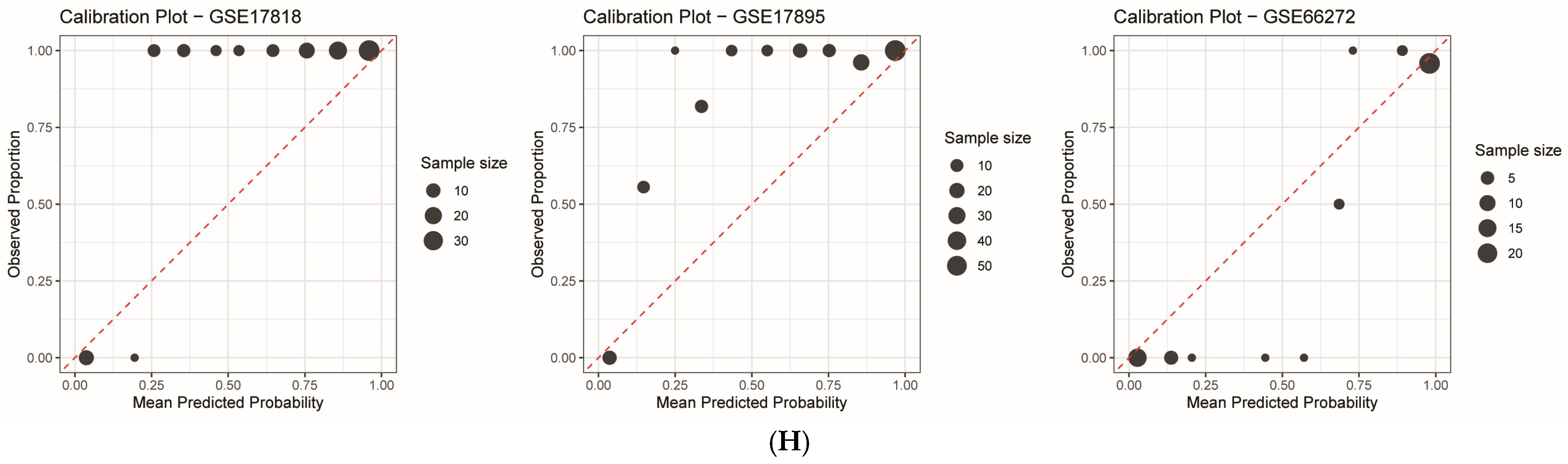
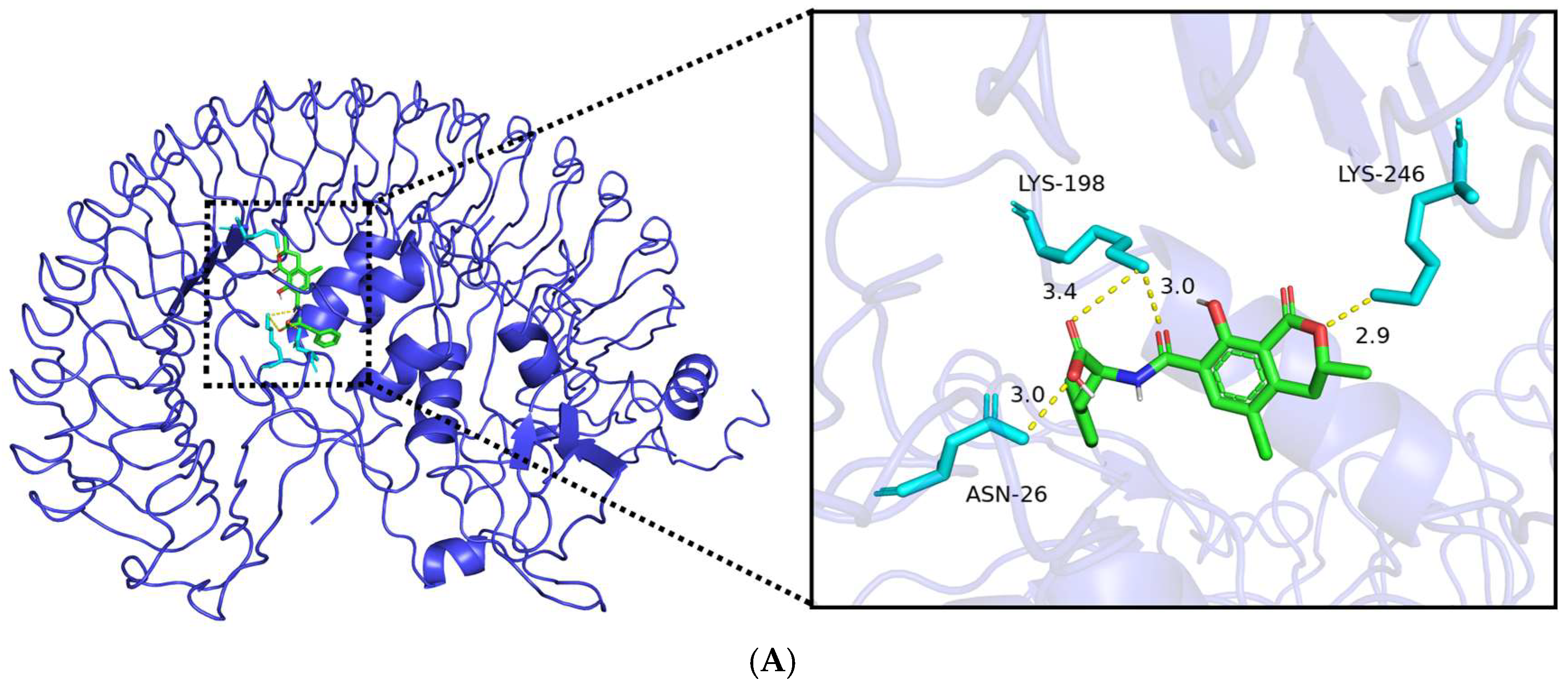
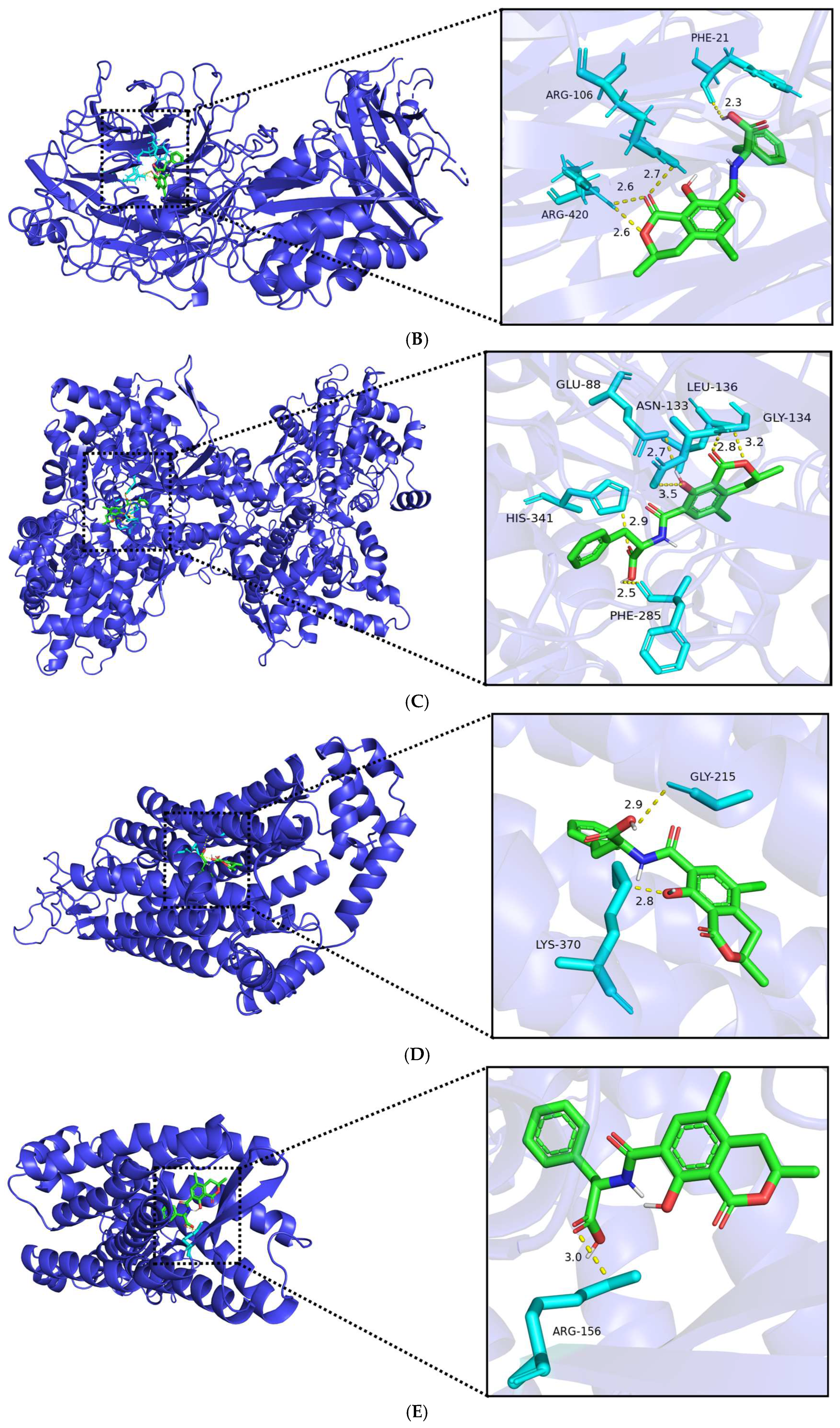
In this study, we combined bioinformatics analyses of public transcriptomic data with in silico target prediction and molecular docking to systematically investigate the potential molecular mechanisms underlying OTA-associated ccRCC, utilizing bioinformatics techniques such as network toxicology, machine learning, and molecular docking. Initially, we screened potential targets from various public databases and identified a total of 56 intersecting target genes associated with OTA and ccRCC. Through GO and KEGG pathway enrichment analyses, we observed that OTA may facilitate the progression of ccRCC by modulating critical processes, including extracellular matrix remodeling, tumor immune microenvironment dynamics, signaling pathway transduction, as well as cellular metabolism and protein homeostasis. Subsequently, we constructed 113 predictive models employing machine learning methods and selected the “glmBoost + RF” integrated model, which exhibited the best overall performance (AUC > 0.99 in the training set). From this model, we extracted nine key ccRCC-related genes:
IGFBP3,
ITGA5,
SLC22A8,
PYGL,
MMP14,
KLK1,
LTB4R,
PSMB9, and
NAALAD2. The rationality and clinical applicability of the machine learning model were further validated using the SHAP algorithm. The SHAP interpretability analysis indicated that
IGFBP3 (SHAP value = 0.117) and
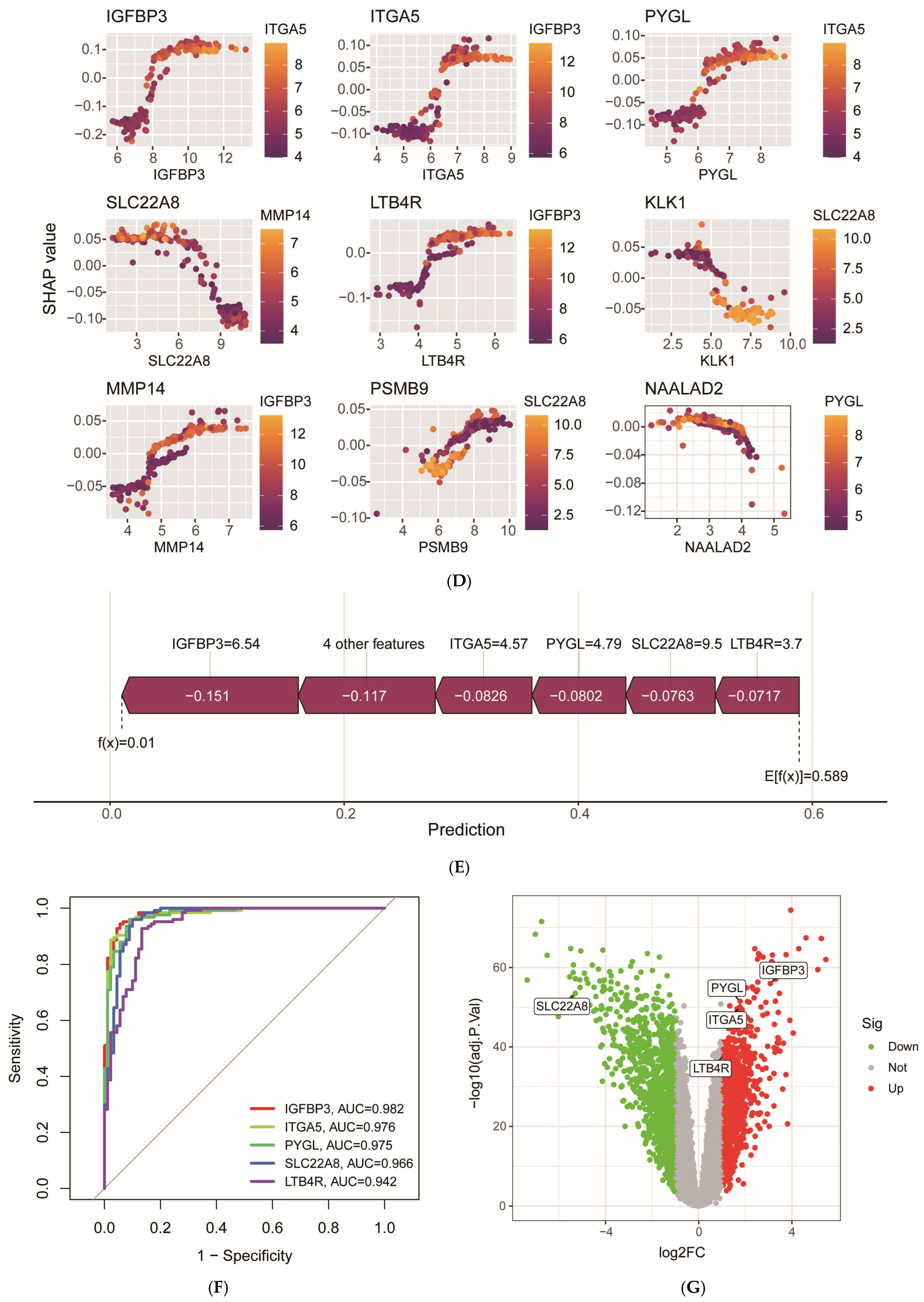
ITGA5 (SHAP value = 0.078) were the most significant contributors to model predictions, suggesting that they may serve as core driver genes in ccRCC. These findings provided insights into the relationship between the expression levels of each gene and the risk of ccRCC, as well as the nonlinear contributions of these genes to the model output. This analysis revealed interactions and synergistic effects among the genes, offering potential mechanistic support for clinical translational research. Consequently, we selected five target genes (
IGFBP3,
ITGA5,
PYGL,
SLC22A8, and
LTB4R) with the highest SHAP values as the core genes for the OTA–ccRCC association mechanism for further analysis. Diagnostic ROC curve analysis indicated that the AUC values for these five core genes ranged from 0.942 to 0.982, suggesting high independent diagnostic efficacy. Gene differential expression analysis revealed that the expression levels of
IGFBP3,
ITGA5,
PYGL, and
LTB4R were significantly upregulated in ccRCC tissues, while
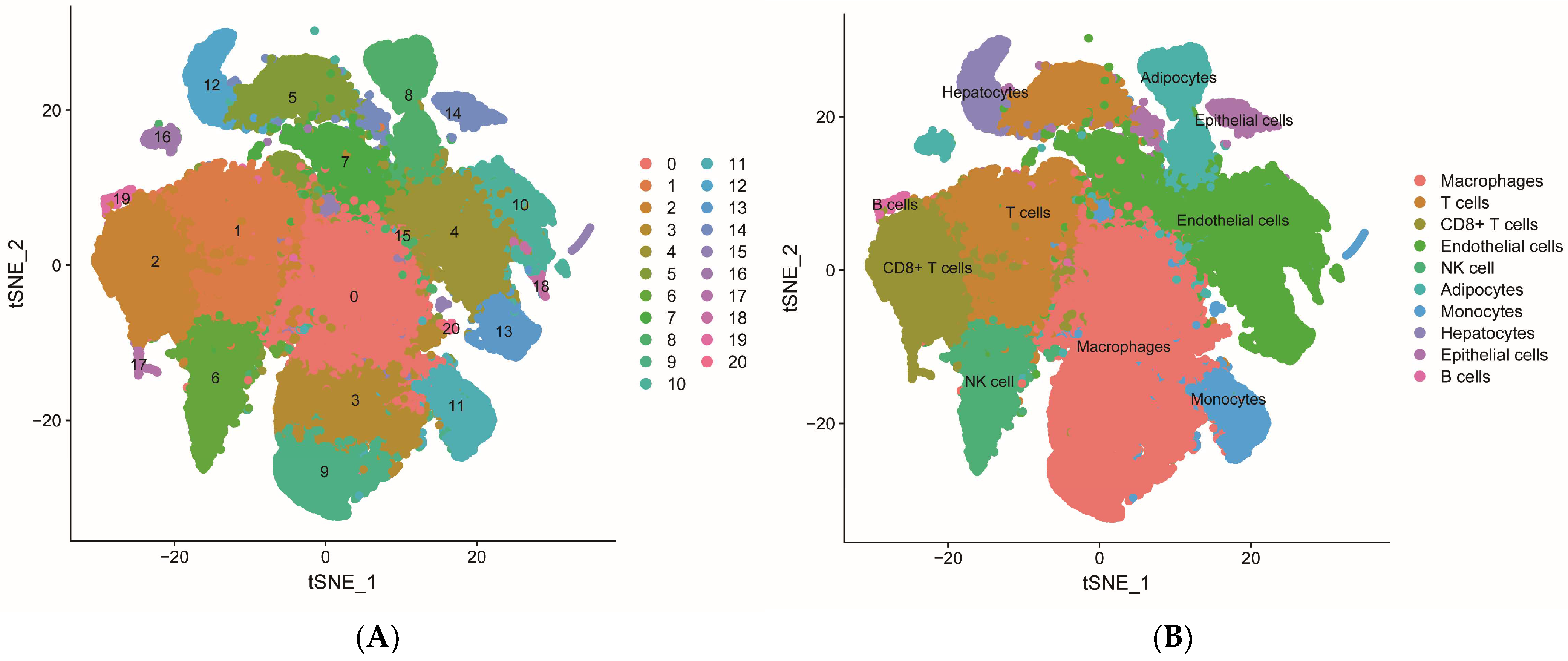
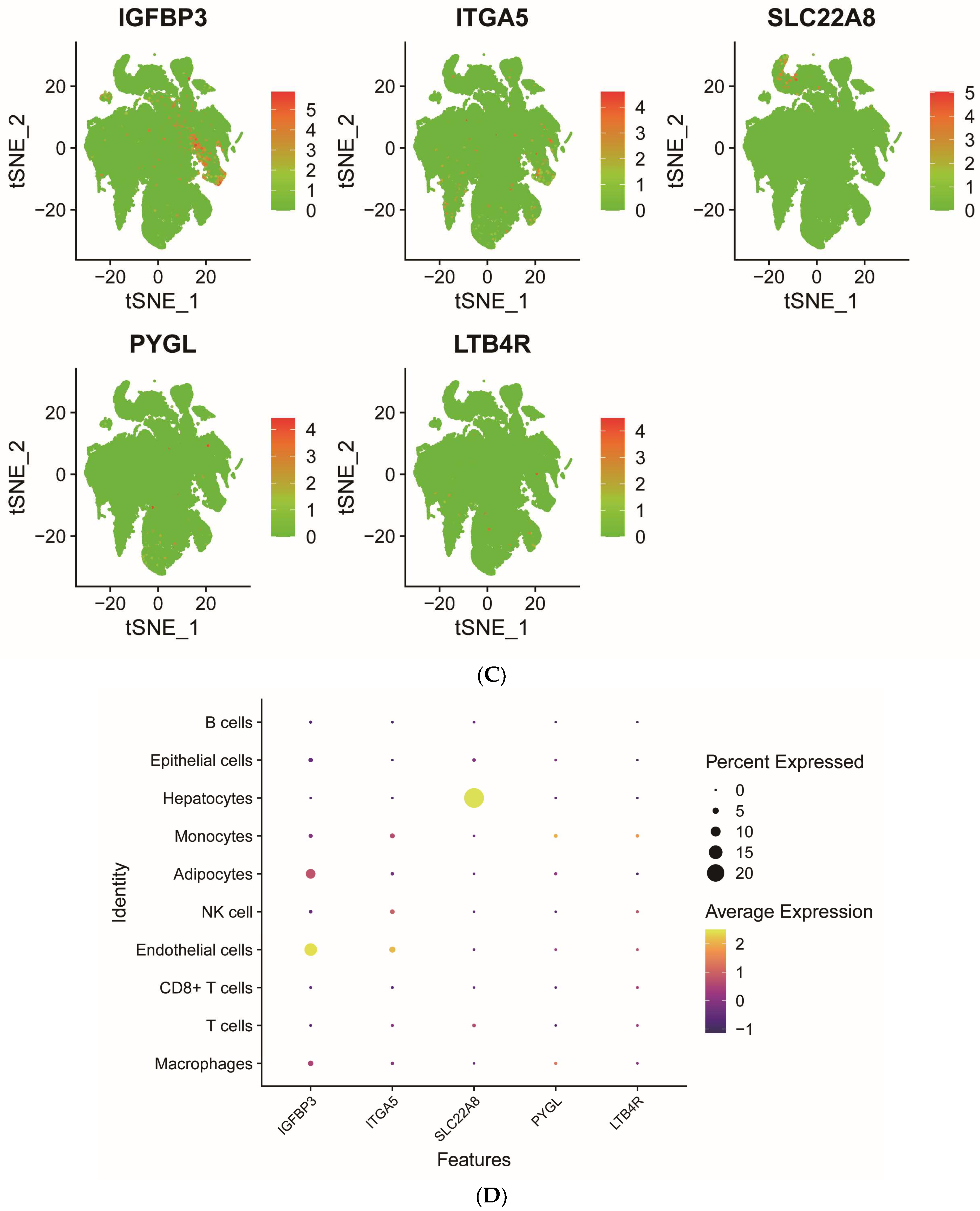
SLC22A8 expression was significantly downregulated. These results aligned with the SHAP analysis and further supported the association of these core genes with ccRCC. In addition, single-cell transcriptome analysis further revealed the specific expression of core target genes across various cell types, suggesting their potential involvement in tumor cell metabolism, angiogenesis, immune regulation, and the inflammatory microenvironment. Additionally, molecular docking results predicted strong binding affinity between OTA and the five core targets, with binding energies all measuring less than −5.0 kcal/mol, suggesting a potential oncogenic role of OTA in ccRCC. The cell-type-specific expression patterns observed in our single-cell analysis align with the known biology of ccRCC and its putative cell of origin. ccRCC is thought to arise from proximal tubular epithelial cells, yet our analysis revealed that the core genes most strongly associated with OTA exposure—particularly
IGFBP3 and
ITGA5—were predominantly expressed in endothelial cells and immune cells rather than in epithelial cells (which encompass renal tubular populations) (
Supplementary Materials Table S7). This finding suggests that OTA may exert its oncogenic effects not directly on the cell of origin, but through modulation of the tumor microenvironment, including angiogenesis (via endothelial cells) and immune regulation (via macrophages and monocytes). This interpretation is consistent with recent studies highlighting the critical role of the tumor microenvironment in ccRCC progression. For epithelial cells representing the renal tubular compartment—the primary site of OTA accumulation and toxicity—we observed moderate expression of
PYGL and
SLC22A8, the latter being a known organic anion transporter involved in xenobiotic clearance. The downregulation of
SLC22A8 in ccRCC tissues (
Figure 4G) and its expression in epithelial cells (
Figure 5D) support its potential role as a detoxification-related gene whose loss may contribute to OTA-associated carcinogenesis. Notably, a subset of these epithelial cells exhibited high metabolic activity and were misclassified as “hepatocytes” by automated annotation (see
Section 2.5), further underscoring the metabolic heterogeneity within the renal tubular compartment. These spatially resolved expression patterns provide mechanistic insights into how OTA exposure may promote ccRCC through both direct tubular effects and microenvironmental remodeling. Among the pathways uniquely enriched in the OTA–ccRCC overlap, Rap1 signaling and IgSF CAM interactions stood out as particularly relevant to ccRCC pathogenesis. Rap1 is a key regulator of cell adhesion and migration, and its activation has been implicated in renal cancer progression. IgSF CAMs mediate cell–cell interactions and can promote epithelial–mesenchymal transition (EMT) when dysregulated. The specific enrichment of these pathways in the OTA–ccRCC overlap—but not in ccRCC DEGs alone or OTA targets alone—suggests that OTA exposure may uniquely potentiate these oncogenic mechanisms, distinguishing its effect from general ccRCC biology. In conclusion, the five core genes identified in this study may serve as key molecular targets for OTA-associated ccRCC development. It is important to note that, as an in silico exploratory study, our findings should be interpreted as hypothesis-generating rather than definitive evidence of causality. Nonetheless, these results provide a foundation for future experimental validation and mechanistic studies.
The core genes identified in this study demonstrated diverse roles in OTA-associated ccRCC. Insulin-like growth factor binding protein 3 (IGFBP3) is a multifunctional secreted glycoprotein that can form a complex with IGF-1/IGF-2, thereby regulating cell growth, survival, and metabolism, while also exerting pro-apoptotic or pro-tumorigenic effects depending on specific tissues and microenvironments through direct interactions with membrane receptors or intranuclear targets [
31]. Liu et al. [
32] discovered that targeted inhibition of IGFBP3 expression in human ccRCC xenograft mice disrupted the IGFBP3-AKT/signal transducer and activator of transcription 3 (STAT3)/MAPK-Snail axis, leading to significant improvements in ccRCC cell proliferation, migration, and epithelial–mesenchymal transition (EMT). This finding confirms that IGFBP3 acts as a pro-tumorigenic cytokine in ccRCC. In this study,
IGFBP3 emerged as the predictor with the highest SHAP value, with its elevated expression significantly correlating with an increased risk of ccRCC. ROC analysis demonstrated its robust diagnostic efficacy, while single-cell transcriptome analysis suggested its involvement in tumor microenvironmental regulation. Additionally, molecular docking predicted that OTA could stably bind to IGFBP3, findings that align closely with previous research. Consequently, we hypothesize that in OTA-associated ccRCC, IGFBP3 may serve as a crucial link between toxic stress and pro-proliferative as well as pro-invasive signals. We propose that OTA may enhance pro-cancer signals by upregulating IGFBP3 expression or directly activating its downstream pathways. Furthermore, the high expression of IGFBP3 is expected to facilitate the expansion and metastasis of malignant clones, functioning as a “molecular amplifier” in the transition from nephrotoxicity to nephrocarcinogenicity induced by OTA.
Integrin subunit alpha 5 (ITGA5), a member of the integrin family, functions by forming a heterodimer (α5β1) with the β1 subunit [
33]. As the primary receptor for fibronectin, it mediates cell adhesion to the ECM, participates in ECM remodeling, facilitates cell migration and invasion, and activates signaling pathways such as focal adhesion kinase/ proto-oncogene tyrosine-protein kinase Src (FAK/Src) and PI3K/AKT, thus serving as a crucial molecule in promoting the progression of various tumors [
34]. Che et al. [
35] demonstrated through in vitro experiments that ITGA5 is significantly upregulated in ccRCC, with its high expression correlating with ccRCC progression and poor prognosis. Conversely, downregulation of ITGA5 expression inhibited ccRCC cell proliferation, migration, and angiogenesis, while also altering immune cell infiltration patterns. This suggests that ITGA5 may serve as a potential therapeutic target for ccRCC. In this study, GO analysis revealed significant enrichment in the ECM remodeling process, and single-cell transcriptome analysis indicated that
ITGA5 could play a role in tumor angiogenesis and regulation of the tumor microenvironment. Furthermore,
ITGA5 is identified as a core gene with a high SHAP value, and its elevated expression aligns with an increased risk of ccRCC. Molecular docking studies predicted that OTA can bind stably to ITGA5, corroborating previous findings. It is hypothesized that ITGA5 may facilitate the transformation of renal tubular epithelial cells into an invasive phenotype by enhancing the adhesion and remodeling of tumor cells within the ECM. Meanwhile, ITGA5 not only engages with immune-related pathways via integrin downstream signaling to remodel the immune microenvironment and promote immune evasion, but also stimulates the expression of angiogenesis-related molecules, such as vascular endothelial growth factor (VEGF). This dual action may synergistically regulate tumor vascularization and microenvironmental homeostasis, suggesting a potential molecular mechanism of “OTA → ECM/immune microenvironment/angiogenesis → ccRCC progression.” This understanding offers a potential target for subsequent targeted interventions.
Glycogen phosphorylase L (PYGL), a rate-limiting enzyme in glycogenolysis, serves as a critical molecular node for maintaining glucose homeostasis and cellular energy supply within the organism. It aids cells in responding to hypoxia and nutrient deprivation and is recognized as a key molecule in the metabolic reprogramming of tumors [
36]. Li et al. [
37] reported a significant upregulation of PYGL expression in human ccRCC samples. They demonstrated that silencing PYGL expression inhibited ccRCC cell proliferation and migration while reducing tumor resistance to targeted therapies. This suggests that PYGL plays a vital role in tumor progression and the development of drug resistance, positioning it as a potential therapeutic target for ccRCC. In conjunction with the findings of this study, high
PYGL expression correlates with an increased risk of ccRCC and serves as an important predictive gene with a high SHAP value. Additionally, single-cell transcriptome analysis indicates its involvement in remodeling the immune microenvironment, while molecular docking studies suggest that OTA can bind stably to PYGL. Based on this, we hypothesized that following OTA-induced stress in renal tubular epithelial cells, these cells enhance glycogenolysis and glycolysis by upregulating PYGL expression to supply adequate substrates for biomolecule synthesis. This metabolic reprogramming may not only aid damaged cells in evading apoptosis but also promotes their transformation into a malignant phenotype. Consequently, PYGL serves as a crucial link in the mechanisms underlying ccRCC development and drug resistance associated with OTA exposure through metabolic reprogramming. These findings offer a theoretical foundation and potential intervention target for future studies.
Solute carrier family 22 member 8 (SLC22A8), also known as organic anion transporter 3 (OAT3), belongs to the solute carrier family 22 and is prominently expressed in the basolateral membrane of the proximal renal tubule. It plays a crucial role in clearing various endogenous and exogenous organic anions, participating in the transportation of uremic toxins and solutes, thus serving as a pivotal detoxification transporter protein [
38,
39]. Chen et al. [
40] illustrated that SLC22A8 expression was notably reduced in ccRCC patients compared to the control group. The diminished expression was linked to shorter overall survival and unfavorable prognosis, indicating its potential as a protective gene in ccRCC. Consistent with previous prognostic analyses, our study revealed a significant down-regulation of
SLC22A8 in ccRCC tissues, where its elevated expression correlated with a lower disease risk. Furthermore, ROC analysis underscored the robust diagnostic capability of SLC22A8, while molecular docking simulations predicted a stable binding of OTA to this transporter. The decline in SLC22A8 expression is speculated to serve as a reverse indicator of compromised renal tubular differentiation and detoxification, suggesting a potential pathological mechanism of renal dysfunction induced by OTA exposure, subsequently propelling ccRCC progression at the molecular level. These findings suggest that SLC22A8 holds promise as a potential biomarker for OTA-related ccRCC.
Leukotriene B4 receptor 1 (LTB4R), a high-affinity leukotriene B4 receptor (BLT1), is implicated in the regulation of inflammatory responses and immune infiltration through LTB4R signaling, and contributes to the establishment of an inflammatory oncogenic microenvironment across various tumors [
41]. Wu et al. [
42] reported that LTB4R expression was significantly elevated in ccRCC tissues compared to normal renal tissues, with high expression correlating with advanced tumor stage and poor prognosis. This expression pattern may enhance tumor cell proliferation and inhibit apoptosis, suggesting that LTB4R could serve as a novel immune-related biomarker and a potential therapeutic target for ccRCC. In alignment with the current study, we observed that
LTB4R exhibited a high SHAP predictive value and independent diagnostic value (AUC = 0.942), with elevated expression linked to an increased risk of ccRCC. Single-cell transcriptome analysis suggested its involvement in tumor-associated inflammatory responses and the remodeling of the immune microenvironment. Additionally, molecular docking results predicted stable binding between OTA and LTB4R. We hypothesize that OTA exposure may induce chronic inflammation and immune dysregulation in the kidney, subsequently upregulating LTB4R expression. This upregulation could amplify LTB4R-mediated pro-inflammatory and pro-proliferative signals, drive immune cells toward a suppressive phenotype, and ultimately accelerate the progression of ccRCC. These observations suggest that LTB4R may serve as a critical link between “toxic inflammation” and “tumor signaling” in OTA-associated ccRCC. Future in vitro and in vivo experiments could further elucidate its mechanism of action.
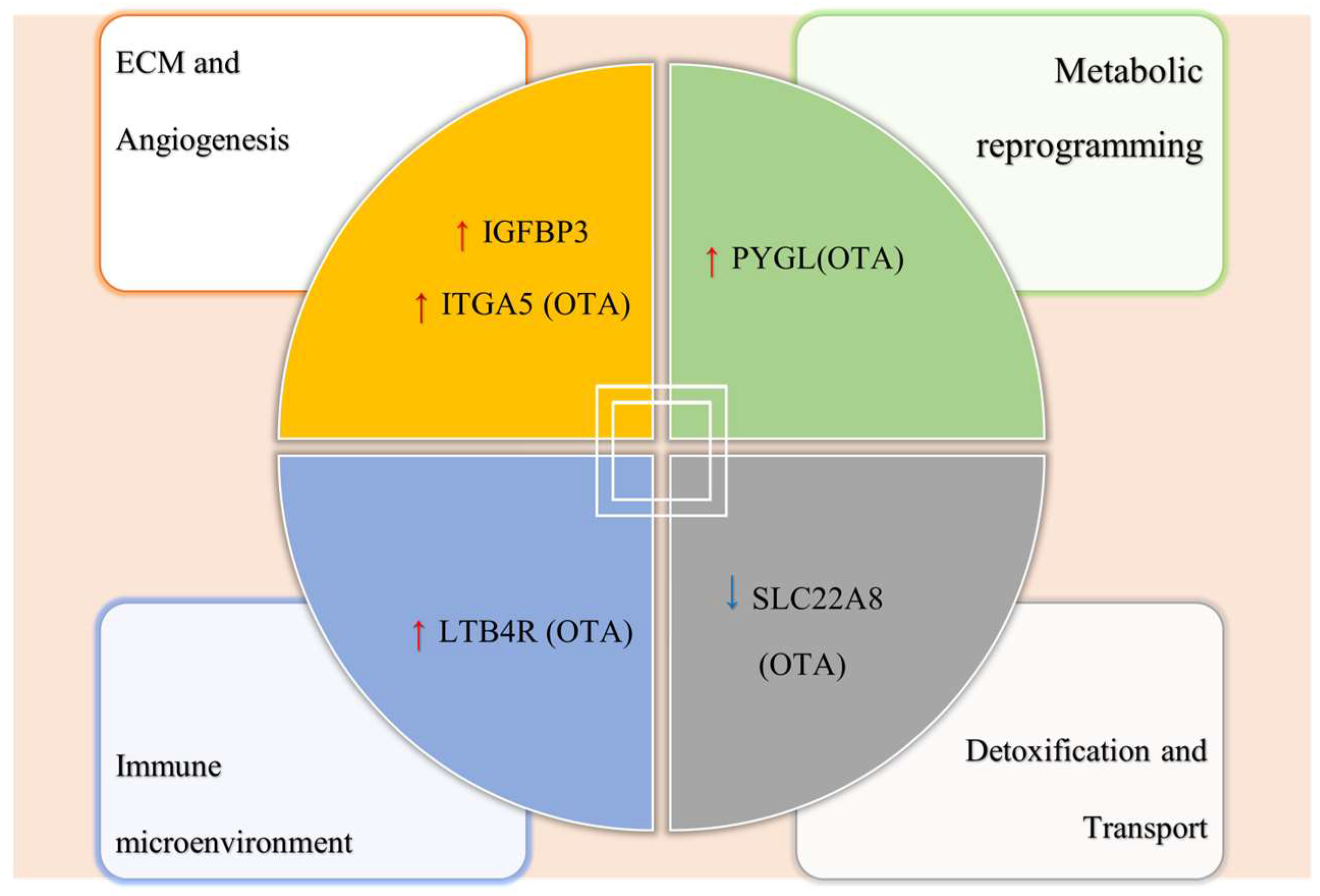
To provide a visual integration of how these five core genes may collectively contribute to ccRCC pathogenesis, we constructed a schematic diagram summarizing their involvement in key biological processes relevant to renal cancer biology (
Figure 7). The figure organizes the core genes into four major modules: ECM remodeling and angiogenesis (
ITGA5,
IGFBP3), metabolic reprogramming (
PYGL), immune microenvironment modulation (
LTB4R), and detoxification/transport (
SLC22A8). It also indicates the direction of gene expression changes observed in ccRCC tissues (red upward arrows: up-regulated; green downward arrows: down-regulated) and the predicted binding of OTA to each protein based on molecular docking. This conceptual framework is intended to guide future experimental investigations into the potential mechanistic links between OTA exposure and ccRCC progression.
OTA is recognized as a nephrotoxin that frequently disrupts essential cellular functions, including protein synthesis through the inhibition of phenylalanine-tRNA synthetase and mitochondrial respiration. Our molecular docking analysis indicated stable binding of OTA to all five core proteins, prompting an inquiry into whether these interactions are inhibitory and how such inhibition may facilitate, rather than hinder, the progression of ccRCC. We propose a dual-mechanism hypothesis to reconcile this apparent contradiction. First, for genes that are upregulated in ccRCC and possess pro-tumorigenic functions (IGFBP3, ITGA5, PYGL, LTB4R), OTA binding may not merely inhibit their activity but could also disrupt their normal regulatory networks. For instance, IGFBP3 can have either pro- or anti-tumorigenic effects depending on post-translational modifications and binding partners; OTA interference might shift the balance toward a pro-carcinogenic signaling mode. Similarly, the interaction of ITGA5 with OTA may alter integrin conformation and downstream FAK/PI3K signaling in ways that paradoxically enhance cell migration and invasion. Second, for the protective gene SLC22A8, which is downregulated in ccRCC and encodes a critical organic anion transporter responsible for renal toxin clearance, OTA binding is likely to inhibit its transport activity. This inhibition would further compromise the kidney’s detoxification capacity, leading to the accumulation of OTA and other nephrotoxic compounds, thereby fostering a microenvironment conducive to DNA damage, oxidative stress, and malignant transformation. The combined effect of disrupting tumor-suppressive regulation in protective genes and aberrantly modulating pro-tumorigenic genes may synergistically enhance the initiation and progression of ccRCC. We emphasize that this hypothesis is grounded in computational predictions and necessitates experimental validation; however, it offers a conceptual framework for understanding how the predominantly inhibitory interactions of OTA could ultimately lead to oncogenic outcomes.
The synergistic effects of the aforementioned core target genes suggest a multidimensional complex network that encompasses cell growth regulatory signaling, ECM remodeling, immune evasion, metabolic reprogramming, chronic inflammation, and detoxification functions. This network offers a potential mechanistic framework for elucidating the nephrotoxicity and oncogenicity of OTA in ccRCC, while also providing insights and references for subsequent targeted interventions.
In this study, we systematically investigated the potential targets and mechanisms of action of OTA-associated ccRCC using network toxicology and machine learning techniques. We developed a multilevel closed-loop research framework that significantly enhanced the reliability of the predictive outcomes and offered a novel perspective on the relationship between OTA and ccRCC. Nonetheless, the study has several limitations: (1) Although the machine learning prediction model exhibits a high confidence level, its biological relevance requires further validation through in vivo and in vitro experiments to establish its reliability in actual biological systems. (2) The network toxicology analysis primarily relies on static data and does not account for the temporal aspects of OTA exposure or the dose–response relationship, necessitating further evaluation through the integration of dynamic data. It is important to emphasize that molecular docking provides computational predictions of binding affinity and does not establish binding under physiological conditions. The docking scores reported are estimates derived from a simplified scoring function and may not fully capture the complexity of protein–ligand interactions in biological systems. Therefore, these results should be interpreted as suggestive and hypothesis-generating, providing a basis for future experimental validation. (3) The molecular docking analysis employed a semi-flexible docking strategy, permitting only the ligand to be flexibly adjusted while neglecting the complete flexibility of the receptor, particularly the side chains of the binding site. Furthermore, only the top-ranked docking conformations were analyzed, potentially overlooking superior binding modes and dynamic interaction characteristics. (4) This study lacked external validation based on real-world clinical cohort data, relying instead on independent validation from other cohorts within the same database, which may compromise the reliability of the model’s predictive results.
Given the aforementioned limitations, future research should leverage advanced technologies, such as single-cell sequencing, gene knockdown, and organoids, while conducting in vivo and ex vivo functional experiments in conjunction with multi-omics analysis. This approach aims to further explore the specific molecular mechanisms underlying the core genes involved in the development of ccRCC induced by OTA. Additionally, experiments employing multi-dose gradient exposure and time series designs can be implemented to quantitatively evaluate the dynamic expression of core genes, the activation of related pathways, and alterations in disease phenotypes, thereby revealing their temporal and quantitative effects. Furthermore, flexible docking, multi-configuration analysis, and molecular dynamics simulations can be integrated to account for the flexibility of receptor binding site side chains, systematically exploring various ranked docking conformations to comprehensively analyze the dynamic characteristics and conformational diversity of protein interactions. Furthermore, decision curve analysis should be incorporated in subsequent clinical studies to evaluate the net benefit of the core gene panel and assess its potential utility in guiding clinical decision-making. Finally, large-scale, multicenter, standardized clinical cohort studies should be conducted to further validate the external efficacy and clinical applicability of the prediction model using multicenter data, thereby enhancing the feasibility of clinical translation. Overall, this study establishes a theoretical foundation for elucidating the potential mechanisms of OTA-associated ccRCC, and the findings can be substantiated through comprehensive functional experiments and clinical studies in the future, ultimately supporting the toxicity assessment of OTA and the development of prevention and treatment strategies for ccRCC.