Neurometabolic and Neuroinflammatory Consequences of Obesity: Insights into Brain Vulnerability and Imaging-Based Biomarkers


Abstract
1. Introduction
2. Neuroinflammation as a Central Mechanism
3. Neuroendocrine Regulation of Neuroinflammation in Obesity
4. Insulin Resistance and Neurodegenerative Pathways
5. Structural, Functional, and Cognitive Consequences
6. Implications for Prevention and Intervention
7. Magnetic Resonance Spectroscopy as a Tool for Assessing Obesity-Related Brain Vulnerability
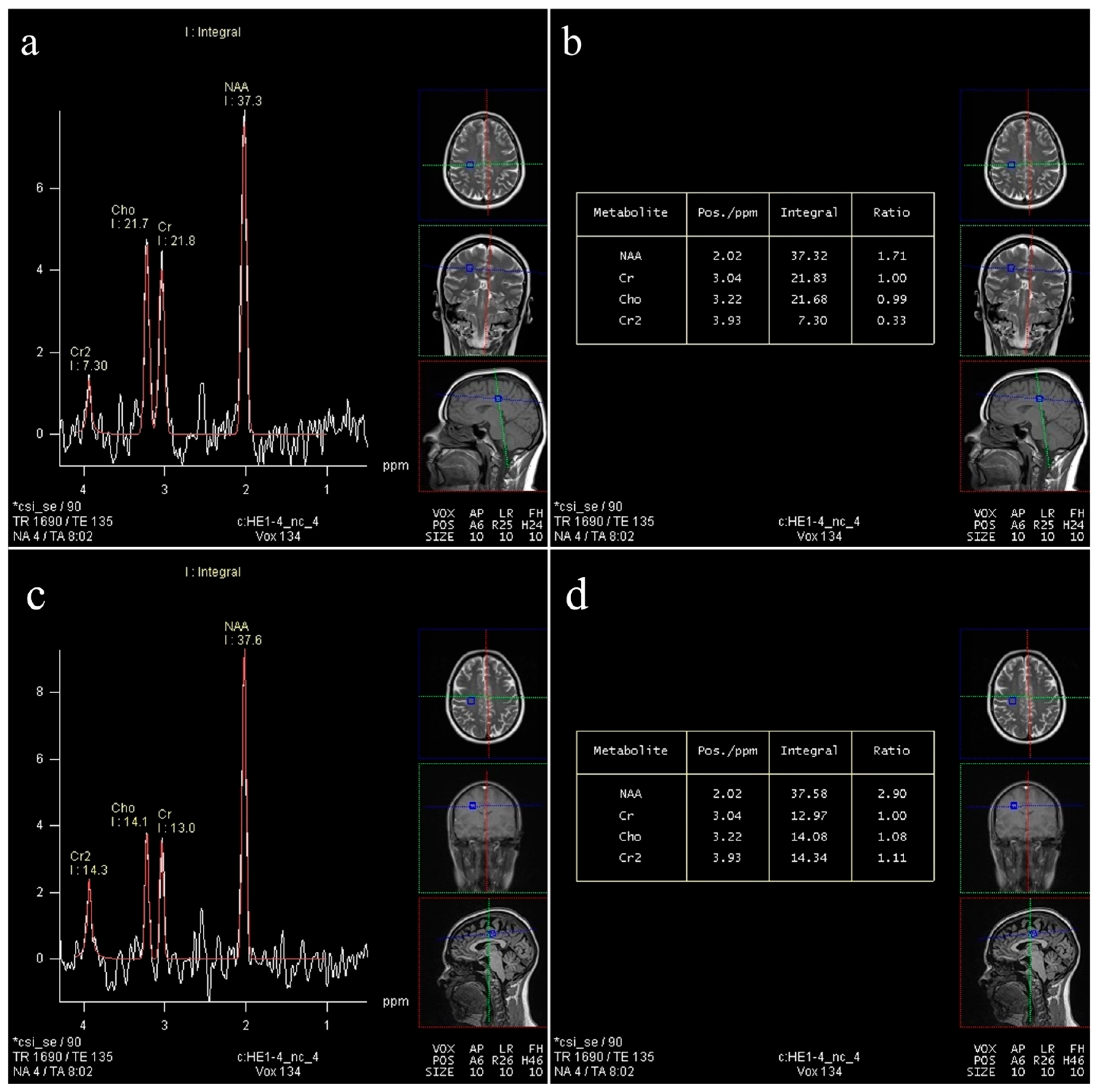
7.1. Single-Voxel and Multi-Voxel MRS Findings in Obesity
7.2. Neuronal Integrity and Energy Metabolism: NAA and Creatine-Related Effects
7.3. Choline Metabolism: Neurodegeneration Versus Neuroinflammation
7.4. Myo-Inositol as a Marker of Glial Activation
7.5. Regional Brain Vulnerability in Obesity
7.6. Associations with Anthropometric and Metabolic Parameters
7.7. Implications for Imaging-Based Biomarkers
7.8. Effects of Therapeutic Interventions on MRS and Multimodal Neuroimaging Biomarkers
7.9. Limitations of Magnetic Resonance Spectroscopy in Obesity Research
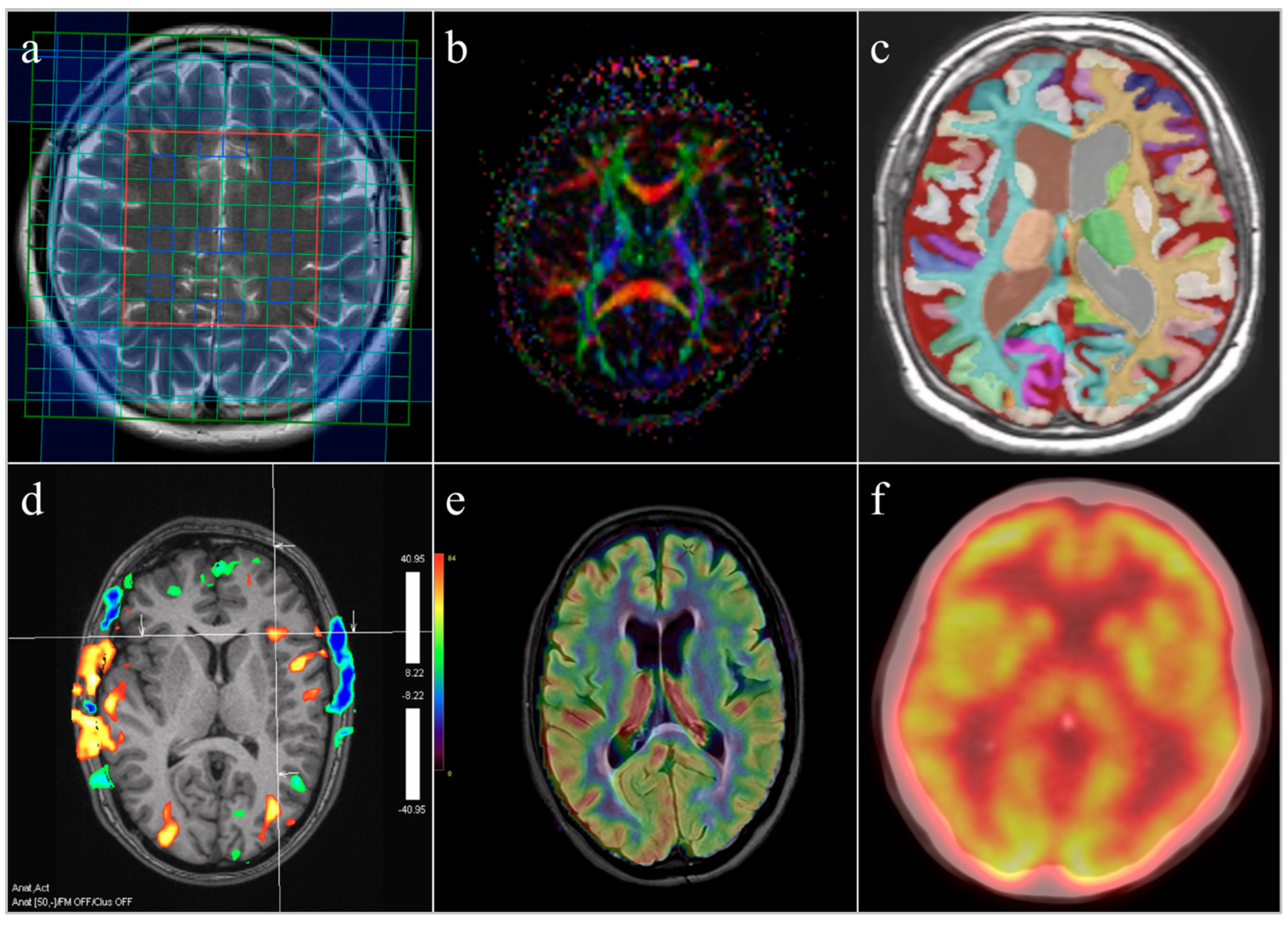
8. Complementary Neuroimaging Biomarkers Beyond MRS
8.1. Diffusion Tensor Imaging and Glymphatic Dysfunction
8.2. Volumetric MRI and Cardiometabolic Mediation
8.3. Functional MRI and Network-Level Alterations
8.4. Cerebral Perfusion Imaging and Neurovascular Dysfunction
8.5. Positron Emission Tomography and Molecular Targets
9. Conclusions and Future Perspectives
Author Contributions
Funding
Institutional Review Board Statement
Informed Consent Statement
Data Availability Statement
Acknowledgments
Conflicts of Interest
Abbreviations
| IL-6 | interleukin-6 |
| IL-1β | interleukin-1 beta |
| TNF-α | tumor necrosis factor alpha |
| ROS | reactive oxygen species |
| CNS | central nervous system |
| SFA | saturated fatty acids |
| TLR2/4 | Toll-like receptor 2/4 |
| IKK | IκB kinase complex |
| IκB | inhibitor of κB |
| NF-κB | nuclear factor kappa B |
| SOCS3 | suppressor of cytokine signaling 3 |
| MRI | magnetic resonance imaging |
| MRS | magnetic resonance spectroscopy |
| PET | positron emission tomography |
| NAA | N-acetylaspartate |
| Cho | Choline-containing compounds |
| Cr | Creatine |
| mI | Myo-inositol |
| Glx | glutamate and glutamine |
| 1H-MRS | proton magnetic resonance spectroscopy |
| T2DM | type 2 diabetes mellitus |
| BMI | Body mass index |
| HDL-C | high-density lipoprotein cholesterol |
| HOMA-IR | homeostasis model assessment of insulin resistance |
| DTI | diffusion tensor imaging |
| fMRI | functional magnetic resonance imaging |
| DTI-ALPS | diffusion tensor image analysis along the perivascular space |
| rCBF | cerebral blood flow |
| SPECT | single-photon emission computed tomography |
| HPA | hypothalamic–pituitary–adrenal |
| 11β-HSD1 | 11β-hydroxysteroid dehydrogenase type 1 |
| DHEA | dehydroepiandrosterone |
| DHEAS | dehydroepiandrosterone sulfate |
| mtDNA | mitochondrial DNA |
| NAD+ | Nicotinamide adenine dinucleotide |
| NADPH | Nicotinamide Adenine Dinucleotide Phosphate |
| TSPO | translocator protein (18 kDa) |
| NAFLD | non-alcoholic fatty liver disease |
| BBB | blood–brain barrier |
| CHD | coronary heart disease |
| CV | cardiovascular |
| Th1 | T helper 1 cells |
| Th17 | T helper 17 cells |
References
- Uranga, R.M.; Keller, J.N. The complex interactions between obesity, metabolism and the brain. Front. Neurosci. 2019, 13, 513. [Google Scholar] [CrossRef] [Scilit] [PubMed]
- Hotamisligil, G.S. Inflammation and metabolic disorders. Nature 2006, 444, 860–867. [Google Scholar] [CrossRef] [Scilit] [PubMed]
- Kolb, H.; Mandrup-Poulsen, T. The global diabetes epidemic as a consequence of lifestyle-induced low-grade inflammation. Diabetologia 2010, 53, 10–20. [Google Scholar] [CrossRef] [Scilit] [PubMed]
- Odegaard, J.I.; Chawla, A. Pleiotropic actions of insulin resistance and inflammation in metabolic homeostasis. Science 2013, 339, 172–177. [Google Scholar] [CrossRef] [Scilit]
- Le Thuc, O.; García-Cáceres, C. Obesity-induced inflammation: Connecting the periphery to the brain. Nat. Metab. 2024, 6, 1237–1252. [Google Scholar] [CrossRef] [Scilit]
- Salas-Venegas, V.; Flores-Torres, R.P.; Rodríguez-Cortés, Y.M.; Rodríguez-Retana, D.; Ramírez-Carreto, R.J.; Concepción-Carrillo, L.E.; Pérez-Flores, L.J.; Alarcón-Aguilar, A.; López-Díazguerrero, N.E.; Gómez-González, B.; et al. The Obese Brain: Mechanisms of Systemic and Local Inflammation, and Interventions to Reverse the Cognitive Deficit. Int. J. Mol. Sci. 2022, 29, 798995. [Google Scholar] [CrossRef] [Scilit]
- Sun, Y.; Koyama, Y.; Shimada, S. Inflammation from peripheral organs to the brain: How does systemic inflammation cause neuroinflammation? Front. Aging Neurosci. 2022, 14, 903455. [Google Scholar] [CrossRef] [Scilit]
- Feng, Z.; Fang, C.; Ma, Y.; Chang, J. Obesity-induced blood–brain barrier dysfunction: Phenotypes and molecular mechanisms. J. Neuroinflammation 2024, 21, 110. [Google Scholar] [CrossRef] [Scilit]
- Pirozzi, C.; Opallo, N.; Del Piano, F.; Melini, S.; Lama, A. Body and mind: How obesity triggers neuropsychiatric and neurodegenerative disorders. Front. Psychiatry 2025, 15, 1524555. [Google Scholar] [CrossRef] [Scilit]
- Zeng, J.; Cheong, L.Y.T.; Lo, C.H. Therapeutic targeting of obesity-induced neuroinflammation and neurodegeneration. Front. Endocrinol. 2024, 15, 1456948. [Google Scholar]
- Saltiel, A.R.; Olefsky, J.M. Inflammatory mechanisms linking obesity and metabolic disease. J. Clin. Investig. 2017, 127, 1–4. [Google Scholar] [CrossRef] [Scilit] [PubMed]
- Jais, A.; Brüning, J.C. Hypothalamic inflammation in obesity and metabolic disease. J. Clin. Investig. 2017, 127, 24–32. [Google Scholar] [CrossRef] [Scilit] [PubMed]
- Waise, T.M.Z.; Toshinai, K.; Naznin, F.; NamKoong, C.; Md Moin, A.S.; Sakoda, H.; Nakazato, M. One-day high-fat diet induces inflammation in the nodose ganglion and hypothalamus of mice. Biochem. Biophys. Res. Commun. 2015, 464, 1157–1162. [Google Scholar] [CrossRef] [Scilit] [PubMed]
- Nakanishi, M.; Niidome, T.; Matsuda, S.; Akaike, A.; Kihara, T.; Sugimoto, H. Microglia-derived interleukin-6 and leukemia inhibitory factor promote astrocytic differentiation of neural stem/progenitor cells. Eur. J. Neurosci. 2007, 25, 649–658. [Google Scholar] [CrossRef] [Scilit]
- Jones, B.A.; Beamer, M.; Ahmed, S. Fractalkine/CX3CL1: A potential new target for inflammatory diseases. Mol. Interv. 2010, 10, 263–270. [Google Scholar] [CrossRef] [Scilit]
- van de Sande-Lee, S.; Pereira, F.R.S.; Cintra, D.E.; Fernandes, P.T.; Cardoso, A.R.; Garlipp, C.R.; Chaim, E.A.; Pareja, J.C.; Geloneze, B.; Li, L.M.; et al. Partial reversibility of hypothalamic dysfunction and changes in brain activity after body mass reduction in obese subjects. Diabetes 2011, 60, 1699–1704. [Google Scholar] [CrossRef] [Scilit]
- Arnold, S.E.; Arvanitakis, Z.; Macauley-Rambach, S.L.; Koenig, A.M.; Wang, H.-Y.; Ahima, R.S.; Craft, S.; Gandy, S. Brain insulin resistance in type 2 diabetes and Alzheimer disease: Concepts and conundrums. Nat. Rev. Neurol. 2018, 14, 168–181. [Google Scholar] [CrossRef] [Scilit]
- Kullmann, S.; Heni, M.; Fritsche, A.; Preissl, H. Insulin action in the human brain: Evidence from neuroimaging studies. J. Neuroendocrinol. 2015, 27, 419–423. [Google Scholar] [CrossRef] [Scilit]
- Myers, M.G.; Cowley, M.A.; Münzberg, H. Mechanisms of leptin action and leptin resistance. Annu. Rev. Physiol. 2008, 70, 537–556. [Google Scholar] [CrossRef] [Scilit]
- Myers, M.G., Jr.; Leibel, R.L.; Seeley, R.J.; Schwartz, M.W. Obesity and leptin resistance: Distinguishing cause from effect. Trends Endocrinol. Metab. 2010, 21, 643–651. [Google Scholar] [CrossRef] [Scilit]
- Guillemot-Legris, O.; Muccioli, G.G. Obesity-induced neuroinflammation: Beyond the hypothalamus. Trends Neurosci. 2017, 40, 237–253. [Google Scholar] [CrossRef] [Scilit] [PubMed]
- Iadecola, C.; Anrather, J. The immunology of stroke: From mechanisms to translation. Nat. Med. 2011, 17, 796–808. [Google Scholar] [CrossRef] [Scilit] [PubMed]
- Elizondo-Vega, R.; Cortes-Campos, C.; Barahona, M.J.; Oyarce, K.A.; Carril, C.A.; García-Robles, M.A. The role of tanycytes in hypothalamic glucosensing. J. Cell. Mol. Med. 2015, 19, 1471–1482. [Google Scholar] [CrossRef] [Scilit] [PubMed]
- Beard, R.S., Jr.; Haines, R.J.; Wu, K.Y.; Reynolds, J.J.; Davis, S.M.; Elliott, J.E.; Malinin, N.L.; Chatterjee, V.; Cha, B.J.; Wu, M.H.; et al. Non-muscle MLCK is required for β-catenin- and FoxO1-dependent downregulation of Cldn5 in IL-1β-mediated barrier dysfunction in brain endothelial cells. J. Cell Sci. 2014, 127, 1840–1853. [Google Scholar] [CrossRef] [Scilit]
- Langlet, F.; Levin, B.E.; Luquet, S.; Mazzone, M.; Messina, A.; Dunn-Meynell, A.A.; Balland, E.; Lacombe, A.; Mazur, D.; Carmeliet, P.; et al. Tanycytic VEGF-A boosts blood–hypothalamus barrier plasticity and access of metabolic signals to the arcuate nucleus in response to fasting. Cell Metab. 2013, 17, 607–617. [Google Scholar] [CrossRef] [Scilit]
- Thaler, J.P.; Yi, C.-X.; Schur, E.A.; Guyenet, S.J.; Hwang, B.H.; Dietrich, M.O.; Zhao, X.; Sarruf, D.A.; Izgur, V.; Maravilla, K.R.; et al. Obesity is associated with hypothalamic injury in rodents and humans. J. Clin. Investig. 2012, 122, 153–162. [Google Scholar] [CrossRef] [Scilit]
- Gao, C.; Jiang, J.; Tan, Y.; Chen, S. Microglia in neurodegenerative diseases: Mechanism and potential therapeutic targets. Signal Transduct. Target. Ther. 2023, 8, 359. [Google Scholar] [CrossRef] [Scilit]
- Buckman, L.B.; Thompson, M.M.; Lippert, R.N.; Blackwell, T.S.; Yull, F.E.; Ellacott, K.L.J. Evidence for a novel functional role of astrocytes in the acute homeostatic response to high-fat diet intake in mice. Mol. Metab. 2015, 4, 58–63. [Google Scholar] [CrossRef] [Scilit]
- Gupta, S.; Knight, A.G.; Gupta, S.; Keller, J.N.; Bruce-Keller, A.J. Saturated long-chain fatty acids activate inflammatory signaling in astrocytes. J. Neurochem. 2012, 120, 1060–1071. [Google Scholar] [CrossRef] [Scilit]
- Yan, J.; Zhang, H.; Yin, Y.; Li, J.; Tang, Y.; Purkayastha, S.; Li, L.; Cai, D. Obesity- and aging-induced excess of central transforming growth factor-β potentiates diabetic development via an RNA stress response. Nat. Med. 2014, 20, 1001–1008. [Google Scholar] [CrossRef] [Scilit]
- Borg, M.L.; Omran, S.F.; Weir, J.; Meikle, P.J.; Watt, M.J. Consumption of a high-fat diet, but not regular endurance exercise training, regulates hypothalamic lipid accumulation in mice. J. Physiol. 2012, 590, 4377–4389. [Google Scholar] [CrossRef] [Scilit] [PubMed]
- Kleinridders, A.; Schenten, D.; Könner, A.C.; Belgardt, B.F.; Mauer, J.; Okamura, T.; Wunderlich, F.T.; Medzhitov, R.; Brüning, J.C. MyD88 signaling in the CNS is required for development of fatty acid-induced leptin resistance and diet-induced obesity. Cell Metab. 2009, 10, 249–259. [Google Scholar] [CrossRef] [Scilit] [PubMed]
- Milanski, M.; Degasperi, G.; Coope, A.; Morari, J.; Denis, R.; Cintra, D.E.; Tsukumo, D.M.L.; Anhê, G.F.; Amaral, M.E.; Takahashi, H.K.; et al. Saturated fatty acids produce an inflammatory response predominantly through the activation of TLR4 signaling in the hypothalamus: Implications for the pathogenesis of obesity. J. Neurosci. 2009, 29, 359–370. [Google Scholar] [CrossRef] [Scilit] [PubMed]
- Zhang, X.; Zhang, G.; Zhang, H.; Karin, M.; Bai, H.; Cai, D. Hypothalamic IKKβ/NF-κB and ER stress link overnutrition to energy imbalance and obesity. Cell 2008, 135, 61–73. [Google Scholar] [CrossRef] [Scilit]
- Walker, B.R.; Andrew, R. Tissue production of cortisol by 11β-hydroxysteroid dehydrogenase type 1 and metabolic disease. Ann. N. Y. Acad. Sci. 2006, 1083, 165–184. [Google Scholar] [CrossRef] [Scilit]
- Starka, L.; Duskova, M.; Hill, M. Dehydroepiandrosterone: A neuroactive steroid. J. Steroid Biochem. Mol. Biol. 2015, 145, 254–260. [Google Scholar] [CrossRef] [Scilit]
- de Kloet, E.R.; Joëls, M.; Holsboer, F. Stress and the brain: From adaptation to disease. Nat. Rev. Neurosci. 2005, 6, 463–475. [Google Scholar] [CrossRef] [Scilit]
- Guillemot-Legris, O.; Masquelier, J.; Everard, A.; Cani, P.D.; Alhouayek, M.; Muccioli, G.G. High-fat diet feeding differentially affects the development of inflammation in the central nervous system. J. Neuroinflammation 2016, 13, 206. [Google Scholar] [CrossRef] [Scilit]
- Lee, C.H. Neuro-immune interactions in metabolic regulation: Brain and adipose tissue crosstalk. J. Obes. Metab. Syndr. 2025, 34, 182–195. [Google Scholar] [CrossRef] [Scilit]
- Villa, A.; Vegeto, E.; Poletti, A.; Maggi, A. Estrogens, neuroinflammation, and neurodegeneration. Endocr. Rev. 2016, 37, 372–402. [Google Scholar] [CrossRef] [Scilit]
- Vegeto, E.; Benedusi, V.; Maggi, A. Estrogen anti-inflammatory activity in brain: A therapeutic opportunity for menopause and neurodegenerative diseases. Front. Neuroendocrinol. 2008, 29, 507–519. [Google Scholar] [CrossRef] [Scilit]
- Gurvich, C.; Hoy, K.; Thomas, N.; Kulkarni, J. Sex differences and the influence of sex hormones on cognition through adulthood and the aging process. Brain Sci. 2018, 8, 163. [Google Scholar] [CrossRef] [Scilit]
- Kullmann, S.; Kleinridders, A.; Small, D.M.; Fritsche, A.; Häring, H.U.; Preissl, H. Central nervous pathways of insulin action in the control of metabolism and food intake. Lancet Diabetes Endocrinol. 2022, 10, 524–534. [Google Scholar] [CrossRef] [Scilit]
- Craft, S.; Cholerton, B.; Baker, L.D. Insulin and Alzheimer’s disease: Untangling the web. J. Alzheimers Dis. 2013, 33, S263–S275. [Google Scholar] [CrossRef] [Scilit] [PubMed]
- Pugazhenthi, S.; Qin, L.; Reddy, P.H. Common neurodegenerative pathways in obesity, diabetes, and Alzheimer’s disease. Biochim. Biophys. Acta. Mol. Basis. Dis. 2017, 1863, 1037–1045. [Google Scholar] [CrossRef] [Scilit] [PubMed]
- Williamson, R.; McNeilly, A.; Sutherland, C. Insulin resistance in the brain: An old-age or new-age problem? Biochem. Pharmacol. 2012, 84, 737–745. [Google Scholar] [CrossRef] [Scilit] [PubMed]
- Hildreth, K.L.; Van Pelt, R.E.; Schwartz, R.S. Obesity, insulin resistance, and Alzheimer’s disease. Obesity 2012, 20, 1549–1557. [Google Scholar] [CrossRef] [Scilit]
- Bingham, E.M.; Hopkins, D.; Smith, D.; Pernet, A.; Hallett, W.; Reed, L.; Marsden, P.K.; Amiel, S.A. The role of insulin in human brain glucose metabolism: An 18fluoro-deoxyglucose positron emission tomography study. Diabetes 2002, 51, 3384–3390. [Google Scholar] [CrossRef] [Scilit]
- Willette, A.A.; Xu, G.; Johnson, S.C.; Birdsill, A.C.; Jonaitis, E.M.; Sager, M.A.; Hermann, B.P.; Rue, A.L.; Asthana, S.; Bendlin, B.B.; et al. Insulin resistance, brain atrophy, and cognitive performance in late middle-aged adults. Diabetes Care 2013, 36, 443–449. [Google Scholar] [CrossRef] [Scilit]
- Tan, Z.S.; Beiser, A.S.; Fox, C.S.; Au, R.; Himali, J.J.; Debette, S.; Decarli, C.; Vasan, R.S.; Wolf, P.A.; Seshadri, S. Association of metabolic dysregulation with volumetric brain magnetic resonance imaging and cognitive markers of subclinical brain aging in middle-aged adults: The Framingham Offspring Study. Diabetes Care 2011, 34, 1766–1770. [Google Scholar] [CrossRef] [Scilit]
- Messier, C.; Teutenberg, K. The role of insulin, insulin growth factor, and insulin-degrading enzyme in brain aging and Alzheimer’s disease. Neural Plast. 2005, 12, 311–328. [Google Scholar] [CrossRef] [Scilit]
- Moroz, N.; Tong, M.; Longato, L.; Xu, H.; de la Monte, S.M. Limited Alzheimer-type neurodegeneration in experimental obesity and type 2 diabetes mellitus. J. Alzheimers Dis. 2008, 15, 29–44. [Google Scholar] [CrossRef] [Scilit]
- Verdin, E. NAD+ in aging, metabolism, and neurodegeneration. Science 2015, 350, 1208–1213. [Google Scholar] [CrossRef] [Scilit] [PubMed]
- Picard, M.; Wallace, D.C.; Burelle, Y. The rise of mitochondria in medicine. Mitochondrion 2016, 30, 105–116. [Google Scholar] [CrossRef] [Scilit]
- Block, M.L.; Zecca, L.; Hong, J.-S. Microglia-mediated neurotoxicity: Uncovering the molecular mechanisms. Nat. Rev. Neurosci. 2007, 8, 57–69. [Google Scholar] [CrossRef] [Scilit] [PubMed]
- Covarrubias, A.J.; Perrone, R.; Grozio, A.; Verdin, E. NAD+ metabolism and its roles in cellular processes during ageing. Nat. Rev. Mol. Cell Biol. 2021, 22, 119–141. [Google Scholar] [CrossRef] [Scilit] [PubMed]
- Puig, J.; Blasco, G.; Daunis-I-Estadella, J.; Molina, X.; Xifra, G.; Ricart, W.; Pedraza, S.; Fernández-Aranda, F.; Fernández-Real, J.M. Hypothalamic damage is associated with inflammatory markers and worse cognitive performance in obese subjects. J. Clin. Endocrinol. Metab. 2015, 100, E276–E281. [Google Scholar] [CrossRef] [Scilit]
- Raji, C.A.; Ho, A.J.; Parikshak, N.N.; Becker, J.T.; Lopez, O.L.; Kuller, L.H.; Hua, X.; Leow, A.D.; Toga, A.W.; Thompson, P.M. Brain structure and obesity. Hum. Brain Mapp. 2010, 31, 353–364. [Google Scholar] [CrossRef] [Scilit]
- Jagust, W.J.; Harvey, D.; Mungas, D.; Haan, M. Central obesity and the aging brain. Arch. Neurol. 2005, 62, 1545–1548. [Google Scholar] [CrossRef] [Scilit]
- Dratva, M.A.; Lanman, Z.L.; Bischoff-Grethe, A.; Eichen, D.M.; Strong, D.R.; Wierenga, C.E.; Boutelle, K.N. performance and hippocampal volumes in healthy weight children at high- and low-familial risk for obesity. Pediatr. Obes. 2026, 21, e70061. [Google Scholar] [CrossRef] [Scilit]
- Nitta, T.; Hata, M.; Gotoh, S.; Seo, Y.; Sasaki, H.; Hashimoto, N.; Furuse, M. Size-selective loosening of the blood–brain barrier in claudin-5-deficient mice. J. Cell Biol. 2003, 161, 653–660. [Google Scholar] [CrossRef] [Scilit] [PubMed]
- Engin, A.B.; Engin, A. (Eds.) Obesity and Lipotoxicity, 2nd ed.; Springer: Cham, Switzerland, 2024; p. 186. [Google Scholar]
- Andersen, J.V.; Christensen, S.K.; Aldana, B.I.; Nissen, J.D.; Tanila, H.; Waagepetersen, H.S. Alterations in cerebral cortical glucose and glutamine metabolism precede amyloid plaques in the APPswe/PSEN1dE9 mouse model of Alzheimer’s disease. Neurochem. Res. 2017, 42, 1589–1598. [Google Scholar] [CrossRef] [Scilit] [PubMed]
- Cunnane, S.C.; Nugent, S.; Roy, M.; Courchesne-Loyer, A.; Croteau, E.; Tremblay, S.; Castellano, C.-A.; Pifferi, F.; Bocti, C.; Paquet, N.; et al. Brain fuel metabolism, aging, and Alzheimer’s disease. Nutrition 2011, 27, 3–20. [Google Scholar] [CrossRef] [Scilit] [PubMed]
- Chen, Z.; Zhong, C. Decoding Alzheimer’s disease from perturbed cerebral glucose metabolism: Implications for diagnostic and therapeutic strategies. Prog. Neurobiol. 2013, 108, 21–43. [Google Scholar] [CrossRef] [Scilit]
- Herpertz, S.; de Zwaan, M.; Zipfel, S. (Eds.) Handbook of Eating Disorders and Obesity, 3rd ed.; Springer: Cham, Switzerland, 2024. [Google Scholar]
- Carvalho, C.; Cardoso, S.; Correia, S.C.; Santos, R.X.; Santos, M.S.; Baldeiras, I.; Oliveira, C.R.; Moreira, P.I. Metabolic alterations induced by sucrose intake and Alzheimer’s disease promote similar brain mitochondrial abnormalities. Diabetes 2012, 61, 1234–1242. [Google Scholar] [CrossRef] [Scilit]
- Gerozissis, K. Brain insulin, energy and glucose homeostasis: Genes, environment and metabolic pathologies. Eur. J. Pharmacol. 2008, 585, 38–49. [Google Scholar] [CrossRef] [Scilit]
- Scheen, A.J. Central nervous system: A conductor orchestrating metabolic regulations harmed by both hyperglycaemia and hypoglycaemia. Diabetes Metab. 2010, 36, S31–S38. [Google Scholar] [CrossRef] [Scilit]
- Wang, G.J.; Volkow, N.D.; Logan, J.; Pappas, N.R.; Wong, C.T.; Zhu, W.; Netusil, N.; Fowler, J.S. Brain dopamine and obesity. Lancet 2001, 357, 354–357. [Google Scholar] [CrossRef] [Scilit]
- Rocha, N.P.; Scalzo, P.L.; Barbosa, I.G.; De Sousa, M.S.; Morato, I.B.; Vieira, É.L.M.; Christo, P.P.; Reis, H.J.; Teixeira, A.L. Circulating levels of adipokines in Parkinson’s disease. J. Neurol. Sci. 2014, 339, 64–68. [Google Scholar] [CrossRef] [Scilit]
- Van Cauwenberghe, C.; Vandendriessche, C.; Libert, C.; Vandenbroucke, R.E. Caloric restriction: Beneficial effects on brain aging and Alzheimer’s disease. Mamm. Genome 2016, 27, 300–319. [Google Scholar] [CrossRef] [Scilit]
- Maurer, L.; Kozarzewski, L.; Haberbosch, L.; Flöel, A.; Haynes, J.-D.; Spranger, J.; Mai, K.; Weygandt, M. Metabolic inflammation, brain age and cognitive functioning in short- and long-term clinical weight loss trials. eBioMedicine 2025, 123, 106064. [Google Scholar] [CrossRef] [Scilit]
- Barker, P.B.; Bizzi, A.; De Stefano, N.; Gullapalli, R.; Lin, D.D.M. Clinical MR Spectroscopy: Techniques and Applications, 1st ed.; Cambridge University Press: Cambridge, UK, 2009; 364p. [Google Scholar]
- Majumder, S.; Menon, K.; Borotikar, B. Impact of obesity on human brain metabolites: A systematic review of magnetic resonance spectroscopy studies. Nutr. Neurosci. 2025, 1–19. [Google Scholar] [CrossRef] [Scilit] [PubMed]
- Simmons, M.L.; Frondoza, C.G.; Coyle, J.T. Immunocytochemical localization of N-acetylaspartate with monoclonal antibodies. Neuroscience 1991, 45, 37–45. [Google Scholar] [CrossRef] [Scilit] [PubMed]
- De Stefano, N.; Narayanan, S.; Francis, G.S.; Arnaoutelis, R.; Tartaglia, M.C.; Antel, J.P.; Matthews, P.M.; Arnold, D.L. Evidence of axonal damage in the early stages of multiple sclerosis and its relevance to disability. Arch. Neurol. 2001, 58, 65–70. [Google Scholar] [CrossRef] [Scilit] [PubMed]
- El-Mewafy, Z.M.H.; Razek, A.A.K.A.; El-Eshmawy, M.M.; El-Eneen, N.R.A.; El-Biaomy, A.A.B. Magnetic resonance spectroscopy of the frontal region in patients with metabolic syndrome: Correlation with anthropometric measurement. Pol. J. Radiol. 2018, 83, e215–e219. [Google Scholar] [CrossRef] [Scilit]
- Wu, G.Y.; Zhang, Q.; Wu, J.L.; Jing, L.; Tan, Y.; Qiu, T.C.; Zhao, J. Changes in cerebral metabolites in type 2 diabetes mellitus: A meta-analysis of proton magnetic resonance spectroscopy. J. Clin. Neurosci. 2017, 45, 9–13. [Google Scholar] [CrossRef] [Scilit]
- De Stefano, N.; Matthews, P.M.; Arnold, D.L. Reversible decreases in N-acetylaspartate after acute brain injury. Magn. Reson. Med. 1995, 34, 721–727. [Google Scholar] [CrossRef] [Scilit]
- Barker, P.B. N-acetyl aspartate—A neuronal marker? Ann. Neurol. 2001, 49, 423–424. [Google Scholar] [CrossRef]
- Bizzi, A.; Uluğ, A.M.; Crawford, T.O.; Passe, T.; Bugiani, M.; Bryan, R.N.; Barker, P.B. Quantitative proton MR spectroscopic imaging in acute disseminated encephalomyelitis. AJNR Am. J. Neuroradiol. 2001, 22, 1125–1130. [Google Scholar]
- Barker, P.B.; Breiter, S.N.; Soher, B.J.; Chatham, J.C.; Forder, J.R.; Samphilipo, M.A.; Magee, C.A.; Anderson, J.H. Quantitative proton spectroscopy of canine brain: In vivo and in vitro correlations. Magn. Reson. Med. 1994, 32, 157–163. [Google Scholar] [CrossRef] [Scilit]
- Gill, S.S.; Small, R.K.; Thomas, D.G.; Patel, P.; Porteous, R.; van Bruggen, N.; Gadian, D.G.; Kauppinen, R.A.; Williams, S.R. Brain metabolites as 1H NMR markers of neuronal and glial disorders. NMR Biomed. 1989, 2, 196–200. [Google Scholar] [CrossRef] [Scilit] [PubMed]
- Gill, S.S.; Thomas, D.G.; van Bruggen, N.; Gadian, D.G.; Peden, C.J.; Bell, J.D.; Cox, I.J.; Menon, D.K.; Iles, R.A.; Bryant, D.J.; et al. Proton MR spectroscopy of intracranial tumours: In vivo and in vitro studies. J. Comput. Assist. Tomogr. 1990, 14, 497–504. [Google Scholar] [CrossRef] [Scilit]
- Davie, C.A.; Hawkins, C.P.; Barker, G.J.; Brennan, A.; Tofts, P.S.; Miller, D.H.; McDonald, W.I. Detection of myelin breakdown products by proton magnetic resonance spectroscopy. Lancet 1993, 341, 630–631. [Google Scholar] [CrossRef] [Scilit] [PubMed]
- Brenner, R.E.; Munro, P.M.; Williams, S.C.R.; Bell, J.D.; Barker, G.J.; Hawkins, C.P.; Landon, D.N.; McDonald, W.I. The proton NMR spectrum in acute EAE: The significance of the change in the Cho:Cr ratio. Magn. Reson. Med. 1993, 29, 737–745. [Google Scholar] [CrossRef] [Scilit]
- Urenjak, J.; Williams, S.R.; Gadian, D.G.; Noble, M. Proton nuclear magnetic resonance spectroscopy unambiguously identifies different neural cell types. J. Neurosci. 1993, 13, 981–989. [Google Scholar] [CrossRef] [Scilit] [PubMed]
- Jacobs, M.A.; Horska, A.; van Zijl, P.C.M.; Barker, P.B. Quantitative proton MR spectroscopic imaging of normal human cerebellum and brain stem. Magn. Reson. Med. 2001, 46, 699–705. [Google Scholar] [CrossRef]
- Stagg, C.J.; Rothman, D.L. (Eds.) Magnetic Resonance Spectroscopy: Tools for Neuroscience Research and Emerging Clinical Applications, 1st ed.; Academic Press: San Diego, CA, USA, 2014; 426p. [Google Scholar]
- Vuković, M.; Nosek, I.; Slotboom, J.; Medić-Stojanoska, M.; Kozić, D. Neurometabolic profile in obese patients: A cerebral multi-voxel magnetic resonance spectroscopy study. Medicina 2024, 60, 1880. [Google Scholar] [CrossRef] [Scilit]
- Shonk, T.K.; Moats, R.A.; Gifford, P.; Michaelis, T.; Mandigo, J.C.; Izumi, J.; Ross, B.D. Probable Alzheimer disease: Diagnosis with proton MR spectroscopy. Radiology 1995, 195, 65–72. [Google Scholar] [CrossRef] [Scilit]
- Kruse, B.; Hanefeld, F.; Christen, H.J.; Bruhn, H.; Michaelis, T.; Hänicke, W.; Frahm, J. Alterations of brain metabolites in metachromatic leukodystrophy as detected by localized proton magnetic resonance spectroscopy in vivo. J. Neurol. 1993, 241, 68–74. [Google Scholar] [CrossRef] [Scilit]
- Brand, A.; Richter-Landsberg, C.; Leibfritz, D. Multinuclear NMR studies on the energy metabolism of glial and neuronal cells. Dev. Neurosci. 1993, 15, 289–298. [Google Scholar] [CrossRef] [Scilit]
- Flögel, U.; Willker, W.; Leibfritz, D. Regulation of intracellular pH in neuronal and glial tumour cells studied by multinuclear NMR spectroscopy. NMR Biomed. 1994, 7, 157–166. [Google Scholar] [CrossRef] [Scilit] [PubMed]
- Strange, K.; Emma, F.; Paredes, A.; Morrison, R. Osmoregulatory changes in myo-inositol content and Na+/myo-inositol cotransport in rat cortical astrocytes. Glia 1994, 12, 35–43. [Google Scholar] [CrossRef] [Scilit] [PubMed]
- Magistretti, P.J.; Pellerin, L.; Rothman, D.L.; Shulman, R.G. Energy on demand. Science 1999, 283, 496–497. [Google Scholar] [CrossRef] [Scilit] [PubMed]
- Sibson, N.R.; Dhankhar, A.; Mason, G.F.; Rothman, D.L.; Behar, K.L.; Shulman, R.G. Stoichiometric coupling of brain glucose metabolism and glutamatergic neuronal activity. Proc. Natl. Acad. Sci. USA 1998, 95, 316–321. [Google Scholar] [CrossRef] [Scilit]
- Gazdzinski, S.; Kornak, J.; Weiner, M.W.; Meyerhoff, D.J. Body mass index and magnetic resonance markers of brain integrity in adults. Ann. Neurol. 2008, 63, 652–657. [Google Scholar] [CrossRef] [Scilit]
- Geissler, A.; Fründ, R.; Schölmerich, J.; Feuerbach, S.; Zietz, B. Alterations of cerebral metabolism in patients with diabetes mellitus studied by proton magnetic resonance spectroscopy. Exp. Clin. Endocrinol. Diabetes 2003, 111, 421–427. [Google Scholar] [CrossRef] [Scilit]
- Sahin, I.; Alkan, A.; Keskin, L.; Cikim, A.; Karakas, H.M.; Firat, A.K.; Sigirci, A. Evaluation of in vivo cerebral metabolism by proton magnetic resonance spectroscopy in patients with impaired glucose tolerance and type 2 diabetes mellitus. J. Diabetes Complicat. 2008, 22, 254–260. [Google Scholar] [CrossRef] [Scilit]
- Modi, S.; Bhattacharya, M.; Sekhri, T.; Rana, P.; Tripathi, R.P.; Khushu, S. Assessment of the metabolic profile in type 2 diabetes mellitus and hypothyroidism through proton MR spectroscopy. Magn. Reson. Imaging 2008, 26, 420–425. [Google Scholar] [CrossRef] [Scilit]
- Tiehuis, A.; van der Meer, F.; Mali, W.; Pleizier, M.; Biessels, G.J.; Kappelle, J.; Luijten, P. MR spectroscopy of cerebral white matter in type 2 diabetes: No association with clinical variables and cognitive performance. Neuroradiology 2010, 52, 155–161. [Google Scholar] [CrossRef] [Scilit]
- Sinha, S.; Ekka, M.; Sharma, U.; Pandey, R.M.; Jagannathan, N.R. Assessment of changes in brain metabolites in Indian patients with type 2 diabetes mellitus using proton magnetic resonance spectroscopy. BMC Res. Notes 2014, 7, 41. [Google Scholar] [CrossRef] [Scilit]
- Lin, Y.; Zhou, J.; Sha, L.; Li, Y.; Qu, X.; Liu, L.; Chen, H.; An, Z.; Wang, Y.; Sun, C. Metabolite differences in the lenticular nucleus in type 2 diabetes mellitus shown by proton MR spectroscopy. AJNR Am. J. Neuroradiol. 2013, 34, 1692–1696. [Google Scholar] [CrossRef] [Scilit] [PubMed]
- Ajilore, O.; Haroon, E.; Kumaran, S.; Darwin, C.; Binesh, N.; Mintz, J.; Miller, J.; Thomas, M.A.; Kumar, A. Measurement of brain metabolites in patients with type 2 diabetes and major depression using proton magnetic resonance spectroscopy. Neuropsychopharmacology 2007, 32, 1224–1231. [Google Scholar] [CrossRef] [Scilit] [PubMed]
- Petrou, M.; Pop-Busui, R.; Foerster, B.R.; Edden, R.A.; Callaghan, B.C.; Harte, S.E.; Harris, R.E.; Clauw, D.J.; Feldman, E.L. Altered excitation–inhibition balance in the brain of patients with diabetic neuropathy. Acad. Radiol. 2012, 19, 607–612. [Google Scholar] [CrossRef] [Scilit] [PubMed]
- Scheau, C.; Preda, E.M.; Popa, G.A.; Ghergus, A.E.; Capsa, R.A.; Lupescu, I.G. Magnetic resonance spectroscopy—A non-invasive method for evaluating focal and diffuse central nervous system disease. J. Med. Life 2012, 5, 423–427. [Google Scholar]
- Ratai, E.-M.; Annamalai, L.; Burdo, T.; Joo, C.-G.; Bombardier, J.P.; Fell, R.; Hakimelahi, R.; He, J.; Lentz, M.R.; Campbell, J.; et al. Brain creatine elevation and N-acetylaspartate reduction indicates neuronal dysfunction in the setting of enhanced glial energy metabolism in a macaque model of neuroAIDS. Magn. Reson. Med. 2011, 66, 625–634. [Google Scholar] [CrossRef] [Scilit]
- Gazdzinski, S.P.; Gaździńska, A.P.; Orzeł, J.; Redlisz-Redlicki, G.; Pietruszka, M.; Mojkowska, A.; Pacho, R.A.; Wyleżol, M. Intragastric balloon therapy leads to normalization of brain magnetic resonance spectroscopic markers of diabetes in morbidly obese patients. NMR Biomed. 2018, 31, e3957. [Google Scholar] [CrossRef] [Scilit]
- Haley, A.P.; Gonzales, M.M.; Tarumi, T.; Miles, S.C.; Goudarzi, K.; Tanaka, H. Elevated cerebral glutamate and myo-inositol levels in cognitively normal middle-aged adults with metabolic syndrome. Metab. Brain Dis. 2010, 25, 397–405. [Google Scholar] [CrossRef] [Scilit]
- Tong, J.; Geng, H.; Zhang, Z.; Zhu, X.; Meng, Q.; Sun, X.; Zhang, M.; Qian, R.; Sun, L.; Liang, Q. Brain metabolite alterations demonstrated by proton magnetic resonance spectroscopy in diabetic patients with retinopathy. Magn. Reson. Imaging 2014, 32, 1037–1042. [Google Scholar] [CrossRef] [Scilit]
- Chang, L.; Munsaka, S.M.; Kraft-Terry, S.; Ernst, T. Magnetic resonance spectroscopy to assess neuroinflammation and neuropathic pain. J. Neuroimmune Pharmacol. 2013, 8, 576–593. [Google Scholar] [CrossRef] [Scilit]
- Unfer, V.; Facchinetti, F.; Orrù, B.; Giordani, B.; Nestler, J. Myo-inositol effects in women with PCOS: A meta-analysis of randomized controlled trials. Endocr. Connect. 2017, 6, 647–658. [Google Scholar] [CrossRef] [Scilit]
- Croze, M.L.; Soulage, C.O. Potential role and therapeutic interests of myo-inositol in metabolic diseases. Biochimie 2013, 95, 1811–1827. [Google Scholar] [CrossRef] [Scilit] [PubMed]
- Lentoor, A.G. Obesity and neurocognitive performance of memory, attention, and executive function. NeuroSci 2022, 3, 376–386. [Google Scholar] [CrossRef] [Scilit] [PubMed]
- Powell-Wiley, T.M.; Poirier, P.; Burke, L.E.; Després, J.-P.; Gordon-Larsen, P.; Lavie, C.J.; Lear, S.A.; Ndumele, C.E.; Neeland, I.J.; Sanders, P.; et al. Obesity and cardiovascular disease: A scientific statement from the American Heart Association. Circulation 2021, 143, e984–e1010. [Google Scholar] [CrossRef] [Scilit] [PubMed]
- Podrez, E.A. Anti-oxidant properties of high-density lipoprotein and atherosclerosis: HDL composition and anti-oxidant activity. Clin. Exp. Pharmacol. Physiol. 2010, 37, 719–725. [Google Scholar] [CrossRef] [Scilit]
- Stevens, F.L.; Hurley, R.A.; Taber, K.H. Anterior cingulate cortex: Unique role in cognition and emotion. J. Neuropsychiatry Clin. Neurosci. 2011, 23, 121–125. [Google Scholar] [CrossRef]
- Yin, F.; Boveris, A.; Cadenas, E. Mitochondrial energy metabolism and redox signaling in brain aging and neurodegeneration. Antioxid. Redox Signal. 2014, 20, 353–371. [Google Scholar] [CrossRef] [Scilit]
- Zhou, Q.; Zhu, W.; Cai, X.; Jing, J.; Wang, M.; Wang, S.; Jin, A.; Meng, X.; Wei, T.; Wang, Y.; et al. Obesity and brain volumes: Mediation by cardiometabolic and inflammatory measures. Stroke Vasc. Neurol. 2024, 10, e003045. [Google Scholar] [CrossRef] [Scilit]
- Oz, G.; Alger, J.R.; Barker, P.B.; Bartha, R.; Bizzi, A.; Boesch, C.; Bolan, P.J.; Brindle, K.M.; Cudalbu, C.; Dinçer, A.; et al. Clinical proton MR spectroscopy in central nervous system disorders. Radiology 2014, 270, 658–679. [Google Scholar] [CrossRef] [Scilit]
- Park, K.M.; Wi, J.H.; Park, B.S.; Lee, D.A.; Kim, J. The glymphatic system and obesity: A diffusion tensor imaging ALPS study. Biomedicines 2025, 13, 2585. [Google Scholar] [CrossRef] [Scilit]
- Iliff, J.J.; Wang, M.; Liao, Y.; Plogg, B.A.; Peng, W.; Gundersen, G.A.; Benveniste, H.; Vates, G.E.; Deane, R.; Goldman, S.A.; et al. A paravascular pathway facilitates CSF flow through the brain and the clearance of interstitial solutes, including amyloid-β. Sci. Transl. Med. 2012, 4, 147ra111. [Google Scholar] [CrossRef] [Scilit]
- Tweedale, M.; Morys, F.; Pastor-Bernier, A.; Azizi, H.; Tremblay, C.; Dagher, A. Obesity and diffusion-weighted imaging of subcortical grey matter in young and older adults. Appetite 2024, 200, 107527. [Google Scholar] [CrossRef] [Scilit] [PubMed]
- Dolatshahi, M.; Commean, P.K.; Rahmani, F.; Xu, Y.; Liu, J.; Kassani, S.H.; Naghashzadeh, M.; Lloyd, L.; Nguyen, C.; McBee Kemper, A.; et al. Relationships between abdominal adipose tissue and neuroinflammation with diffusion basis spectrum imaging in midlife obesity. Obesity 2025, 33, 41–53. [Google Scholar] [CrossRef] [Scilit] [PubMed]
- Baynat, L.; Yamamoto, T.; Tourdias, T.; Zhang, B.; Prevost, V.; Infante, A.; Klein, A.; Caid, J.; Cadart, O.; Dousset, V.; et al. Quantitative MRI biomarkers measure changes in targeted brain areas in patients with obesity. J. Clin. Endocrinol. Metab. 2024, 109, 1850–1857. [Google Scholar] [CrossRef] [Scilit] [PubMed]
- Drelich-Zbroja, A.; Matuszek, M.; Kaczor, M.; Kuczyńska, M. Functional Magnetic Resonance Imaging and Obesity — Novel Ways to Seen the Unseen. J. Clin. Med. 2022, 11, 3561. [Google Scholar] [CrossRef] [Scilit]
- Silvah, J.H.; Marchini, J.S.; Lima, C.M.M.; Nicoletti, C.F.; Santos, L.A.; Itikawa, E.N.; Trevisan, A.C.; Pitella, F.A.; Kato, M.; Iucif Junior, N.; et al. Regional cerebral blood flow at rest in obesity. Nutrition 2020, 79–80, 110888. [Google Scholar] [CrossRef] [Scilit]
- Alvarez-Monell, A.; Fernández-Barrès, S.; Biarnés, C.; Motger-Albertí, A.; Blasco, G.; Puig, J.; Fernández-Real, J.M.; Contreras-Rodríguez, O. High ultra-processed food intake is associated with altered brain perfusion, depressive symptomatology, and increased inflammatory profile. J. Affect. Disord. 2026, 397, 120845. [Google Scholar] [CrossRef] [Scilit]
- Seidel, F.; Morrison, M.C.; Arnoldussen, I.; Verweij, V.; Attema, J.; de Ruiter, C.; van Duyvenvoorde, W.; Snabel, J.; Geenen, B.; Franco, A.; et al. Obesity accelerates age-related memory deficits and alters white matter tract integrity in Ldlr−/− Leiden mice. Brain Behav. Immun. Health 2025, 45, 100991. [Google Scholar] [CrossRef] [Scilit]
- Courault, P.; Bouvard, S.; Bouillot, C.; Bolbos, R.; Zeinyeh, W.; Iecker, T.; Liger, F.; Billard, T.; Zimmer, L.; Chauveau, F.; et al. Perspectives on obesity imaging: [18F]2FNQ1P a specific 5-HT6 brain PET radiotracer. Int. J. Obes. 2025, 49, 133–139. [Google Scholar] [CrossRef] [Scilit]
- Volkow, N.D.; Wang, G.J.; Tomasi, D.; Baler, R.D. Obesity and addiction: Neurobiological overlaps. Obes. Rev. 2013, 14, 2–18. [Google Scholar] [CrossRef] [Scilit]
- Hentilä, J.; Tuisku, J.; Ojala, R.; Sun, L.; Lietzén, M.S.; Virtanen, H.; Lautamäki, R.; Koskensalo, K.; Nummenmaa, L.; Löyttyniemi, E.; et al. Obesity is associated with increased brain glucose uptake and activity but not neuroinflam-mation (TSPO availability) in monozygotic twin pairs discordant for BMI—Exercise training reverses increased brain activity. Diabetes Obes. Metab. 2025, 27, 7097–7109. [Google Scholar] [CrossRef] [Scilit]
- Golkar, A.; Razazpour, F.; Dalfardi, M.; Baghcheghi, Y. Molecular mechanisms underlying obesity-induced memory dysfunction: A comprehensive narrative review. Physiol. Behav. 2026, 303, 115119. [Google Scholar] [CrossRef] [Scilit]



| MRS Metabolite | Typical Direction of Change in Obesity | Predominant Brain Regions | Interpretation Consistent with the Present Review | Associated Findings from Other Neuroimaging Modalities | Potential Clinical Relevance |
|---|---|---|---|---|---|
| N-acetylaspartate (NAA) | Decrease | Frontal cortical and white matter regions, particularly the anterior cingulate cortex | Neuronal metabolic stress and reduced neuronal integrity | Reduced gray matter volume, white matter microstructural damage, and disrupted executive network connectivity | Cognitive dysfunction and increased brain vulnerability |
| Choline-containing compounds (Cho) | Increase | Frontal white matter and subcortical regions | Increased membrane turnover associated with neuroinflammatory processes | White matter microstructural alterations, increased white matter hyperintensities, and perfusion abnormalities | Marker of neuroinflammatory activity |
| Myo-inositol (mI) | Increase | Frontal and cingulate regions | Glial activation and low-grade neuroinflammation | Markers of neuroinflammation, impaired glymphatic clearance, and partial reversibility after weight loss | Indicator of glial reactivity |
| Glutamate/Glutamine (Glx) | Variable | Frontal and limbic regions | Altered excitatory neurotransmission and metabolic imbalance | Altered functional connectivity in limbic and executive networks and neurotransmitter modulation | Cognitive and behavioral alterations |
| Creatine (Cr) | Relatively stable | Frontal white matter | Cellular energy buffering reference metabolite | Altered cerebral metabolic activity and diffusion-based energy metabolism changes | Limited specificity; internal reference |
Disclaimer/Publisher’s Note: The statements, opinions and data contained in all publications are solely those of the individual author(s) and contributor(s) and not of MDPI and/or the editor(s). MDPI and/or the editor(s) disclaim responsibility for any injury to people or property resulting from any ideas, methods, instructions or products referred to in the content. |
© 2026 by the authors. Licensee MDPI, Basel, Switzerland. This article is an open access article distributed under the terms and conditions of the Creative Commons Attribution (CC BY) license.
Share and Cite
Vuković, M.; Nosek, I.; Medić Stojanoska, M.; Kozić, D. Neurometabolic and Neuroinflammatory Consequences of Obesity: Insights into Brain Vulnerability and Imaging-Based Biomarkers. Int. J. Mol. Sci. 2026, 27, 958. https://doi.org/10.3390/ijms27020958
Vuković M, Nosek I, Medić Stojanoska M, Kozić D. Neurometabolic and Neuroinflammatory Consequences of Obesity: Insights into Brain Vulnerability and Imaging-Based Biomarkers. International Journal of Molecular Sciences. 2026; 27(2):958. https://doi.org/10.3390/ijms27020958
Chicago/Turabian StyleVuković, Miloš, Igor Nosek, Milica Medić Stojanoska, and Duško Kozić. 2026. "Neurometabolic and Neuroinflammatory Consequences of Obesity: Insights into Brain Vulnerability and Imaging-Based Biomarkers" International Journal of Molecular Sciences 27, no. 2: 958. https://doi.org/10.3390/ijms27020958
APA StyleVuković, M., Nosek, I., Medić Stojanoska, M., & Kozić, D. (2026). Neurometabolic and Neuroinflammatory Consequences of Obesity: Insights into Brain Vulnerability and Imaging-Based Biomarkers. International Journal of Molecular Sciences, 27(2), 958. https://doi.org/10.3390/ijms27020958