Article

Dnmt3b Deficiency in Adipocyte Progenitor Cells Ameliorates Obesity in Female Mice

1
Department of Biology, Georgia State University, Atlanta, GA 30303, USA
2
Centennial High School, Ellicott City, MD 21042, USA
3
Division of Endocrinology, Diabetes and Nutrition, Department of Medicine, University of Maryland School of Medicine, Baltimore, MD 21201, USA
*
Authors to whom correspondence should be addressed.
These authors contributed equally to this work.
Int. J. Mol. Sci. 2026, 27(2), 861; https://doi.org/10.3390/ijms27020861
Submission received: 17 November 2025 / Revised: 22 December 2025 / Accepted: 3 January 2026 / Published: 15 January 2026

Abstract

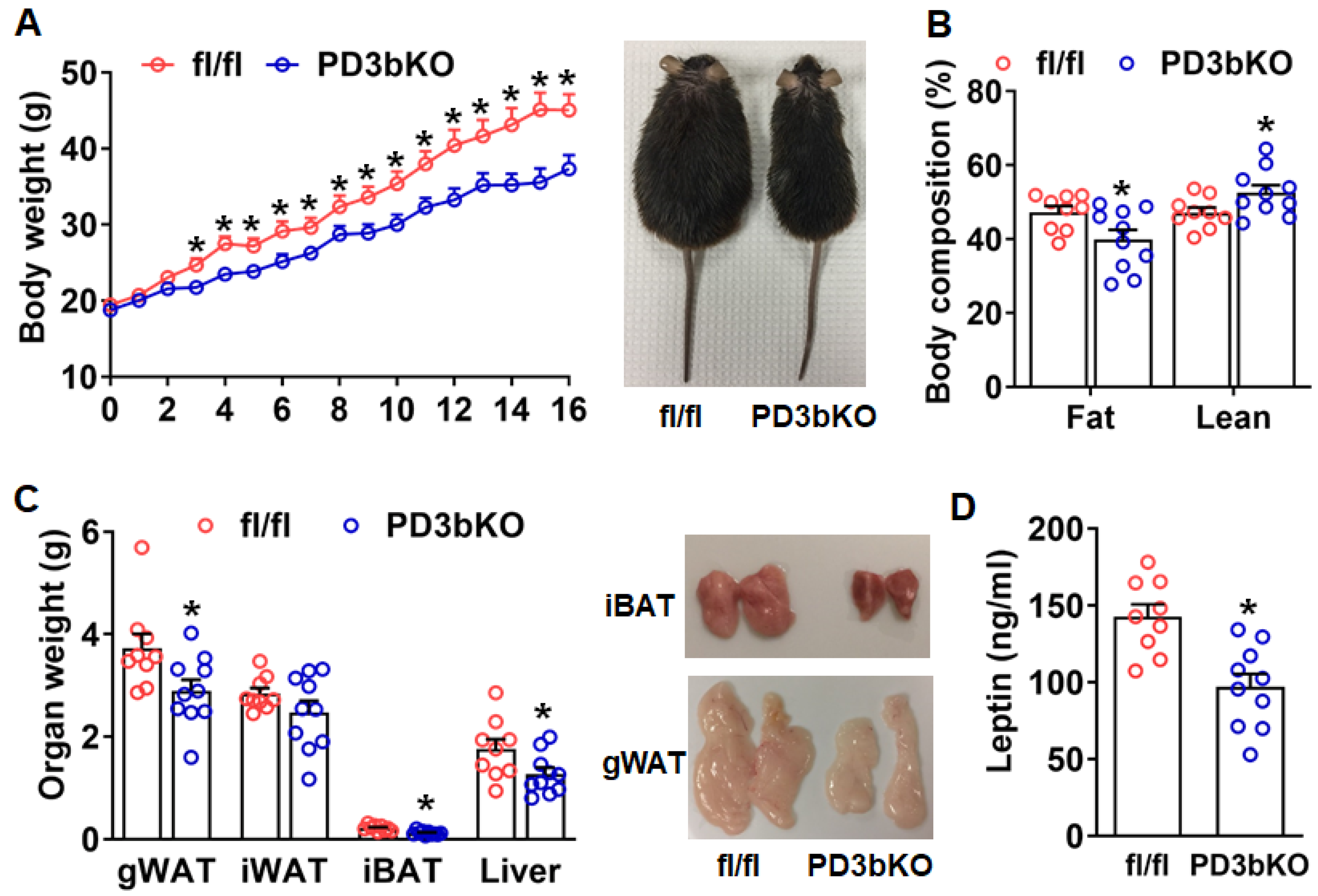
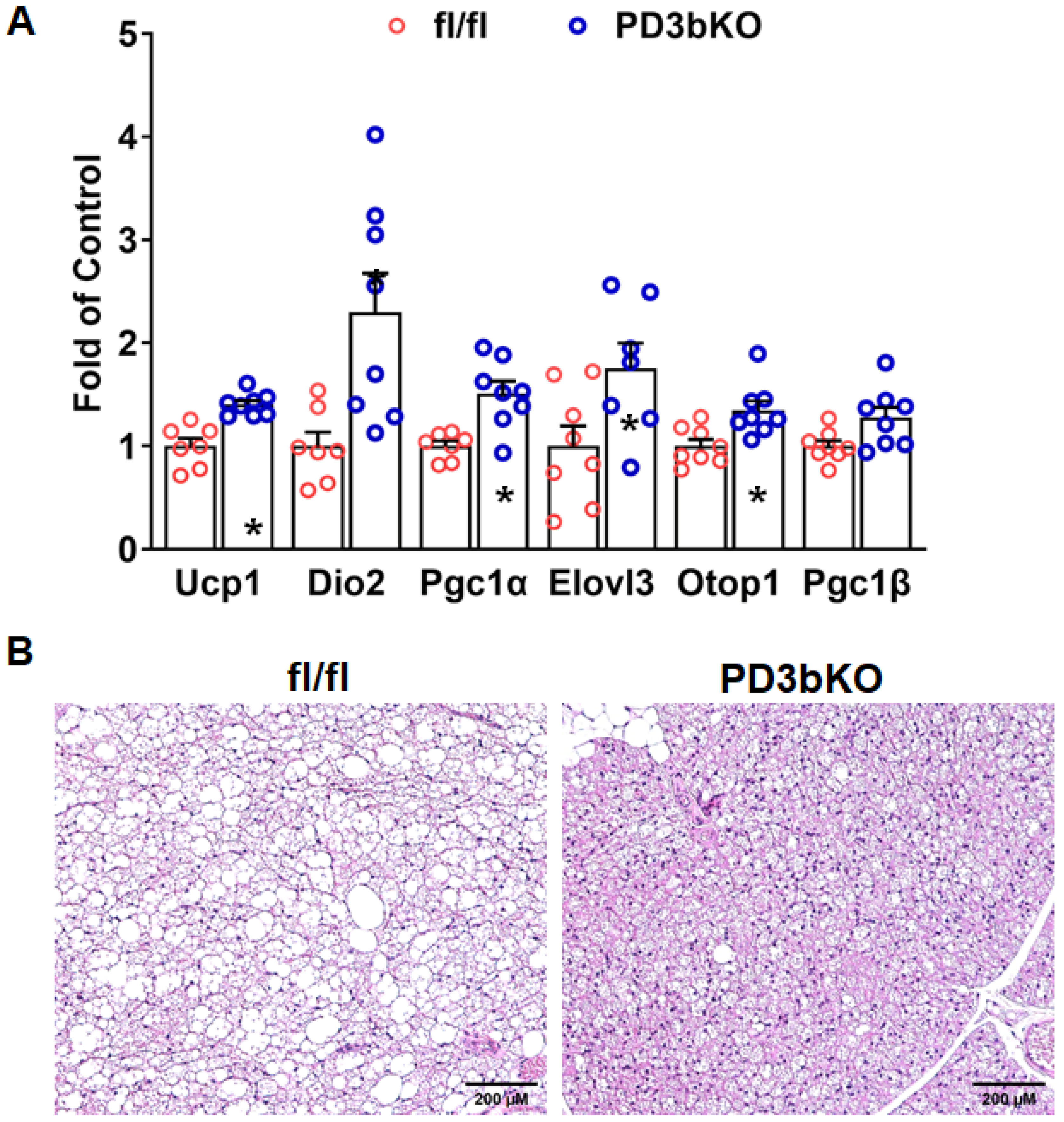
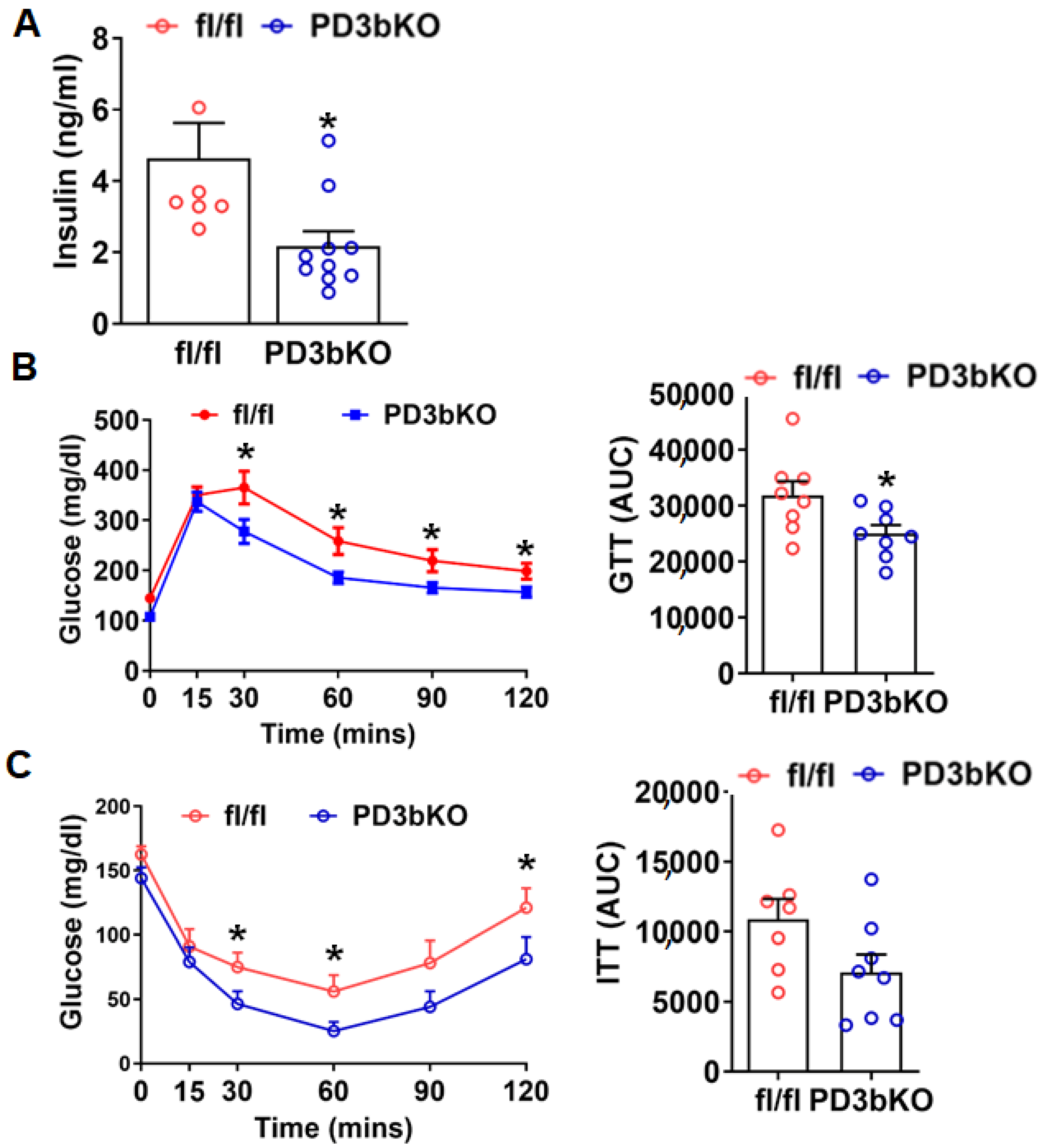
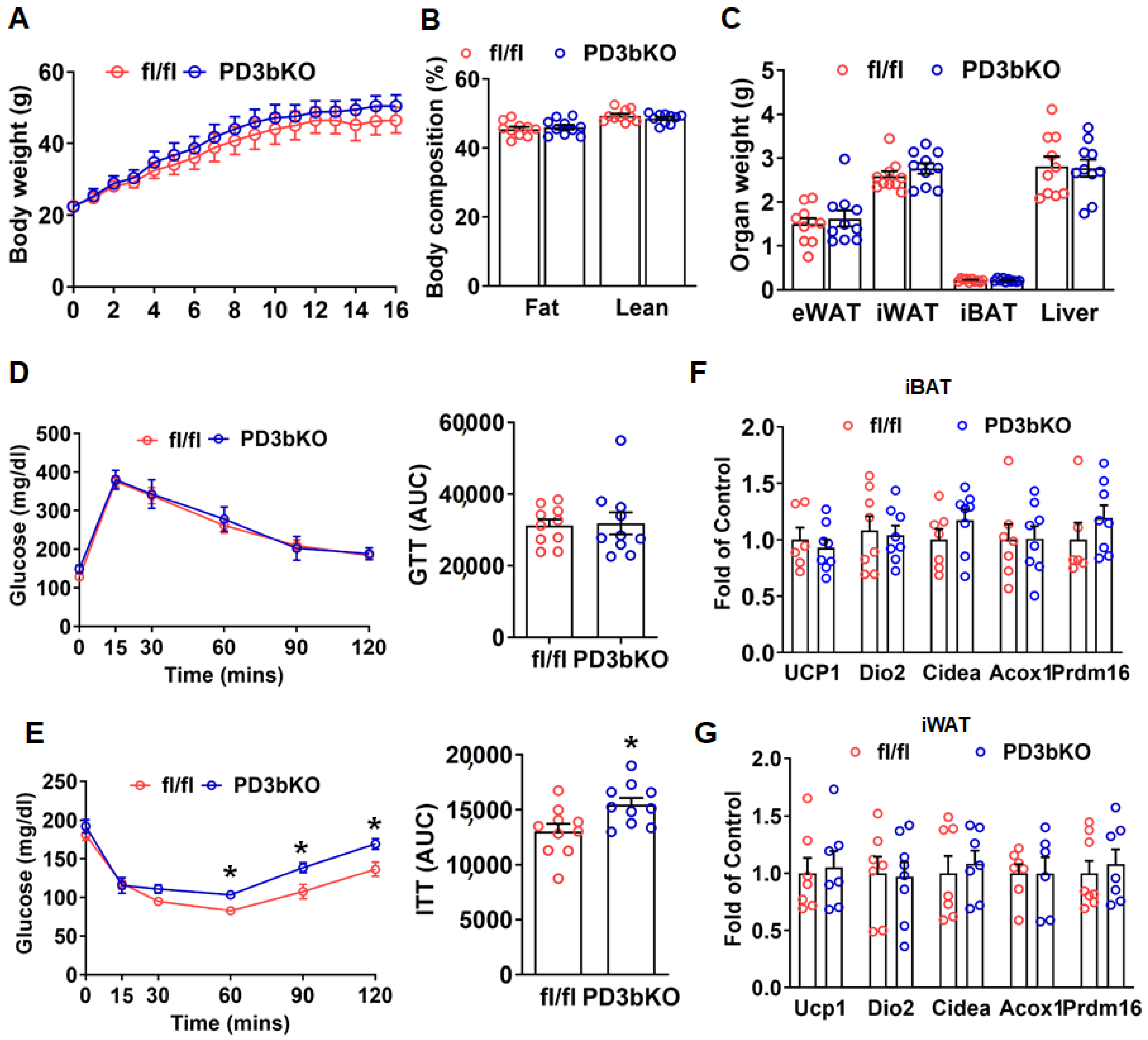
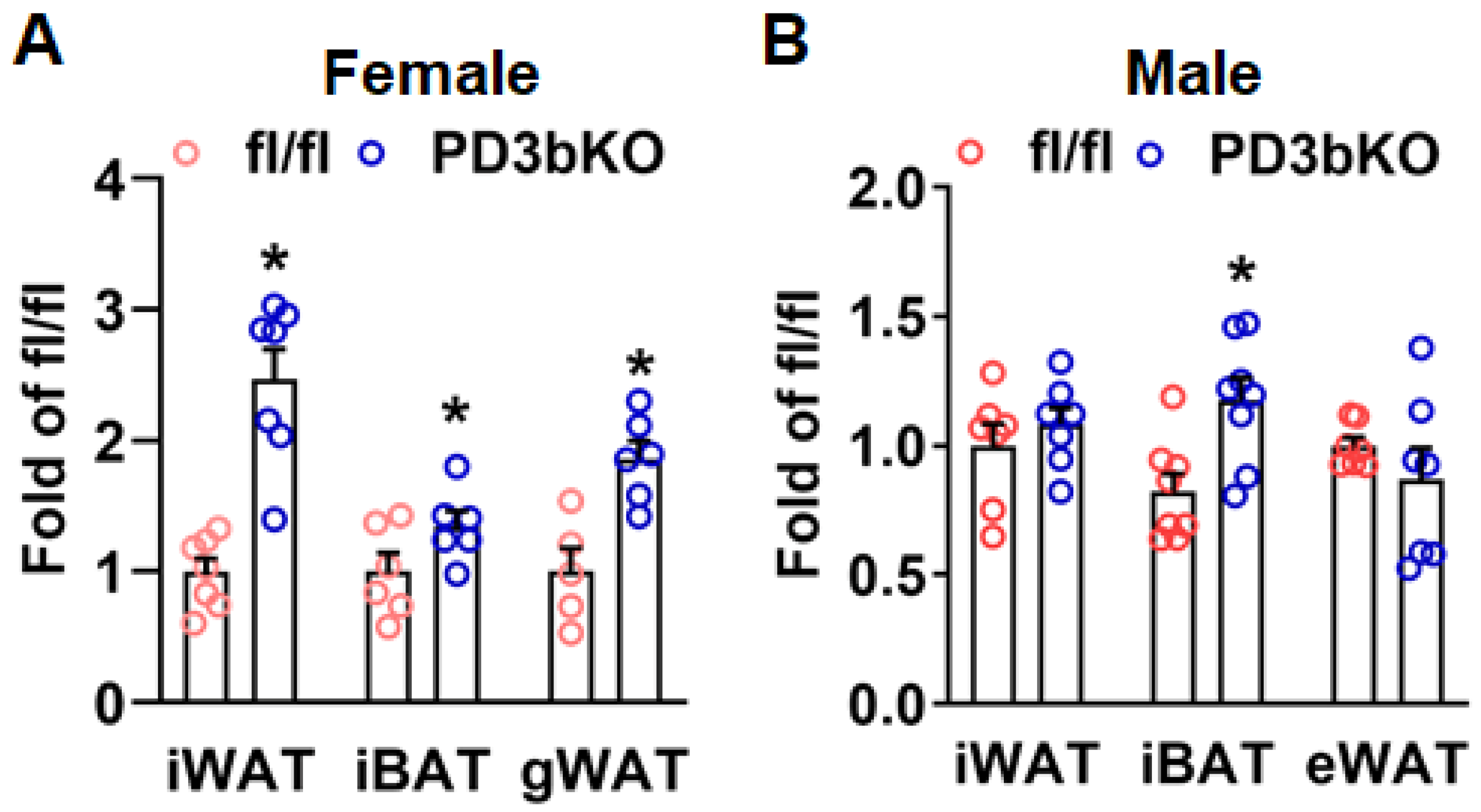
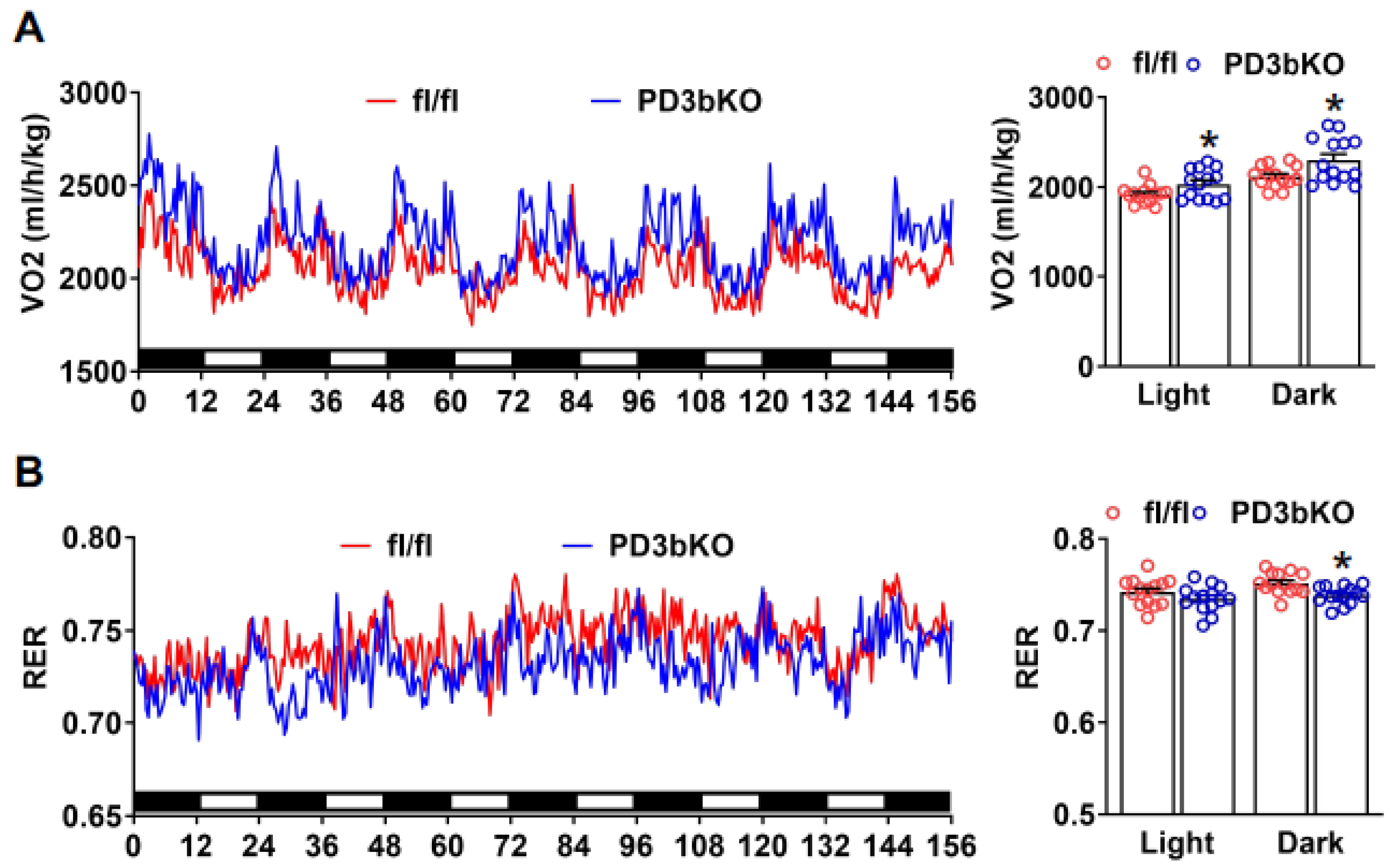
Obesity arises from chronic energy imbalance, where energy intake exceeds energy expenditure. Emerging evidence supports a key role of DNA methylation in the regulation of adipose tissue development and metabolism. We have recently discovered a key role of DNA methylation, catalyzed by DNA methyltransferase 1 or 3a (Dnmt1 or 3a), in the regulation of adipocyte differentiation and metabolism. Here, we aimed to investigate the role of adipose progenitor cell Dnmt3b—an enzyme mediating de novo DNA methylation—in energy metabolism and obesity. We generated a genetic model with Dnmt3b knockout in adipocyte progenitor cells (PD3bKO) by crossing Dnmt3b floxed mice with Platelet-derived growth factor receptor alpha (PDGFRα) Cre mice. Dnmt3b deletion in adipocyte progenitors enhanced thermogenic gene expression in brown adipose tissue, increased overall energy expenditure, and mitigated high-fat diet (HFD)-induced obesity in female mice. PD3bKO mice also displayed a lower respiratory exchange ratio (RER), indicative of a metabolic shift favoring fat utilization as an energy source. Furthermore, female PD3bKO mice exhibited improved insulin sensitivity alongside their lean phenotype. In contrast, male PD3bKO mice showed no changes in body weight but demonstrated decreased insulin sensitivity, revealing a sexually dimorphic metabolic response to Dnmt3b deletion in adipose progenitor cells. These findings underscore the critical role of Dnmt3b in regulating energy homeostasis, body weight, and metabolic health, with significant implications for understanding sex-specific mechanisms of obesity and metabolism.
Keywords: Dnmt3b; DNA methylation; obesity Dnmt3b; DNA methylation; obesity