Seed Oil of Lycium barbarum L. from Qaidam Basin Prevents and Treats UV-Induced Photodamage in BABL/c Mice Skin by Modulating Skin Microbiome and Amino Acid Metabolism
 ,
,
Abstract
1. Introduction
2. Results
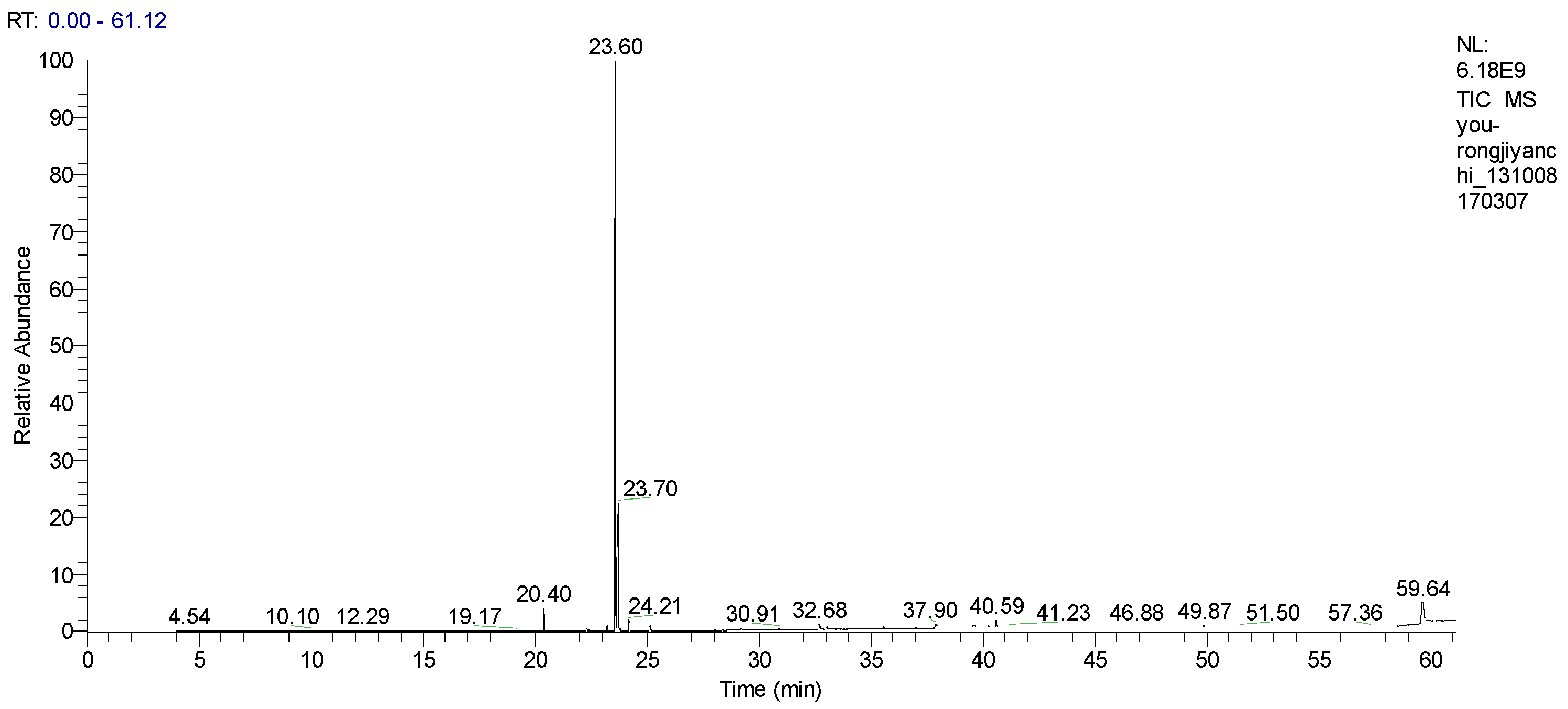
2.1. Gas Chromatography-Mass Spectrometry (GC/MS) Component Analysis of QLBSO
2.2. Analysis of Acute Toxicity Test Results for QLBSO
2.3. Histopathological Changes in Skin Tissue
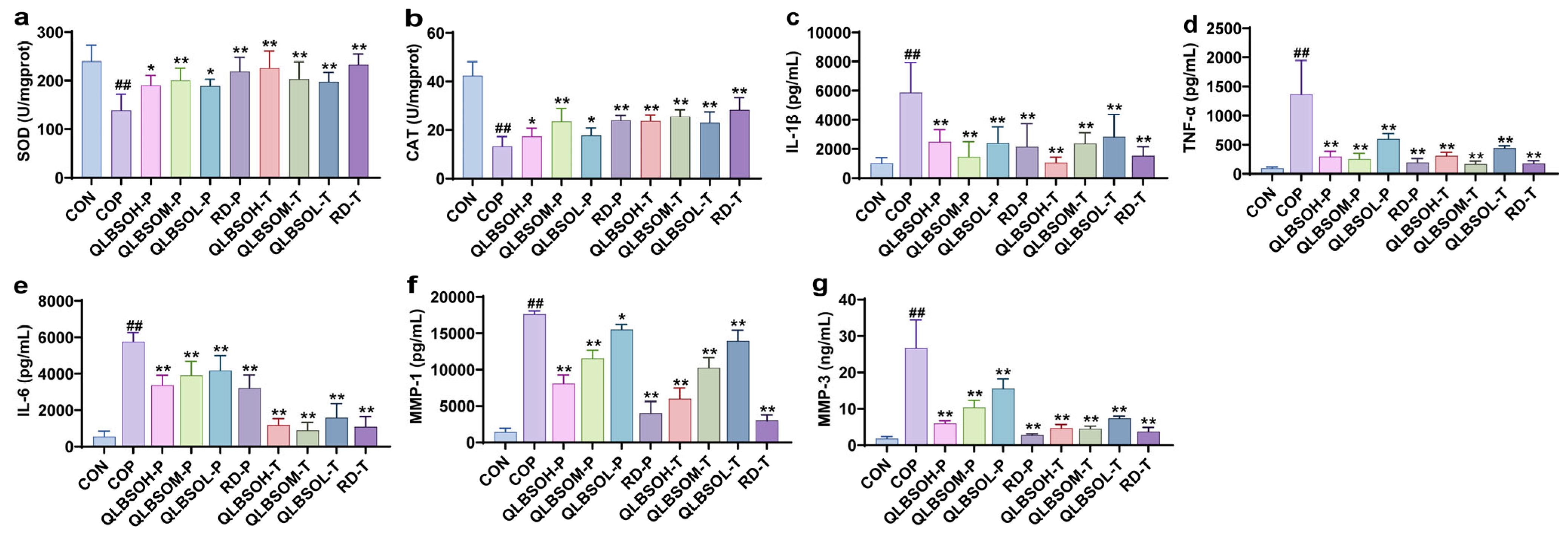
2.4. Regulation of QLBSO on Oxidative Stress, Inflammatory Markers, and Matrix Metalloproteinases in UV-Damaged BALB/c Mouse Skin
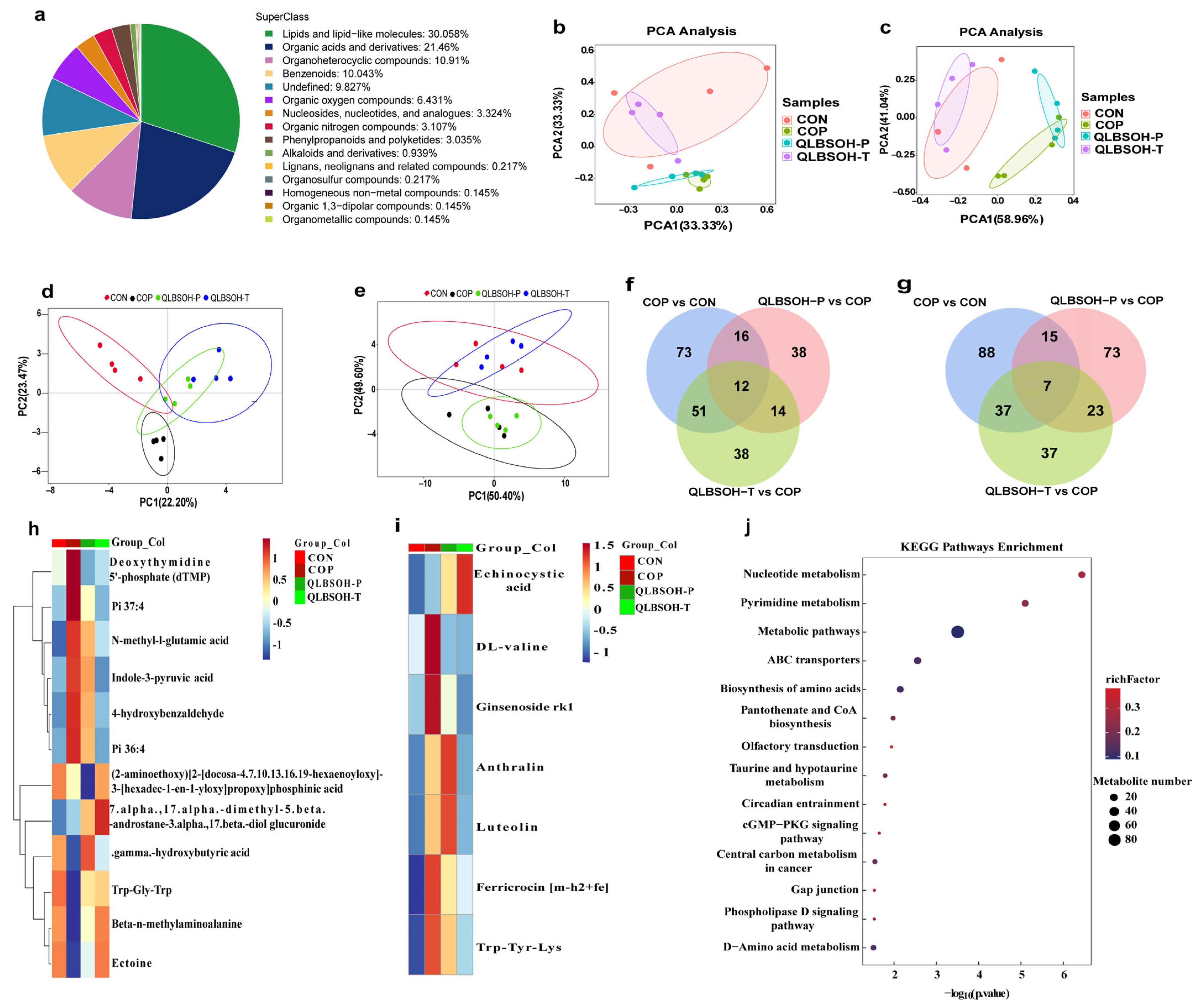
2.5. Effects of QLBSO on UV-Induced Photodamage and Skin Surface Microbiota in Mice
2.6. Effects of QLBSO on Metabolites in UV-Induced Photodamaged Skin Tissue of Mice
2.7. Effects of QLBSO on Amino Acid Metabolism in UV-Induced Photodamaged Skin Tissue of Mice
2.8. Correlation Analyses
3. Discussion
4. Materials and Methods
4.1. Gas Chromatography-Mass Spectrometry (GC/MS) Analysis of QLBSO
4.2. Materials and Animal Husbandry
4.3. Acute Toxicity Study of QLBSO in BALB/c Mice
4.4. Animal Grouping and Model Establishment
4.5. Animal Handling and Sample Collection
4.6. Histopathological Evaluation of Skin Tissue
4.7. Determination of Oxidative Stress Markers, Inflammatory Markers, and Matrix Metalloproteinases in Skin Tissue
4.8. Skin Microbiome Analysis
4.9. Non-Targeted Metabolomics Analysis
4.10. Amino Acid-Targeted Metabolomics Analysis
4.11. Statistical Analysis
5. Conclusions
Supplementary Materials
Author Contributions
Funding
Institutional Review Board Statement
Informed Consent Statement
Data Availability Statement
Conflicts of Interest
References
- Pistone, D.; Meroni, G.; Panelli, S.; D’Auria, E.; Acunzo, M.; Pasala, A.R.; Zuccotti, G.V.; Bandi, C.; Drago, L. A Journey on the Skin Microbiome: Pitfalls and Opportunities. Int. J. Mol. Sci. 2021, 22, 9846. [Google Scholar] [CrossRef]
- Digifico, E.; Balinzo, S.; Belgiovine, C. The Dark Side of the Force: When the Immune System Is the Fuel of Tumor Onset. Int. J. Mol. Sci. 2021, 22, 1224. [Google Scholar] [CrossRef]
- Tang, X.; Yang, T.; Yu, D.; Xiong, H.; Zhang, S. Current insights and future perspectives of ultraviolet radiation (UV) exposure: Friends and foes to the skin and beyond the skin. Environ. Int. 2024, 185, 108535. [Google Scholar] [CrossRef] [PubMed]
- Burfield, L.; Rutter, K.J.; Thompson, B.; Marjanovic, E.J.; Neale, R.E.; Rhodes, L.E. Systematic review of the prevalence and incidence of the photodermatoses with meta-analysis of the prevalence of polymorphic light eruption. J. Eur. Acad. Dermatol. Venereol. 2023, 37, 511–520. [Google Scholar] [CrossRef] [PubMed]
- Flohr, C.; Hay, R. Putting the burden of skin diseases on the global map. Br. J. Dermatol. 2021, 184, 189–190. [Google Scholar] [CrossRef]
- Souak, D.; Barreau, M.; Courtois, A.; André, V.; Duclairoir Poc, C.; Feuilloley, M.G.J.; Gault, M. Challenging Cosmetic Innovation: The Skin Microbiota and Probiotics Protect the Skin from UV-Induced Damage. Microorganisms 2021, 9, 936. [Google Scholar] [CrossRef] [PubMed]
- Wei, M.; He, X.; Liu, N.; Deng, H. Role of reactive oxygen species in ultraviolet-induced photodamage of the skin. Cell Div. 2024, 19, 1. [Google Scholar] [CrossRef]
- Vats, K.; Kruglov, O.; Mizes, A.; Samovich, S.N.; Amoscato, A.A.; Tyurin, V.A.; Tyurina, Y.Y.; Kagan, V.E.; Bunimovich, Y.L. Keratinocyte death by ferroptosis initiates skin inflammation after UVB exposure. Redox Biol. 2021, 47, 102143. [Google Scholar] [CrossRef]
- Cui, B.; Wang, Y.; Jin, J.; Yang, Z.; Guo, R.; Li, X.; Yang, L.; Li, Z. Resveratrol Treats UVB-Induced Photoaging by Anti-MMP Expression, through Anti-Inflammatory, Antioxidant, and Antiapoptotic Properties, and Treats Photoaging by Upregulating VEGF-B Expression. Oxid. Med. Cell. Longev. 2022, 2022, 6037303. [Google Scholar] [CrossRef]
- De Almeida, C.V.; Antiga, E.; Lulli, M. Oral and Topical Probiotics and Postbiotics in Skincare and Dermatological Therapy: A Concise Review. Microorganisms 2023, 11, 1420. [Google Scholar] [CrossRef]
- Zhang, X.E.; Zheng, P.; Ye, S.Z.; Ma, X.; Liu, E.; Pang, Y.B.; He, Q.Y.; Zhang, Y.X.; Li, W.Q.; Zeng, J.H.; et al. Microbiome: Role in Inflammatory Skin Diseases. J. Inflamm. Res. 2024, 17, 1057–1082. [Google Scholar] [CrossRef]
- Yang, Y.; Qu, L.; Mijakovic, I.; Wei, Y. Advances in the human skin microbiota and its roles in cutaneous diseases. Microb. Cell Fact. 2022, 21, 176. [Google Scholar] [CrossRef] [PubMed]
- Wang, Y.; Yu, Q.; Zhou, R.; Feng, T.; Hilal, M.G.; Li, H. Nationality and body location alter human skin microbiome. Appl. Microbiol. Biotechnol. 2021, 105, 5241–5256. [Google Scholar] [CrossRef]
- Swaney, M.H.; Kalan, L.R. Living in Your Skin: Microbes, Molecules, and Mechanisms. Infect. Immun. 2021, 89, e00695-20. [Google Scholar] [CrossRef] [PubMed]
- Wu, S.; Zhang, X.; Wang, Y.; Zheng, H.; Zhu, M. Lipid Metabolism Reprogramming of Immune Cells in Acne: An Update. Clin. Cosmet. Investig. Dermatol. 2023, 16, 2391–2398. [Google Scholar] [CrossRef] [PubMed]
- Tu, Y.; Gu, H.; Li, N.; Sun, D.; Yang, Z.; He, L. Identification of Key Genes Related to Immune-Lipid Metabolism in Skin Barrier Damage and Analysis of Immune Infiltration. Inflammation 2025, 48, 2051–2068. [Google Scholar] [CrossRef]
- Xu, M.R.; Lin, C.H.; Lee, H.H.; Wang, S.Y. Cedrol prevents UVB-induced photoaging by restoring mitochondrial function, metabolic homeostasis, and skin barrier integrity in HaCaT cells. Pharm. Biol. 2025, 63, 859–876. [Google Scholar] [CrossRef]
- Iorio, E.L.; Amuso, D. Skin, oxidative stress, and nutraceuticals. From the basic research to the clinical practice. Eur. J. Aesthet. Med. Dermatol. 2017, 7, 6. [Google Scholar]
- Gong, H.; Rehman, F.; Yang, T.; Li, Z.; Zeng, S.; Pan, L.; Li, Y.; Wang, Y. Construction of the first high-density genetic map and QTL map for photosynthetic traits in Lycium barbarum L. Mol. Breed. 2019, 39, 106. [Google Scholar] [CrossRef]
- Li, D.; Jin, J. Regulatory effects of Lycium barbarum polysaccharides on immune function and their application prospects. Front. Immunol. 2025, 16, 1671971. [Google Scholar] [CrossRef]
- Zhang, Y.; Li, X.; Xu, Y.; Wang, M.; Wang, F. Comparison of chemical characterization and oxidative stability of Lycium barbarum seed oils: A comprehensive study based on processing methods. J. Food Sci. 2022, 87, 3888–3899. [Google Scholar] [CrossRef]
- Rajkowska, K.; Simińska, D.; Kunicka-Styczyńska, A. Bioactivities and Microbial Quality of Lycium Fruits (Goji) Extracts Derived by Various Solvents and Green Extraction Methods. Molecules 2022, 27, 7856. [Google Scholar] [CrossRef]
- Feng, Z.; Xiao, Y.; Li, N.; Gao, Q.; Wang, J.; Chen, S.; Xing, R. Effects of root rot on microbial communities associated with goji berry (Lycium barbarum) in the Qaidam Basin, China. Eur. J. Plant Pathol. 2023, 167, 853–866. [Google Scholar] [CrossRef]
- Li, G.; Shi, J.; Suo, Y.; Sun, Z.; Xia, L.; Zheng, J.; You, J.; Liu, Y. Supercritical CO2 cell breaking extraction of Lycium barbarum seed oil and determination of its chemical composition by HPLC/APCI/MS and antioxidant activity. LWT-Food Sci. Technol. 2011, 44, 1172–1178. [Google Scholar]
- Li, G.; Shi, J.; Sun, Z.; Wang, H.; Suo, Y.; Liu, Y. Study on the process and composition of Chaidamu goji berry seed oil extracted by supercritical CO2. Food Ind. Sci. Technol. 2010, 31, 257–259. [Google Scholar]
- Wang, X.; Yin, X.; Lu, J.; Zhang, J.; Yang, Y. Protective effect of Lycium barbarum seed oil on ultraviolet B-induced photodamage in human immortalized keratinocyte cells. Food Ferment. Ind. 2024, 50, 47–55. [Google Scholar]
- Van De Vlekkert, D.; Machado, E.; d’Azzo, A. Analysis of Generalized Fibrosis in Mouse Tissue Sections with Masson’s Trichrome Staining. Bio Protoc. 2020, 10, e3629. [Google Scholar] [CrossRef] [PubMed]
- Hong, J.; Mu, T.; Sun, H.; Blecker, C.; Richel, A. Photoprotective effects of sweet potato leaf polyphenols and caffeic acid against UV-induced skin-damage in BALB/C nude mice. Food Funct. 2022, 13, 7075–7087. [Google Scholar] [CrossRef] [PubMed]
- Wu, X.; Zhang, Y.; Yi, F.; Geng, Z.; Guo, M.; Ling, X.; Li, J.; Li, L. Anti-inflammatory and barrier repair mechanisms of active components in Daemonorops draco Bl. for UVB-induced skin damage. Sci. Rep. 2025, 15, 17124. [Google Scholar] [CrossRef]
- Gao, D.; Cho, C.W.; Kim, C.T.; Jeong, W.S.; Kang, J.S. Evaluation of the Antiwrinkle Activity of Enriched Isatidis Folium Extract and an HPLC-UV Method for the Quality Control of Its Cream Products. Plants 2020, 9, 1586. [Google Scholar] [CrossRef] [PubMed]
- He, X.; Hu, Y.; Wu, Y.; Luo, Y.; Feng, H.; Wu, Q.; Liu, H.; Gao, L.; Yang, H.; Long, Y.; et al. Hyaluronic acid modified chuanxiong oil liposomes as a novel therapeutic agent for photoaging prevention. Sci. Rep. 2025, 15, 12237. [Google Scholar] [CrossRef]
- Karampinis, E.; Nechalioti, P.M.; Georgopoulou, K.E.; Goniotakis, G.; Roussaki Schulze, A.V.; Zafiriou, E.; Kouretas, D. Systemic oxidative stress parameters in skin cancer patients and patients with benign lesions. Stresses 2023, 3, 785–812. [Google Scholar] [CrossRef]
- Demir, R.; Dıraman, E. Investigation of the effect of sildenafil citrate on flap survival and SOD, GPx antioxidant enzymes in random pattern skin flaps. Tokai J. Exp. Clin. Med. 2025, 42, 26–31. [Google Scholar]
- Zhu, L.; Shen, Q.; Xu, Y.; Li, C. Protective Effect of Zeaxanthin from Lycium barbarum L. on Ultraviolet B-Induced Skin Photodamage in Mice Through Nrf2-Related Pathway. Antioxidants 2025, 14, 632. [Google Scholar] [CrossRef] [PubMed]
- Xu, H.; Yang, J.; Wei, Z.; Bao, S.; Liu, Z. Oxidative stress in vascular surgical diseases: Mechanisms, impacts and therapeutic perspectives. Front. Pharmacol. 2025, 16, 1527684. [Google Scholar] [CrossRef] [PubMed]
- Ren, X.; Manzanares, L.D.; Piccolo, E.B.; Urbanczyk, J.M.; Sullivan, D.P.; Yalom, L.K.; Bui, T.M.; Lantz, C.; Najem, H.; Dulai, P.S.; et al. Macrophage-endothelial cell crosstalk orchestrates neutrophil recruitment in inflamed mucosa. J. Clin. Investig. 2023, 133, e170733. [Google Scholar] [CrossRef]
- Mai, W.; Liao, Y. Targeting IL-1β in the Treatment of Atherosclerosis. Front. Immunol. 2020, 11, 589654. [Google Scholar] [CrossRef] [PubMed]
- Jin, J.; Sundararaj, K.P.; Samuvel, D.J.; Zhang, X.; Li, Y.; Lu, Z.; Lopes-Virella, M.F.; Huang, Y. Different signaling mechanisms regulating IL-6 expression by LPS between gingival fibroblasts and mononuclear cells: Seeking the common target. Clin. Immunol. 2012, 143, 188–199. [Google Scholar] [CrossRef]
- Pittayapruek, P.; Meephansan, J.; Prapapan, O.; Komine, M.; Ohtsuki, M. Role of Matrix Metalloproteinases in Photoaging and Photocarcinogenesis. Int. J. Mol. Sci. 2016, 17, 868. [Google Scholar] [CrossRef]
- Kim, H.M.; Byun, K.A.; Oh, S.; Yang, J.Y.; Park, H.J.; Chung, M.S.; Son, K.H.; Byun, K. A Mixture of Topical Forms of Polydeoxyribonucleotide, Vitamin C, and Niacinamide Attenuated Skin Pigmentation and Increased Skin Elasticity by Modulating Nuclear Factor Erythroid 2-like 2. Molecules 2022, 27, 1276. [Google Scholar] [CrossRef]
- Wang, L.; Zhang, X.; Li, Y.X.; Xu, L.Q.; Li, C.L.; Zhang, Z.B.; Liang, J.L.; Su, Z.R.; Zeng, H.F.; Li, Y.C. Aqueous Extract of Clerodendranthus spicatus Exerts Protective Effect on UV-Induced Photoaged Mice Skin. Evid. Based Complement. Altern. Med. 2016, 2016, 9623957. [Google Scholar]
- Zhang, J.; Zhou, Y.; Jiang, Z.; He, C.; Wang, B.; Wang, Q.; Wang, Z.; Wu, T.; Chen, X.; Deng, Z.; et al. Bioinspired polydopamine nanoparticles as efficient antioxidative and anti-inflammatory enhancers against UV-induced skin damage. J. Nanobiotechnol. 2023, 21, 354. [Google Scholar] [CrossRef] [PubMed]
- Wang, Z.J.; Liang, C.L.; Li, G.M.; Yu, C.Y.; Yin, M. Stearic acid protects primary cultured cortical neurons against oxidative stress. Acta Pharmacol. Sin. 2007, 28, 315–326. [Google Scholar] [CrossRef]
- Hatanaka, E.; Dermargos, A.; Hirata, A.E.; Vinolo, M.A.; Carpinelli, A.R.; Newsholme, P.; Armelin, H.A.; Curi, R. Oleic, linoleic and linolenic acids increase ros production by fibroblasts via NADPH oxidase activation. PLoS ONE 2013, 8, e58626. [Google Scholar] [CrossRef]
- Burton, G.W.; Ingold, K.U. beta-Carotene: An unusual type of lipid antioxidant. Science 1984, 224, 569–573. [Google Scholar] [CrossRef]
- Yarahmadi, S.; Mehrjoo, M.; Asgharzadeh, S.; Pakravan, S.; Ahmadvand, H.; Babaeenezhad, E. The combination effects of sodium selenite and vitamin E on renal ischemia-reperfusion injury in rats. J. Ren. Inj. Prev. 2024, 14, e38400. [Google Scholar] [CrossRef]
- Kaplan, H.M.; Şingirik, E.; Erdoğan, K.E.; Doran, F. Protective effect of alpha-linolenic acid on gentamicin-induced ototoxicity in mice. Somat. Mot. Res. 2017, 34, 145–150. [Google Scholar] [CrossRef]
- Ostlund, R.E., Jr. Phytosterols in human nutrition. Annu. Rev. Nutr. 2002, 22, 533–549. [Google Scholar] [CrossRef]
- Cao, Y.; Zhang, X.; He, X.; Wang, W.; Yi, Y.; Ai, Y. Efficacy of ceramide-containing sunscreen on skin barrier. J. Cosmet. Dermatol. 2024, 23, 525–528. [Google Scholar] [CrossRef]
- Yang, J.W.; Fan, G.B.; Tan, F.; Kong, H.M.; Liu, Q.; Zou, Y.; Tan, Y.M. The role and safety of UVA and UVB in UV-induced skin erythema. Front. Med. 2023, 10, 1163697. [Google Scholar] [CrossRef]
- Deng, T.; Zheng, H.; Zhu, Y.; Liu, M.; He, G.; Li, Y.; Liu, Y.; Wu, J.; Cheng, H. Emerging Trends and Focus in Human Skin Microbiome Over the Last Decade: A Bibliometric Analysis and Literature Review. Clin. Cosmet. Investig. Dermatol. 2023, 16, 2153–2173. [Google Scholar] [CrossRef]
- Guet-Revillet, H.; Dompmartin, A.; Join-Lambert, O. Microbiote cutané: Rôle physiologique et pathologique [Skin microbiome: Role in human health and skin inflammatory diseases]. Rev. Prat. 2020, 70, 653–656. [Google Scholar]
- Smythe, P.; Wilkinson, H.N. The Skin Microbiome: Current Landscape and Future Opportunities. Int. J. Mol. Sci. 2023, 24, 3950. [Google Scholar] [CrossRef]
- Bosman, E.S.; Albert, A.Y.; Lui, H.; Dutz, J.P.; Vallance, B.A. Skin Exposure to Narrow Band Ultraviolet (UVB) Light Modulates the Human Intestinal Microbiome. Front. Microbiol. 2019, 10, 2410. [Google Scholar] [CrossRef] [PubMed]
- Kim, H.B.; Alexander, H.; Um, J.Y.; Chung, B.Y.; Park, C.W.; Flohr, C.; Kim, H.O. Skin Microbiome Dynamics in Atopic Dermatitis: Understanding Host-Microbiome Interactions. Allergy Asthma Immunol. Res. 2025, 17, 165–180. [Google Scholar] [CrossRef] [PubMed]
- Lai, X.; Huang, J.; Li, Y.; Dong, L. Symbiotic bacteria-mediated imbalance and repair of immune homeostasis: Exploring novel mechanisms of microbiome-host interactions in atopic dermatitis. Front. Immunol. 2025, 16, 1649857. [Google Scholar] [CrossRef] [PubMed]
- Karagounis, T.; Podkowik, M.; Shenderovich, J.; Arguelles, N.; Srivastava, A.; Needle, C.; Putzel, G.; Oza, V.; Pironi, A.; Torres, V.; et al. Gastrointestinal colonization as a source of Staphylococcus aureus in atopic dermatitis. J. Investig. Dermatol. 2023, 143, 171–176. [Google Scholar] [CrossRef]
- Scharschmidt, T.C.; Segre, J.A. Skin microbiome and dermatologic disorders. J. Clin. Investig. 2025, 135, e184315. [Google Scholar] [CrossRef]
- Yan, D.; Issa, N.; Afifi, L.; Jeon, C.; Chang, H.W.; Liao, W. The Role of the Skin and Gut Microbiome in Psoriatic Disease. Curr. Dermatol. Rep. 2017, 6, 94–103. [Google Scholar] [CrossRef]
- Liu, C.; Su, W.; Tan, Z.; Zhang, J.; Dong, W. The interaction between microbiota and immune in intestinal inflammatory diseases: Global research status and trends. Front. Cell. Infect. Microbiol. 2023, 13, 1128249. [Google Scholar] [CrossRef]
- Zhu, L.; Sha, L.; Li, K.; Wang, Z.; Wang, T.; Li, Y.; Liu, P.; Dong, X.; Dong, Y.; Zhang, X.; et al. Dietary flaxseed oil rich in omega-3 suppresses the severity of type 2 diabetes mellitus via anti-inflammation and modulating gut microbiota in rats. Lipids Health Dis. 2020, 19, 20. [Google Scholar] [CrossRef] [PubMed]
- Fan, L.; Xia, Y.; Wang, Y.; Han, D.; Liu, Y.; Li, J.; Fu, J.; Wang, L.; Gan, Z.; Liu, B.; et al. Gut microbiota bridges dietary nutrients and host immunity. Sci. China Life Sci. 2023, 66, 2466–2514. [Google Scholar] [CrossRef]
- Józsa, L.; Ujhelyi, Z.; Vasvári, G.; Sinka, D.; Nemes, D.; Fenyvesi, F.; Váradi, J.; Vecsernyés, M.; Szabó, J.; Kalló, G.; et al. Formulation of Creams Containing Spirulina Platensis Powder with Different Nonionic Surfactants for the Treatment of Acne Vulgaris. Molecules 2020, 25, 4856. [Google Scholar] [CrossRef] [PubMed]
- Byrd, A.L.; Belkaid, Y.; Segre, J.A. The human skin microbiome. Nat. Rev. Microbiol. 2018, 16, 143–155. [Google Scholar] [CrossRef]
- He, X.; Gao, X.; Guo, Y.; Xie, W. Research Progress on Bioactive Factors against Skin Aging. Int. J. Mol. Sci. 2024, 25, 3797. [Google Scholar] [CrossRef] [PubMed]
- Du, W.; Dong, Y.; Wang, Z.; Yao, S.; Wang, M.; Ji, J.; Ruan, H.; Quan, R. Study on the mechanism of cadmium chloride pollution accelerating skin tissue metabolism disorder, aging, and inhibiting hair regeneration. Front. Public Health 2022, 10, 1035301. [Google Scholar] [CrossRef]
- Abualhasan, M.; Hawash, M.; Aqel, S.; Al-Masri, M.; Mousa, A.; Issa, L. Biological Evaluation of Xanthene and Thioxanthene Derivatives as Antioxidant, Anticancer, and COX Inhibitors. ACS Omega 2023, 8, 38597–38606. [Google Scholar] [CrossRef]
- Rogowska-Wrzesinska, A.; Wojdyla, K.; Nedić, O.; Baron, C.P.; Griffiths, H.R. Analysis of protein carbonylation--pitfalls and promise in commonly used methods. Free Radic. Res. 2014, 48, 1145–1162. [Google Scholar] [CrossRef]
- Zhang, D.D.; Hannink, M. Distinct cysteine residues in Keap1 are required for Keap1-dependent ubiquitination of Nrf2 and for stabilization of Nrf2 by chemopreventive agents and oxidative stress. Mol. Cell. Biol. 2003, 23, 8137–8151. [Google Scholar] [CrossRef]
- Zeng, X.; Sarkar, A. Density functional theory study of the functionalization of BC2N nanotubes with cysteine amino acid. J. Mol. Model. 2021, 27, 72. [Google Scholar] [CrossRef]
- Isor, A.; Chartier, B.V.; Abo, M.; Currens, E.R.; Weerapana, E.; McCulla, R.D. Identifying cysteine residues susceptible to oxidation by photoactivatable atomic oxygen precursors using a proteome-wide analysis. RSC Chem. Biol. 2021, 2, 577–591. [Google Scholar] [CrossRef]
- Chen, P.; Wang, K.; Zhuang, M.; Fu, X.; Liu, S.; Chen, M.; Lei, Y. An insight into gut microbiota and metabolites in the mice with adenomyosis. Front. Cell. Infect. Microbiol. 2023, 13, 1075387. [Google Scholar] [CrossRef]
- Iyer, S.S.; Accardi, C.J.; Ziegler, T.R.; Blanco, R.A.; Ritzenthaler, J.D.; Rojas, M.; Roman, J.; Jones, D.P. Cysteine redox potential determines pro-inflammatory IL-1beta levels. PLoS ONE 2009, 4, e5017. [Google Scholar] [CrossRef] [PubMed]
- Egger, F.; Jakab, M.; Fuchs, J.; Oberascher, K.; Brachtl, G.; Ritter, M.; Kerschbaum, H.H.; Gaisberger, M. Effect of Glycine on BV-2 Microglial Cells Treated with Interferon-γ and Lipopolysaccharide. Int. J. Mol. Sci. 2020, 21, 804. [Google Scholar] [CrossRef] [PubMed]
- Teixeira, W.F.; Fagan, E.B.; Soares, L.H.; Umburanas, R.C.; Reichardt, K.; Neto, D.D. Foliar and Seed Application of Amino Acids Affects the Antioxidant Metabolism of the Soybean Crop. Front. Plant Sci. 2017, 8, 327. [Google Scholar] [CrossRef] [PubMed]
- Liu, T.; Hao, J.; Lei, H.; Chen, Y.; Liu, L.; Jia, L.; Gu, J.; Kang, H.; Shi, J.; He, J.; et al. Recombinant collagen for the repair of skin wounds and photo-aging damage. Regen. Biomater. 2024, 11, rbae108, Correction in Regen. Biomater. 2025, 12, rbaf064. [Google Scholar] [CrossRef]
- Ahmadi Ashtiani, H.R.; Rastegar, H.; Salarian, A.A.; Rahmani, F.; Rezazadeh, S.H.; Sedghi Zadeh, H. Study the effect of silymarin and vitamin c in skin aging induced by UVB rays on the mice skin redox system. J. Med. Plants 2019, 18, 130–144. [Google Scholar] [CrossRef]
- Zhang, Y. Study of the Efficacy of a New Topical Skin Formulation Rich in Antioxidants In Patients with Mild to Moderate Atopic Dermatitis. Ph.D. Thesis, Charité-Universitätsmedizin Berlin, Berlin, Germany, 2024. [Google Scholar]
- Bibi, C.; Nigar, Z. Clinical Evaluation of a Topical Unani Polyherbal Formulation in the Management of Photodamaged Facial skin: An open-label Standard Controlled Trial. Altern. Ther. Health Med. 2024, 30, 16–23. [Google Scholar]
- Mowbray, M. Nitric oxide as a regulator of apoptosis and inflammation in human skin following ultraviolet irradiation. In Annexe Thesis Digitisation Project 2018 Block 19; The University of Edinburgh: Edinburgh, Scotland, 2009. [Google Scholar]
- Delwing, D.; Delwing, D.; Dutra-Filho, C.S.; Wannmacher, C.M.; Wajner, M.; Wyse, A.T. Arginine administration reduces catalase activity in midbrain of rats. Neuroreport 2002, 13, 1301–1304. [Google Scholar] [CrossRef] [PubMed]
- Gosenca Matjaž, M.; Škarabot, M.; Gašperlin, M.; Janković, B. Lamellar liquid crystals maintain keratinocytes’ membrane fluidity: An AFM qualitative and quantitative study. Int. J. Pharm. 2019, 572, 118712. [Google Scholar] [CrossRef]
- Dixit, A.; Jose, G.P.; Shanbhag, C.; Tagad, N.; Kalia, J. Metabolic Labeling-Based Chemoproteomics Establishes Choline Metabolites as Protein Function Modulators. ACS Chem. Biol. 2022, 17, 2272–2283. [Google Scholar] [CrossRef] [PubMed]
- Hussen, N.H.A.; Abdulla, S.K.; Ali, N.M.; Ahmed, V.A.; Hasan, A.H.; Qadir, E.E. Role of antioxidants in skin aging and the molecular mechanism of ROS: A comprehensive review. Asp. Mol. Med. 2025, 5, 100063. [Google Scholar] [CrossRef]
- Abdulahi, S.K.; Dada, E.O.; Adebayo, R.O. Histopathological effects of seed oil of Moringa oleifera Lam. on albino mice infected with Plasmodium berghei (NK65). Adv. J. Grad. Res. 2022, 11, 71–79. [Google Scholar] [CrossRef]
- Olivier, D.W.; Eksteen, C.; Plessis, M.D.; de Jager, L.; Engelbrecht, L.; McGregor, N.W.; Shridas, P.; de Beer, F.C.; de Villiers, W.J.S.; Pretorius, E.; et al. Inflammation and Tumor Progression: The Differential Impact of SAA in Breast Cancer Models. Biology 2024, 13, 654. [Google Scholar] [CrossRef] [PubMed]
- Qiao, H.; Song, Y.; Shi, H.; Bian, C. Fermented Astragalus in diet altered the composition of fecal microbiota in broiler chickens. AMB Express 2018, 8, 151. [Google Scholar] [CrossRef] [PubMed]

 ), hyperkeratosis (
 ), edema (
 ), hemorrhage (
 ), and inflammatory cell infiltration (
 ). 100× and 400× magnification (scale bar = 200 and 50 µm). (b) Mouse skin H&E staining: fibrous tissue proliferation (
 ). 400× magnification (scale bar = 50 µm); (c) Mouse epidermal layer thickness; (d) Mouse dermal layer thickness. CON, control group; COP, control positive group; QLBSOH-P: the prophylactic group topically administered 200 μL of QLBSO. QLBSOM-P: the prophylactic group topically administered 100 μL of QLBSO. QLBSOL-P: the prophylactic group topically administered 50 μL of QLBSO. RD-P: the prophylactic reference drug group topically administered 100 μL of VE. QLBSOH-T: the treatment groups topically administered 200 μL of QLBSO. QLBSOM-T: the treatment groups topically administered 100 μL of QLBSO. QLBSOL-T: the treatment groups topically administered 50 μL of QLBSO. RD-T: The treatment reference drug groups topically administered 100 μL of VE. Values are presented as mean ± SD (n = 3). Statistical analysis was performed using one-way ANOVA followed by Tukey’s post hoc test for multiple comparisons. ## indicate comparisons with the CON group (p ≤ 0.01); ** indicate comparisons with the COP group (p ≤ 0.01).
), hyperkeratosis (), edema (), hemorrhage (), and inflammatory cell infiltration (). 100× and 400× magnification (scale bar = 200 and 50 µm). (b) Mouse skin H&E staining: fibrous tissue proliferation (). 400× magnification (scale bar = 50 µm); (c) Mouse epidermal layer thickness; (d) Mouse dermal layer thickness. CON, control group; COP, control positive group; QLBSOH-P: the prophylactic group topically administered 200 μL of QLBSO. QLBSOM-P: the prophylactic group topically administered 100 μL of QLBSO. QLBSOL-P: the prophylactic group topically administered 50 μL of QLBSO. RD-P: the prophylactic reference drug group topically administered 100 μL of VE. QLBSOH-T: the treatment groups topically administered 200 μL of QLBSO. QLBSOM-T: the treatment groups topically administered 100 μL of QLBSO. QLBSOL-T: the treatment groups topically administered 50 μL of QLBSO. RD-T: The treatment reference drug groups topically administered 100 μL of VE. Values are presented as mean ± SD (n = 3). Statistical analysis was performed using one-way ANOVA followed by Tukey’s post hoc test for multiple comparisons. ## indicate comparisons with the CON group (p ≤ 0.01); ** indicate comparisons with the COP group (p ≤ 0.01).
). 400× magnification (scale bar = 50 µm); (c) Mouse epidermal layer thickness; (d) Mouse dermal layer thickness. CON, control group; COP, control positive group; QLBSOH-P: the prophylactic group topically administered 200 μL of QLBSO. QLBSOM-P: the prophylactic group topically administered 100 μL of QLBSO. QLBSOL-P: the prophylactic group topically administered 50 μL of QLBSO. RD-P: the prophylactic reference drug group topically administered 100 μL of VE. QLBSOH-T: the treatment groups topically administered 200 μL of QLBSO. QLBSOM-T: the treatment groups topically administered 100 μL of QLBSO. QLBSOL-T: the treatment groups topically administered 50 μL of QLBSO. RD-T: The treatment reference drug groups topically administered 100 μL of VE. Values are presented as mean ± SD (n = 3). Statistical analysis was performed using one-way ANOVA followed by Tukey’s post hoc test for multiple comparisons. ## indicate comparisons with the CON group (p ≤ 0.01); ** indicate comparisons with the COP group (p ≤ 0.01).
), hyperkeratosis (), edema (), hemorrhage (), and inflammatory cell infiltration (). 100× and 400× magnification (scale bar = 200 and 50 µm). (b) Mouse skin H&E staining: fibrous tissue proliferation (). 400× magnification (scale bar = 50 µm); (c) Mouse epidermal layer thickness; (d) Mouse dermal layer thickness. CON, control group; COP, control positive group; QLBSOH-P: the prophylactic group topically administered 200 μL of QLBSO. QLBSOM-P: the prophylactic group topically administered 100 μL of QLBSO. QLBSOL-P: the prophylactic group topically administered 50 μL of QLBSO. RD-P: the prophylactic reference drug group topically administered 100 μL of VE. QLBSOH-T: the treatment groups topically administered 200 μL of QLBSO. QLBSOM-T: the treatment groups topically administered 100 μL of QLBSO. QLBSOL-T: the treatment groups topically administered 50 μL of QLBSO. RD-T: The treatment reference drug groups topically administered 100 μL of VE. Values are presented as mean ± SD (n = 3). Statistical analysis was performed using one-way ANOVA followed by Tukey’s post hoc test for multiple comparisons. ## indicate comparisons with the CON group (p ≤ 0.01); ** indicate comparisons with the COP group (p ≤ 0.01).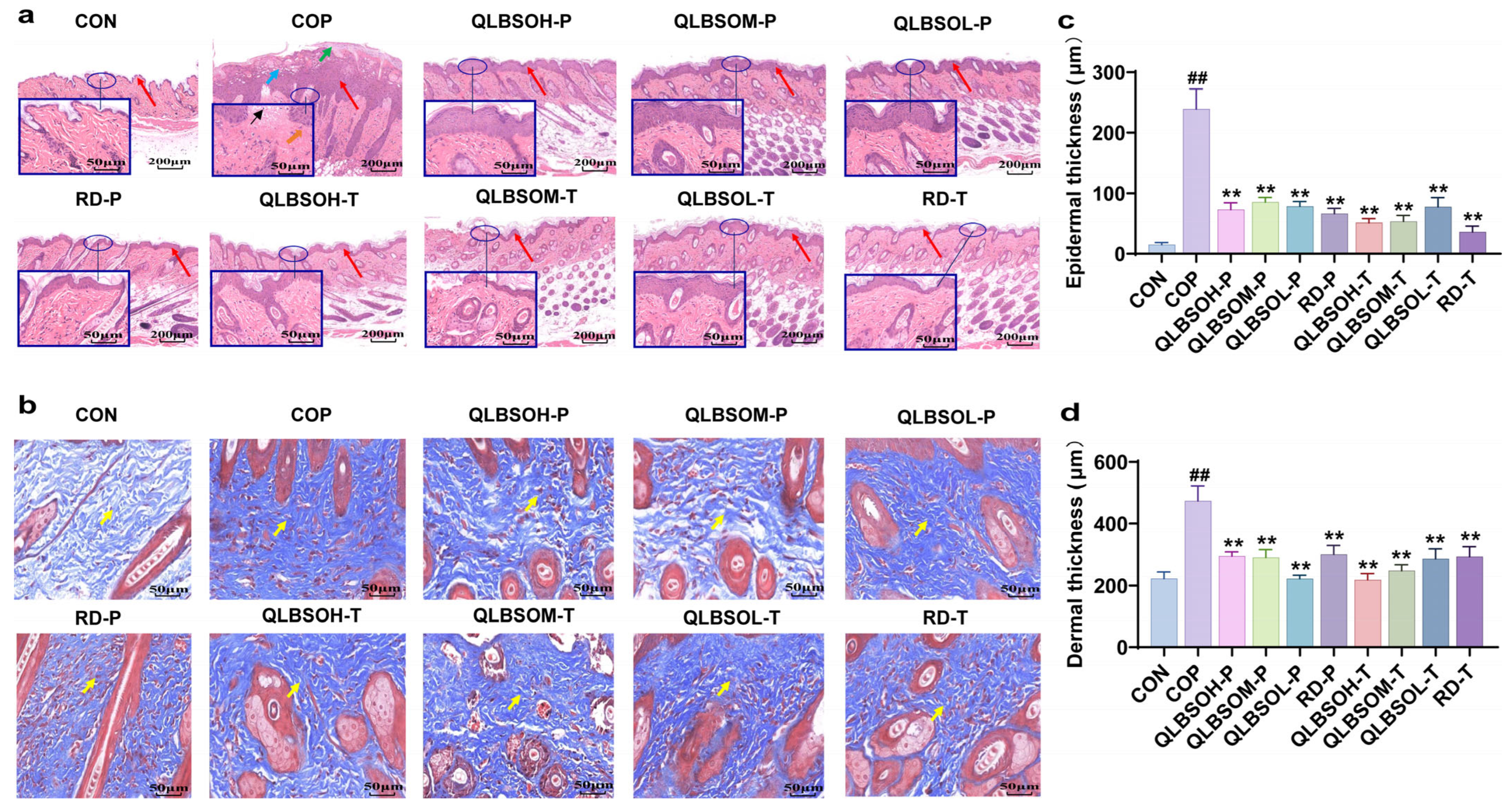

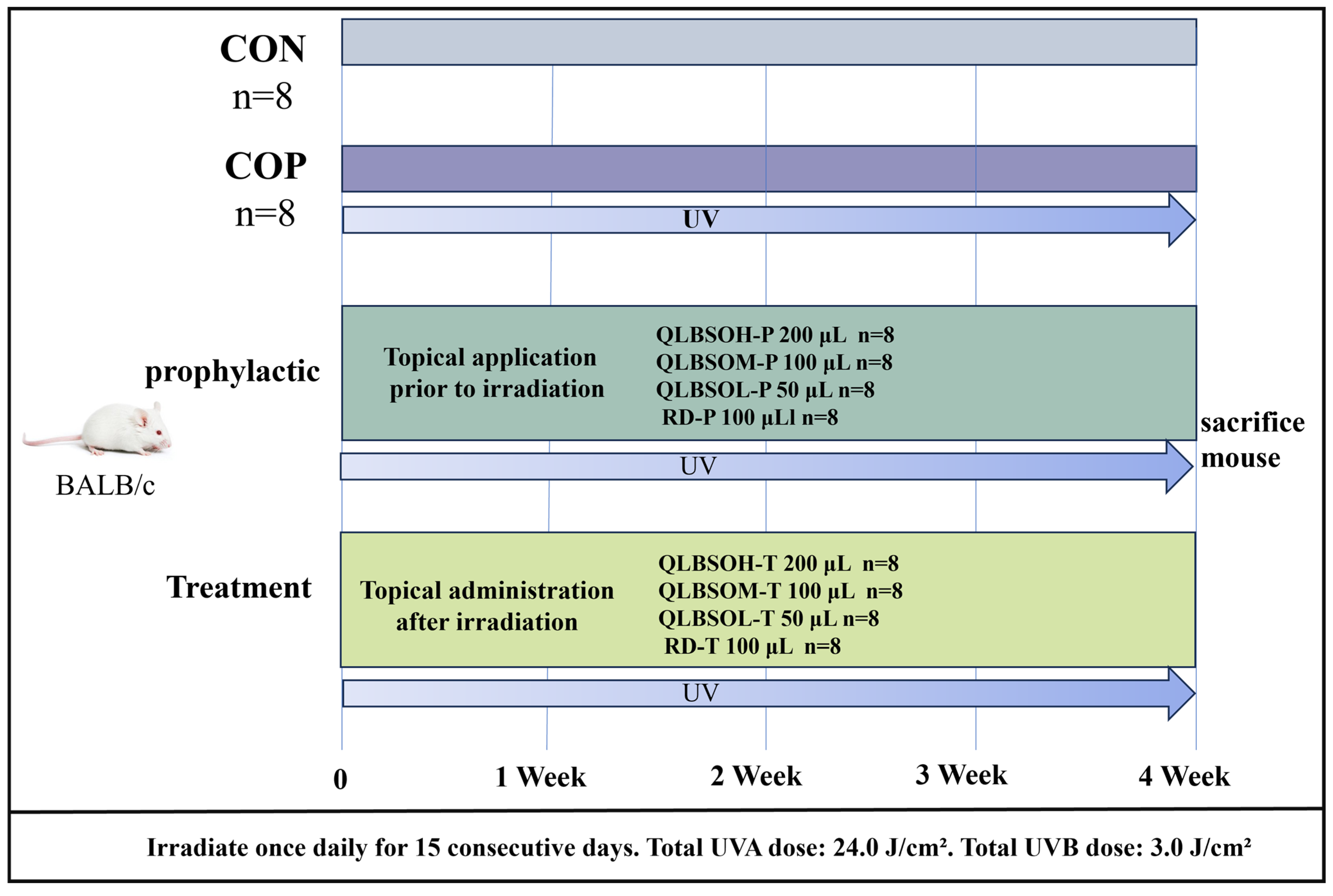

| Topical Administration Time | Grouping | Processing | Topical Dose | Dose/μL |
|---|---|---|---|---|
| / | Control (CON) | / | / | 0 |
| / | Control positive (COP) | UV | / | 0 |
| Prophylactic (30 min before irradiation) | QLBSO High-Dose prophylactic Group (QLBSOH-P) | UV | QLBSO | 200 |
| QLBSO Medium-Dose prophylactic Group (QLBSOM-P) | UV | QLBSO | 100 | |
| QLBSO Low-Dose prophylactic Group (QLBSOL-P) | UV | QLBSO | 50 | |
| Prophylactic Reference Drug Group (RD-P) | UV | VE | 100 | |
| Treatment (after irradiation) | Treatment Reference Drug Group (RD-T) | UV | VE | 100 |
| QLBSO High-Dose therapeutic Group (QLBSOH-T) | UV | QLBSO | 200 | |
| QLBSO Medium-Dose therapeutic Group (QLBSOM-T) | UV | QLBSO | 100 | |
| QLBSO Low-Dose therapeutic Group (QLBSOL-T) | UV | QLBSO | 50 |
Disclaimer/Publisher’s Note: The statements, opinions and data contained in all publications are solely those of the individual author(s) and contributor(s) and not of MDPI and/or the editor(s). MDPI and/or the editor(s) disclaim responsibility for any injury to people or property resulting from any ideas, methods, instructions or products referred to in the content. |
© 2026 by the authors. Licensee MDPI, Basel, Switzerland. This article is an open access article distributed under the terms and conditions of the Creative Commons Attribution (CC BY) license.
Share and Cite
Han, L.; Yang, Y.; Zhang, B.; Wang, Y.; Ji, Y.; Du, S.; Zou, Y. Seed Oil of Lycium barbarum L. from Qaidam Basin Prevents and Treats UV-Induced Photodamage in BABL/c Mice Skin by Modulating Skin Microbiome and Amino Acid Metabolism. Int. J. Mol. Sci. 2026, 27, 731. https://doi.org/10.3390/ijms27020731
Han L, Yang Y, Zhang B, Wang Y, Ji Y, Du S, Zou Y. Seed Oil of Lycium barbarum L. from Qaidam Basin Prevents and Treats UV-Induced Photodamage in BABL/c Mice Skin by Modulating Skin Microbiome and Amino Acid Metabolism. International Journal of Molecular Sciences. 2026; 27(2):731. https://doi.org/10.3390/ijms27020731
Chicago/Turabian StyleHan, Le, Yongjing Yang, Benyin Zhang, Yuting Wang, Yiming Ji, Shasha Du, and Yongqiang Zou. 2026. "Seed Oil of Lycium barbarum L. from Qaidam Basin Prevents and Treats UV-Induced Photodamage in BABL/c Mice Skin by Modulating Skin Microbiome and Amino Acid Metabolism" International Journal of Molecular Sciences 27, no. 2: 731. https://doi.org/10.3390/ijms27020731
APA StyleHan, L., Yang, Y., Zhang, B., Wang, Y., Ji, Y., Du, S., & Zou, Y. (2026). Seed Oil of Lycium barbarum L. from Qaidam Basin Prevents and Treats UV-Induced Photodamage in BABL/c Mice Skin by Modulating Skin Microbiome and Amino Acid Metabolism. International Journal of Molecular Sciences, 27(2), 731. https://doi.org/10.3390/ijms27020731