The Fortification of Fruit Mousses with Encapsulated Bioactive Compounds in a Potato Starch Matrix as an Example of Novel Functional Foods

 ,
,  ,
,  ,
,  , and
, and
Abstract
1. Introduction
2. Results and Discussion
2.1. Physicochemical Properties of Fruit Mousses
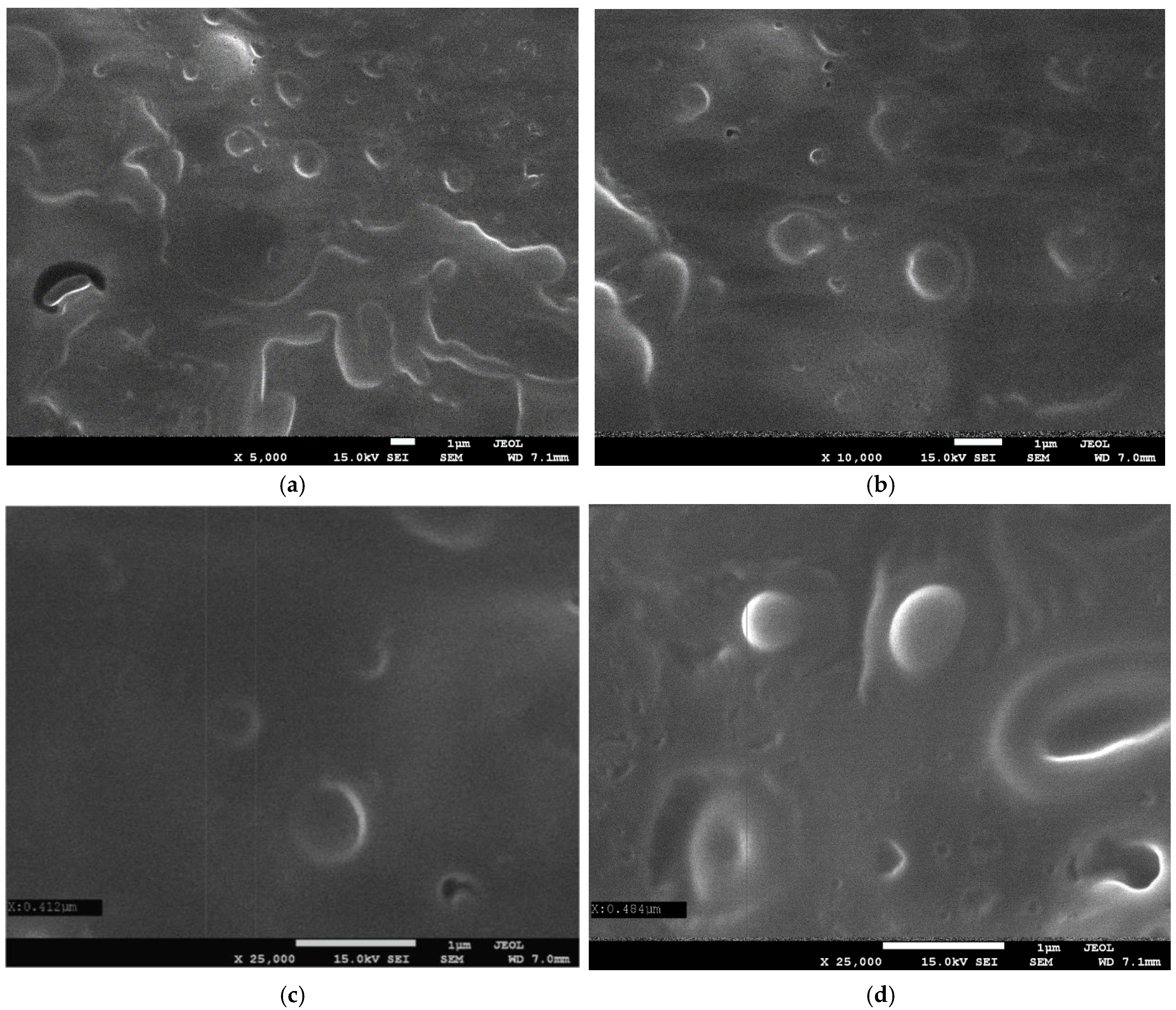
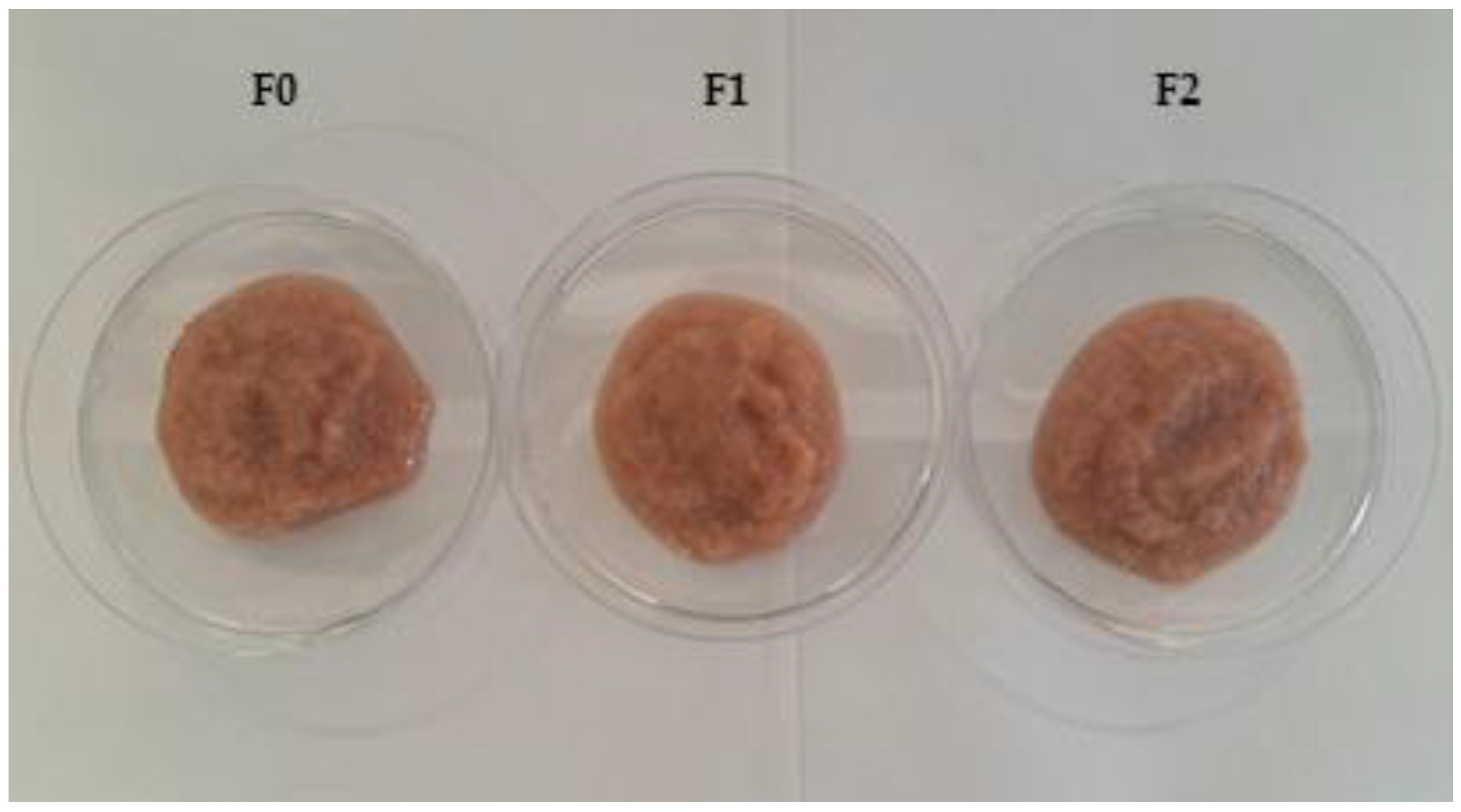
2.1.1. Morphology of Fortified Mousse
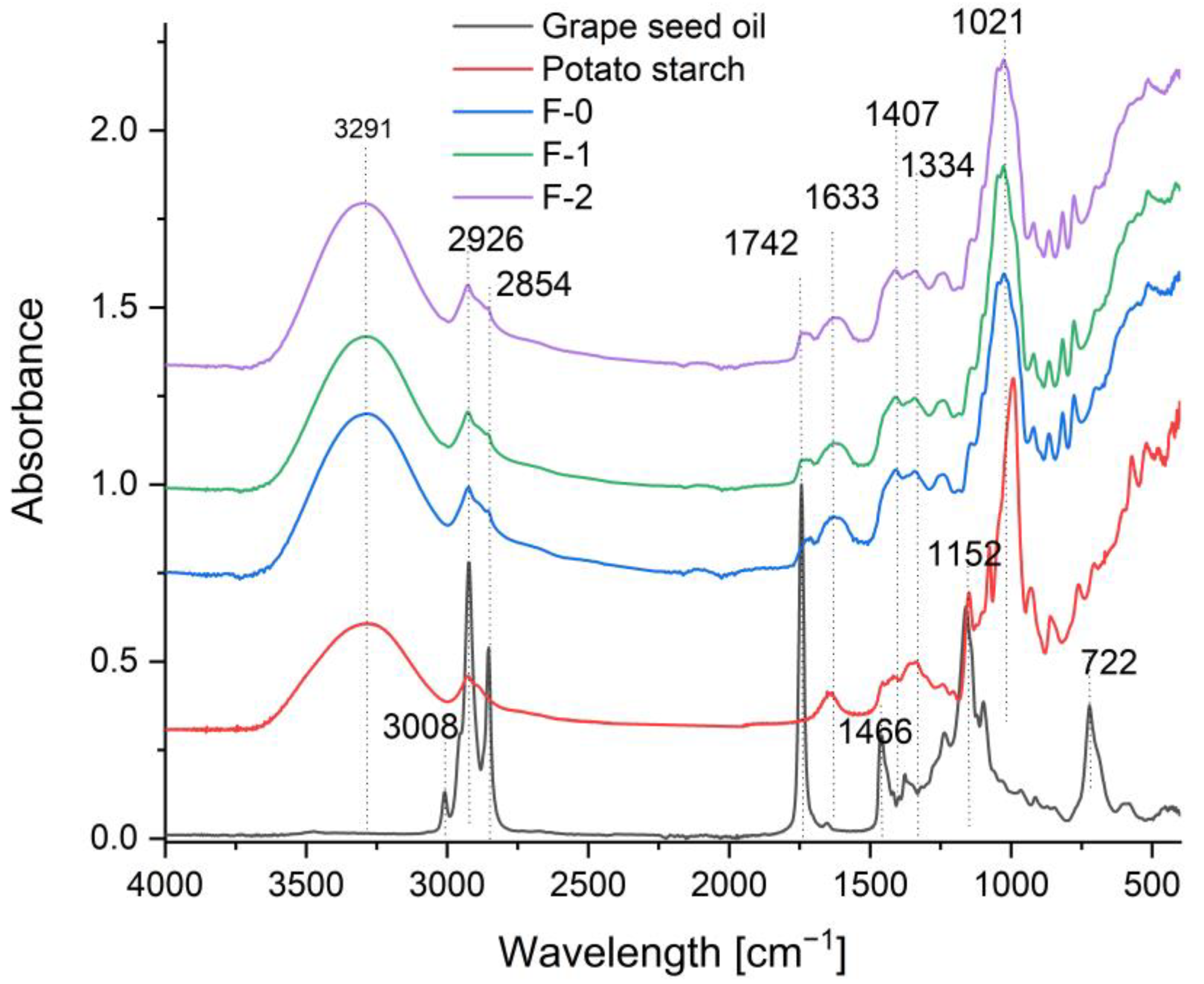
2.1.2. Structure of Products
2.1.3. Water Content, Water Activity, and pH of Mousses
2.1.4. Color Parameters of Mousses
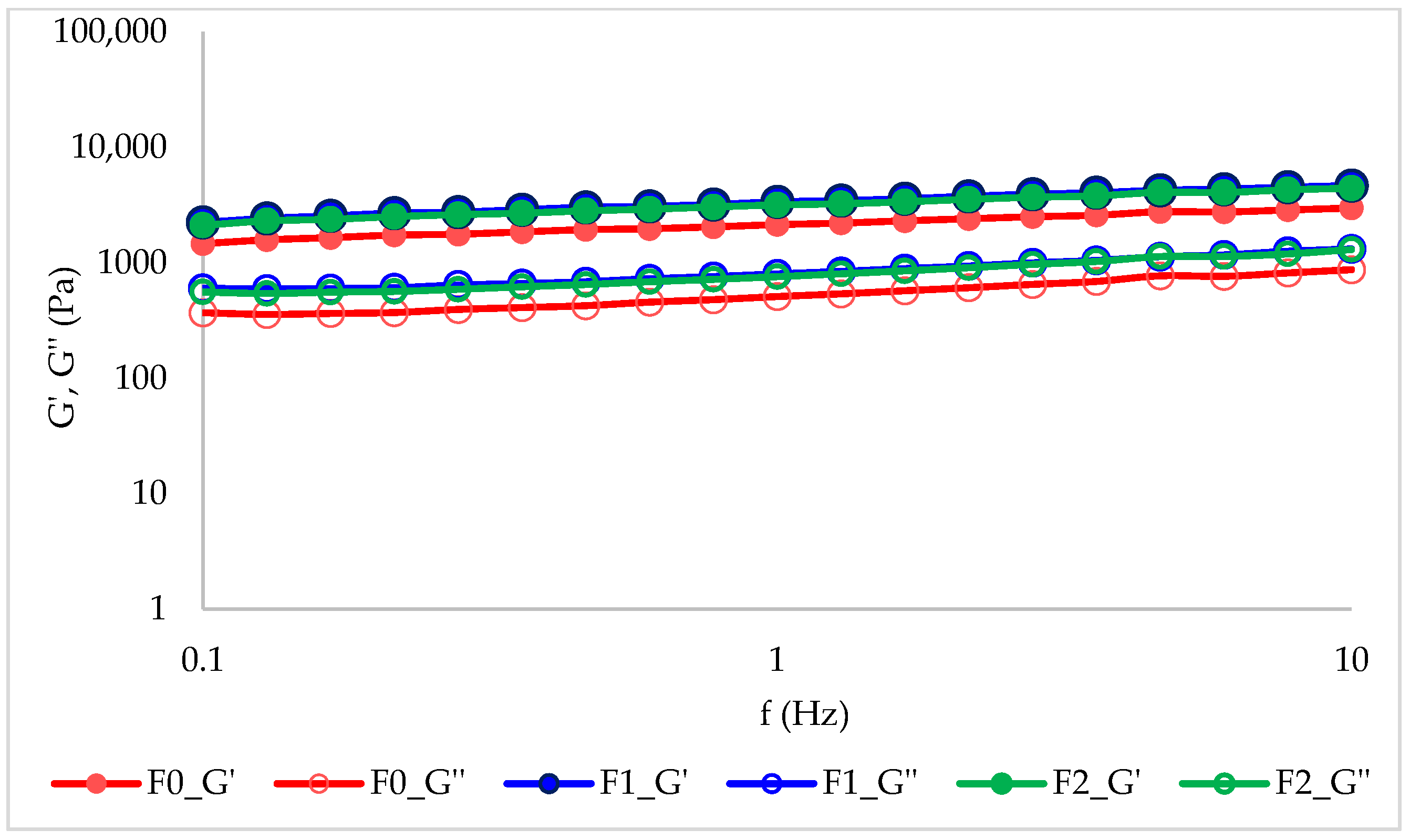
2.1.5. Rheological Characteristics of Mousses
2.1.6. Textural Parameters of Mousses
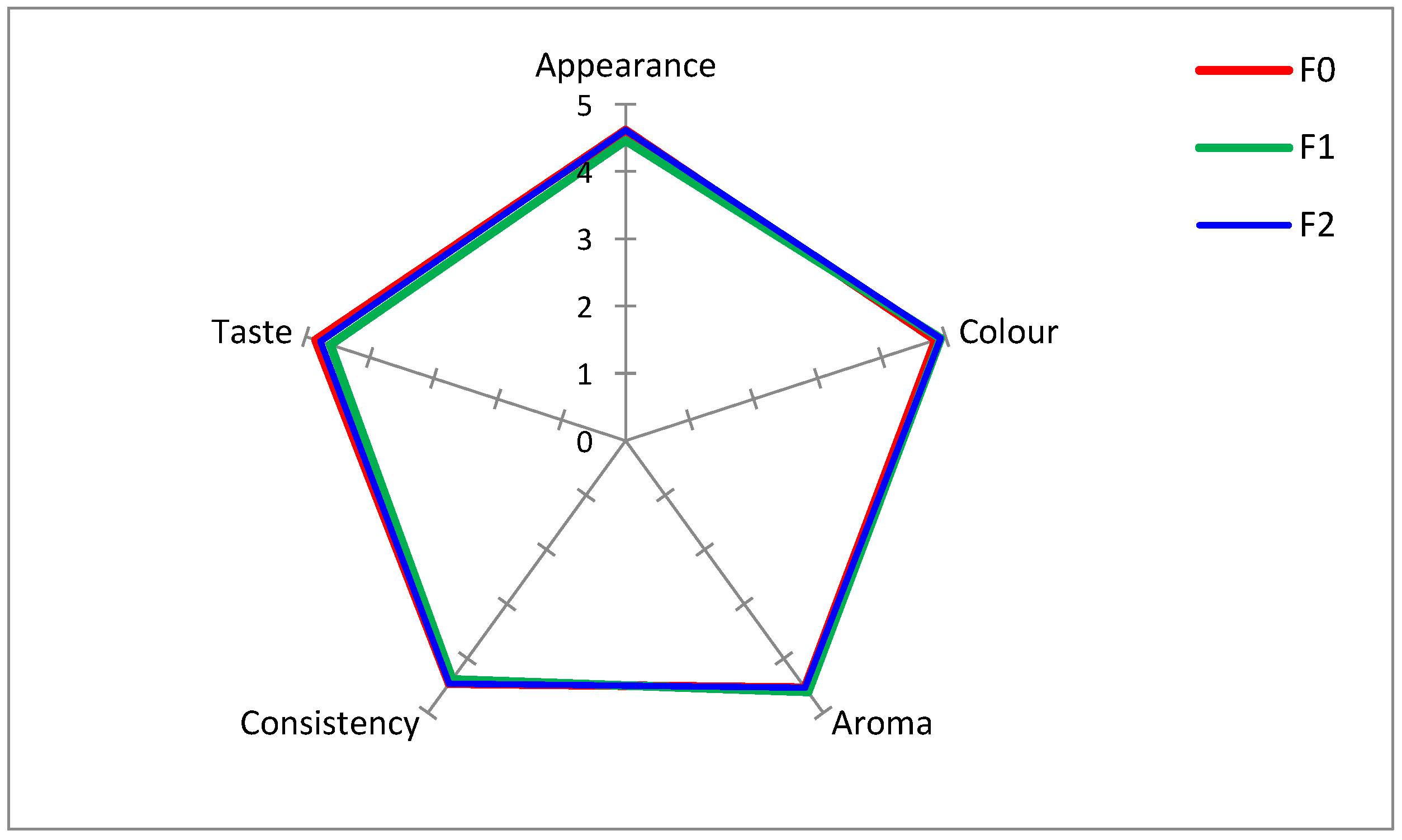
2.1.7. Sensory Parameters of Mousses
2.1.8. Polyphenol Content and Antioxidant Activity
2.1.9. Microbiological Parameters of Mousses
- Microbiological stability during storage
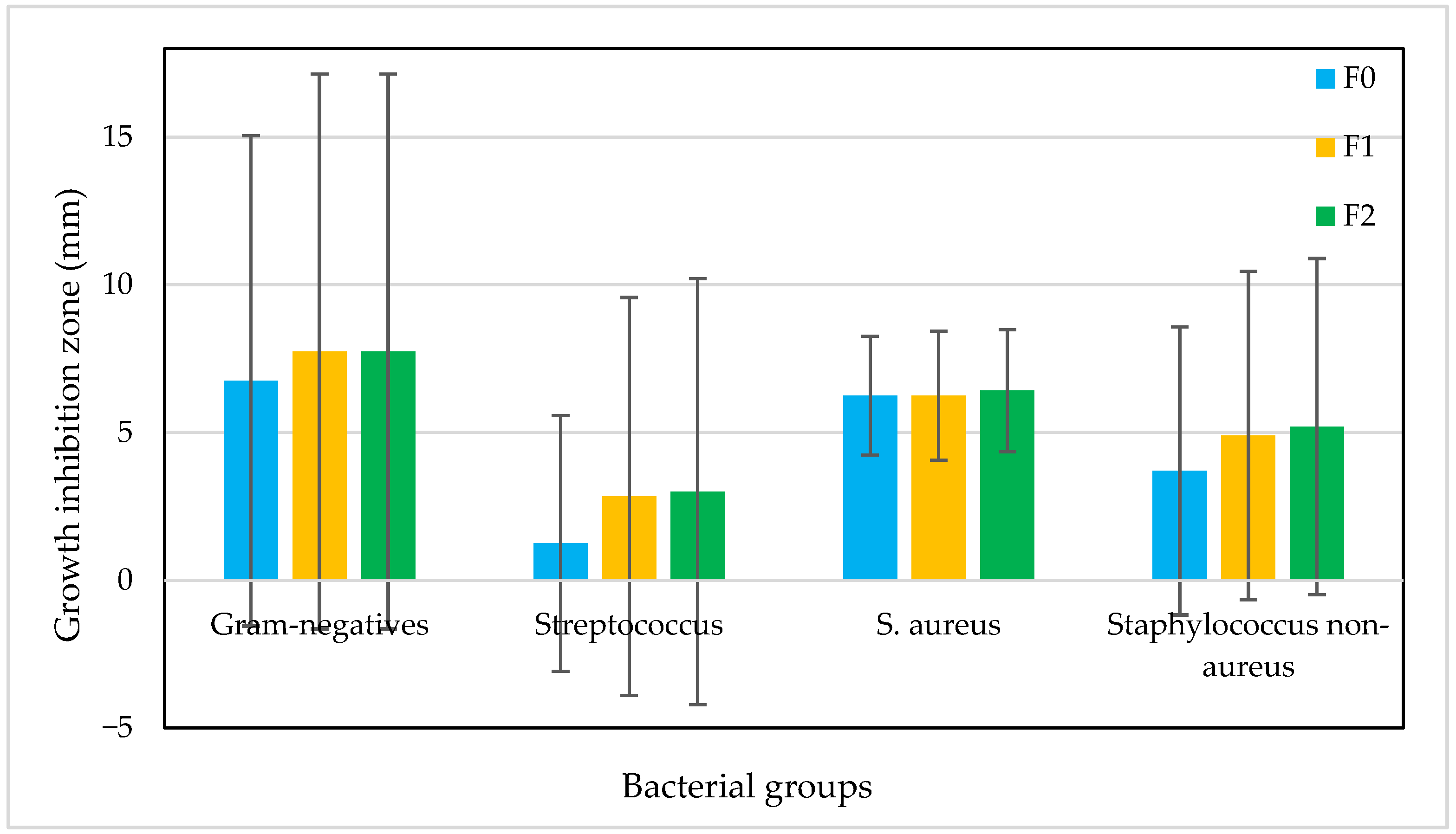
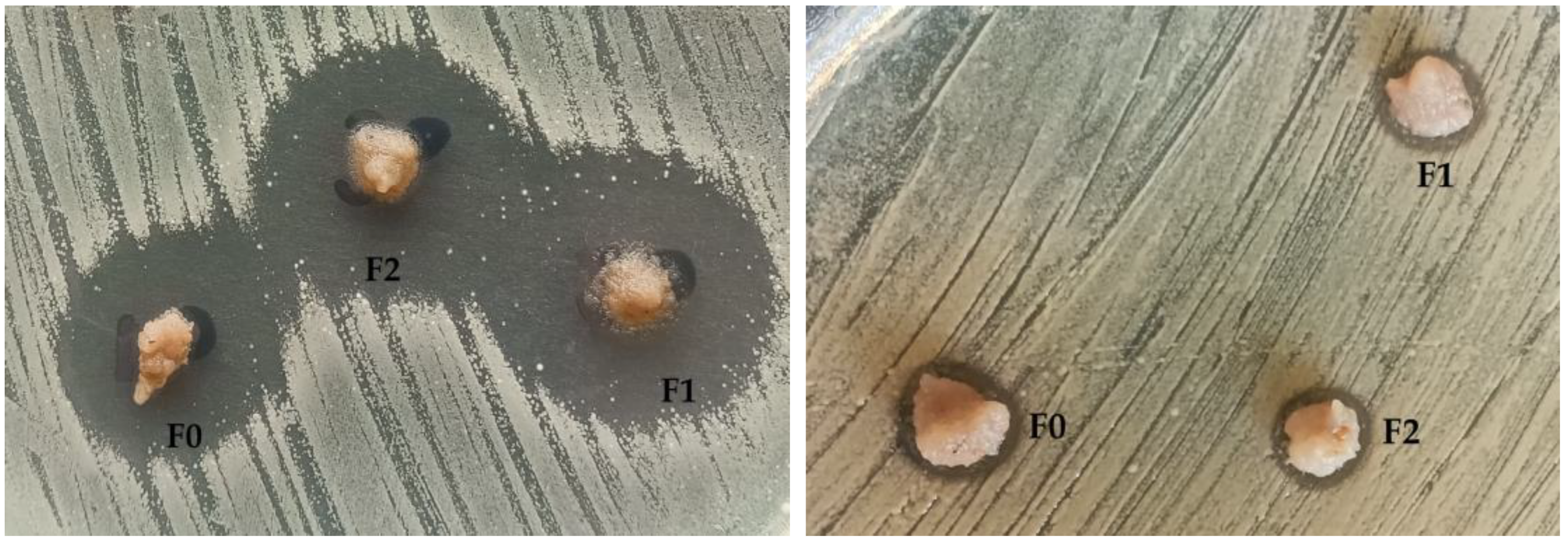
- Antibacterial activity of products
3. Materials and Methods
3.1. Materials
3.2. Extraction of Elderberry Fruit
3.3. Preparation of Starch Gel
3.4. Preparation of Nanoemulsion
3.5. Mousses Preparation
3.6. Physicochemical Analysis
3.6.1. Sample Preparation
3.6.2. Scanning Electron Microscopy (SEM)
3.6.3. Fourier Transform Infrared Spectroscopy (FTIR)
3.6.4. Moisture Content
3.6.5. Water Activity
3.6.6. Determination of pH
3.6.7. Color Measurement
3.6.8. Rheological Measurements
3.6.9. Texture Analysis
3.6.10. Sensory Analysis
3.6.11. Polyphenols and Antioxidant Activity
- The procedure for the extraction of phenolic compounds from the analyzed fruit mousses
- The determination of total phenolic content in the analyzed fruit mousses using a spectrophotometric method
- The determination of total flavonoid content in the tested fruit mousses using a spectrophotometric method
- The determination of antioxidant activity of the analyzed fruit mousses using a spectrophotometric method and DPPH assay
- The determination of the antioxidant activity of the analyzed fruit mousses using a spectrophotometric method and ABTS assay
- The determination of the reducing activity of the analyzed fruit mousses using a spectrophotometric method and FRAP assay
- The procedure for the analysis of free phenolic compounds in the tested mousses using a chromatographic method.
- The procedure for the extraction and analysis of phenolic compounds present in bound form in the tested mousses using a chromatographic method (HPLC)
3.6.12. Microbiological Analysis
- Assessment of the microbiological purity of the products
- Assessment of the antibacterial activity of the products
3.6.13. Statistical Analyses
4. Conclusions
Author Contributions
Funding
Institutional Review Board Statement
Informed Consent Statement
Data Availability Statement
Conflicts of Interest
Abbreviations
| FTIR | Fourier Transform Infrared Spectroscopy |
| SEM | Scanning Electron Microscopy |
| CIE Lab* | Commission Internationale de l’Éclairage Lightness and Color Coordinates |
| TPC | Total Polyphenol Content |
| TFC | Total Flavonoid Content |
| HPLC | High-Performance Liquid Chromatography |
| AA | Antioxidant Activity |
| GAE | Gallic Acid Equivalents |
| QE | Quercetin Equivalents |
| TE | Trolox Equivalents |
| FRAP | Ferric ion Reducing Antioxidant Parameter |
| ABTS | 2,2′-azinobis(3-ethylbenzothiazoline-6-sulfonic acid) radical cation decolorization assay |
| DPPH | 2,2-diphenyl-1-picrylhydrazyl radical scavenging assay |
| ISO | International Organization for Standardization |
| PN-EN | Polish Standard-European Norm |
References
- Martirosyan, D.; Kanya, H.; Nadalet, C. Can functional foods reduce the risk of disease? Advancement of functional food definition and steps to create functional food products. Funct. Foods Health Dis. 2021, 11, 213–221. [Google Scholar] [CrossRef]
- Anyiam, P.N.; Phongthai, S.; Grossmann, L.; Jung, Y.H.; Sai-Ut, S.; Onsaard, E.; Rawdkuen, S. Potential plant proteins for functional food ingredients: Composition, utilization and its challenges. NFS J. 2025, 38, 100216. [Google Scholar] [CrossRef]
- Rutkowska, J.; Pasqualone, A. Plant extracts as functional food ingredients. Foods 2025, 14, 374. [Google Scholar] [CrossRef]
- Krystyjan, M.; Majka, P.; Sobolewska-Zielińska, J.; Turek, K.; Michalski, O.; Khachatryan, K.; Khachatryan, G. Enrichment of Apple–Plum Fruit Mousse with Vitamin D3 and Sea Buckthorn Oil Using Pectin-Based Encapsulation: A Study of Physicochemical and Sensory Properties. Int. J. Mol. Sci. 2025, 26, 11480. [Google Scholar]
- Sultan, M.T.; Buttxs, M.S.; Qayyum, M.M.N.; Suleria, H.A.R. Immunity: Plants as effective mediators. Crit. Rev. Food Sci. Nutr. 2014, 54, 1298–1308. [Google Scholar] [CrossRef]
- Lewicka, A.; Szymański, Ł.; Rusiecka, K.; Kucza, A.; Jakubczyk, A.; Zdanowski, R.; Lewicki, S. Supplementation of plants with immunomodulatory properties during pregnancy and lactation—Maternal and offspring health effects. Nutrients 2019, 11, 1958. [Google Scholar] [CrossRef]
- Przybylska-Balcerek, A.; Szablewski, T.; Szwajkowska-Michałek, L.; Świerk, D.; Cegielska-Radziejewska, R.; Krejpcio, Z.; Suchowilska, E.; Tomczyk, Ł.; Stuper-Szablewska, K. Sambucus nigra extracts–natural antioxidants and antimicrobial compounds. Molecules 2021, 26, 2910. [Google Scholar] [CrossRef]
- Merecz-Sadowska, A.; Sitarek, P.; Zajdel, K.; Sztandera, W.; Zajdel, R. Genus Sambucus: Exploring its potential as a functional food ingredient with neuroprotective properties mediated by antioxidant and anti-inflammatory mechanisms. Int. J. Mol. Sci. 2024, 25, 7843. [Google Scholar] [CrossRef]
- Nurzyńska-Wierdak, R.; Najda, A.; Sałata, A.; Krajewska, A. Bioactive compounds and antioxidant properties of black elderberry (Sambucus nigra L.). Acta Sci. Pol. Hortorum Cultus 2022, 21, 143–156. [Google Scholar]
- Roschek, B., Jr.; Fink, R.C.; McMichael, M.D.; Li, D.; Alberte, R.S. Elderberry flavonoids bind to and prevent H1N1 infection in vitro. Phytochemistry 2009, 70, 1255–1261. [Google Scholar] [CrossRef]
- Nishi, S.K.; Khoury, N.; Valle Hita, C.; Zurbau, A.; Salas-Salvado, J.; Babio, N. Vegetable and fruit intake variety and cardiovascular health and mortality: A systematic review and Meta-analysis of observational studies. Nutrients 2023, 15, 4913. [Google Scholar] [CrossRef]
- Farvid, M.S.; Barnett, J.B.; Spence, N.D. Fruit and vegetable consumption and incident breast cancer: A systematic review and meta-analysis of prospective studies. Br. J. Cancer 2021, 125, 284–298. [Google Scholar] [CrossRef]
- Sadowska, A.; Najman, K.; Świderski, F. Research Progress of the Functional Properties of Fruit and Vegetables and Their Preserves. Agriculture 2024, 14, 676. [Google Scholar] [CrossRef]
- Sarwar, M.H.; Sarwar, M.F.; Khalid, M.T.; Sarwar, M. Effects of eating the balance food and diet to protect human health and prevent diseases. Am. J. Circuits Syst. Signal Process. 2015, 1, 99–104. [Google Scholar]
- Rejman, K.; Górska-Warsewicz, H.; Kaczorowska, J.; Laskowski, W. Nutritional significance of fruit and fruit products in the average polish diet. Nutrients 2021, 13, 2079. [Google Scholar] [CrossRef]
- Woszczak, L.; Khachatryan, G.; Khachatryan, K.; Witczak, M.; Lenart-Boroń, A.; Stankiewicz, K.; Dworak, K.; Adamczyk, G.; Pawłowska, A.; Kapusta, I. Synthesis and Investigation of Physicochemical and Microbial Properties of Composites Containing Encapsulated Propolis and Sea Buckthorn Oil in Pectin Matrix. Int. J. Mol. Sci. 2025, 26, 8664. [Google Scholar] [CrossRef]
- Turek, K.; Khachatryan, G.; Khachatryan, K.; Krystyjan, M. An innovative method for the production of yoghurt fortified with walnut oil nanocapsules and characteristics of functional properties in relation to conventional yoghurts. Foods 2023, 12, 3842. [Google Scholar] [CrossRef]
- Piasecka, I.; Kłusek, E.; Jeżewski, M.; Brzezińska, R.; Wirkowska-Wojdyła, M.; Ostrowska-Ligęza, E.; Gorska, A. Exploring novel oil sources: Fatty acid composition, oxidative stability, and thermal behaviour of fruit seed oils. J. Food Nutr. Res. 2025, 64, 217. [Google Scholar] [CrossRef]
- Szpicer, A.; Bińkowska, W.; Stelmasiak, A.; Wojtasik-Kalinowska, I.; Czajkowska, A.; Mierzejewska, S.; Domiszewski, Z.; Rydzkowski, T.; Piepiórka-Stepuk, J.; Półtorak, A. Innovative Microencapsulation Techniques of Bioactive Compounds: Impact on Physicochemical and Sensory Properties of Food Products and Industrial Applications. Appl. Sci. 2025, 15, 11908. [Google Scholar] [CrossRef]
- Szwajgier, D.; Baranowska-Wójcik, E.; Kukula-Koch, W.; Krzos, K. Encapsulation of Polyphenolic Preparation in Gelatin Fruit Jellies Slows the Digestive Release of Cholinesterase Inhibitors In Vitro. Antioxidants 2025, 14, 535. [Google Scholar] [CrossRef]
- Lima, A.L.; Gratieri, T.; Cunha-Filho, M.; Gelfuso, G.M. Polymeric nanocapsules: A review on design and production methods for pharmaceutical purpose. Methods 2022, 199, 54–66. [Google Scholar] [CrossRef]
- Woszczak, L.; Khachatryan, K.; Krystyjan, M.; Witczak, T.; Witczak, M.; Gałkowska, D.; Makarewicz, M.; Khachatryan, G. Physicochemical and Functional Properties and Storage Stability of Chitosan–Starch Films Containing Micellar Nano/Microstructures with Turmeric and Hibiscus Extracts. Int. J. Mol. Sci. 2023, 24, 12218. [Google Scholar]
- Janik, M.; Hanula, M.; Khachatryan, K.; Khachatryan, G. Nano-/Microcapsules, liposomes, and micelles in polysaccharide carriers: Applications in food technology. Appl. Sci. 2023, 13, 11610. [Google Scholar] [CrossRef]
- Khachatryan, G.; Khachatryan, L.; Krystyjan, M.; Lenart-Boroń, A.; Krzan, M.; Kulik, K.; Białecka, A.; Grabacka, M.; Nowak, N.; Khachatryan, K. Preparation of Nano/Microcapsules of Ozonated Olive Oil in Hyaluronan Matrix and Analysis of Physicochemical and Microbiological (Biological) Properties of the Obtained Biocomposite. Int. J. Mol. Sci. 2022, 23, 14005. [Google Scholar] [CrossRef]
- Krystyjan, M.; Khachatryan, G.; Khachatryan, K.; Konieczna-Molenda, A.; Grzesiakowska, A.; Kuchta-Gładysz, M.; Kawecka, A.; Grzebieniarz, W.; Nowak, N. The functional and application possibilities of starch/chitosan polymer composites modified by graphene oxide. Int. J. Mol. Sci. 2022, 23, 5956. [Google Scholar] [CrossRef]
- Huang, Y.; Stonehouse, A.; Abeykoon, C. Encapsulation methods for phase change materials—A critical review. Int. J. Heat Mass Transf. 2023, 200, 123458. [Google Scholar]
- Janik, M.; Khachatryan, K.; Khachatryan, G.; Krystyjan, M.; Żarska, S.; Ciesielski, W. Preparation and Characterisation of Acid–Base-Change-Sensitive Binary Biopolymer Films with Olive Oil and Ozonated Olive Oil Nano/Microcapsules and Added Hibiscus Extract. Int. J. Mol. Sci. 2023, 24, 11502. [Google Scholar]
- Khachatryan, G.; Khachatryan, K.; Krystyjan, M.; Krzemińska-Fiedorowicz, L.; Lenart-Boroń, A.; Białecka, A.; Krupka, M.; Krzan, M.; Blaszyńska, K.; Hanula, M. Synthesis and investigation of physicochemical and biological properties of films containing encapsulated propolis in hyaluronic matrix. Polymers 2023, 15, 1271. [Google Scholar] [CrossRef]
- Krystyjan, M.; Khachatryan, G.; Grabacka, M.; Krzan, M.; Witczak, M.; Grzyb, J.; Woszczak, L. Physicochemical, Bacteriostatic, and Biological Properties of Starch/Chitosan Polymer Composites Modified by Graphene Oxide, Designed as New Bionanomaterials. Polymers 2021, 13, 2327. [Google Scholar] [CrossRef]
- Zabot, G.L.; Schaefer Rodrigues, F.; Polano Ody, L.; Vinícius Tres, M.; Herrera, E.; Palacin, H.; Córdova-Ramos, J.S.; Best, I.; Olivera-Montenegro, L. Encapsulation of bioactive compounds for food and agricultural applications. Polymers 2022, 14, 4194. [Google Scholar] [CrossRef]
- Zhu, F. Encapsulation and delivery of food ingredients using starch based systems. Food Chem. 2017, 229, 542–552. [Google Scholar] [CrossRef] [PubMed]
- Böger, B.R.; Georgetti, S.R.; Kurozawa, L.E. Microencapsulation of grape seed oil by spray drying. Food Sci. Technol. 2018, 38, 263–270. [Google Scholar] [CrossRef]
- Sahraeian, S.; Niakousari, M.; Fazaeli, M.; Hosseini, S.M.H. Fabrication and study on dually modified starch embedded in alginate hydrogel as an encapsulation system for Satureja essential oil. Carbohydr. Polym. 2023, 322, 121331. [Google Scholar] [CrossRef] [PubMed]
- Cuevas-Bernardino, J.C.; Pérez-Alonso, C.; Nieto-Ángel, R.; Aguirre-Mandujano, E. Microencapsulation of grape seed oil by spray drying using whey protein and hawthorn pectin. Ing. Agrícola Biosist. 2019, 11, 127–145. [Google Scholar] [CrossRef]
- Almeida, O.P.; de Freitas Marques, M.B.; de Oliveira, J.P.; da Costa, J.M.G.; Rodrigues, A.P.; Yoshida, M.I.; Mussel, W.d.N.; Carneiro, G. Encapsulation of safflower oil in nanostructured lipid carriers for food application. J. Food Sci. Technol. 2022, 59, 805–814. [Google Scholar] [CrossRef]
- Hussain, M.; Bisht, A.; Khan, I.; Chaudhary, M.N.; Kanwal, N.; Khalid, M.U.; Yiasmin, M.N.; Hussain, A.; Zou, X. Enhanced stability of n-3 PUFAs rich structured lipids via spray-dried microencapsulation with tailored wall materials. Sustain. Food Technol. 2025, 3, 1492–1504. [Google Scholar] [CrossRef]
- Zhang, Z.; Zhang, R.; McClements, D.J. Encapsulation of β-carotene in alginate-based hydrogel beads: Impact on physicochemical stability and bioaccessibility. Food Hydrocoll. 2016, 61, 1–10. [Google Scholar] [CrossRef]
- Sánchez-Osorno, D.M.; Caicedo Paz, A.V.; López-Jaramillo, M.C.; Villa, A.L.; Martínez-Galán, J.P. Protection of mono and polyunsaturated fatty acids from grapeseed oil by spray drying using green biopolymers as wall material. Foods 2022, 11, 3954. [Google Scholar] [CrossRef]
- Rahim, M.A.; Zahran, H.A.; Jaffar, H.M.; Ambreen, S.; Ramadan, M.F.; Al-Asmari, F.; Castro-Muñoz, R.; Zongo, E. Liposomal encapsulation in food systems: A review of formulation, processing, and applications. Food Sci. Nutr. 2025, 13, e70587. [Google Scholar] [CrossRef]
- Biduski, B.; Kringel, D.H.; Colussi, R.; dos Santos Hackbart, H.C.; Lim, L.-T.; Dias, A.R.G.; da Rosa Zavareze, E. Electrosprayed octenyl succinic anhydride starch capsules for rosemary essential oil encapsulation. Int. J. Biol. Macromol. 2019, 132, 300–307. [Google Scholar] [CrossRef]
- Lee, E.-J.; Kim, S.-H.; Park, S.-H. Effect of high hydrostatic pressure treatment on the inactivation and sublethal injury of foodborne pathogens and quality of apple puree at different pH. Food Microbiol. 2023, 114, 104302. [Google Scholar] [CrossRef] [PubMed]
- Teribia, N.; Buvé, C.; Bonerz, D.; Aschoff, J.; Hendrickx, M.E.; Van Loey, A.M. Acidification of strawberry puree affects color and volatile characteristics during storage. ACS Food Sci. Technol. 2021, 1, 1897–1908. [Google Scholar] [CrossRef]
- Vu, N.D.; Nguyen, V.M.; Tran, T.T. Effects of pH, total soluble solids, and pectin concentration on color, texture, vitamin C, and sensory quality of mango fruit bar. Int. J. Food Sci. 2023, 2023, 6618300. [Google Scholar] [CrossRef] [PubMed]
- Troller, J. Water Activity and Food; Elsevier: Amsterdam, The Netherlands, 2012. [Google Scholar]
- Pitt, J.I.; Hocking, A.D. Fungi and Food Spoilage; Springer: New York, NY, USA, 2009; p. 388. [Google Scholar]
- Leong, S.L.L.; Lantz, H.; Pettersson, O.V.; Frisvad, J.C.; Thrane, U.; Heipieper, H.J.; Dijksterhuis, J.; Grabherr, M.; Pettersson, M.; Tellgren-Roth, C. Genome and physiology of the ascomycete filamentous fungus Xeromyces bisporus, the most xerophilic organism isolated to date. Environ. Microbiol. 2015, 17, 496–513. [Google Scholar] [CrossRef]
- Valero, A.; Pérez-Rodríguez, F.; Carrasco, E.; Fuentes-Alventosa, J.; García-Gimeno, R.; Zurera, G. Modelling the growth boundaries of Staphylococcus aureus: Effect of temperature, pH and water activity. Int. J. Food Microbiol. 2009, 133, 186–194. [Google Scholar] [CrossRef]
- Gock, M.A.; Hocking, A.D.; Pitt, J.I.; Poulos, P.G. Influence of temperature, water activity and pH on growth of some xerophilic fungi. Int. J. Food Microbiol. 2003, 81, 11–19. [Google Scholar] [CrossRef]
- Santillana Farakos, S.M.; Frank, J.F.; Schaffner, D.W. Modeling the influence of temperature, water activity and water mobility on the persistence of Salmonella in low-moisture foods. Int. J. Food Microbiol. 2013, 166, 280–293. [Google Scholar] [CrossRef]
- Azizi-Lalabadi, M.; Moghaddam, N.R.; Jafari, S.M. 9—Pasteurization in the food industry. In Thermal Processing of Food Products by Steam and Hot Water; Jafari, S.M., Ed.; Woodhead Publishing: Sawston, UK, 2023; pp. 247–273. [Google Scholar]
- Moniharapon, E.; Tuhumury, H.C.D.; Souripet, A. Effects of Cooking on Yield, Total Carotenoid, and Color of Long, Cone-shaped Tongkalangit Banana (Musa troglodytarum) Puree. In Proceedings of the 6th Food Ingredient Asia Conference (6th FiAC 2020)—Food Science, Nutrition and Health, Virtual, 14–16 October 2020. [Google Scholar]
- Teribia, N.; Buve, C.; Bonerz, D.; Aschoff, J.; Goos, P.; Hendrickx, M.; Van Loey, A. The effect of thermal processing and storage on the color stability of strawberry puree originating from different cultivars. LWT 2021, 145, 111270. [Google Scholar] [CrossRef]
- Kim, A.-N.; Lee, K.-Y.; Han, C.-Y.; Kim, H.-J.; Choi, S.-G. Effect of an oxygen-free atmosphere during heating on anthocyanin, organic acid, and color of strawberry puree. Food Biosci. 2022, 50, 102065. [Google Scholar] [CrossRef]
- Karadeniz, F.; Işık, B.; Kaya, S.; Aslanali, O.; Midilli, F. Kinetics of nonenzymatic browning reactions in pumpkin puree during storage. Gazi Univ. J. Sci. Part A Eng. Innov. 2024, 11, 101–111. [Google Scholar]
- Mateescu, A.M.; Mureșan, A.E.; Pușcaș, A.; Mureșan, V.; Sestras, R.E.; Muste, S. Baby food purees obtained from ten different apple cultivars and vegetable mixtures: Product development and quality control. Appl. Sci. 2022, 12, 12462. [Google Scholar] [CrossRef]
- Krystyjan, M.; Gumul, D.; Ziobro, R.; Korus, A. The fortification of biscuits with bee pollen and its effect on physicochemical and antioxidant properties in biscuits. LWT-Food Sci. Technol. 2015, 63, 640–646. [Google Scholar] [CrossRef]
- Gimenez, J.m.; Kajda, P.; Margomenou, L.; Piggott, J.R.; Zabetakis, I. A study on the colour and sensory attributes of high-hydrostatic-pressure jams as compared with traditional jams. J. Sci. Food Agric. 2001, 81, 1228–1234. [Google Scholar] [CrossRef]
- Murray, H.; Dietl-Schuller, C.; Lindner, M.; Korntheuer, K.; Halbwirth, H.; Gössinger, M. Prediction of the potential colour stability of strawberry nectar by use of a Stability Prediction Value (SPV). LWT 2023, 173, 114233. [Google Scholar] [CrossRef]
- Garzon, G.; Wrolstad, R.E. Comparison of the stability of pelargonidin-based anthocyanins in strawberry juice and concentrate. J. Food Sci. 2002, 67, 1288–1299. [Google Scholar] [CrossRef]
- Arnold, M.; Gramza-Michałowska, A. Enzymatic browning in apple products and its inhibition treatments: A comprehensive review. Compr. Rev. Food Sci. Food Saf. 2022, 21, 5038–5076. [Google Scholar] [CrossRef]
- Serra, S.; Anthony, B.; Boscolo Sesillo, F.; Masia, A.; Musacchi, S. Determination of post-harvest biochemical composition, enzymatic activities, and oxidative browning in 14 apple cultivars. Foods 2021, 10, 186. [Google Scholar] [CrossRef]
- Arora, S.; Goraya, R.K.; Siddiqui, S.; Gehlot, R. Influence of anti-browning treatments on enzymatic browning, distinctive properties, and microbiological characteristics of banana pulp during short-term frozen storage. J. Food Process. Preserv. 2021, 45, e15259. [Google Scholar] [CrossRef]
- Gaurav, S. Digital Color Imaging Handbook; CRC Press: Boca Raton, FL, USA, 2017. [Google Scholar]
- Mokrzycki, W.; Tatol, M. Colour difference∆ EA survey. Mach. Graph. Vis. 2011, 20, 383–411. [Google Scholar]
- Oniszczuk, T.; Combrzyński, M.; Matwijczuk, A.; Oniszczuk, A.; Gładyszewska, B.; Podleśny, J.; Czernel, G.; Karcz, D.; Niemczynowicz, A.; Wójtowicz, A. Physical assessment, spectroscopic and chemometric analysis of starch-based foils with selected functional additives. PLoS ONE 2019, 14, e0212070. [Google Scholar] [CrossRef]
- Steffe, J.F. Rheological Methods in Food Process Engineering; Freeman Press: East Lansing, MI, USA, 1996. [Google Scholar]
- Espinosa-Muñoz, L.; Renard, C.M.G.C.; Symoneaux, R.; Biau, N.; Cuvelier, G. Structural parameters that determine the rheological properties of apple puree. J. Food Eng. 2013, 119, 619–626. [Google Scholar] [CrossRef]
- Espinosa-Muñoz, L.; Symoneaux, R.; Renard, C.; Biau, N.; Cuvelier, G. The significance of structural properties for the development of innovative apple puree textures. LWT-Food Sci. Technol. 2012, 49, 221–228. [Google Scholar] [CrossRef]
- Huang, P.-H.; Cheng, Y.-T.; Lu, W.-C.; Chiang, P.-Y.; Yeh, J.-L.; Wang, C.-C.; Liang, Y.-S.; Li, P.-H. Changes in nutrient content and physicochemical properties of cavendish bananas var. pei chiao during ripening. Horticulturae 2024, 10, 384. [Google Scholar] [CrossRef]
- Asimakopoulou, E.; Goudoulas, T.; Andreadis, I.I.; Fatouros, D.G.; Ahmad, M.; Vasiliadou, C.; Theocharidou, A.; Ritzoulis, C. Analytical rheology as a tool for the structural investigation of citrus pectin. J. Texture Stud. 2024, 55, e12828. [Google Scholar] [CrossRef]
- Le Thanh-Blicharz, J.; Lewandowicz, J.; Szwengiel, A.; Prochaska, K.; Baranowska, H.M.; Lewandowicz, G. Insight into Oil-in-Water Emulsions Stabilized by Cross-Linked and Pregelatinized Starches: The Effect of Molecular Structure, Surface Activity and Proton Molecular Dynamics. Molecules 2024, 29, 5626. [Google Scholar] [CrossRef]
- Suresh, A.; Shobna; Salaria, M.; Morya, S.; Khalid, W.; Afzal, F.A.; Khan, A.A.; Safdar, S.; Khalid, M.Z.; Mukonzo Kasongo, E.L. Dietary fiber: An unmatched food component for sustainable health. Food Agric. Immunol. 2024, 35, 2384420. [Google Scholar] [CrossRef]
- Nawirska-Olszańska, A.; Oziembłowski, M. Fruit and Vegetable Processing Waste as Potential Raw Material for Food Enrichment with Dietary Fiber. Food Sci. Nutr. 2025, 13, e70766. [Google Scholar] [CrossRef]
- Shao, M.; Li, S.; Tan, C.P.; Kraithong, S.; Gao, Q.; Fu, X.; Zhang, B.; Huang, Q. Encapsulation of caffeine into starch matrices: Bitterness evaluation and suppression mechanism. Int. J. Biol. Macromol. 2021, 173, 118–127. [Google Scholar] [CrossRef]
- Prior, R.L.; Wu, X.; Schaich, K. Standardized methods for the determination of antioxidant capacity and phenolics in foods and dietary supplements. J. Agric. Food Chem. 2005, 53, 4290–4302. [Google Scholar] [CrossRef]
- Dippong, T.; Pop, F.; Voşgan, Z.; Mihali, C. Quality of fruit juices in terms of physico-chemical, microbiological, thermal and antioxidant properties, evaluation of stability during storage. Front. Food Sci. Technol. 2025, 5, 1656271. [Google Scholar] [CrossRef]
- Karnwal, A.; Malik, T. Exploring the untapped potential of naturally occurring antimicrobial compounds: Novel advancements in food preservation for enhanced safety and sustainability. Front. Sustain. Food Syst. 2024, 8, 1307210. [Google Scholar] [CrossRef]
- Alsanius, B.W.; Windstam, S.; Mulaosmanovic, E. Chill or Thrill? The Effect of Storage Temperature Regime on Listeria Growth in Fresh-Cut Fruit Cocktails. Foods 2025, 14, 3523. [Google Scholar] [CrossRef] [PubMed]
- Haș, I.M.; Teleky, B.-E.; Szabo, K.; Simon, E.; Ranga, F.; Diaconeasa, Z.M.; Purza, A.L.; Vodnar, D.-C.; Tit, D.M.; Nițescu, M. Bioactive potential of elderberry (Sambucus nigra L.): Antioxidant, antimicrobial activity, bioaccessibility and prebiotic potential. Molecules 2023, 28, 3099. [Google Scholar] [CrossRef] [PubMed]
- Ribeiro, J.; Silva, V.; Dapkevicius, M.d.L.N.; Igrejas, G.; Barros, L.; Heleno, S.A.; Reis, F.S.; Poeta, P. From Apple Waste to Antimicrobial Solutions: A Review of Phenolics from PGI ‘Maçã de Alcobaça’and Related Cultivars. Molecules 2025, 30, 3679. [Google Scholar] [CrossRef]
- Barkaoui, S.; Madureira, J.; Dias, M.I.; Barros, L.; Ferreira, I.C.; Margaça, F.M.; Boudhrioua, N.; Cabo Verde, S. Phytochemical characterization and bioactive properties of strawberries treated by gamma radiation. Eur. Food Res. Technol. 2025, 251, 693–704. [Google Scholar] [CrossRef]
- Kanedi, M. Studies on the antimicrobial potential of plant extract of banana (Genus Musa) in Indonesia. World J. Adv. Res. Rev. 2023, 13, 386–392. [Google Scholar] [CrossRef]
- Pascariu, O.-E.; Israel-Roming, F. Bioactive compounds from elderberry: Extraction, health benefits, and food applications. Processes 2022, 10, 2288. [Google Scholar] [CrossRef]
- ISO 18787:2017; Foodstuffs—Determination of Water Activity. ISO: Geneva, Switzerland, 2017.
- Pathare, P.B.; Opara, U.L.; Al-Said, F.A.-J. Colour measurement and analysis in fresh and processed foods: A review. Food Bioprocess Technol. 2013, 6, 36–60. [Google Scholar] [CrossRef]
- ISO 3972:2011; Sensory Analysis—Methodology—Method of Investigating Sensitivity of Taste. ISO: Warsaw, Poland, 2011; Volume 2016.
- ISO 5492:2008; Sensory Analysis—Vocabulary. ISO: Warsaw, Poland, 2008.
- ISO 8586:2023; Sensory Analysis—Selection and Training of Sensory Assessors. ISO: Geneva, Switzerland, 2023.
- ISO 11132:2021; Sensory Analysis—Methodology—Guidelines for the Measurement of the Performance of a Quantitative Descriptive Sensory Panel. ISO: Warsaw, Poland, 2021.
- ISO 6658:2017; Sensory Analysis—Methodology—General Guidance. ISO: Geneva, Switzerland, 2017.
- ISO 8589:2007; Sensory Analysis—General Guidance for the Design of Test Rooms. ISO: Geneva, Switzerland, 2017.
- ISO 4121:2003; Sensory Analysis—Guidelines for the Use of Quantitative Response Scales. ISO: Geneva, Switzerland, 2003.
- Krystyjan, M.; Gumul, D.; Adamczyk, G. The Effect of Milk Thistle (Silybum marianum L.) Fortification, Rich in Dietary Fibre and Antioxidants, on Structure and Physicochemical Properties of Biscuits. Appl. Sci. 2022, 12, 12501. [Google Scholar] [CrossRef]
- Singleton, V.L.; Rossi, J.A. Colorimetry of total phenolics with phosphomolybdic-phosphotungstic acid reagents. Am. J. Enol. Vitic. 1965, 16, 144–158. [Google Scholar] [CrossRef]
- Barnum, D.W. Spectrophotometric determination of catechol, epinephrine, dopa, dopamine and other aromatic vic-diols. Anal. Chim. Acta 1977, 89, 157–166. [Google Scholar] [CrossRef]
- Blois, M.S. Antioxidant determinations by the use of a stable free radical. Nature 1958, 181, 1199–1200. [Google Scholar] [CrossRef]
- Baltrušaitytė, V.; Venskutonis, P.R.; Čeksterytė, V. Radical scavenging activity of different floral origin honey and beebread phenolic extracts. Food Chem. 2007, 101, 502–514. [Google Scholar] [CrossRef]
- Benzie, I.F.; Strain, J. [2] Ferric reducing/antioxidant power assay: Direct measure of total antioxidant activity of biological fluids and modified version for simultaneous measurement of total antioxidant power and ascorbic acid concentration. In Methods in Enzymology; Academic Press: Cambridge, MA, USA, 1999; Volume 299, pp. 15–27. [Google Scholar]
- Habryka, C.; Socha, R.; Juszczak, L. The effect of enriching honey with propolis on the antioxidant activity, sensory characteristics, and quality parameters. Molecules 2020, 25, 1176. [Google Scholar] [CrossRef]
- Nardini, M.; Ghiselli, A. Determination of free and bound phenolic acids in beer. Food Chem. 2004, 84, 137–143. [Google Scholar] [CrossRef]
- Socha, R.; Gałkowska, D.; Robak, J.; Fortuna, T.; Buksa, K. Characterization of Polish wines produced from the multispecies hybrid and Vitis vinifera L. grapes. Int. J. Food Prop. 2015, 18, 699–713. [Google Scholar] [CrossRef]





| Fruit Mousses | Water Content (%) | Water Activity aw (−) | pH |
|---|---|---|---|
| F0 | 84.97 ± 0.55 b | 0.84 ± 0.01 a | 3.68 ± 0.07 a |
| F1 | 85.14 ± 0.01 a,b | 0.80 ± 0.01 b | 3.78 ± 0.04 a |
| F2 | 84.83 ± 0.20 a | 0.81 ± 0.00 b | 3.82 ± 0.02 a |
| Fruit Mousses | L* (D65) | a* (D65) | b* (D65) | C* | h* | ∆E* |
|---|---|---|---|---|---|---|
| F0 | 55.02 ± 0.06 c | 10.74 ± 0.38 b | 6.49 ± 0.08 b | 12.55 ± 0.34 b | 0.54 ± 0.01 a | - |
| F1 | 55.15 ± 0.02 b | 11.18 ± 0.02 a | 6.75 ± 0.01 a | 13.06 ± 0.01 a | 0.54 ± 0.00 a | 0.53 ± 0.01 b |
| F2 | 55.63 ± 0.02 a | 11.43 ± 0.03 a | 6.77 ± 0.05 a | 13.29 ± 0.05 a | 0.53 ± 0.00 a | 0.97 ± 0.03 a |
| Fruit Mousses | Hardness (N) | Adhesiveness (N·s) | Springiness (-) | Cohesiveness (-) | Gumminess (-) | Chewiness (-) |
|---|---|---|---|---|---|---|
| F0 | 0.40 ± 0.02 b | 9.77 ± 0.38 a | 0.97 ± 0.01 a | 0.84 ± 0.02 a | 0.34 ± 0.02 a,b | 0.33 ± 0.02 a,b |
| F1 | 0.41 ± 0.02 a,b | 9.86 ± 0.32 a | 0.96 ± 0.00 a | 0.81 ± 0.02 a | 0.33 ± 0.02 b | 0.32 ± 0.01 b |
| F2 | 0.43 ± 0.01 a | 10.30 ± 0.65 a | 0.96 ± 0.01 a | 0.83 ± 0.02 a | 0.36 ± 0.01 a | 0.34 ± 0.01 a |
| Fruit Mousses | Total Phenolic Content [mg GAE/100 g] | Total Flavonoid Content [mg QE/100 g] | DPPH Assay TE [mM/100 g] | ABTS Assay TE [mM/100 g] | FRAP Assay Fe (II) [mM/100 g] |
|---|---|---|---|---|---|
| F0 | 73.163 a ± 1.408 | 1.088 a ± 0.098 | 0.3670 a ± 0.0036 | 1.0580 a ± 0.0412 | 0.9886 a ± 0.0173 |
| F1 | 76.141 a ± 2.116 | 1.090 a ± 0.106 | 0.3889 b ± 0.0119 | 1.0779 a ± 0.0106 | 1.0288 b ± 0.0128 |
| F2 | 78.636 a ± 1.785 | 1.040 a ± 0.035 | 0.4130 c ± 0.0051 | 1.1877 b ± 0.0128 | 1.0558 b ± 0.0139 |
| Content of Phenolic Compounds in Tested Mousses Present in Free Form (Analyzed Before Alkaline Hydrolysis) mg/100 g | |||||
|---|---|---|---|---|---|
| Fruit Mousses | Gallic Acid | Caffeic Acid | p-Coumaric Acid | Catechin | Hesperidin |
| F0 | 0.30562 a ± 0.02944 | — | — | 4.44377 a ± 0.20094 | — |
| F1 | 0.29072 a ± 0.03589 | — | — | 6.55570 b ± 0.07204 | — |
| F2 | 0.29044 a ± 0.02343 | — | — | 7.18214 c ± 0.23337 | — |
| Total phenolic compound content in the mousses (mg/100 g) (including the sum of free and bound phenolic compounds) | |||||
| F0 | 0.30562 a ± 0.02944 | 0.88374 a ± 0.01623 | 0.53715 a ± 0.00824 | 4.44377 a ± 0.20094 | 0.27994 a ± 0.00167 |
| F1 | 0.29072 a ± 0.03589 | 1.02426 b ± 0.00535 | 0.56104 a,b ± 0.03134 | 6.55570 b ± 0.07204 | 0.39335 b ± 0.01334 |
| F2 | 0.29044 a ± 0.02343 | 1.06849 c ± 0.00181 | 0.59204 b ± 0.00873 | 7.18214 c ± 0.23337 | 0.43666 c ± 0.01690 |
| Ingredients (g) | F0 | F1 | F2 |
|---|---|---|---|
| strawberry | 265 | 265 | 265 |
| bananas | 130 | 130 | 130 |
| apple | 605 | 605 | 605 |
| starch gel | 20 | 20 | 20 |
| dry elderberry extract | 0 | 1.0 | 1.0 |
| grape seed oil | 0 | 1.5 | 1.5 |
| distilled water | 0 | 1.5 | 1.5 |
Disclaimer/Publisher’s Note: The statements, opinions and data contained in all publications are solely those of the individual author(s) and contributor(s) and not of MDPI and/or the editor(s). MDPI and/or the editor(s) disclaim responsibility for any injury to people or property resulting from any ideas, methods, instructions or products referred to in the content. |
© 2026 by the authors. Licensee MDPI, Basel, Switzerland. This article is an open access article distributed under the terms and conditions of the Creative Commons Attribution (CC BY) license.
Share and Cite
Krystyjan, M.; Khachatryan, G.; Khachatryan, K.; Lenart-Boroń, A.; Socha, R.; Potoniec, Z. The Fortification of Fruit Mousses with Encapsulated Bioactive Compounds in a Potato Starch Matrix as an Example of Novel Functional Foods. Int. J. Mol. Sci. 2026, 27, 1106. https://doi.org/10.3390/ijms27021106
Krystyjan M, Khachatryan G, Khachatryan K, Lenart-Boroń A, Socha R, Potoniec Z. The Fortification of Fruit Mousses with Encapsulated Bioactive Compounds in a Potato Starch Matrix as an Example of Novel Functional Foods. International Journal of Molecular Sciences. 2026; 27(2):1106. https://doi.org/10.3390/ijms27021106
Chicago/Turabian StyleKrystyjan, Magdalena, Gohar Khachatryan, Karen Khachatryan, Anna Lenart-Boroń, Robert Socha, and Zuzanna Potoniec. 2026. "The Fortification of Fruit Mousses with Encapsulated Bioactive Compounds in a Potato Starch Matrix as an Example of Novel Functional Foods" International Journal of Molecular Sciences 27, no. 2: 1106. https://doi.org/10.3390/ijms27021106
APA StyleKrystyjan, M., Khachatryan, G., Khachatryan, K., Lenart-Boroń, A., Socha, R., & Potoniec, Z. (2026). The Fortification of Fruit Mousses with Encapsulated Bioactive Compounds in a Potato Starch Matrix as an Example of Novel Functional Foods. International Journal of Molecular Sciences, 27(2), 1106. https://doi.org/10.3390/ijms27021106