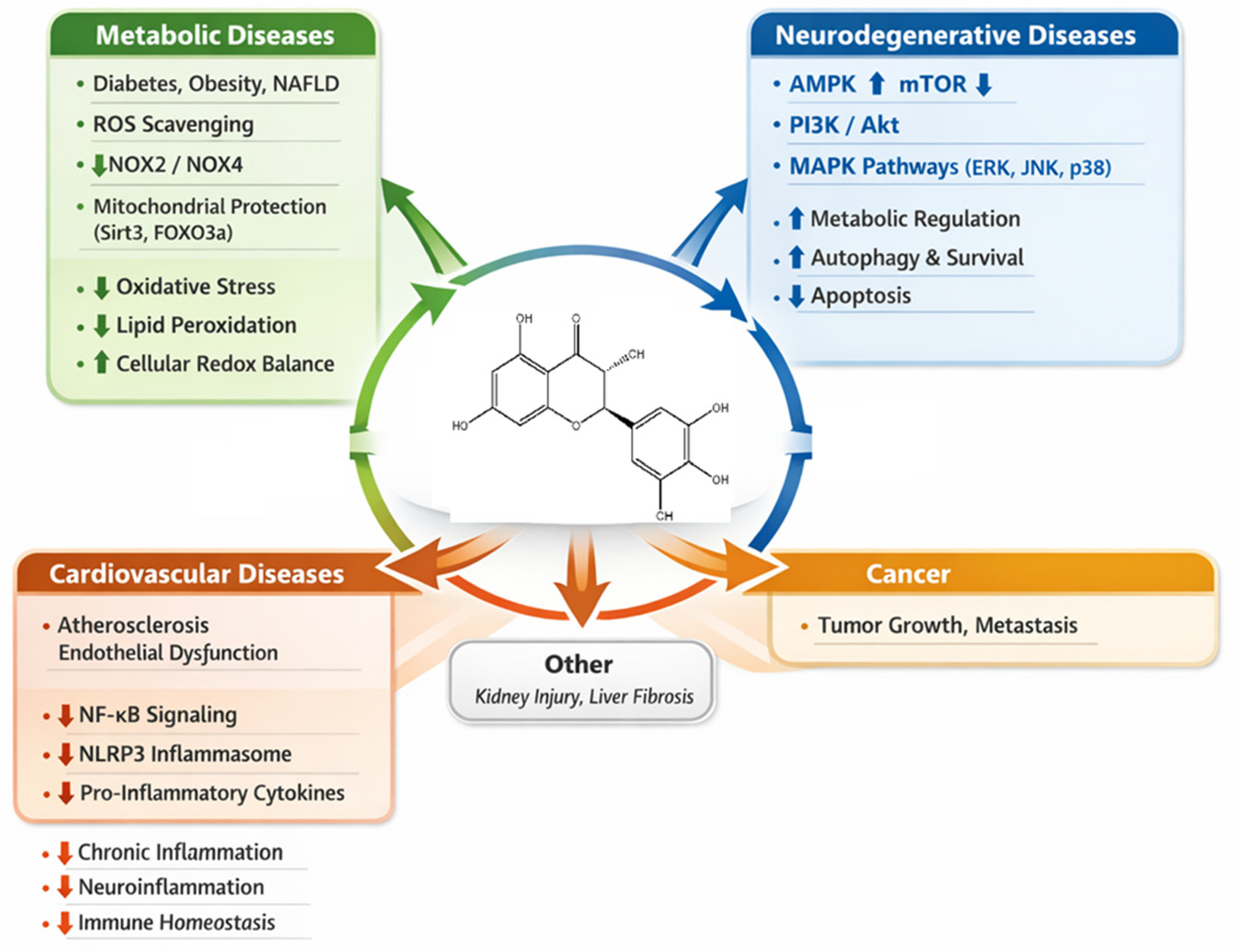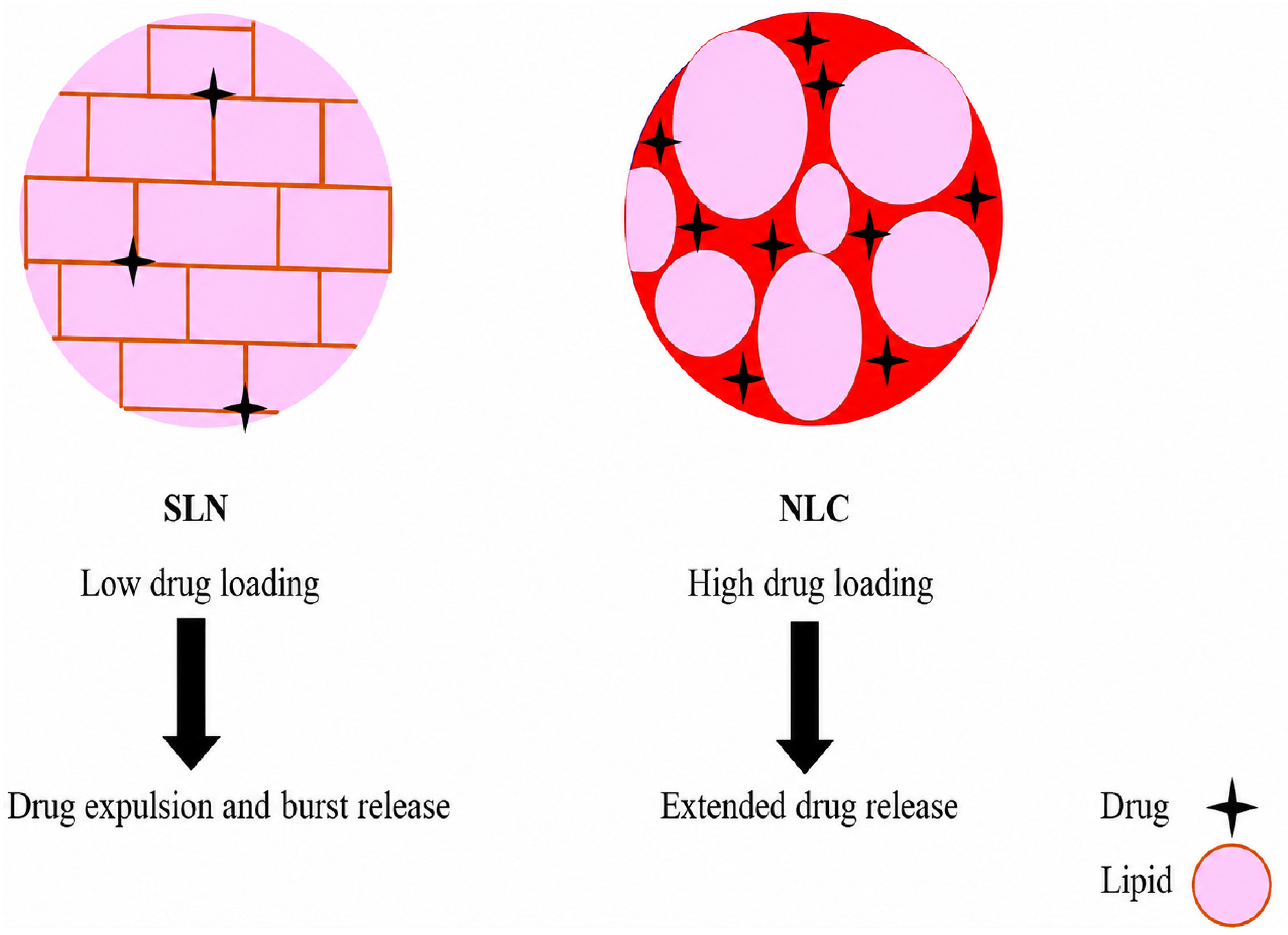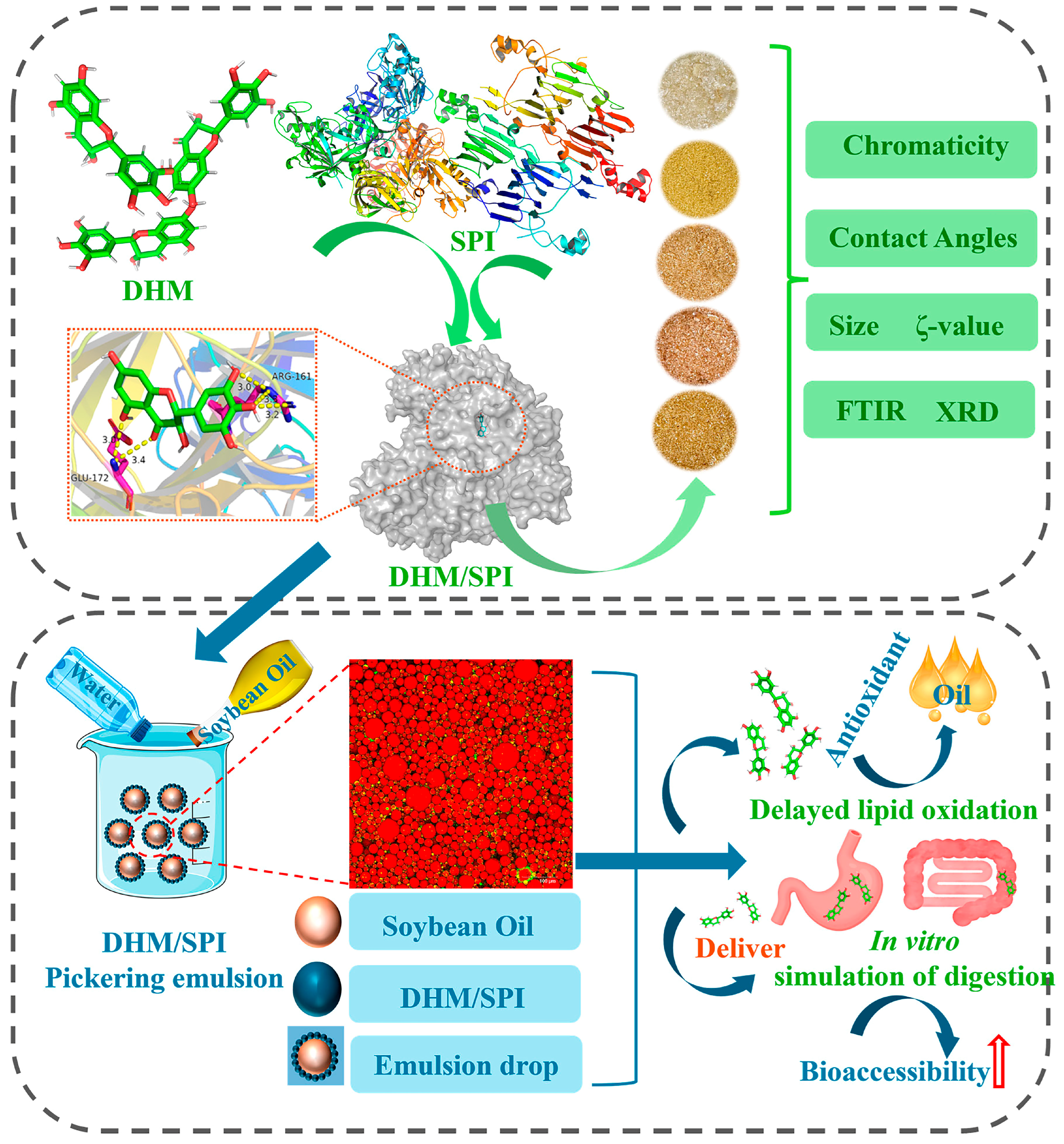
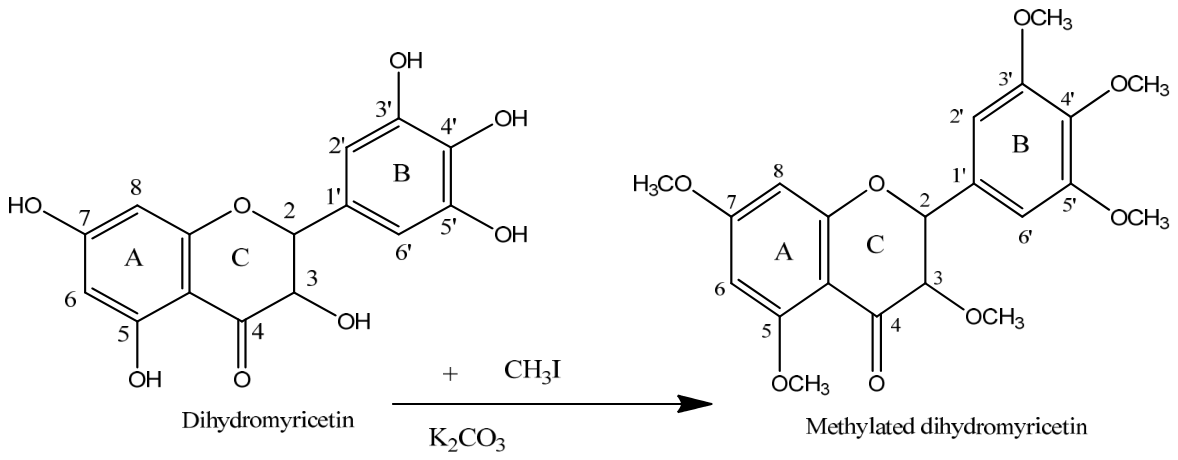
Mechanistic Insights into Dihydromyricetin: Redox Modulation and Kinase-Mediated Control of Disease Pathogenesis
 ,
,  , , and
Abstract
1. Introduction
Literature Search Strategy and Selection Criteria
2. Botanical Sources, Occurrence, Chemical Profile, and Extraction Strategies
2.1. Botanical Sources and Occurrence
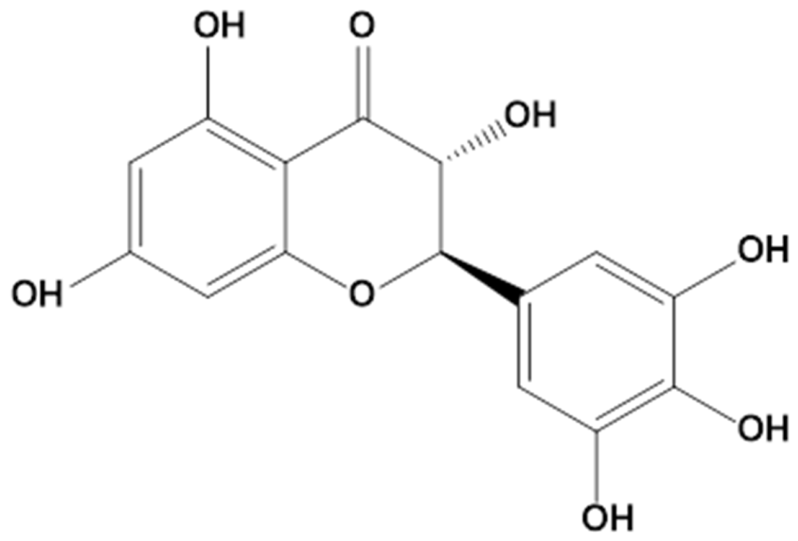
2.2. Chemical Profile
2.3. Extraction Strategies
3. Structure–Activity Relationships and Molecular Modelling
3.1. Key Structural Features and Their Impact on Bioactivity
3.2. Molecular Modelling and Docking Studies
3.3. Stereoisomerism and Its Role in Bioactivity
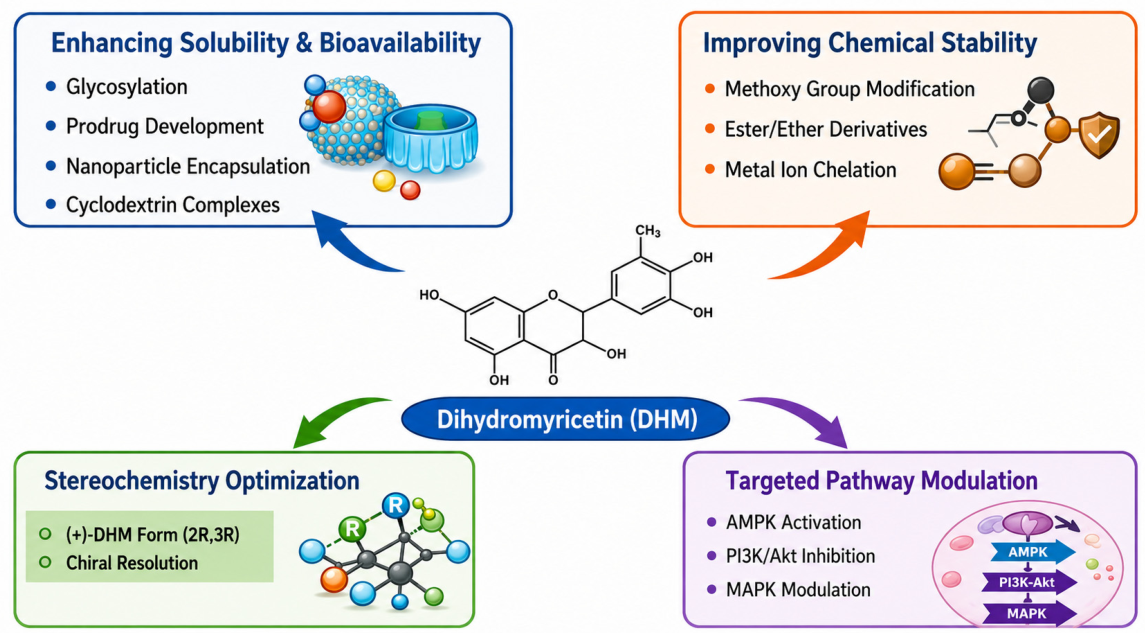
3.4. Optimizing DHM for Therapeutic Applications
3.5. Proposed Derivatization Strategies
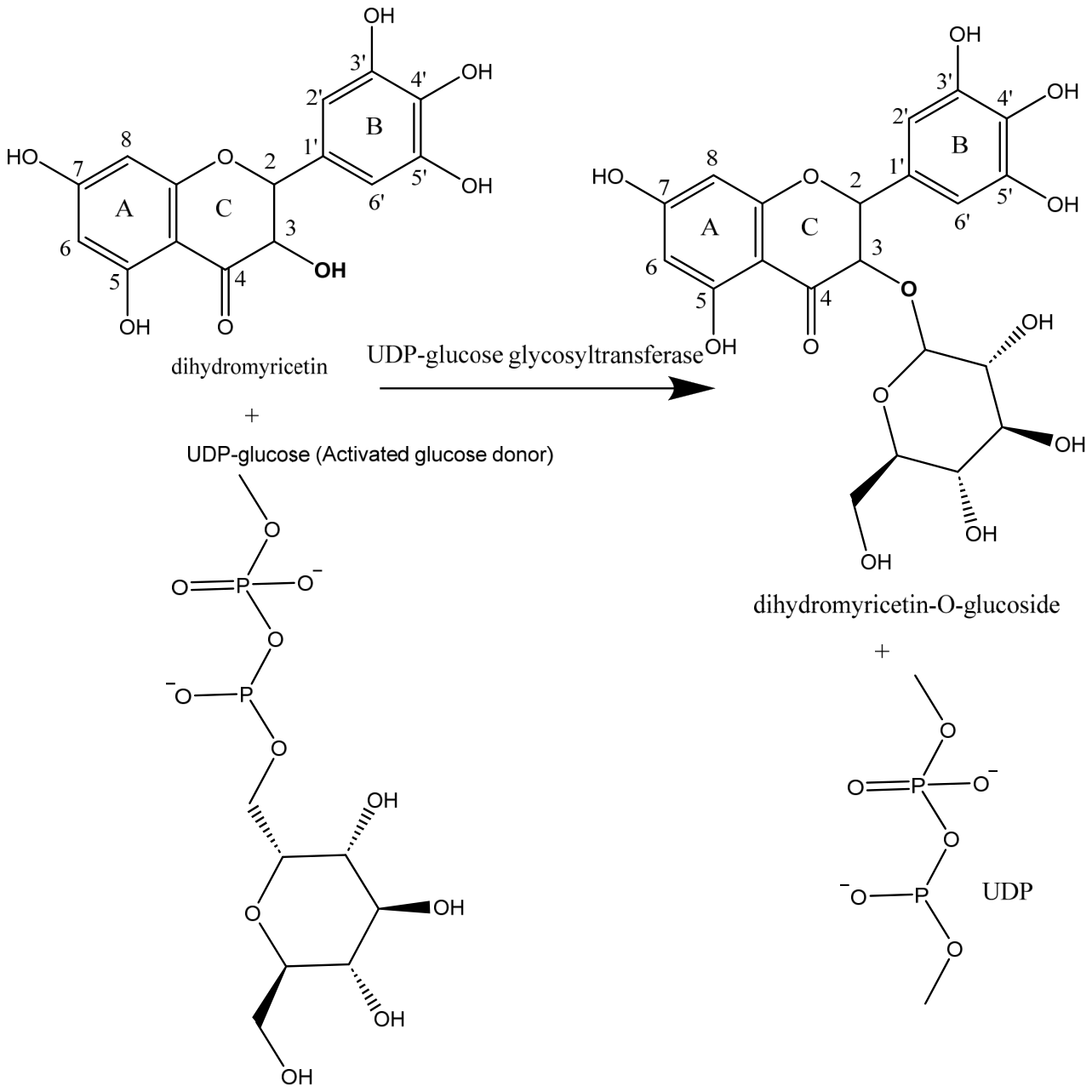
3.5.1. Glycosylation
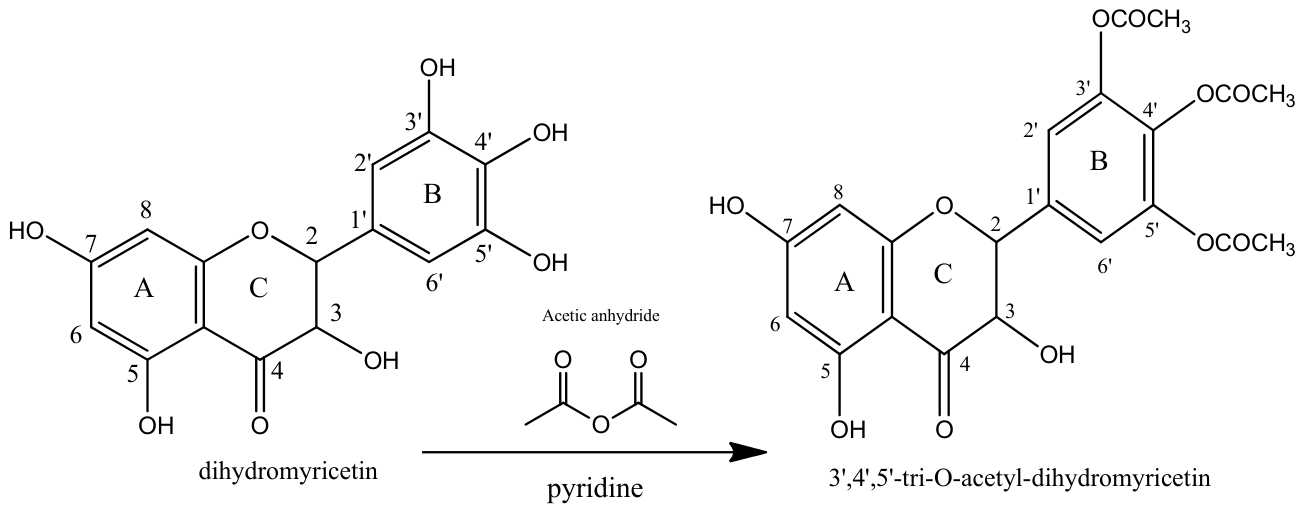
3.5.2. Methylation of the Hydroxyl Groups
3.5.3. Nanoparticle or Liposomal Encapsulation
3.5.4. Molecular Modelling: Predictions for Modified Derivatives
4. Redox-Modulating Activity: From Direct Scavenging to Pathway Regulation
5. Kinase-Mediated Signalling: AMPK, PI3K/Akt, and MAPK Pathways
6. Anti-Inflammatory and Immunomodulatory Mechanisms
7. Therapeutic Applications of Dihydromyricetin: Integrating Mechanistic Insights for Disease Management
7.1. Cardiovascular Disease: Preventing Atherosclerosis and Reducing Cardiovascular Risk
7.2. Metabolic Diseases and Diabetes: Restoring Metabolic Balance
7.3. Neurodegenerative Diseases: Protecting the Brain from Oxidative Damage
7.4. Liver Diseases: Protecting Against Oxidative Damage and Inflammation
7.5. Inflammatory Conditions: Modulating Immune Responses
8. Pharmacokinetics, Bioavailability, and Metabolic Fate
9. Advanced Delivery Systems: Overcoming Limitations
9.1. Nanoparticle-Based Delivery Systems
9.2. Liposomal Formulations and Liposome-Composite Hydrogels
9.3. Cyclodextrin Inclusion Complexes and Cocrystals
9.4. Prodrug and Chemical/Enzymatic Modification Strategies
9.5. Microemulsions, Self-Emulsifying Drug Delivery Systems (SEDDS), and Nanoemulsions
9.6. Hydrogels and Implantable Systems
9.7. Protein-Based and Pickering Emulsion Systems
9.8. Targeted and Stimuli-Responsive Delivery Strategies
9.9. Blood–Brain Barrier (BBB) Delivery Strategies
10. Safety, Toxicological Profile, and Translational Considerations
10.1. Preclinical Safety and Toxicity Data
10.2. Clinical Data and Human Trials
10.3. Translational and Manufacturing Considerations
11. Current Limitations and Future Perspectives
11.1. Current Limitations
11.2. Future Perspectives
12. Conclusions
Author Contributions
Funding
Institutional Review Board Statement
Informed Consent Statement
Data Availability Statement
Conflicts of Interest
References
- Thomson, A.; Kenten, C.; Banerjee, S.; Browning, S.; Pouncey, T.; Horne, R.; DeNPRU-QM. Prevention is better than cure: Public understanding of preventing neurodegenerative disorders. Int. J. Geriatr. Psychiatry 2025, 40, e70038. [Google Scholar] [CrossRef]
- Dash, U.C.; Bhol, N.K.; Swain, S.K.; Samal, R.R.; Nayak, P.K.; Raina, V.; Panda, S.K.; Kerry, R.G.; Duttaroy, A.K.; Jena, A.B. Oxidative stress and inflammation in the pathogenesis of neurological disorders: Mechanisms and implications. Acta Pharm. Sin. B 2025, 15, 15–34. [Google Scholar] [CrossRef]
- Jena, A.B.; Samal, R.R.; Bhol, N.K.; Duttaroy, A.K. Cellular red-ox system in health and disease: The latest update. Biomed. Pharmacother. 2023, 162, 114606. [Google Scholar] [CrossRef] [PubMed]
- Leyane, T.S.; Jere, S.W.; Houreld, N.N. Oxidative stress in ageing and chronic degenerative pathologies: Molecular mechanisms involved in counteracting oxidative stress and chronic inflammation. Int. J. Mol. Sci. 2022, 23, 7273. [Google Scholar] [CrossRef] [PubMed]
- Latif, R.; Nawaz, T. Medicinal plants and human health: A comprehensive review of bioactive compounds, therapeutic effects, and applications. Phytochem. Rev. 2026, 25, 2299–2342. [Google Scholar] [CrossRef]
- Al-Khayri, J.M.; Sahana, G.R.; Nagella, P.; Joseph, B.V.; Alessa, F.M.; Al-Mssallem, M.Q. Flavonoids as potential anti-inflammatory molecules: A review. Molecules 2022, 27, 2901. [Google Scholar] [CrossRef]
- Ogundele, A.V.; Das, A.M.; Paz, C. Gallic acid from Elaeocarpus floribundus stem bark: A potent natural antioxidant with enzymatic and pharmacokinetic validation. Antioxidants 2025, 14, 1161. [Google Scholar] [CrossRef]
- Wu, R.R.; Li, X.; Cao, Y.H.; Peng, X.; Liu, G.F.; Liu, Z.K.; Yang, Z.; Liu, Z.Y.; Wu, Y. China medicinal plants of Ampelopsis grossedentata: A review of their botanical characteristics, use, phytochemistry, active pharmacological components, and toxicology. Molecules 2023, 28, 7145. [Google Scholar] [CrossRef]
- Wu, J.; Xiao, Z.; Li, H.; Zhu, N.; Gu, J.; Wang, W.; Liu, C.; Wang, W.; Qin, L. Present status, challenges, and prospects of dihydromyricetin in the battle against cancer. Cancers 2022, 14, 3487. [Google Scholar] [CrossRef]
- Sun, Y.; Liu, S.; Yang, S.; Chen, C.; Yang, Y.; Lin, M.; Liu, C.; Wang, W.; Zhou, X.; Ai, Q.; et al. Mechanism of dihydromyricetin on inflammatory diseases. Front. Pharmacol. 2022, 12, 794563. [Google Scholar] [CrossRef] [PubMed]
- Rasheed, A.; Ali, G.; Islam, M.R.; Rauf, A.; Ajaj, R.; Hemeg, H.A.; Iriti, M. Mechanistic insights into the pharmacological actions of flavonoids: A comprehensive review. Nat. Prod. Commun. 2026, 21, 1934578X261416331. [Google Scholar] [CrossRef]
- Ysrafil, Y.; Komara, N.K.; Kumalasari, M.R.; Nainu, F. Flavonoids and their advancement in pharmaceutical sciences. In Plant Secondary Metabolites; CRC Press: Boca Raton, FL, USA, 2025; pp. 310–340. [Google Scholar]
- Chen, J.; Huang, Z.; Cao, X.; Chen, X.; Zou, T.; You, J. Plant-derived polyphenols as Nrf2 activators to counteract oxidative stress and intestinal toxicity induced by deoxynivalenol in swine: An emerging research direction. Antioxidants 2022, 11, 2379. [Google Scholar] [CrossRef]
- Gong, H.; Xu, H.; Li, M.; Zhang, D. Molecular mechanism and therapeutic significance of dihydromyricetin in nonalcoholic fatty liver disease. Eur. J. Pharmacol. 2022, 935, 175325. [Google Scholar] [CrossRef]
- Nie, H.; Ji, T.; Fu, Y.; Chen, D.; Tang, Z.; Zhang, C. Molecular mechanisms and promising role of dihydromyricetin in cardiovascular diseases. Physiol. Res. 2022, 71, 749. [Google Scholar] [CrossRef]
- He, C.; Chen, Y.; Xie, J.; Luo, M.; Fisher, D.; Hien, N.T.T.; Musabaev, E.; Dang, Y.; Zhao, L.; Xia, Y. Dihydromyricetin: An emerging compound with comprehensive effects on multiple systems. Front. Pharmacol. 2025, 15, 1488003. [Google Scholar] [CrossRef]
- Zhang, H.; Quiles, J.L.; Cao, H. Advances on resource, biosynthesis, biotransformation, function, and application of dihydromyricetin. In Handbook of Dietary Flavonoids; Xiao, J., Ed.; Springer International Publishing: Cham, Switzerland, 2023; pp. 1–30. [Google Scholar]
- Teng, H.; Zheng, Y.; Cao, H.; Huang, Q.; Xiao, J.; Chen, L. Enhancement of bioavailability and bioactivity of diet-derived flavonoids by application of nanotechnology: A review. Crit. Rev. Food Sci. Nutr. 2023, 63, 378–393. [Google Scholar] [CrossRef]
- Xu, K.; Yang, J.; Yan, M.; Li, D.; Du, W.; Bai, J.; Xiang, B. Development and evaluation of a novel nebulized dihydromyricetin formulation: Enhanced pulmonary delivery and pharmacokinetic properties. Respir. Res. 2025, 26, 346. [Google Scholar] [CrossRef]
- Niiya, M.; Shimato, Y.; Ohno, T.; Makino, T. Effects of Hovenia dulcis fruit and peduncle extract on alcohol metabolism. J. Ethnopharmacol. 2024, 321, 117541. [Google Scholar] [CrossRef]
- Pathak, H.; Pathania, S.; Mehta, S.; Sharma, R. Cedrus deodara (Roxb.): A review on the recent update on its pharmacological and phytochemical profile. RPS. Pharm. Pharmacol. Rep. 2023, 2, rqad026. [Google Scholar] [CrossRef]
- Rudrapal, M.; Rakshit, G.; Singh, R.P.; Garse, S.; Khan, J.; Chakraborty, S. Dietary polyphenols: Review on chemistry/sources, bioavailability/metabolism, antioxidant effects, and their role in disease management. Antioxidants 2024, 13, 429. [Google Scholar] [CrossRef]
- Pan, D.; Tang, Z.; Zhang, Z.; Li, Q.X. Action mechanisms and pharmacokinetics of dihydromyricetin against obesity. ACS Food Sci. Technol. 2022, 3, 539–545. [Google Scholar] [CrossRef]
- Liu, C.Y.; Sun, Y.Y.; Wang, S.Q.; Jia, Y.Q.; Wang, H.X.; Pan, L.C.; Zhu, Z.Y. Dihydromyricetin from Ampelopsis grossedentata and its derivatives: Structural characterization and anti-hepatocellular carcinoma activity. J. Mol. Struct. 2022, 1258, 132677. [Google Scholar] [CrossRef]
- Cheng, K.; Hou, G.; Mei, S.; Gao, X.; Zhang, C.; Shang, L.; Chen, S. Structural characterization and bioactivity evaluation of selenium-modified dihydromyricetin from vine tea. Foods 2025, 14, 1735. [Google Scholar] [CrossRef]
- Zangade, S.B.; Dhulshette, B.S.; Patil, P.B. Flavonoid-metal ion complexes as potent anticancer metallodrugs: A comprehensive review. Mini Rev. Med. Chem. 2024, 24, 1046–1060. [Google Scholar] [CrossRef]
- Wang, R.; Ren, Y.; Javad, H.U.; Zhou, Z.; Jiang, W.; Shu, X. Dietary dihydromyricetin zinc chelate supplementation improves the intestinal health of Magang geese. Biol. Trace Elem. Res. 2024, 202, 5219–5234. [Google Scholar] [CrossRef]
- Haq, K.U.; Rusdipoetra, R.A.; Siswanto, I.; Suwito, H. Elucidation of reactive oxygen species scavenging pathways of norbergenin utilizing DFT approaches. R. Soc. Open Sci. 2022, 9, 221349. [Google Scholar] [CrossRef]
- Agraharam, G.; Girigoswami, A.; Girigoswami, K. Myricetin: A multifunctional flavonol in biomedicine. Curr. Pharmacol. Rep. 2022, 8, 48–61. [Google Scholar] [CrossRef]
- Zhang, L.; Zhu, T.; Zhang, X.; Wu, Z.; He, S. Construction of Hydrophilic Molecularly Imprinted Polymer Based on Dual-Recognition Strategy for the Extraction of Dihydromyricetin From Ampelopsis grossedentata. J. Appl. Polym. Sci. 2026, 143, e58101. [Google Scholar] [CrossRef]
- Hu, H.; Luo, F.; Wang, M.; Fu, Z.; Shu, X. New method for extracting and purifying dihydromyricetin from Ampelopsis grossedentata. ACS Omega 2020, 5, 13955–13962. [Google Scholar] [CrossRef]
- Huang, X.B.; Qin, Y.C.; Liu, B.T.; Wang, L.L.; Tong, X.Q.; Fang, R.; Wang, Y.B. Optimized Extraction and Determination of Dihydromyricetin Content from Local and Introduced Ampelopsis grossedentata to Zhejiang Province. J. Zhejiang For. Sci. Technol. 2023, 43, 23–29. [Google Scholar]
- Zhang, H.; Caprioli, G.; Hussain, H.; Le, N.P.K.; Farag, M.A.; Xiao, J. A multifaceted review on dihydromyricetin resources, extraction, bioavailability, biotransformation, bioactivities, and food applications with future perspectives to maximize its value. eFood 2021, 2, 164–184, Correction in eFood 2023, 4, e62. [Google Scholar] [CrossRef]
- Dong, H.; Ye, H.; Bai, W.; Zeng, X.; Wu, Q. A comprehensive review of structure–activity relationships and effect mechanisms of polyphenols on heterocyclic aromatic amines formation in thermal-processed food. Compr. Rev. Food Sci. Food Saf. 2024, 23, e70032. [Google Scholar] [CrossRef]
- Dubey, A.K.; Chandragiri, S.S.; Geevarghese, A.V.; Kapoor, B.; Gulati, M.; Rani, P.; Singh, G.; Chavda, V.P.; Gundamaraju, R.; Bansal, H.; et al. Exploring the pharmacokinetics, drug-likeness, and toxicological features of anticancer flavonoids: A Boulevard to explore their clinical translational potential. Front. Pharmacol. 2025, 16, 1648395. [Google Scholar] [CrossRef]
- Du, B.; Wang, S.; Zhu, S.; Li, Y.; Huang, D.; Chen, S. Antioxidant activities of Dihydromyricetin derivatives with different acyl donor chain lengths synthetized by Lipozyme TL IM. Foods 2023, 12, 1986. [Google Scholar] [CrossRef]
- Graça, I.R.; Belém, M.V.; Pinheiro, M.L.; Da Silva, F.M.; Koolen, H.H. The chemistry of flavonoids from Annonaceae: A comprehensive review. Front. Nat. Prod. 2025, 4, 1657095. [Google Scholar] [CrossRef]
- Chen, Y.; Zheng, Y.; Chen, R.; Shen, J.; Zhang, S.; Gu, Y.; Shi, J.; Meng, G. Dihydromyricetin attenuates diabetic cardiomyopathy by inhibiting oxidative stress, inflammation and necroptosis via sirtuin 3 activation. Antioxidants 2023, 12, 200. [Google Scholar] [CrossRef]
- Chen, Z.; Świsłocka, R.; Choińska, R.; Marszałek, K.; Dąbrowska, A.; Lewandowski, W.; Lewandowska, H. Exploring the correlation between the molecular structure and biological activities of metal–phenolic compound complexes: Research and description of the role of metal ions in improving the antioxidant activities of phenolic compounds. Int. J. Mol. Sci. 2024, 25, 11775. [Google Scholar] [CrossRef]
- Moon, D.O. Plant-derived flavonoids as AMPK activators: Unveiling their potential in type 2 diabetes management through mechanistic insights, docking studies, and pharmacokinetics. Appl. Sci. 2024, 14, 8607. [Google Scholar] [CrossRef]
- Xu, Y.; Bai, L.; Yang, X.; Huang, J.; Wang, J.; Wu, X.; Shi, J. Recent advances in anti-inflammation via AMPK activation. Heliyon 2024, 10, e33453. [Google Scholar] [CrossRef]
- Wen, X.; Lv, C.; Zhou, R.; Wang, Y.; Zhou, X.; Qin, S. The molecular mechanism underlying the therapeutic effect of dihydromyricetin on type 2 diabetes mellitus based on network pharmacology, molecular docking, and transcriptomics. Foods 2024, 13, 344. [Google Scholar] [CrossRef]
- Tong, H.; Zhang, X.; Tan, L.; Jin, R.; Huang, S.; Li, X. Multitarget and promising role of dihydromyricetin in the treatment of metabolic diseases. Eur. J. Pharmacol. 2020, 870, 172888. [Google Scholar] [CrossRef]
- Zhang, X.; Xiang, Y.; Chen, Y.; Xi, J.; Huang, S. Chirality-dependent interaction between zein and dihydromyricetin isomers: Binding mechanism and gastrointestinal behaviour. Food Res. Int. 2025, 181, 117901. [Google Scholar] [CrossRef]
- Hong, H.; Guo, D.; Xia, T.; Zhang, Y. Dihydromyricetin attenuates intervertebral disc degeneration by inhibiting NLRP3 inflammasome activation via the Keap1/Nrf2/HO-1 pathway. Eur. J. Pharmacol. 2025, 998, 177501. [Google Scholar] [CrossRef]
- Wen, C.; Zhang, F.; Yang, K.; Han, S.; Jian, S.; Deng, B. Dihydromyricetin alleviates intestinal inflammation by changing intestinal microbial metabolites and inhibiting the expression of the MyD88/NF-κB signaling pathway. Anim. Res. One Health 2023, 1, 219–232. [Google Scholar] [CrossRef]
- Guo, Q.; Jin, Y.; Chen, X.; Ye, X.; Shen, X.; Lin, M.; Zeng, C.; Zhou, T.; Zhang, J. NF-κB in biology and targeted therapy: New insights and translational implications. Signal Transduct. Target. Ther. 2024, 9, 53. [Google Scholar] [CrossRef]
- Qayyum, M.; Shahid, S.; Mansoor, S.; Azam Qamar, M. Enantioselective Synthesis of Flavonoids and Their Diverse Applications in Nutrition, Health, and Medicine: A Mini Review. ChemistrySelect 2024, 9, e202305068. [Google Scholar] [CrossRef]
- Zhang, C.; Liu, Y.; Liu, X.; Chen, X.; Chen, R. Comprehensive review of recent advances in chiral A-ring flavonoid containing compounds: Structure, bioactivities, and synthesis. Molecules 2023, 28, 365. [Google Scholar] [CrossRef]
- Chen, L.; Shi, M.; Lv, C.; Song, Y.; Wu, Y.; Liu, S.; Zheng, Z.; Lu, X.; Qin, S. Dihydromyricetin Acts as a Potential Redox Balance Mediator in Cancer Chemoprevention. Mediat. Inflamm. 2021, 2021, 6692579. [Google Scholar] [CrossRef]
- Xiao, Z.; Morris-Natschke, S.L.; Lee, K.H. Strategies for the optimization of natural leads to anticancer drugs or drug candidates. Med. Res. Rev. 2016, 36, 32–91. [Google Scholar] [CrossRef]
- Zhang, R.; Zhang, H.; Shi, H.; Zhang, D.; Zhang, Z.; Liu, H. Strategic developments in the drug delivery of natural product dihydromyricetin: Applications, prospects, and challenges. Drug Deliv. 2022, 29, 3052–3070. [Google Scholar] [CrossRef]
- Wang, Z.; Cao, Z.; Yue, Z.; Yang, Z. Research progress of dihydromyricetin in the treatment of diabetes mellitus. Front. Endocrinol. 2023, 14, 1216907. [Google Scholar] [CrossRef]
- Xia, T.; Zhu, R. Multiple molecular and cellular mechanisms of the antitumour effect of dihydromyricetin. Biomed. Rep. 2024, 20, 82. [Google Scholar] [CrossRef]
- Li, X.; Xu, R.; Ni, T. Effects of B-ring structures on binding behavior of flavonols with proteins: Experimental and molecular docking approaches. J. Mol. Struct. 2023, 1287, 135614. [Google Scholar] [CrossRef]
- Dahiya, A.; Majee, C.; Mazumder, R.; Priya, N.; Salahauddin; Atriya, A. Insight into the Glycosylation Methods of the Flavonoids as an Approach to Enhance its Bioavailability and Pharmacological Activities. Indian J. Pharm. Educ. Res. 2023, 57, 245–252. [Google Scholar] [CrossRef]
- Liu, D.; Mao, Y.; Ding, L.; Zeng, X.A. Dihydromyricetin: A review on identification and quantification methods, biological activities, chemical stability, metabolism and approaches to enhance its bioavailability. Trends Food Sci. Technol. 2019, 91, 586–597. [Google Scholar] [CrossRef]
- Liu, Y.; Liang, Y.; Yuhong, J.; Xin, P.; Han, J.L.; Du, Y.; Yu, X.; Zhu, R.; Zhang, M.; Chen, W.; et al. Advances in nanotechnology for enhancing the solubility and bioavailability of poorly soluble drugs. Drug Des. Dev. Ther. 2024, 18, 1469–1495. [Google Scholar] [CrossRef]
- Kumari, L.; Choudhari, Y.; Patel, P.; Gupta, G.D.; Singh, D.; Rosenholm, J.M.; Bansal, K.K.; Kurmi, B.D. Advancement in solubilization approaches: A step towards bioavailability enhancement of poorly soluble drugs. Life 2023, 13, 1099. [Google Scholar] [CrossRef]
- Dasmahapatra, U.; Kumar, C.K.; Das, S.; Subramanian, P.T.; Murali, P.; Isaac, A.E.; Ramanathan, K.; Mm, B.; Chanda, K. In-silico molecular modelling, MM/GBSA binding free energy and molecular dynamics simulation study of novel pyrido fused imidazo [4, 5-c] quinolines as potential anti-tumor agents. Front. Chem. 2022, 10, 991369. [Google Scholar] [CrossRef]
- Park, M.N.; Choi, M.; Syahputra, R.A.; Delfino, D.V.; Ko, S.-G.; Kim, B. Redox Homeostasis as a Therapeutic Target in Chronic Oxidative Diseases: Implications for Cancer Treatment. Antioxidants 2026, 15, 203. [Google Scholar] [CrossRef]
- Cui, Q.; Wang, J.-Q.; Yang, D.-H.; Chen, Z.-S. Therapeutic Implication of Oxidative Stress Regulators in Drug-Resistant Cancers. In Handbook of Oxidative Stress in Cancer: Therapeutic Aspects; Chakraborti, S., Ed.; Springer Nature: Singapore, 2022; pp. 3477–3496. [Google Scholar]
- Song, Q.; Liu, L.; Yu, J.; Zhang, J.; Xu, M.; Sun, L.; Luo, H.; Feng, Z.; Meng, G. Dihydromyricetin attenuated Ang II induced cardiac fibroblasts proliferation related to inhibitory of oxidative stress. Eur. J. Pharmacol. 2017, 807, 159–167. [Google Scholar] [CrossRef]
- Meng, G.; Yang, S.; Chen, Y.; Yao, W.; Zhu, H.; Zhang, W. Attenuating effects of dihydromyricetin on angiotensin II-induced rat cardiomyocyte hypertrophy related to antioxidative activity in a NO-dependent manner. Pharm. Biol. 2015, 53, 904–912. [Google Scholar] [CrossRef]
- Zhang, J.; Chen, Y.; Luo, H.; Sun, L.; Xu, M.; Yu, J.; Zhou, Q.; Meng, G.; Yang, S. Recent Update on the Pharmacological Effects and Mechanisms of Dihydromyricetin. Front. Pharmacol. 2018, 9, 1204. [Google Scholar] [CrossRef]
- Liu, T.T.; Zeng, Y.; Tang, K.; Chen, X.; Zhang, W.; Xu, X.L. Dihydromyricetin ameliorates atherosclerosis in LDL receptor deficient mice. Atherosclerosis 2017, 262, 39–50. [Google Scholar] [CrossRef]
- Qiu, P.; Dong, Y.; Li, B.; Kang, X.; Gu, C.; Zhu, T.; Luo, Y.; Pang, M.; Du, W.; Ge, W. Dihydromyricetin modulates p62 and autophagy crosstalk with the Keap-1/Nrf2 pathway to alleviate ethanol-induced hepatic injury. Toxicol. Lett. 2017, 274, 31–41. [Google Scholar] [CrossRef]
- Jiang, B.; Le, L.; Pan, H.; Hu, K.; Xu, L.; Xiao, P. Dihydromyricetin ameliorates the oxidative stress response induced by methylglyoxal via the AMPK/GLUT4 signaling pathway in PC12 cells. Brain Res. Bull. 2014, 109, 117–126. [Google Scholar] [CrossRef]
- Zhang, Y.; Zhang, T.; Zhao, M.; Li, P.; Liu, T.; Xie, J. Pharmacological mechanisms and potential clinical applications of Dihydromyricetin in neurological disorders. Front. Pharmacol. 2025, 16, 1618623. [Google Scholar] [CrossRef]
- Shi, L.; Zhang, T.; Liang, X.; Hu, Q.; Huang, J.; Zhou, Y.; Chen, M.; Zhang, Q.; Zhu, J.; Mi, M. Dihydromyricetin improves skeletal muscle insulin resistance by inducing autophagy via the AMPK signaling pathway. Mol. Cell. Endocrinol. 2015, 409, 92–102. [Google Scholar] [CrossRef]
- Luo, Y.; Lu, S.; Dong, X.; Xu, L.; Sun, G.; Sun, X. Dihydromyricetin protects human umbilical vein endothelial cells from injury through ERK and Akt mediated Nrf2/HO-1 signaling pathway. Apoptosis 2017, 22, 1013–1024. [Google Scholar] [CrossRef]
- Zhang, X.; Wang, L.; Peng, L.; Tian, X.; Qiu, X.; Cao, H.; Yang, Q.; Liao, R.; Yan, F. Dihydromyricetin protects HUVECs of oxidative damage induced by sodium nitroprusside through activating PI3K/Akt/FoxO3a signalling pathway. J. Cell. Mol. Med. 2019, 23, 4829–4838. [Google Scholar] [CrossRef]
- Smith, T.K.T.; Townsend, L.K.; Smiles, W.J.; Oakhill, J.S.; Fullerton, M.D.; Steinberg, G.R. AMPK at the interface of nutrient sensing, metabolic flux and energy homeostasis. Nat. Metab. 2026, 8, 27–51. [Google Scholar] [CrossRef]
- Liu, M.; Guo, H.; Li, Z.; Zhang, C.; Zhang, X.; Cui, Q.; Tian, J. Molecular Level Insight Into the Benefit of Myricetin and Dihydromyricetin Uptake in Patients With Alzheimer’s Diseases. Front. Aging Neurosci. 2020, 12, 601603. [Google Scholar] [CrossRef]
- Wu, J.-Z.; Ardah, M.; Haikal, C.; Svanbergsson, A.; Diepenbroek, M.; Vaikath, N.N.; Li, W.; Wang, Z.-Y.; Outeiro, T.F.; El-Agnaf, O.M.; et al. Dihydromyricetin and Salvianolic acid B inhibit alpha-synuclein aggregation and enhance chaperone-mediated autophagy. Transl. Neurodegener. 2019, 8, 18. [Google Scholar] [CrossRef]
- Liu, L.; Zhou, M.; Lang, H.; Zhou, Y.; Mi, M. Dihydromyricetin enhances glucose uptake by inhibition of MEK/ERK pathway and consequent down-regulation of phosphorylation of PPARγ in 3T3-L1 cells. J. Cell. Mol. Med. 2018, 22, 1247–1256. [Google Scholar] [CrossRef] [PubMed]
- Chang, Y.; Yuan, L.; Liu, J.; Muhammad, I.; Cao, C.; Shi, C.; Zhang, Y.; Li, R.; Li, C.; Liu, F. Dihydromyricetin attenuates Escherichia coli lipopolysaccharide-induced ileum injury in chickens by inhibiting NLRP3 inflammasome and TLR4/NF-κB signalling pathway. Vet. Res. 2020, 51, 72. [Google Scholar] [CrossRef] [PubMed]
- Zhao, Y.; Wang, P.; Chen, S.; Han, C.; Yan, Q.; Zheng, L.; Jia, J.; Ren, Z.; Zhen, X. Dihydromyricetin protects against cerebral ischemia/reperfusion injury via suppressing microglia-mediated neuroinflammation and activation of ERK1/2-CREB signaling pathway. J. Funct. Foods 2017, 33, 76–84. [Google Scholar] [CrossRef]
- Ge, H.; Sun, M.; Wei, X.; Zhang, M.; Tu, H.; Hao, Y.; Chen, R.; Ye, M.; Gao, Y. Protective effects of dihydromyricetin on primary hippocampal astrocytes from cytotoxicity induced by comorbid diabetic neuropathic pain and depression. Purinergic Signal. 2020, 16, 585–599. [Google Scholar] [CrossRef]
- Zeng, X.; Yang, J.; Hu, O.; Huang, J.; Ran, L.; Chen, M.; Zhang, Y.; Zhou, X.; Zhu, J.; Zhang, Q.; et al. Dihydromyricetin Ameliorates Nonalcoholic Fatty Liver Disease by Improving Mitochondrial Respiratory Capacity and Redox Homeostasis Through Modulation of SIRT3 Signaling. Antioxid. Redox Signal. 2019, 30, 163–183. [Google Scholar] [CrossRef]
- Ren, Z.; Zhao, Y.; Cao, T.; Zhen, X. Dihydromyricetin protects neurons in an MPTP-induced model of Parkinson’s disease by suppressing glycogen synthase kinase-3 beta activity. Acta Pharmacol. Sin. 2016, 37, 1315–1324, Erratum in Acta Pharmacol. Sin. 2017, 38, 733. https://doi.org/10.1038/aps.2017.40. [Google Scholar] [CrossRef]
- Hou, L.; Jiang, F.; Huang, B.; Zheng, W.; Jiang, Y.; Cai, G.; Liu, D.; Hu, C.Y.; Wang, C. Dihydromyricetin Ameliorates Inflammation-Induced Insulin Resistance via Phospholipase C-CaMKK-AMPK Signal Pathway. Oxid. Med. Cell. Longev. 2021, 2021, 8542809. [Google Scholar] [CrossRef]
- Guan, S.; Shen, Y.; Ge, H.; Xiong, W.; He, L.; Liu, L.; Yin, C.; Wei, X.; Gao, Y. Dihydromyricetin Alleviates Diabetic Neuropathic Pain and Depression Comorbidity Symptoms by Inhibiting P2 × 7 Receptor. Front. Psychiatry 2019, 10, 770. [Google Scholar] [CrossRef]
- Guan, G.; Chen, Y.; Dong, Y. Unraveling the AMPK-SIRT1-FOXO Pathway: The In-Depth Analysis and Breakthrough Prospects of Oxidative Stress-Induced Diseases. Antioxidants 2025, 14, 70. [Google Scholar] [CrossRef]
- Le, L.; Jiang, B.; Wan, W.; Zhai, W.; Xu, L.; Hu, K.; Xiao, P. Metabolomics reveals the protective of Dihydromyricetin on glucose homeostasis by enhancing insulin sensitivity. Sci. Rep. 2016, 6, 36184. [Google Scholar] [CrossRef]
- Hou, X.L.; Tong, Q.; Wang, W.Q.; Shi, C.Y.; Xiong, W.; Chen, J.; Liu, X.; Fang, J.G. Suppression of Inflammatory Responses by Dihydromyricetin, a Flavonoid from Ampelopsis grossedentata, via Inhibiting the Activation of NF-κB and MAPK Signaling Pathways. J. Nat. Prod. 2015, 78, 1689–1696. [Google Scholar] [CrossRef]
- Park, G.B.; Jeong, J.; Kim, D. Ampelopsin-induced reactive oxygen species enhance the apoptosis of colon cancer cells by activating endoplasmic reticulum stress-mediated AMPK/MAPK/XAF1 signaling. Oncol. Lett. 2017, 14, 7947–7956. [Google Scholar] [CrossRef][Green Version]
- Zhou, H.; Gao, S.; Gong, Y.; Lin, T.; Tong, S.; Xiong, W.; Shi, C.; Wang, W.; Fang, J. Anti-HSV-1 effect of dihydromyricetin from Ampelopsis grossedentata via the TLR9-dependent anti-inflammatory pathway. J. Glob. Antimicrob. Resist. 2020, 23, 370–376. [Google Scholar] [CrossRef] [PubMed]
- Ye, W.; Yang, P.; Jin, M.; Zou, J.; Zheng, Z.; Li, Y.; Zhang, D.; Ye, W.; Huang, Z.; Wang, J.; et al. Dihydromyricetin mitigates abdominal aortic aneurysm via transcriptional and post-transcriptional regulation of heme oxygenase-1 in vascular smooth muscle cells. Acta Pharm. Sin. B 2025, 15, 1514–1534. [Google Scholar] [CrossRef] [PubMed]
- Tang, N.; Ma, J.; Wang, K.S.; Mi, C.; Lv, Y.; Piao, L.X.; Xu, G.H.; Li, X.; Lee, J.J.; Jin, X. Dihydromyricetin suppresses TNF-α-induced NF-κB activation and target gene expression. Mol. Cell. Biochem. 2016, 422, 11–20. [Google Scholar] [CrossRef] [PubMed]
- Hu, Q.; Zhang, T.; Yi, L.; Zhou, X.; Mi, M. Dihydromyricetin inhibits NLRP3 inflammasome-dependent pyroptosis by activating the Nrf2 signaling pathway in vascular endothelial cells. BioFactors 2018, 44, 123–136. [Google Scholar] [CrossRef]
- Matouk, A.I.; Awad, E.M.; El-Tahawy, N.F.G.; El-Sheikh, A.A.K.; Waz, S. Dihydromyricetin alleviates methotrexate-induced hepatotoxicity via suppressing the TLR4/NF-κB pathway and NLRP3 inflammasome/caspase 1 axis. Biomed. Pharmacother. 2022, 155, 113752. [Google Scholar] [CrossRef]
- Chu, J.; Wang, X.; Bi, H.; Li, L.; Ren, M.; Wang, J. Dihydromyricetin relieves rheumatoid arthritis symptoms and suppresses expression of pro-inflammatory cytokines via the activation of Nrf2 pathway in rheumatoid arthritis model. Int. Immunopharmacol. 2018, 59, 174–180. [Google Scholar] [CrossRef]
- Zhao, Z.; Yin, J.; Wu, M.; Song, G.; Xie, X.; Zou, C.; Tang, Q.; Wu, Y.; Lu, J.; Wang, Y.; et al. Dihydromyricetin Activates AMP-Activated Protein Kinase and P38MAPK Exerting Antitumor Potential in Osteosarcoma. Cancer Prev. Res. 2014, 7, 927–938. [Google Scholar] [CrossRef] [PubMed]
- Li, G.; Wan, Y.; Jiao, A.; Jiang, K.; Cui, G.; Tang, J.; Yu, S.; Hu, Z.; Zhao, S.; Yi, Z.; et al. Breaking Boundaries: Chronic Diseases and the Frontiers of Immune Microenvironments. Med. Res. 2025, 1, 62–102. [Google Scholar] [CrossRef]
- Zhao, Y.; Liu, X.; Ding, C.; Gu, Y.; Liu, W. Dihydromyricetin Reverses Thioacetamide-Induced Liver Fibrosis Through Inhibiting NF-κB-Mediated Inflammation and TGF-β1-Regulated of PI3K/Akt Signaling Pathway. Front. Pharmacol. 2021, 12, 660230. [Google Scholar] [CrossRef] [PubMed]
- Yang, D.; Tan, S.; Yang, Z.; Jiang, P.; Qin, C.; Yuan, Q.; Dang, R.; Yao, X.; Qu, J.; Lu, Q.; et al. Dihydromyricetin Attenuates TNF-α-Induced Endothelial Dysfunction through miR-21-Mediated DDAH1/ADMA/NO Signal Pathway. BioMed Res. Int. 2018, 2018, 1047810. [Google Scholar] [CrossRef]
- Yang, D.; Yang, Z.; Chen, L.; Kuang, D.; Zou, Y.; Li, J.; Deng, X.; Luo, S.; Luo, J.; He, J.; et al. Dihydromyricetin increases endothelial nitric oxide production and inhibits atherosclerosis through microRNA-21 in apolipoprotein E-deficient mice. J. Cell. Mol. Med. 2020, 24, 5911–5925. [Google Scholar] [CrossRef] [PubMed]
- Li, X.; Wang, X.; Wang, B.; Chi, W.; Li, Z.; Zhang, M.; Shen, Y.; Liu, X.; Lu, Y.; Liu, Y. Dihydromyricetin protects against Doxorubicin-induced cardiotoxicity through activation of AMPK/mTOR pathway. Phytomedicine 2022, 99, 154027. [Google Scholar] [CrossRef]
- Chen, S.; Zhao, X.; Wan, J.; Ran, L.; Qin, Y.; Wang, X.; Gao, Y.; Shu, F.; Zhang, Y.; Liu, P.; et al. Dihydromyricetin improves glucose and lipid metabolism and exerts anti-inflammatory effects in nonalcoholic fatty liver disease: A randomized controlled trial. Pharmacol. Res. 2015, 99, 74–81. [Google Scholar] [CrossRef]
- Xu, Z.; Zhang, M.; Wang, W.; Zhou, S.; Yu, M.; Qiu, X.; Jiang, S.; Wang, X.; Tang, C.; Li, S.; et al. Dihydromyricetin attenuates cisplatin-induced acute kidney injury by reducing oxidative stress, inflammation and ferroptosis. Toxicol. Appl. Pharmacol. 2023, 473, 116595. [Google Scholar] [CrossRef]
- Jin, D.; Jin, S.; Zhou, T.; Sheng, G.; Yao, M.; Gao, P.; Li, G. Food-derived dihydromyricetin and metabolic dysfunc-tion-associated steatotic liver disease: A preclinical systematic review and meta-analysis. Front. Nutr. 2026, 13, 1786758. [Google Scholar] [CrossRef]
- Pei, H.; Han, C.; Bi, J.; He, Z.; Guo, L. Dihydromyricetin suppresses inflammatory injury in microglial cells to improve neurological behaviors of Alzheimer’s disease mice via the TLR4/MD2 signal. Int. Immunopharmacol. 2023, 118, 110037. [Google Scholar] [CrossRef]
- Feng, J.; Wang, J.-X.; Du, Y.-H.; Liu, Y.; Zhang, W.; Chen, J.-F.; Liu, Y.-J.; Zheng, M.; Wang, K.-J.; He, G.-Q. Dihydromyricetin inhibits microglial activation and neuroinflammation by suppressing NLRP3 inflammasome activation in APP/PS1 transgenic mice. CNS Neurosci. Ther. 2018, 24, 1207–1218. [Google Scholar] [CrossRef]
- Xu, B.; Huang, S.; Wang, C.; Zhang, H.; Fang, S.; Zhang, Y. Anti-inflammatory effects of dihydromyricetin in a mouse model of asthma. Mol. Med. Rep. 2017, 15, 3674–3680. [Google Scholar] [CrossRef]
- Zhou, X.; Yi, L.; Lang, H.; Zhang, J.; Zhang, Q.; Yu, L.; Zhu, J.; Mi, M. Dihydromyricetin-encapsulated liposomes inhibit exhaustive exercise-induced liver inflammation by orchestrating M1/M2 macrophage polarization. Front. Pharmacol. 2022, 13, 887263, Erratum in Front. Pharmacol. 2022, 13, 1003574. https://doi.org/10.3389/fphar.2022.1003574. [Google Scholar] [CrossRef]
- Chang, T.-M.; Hsiao, T.-C.; Yang, T.-Y.; Huang, H.-C. IgE-Induced Mast Cell Activation Is Suppressed by Dihydromyricetin through the Inhibition of NF-κB Signaling Pathway. Molecules 2021, 26, 3877. [Google Scholar] [CrossRef] [PubMed]
- Chen, Y.; Song, Z.; Chang, H.; Guo, Y.; Wei, Z.; Sun, Y.; Gong, L.; Zheng, Z.; Zhang, G. Dihydromyricetin inhibits African swine fever virus replication by downregulating toll-like receptor 4-dependent pyroptosis in vitro. Vet. Res. 2023, 54, 58. [Google Scholar] [CrossRef]
- Tian, Y.; Sang, H.; Liu, M.; Chen, F.; Huang, Y.; Li, L.; Liu, S.; Yang, J. Dihydromyricetin is a new inhibitor of influenza polymerase PB2 subunit and influenza-induced inflammation. Microbes Infect. 2020, 22, 254–262. [Google Scholar] [CrossRef]
- Naveed, A.; Atique, R.; Saeed, H.A.; Sharif, J.; Haidar, A.; Samad, A. Cardiovascular Diseases: Understanding the Leading Cause of Death Worldwide. Glob. J. Multidiscip. Sci. Arts 2024, 1, 100–110. [Google Scholar] [CrossRef]
- Hu, Q.; Li, C.; Zhang, T.; Yi, L.; Shan, Y.; Ma, X.; Cai, T.; Ran, L.; Shen, H.; Li, Y. Dihydromyricetin suppresses endothelial NLRP3 inflammasome activation and attenuates atherogenesis by promoting mitophagy. Lipids Health Dis. 2024, 23, 279. [Google Scholar] [CrossRef] [PubMed]
- Yan, Q.; Li, P.; Liu, S.; Sun, Y.; Chen, C.; Long, J.; Lin, Y.; Liang, J.; Wang, H.; Zhang, L.; et al. Dihydromyricetin treats pulmonary hypertension by modulating CKLF1/CCR5 axis-induced pulmonary vascular cell pyroptosis. Biomed. Pharmacother. 2024, 180, 117614. [Google Scholar] [CrossRef]
- Matouk, A.I.; Awad, E.M.; El-Tahawy, N.F.; El-Sheikh, A.A.; Anter, A. Dihydromyricetin modulates Nrf2 and NF-κB crosstalk to alleviate methotrexate-induced lung toxicity. Pharmaceuticals 2023, 16, 481. [Google Scholar] [CrossRef]
- Jiang, W.; Ding, K.; Liu, X.; Hu, Z.; Yue, R.; Yang, M. Dihydromyricetin in the management of diabetes and its complications: A narrative review. Food Funct. 2026; advance online publication.
- Yang, Y.; Qiu, W.; Xiao, J.; Sun, J.; Ren, X.; Jiang, L. Dihydromyricetin ameliorates hepatic steatosis and insulin resistance via AMPK/PGC-1α and PPARα-mediated autophagy pathway. J. Transl. Med. 2024, 22, 309. [Google Scholar] [CrossRef] [PubMed]
- Li, J.; Li, L.; Lin, T.; Huang, H.; Ren, J.; Yao, J. Dihydromyricetin preserves β-cell function in type 1 diabetes via PI3K/AKT-mediated metabolic reprogramming. Front. Nutr. 2025, 12, 1682308. [Google Scholar] [CrossRef]
- Li, Q.; Song, Z.; Peng, L.; Feng, S.; Zhan, K.; Ling, H. Dihydromyricetin Improves High Glucose-Induced Dopaminergic Neuronal Damage by Activating AMPK-Autophagy Signaling Pathway. Exp. Clin. Endocrinol. Diabetes 2024, 132, 631–641. [Google Scholar] [CrossRef] [PubMed]
- Guan, Y.; Lv, Q.; Wang, X.; Jiang, B.; Xiao, P. Dihydromyricetin as a dietary supplement enhances hypoglycemic efficacy of Sangzhi Alkaloids via gut-liver axis. Food Biosci. 2025, 66, 106197. [Google Scholar] [CrossRef]
- Li, X.J.; Pang, C.; Peng, Z.; Zhuang, Z.; Lu, Y.; Li, W.; Zhang, H.S.; Zhang, X.S.; Hang, C.H. Dihydromyricetin confers cerebroprotection against subarachnoid hemorrhage via the Nrf2-dependent Prx2 signaling cascade. Phytomedicine 2023, 119, 154997, Erratum in Phytomedicine 2024, 131, 155793. https://doi.org/10.1016/j.phymed.2024.155793. [Google Scholar] [CrossRef]
- Sethiya, N.K.; Ghiloria, N.; Srivastav, A.; Bisht, D.; Chaudhary, S.K.; Walia, V.; Alam, M.S. Therapeutic potential of myricetin in the treatment of neurological, neuropsychiatric, and neurodegenerative disorders. CNS Neurol. Disord. Drug Targets 2024, 23, 865–882. [Google Scholar] [CrossRef]
- Huang, J.; Chen, B.; Wang, H.; Hu, S.; Yu, X.; Reilly, J.; He, Z.; You, Y.; Shu, X. Dihydromyricetin attenuates depressive-like behaviors in mice by inhibiting the AGE-RAGE signaling pathway. Cells 2022, 11, 3730. [Google Scholar] [CrossRef]
- Al Omran, A.J.; Watanabe, S.; Hong, E.C.; Skinner, S.G.; Zhang, M.; Zhang, J.; Shao, X.M.; Liang, J. Dihydromyricetin ameliorates social isolation-induced anxiety by modulating mitochondrial function, antioxidant enzymes, and BDNF. Neurobiol. Stress 2022, 21, 100499. [Google Scholar] [CrossRef]
- Yuan, L.; Jiang, X.; Ren, Y.; Ma, B.; Ji, Z.; Wang, S.; Hao, B.; Li, C.; Li, R.; Liu, F. Dihydromyricetin ameliorates lipopolysaccharide–induced hepatic injury in chickens by activating the Nrf2/Keap1 pathway and regulating mitochondrial dynamics. Poult. Sci. 2025, 104, 105034. [Google Scholar] [CrossRef] [PubMed]
- Getachew, B.; Csoka, A.B.; Copeland, R.L.; Manaye, K.F.; Tizabi, Y. Dihydromyricetin protects against Salsolinol-induced toxicity in dopaminergic cell line: Implication for Parkinson’s disease. Neurotox. Res. 2023, 41, 141–148. [Google Scholar] [CrossRef] [PubMed]
- Kang, L.; Ma, X.; Yu, F.; Xu, L.; Lang, L. Dihydromyricetin alleviates non-alcoholic fatty liver disease by modulating gut microbiota and inflammatory signaling pathways. J. Microbiol. Biotechnol. 2024, 34, 2637. [Google Scholar] [CrossRef]
- Rostami, A.; Baluchnejadmojarad, T.; Roghani, M. Hepatoprotective effect of myricetin following lipopolysaccharide/d-galactosamine: Involvement of autophagy and sirtuin 1. Curr. Mol. Pharmacol. 2023, 16, 419–433. [Google Scholar]
- Guo, Z.; Chen, X.; Huang, Z.; Chen, D.; Yu, B.; He, J.; Yan, H.; Zheng, P.; Luo, Y.; Yu, J.; et al. Effect of dietary dihydromyricetin supplementation on lipid metabolism, antioxidant capacity and skeletal muscle fiber type transformation in mice. Anim. Biotechnol. 2022, 33, 555–562. [Google Scholar] [CrossRef] [PubMed]
- Hou, P.; Wang, D.; Lang, H.; Yao, Y.; Zhou, J.; Zhou, M.; Zhu, J.; Yi, L.; Mi, M. Dihydromyricetin attenuates high-intensity exercise-induced intestinal barrier dysfunction associated with the modulation of the phenotype of intestinal intraepithelial lymphocytes. Int. J. Mol. Sci. 2022, 24, 221. [Google Scholar] [CrossRef]
- Lu, M.; Liu, R.; Chen, Z.; Su, C.; Pan, L. Effects of dietary dihydromyricetin on growth performance, antioxidant capacity, immune response and intestinal microbiota of shrimp (Litopenaeus vannamei). Fish Shellfish Immunol. 2023, 142, 109086, Erratum in Fish Shellfish Immunol. 2024, 144, 109238. https://doi.org/10.1016/j.fsi.2023.109238. [Google Scholar] [CrossRef] [PubMed]
- Chen, J.; Ding, S.; Yang, H.; Dai, Y.; Zhang, Z.; Zhu, T.; Cao, L.; Hu, B.; Liu, H. Dihydromyricetin Improves Ulcerative Colitis by Suppressing NLRP3 Inflammasome Activation Caused by Dysbiosis of Gut Microbiota. J. Inflamm. Res. 2025, 18, 17401–17420. [Google Scholar] [CrossRef]
- Wang, X.; Li, X.; Ma, X.; Zhang, L.; Han, T.; Zhang, D. Dihydromyricetin alleviates inflammatory bowel disease associated intestinal fibrosis by inducing autophagy through the PI3K/AKT/mTOR signaling pathway. Naunyn-Schmiedeberg’s Arch. Pharmacol. 2024, 397, 4183–4194. [Google Scholar] [CrossRef]
- Xiang, D.; Wang, C.; Wang, W.; Shi, C.; Xiong, W.; Wang, M.; Fang, J. Gastrointestinal stability of dihydromyricetin, myricetin, and myricitrin: An in vitro investigation. Int. J. Food Sci. Nutr. 2017, 68, 704–711. [Google Scholar] [CrossRef]
- Liu, L.; Yin, X.; Wang, X.; Li, X. Determination of dihydromyricetin in rat plasma by LC-MS/MS and its application to a pharmacokinetic study. Pharm. Biol. 2017, 55, 657–662. [Google Scholar] [CrossRef] [PubMed]
- Wang, X.-C.; Mai, P.; Yuan, Z.-H.; Qiu, Z.-S. Preclinical research of dihydromyricetin for fibrotic diseases. Front. Pharmacol. 2025, 16, 1691796. [Google Scholar] [CrossRef]
- Chien, M.-Y.; Yang, C.-M.; Lin, Y.-T.; Chen, C.-H. Dihydromyricetin-rich herbal mixture extracts as a potential prescription for treatment of metabolic syndrome in rats fed a high-fat diet and subacute toxicity assessment in rats. J. Tradit. Complement. Med. 2019, 9, 221–226. [Google Scholar] [CrossRef] [PubMed]
- Wang, C.; Tong, Q.; Hou, X.; Hu, S.; Fang, J.; Sun, C.C. Enhancing Bioavailability of Dihydromyricetin through Inhibiting Precipitation of Soluble Cocrystals by a Crystallization Inhibitor. Cryst. Growth Des. 2016, 16, 5030–5039. [Google Scholar] [CrossRef]
- Zhao, X.; Shi, C.; Zhou, X.; Lin, T.; Gong, Y.; Yin, M.; Fan, L.; Wang, W.; Fang, J. Preparation of a nanoscale dihydromyricetin-phospholipid complex to improve the bioavailability: In vitro and in vivo evaluations. Eur. J. Pharm. Sci. 2019, 138, 104994. [Google Scholar] [CrossRef]
- Jiang, C.; Yao, Y.; Liu, D.; Ma, C.; Zhang, Z.; Wu, J.; Liu, W.; Luo, T.; Zou, L. Dual-functional cyclodextrin-liposome system for dihydromyricetin: Bitterness masking assessed by E-tongue and enhanced bioavailability. J. Food Eng. 2026, 408, 112886. [Google Scholar] [CrossRef]
- Rodriguez-Garcia, D.; Uceda, C.; Barahona, L.; Ruiz-Nuñez, M.; Ballesteros, A.O.; Desmet, T.; Sanz-Aparicio, J.; Fernandez-Lobato, M.; Gonzalez-Alfonso, J.L.; Plou, F.J. Enzymatic modification of dihydromyricetin by glucosylation and acylation, and its effect on the solubility and antioxidant activity. Org. Biomol. Chem. 2025, 23, 1136–1145. [Google Scholar] [CrossRef]
- Luo, F.; Zeng, D.; Chen, R.; Zafar, A.; Weng, L.; Wang, W.; Tian, Y.; Hasan, M.; Shu, X. PEGylated dihydromyricetin-loaded nanoliposomes coated with tea saponin inhibit bacterial oxidative respiration and energy metabolism. Food Funct. 2021, 12, 9007–9017. [Google Scholar] [CrossRef]
- Yan, Q.; Li, M.; Dong, L.; Luo, J.; Zhong, X.; Shi, F.; Ye, G.; Zhao, L.; Fu, H.; Shu, G.; et al. Preparation, characterization and protective effect of chitosan—Tripolyphosphate encapsulated dihydromyricetin nanoparticles on acute kidney injury caused by cisplatin. Int. J. Biol. Macromol. 2023, 245, 125569. [Google Scholar] [CrossRef]
- Li, G.; Li, H.; Lyu, Y.; Zeng, W.; Zhou, J. Enhanced biosynthesis of dihydromyricetin in Saccharomyces cerevisiae by coexpression of multiple hydroxylases. J. Agric. Food Chem. 2020, 68, 14221–14229. [Google Scholar] [CrossRef] [PubMed]
- Goel, F. Exploring the therapeutic role of Moringa oleifera in neurodegeneration: Antioxidant, anti-inflammatory, and neuroprotective mechanisms. Inflammopharmacology 2025, 33, 3653–3669. [Google Scholar] [CrossRef] [PubMed]
- Zou, P.; Chen, S.; Otero, P.; Cao, H. Advances on resource, biosynthesis pathway, bioavailability, and bioactivity of dihydrodaidzein. Phytochem. Rev. 2025, 24, 3915–3940. [Google Scholar] [CrossRef]
- Pathak, K.; Raghuvanshi, S. Oral bioavailability: Issues and solutions via nanoformulations. Clin. Pharmacokinet. 2015, 54, 325–357. [Google Scholar] [CrossRef]
- Bhardwaj, S. Targeted and Surface-Engineered Nanocarriers: Precision Therapy in Alzheimer’s disease. In Nano-Brain Revolution in Alzheimer’s Disease: A New Era of Brain Drug Delivery; Deep Science Publishing: London, UK, 2025; Volume 4. [Google Scholar]
- Ghasemiyeh, P.; Mohammadi-Samani, S. Solid lipid nanoparticles and nanostructured lipid carriers as novel drug delivery systems: Applications, advantages and disadvantages. Res. Pharm. Sci. 2018, 13, 288–303. [Google Scholar] [CrossRef]
- Elmowafy, E.M.; Tiboni, M.; Soliman, M.E. Biocompatibility, biodegradation and biomedical applications of poly (lactic acid)/poly (lactic-co-glycolic acid) micro and nanoparticles. J. Pharm. Investig. 2019, 49, 347–380. [Google Scholar] [CrossRef]
- Abd Ellah, N.H.; Abouelmagd, S.A. Surface functionalization of polymeric nanoparticles for tumor drug delivery: Approaches and challenges. Expert Opin. Drug Deliv. 2017, 14, 201–214. [Google Scholar] [CrossRef]
- Azarnezhad, A.; Samadian, H.; Jaymand, M.; Sobhani, M.; Ahmadi, A. Toxicological profile of lipid-based nanostructures: Are they considered as completely safe nanocarriers? Crit. Rev. Toxicol. 2020, 50, 148–176. [Google Scholar] [CrossRef] [PubMed]
- Javed, S.; Mangla, B.; Almoshari, Y.; Sultan, M.H.; Ahsan, W. Nanostructured lipid carrier system: A compendium of their formulation development approaches, optimization strategies by quality by design, and recent applications in drug delivery. Nanotechnol. Rev. 2022, 11, 1744–1777. [Google Scholar] [CrossRef]
- Samimi, S.; Maghsoudnia, N.; Eftekhari, R.B.; Dorkoosh, F. Lipid-based nanoparticles for drug delivery systems. In Characterization and Biology of Nanomaterials for Drug Delivery; Elsevier: Amsterdam, The Netherlands, 2019; pp. 47–76. [Google Scholar]
- Abbasi, A.; Rahbar-Kelishami, A.; Zareie, M.; Padrela, L. Recent developments in nanoparticle synthesis for targeted drug delivery: A comprehensive review. ChemBioEng Rev. 2025, 12, e70015. [Google Scholar] [CrossRef]
- Baek, K.; Woo, M.R.; ud Din, F.; Choi, Y.S.; Kang, M.J.; Kim, J.O.; Choi, H.-G.; Jin, S.G. Comparison of solid self-nanoemulsifying systems and surface-coated microspheres: Improving oral bioavailability of niclosamide. Int. J. Nanomed. 2024, 19, 13857–13874. [Google Scholar] [CrossRef] [PubMed]
- Pilcer, G.; Amighi, K. Formulation strategy and use of excipients in pulmonary drug delivery. Int. J. Pharm. 2010, 392, 1–19. [Google Scholar] [CrossRef]
- Herdiana, Y.; Husni, P.; Nurhasanah, S.; Shamsuddin, S.; Wathoni, N. Chitosan-based nano systems for natural antioxidants in breast cancer therapy. Polymers 2023, 15, 2953. [Google Scholar] [CrossRef]
- Sv, S.; Augustine, D.; Hosmani, J.; Pagnoni, F.; Reda, R.; Testarelli, L.; Patil, S. Nanoparticle-based biomolecules in cancer diagnosis, therapy, drug delivery and prognosis. Front. Dent. Med. 2024, 5, 1482166. [Google Scholar] [CrossRef] [PubMed]
- Dey, S.; Hassan, S.; Pandey, R.K. Nanomedicine in targeted drug delivery: Precision therapeutics for personalized medicine. In Nanomedicine: Innovations, Applications, and Breakthroughs in the Quest for Health and Medicine’s Future; Springer: Cham, Switzerland, 2024; pp. 179–231. [Google Scholar]
- Hussain, Z.; Khan, S.; Imran, M.; Sohail, M.; Shah, S.W.A.; de Matas, M. PEGylation: A promising strategy to overcome challenges to cancer-targeted nanomedicines: A review of challenges to clinical transition and promising resolution. Drug Deliv. Transl. Res. 2019, 9, 721–734. [Google Scholar] [CrossRef] [PubMed]
- Dhayalan, M.; Wang, W.; Riyaz, S.U.M.; Dinesh, R.A.; Shanmugam, J.; Irudayaraj, S.S.; Stalin, A.; Giri, J.; Mallik, S.; Hu, R. Advances in functional lipid nanoparticles: From drug delivery platforms to clinical applications. 3 Biotech 2024, 14, 57. [Google Scholar] [CrossRef]
- Yang, S.; Li, Z.; Li, S.; Zhang, J.; Huang, J.; Ren, J.; Wu, X. Advances in drug delivery systems based on liposome-composite hydrogel microspheres. J. Mater. Chem. B 2025, 13, 11885–11908. [Google Scholar] [CrossRef]
- Zylberberg, C.; Matosevic, S. Bioengineered liposome–scaffold composites as therapeutic delivery systems. Ther. Deliv. 2017, 8, 425–445. [Google Scholar] [CrossRef]
- Machluf, M.; Apte, R.N.; Regev, O.; Cohen, S. Enhancing the immunogenicity of liposomal hepatitis B surface antigen (HBsAg) by controlling its delivery from polymeric microspheres. J. Pharm. Sci. 2000, 89, 1550–1557. [Google Scholar] [CrossRef]
- Guo, P.; Lei, P.; Luo, L.; Yang, Q.; Yang, Q.; Tian, Y.; Shi, W.; Liu, Y.; Zeng, R.; Li, Y.; et al. Microfluidic-engineered Chinese herbal nanocomposite hydrogel microspheres for diabetic wound tissue regeneration. J. Nanobiotechnol. 2024, 22, 724. [Google Scholar] [CrossRef]
- Cheng, H.; Zhang, B.; Jiang, P.; Liao, M.; Gao, X.; Xu, D.; Wang, Y.; Hu, Y.; Wang, H.; Liu, T.; et al. Biomaterial-based drug delivery systems in the treatment of inner ear disorders. J. Nanobiotechnol. 2025, 23, 297. [Google Scholar] [CrossRef]
- Zhou, Y.; He, X.; Zhang, W.; Zhang, W.; Zhao, H.; Zhou, X.; Gu, Q.; Shen, H.; Yang, H.; Liu, X.; et al. Cell-recruited microspheres for OA treatment by dual-modulating inflammatory and chondrocyte metabolism. Mater. Today Bio 2024, 27, 101127. [Google Scholar] [CrossRef] [PubMed]
- Sevim, S.; Sanlier, N. Cyclodextrin as a singular oligosaccharide: Recent advances of health benefit and in food applications. J. Food Sci. 2024, 89, 8215–8230. [Google Scholar] [CrossRef] [PubMed]
- Amiri, S.; Amiri, S. CDs: A potential candidate for improving water solubility and stability of hydrophobic guest molecules. In Micro- and Nano-Containers for Smart Applications; Springer: Singapore, 2022; pp. 327–357. [Google Scholar]
- Topuz, F.; Uyar, T. Recent Advances in Cyclodextrin-Based Nanoscale Drug Delivery Systems. Wiley Interdiscip. Rev. Nanomed. Nanobiotechnol. 2024, 16, e1995. [Google Scholar] [CrossRef]
- Krabicová, I.; Appleton, S.L.; Tannous, M.; Hoti, G.; Caldera, F.; Rubin Pedrazzo, A.; Cecone, C.; Cavalli, R.; Trotta, F. History of cyclodextrin nanosponges. Polymers 2020, 12, 1122. [Google Scholar] [CrossRef]
- Bolla, G.; Sarma, B.; Nangia, A.K. Crystal engineering of pharmaceutical cocrystals in the discovery and development of improved drugs. Chem. Rev. 2022, 122, 11514–11603. [Google Scholar] [CrossRef]
- Bhatia, M.; Devi, S. Co-crystallization: A green approach for the solubility enhancement of poorly soluble drugs. CrystEngComm 2024, 26, 293–311. [Google Scholar] [CrossRef]
- Tse, A.; Janilkarn-Urena, I.; Lin, J.; Chang, X.; Efthymiou, C.; Idrissova, A.; Zhang, M.; Williams, C.K.; Magaki, S.; Vinters, H.V. Improving the solubility of pseudo-hydrophobic Alzheimer’s Disease medicinal chemicals through co-crystal formulation. bioRxiv 2023. [Google Scholar] [CrossRef]
- Nicolaescu, O.E.; Belu, I.; Mocanu, A.G.; Manda, V.C.; Rău, G.; Pîrvu, A.S.; Ionescu, C.; Ciulu-Costinescu, F.; Popescu, M.; Ciocîlteu, M.V. Cyclodextrins: Enhancing Drug Delivery, Solubility and Bioavailability for Modern Therapeutics. Pharmaceutics 2025, 17, 288. [Google Scholar] [CrossRef] [PubMed]
- Zhu, S.; Du, B.; Huang, D.; Xia, Y.; Chen, S.; Li, Y. Highly efficient regioselective acylation of dihydromyricetin catalyzed by lipase in nonaqueous solvents. Processes 2022, 10, 1368. [Google Scholar] [CrossRef]
- Sa, P.; Singh, P.; Dilnawaz, F.; Sahoo, S.K. Application of therapeutic nanoplatforms as a potential candidate for the treatment of CNS disorders: Challenges and possibilities. Curr. Pharm. Des. 2022, 28, 2742–2757. [Google Scholar] [CrossRef]
- Husain, A.; Monga, J.; Narwal, S.; Singh, G.; Rashid, M.; Afzal, O.; Alatawi, A.; Almadani, N.M. Prodrug rewards in medicinal chemistry: An advance and challenges approach for drug designing. Chem. Biodivers. 2023, 20, e202301169. [Google Scholar] [CrossRef]
- Wankhede, S.; Badule, A.; Chaure, S.; Damahe, A.; Damahe, M.; Porwal, O. Challenges and strategies in prodrug design: A comprehensive review. J. Adv. Sci. Res. 2025, 16, 1–20. [Google Scholar] [CrossRef]
- Ge, C.; Wang, Z.; Wang, Y.; Wei, M. Peptide-based therapeutic and delivery strategies for inflammatory bowel disease: Challenges and future directions. RSC Adv. 2025, 15, 25560–25578. [Google Scholar] [CrossRef] [PubMed]
- Sujatha, B.; Himabindu, E.; Bttu, S.; Abbulu, K. Microemulsions-A review. J. Pharm. Sci. Res. 2020, 12, 750–753. [Google Scholar]
- Yoshikawa, E.; Ueda, K.; Hakata, R.; Higashi, K.; Moribe, K. Quantitative investigation of intestinal drug absorption enhancement by drug-rich nanodroplets generated via liquid–liquid phase separation. Mol. Pharm. 2024, 21, 1745–1755. [Google Scholar] [CrossRef]
- Al-Sukhun, R.A.E.-K. Lipid Drug Delivery Systems and Their Fate After Oral Administration. Ph.D. Thesis, University of Bath, Bath, UK, 2002. [Google Scholar]
- Lawrence, M.J.; Warisnoicharoen, W. Recent advances in microemulsions as drug delivery vehicles. In Nanoparticulates as Drug Carriers; World Scientific Publishing Co Pte Ltd.: Hackensack, NJ, USA, 2006; pp. 125–171. [Google Scholar] [CrossRef]
- Sivakumar, M.; Tang, S.Y.; Tan, K.W. Cavitation technology–a greener processing technique for the generation of pharmaceutical nanoemulsions. Ultrason. Sonochem. 2014, 21, 2069–2083. [Google Scholar] [CrossRef]
- Izadiyan, Z.; Webster, T.J.; Kia, P.; Kalantari, K.; Misran, M.; Rasouli, E.; Maghareh Esfahan, Z.; Shameli, K. Nanoemulsions Based Therapeutic Strategies: Enhancing Targeted Drug Delivery against Breast Cancer Cells. Int. J. Nanomed. 2025, 20, 6133–6162. [Google Scholar] [CrossRef]
- Liu, H.; Gan, C.; Shi, H.; Qu, K.; Jing, L.; Lu, M.; Su, B.; Yu, H.; Yuan, H.; Chen, J.; et al. Gastric floating pill enhances the bioavailability and drug efficacy of dihydromyricetin in vivo. J. Drug Deliv. Sci. Technol. 2021, 61, 102279. [Google Scholar] [CrossRef]
- Pardeshi, S.; Damiri, F.; Zehravi, M.; Joshi, R.; Kapare, H.; Prajapati, M.K.; Munot, N.; Berrada, M.; Giram, P.S.; Rojekar, S. Functional thermoresponsive hydrogel molecule to material design for biomedical applications. Polymers 2022, 14, 3126. [Google Scholar] [CrossRef]
- Rizwan, M.; Yahya, R.; Hassan, A.; Yar, M.; Azzahari, A.D.; Selvanathan, V.; Sonsudin, F.; Abouloula, C.N. pH sensitive hydrogels in drug delivery: Brief history, properties, swelling, and release mechanism, material selection and applications. Polymers 2017, 9, 137, Erratum in Polymers 2017, 9, 225. https://doi.org/10.3390/polym9060225. [Google Scholar] [CrossRef]
- Zhang, Y.; Wu, B.M. Current advances in stimuli-responsive hydrogels as smart drug delivery carriers. Gels 2023, 9, 838. [Google Scholar] [CrossRef]
- de Almeida, C.C.; Baiao, D.d.S.; da Silva, D.V.T.; da Trindade, L.R.; Pereira, P.R.; Conte-Junior, C.A.; Paschoalin, V.M.F. Dairy and nondairy proteins as nano-architecture structures for delivering phenolic compounds: Unraveling their molecular interactions to maximize health benefits. Compr. Rev. Food Sci. Food Saf. 2024, 23, e70053. [Google Scholar] [CrossRef] [PubMed]
- Gomes, A.; Sobral, P.J.d.A. Plant protein-based delivery systems: An emerging approach for increasing the efficacy of lipophilic bioactive compounds. Molecules 2021, 27, 60. [Google Scholar] [CrossRef]
- Mei, S.; Dou, L.; Cheng, K.; Hou, G.; Zhang, C.; An, J.; Tao, Y.; Deng, L.; Shang, L. Dihydromyricetin/Protein Pickering Emulsions: Interfacial Behavior, Rheology, and In Vitro Bioaccessibility. Foods 2025, 14, 2520. [Google Scholar] [CrossRef]
- Dima, C.; Assadpour, E.; Dima, S.; Jafari, S.M. Bioavailability and bioaccessibility of food bioactive compounds; overview and assessment by in vitro methods. Compr. Rev. Food Sci. Food Saf. 2020, 19, 2862–2884. [Google Scholar] [CrossRef]
- Rahim, M.A.; Jan, N.; Khan, S.; Shah, H.; Madni, A.; Khan, A.; Jabar, A.; Khan, S.; Elhissi, A.; Hussain, Z.; et al. Recent Advancements in Stimuli Responsive Drug Delivery Platforms for Active and Passive Cancer Targeting. Cancers 2021, 13, 670. [Google Scholar] [CrossRef] [PubMed]
- Manzari, M.T.; Shamay, Y.; Kiguchi, H.; Rosen, N.; Scaltriti, M.; Heller, D.A. Targeted drug delivery strategies for precision medicines. Nat. Rev. Mater. 2021, 6, 351–370. [Google Scholar] [CrossRef] [PubMed]
- Lahkar, S.; Das, M.K. Brain-Targeted Drug Delivery with Surface-Modified Nanoparticles. In Surface Modification of Nanoparticles for Targeted Drug Delivery; Springer International Publishing: Cham, Switzerland, 2019; pp. 277–310. [Google Scholar]
- Premchandani, T.; Tatode, A.; Taksande, J.; Umekar, M.; Qutub, M.; Hussain, U.M.; Singanwad, P. Engineered Exosomes as Smart Drug Carriers: Overcoming Biological Barriers in CNS and Cancer Therapy. Drugs Drug Candidates 2025, 4, 19, Correction in Drugs Drug Candidates 2026, 5, 15. https://doi.org/10.3390/ddc5010015. [Google Scholar] [CrossRef]
- Papakyriakopoulou, P.; Valsami, G. The nasal route for nose-to-brain drug delivery: Advanced nasal formulations for CNS disorders. Expert Opin. Drug Deliv. 2025, 22, 823–839. [Google Scholar] [CrossRef]
- Páleníček, T.; Lhotková, E.; Žídková, M.; Balíková, M.; Kuchař, M.; Himl, M.; Mikšátková, P.; Čegan, M.; Valeš, K.; Tylš, F.; et al. Emerging toxicity of 5,6-methylenedioxy-2-aminoindane (MDAI): Pharmacokinetics, behaviour, thermoregulation and LD50 in rats. Prog. Neuro-Psychopharmacol. Biol. Psychiatry 2016, 69, 49–59. [Google Scholar] [CrossRef]
- Wang, L.; Li, Z.; Li, L.; Li, Y.; Yu, M.; Zhou, Y.; Lv, X.; Arai, H.; Xu, Y. Acute and sub-chronic oral toxicity profiles of the aqueous extract of Cortex Dictamni in mice and rats. J. Ethnopharmacol. 2014, 158, 207–215. [Google Scholar] [CrossRef]
- Issuriya, A.; Cheaha, D.; Khan, M.; Panichayupakaranant, P. Preclinical Safety Assessment and Serum Lipid Profiles of Wister Rats Following Acute and Subchronic Exposure to Water-Soluble Curcuminoid-Rich Extracts. ACS Omega 2025, 10, 14271–14282. [Google Scholar] [CrossRef]
- Fernandes, A.I. Polymers Enhancing Bioavailability in Drug Delivery, 2nd Edition. Pharmaceutics 2023, 15, 2604. [Google Scholar] [CrossRef]
- Nohmi, T. Thresholds of Genotoxic and Non-Genotoxic Carcinogens. Toxicol. Res. 2018, 34, 281–290. [Google Scholar] [CrossRef] [PubMed]
- Ezike, T.C.; Okpala, U.S.; Onoja, U.L.; Nwike, C.P.; Ezeako, E.C.; Okpara, O.J.; Okoroafor, C.C.; Eze, S.C.; Kalu, O.L.; Odoh, E.C.; et al. Advances in drug delivery systems, challenges and future directions. Heliyon 2023, 9, e17014. [Google Scholar] [CrossRef] [PubMed]
- Rong, L.; Zou, J.; Ran, W.; Qi, X.; Chen, Y.; Cui, H.; Guo, J. Advancements in the treatment of non-alcoholic fatty liver disease (NAFLD). Front. Endocrinol. 2023, 13, 1087260. [Google Scholar] [CrossRef]
- Sanap, S.S.; More, P.S.; Thombre, K.R.; Gupta, K.R. Natural Flavonoids: Myricetin and Its Derivatives as Emerging Therapeutics, SAR and Molecular Target Analysis. Biopress J. Ethnobot. Innov. Herb. Ther. (BJEIHT) 2025, 1, 56–67. [Google Scholar] [CrossRef]





| Disease/Model | Target Pathway | Key Proteins | Biological Outcome | Experimental Model | Refs. |
|---|---|---|---|---|---|
| Cardiovascular (DOX-induced cardiotoxicity) | AMPK/mTOR | AMPK ↑, mTOR ↓ | Reduced apoptosis and oxidative stress; enhanced autophagy | H9c2 cardiomyoblasts (rat, in vitro); C57BL/6 mice treated with doxorubicin (in vivo) | [70] |
| Atherosclerosis/Endothelial dysfunction | PI3K/Akt/Nrf2 | Akt ↑, Nrf2 ↑, HO-1 ↑, eNOS ↑ | Reduced ROS, improved endothelial function, anti-apoptosis | HUVECs (human umbilical vein endothelial cells, in vitro), ApoE−/− mice (in vivo) | [71,72,73] |
| Oxidative stress | Nrf2/ARE | Nrf2 ↑, Keap1 ↓, HO-1 ↑, SOD ↑ | Enhanced antioxidant defense, reduced lipid peroxidation | HepG2, H9c2 cells (in vitro); C57BL/6 mice (in vivo) | [62,68] |
| Neurodegeneration (AD model) | AMPK/SIRT1 | AMPK ↑, SIRT1 ↑, Bax ↓, Bcl-2 ↓ | Reduced neuronal apoptosis, improved cognition | Aβ-induced mice (in vivo) | [74,75] |
| Neurodegeneration (PD model) | AMPK/ULK1 | AMPK ↑, ULK1 ↑ | Enhanced autophagy, reduced α-synuclein aggregation | MPTP-induced C57BL/6 mice (in vivo) | [76] |
| Neuroinflammation | NF-κB/NLRP3 | NF-κB p65 ↓, NLRP3 ↓, caspase-1 ↓, IL-1β ↓ | Suppressed microglial activation and inflammasome activity | LPS-induced mice (in vivo) | [77,78,79] |
| Metabolic disorders (insulin resistance) | AMPK/GLUT4 | AMPK ↑, GLUT4 ↑ | Increased glucose uptake, improved insulin sensitivity | 3T3-L1 adipocytes (in vitro); high-fat diet-induced mice (in vivo) | [80,81] |
| Diabetes/glucose metabolism | PI3K/Akt | PI3K ↑, Akt ↑, GSK-3β ↓ | Enhanced glucose utilization and glycogen synthesis | STZ-induced rats (in vivo) | [82,83] |
| Obesity-related inflammation | AMPK/SIRT1/NF-κB | AMPK ↑, SIRT1 ↑, NF-κB ↓ | Reduced inflammatory cytokines, improved metabolic balance | High-fat diet-induced C57BL/6 mice (in vivo) | [10] |
| NAFLD | AMPK/MAPK/NF-κB | AMPK ↑, MAPK ↓, NF-κB ↓ | Reduced lipid accumulation and hepatic inflammation | MCD diet-induced mice (in vivo) | [84] |
| Diabetic nephropathy | PI3K/Akt/mTOR | PI3K ↑, Akt ↑, mTOR ↓, PTEN ↓ | Enhanced autophagy, reduced fibrosis | STZ-induced mice (in vivo) | [83] |
| Liver fibrosis | PI3K/Akt/NF-κB | Akt ↑, NF-κB ↓, TGF-β1 ↓ | Reduced inflammation and apoptosis | CCl4-induced mice (in vivo) | [85] |
| Acute kidney injury | MAPK/NF-κB/Nrf2 | p38 ↓, JNK ↓, NF-κB ↓, Nrf2 ↑ | Reduced oxidative stress, inflammation, ferroptosis | Cisplatin-induced mice (in vivo) | [86] |
| Viral infection (ASFV, influenza) | TLR/MAPK/NF-κB | TLR4 ↓, MyD88 ↓, MAPK ↓, NF-κB ↓ | Reduced cytokine release, inhibited viral replication | PAMs (ASFV, in vitro); MDCK cells (influenza, in vitro) | [46,87,88,89] |
| Inflammation (general) | TLR4/NF-κB | TLR4 ↓, MyD88 ↓, IκBα ↑, p65 ↓ | Decreased TNF-α, IL-6, IL-1β, COX-2 | RAW 264.7 macrophages (in vitro); LPS-induced mice (in vivo) | [71,90,91] |
| Inflammasome activation | NLRP3 pathway | NLRP3 ↓, caspase-1 ↓, IL-1β ↓, IL-18 ↓ | Suppressed inflammasome activation | THP-1 macrophages (in vitro); LPS/ATP-induced mice (in vivo) | [92,93] |
| Cancer (colon cancer) | AMPK/MAPK (JNK/p38) | AMPK ↑, JNK ↑, p38 ↑, XAF1 ↑ | Induced apoptosis via ER stress | HCT116, HT29 cells (in vitro) | [94] |
| Cancer (osteosarcoma) | TNF-α/p38 MAPK/MMP-2 | p38 ↓, MMP-2 ↓ | Reduced invasion and metastasis | MG-63, U2OS cells (in vitro) | [95] |
| Insulin resistance (inflammation-induced) | PLC–CaMKK–AMPK | PLC ↑, CaMKK ↑, AMPK ↑ | Improved insulin sensitivity | C2C12 myotubes (in vitro); high-fat diet-induced mice (in vivo) | [96] |
| System Name | Liposome Structure | Hydrogel Matrix | Payload | Size (nm/μm) | Functionality | Application | Refs. |
|---|---|---|---|---|---|---|---|
| ChsMA@Lipo | HSPC, mPEG2000-DSPE, cholesterol | ChsMA, Chs, sodium alginate | Liquiritin | 122/220 | Controlled-release, targeting | Osteoarthritis | [162] |
| MELs | PC, cholesterol, DPPC | Poly(L-lysine), alginate | HBsAg | 50–800/400 | Controlled-release, protection | Vaccine delivery | [164] |
| PPD-Lipo@HMs | HSPC, egg yolk lecithin | Bletilla striata polysaccharide | 20(S)-protopanaxadiol | 118/332 | Microenvironment response | Diabetic wound repair | [165] |
| GEF-loaded liposome gel beads | S80, DPPC | Sodium alginate | Gefitinib | 686–712 | Controlled-release, adaptation | IP administration | [162] |
| GM@PDA@Lipo-Ebselen | Cholesterol, lecithin | Gelatin, methacrylic anhydride, polydopamine | Ebselen | 141/96–97 | Controlled-release, adhesion | Hearing impairment | [166] |
| ChSMA-RGD microspheres | HSPC, DOPE, cholesterol, octadecylamine | ChsMA, LAP, EFL | TGF-β1 | 178/118 | Lubrication, protection | Osteoarthritis | [167] |
| Cur-R-CCMBs | Phospholipids, rhamnolipids | Chitosan, κ-carrageenan | Curcumin | 116/— | Controlled-release | Chronic wound infection | [162] |
| AST NSC/HSA-PEG Liposomes @SA/CMCS Microspheres | Cholesterol, lecithin, NSC, HSA, AST | SA, CMCS | Astaxanthin | 83/— | pH responsive, controlled release | Hypercholesterolemia | [58] |
| E7-Lipo@Alg/Cs | E7-peptide, lecithin, DSPE-PEG2K-NHS | Alginate, chitosan | Fisetin | 153/320 | Targeted, protection, controlled-release | Osteoporosis | [58] |
Disclaimer/Publisher’s Note: The statements, opinions and data contained in all publications are solely those of the individual author(s) and contributor(s) and not of MDPI and/or the editor(s). MDPI and/or the editor(s) disclaim responsibility for any injury to people or property resulting from any ideas, methods, instructions or products referred to in the content. |
© 2026 by the authors. Licensee MDPI, Basel, Switzerland. This article is an open access article distributed under the terms and conditions of the Creative Commons Attribution (CC BY) license.
Share and Cite
Fabiyi, O.A.; Ogundele, A.V.; Ibrahim, S.O.; Ibrahim, H.; Silva, H.H. Mechanistic Insights into Dihydromyricetin: Redox Modulation and Kinase-Mediated Control of Disease Pathogenesis. Int. J. Mol. Sci. 2026, 27, 4626. https://doi.org/10.3390/ijms27104626
Fabiyi OA, Ogundele AV, Ibrahim SO, Ibrahim H, Silva HH. Mechanistic Insights into Dihydromyricetin: Redox Modulation and Kinase-Mediated Control of Disease Pathogenesis. International Journal of Molecular Sciences. 2026; 27(10):4626. https://doi.org/10.3390/ijms27104626
Chicago/Turabian StyleFabiyi, Oluwatoyin Adenike, Ayorinde Victor Ogundele, Sulyman Olalekan Ibrahim, Hassan Ibrahim, and Héctor Hernán Silva. 2026. "Mechanistic Insights into Dihydromyricetin: Redox Modulation and Kinase-Mediated Control of Disease Pathogenesis" International Journal of Molecular Sciences 27, no. 10: 4626. https://doi.org/10.3390/ijms27104626
APA StyleFabiyi, O. A., Ogundele, A. V., Ibrahim, S. O., Ibrahim, H., & Silva, H. H. (2026). Mechanistic Insights into Dihydromyricetin: Redox Modulation and Kinase-Mediated Control of Disease Pathogenesis. International Journal of Molecular Sciences, 27(10), 4626. https://doi.org/10.3390/ijms27104626