Article

Gliotic Response and Reprogramming Potential of Human Müller Cell Line MIO-M1 Exposed to High Glucose and Glucose Fluctuations †

1
Unit of Endocrinology and Diabetology, Isola Tiberina-Gemelli Isola Hospital, 00186 Rome, Italy
2
Section of Histology and Embryology, Saint Camillus International University of Health Sciences, 00131 Rome, Italy
3
Department of Biomedicine and Prevention, University of Rome Tor Vergata, 00133 Rome, Italy
4
Department of Systems Medicine, University of Rome Tor Vergata, 00133 Rome, Italy
5
Unit of Emergency Room, Emergency Medicine and Internal Medicine, Isola Tiberina-Gemelli Isola Hospital, 00186 Rome, Italy
6
CNR Institute of Biochemistry and Cell Biology, 00015 Rome, Italy
*
Author to whom correspondence should be addressed.
We dedicate this article to Simona Frontoni, a great woman, teacher, and researcher who allowed us to create and carry out this research project with her enthusiasm and passion for research in the field of diabetes and diabetic neuropathy.
These two authors contributed equally to this work.
Int. J. Mol. Sci. 2024, 25(23), 12877; https://doi.org/10.3390/ijms252312877
Submission received: 10 November 2024 / Revised: 25 November 2024 / Accepted: 27 November 2024 / Published: 29 November 2024
(This article belongs to the Special Issue Molecular Pathogenesis and Therapeutics in Retinopathy)

Abstract

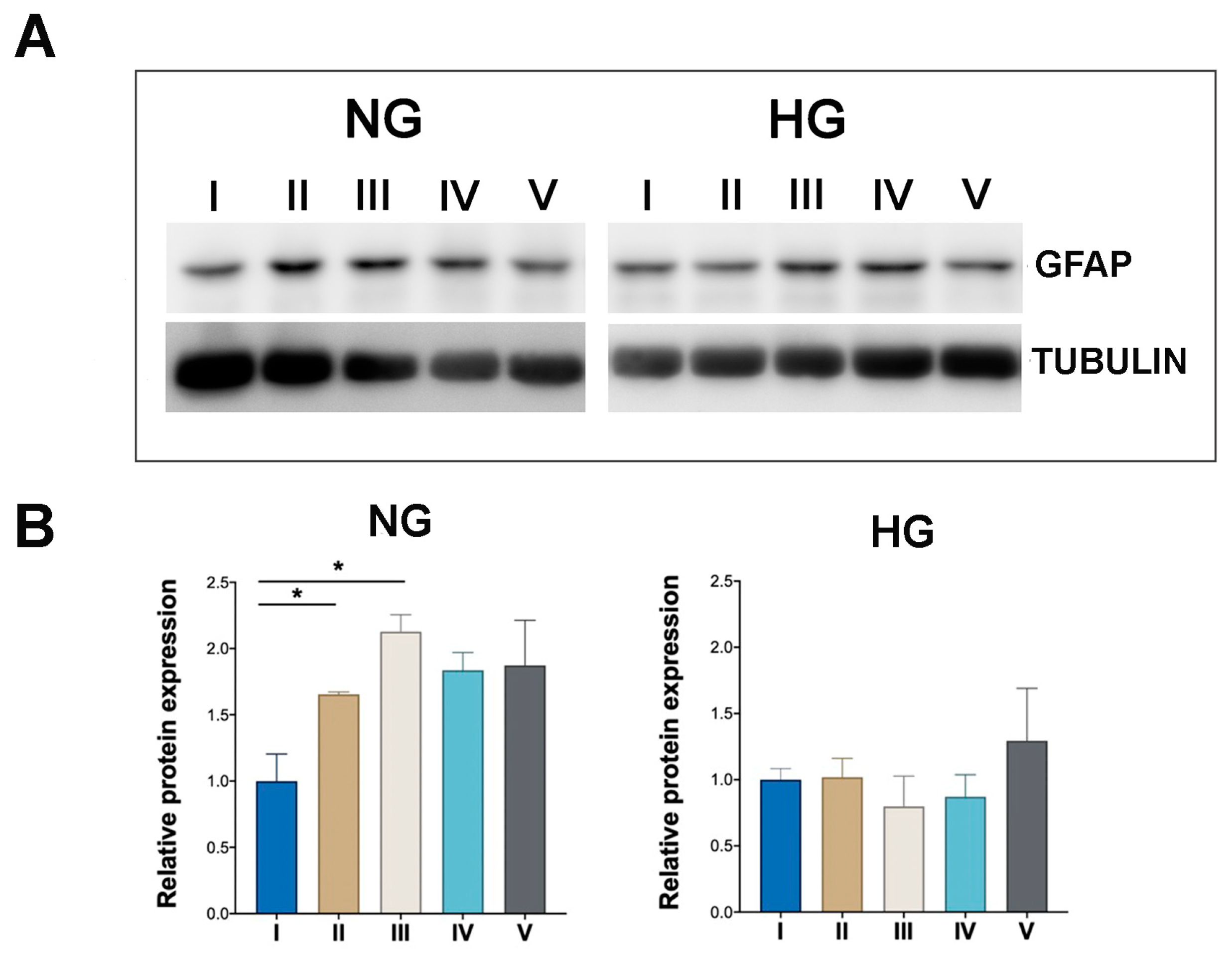
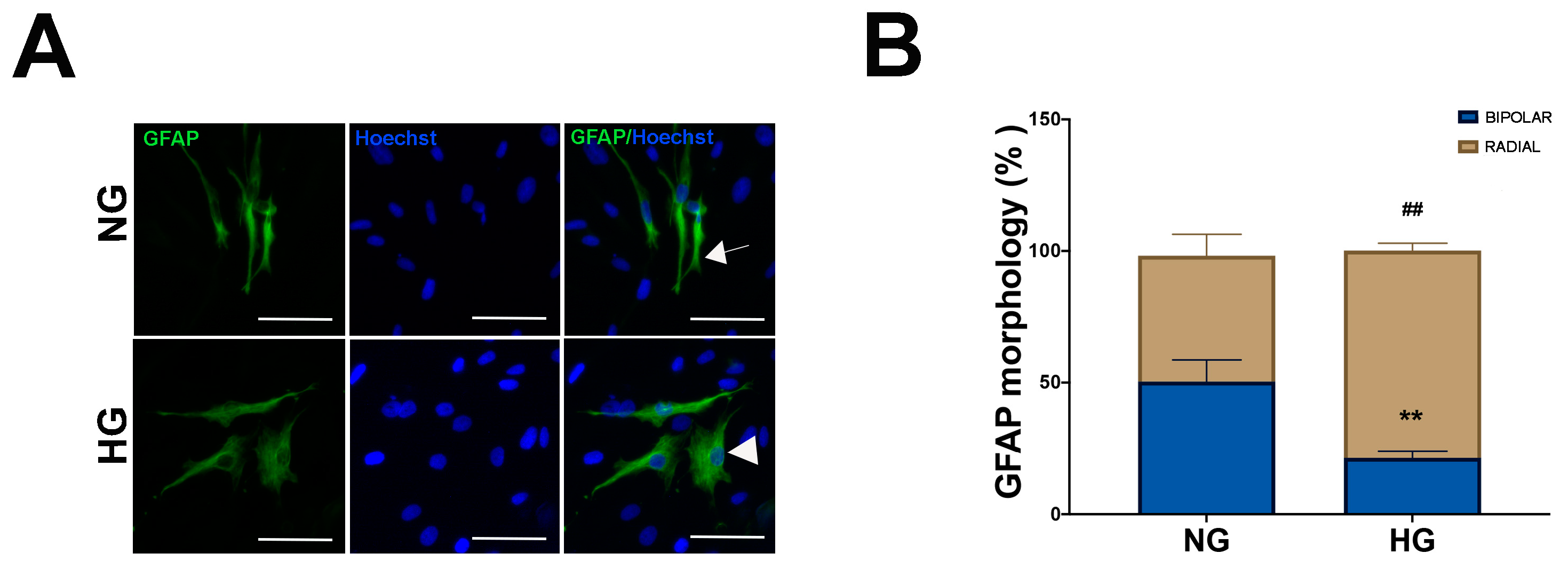
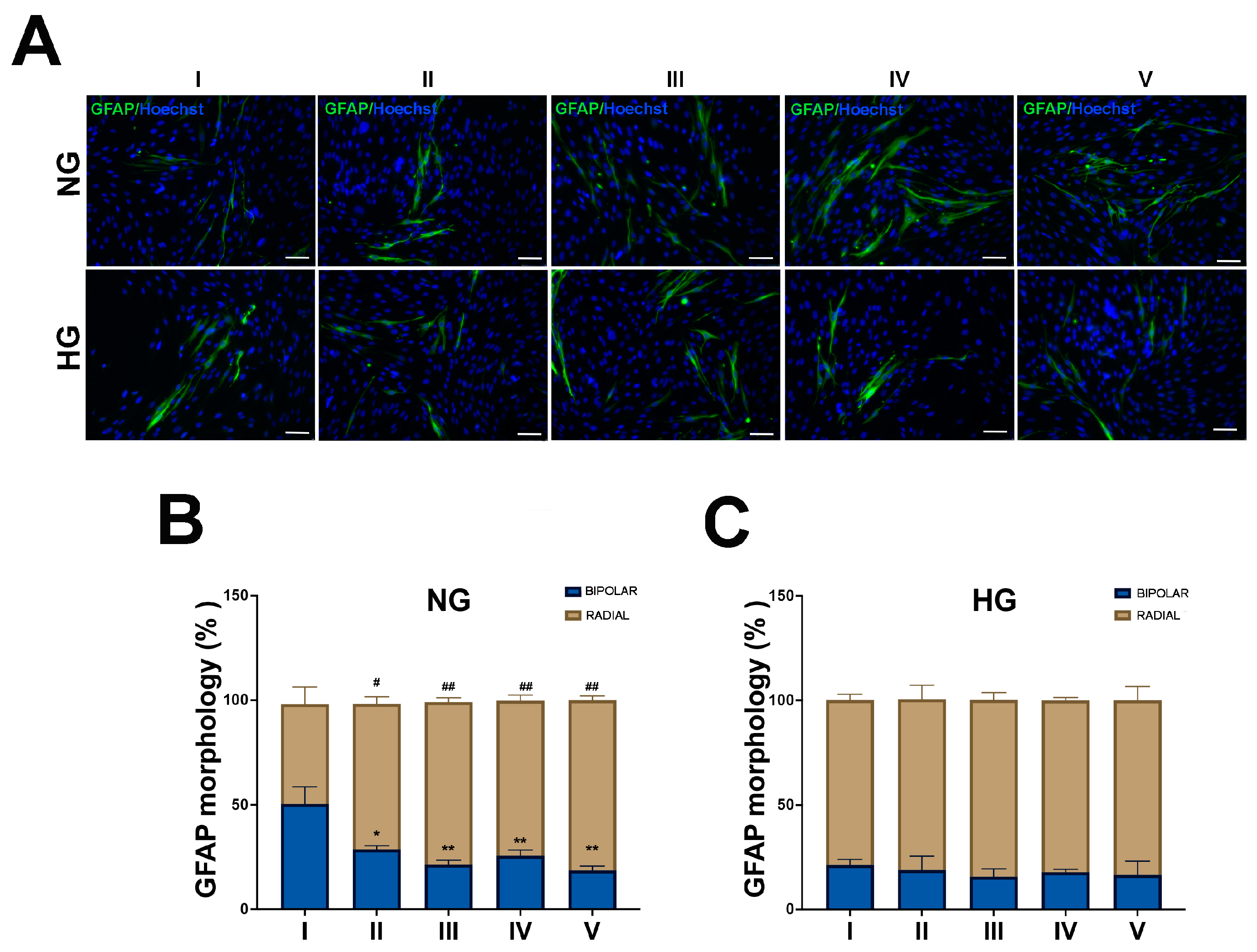
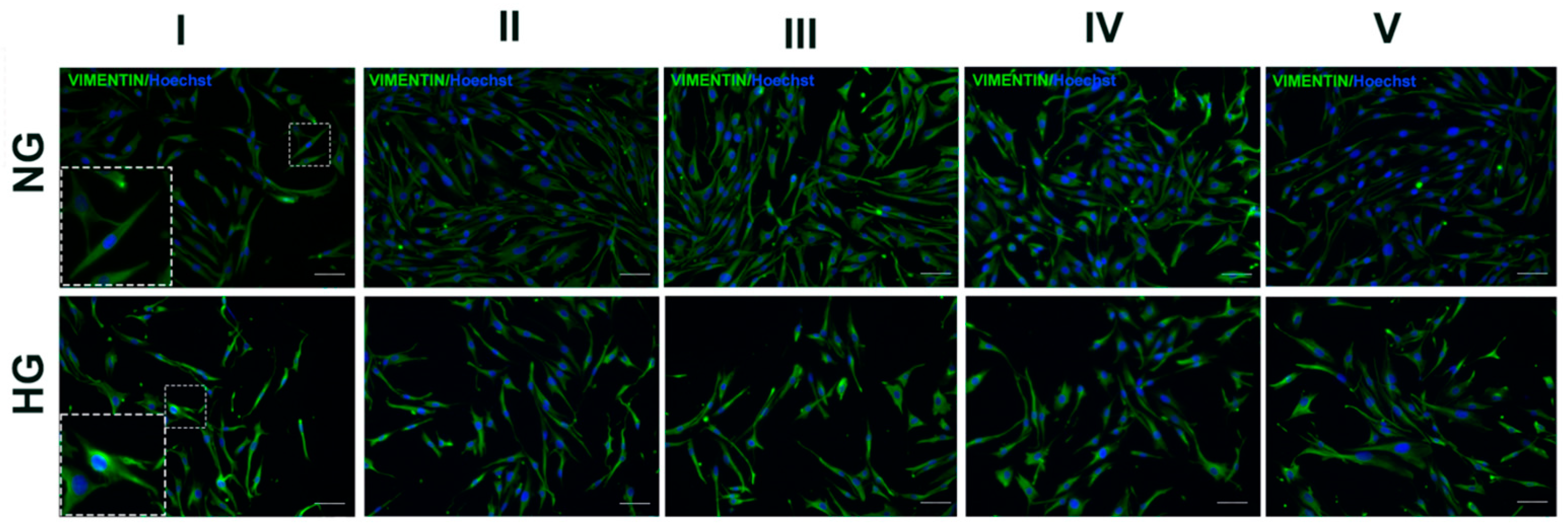
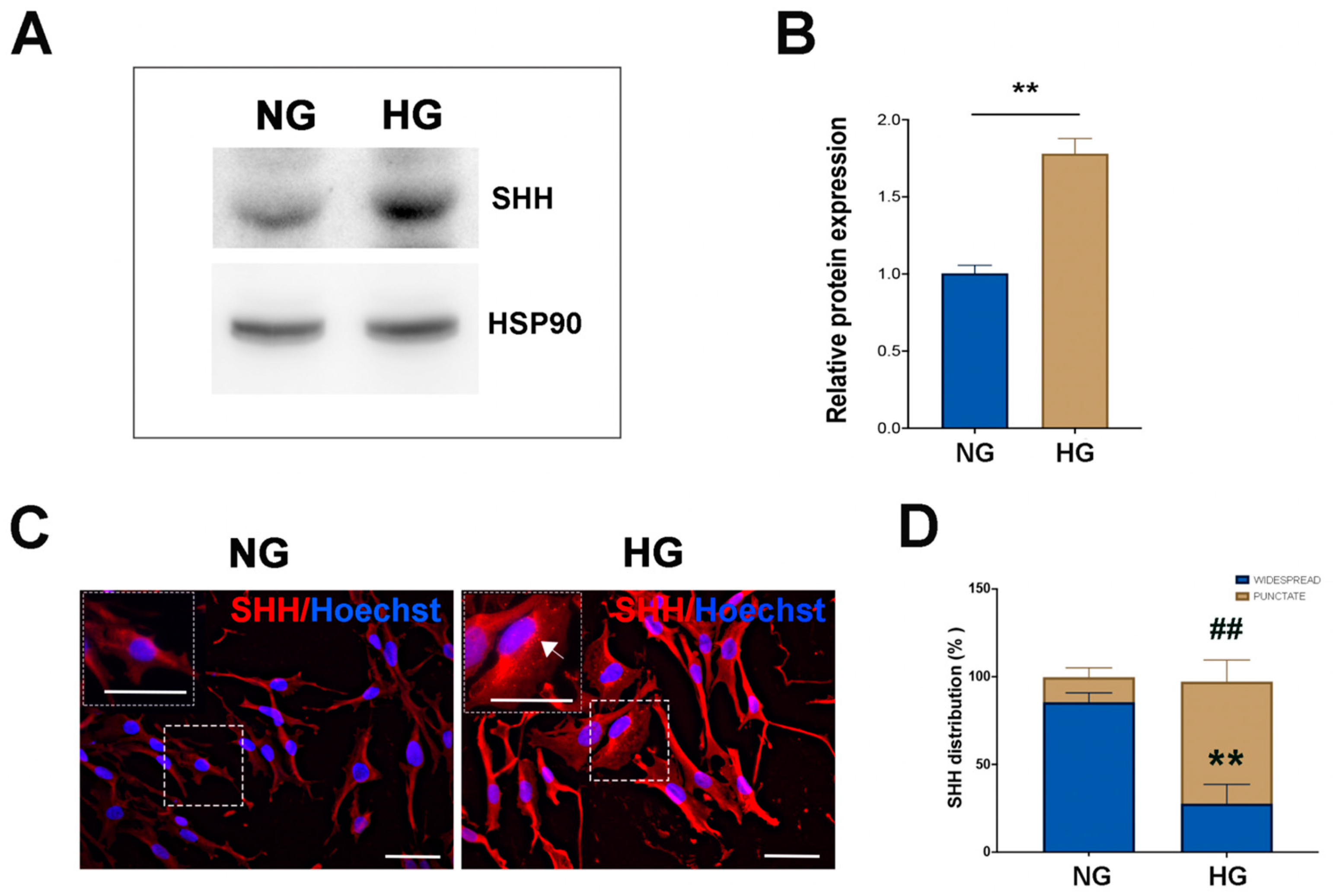
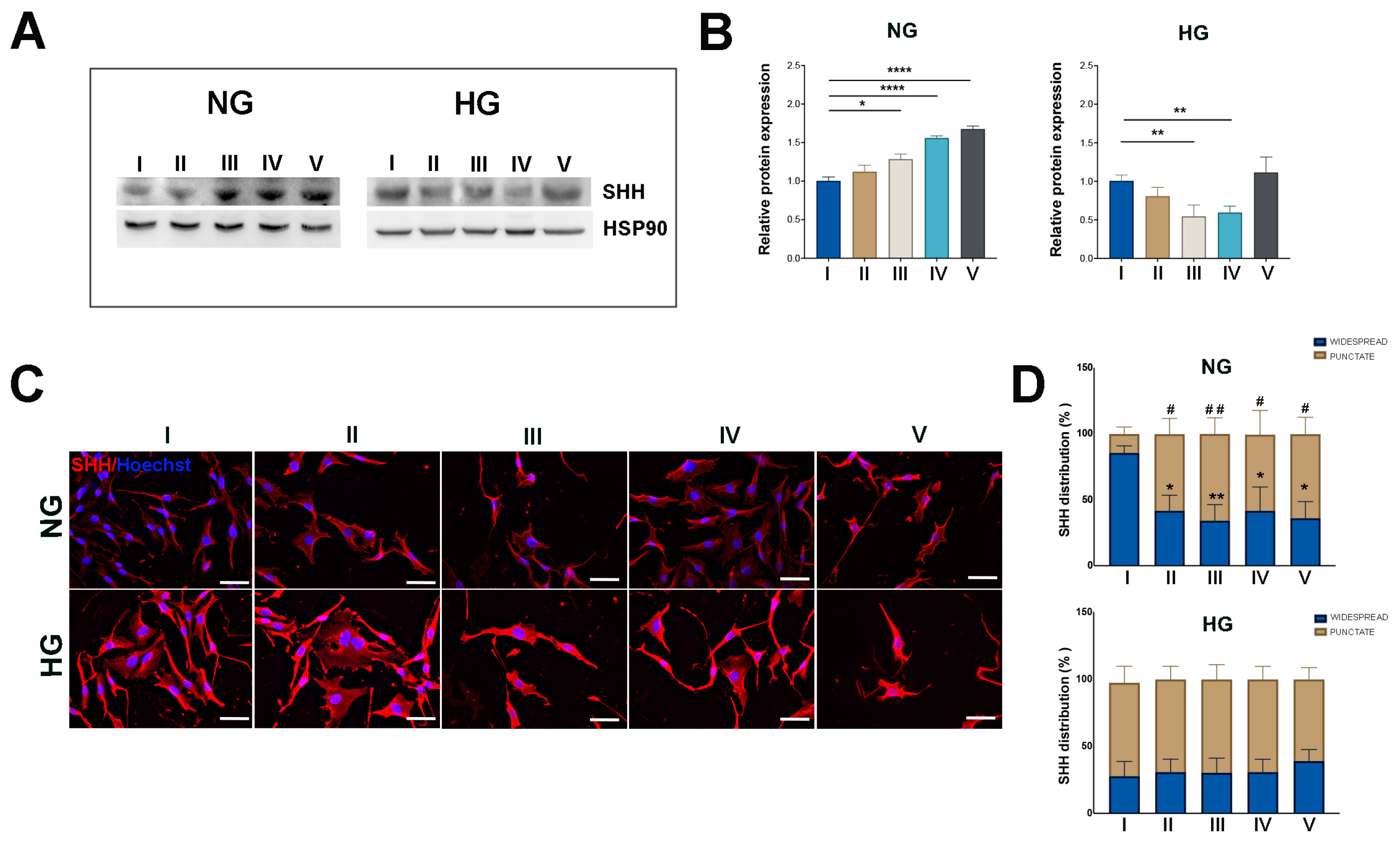
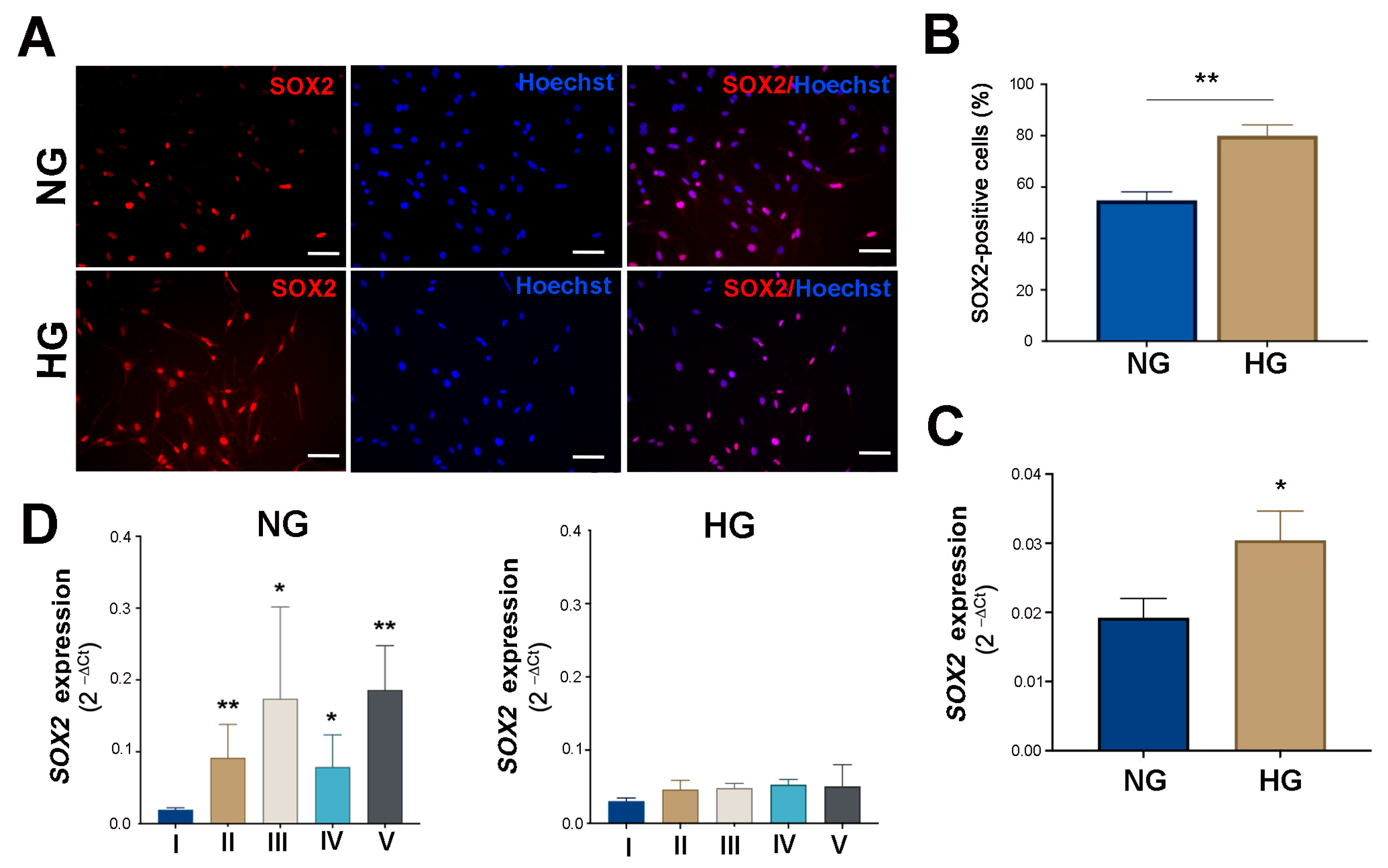
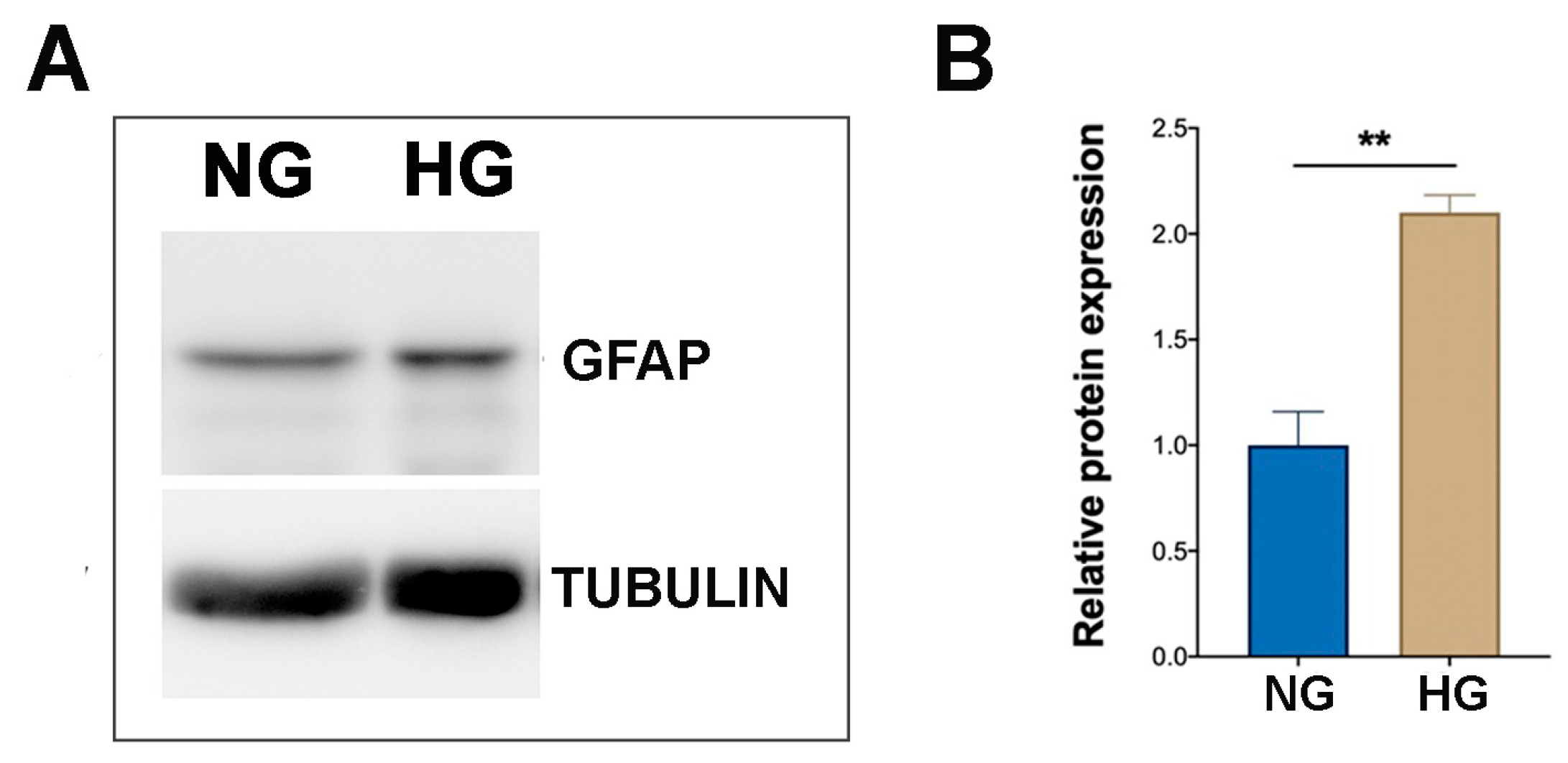
Retinal neurodegeneration (RN), an early marker of diabetic retinopathy (DR), is closely associated with Müller glia cells (MGs) in diabetic subjects. MGs play a pivotal role in maintaining retinal homeostasis, integrity, and metabolic support and respond to diabetic stress. In lower vertebrates, MGs have a strong regenerative response and can completely repair the retina after injuries. However, this ability diminishes as organisms become more complex. The aim of this study was to investigate the gliotic response and reprogramming potential of the human Müller cell line MIO-M1 cultured in normoglycemic (5 mM glucose, NG) and hyperglycemic (25 mM glucose, HG) conditions and then exposed to sustained high-glucose and glucose fluctuation (GF) treatments to mimic the human diabetic conditions. The results showed that NG MIO-M1 cells exhibited a dynamic activation to sustained high-glucose and GF treatments by increasing GFAP and Vimentin expression together, indicative of gliotic response. Increased expression of SHH and SOX2 were also observed, foreshadowing reprogramming potential. Conversely, HG MIO-M1 cells showed increased levels of the indexes reported above and adaptation/desensitization to sustained high-glucose and GF treatments. These findings indicate that MIO-M1 cells exhibit a differential response under various glucose treatments, which is dependent on the metabolic environment. The in vitro model used in this study, based on a well-established cell line, enables the exploration of how these responses occur in a controlled, reproducible system and the identification of strategies to promote neurogenesis over neurodegeneration. These findings contribute to the understanding of MGs responses under diabetic conditions, which may have implications for future therapeutic approaches to diabetes-associated retinal neurodegeneration.
Keywords: diabetic retinopathy; retinal neurodegeneration; Müller cells; glucose fluctuations; diabetes; progenitor cells; dedifferentiation diabetic retinopathy; retinal neurodegeneration; Müller cells; glucose fluctuations; diabetes; progenitor cells; dedifferentiation