Article

Allicin, an Emerging Treatment for Pulmonary Arterial Hypertension: An Experimental Study

by
José L. Sánchez-Gloria
1,
Constanza E. Martínez-Olivares
2,
Leonardo Del Valle-Mondragón
3,
Fernando Cortés-Camacho
4,
Oscar R. Zambrano-Vásquez
4,
Rogelio Hernández-Pando
2,
Fausto Sánchez-Muñoz
5,
Laura G. Sánchez-Lozada
4 and
Horacio Osorio-Alonso
4,*
1
Department of Internal Medicine, Division of Nephrology, Rush University Medical Center, Chicago, IL 60612, USA
2
Experimental Pathology Department, Experimental Pathology Laboratory, Instituto Nacional de Ciencia Médicas y Nutrición “Salvador Zubirán”, Mexico City 14080, Mexico
3
Departamento de Farmacología “Dr. Rafael Méndez Martínez”, Instituto Nacional de Cardiología Ignacio Chávez, Mexico City 14080, Mexico
4
Departamento de Fisiopatología Cardio-Renal, Instituto Nacional de Cardiología Ignacio Chávez, Mexico City 14080, Mexico
5
Departamento de Inmunología, Instituto Nacional de Cardiología Ignacio Chávez, Mexico City 14080, Mexico
*
Author to whom correspondence should be addressed.
Int. J. Mol. Sci. 2023, 24(16), 12959; https://doi.org/10.3390/ijms241612959
Submission received: 5 July 2023 / Revised: 14 August 2023 / Accepted: 17 August 2023 / Published: 19 August 2023

Abstract

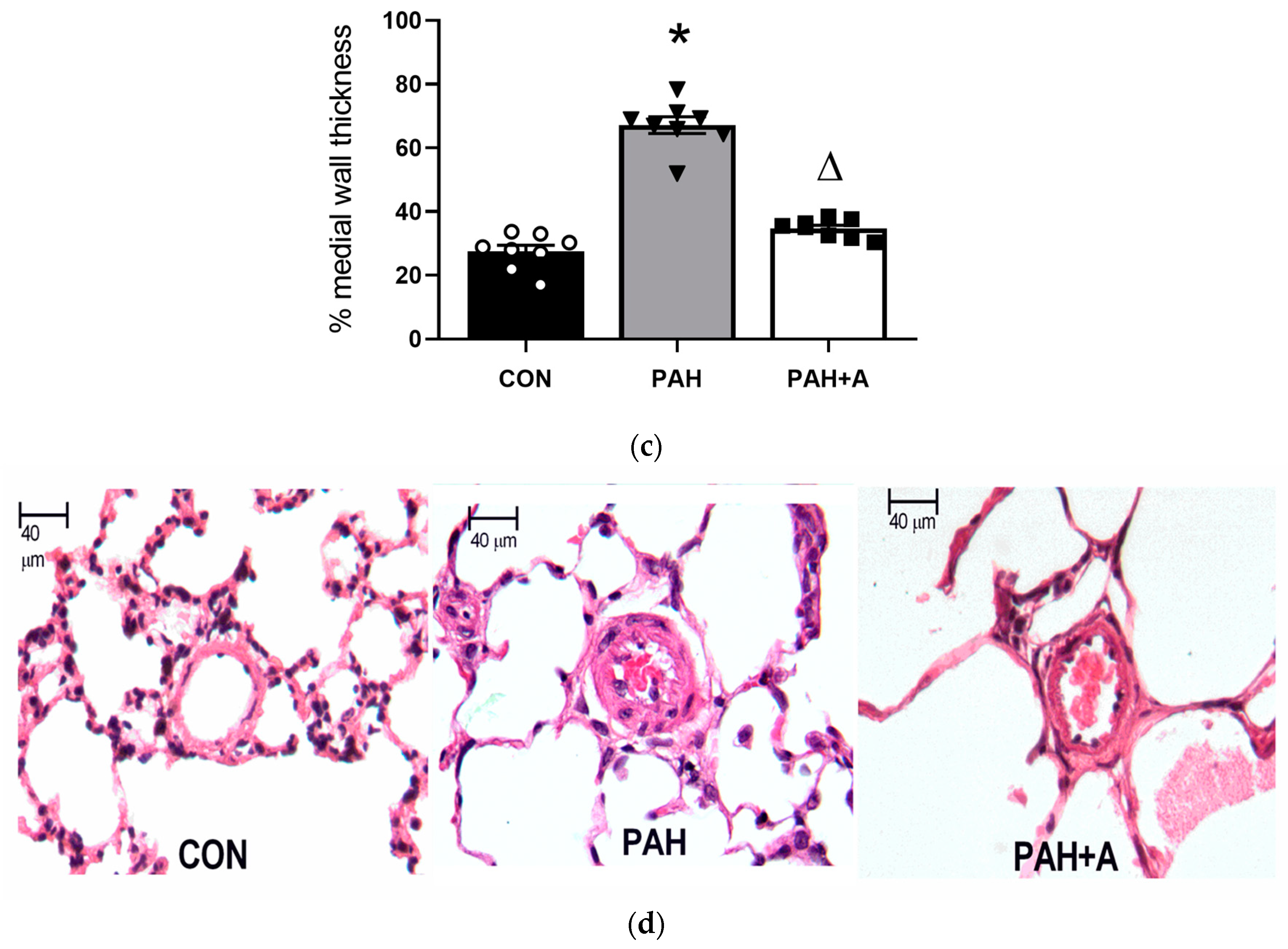
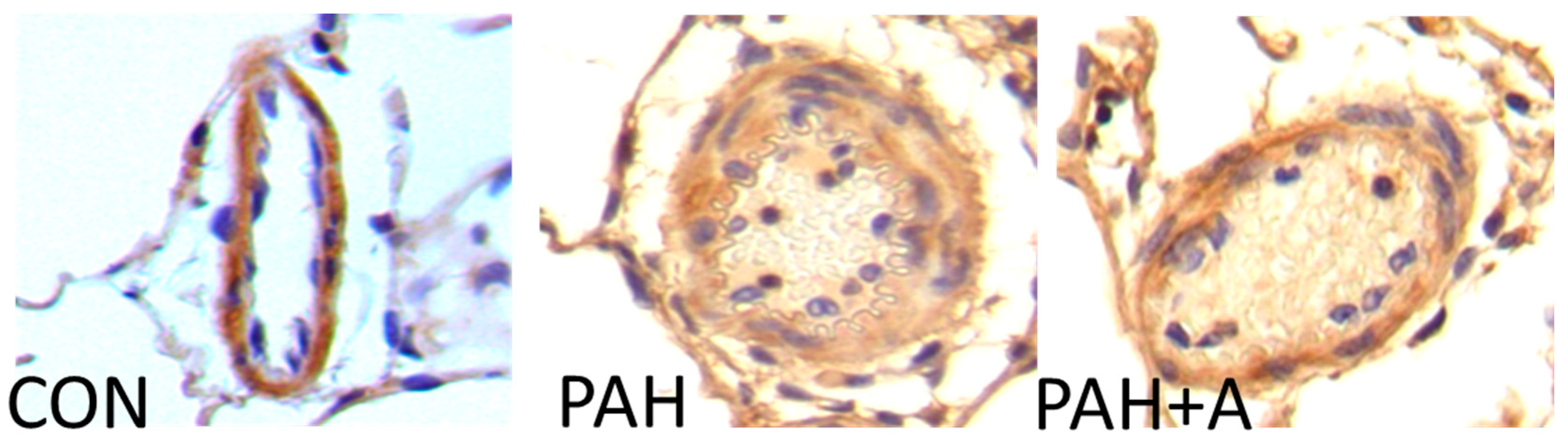
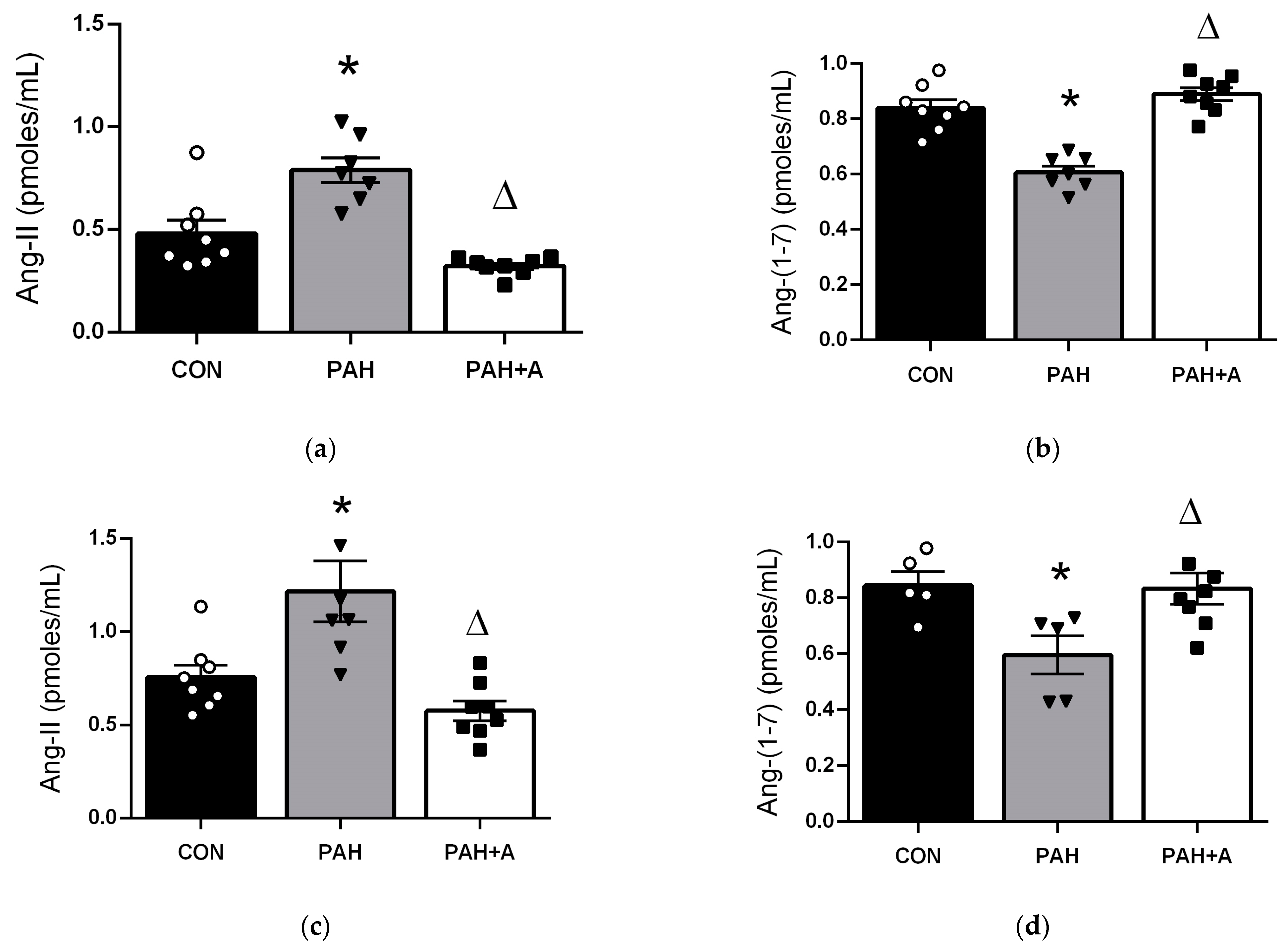
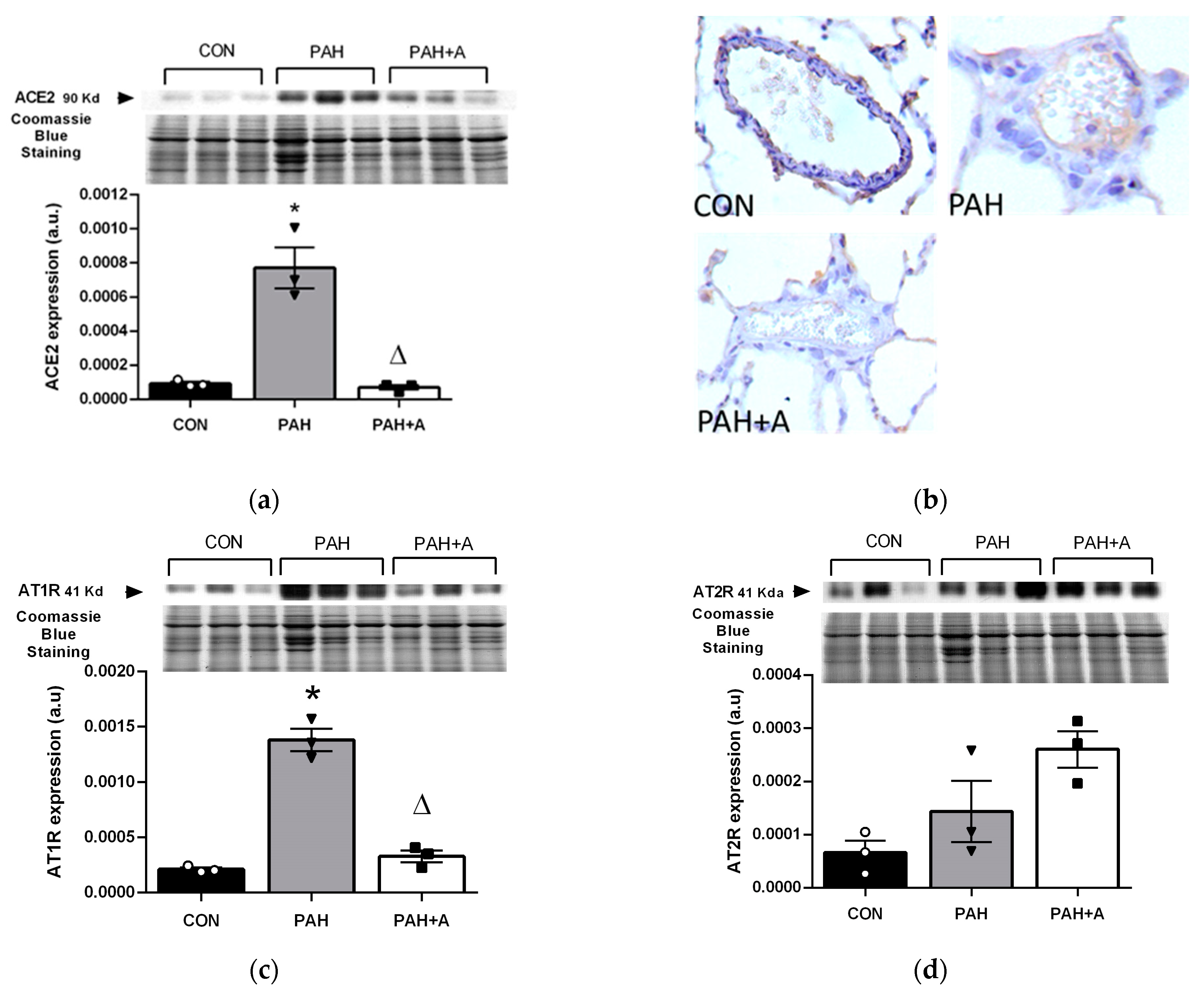
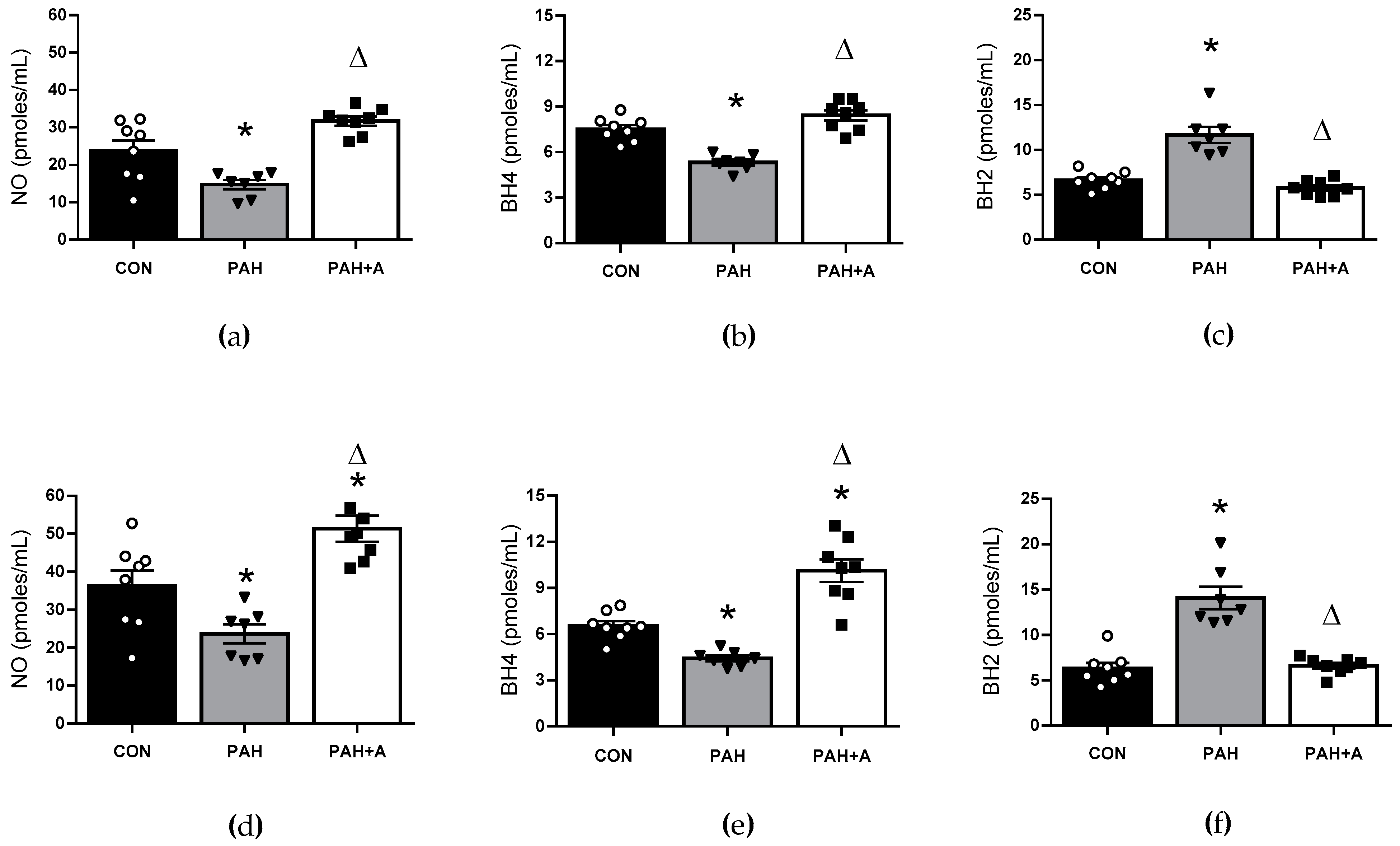
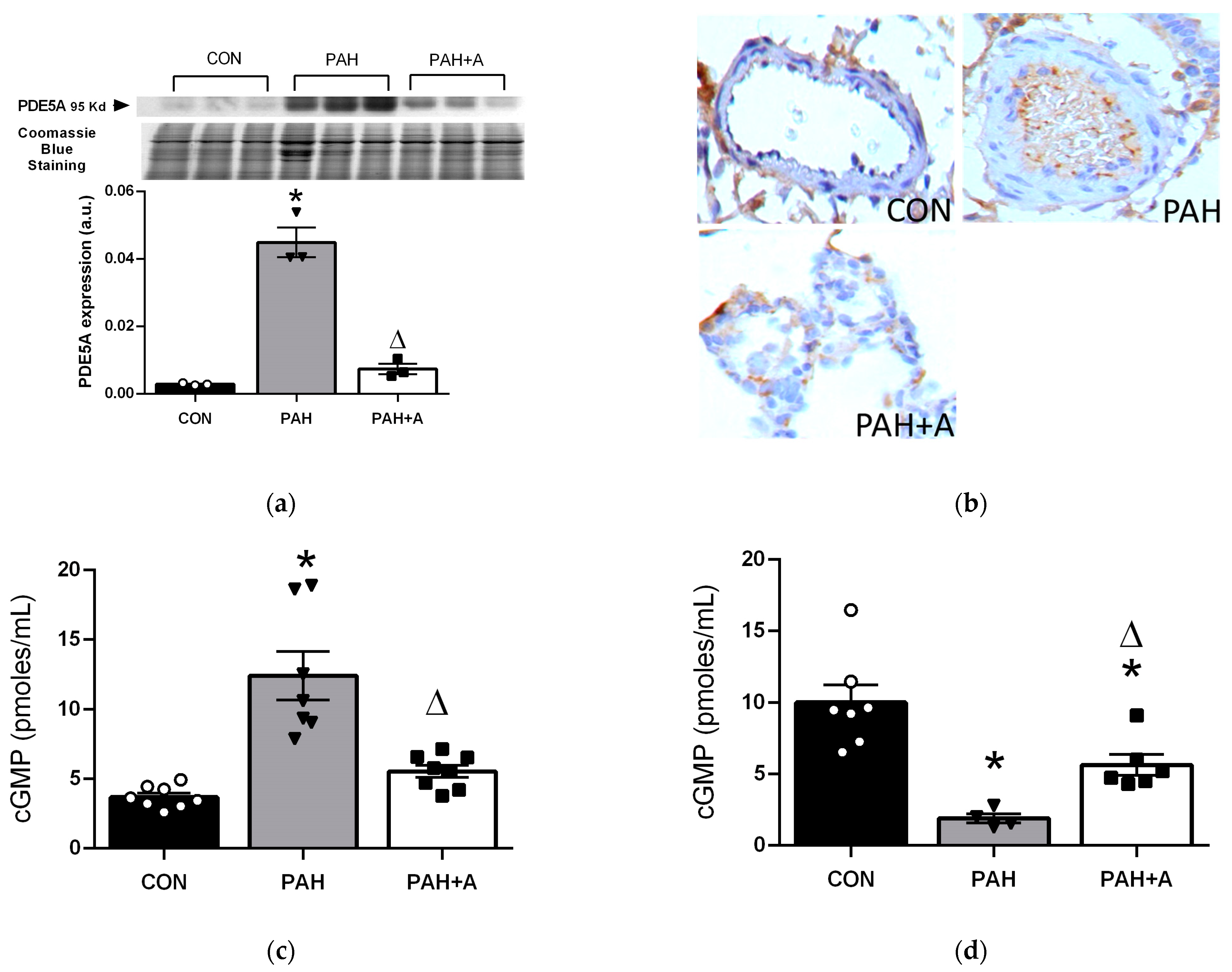
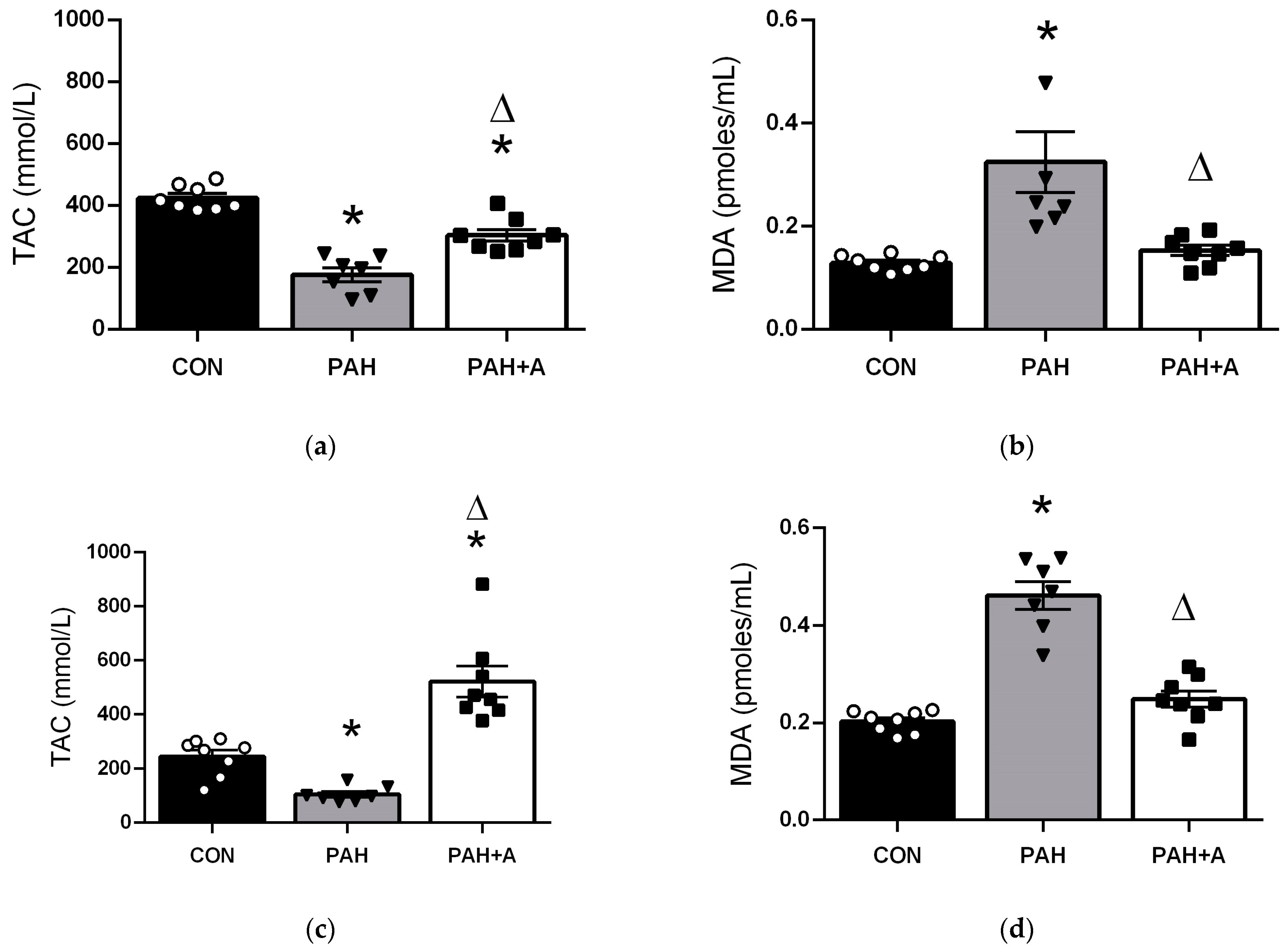
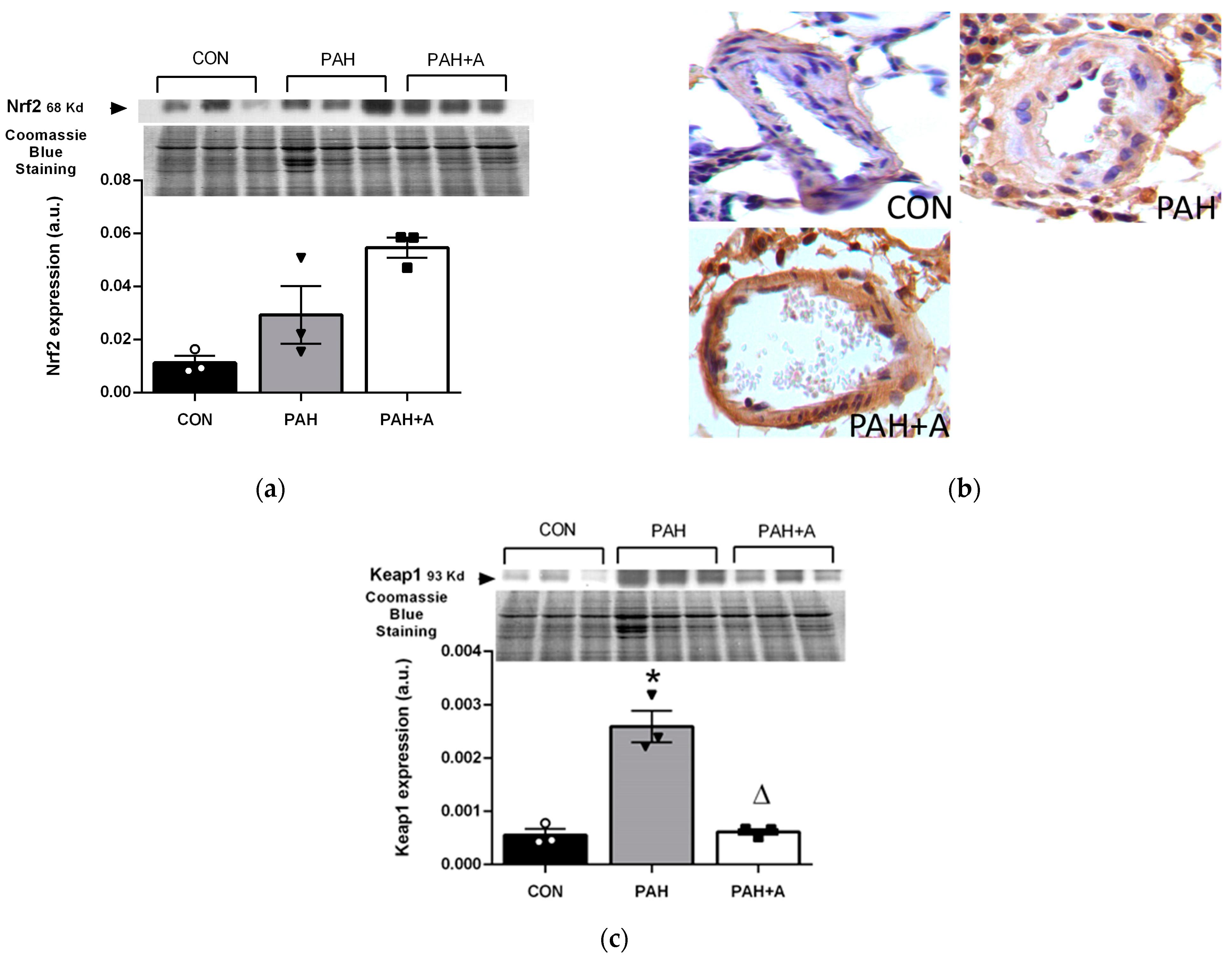
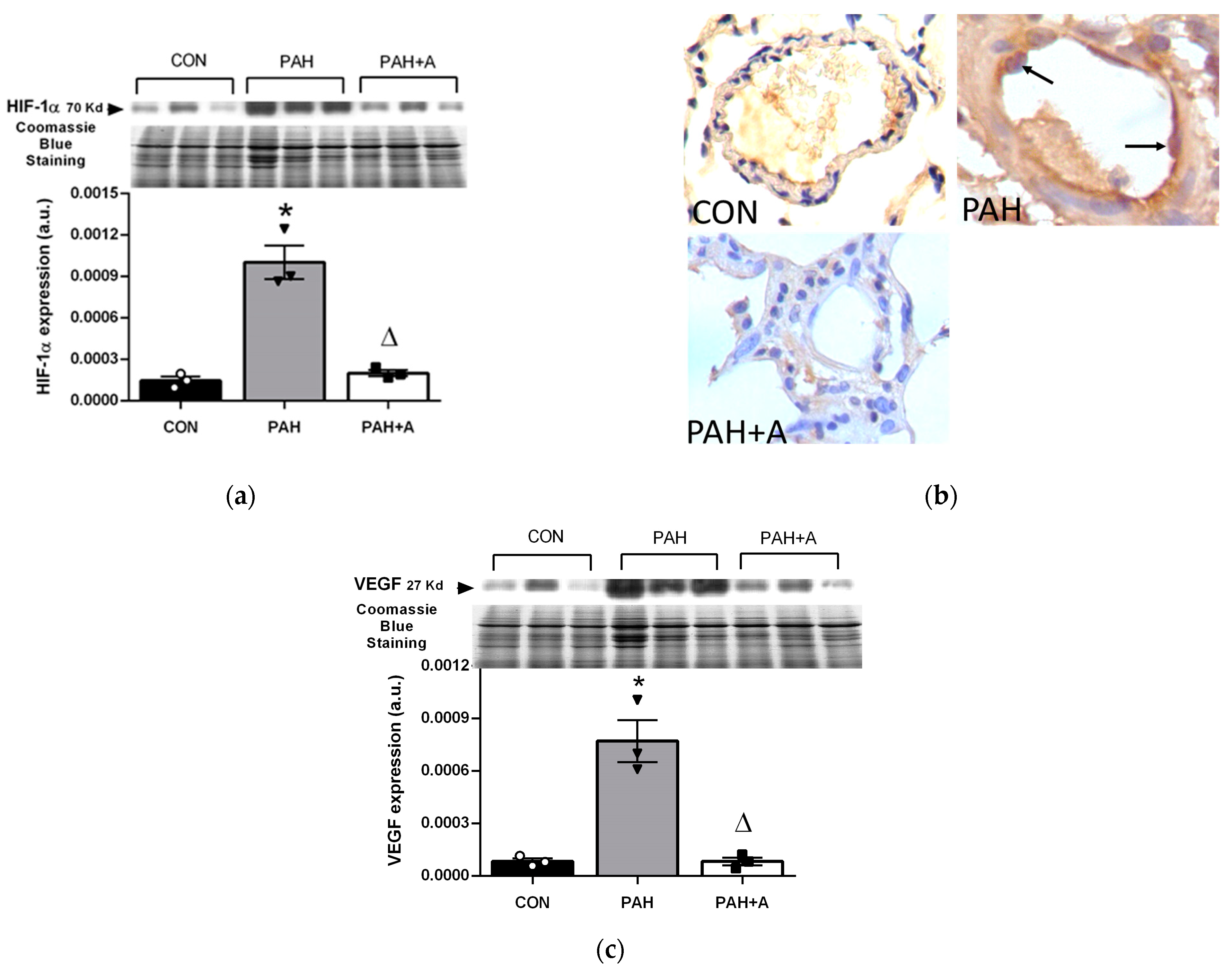
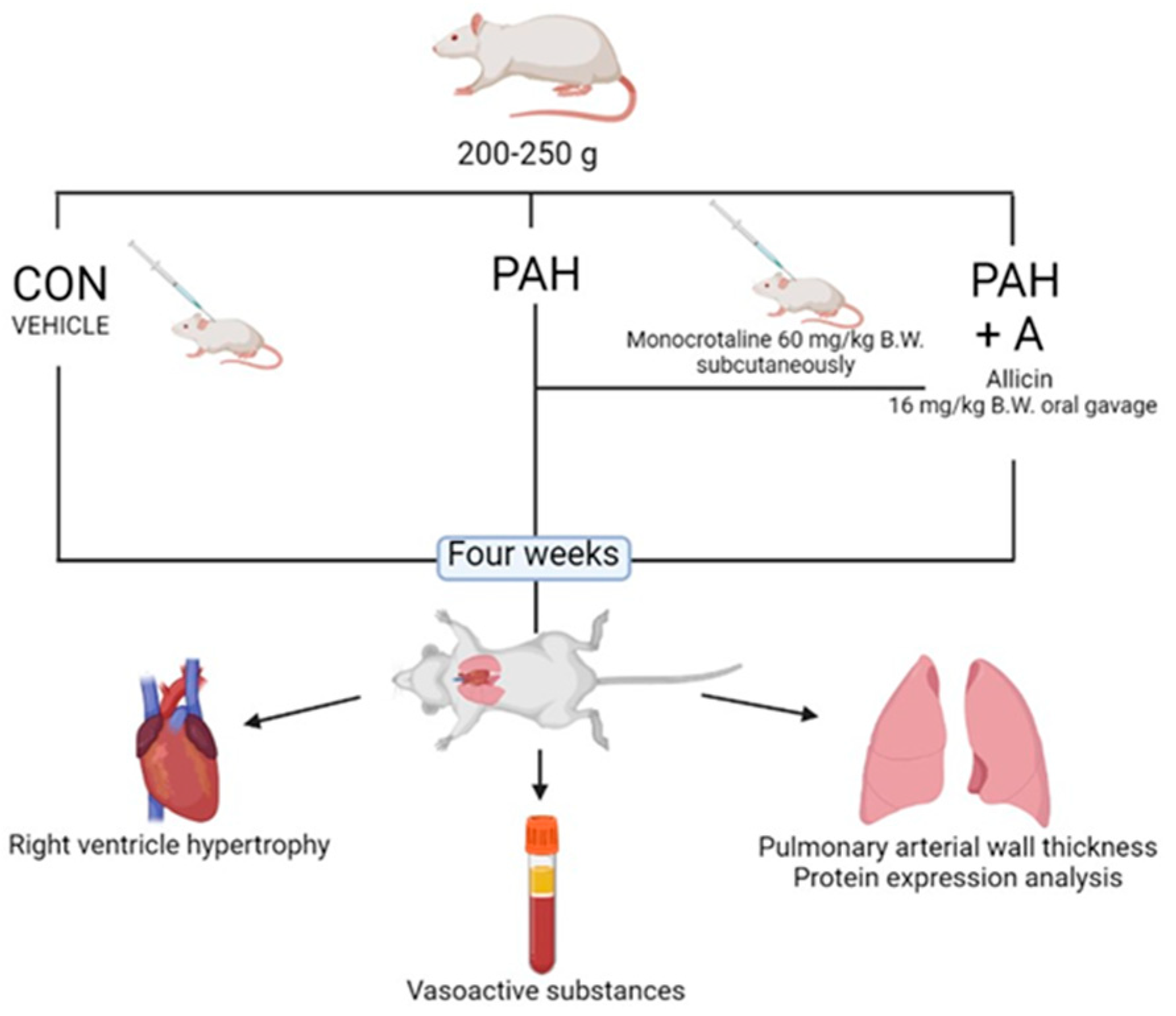
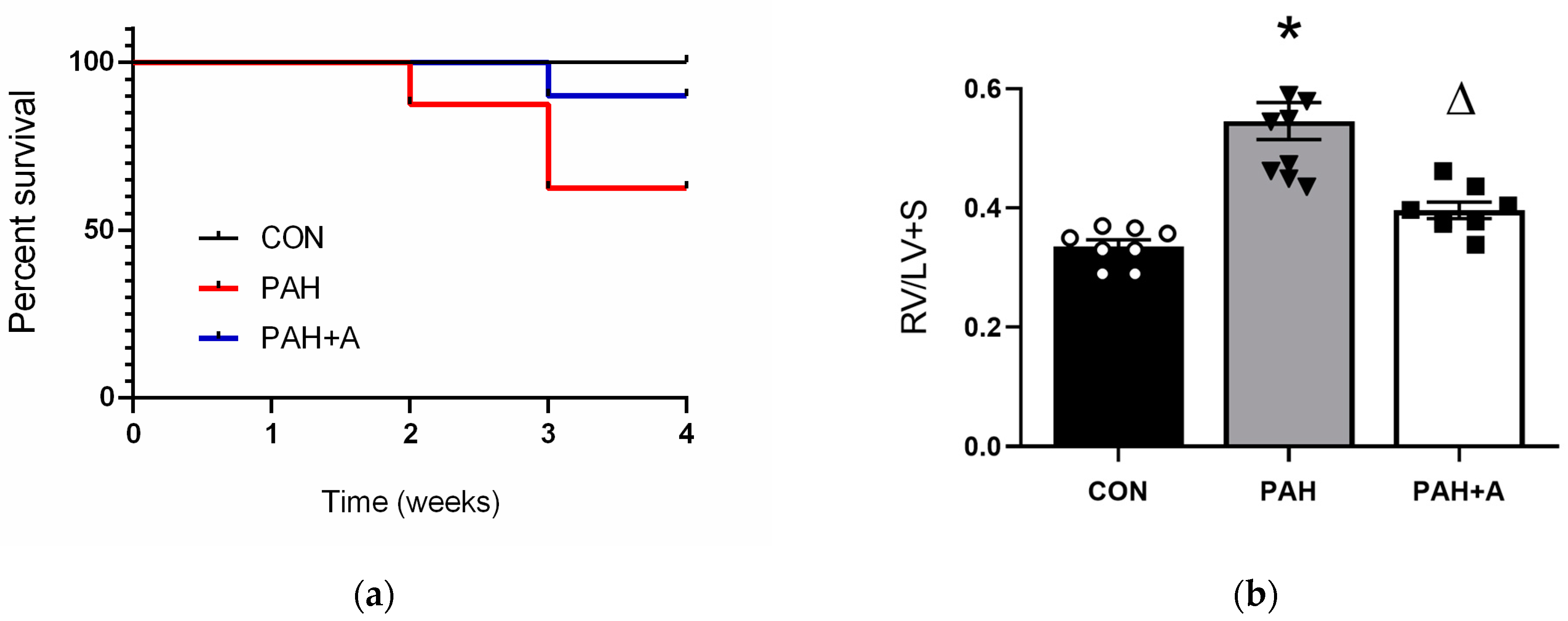
We assessed whether allicin, through its antihypertensive and antioxidant effects, relieves vascular remodeling, endothelial function, and oxidative stress (OS), thereby improving experimental pulmonary arterial hypertension (PAH). Allicin (16 mg/kg) was administered to rats with PAH (monocrotaline 60 mg/kg). Allicin encouraged body weight gain and survival rate, and medial wall thickness and the right ventricle (RV) hypertrophy were prevented. Also, angiotensin II concentrations in the lung (0.37 ± 0.01 vs. 0.47 ± 0.06 pmoles/mL, allicin and control, respectively) and plasma (0.57 ± 0.05 vs. 0.75 ± 0.064, allicin and control respectively) and the expressions of angiotensin-converting enzyme II and angiotensin II type 1 receptor in lung tissue were maintained at normal control levels with allicin. In PAH rats treated with allicin, nitric oxide (NO) (31.72 ± 1.22 and 51.4 ± 3.45 pmoles/mL), tetrahydrobiopterin (8.43 ± 0.33 and 10.14 ± 0.70 pmoles/mL), cyclic guanosine monophosphate (5.54 ± 0.42 and 5.64 ± 0.73 pmoles/mL), and Ang-(1-7) (0.88 ± 0.23 and 0.83 ± 0.056 pmoles/mL) concentrations increased in lung tissue and plasma, respectively. In contrast, dihydrobiopterin increase was prevented in both lung tissue and plasma (5.75 ± 0.3 and 5.64 ± 0.73 pmoles/mL); meanwhile, phosphodiesterase-5 was maintained at normal levels in lung tissue. OS in PAH was prevented with allicin through the increased expression of Nrf2 in the lung. Allicin prevented the lung response to hypoxia, preventing the overexpression of HIF-1α and VEGF. Allicin attenuated the vascular remodeling and RV hypertrophy in PAH through its effects on NO-dependent vasodilation, modulation of RAS, and amelioration of OS. Also, these effects could be associated with the modulation of HIF-1α and improved lung oxygenation. The global effects of allicin contribute to preventing endothelial dysfunction, remodeling of the pulmonary arteries, and RV hypertrophy, preventing heart failure, thus favoring survival. Although human studies are needed, the data suggest that, alone or in combination therapy, allicin may be an alternative in treating PAH if we consider that, similarly to current treatments, it improves lung vasodilation and increase survival. Allicin may be considered an option when there is a lack of efficacy, and where drug intolerance is observed, to enhance the efficacy of drugs, or when more than one pathogenic mechanism must be addressed.
Keywords: allicin; pulmonary arterial hypertension; endothelial function; renin–angiotensin system; oxidative stress; hypoxia allicin; pulmonary arterial hypertension; endothelial function; renin–angiotensin system; oxidative stress; hypoxia