Article

Targeting MYC Regulation with Polypurine Reverse Hoogsteen Oligonucleotides

by
Simonas Valiuska
1,
Alexandra Maria Psaras
2,
Véronique Noé
1,
Tracy A. Brooks
2,* and
Carlos J. Ciudad
1,*
1
Department of Biochemistry and Physiology, School of Pharmacy and Food Sciences, University of Barcelona, 08028 Barcelona, Spain
2
Department of Pharmaceutical Sciences, School of Pharmacy and Pharmaceutical Sciences, Binghamton University, Binghamton, NY 13902, USA
*
Authors to whom correspondence should be addressed.
Int. J. Mol. Sci. 2023, 24(1), 378; https://doi.org/10.3390/ijms24010378
Submission received: 1 November 2022 / Revised: 7 December 2022 / Accepted: 20 December 2022 / Published: 26 December 2022

Abstract

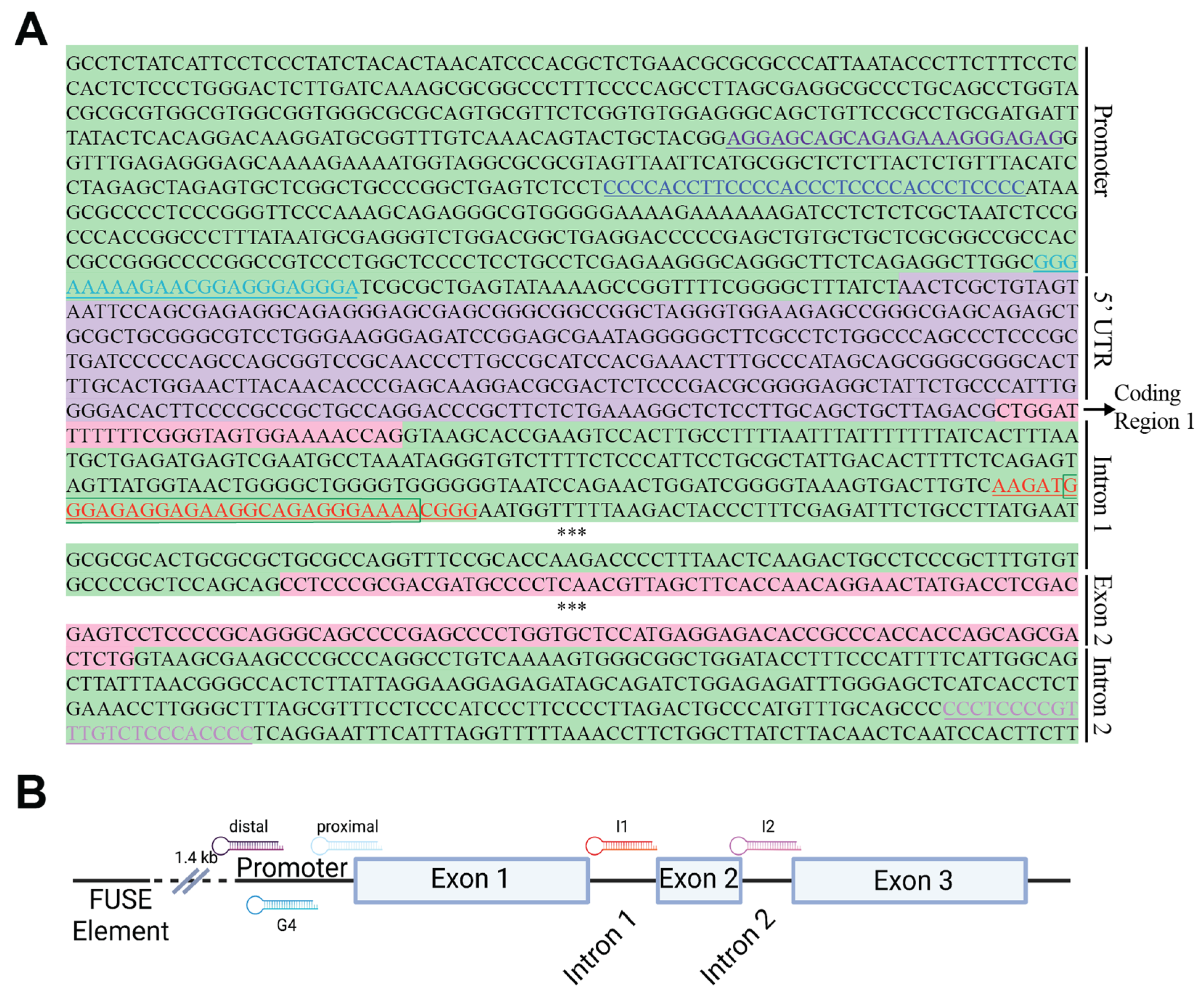
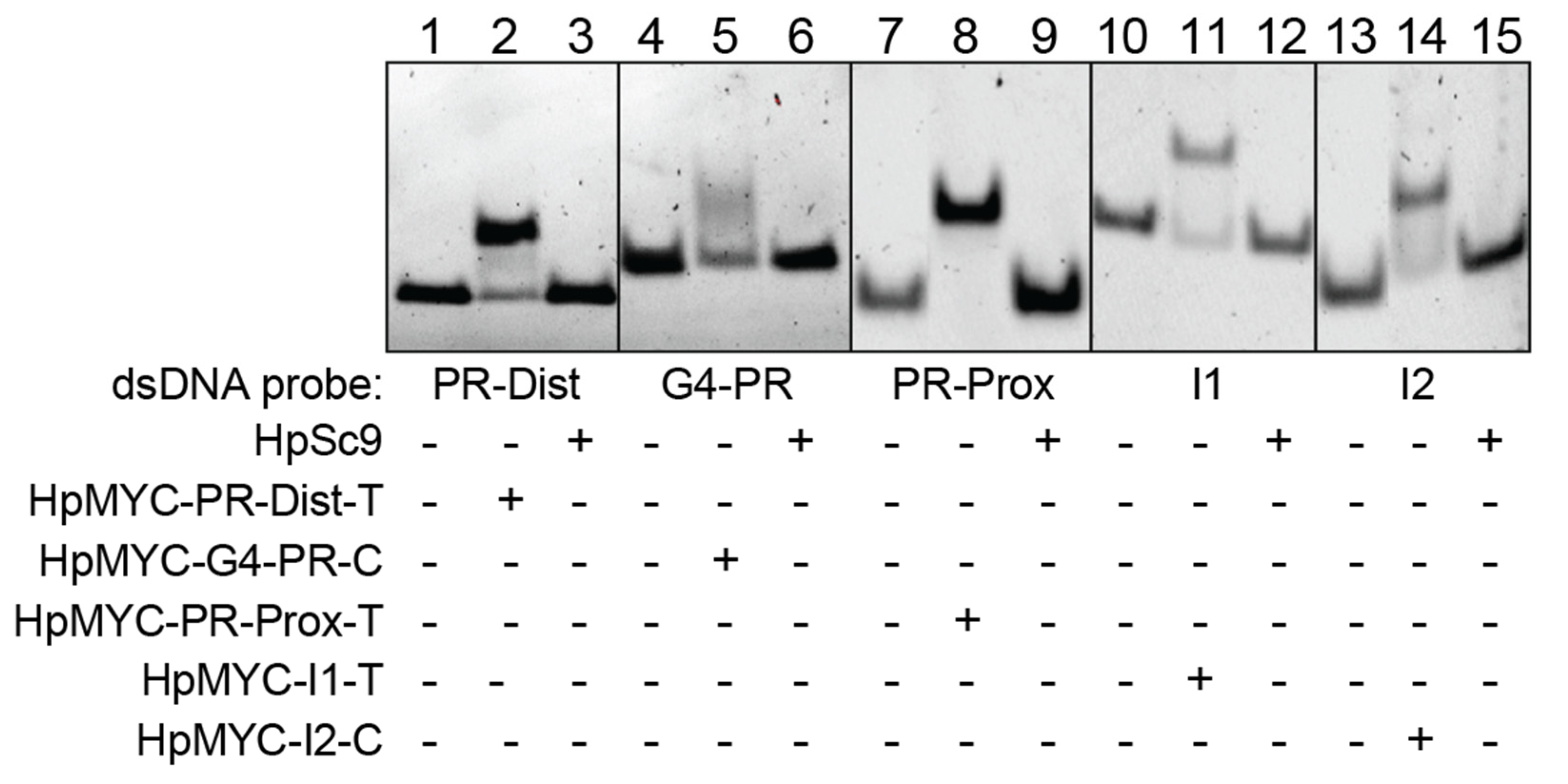
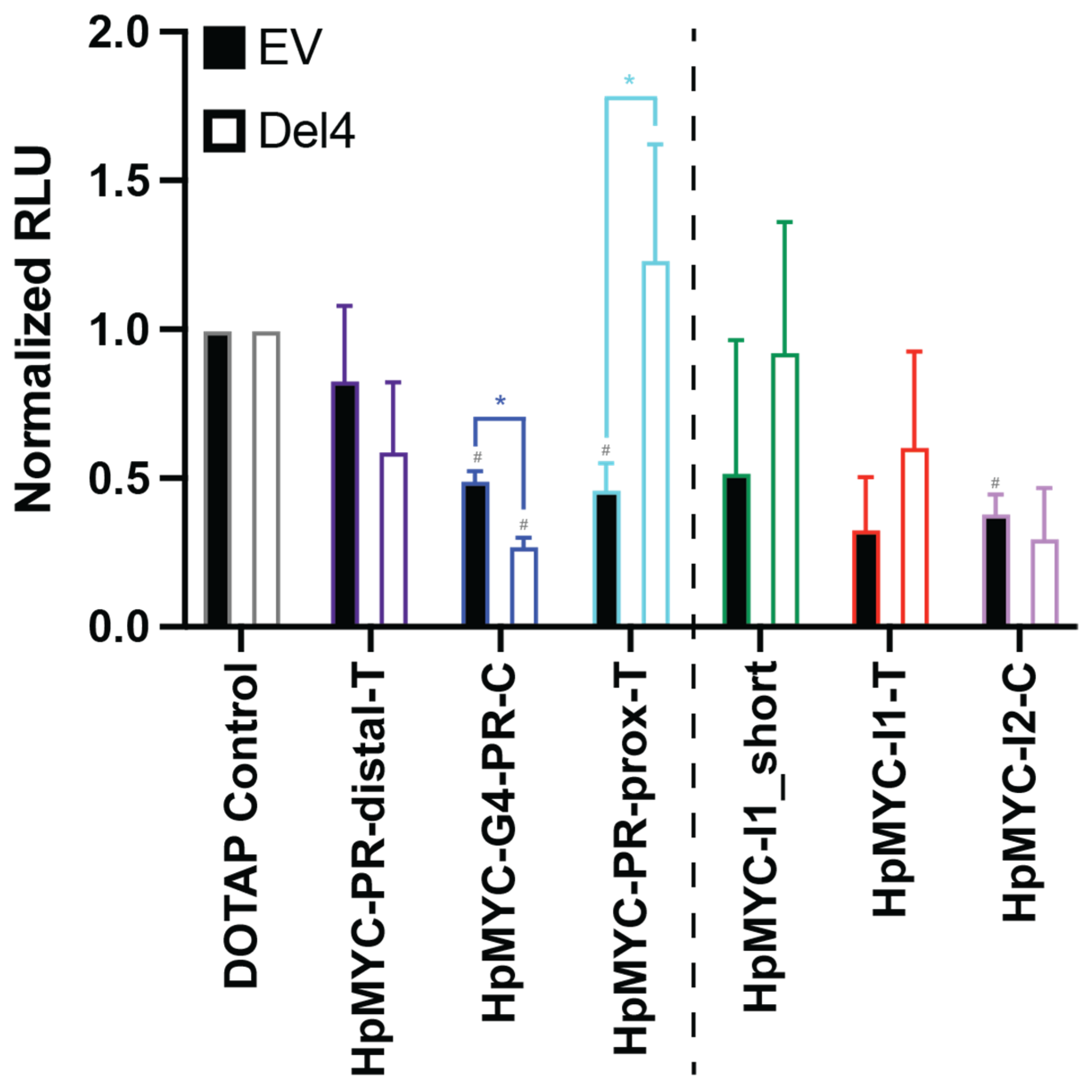
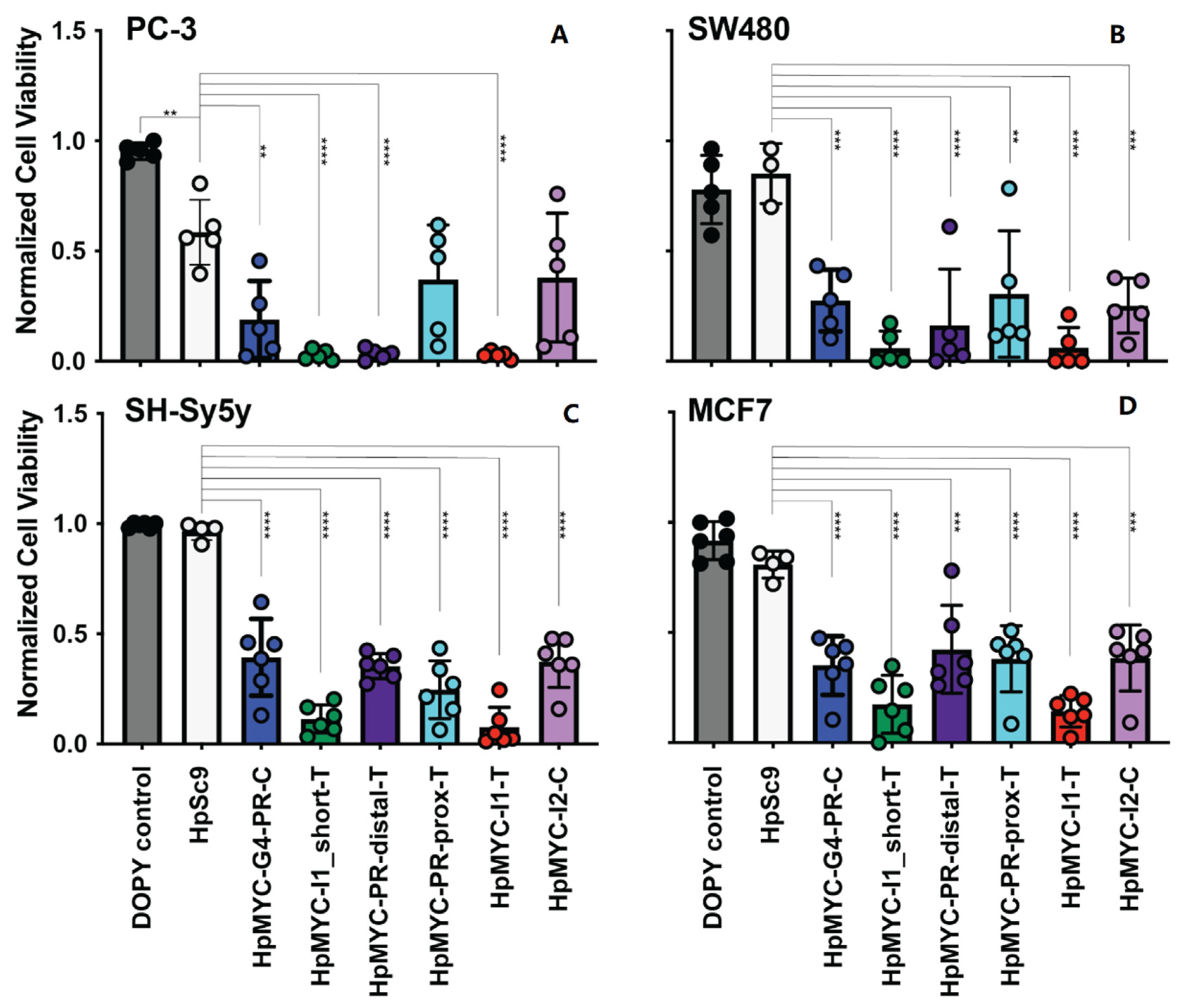
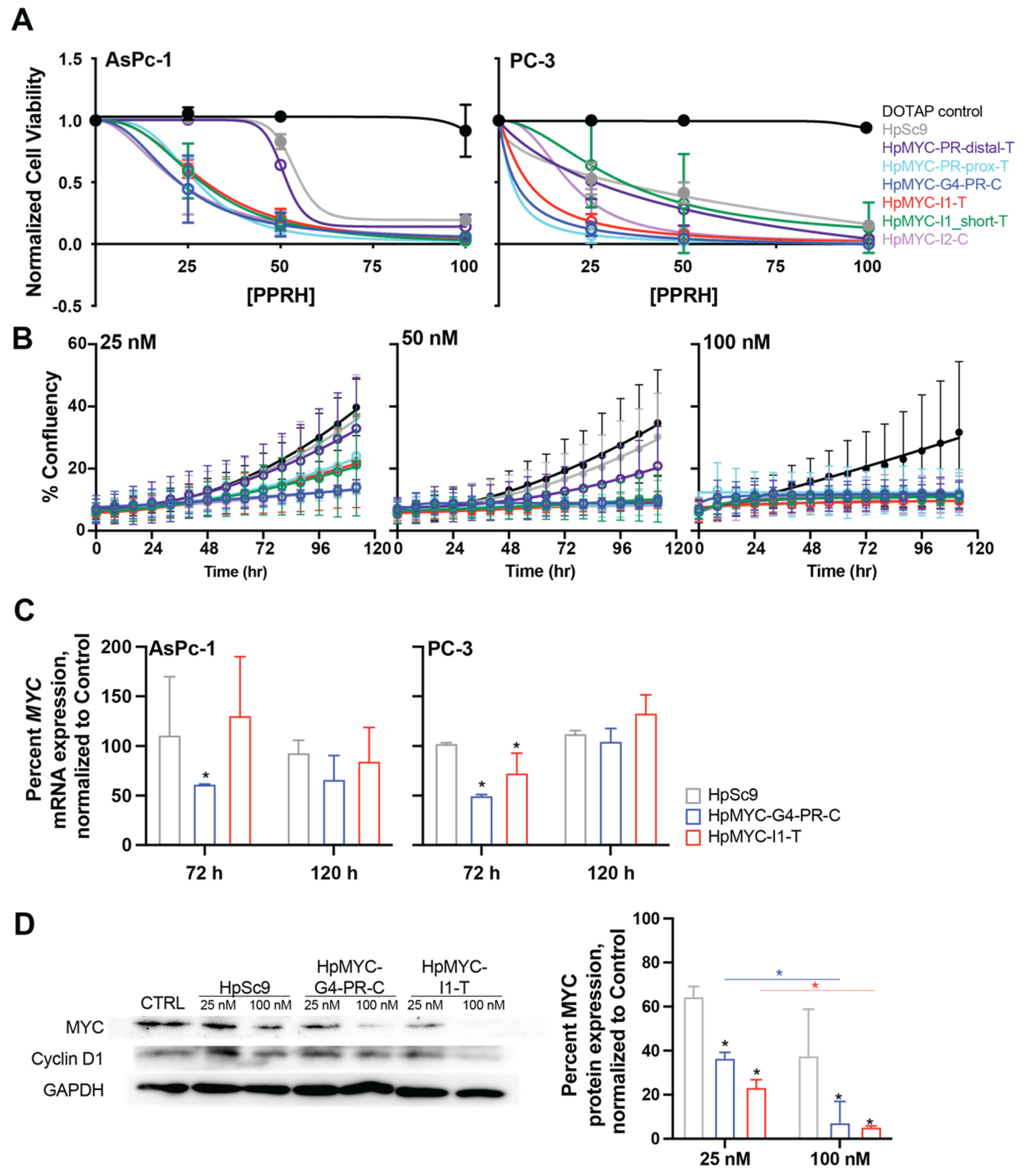
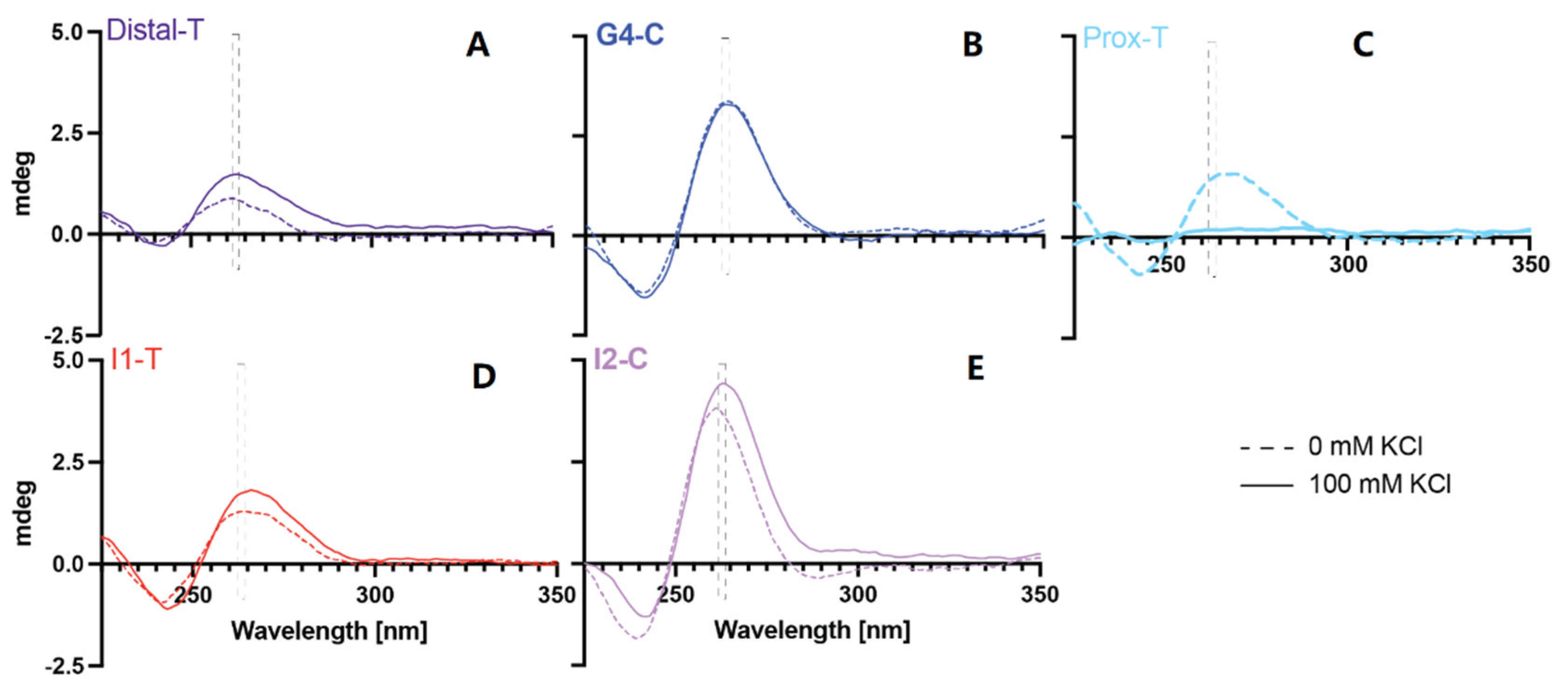
The oncogene MYC has key roles in transcription, proliferation, deregulating cellular energetics, and more. Modulating the expression or function of the MYC protein is a viable therapeutic goal in an array of cancer types, and potential inhibitors of MYC with high specificity and selectivity are of great interest. In cancer cells addicted to their aberrant MYC function, suppression can lead to apoptosis, with minimal effects on non-addicted, non-oncogenic cells, providing a wide therapeutic window for specific and efficacious anti-tumor treatment. Within the promoter of MYC lies a GC-rich, G-quadruplex (G4)-forming region, wherein G4 formation is capable of mediating transcriptional downregulation of MYC. Such GC-rich regions of DNA are prime targets for regulation with Polypurine Reverse Hoogsteen hairpins (PPRHs). The current study designed and examined PPRHs targeting the G4-forming and four other GC-rich regions of DNA within the promoter or intronic regions. Six total PPRHs were designed, examined in cell-free conditions for target engagement and in cells for transcriptional modulation, and correlating cytotoxic activity in pancreatic, prostate, neuroblastoma, colorectal, ovarian, and breast cancer cells. Two lead PPRHs, one targeting the promoter G4 and one targeting Intron 1, were identified with high potential for further development as an innovative approach to both G4 stabilization and MYC modulation.
Keywords: MYC; PPRH; G-quadruplex; pancreatic cancer; prostate cancer; neuroblastoma; breast cancer; colon cancer MYC; PPRH; G-quadruplex; pancreatic cancer; prostate cancer; neuroblastoma; breast cancer; colon cancer