Review

Tetraspanins: Host Factors in Viral Infections
1
Infectious Disease Translational Research Program, National University of Singapore, Singapore 119228, Singapore
2
Department of Physiology, Yong Loo Lin School of Medicine, National University of Singapore, Singapore 117593, Singapore
3
Department of Microbiology and Immunology, Yong Loo Lin School of Medicine, National University of Singapore, Singapore 117545, Singapore
4
Department of Otolaryngology, Yong Loo Lin School of Medicine, National University of Singapore, Singapore 119228, Singapore
5
Biosafety Level 3 Core Facility, Yong Loo Lin School of Medicine, National University Health System, National University of Singapore, Singapore 119228, Singapore
*
Authors to whom correspondence should be addressed.
Equal contribution.
Int. J. Mol. Sci. 2021, 22(21), 11609; https://doi.org/10.3390/ijms222111609
Submission received: 7 September 2021 / Revised: 22 October 2021 / Accepted: 23 October 2021 / Published: 27 October 2021
(This article belongs to the Special Issue Role of Signaling Pathways in the Viral Life Cycle 2.0)

Abstract

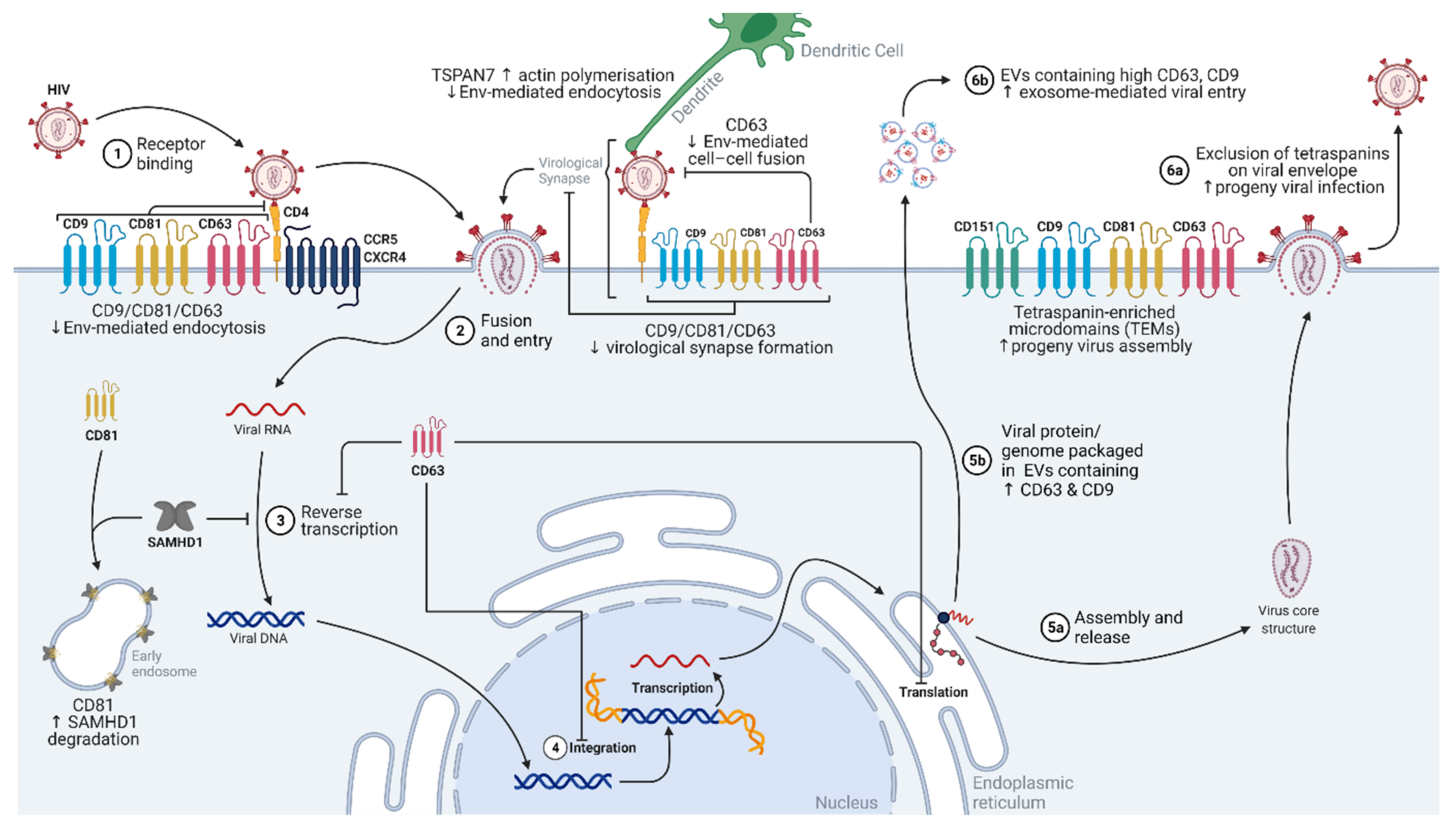
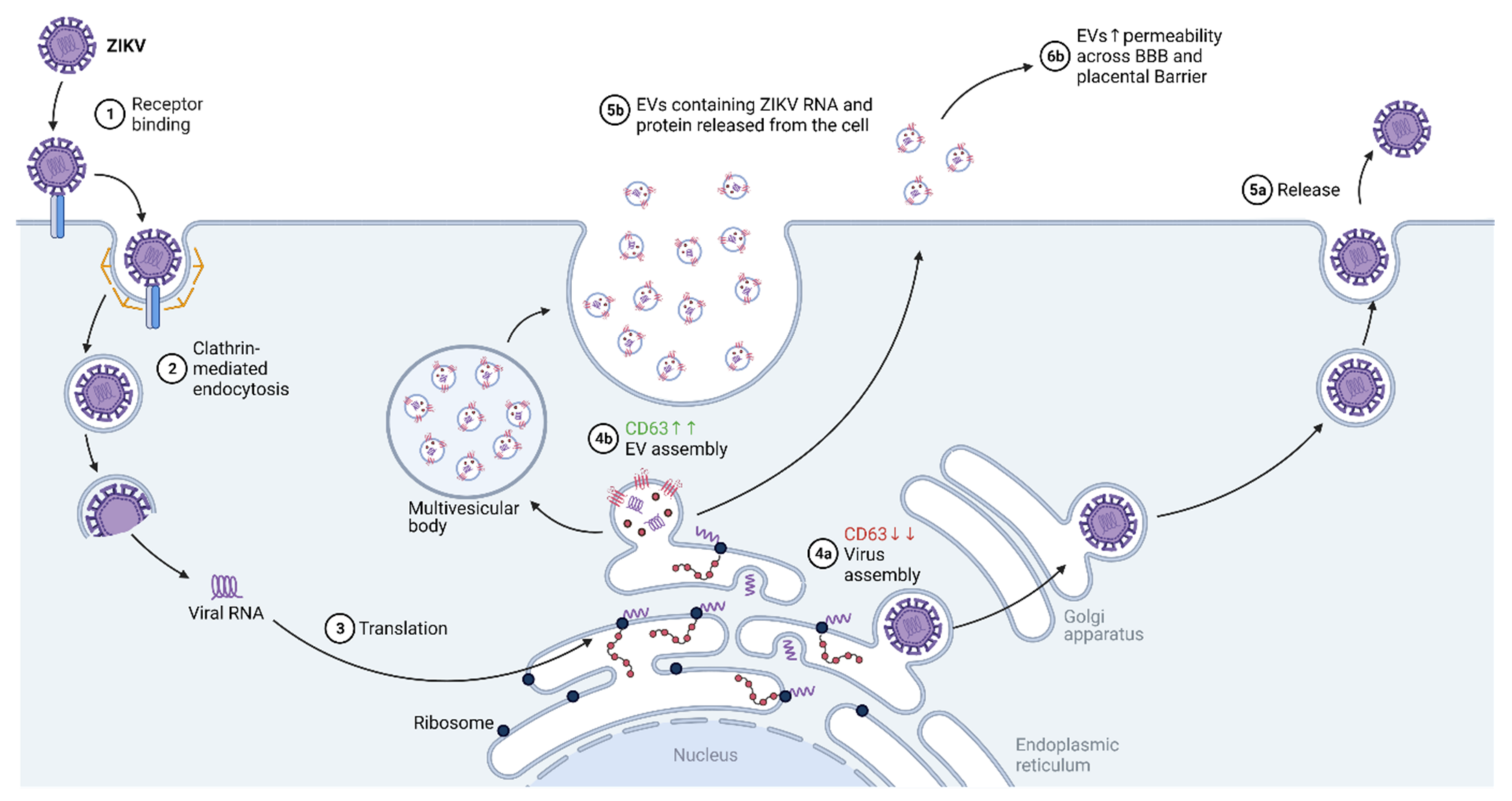
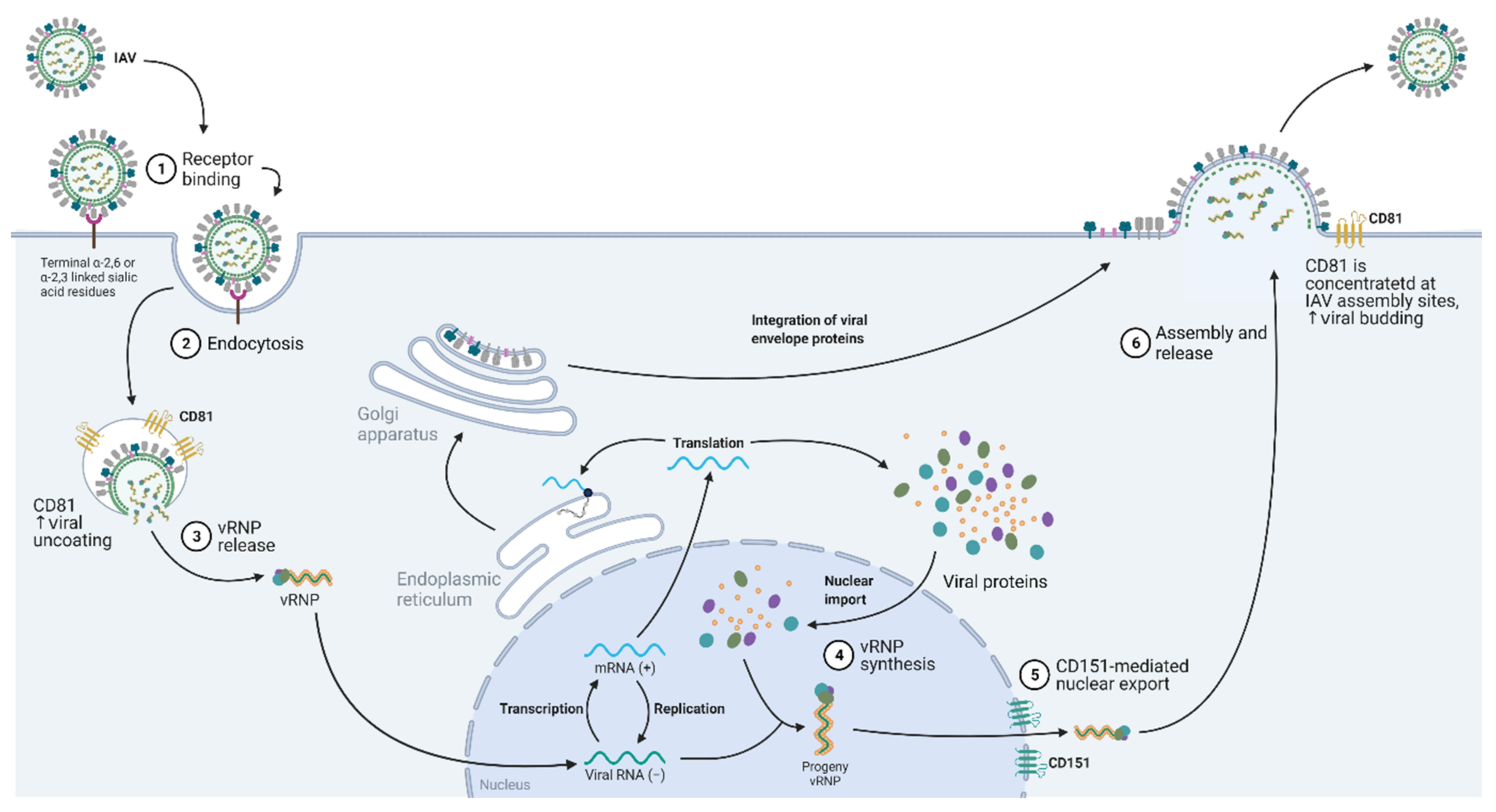
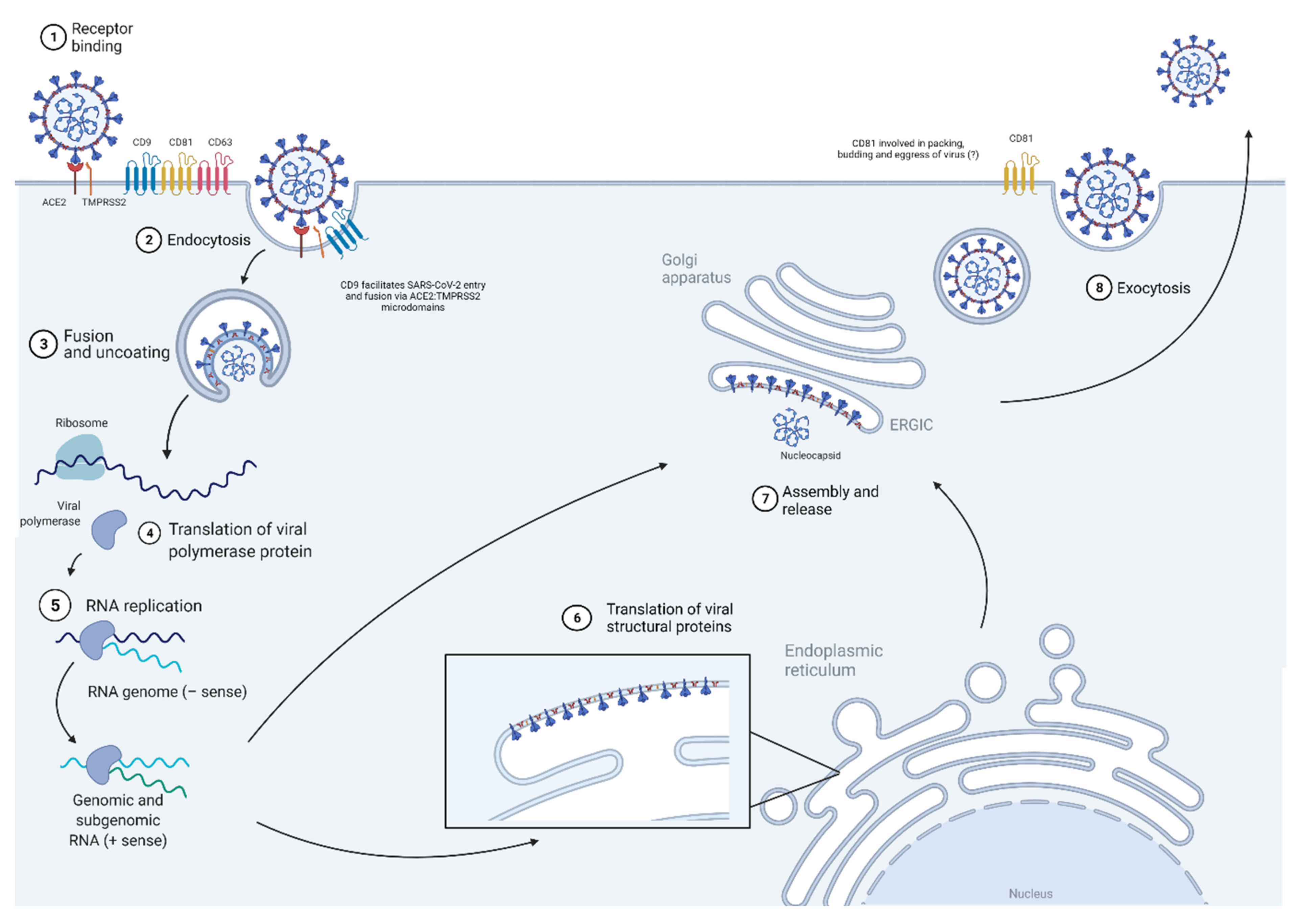
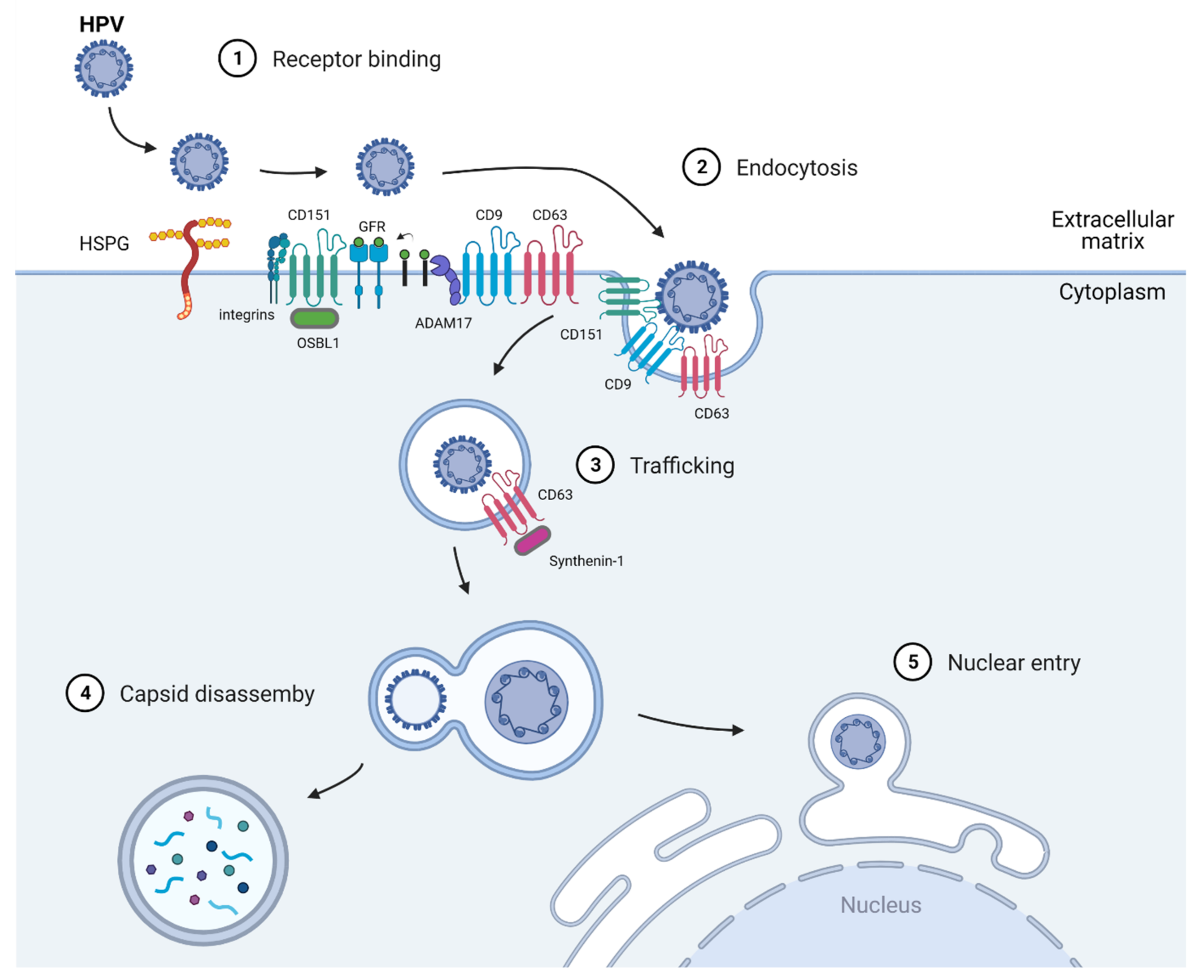
Tetraspanins are transmembrane glycoproteins that have been shown increasing interest as host factors in infectious diseases. In particular, they were implicated in the pathogenesis of both non-enveloped (human papillomavirus (HPV)) and enveloped (human immunodeficiency virus (HIV), Zika, influenza A virus, (IAV), and coronavirus) viruses through multiple stages of infection, from the initial cell membrane attachment to the syncytium formation and viral particle release. However, the mechanisms by which different tetraspanins mediate their effects vary. This review aimed to compare and contrast the role of tetraspanins in the life cycles of HPV, HIV, Zika, IAV, and coronavirus viruses, which cause the most significant health and economic burdens to society. In doing so, a better understanding of the relative contribution of tetraspanins in virus infection will allow for a more targeted approach in the treatment of these diseases.
Keywords: CD9; CD63; CD151; CD81; coronavirus; COVID-19; HIV; HPV; influenza; tetraspanin; virus; Zika CD9; CD63; CD151; CD81; coronavirus; COVID-19; HIV; HPV; influenza; tetraspanin; virus; Zika