Review

Anticancer Activity of Natural and Synthetic Chalcones
by
Teodora Constantinescu
1,* and
Claudiu N. Lungu
2,*
1
Department of Chemistry, Faculty of Pharmacy, Iuliu Hatieganu University, 400012 Cluj-Napoca, Romania
2
Department of Surgery, Country Emergency Hospital Braila, 810249 Braila, Romania
*
Authors to whom correspondence should be addressed.
Int. J. Mol. Sci. 2021, 22(21), 11306; https://doi.org/10.3390/ijms222111306
Submission received: 13 September 2021 / Revised: 15 October 2021 / Accepted: 16 October 2021 / Published: 20 October 2021
(This article belongs to the Special Issue Efficacy of Flavonoids in Chronic Diseases)

Abstract

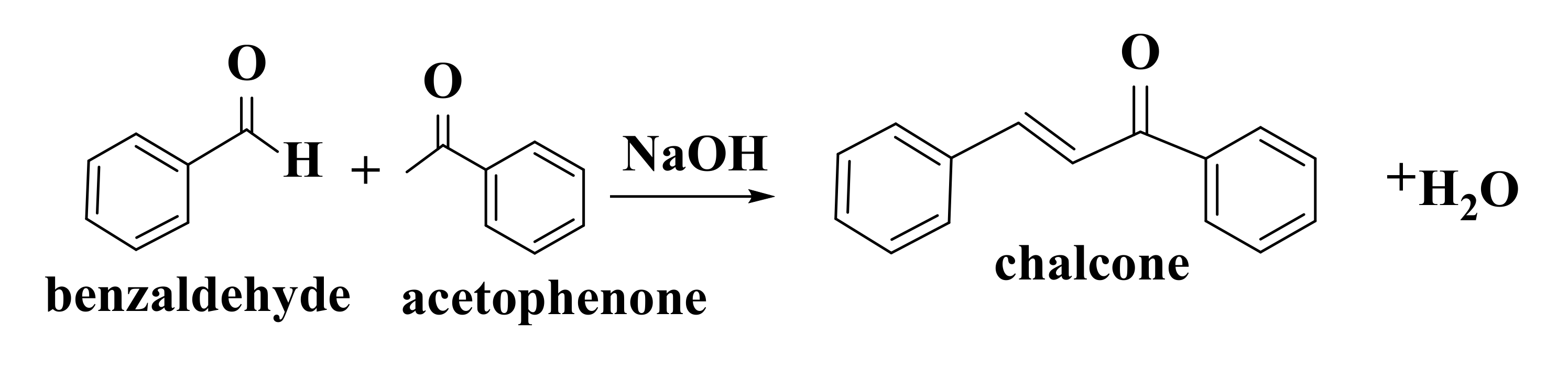
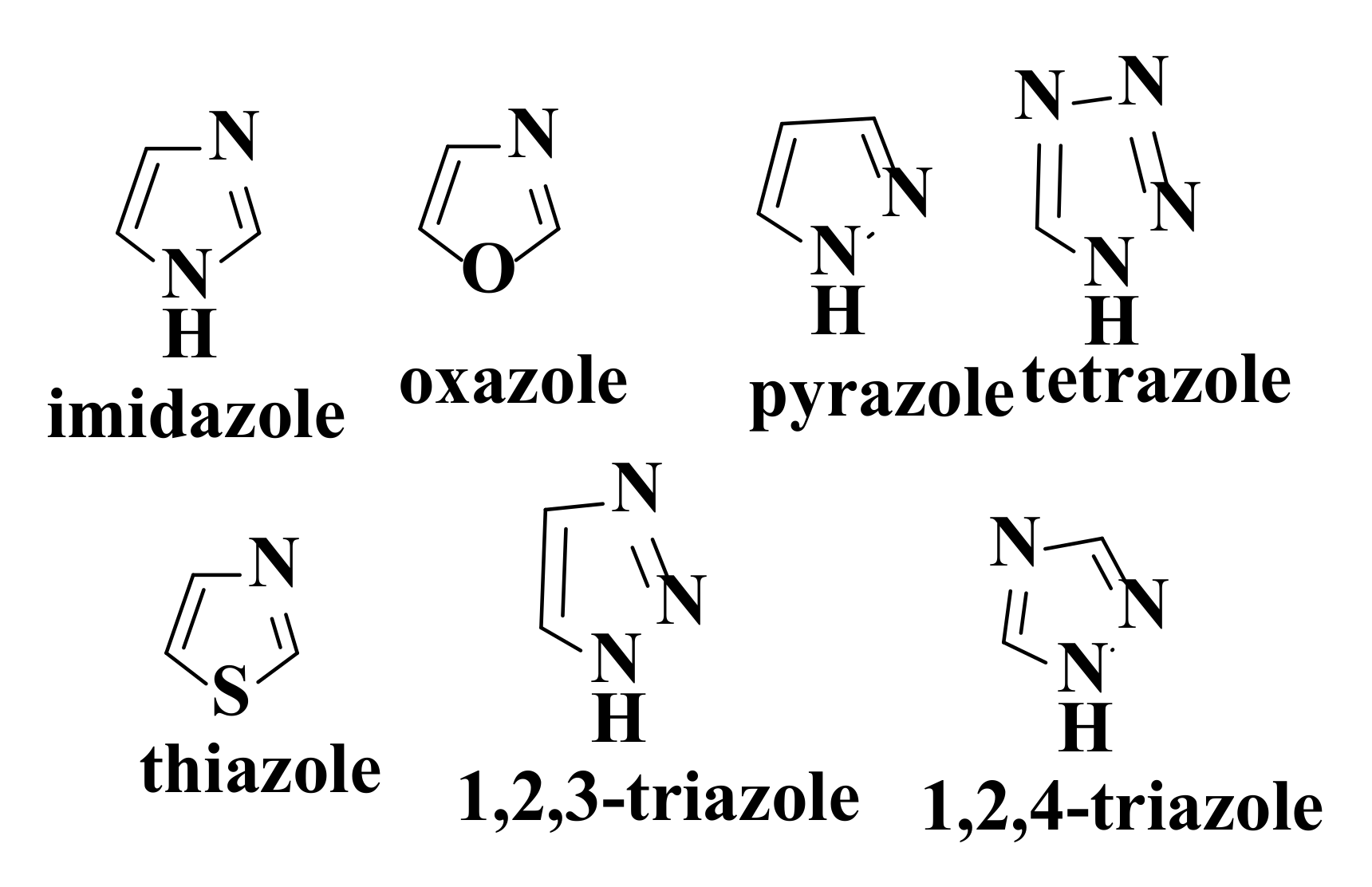
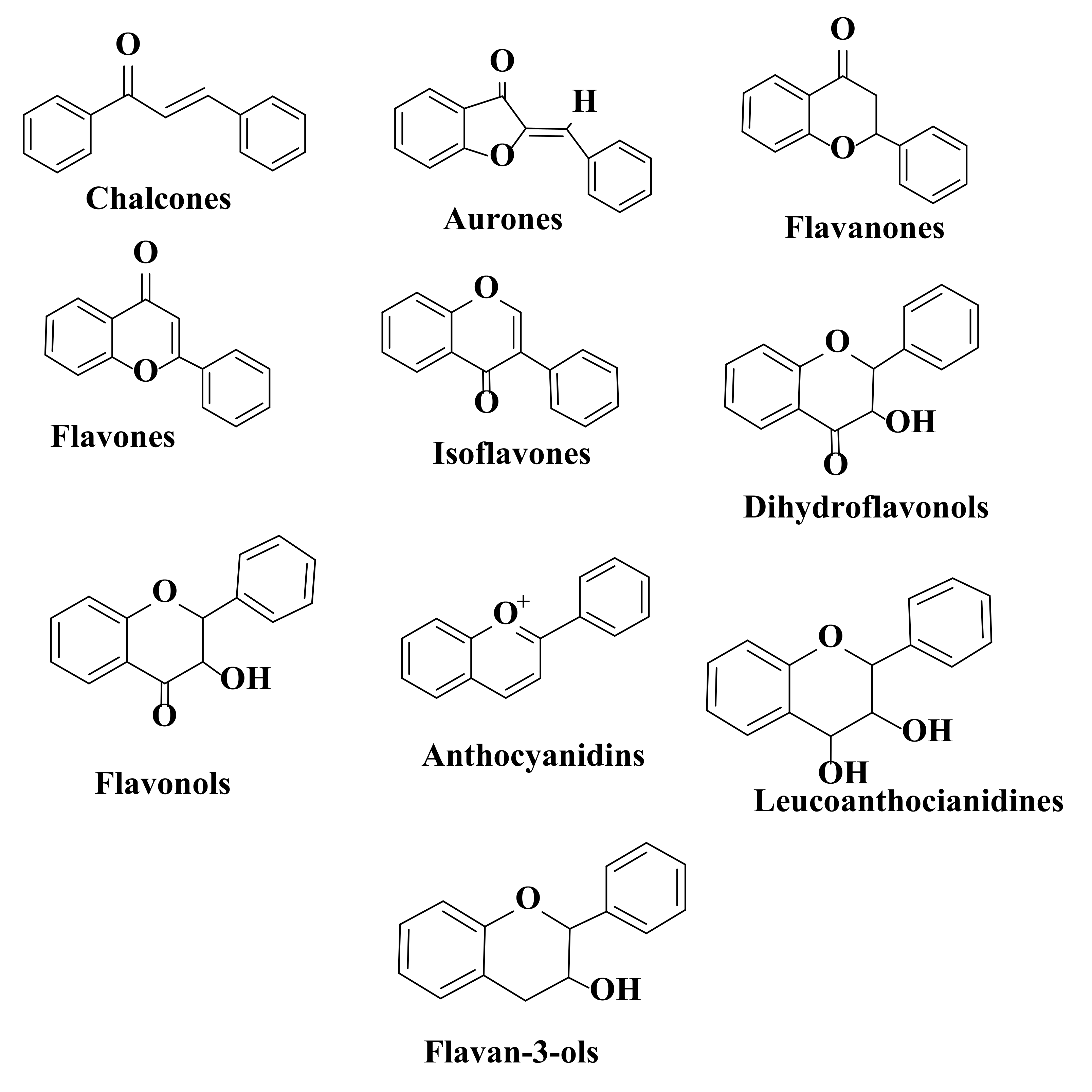
Cancer is a condition caused by many mechanisms (genetic, immune, oxidation, and inflammatory). Anticancer therapy aims to destroy or stop the growth of cancer cells. Resistance to treatment is theleading cause of the inefficiency of current standard therapies. Targeted therapies are the most effective due to the low number of side effects and low resistance. Among the small molecule natural compounds, flavonoids are of particular interest for theidentification of new anticancer agents. Chalcones are precursors to all flavonoids and have many biological activities. The anticancer activity of chalcones is due to the ability of these compounds to act on many targets. Natural chalcones, such as licochalcones, xanthohumol (XN), panduretin (PA), and loncocarpine, have been extensively studied and modulated. Modification of the basic structure of chalcones in order to obtain compounds with superior cytotoxic properties has been performed by modulating the aromatic residues, replacing aromatic residues with heterocycles, and obtaining hybrid molecules. A huge number of chalcone derivatives with residues such as diaryl ether, sulfonamide, and amine have been obtained, their presence being favorable for anticancer activity. Modification of the amino group in the structure of aminochalconesis always favorable for antitumor activity. This is why hybrid molecules of chalcones with different nitrogen hetercycles in the molecule have been obtained. From these, azoles (imidazole, oxazoles, tetrazoles, thiazoles, 1,2,3-triazoles, and 1,2,4-triazoles) are of particular importance for the identification of new anticancer agents.
Keywords: chalcone; azole; cancer; cell line; bioactivity; ligand–receptor interaction chalcone; azole; cancer; cell line; bioactivity; ligand–receptor interaction