Next Article in Journal
Stress and the Role of the Gut–Brain Axis in the Pathogenesis of Schizophrenia: A Literature Review
Next Article in Special Issue
A Deeper Assessment of ω3-Poly-Unsaturated Fatty Acids in Polycystic Ovary Syndrome Management. Comment on Regidor et al. Chronic Inflammation in PCOS: The Potential Benefits of Specialized Pro-Resolving Lipid Mediators (SPMs) in the Improvement of the Resolutive Response. Int. J. Mol. Sci. 2021, 22, 384
Article

Cardiac and Renal SARS-CoV-2 Viral Entry Protein Regulation by Androgens and Diet: Implications for Polycystic Ovary Syndrome and COVID-19

by
Samar Rezq
1,2,3,4,5,
Alexandra M. Huffman
1,2,3,4,
Jelina Basnet
1,2,3,4,
Licy L. Yanes Cardozo
1,2,3,4,6 and
Damian G. Romero
1,2,3,4,*
1
Department of Cell and Molecular Biology, University of Mississippi Medical Center, 2500 N, State Street, Jackson, MS 39216, USA
2
Mississippi Center of Excellence in Perinatal Research, University of Mississippi Medical Center, 2500 N, State Street, Jackson, MS 39216, USA
3
Women’s Health Research Center, University of Mississippi Medical Center, 2500 N, State Street, Jackson, MS 39216, USA
4
Cardio Renal Research Center, University of Mississippi Medical Center, 2500 N, State Street, Jackson, MS 39216, USA
5
Department of Pharmacology and Toxicology, Faculty of Pharmacy, Zagazig University, Zagazig 44519, Egypt
6
Department of Medicine, University of Mississippi Medical Center, 2500 N, State Street, Jackson, MS 39216, USA
*
Author to whom correspondence should be addressed.
Int. J. Mol. Sci. 2021, 22(18), 9746; https://doi.org/10.3390/ijms22189746
Submission received: 10 August 2021 / Revised: 6 September 2021 / Accepted: 7 September 2021 / Published: 9 September 2021
(This article belongs to the Special Issue Polycystic Ovary Syndrome: From Molecular Mechanisms to Therapies 2.0)

Abstract

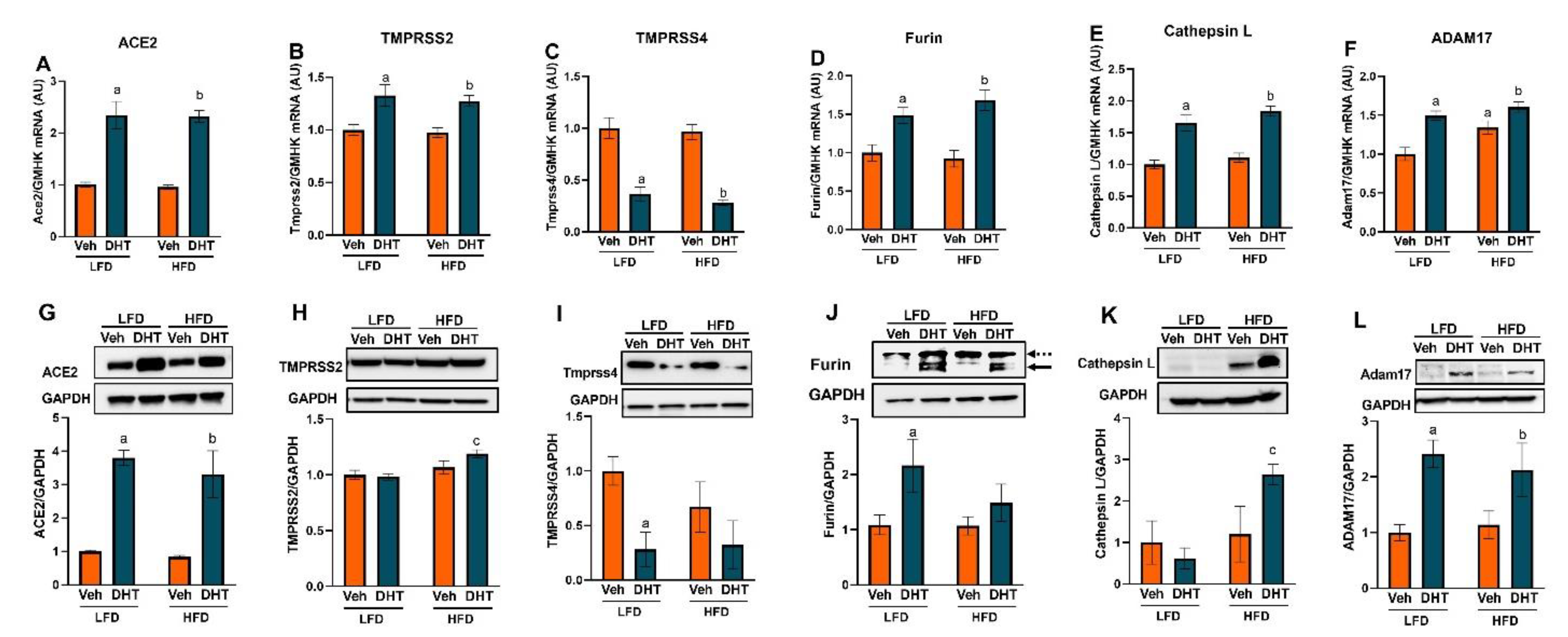
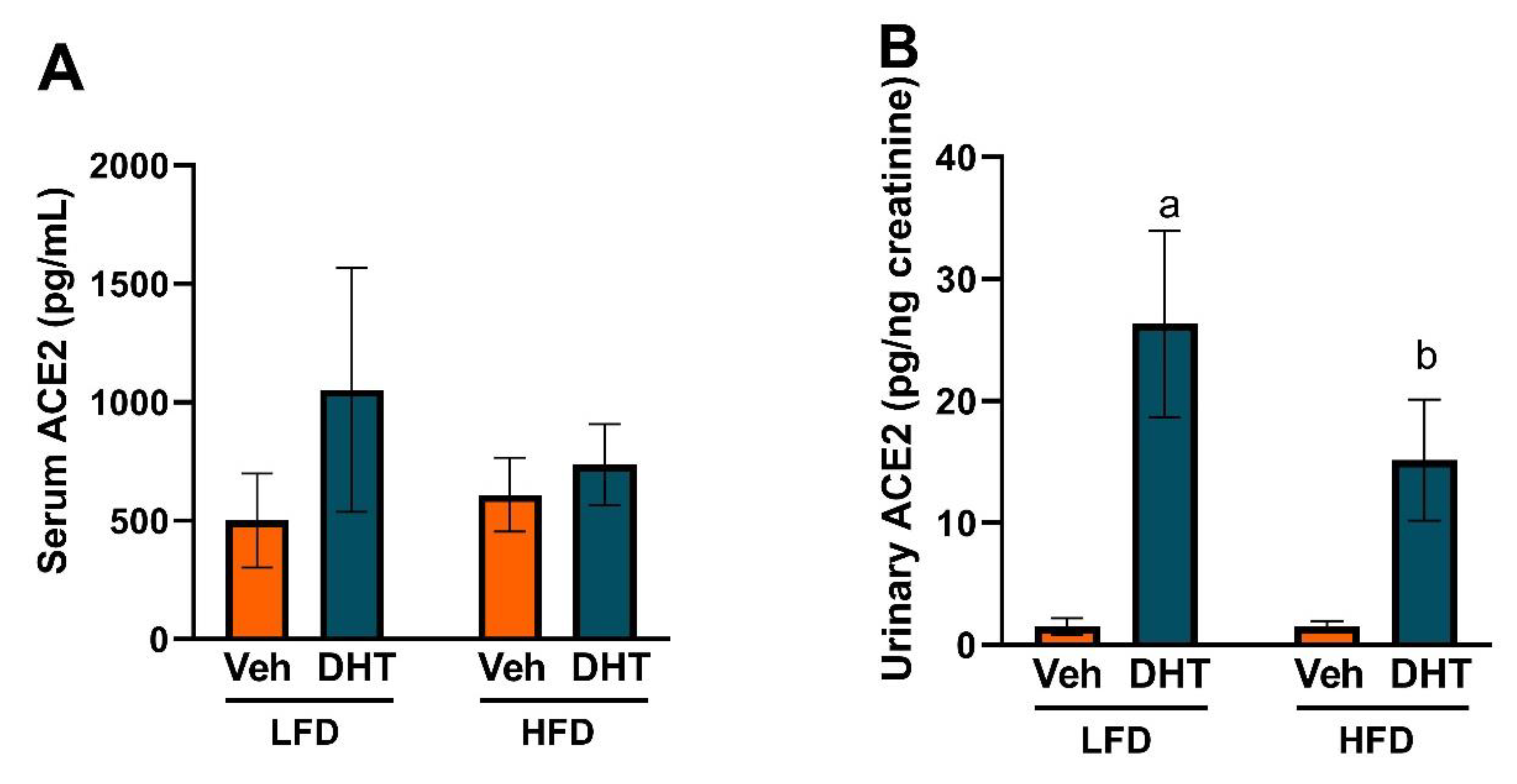
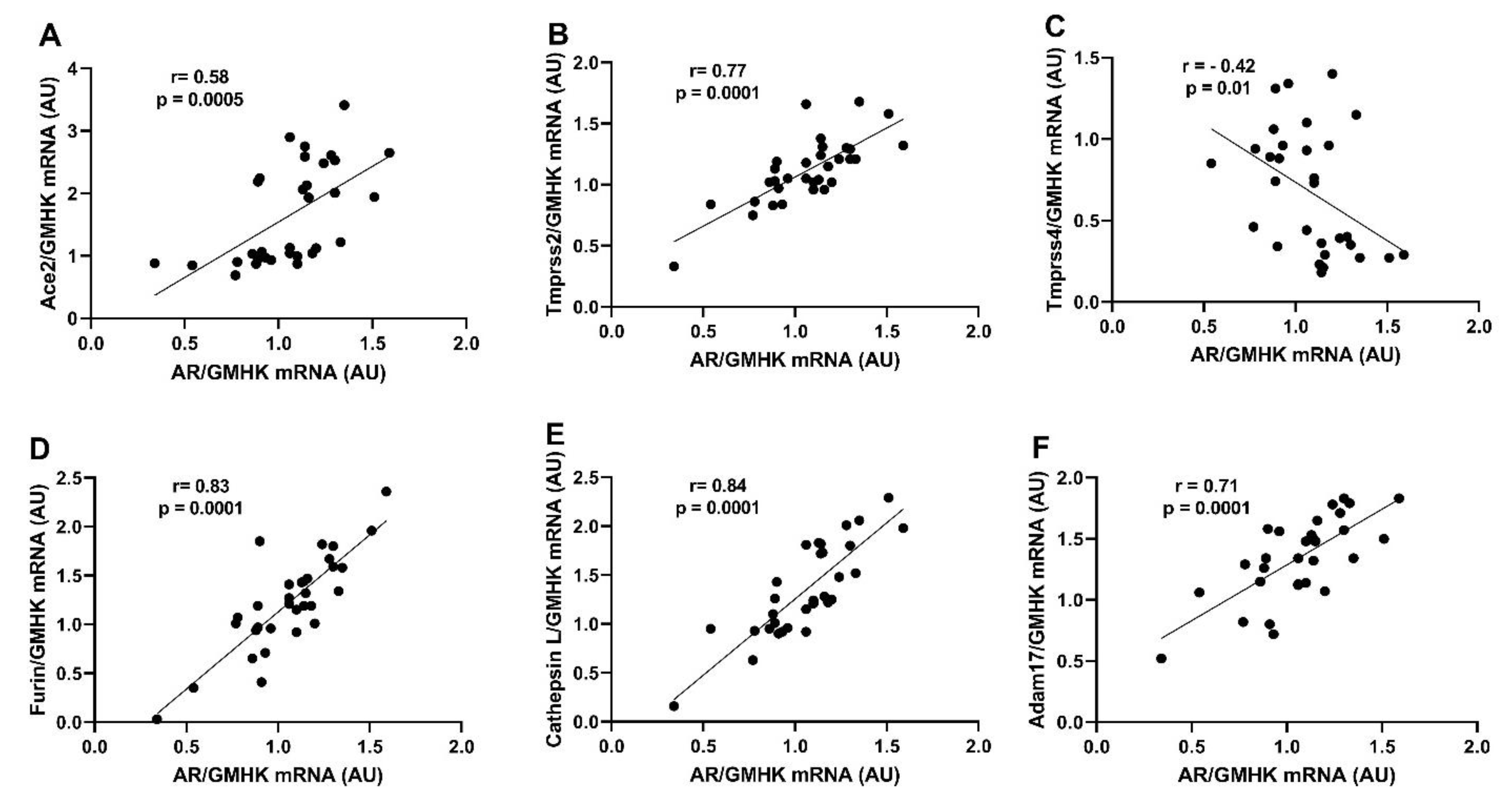
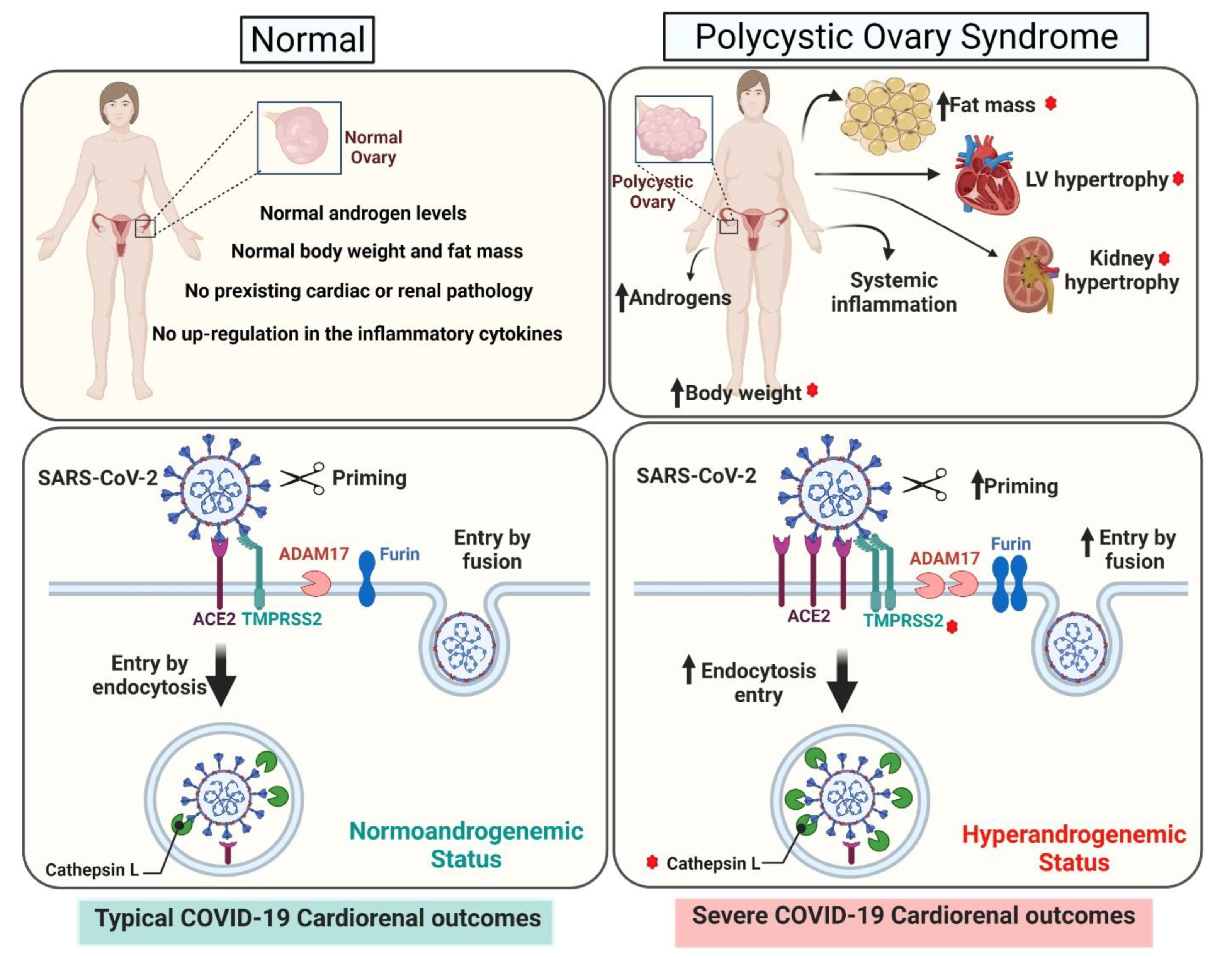
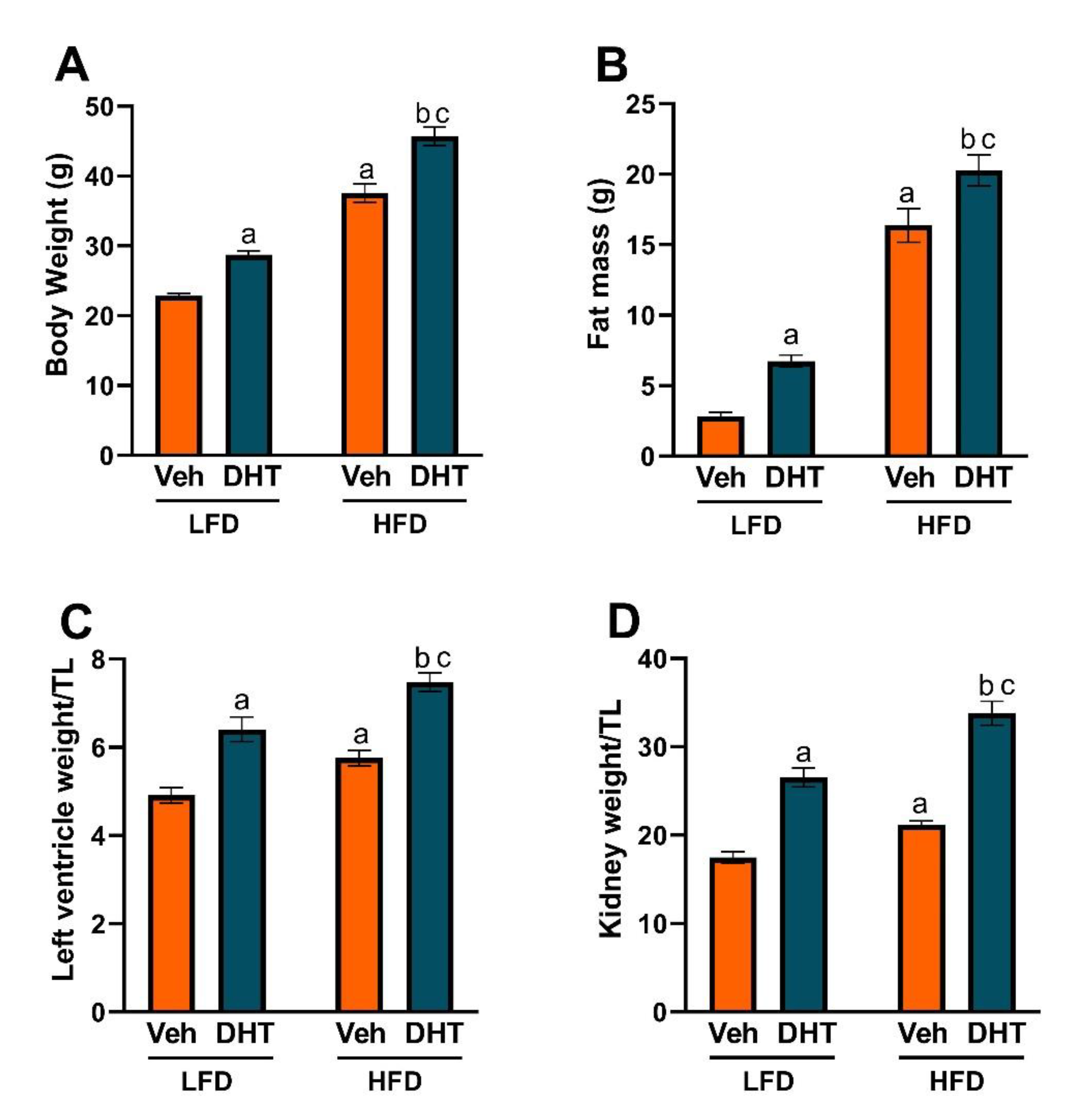
The susceptibility and the severity of coronavirus disease 2019 (COVID-19) caused by severe acute respiratory syndrome coronavirus 2 (SARS-CoV-2) are associated with hyperandrogenism, obesity, and preexisting pulmonary, metabolic, renal, and cardiac conditions. Polycystic ovary syndrome (PCOS), the most common endocrine disorder in premenopausal women, is associated with obesity, hyperandrogenism, and cardiometabolic dysregulations. We analyzed cardiac, renal, circulatory, and urinary SARS-CoV-2 viral entry proteins (ACE2, TMPRSS2, TMPRSS4, furin, cathepsin L, and ADAM17) and androgen receptor (AR) expression, in a peripubertal androgen exposure model of PCOS. Peripubertal female mice were treated with dihydrotestosterone (DHT) and low (LFD) or high (HFD) fat diet for 90 days. HFD exacerbated DHT-induced increase in body weight, fat mass, and cardiac and renal hypertrophy. In the heart, DHT upregulated AR protein in both LFD and HFD, ACE2 in HFD, and ADAM17 in LFD. In the kidney, AR protein expression was upregulated by both DHT and HFD. Moreover, ACE2 and ADAM17 were upregulated by DHT in both diets. Renal TMPRSS2, furin, and cathepsin L were upregulated by DHT and differentially modulated by the diet. DHT upregulated urinary ACE2 in both diets, while neither treatment modified serum ACE2. Renal AR mRNA expression positively correlated with Ace2, Tmprss2, furin, cathepsin L, and ADAM17. Our findings suggest that women with PCOS could be a population with a high risk of COVID-19-associated cardiac and renal complications. Furthermore, our study suggests that weight loss by lifestyle modifications (i.e., diet) could potentially mitigate COVID-19-associated deleterious cardiorenal outcomes in women with PCOS.
Keywords: polycystic ovary syndrome; COVID-19; SARS-CoV-2; angiotensin converting enzyme 2; androgens; obesity polycystic ovary syndrome; COVID-19; SARS-CoV-2; angiotensin converting enzyme 2; androgens; obesity
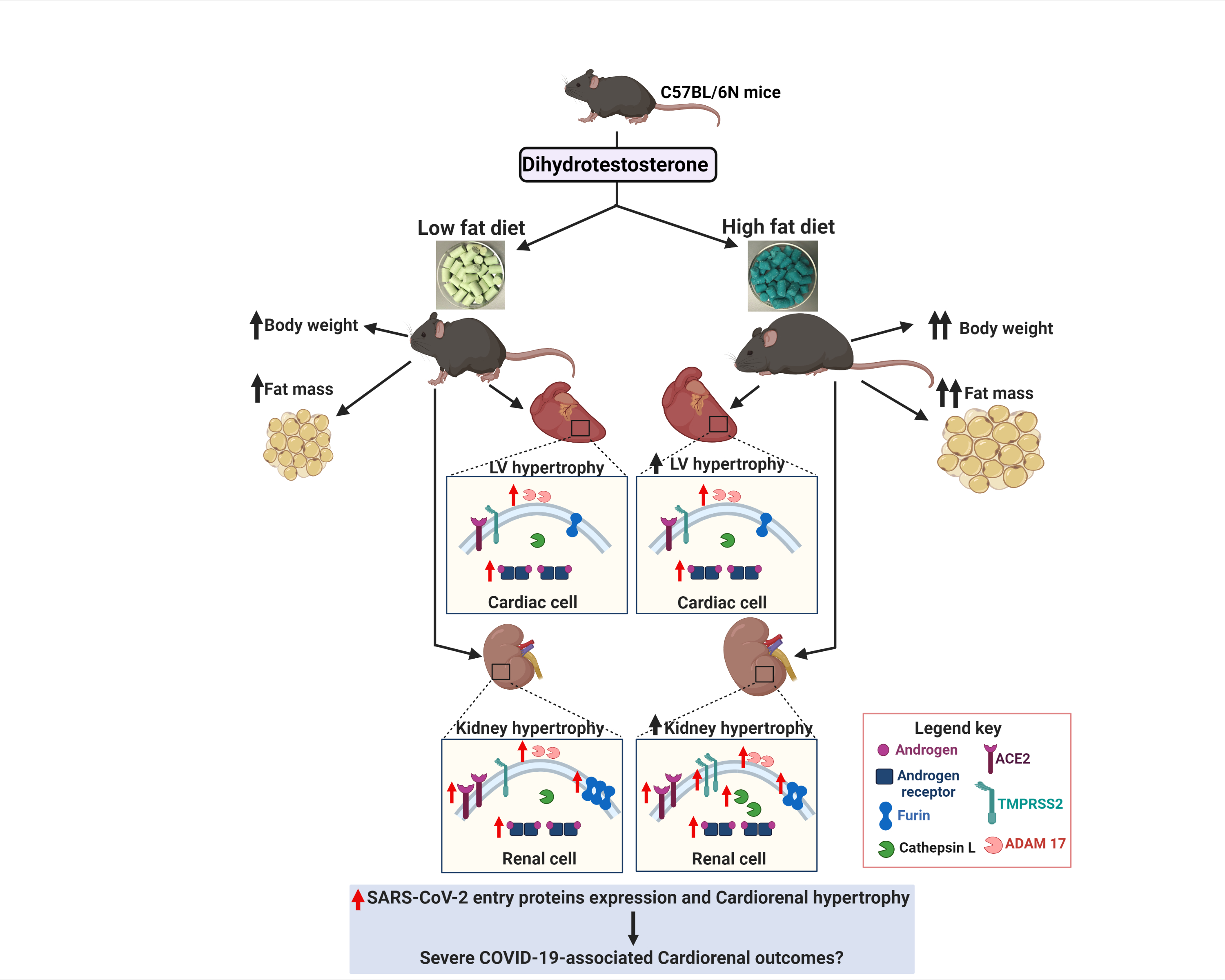
Graphical Abstract