Article

MicroRNA Profiles of Maternal and Neonatal Endothelial Progenitor Cells in Preeclampsia
by
Lars Brodowski
1,2,†,
Bianca Schröder-Heurich
1,†,
Sandra von Hardenberg
1,
Katja Richter
1,
Constantin S. von Kaisenberg
2,
Oliver Dittrich-Breiholz
3,
Nadia Meyer
1,
Thilo Dörk
1 and
Frauke von Versen-Höynck
1,2,*
1
Gynecology Research Unit, Hannover Medical School, Carl-Neuberg-Strasse 1, D-30625 Hannover, Germany
2
Department of Obstetrics and Gynecology, Hannover Medical School, Carl-Neuberg-Strasse 1, D-30625 Hannover, Germany
3
Research Core Unit Genomics, Hannover Medical School, Carl-Neuberg-Strasse 1, D-30625 Hannover, Germany
*
Author to whom correspondence should be addressed.
These authors contribute equally.
Int. J. Mol. Sci. 2021, 22(10), 5320; https://doi.org/10.3390/ijms22105320
Submission received: 20 March 2021 / Revised: 11 May 2021 / Accepted: 12 May 2021 / Published: 18 May 2021
(This article belongs to the Special Issue Endothelial Progenitor Cells in Health and Disease)

Abstract

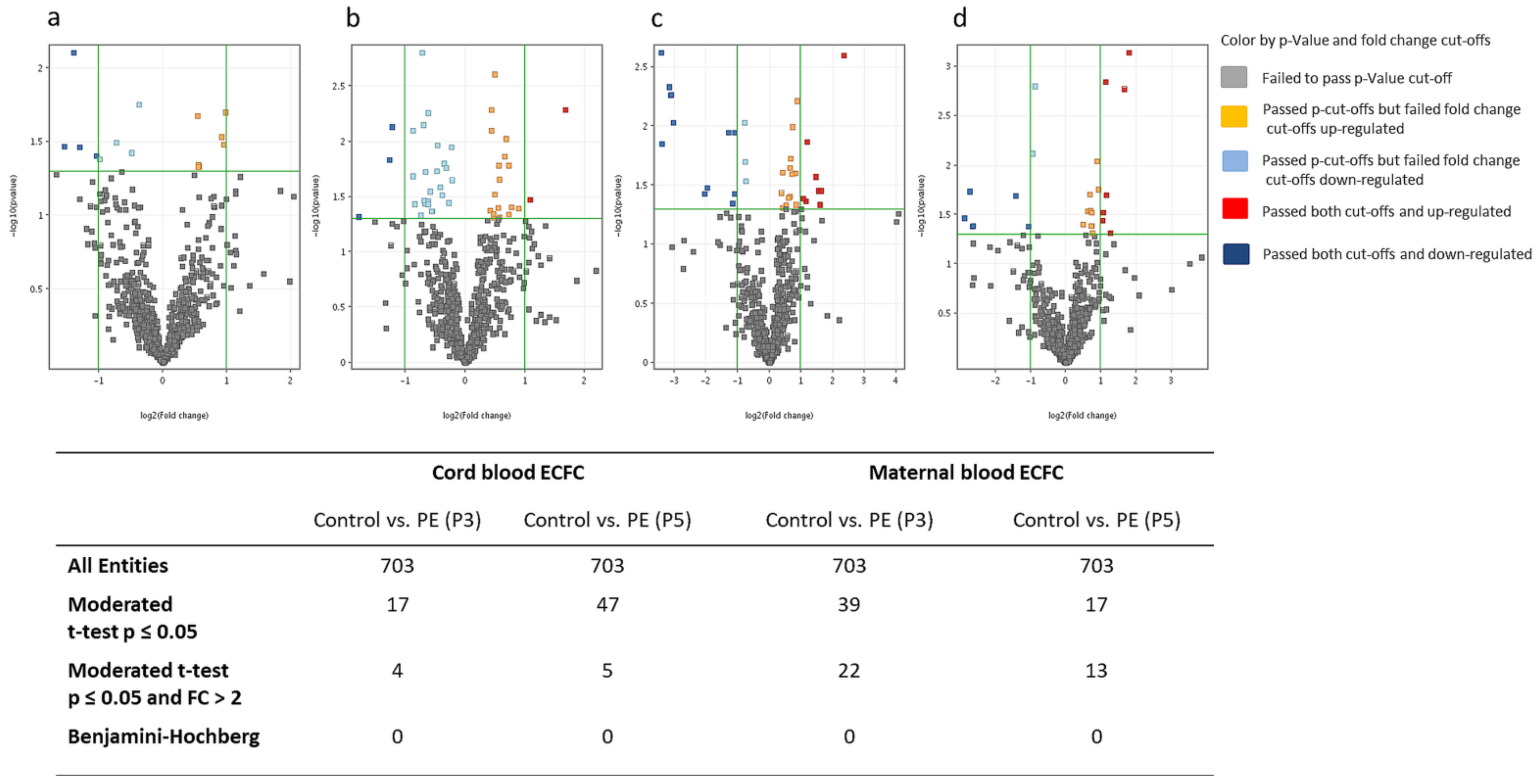
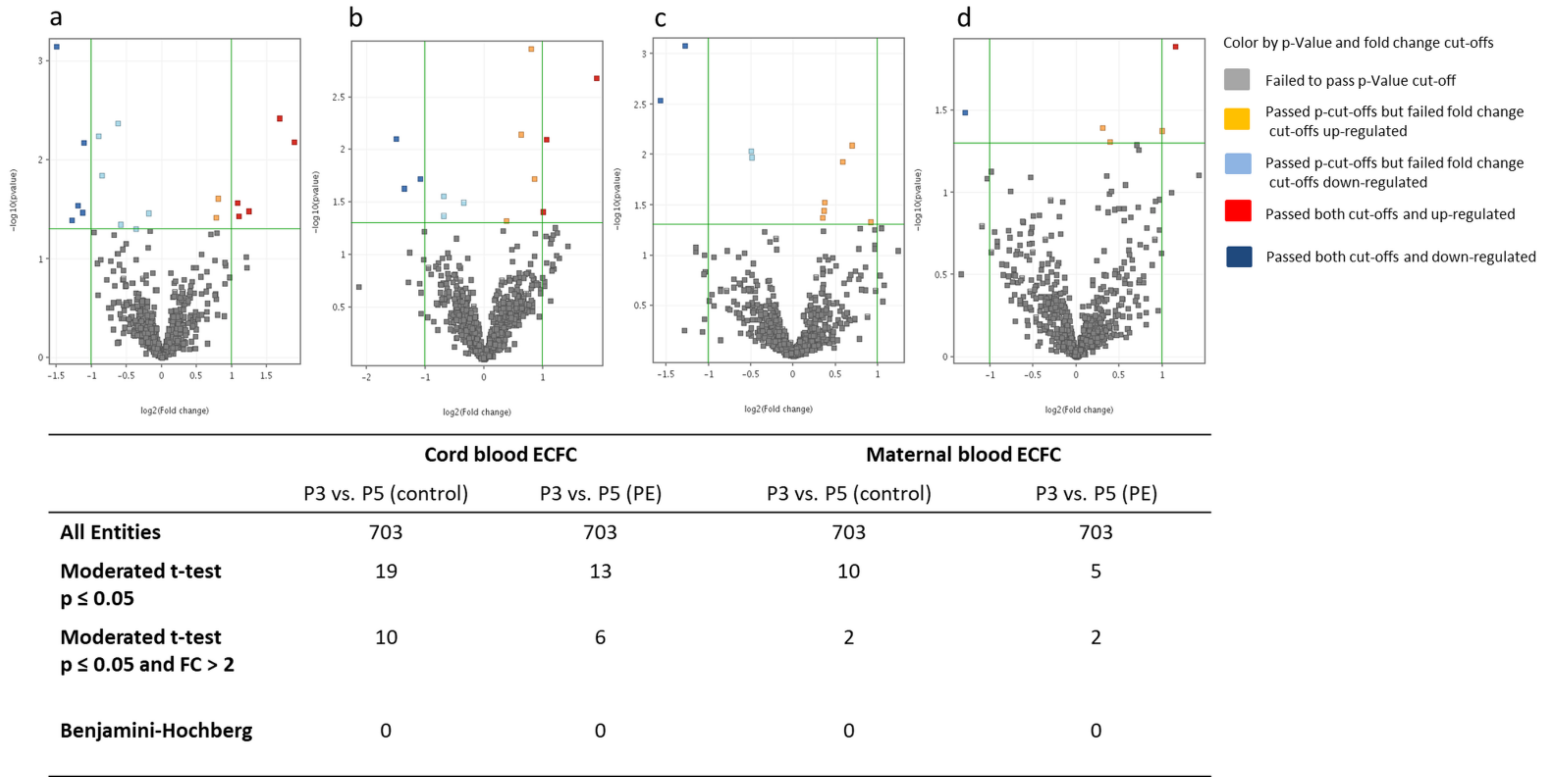
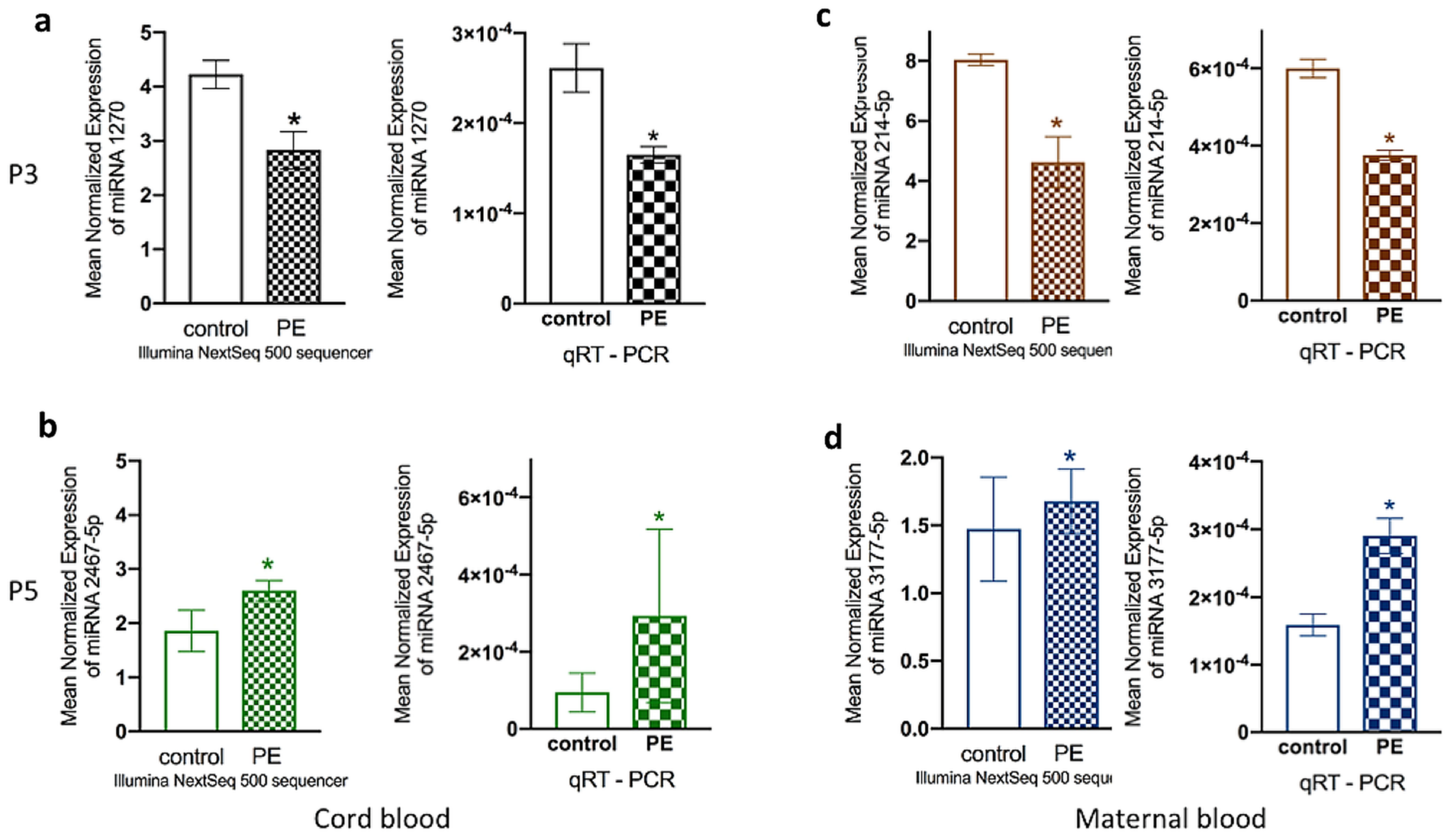
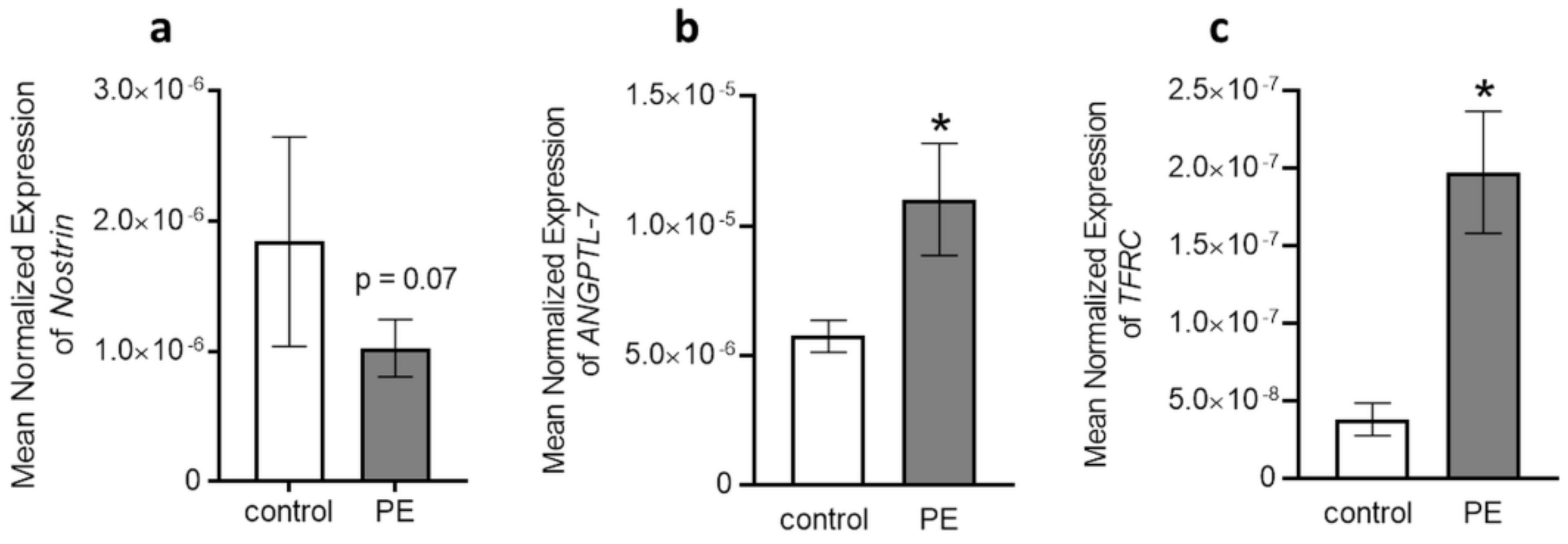
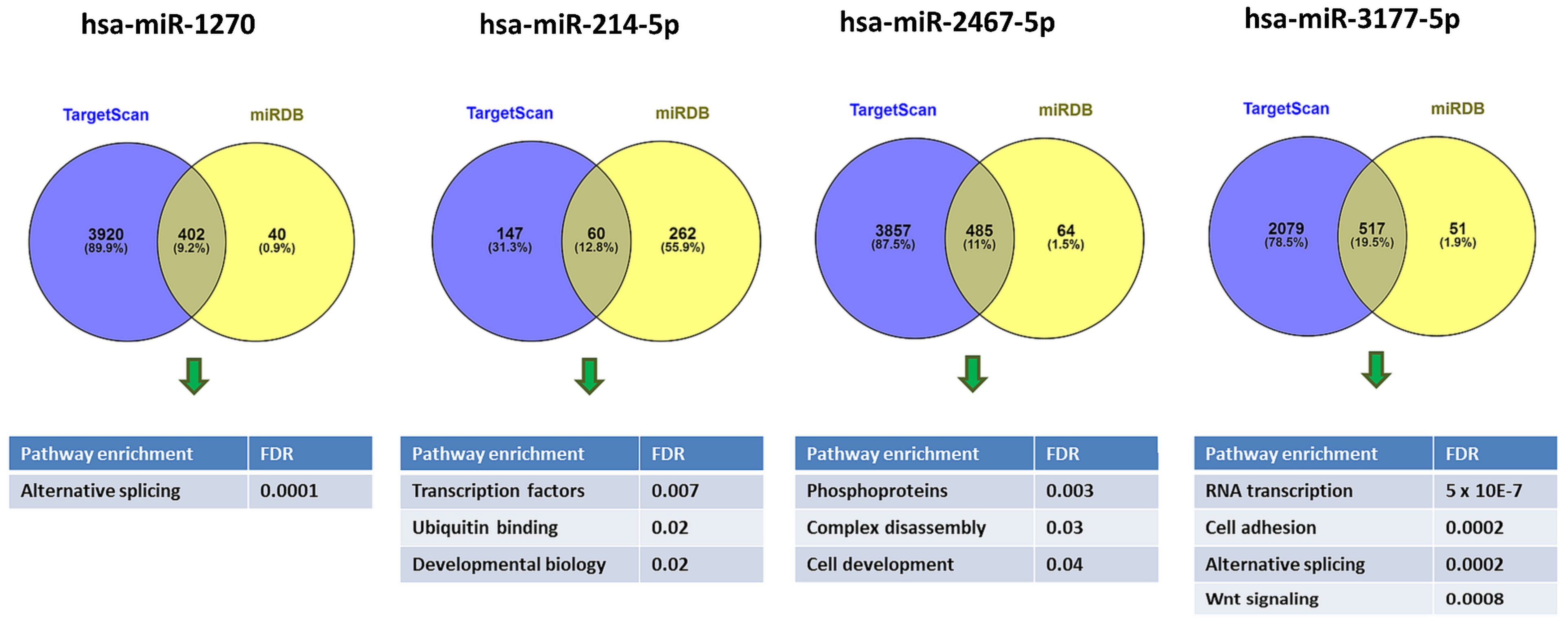
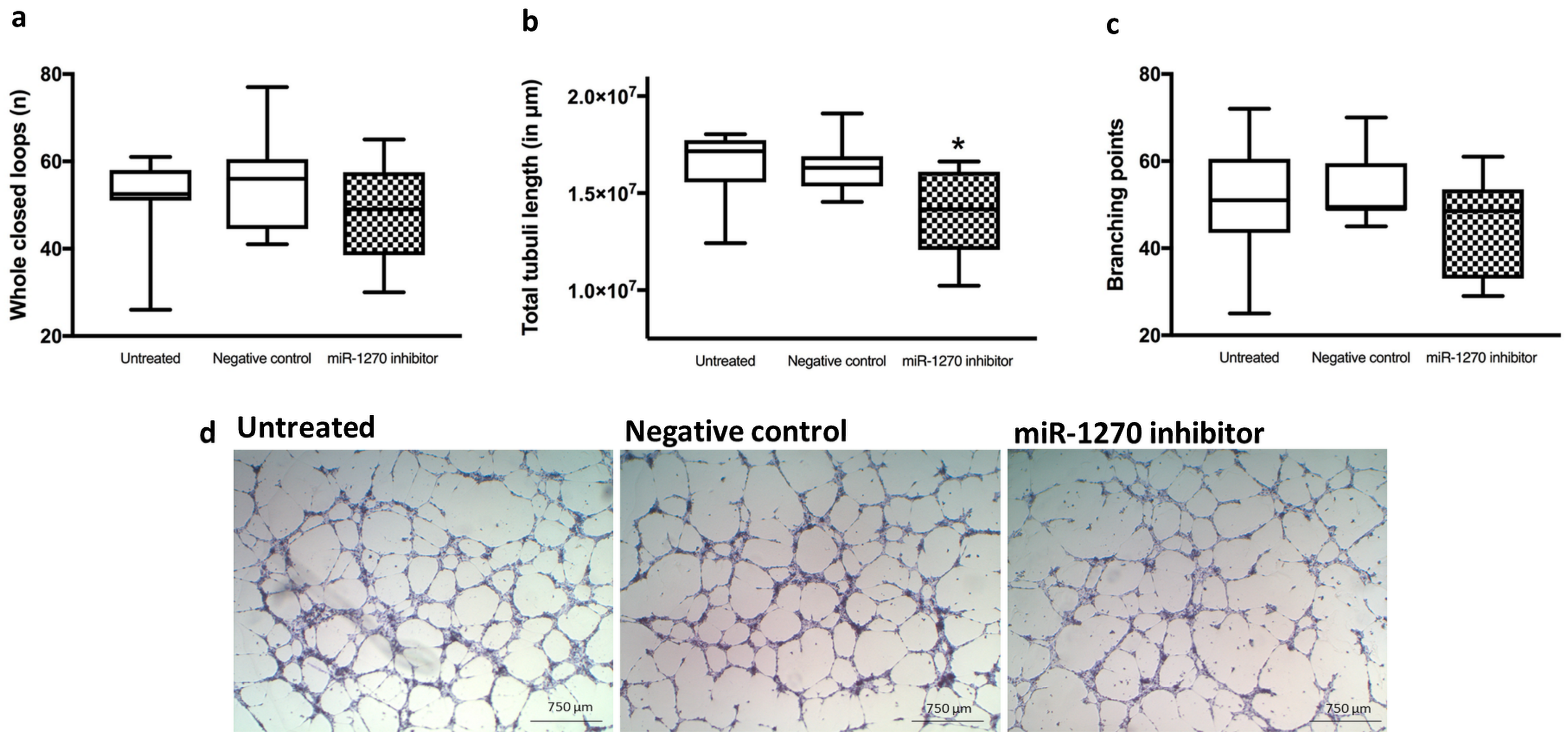
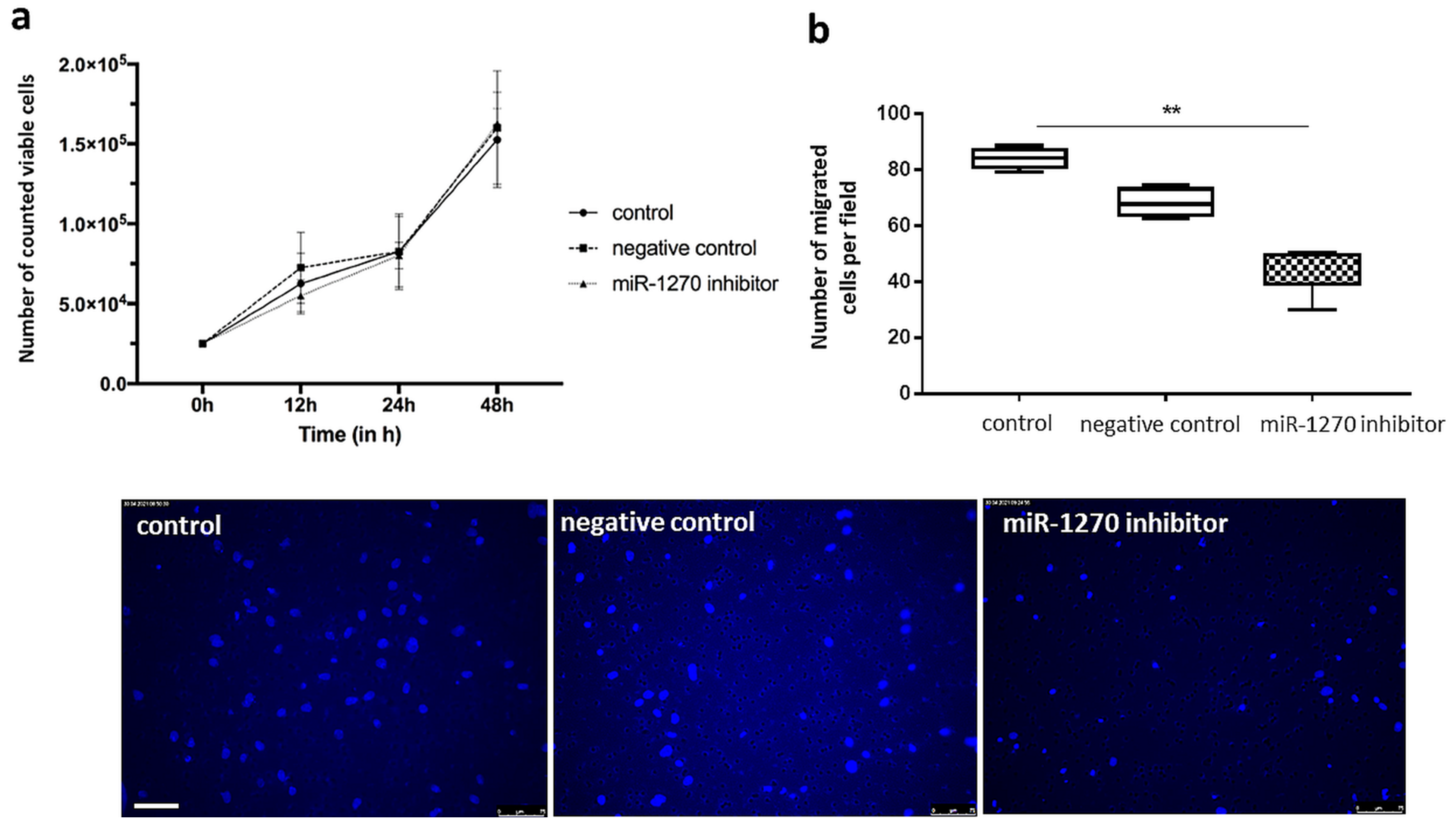
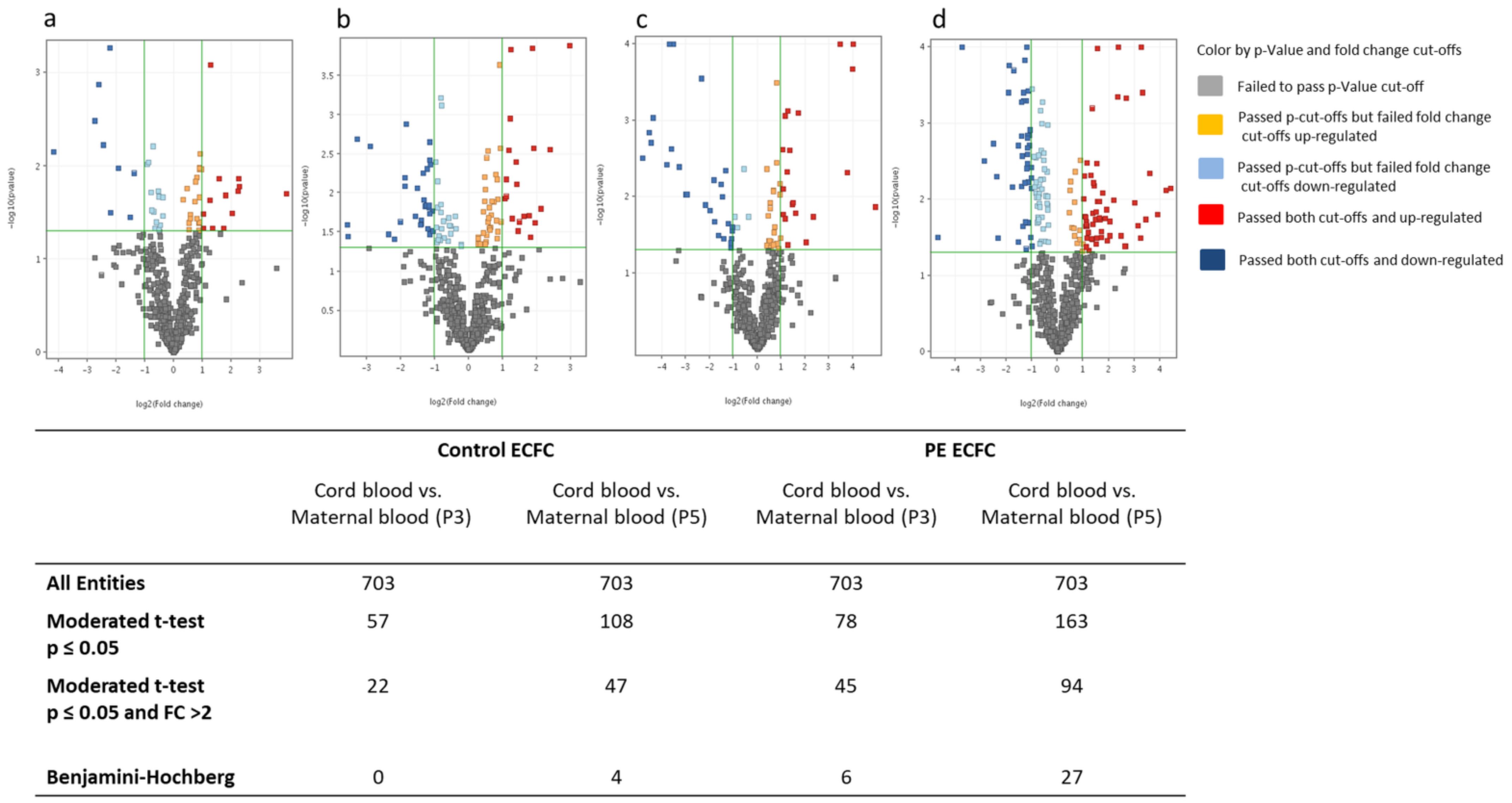
Preeclampsia is associated with an increased cardiovascular morbidity of mother and offspring, thus contributing to a substantial burden in women and children’s health. It has been proven that endothelial progenitor cell (EPC) numbers and functional characteristics are impaired in cardiovascular disease and preeclampsia, although causative factors for the latter have remained elusive. MicroRNA (miRNA) modifications are a potential mechanism through which exposure to an altered environment translates into the development of chronic disease. In this study, we examined whether development of preeclampsia corresponds to alterations of miRNAs in maternal- and cord-blood-derived EPC. To test this end, we analyzed maternal and neonatal miRNAs via RNA sequencing from endothelial cells of preeclamptic and healthy controls in different cell culture passages. We were able to demonstrate differentially represented miRNAs in all groups. Hsa-miR-1270 showed significantly different levels in cord blood EPC from preeclampsia versus control and was negatively correlated with mRNA levels of its predicted targets ANGPTL7 and TFRC. Transfection with an hsa-miR-1270 inhibitor decreased the tube formation capacity and chemotactic motility but did not change proliferation in vitro. Target predictions and gene set enrichment analyses identified alternative splicing as a significantly enriched pathway for hsa-miR-1270. The top miRNAs in three other groups were predicted to target transcriptional and developmental pathways. Here, we showed for the first time significantly different levels of miRNAs and differently represented mRNA levels of predicted target genes in EPC derived from preeclampsia. Understanding the effects of preeclampsia on the epigenetic mechanisms of EPC will be crucial and may provide initial insights for further evaluation of the benefits of therapies targeting this cell population.
Keywords: preeclampsia; cardiovascular morbidity; endothelial progenitor cells; miRNA; hsa-miR-1270 preeclampsia; cardiovascular morbidity; endothelial progenitor cells; miRNA; hsa-miR-1270