Article

Longitudinal Cognitive Decline in a Novel Rodent Model of Cerebral Amyloid Angiopathy Type-1


by
Dominique L. Popescu
1,2,3,
William E. Van Nostrand
2,4 and
John K. Robinson
1,2,4,5,*
1
Department of Psychology, Stony Brook University, 100 Nicolls Rd, Stony Brook, NY 11794, USA
2
George & Anne Ryan Institute for Neuroscience, University of Rhode Island, 130 Flagg Rd, Kingston, RI 02881, USA
3
Department of Psychiatry and Human Behavior, Warren Alpert Medical School of Brown University, 700 Butler, Providence, RI 02906, USA
4
Department of Biomedical & Pharmaceutical Sciences, University of Rhode Island, 130 Flagg Rd, Kingston, RI 02881, USA
5
Department of Psychology, University of Rhode Island, 130 Flagg Rd, Kingston, RI 02881, USA
*
Author to whom correspondence should be addressed.
Int. J. Mol. Sci. 2020, 21(7), 2348; https://doi.org/10.3390/ijms21072348
Submission received: 25 January 2020 / Revised: 19 March 2020 / Accepted: 23 March 2020 / Published: 28 March 2020
(This article belongs to the Special Issue Cerebral Amyloid Angiopathy: Causes, Diagnosis and Treatment)

Abstract

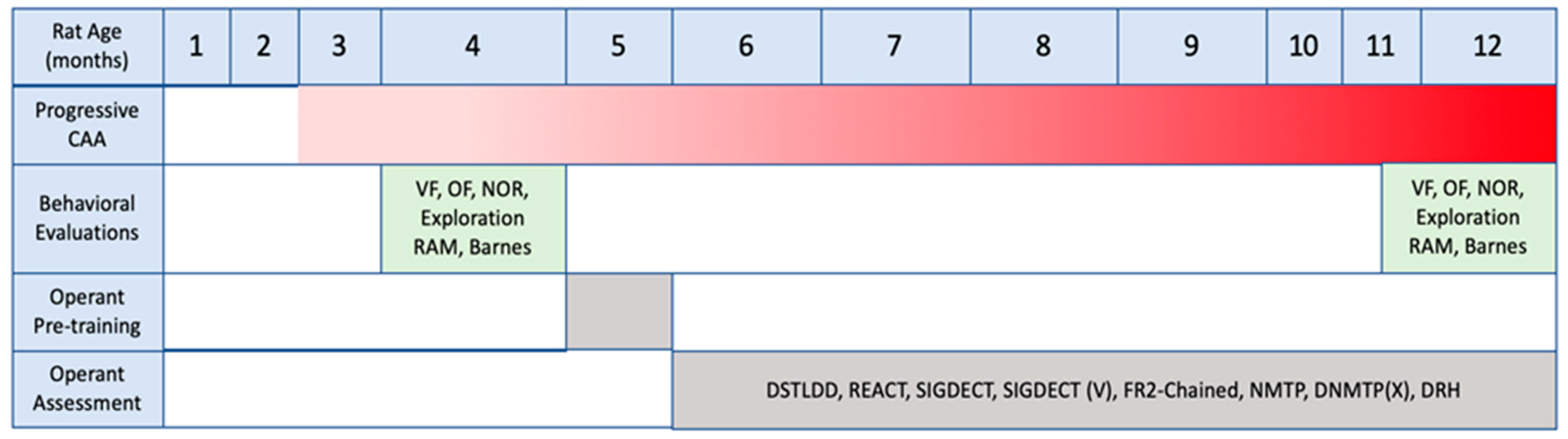
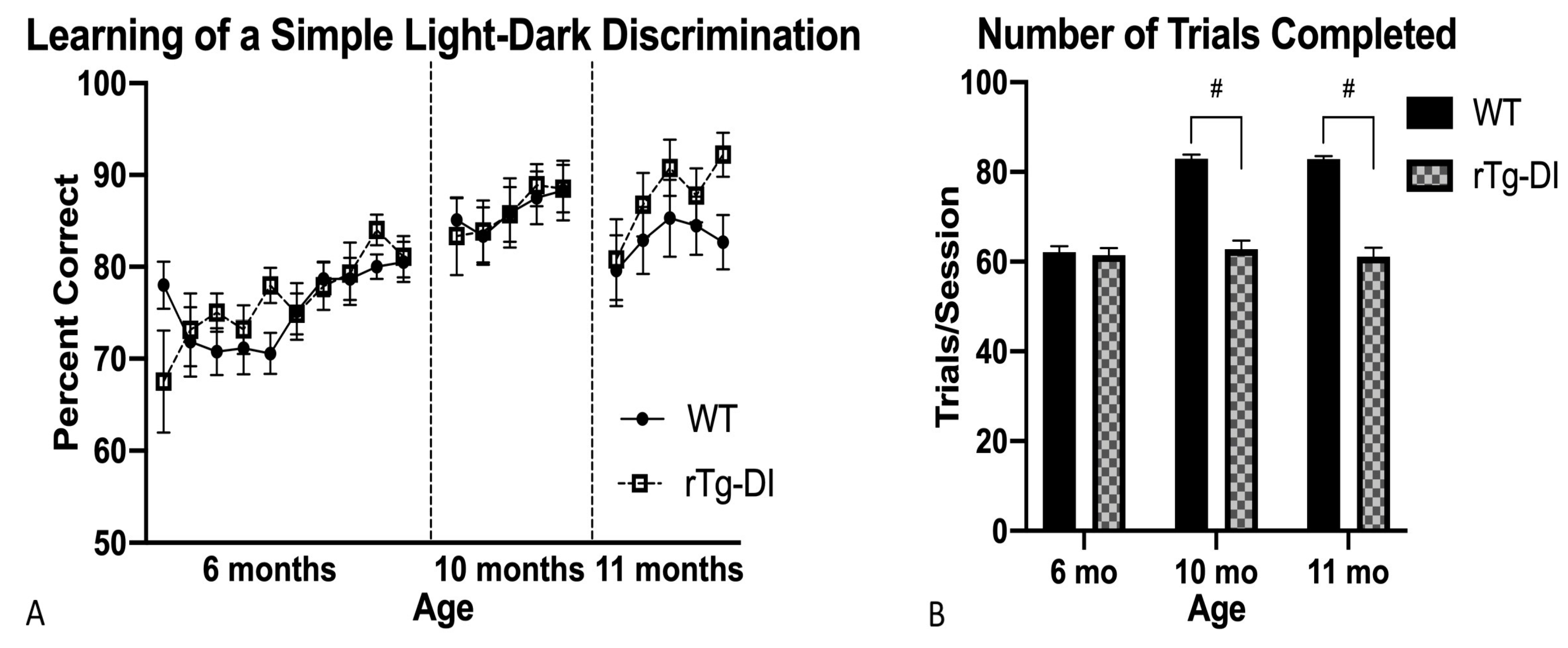
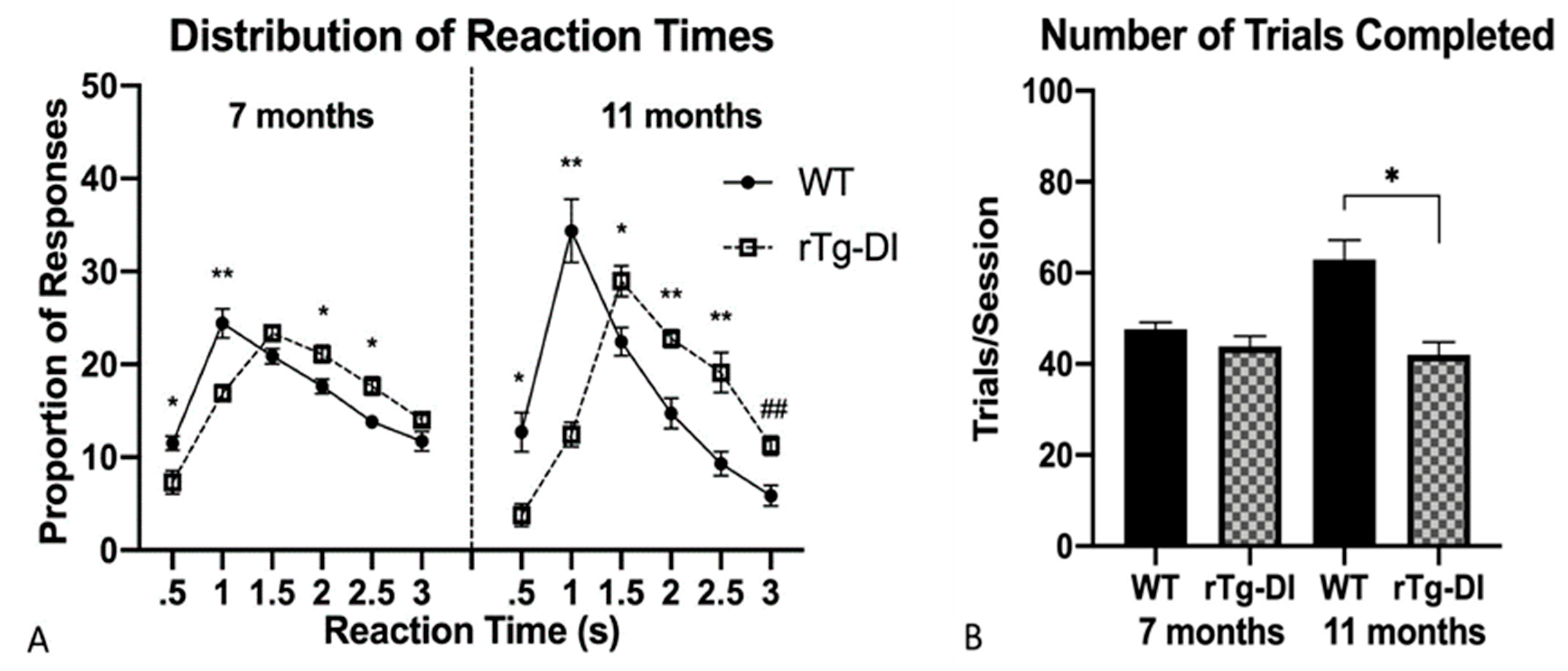
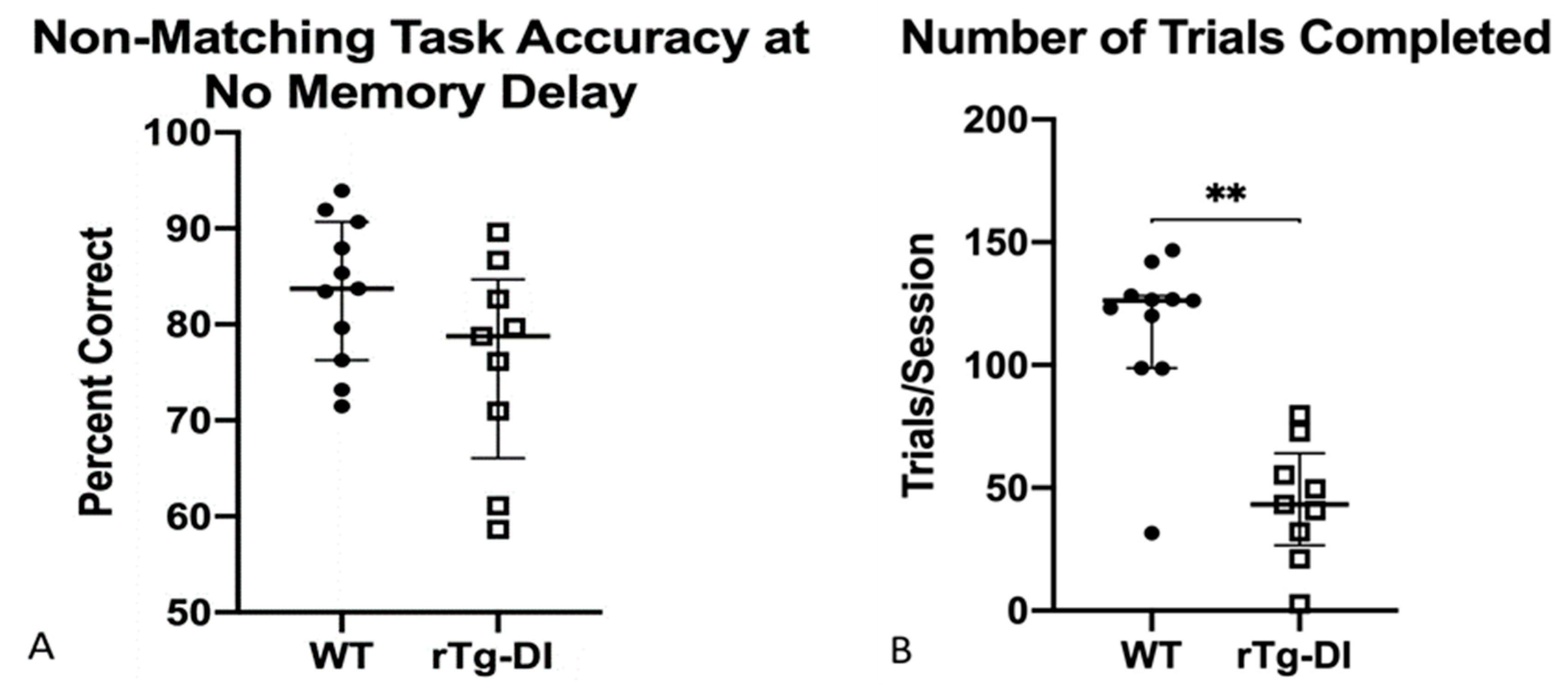
Cerebral amyloid angiopathy (CAA) is a small vessel disease characterized by β-amyloid (Aβ) accumulation in and around the cerebral blood vessels and capillaries and is highly comorbid with Alzheimer’s disease (AD). Familial forms of CAA result from mutations within the Aβ domain of the amyloid β precursor protein (AβPP). Numerous transgenic mouse models have been generated around expression of human AβPP mutants and used to study cerebral amyloid pathologies. While behavioral deficits have been observed in many AβPP transgenic mouse lines, relative to rats, mice are limited in behavioral expression within specific cognitive domains. Recently, we generated a novel rat model, rTg-DI, which expresses Dutch/Iowa familial CAA Aβ in brain, develops progressive and robust accumulation of cerebral microvascular fibrillar Aβ beginning at 3 months, and mimics many pathological features of the human disease. The novel rTg-DI model provides a unique opportunity to evaluate the severity and forms of cognitive deficits that develop over the emergence and progression of CAA pathology. Here, we present an in-depth, longitudinal study aimed to complete a comprehensive assessment detailing phenotypic disease expression through extensive and sophisticated operant testing. Cohorts of rTg-DI and wild-type (WT) rats underwent operant testing from 6 to 12 months of age. Non-operant behavior was assessed prior to operant training at 4 months and after completion of training at 12 months. By 6 months, rTg-DI animals demonstrated speed–accuracy tradeoffs that later manifested across multiple operant tasks. rTg-DI animals also demonstrated delayed reaction times beginning at 7 months. Although non-operant assessments at 4 and 12 months indicated comparable mobility and balance, rTg-DI showed evidence of slowed environmental interaction. Overall, this suggests a form of sensorimotor slowing is the likely core functional impairment in rTg-DI rats and reflects similar deficits observed in human CAA.
Keywords: cerebral amyloid angiopathy; Alzheimer’s disease; rat model; operant testing; radial arm maze; novel object recognition; longitudinal cerebral amyloid angiopathy; Alzheimer’s disease; rat model; operant testing; radial arm maze; novel object recognition; longitudinal