Article

Chronic BACE-1 Inhibitor Administration in TASTPM Mice (APP KM670/671NL and PSEN1 M146V Mutation): An EEG Study

by
Susanna Lopez
1,2,
Claudio Del Percio
1,
Gianluigi Forloni
3,
Angelisa Frasca
3,
Wilhelmus H. Drinkenburg
4,
Roberta Lizio
5,
Giuseppe Noce
5,
Raffaele Ferri
6,
Andrea Soricelli
5,7,
Fabrizio Stocchi
8,
Laura Vacca
8,
Règis Bordet
9,10,
Jill C. Richardson
11,
Claudio Babiloni
1,12,* and
on behalf of PharmaCog Consortium
1
Department of Physiology and Pharmacology “V Erspamer”, Sapienza University of Rome, 00185 Rome, Italy
2
Department of Emergency and Organ Transplantation - Nephrology, Dialysis and Transplantation Unit, Aldo Moro University of Bari, 70121 Bari, Italy
3
Department of Neuroscience, Istituto di Ricerche Farmacologiche Mario Negri IRCCS, 20156 Milan, Italy
4
Janssen Research and Development, Pharmaceutical Companies of J&J, B-2340 Beerse, Belgium
5
IRCCS SDN, 80143 Naples, Italy
6
Oasi Research Institute - IRCCS, 94018 Troina, Italy
7
Department of Motor Sciences and Healthiness, University of Naples Parthenope, 80133 Naples, Italy
8
Institute for Research and Medical Care, IRCCS San Raffaele Pisana, 00163 Rome, Italy
9
University of Lille, Inserm, CHU, 59000 Lille, France
10
U1171 - Degenerative and Vascular Cognitive Disorders, 59000 Lille, France
11
GlaxoSmithKline R&D Neuroscience Therapeutic Area UK, Gunnels Wood Road, Stevenage, Hertfordshire SG1 2NY, UK
12
San Raffaele Cassino, 03043 Cassino (FR), Italy
*
Author to whom correspondence should be addressed.
Membership of the PharmaCog Consortium is provided in the Acknowledgments.
Int. J. Mol. Sci. 2020, 21(23), 9072; https://doi.org/10.3390/ijms21239072
Submission received: 10 August 2020 / Revised: 16 November 2020 / Accepted: 24 November 2020 / Published: 28 November 2020
(This article belongs to the Special Issue Electrophysiology of Alzheimer's Disease)

Abstract

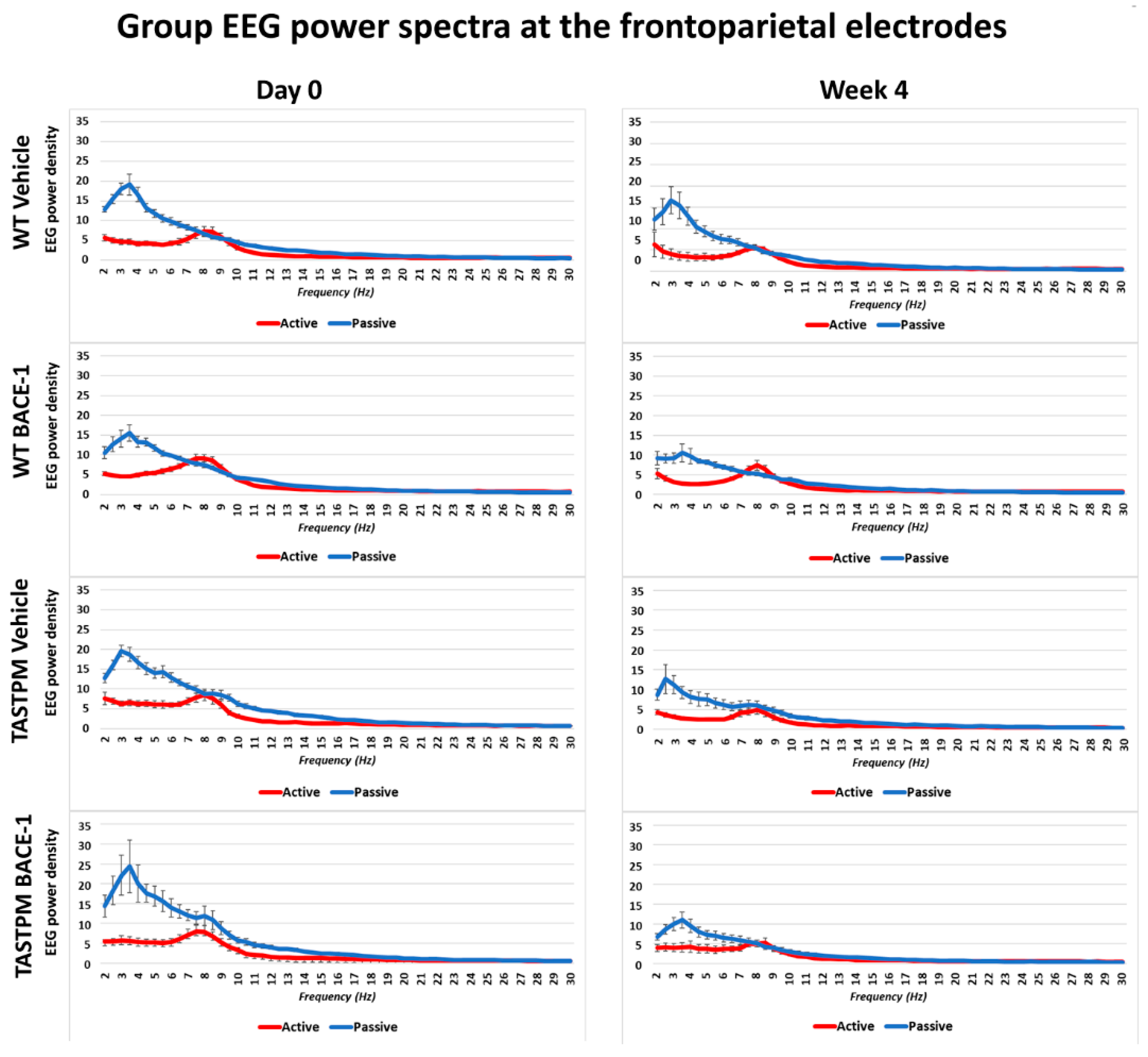
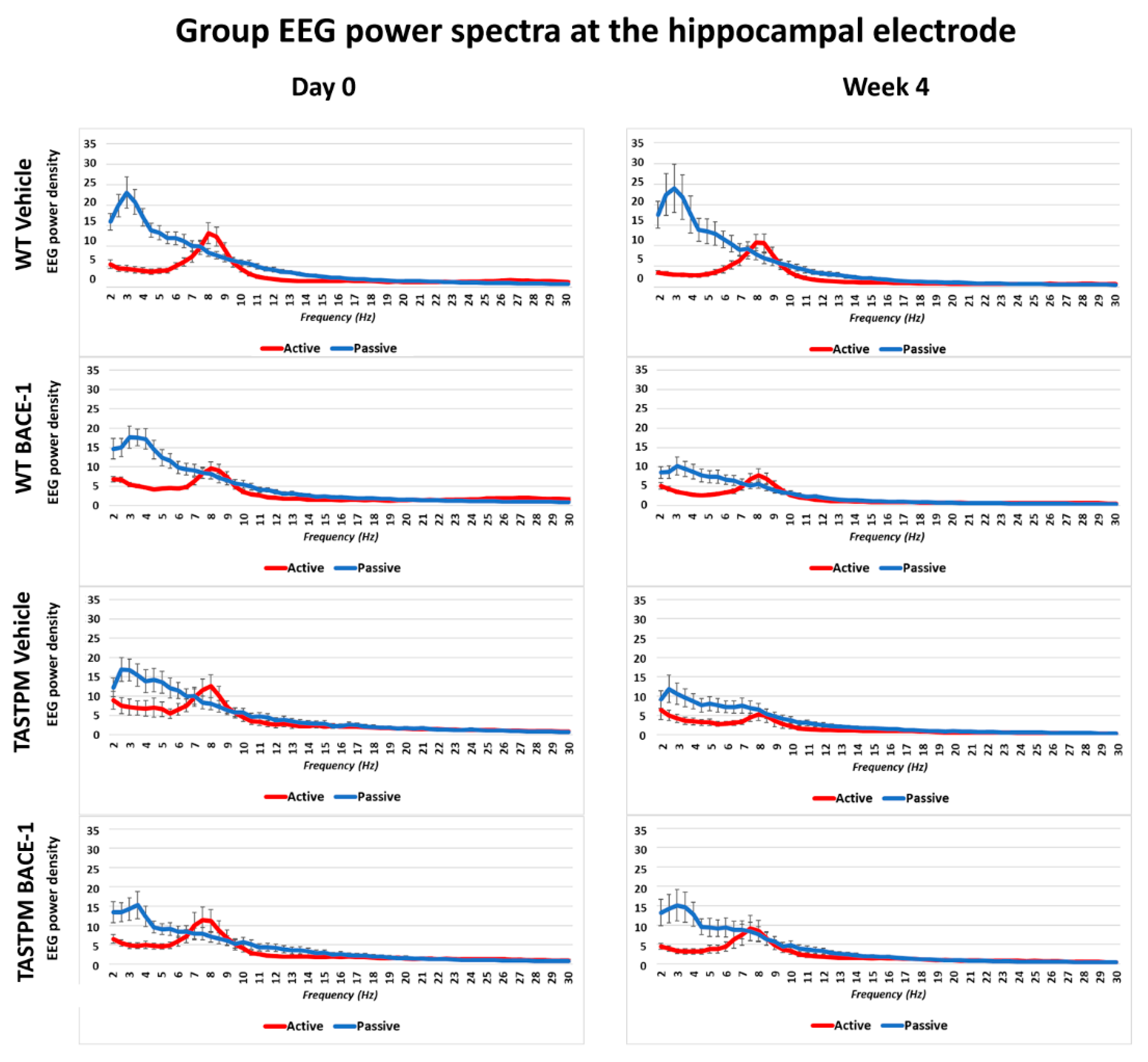
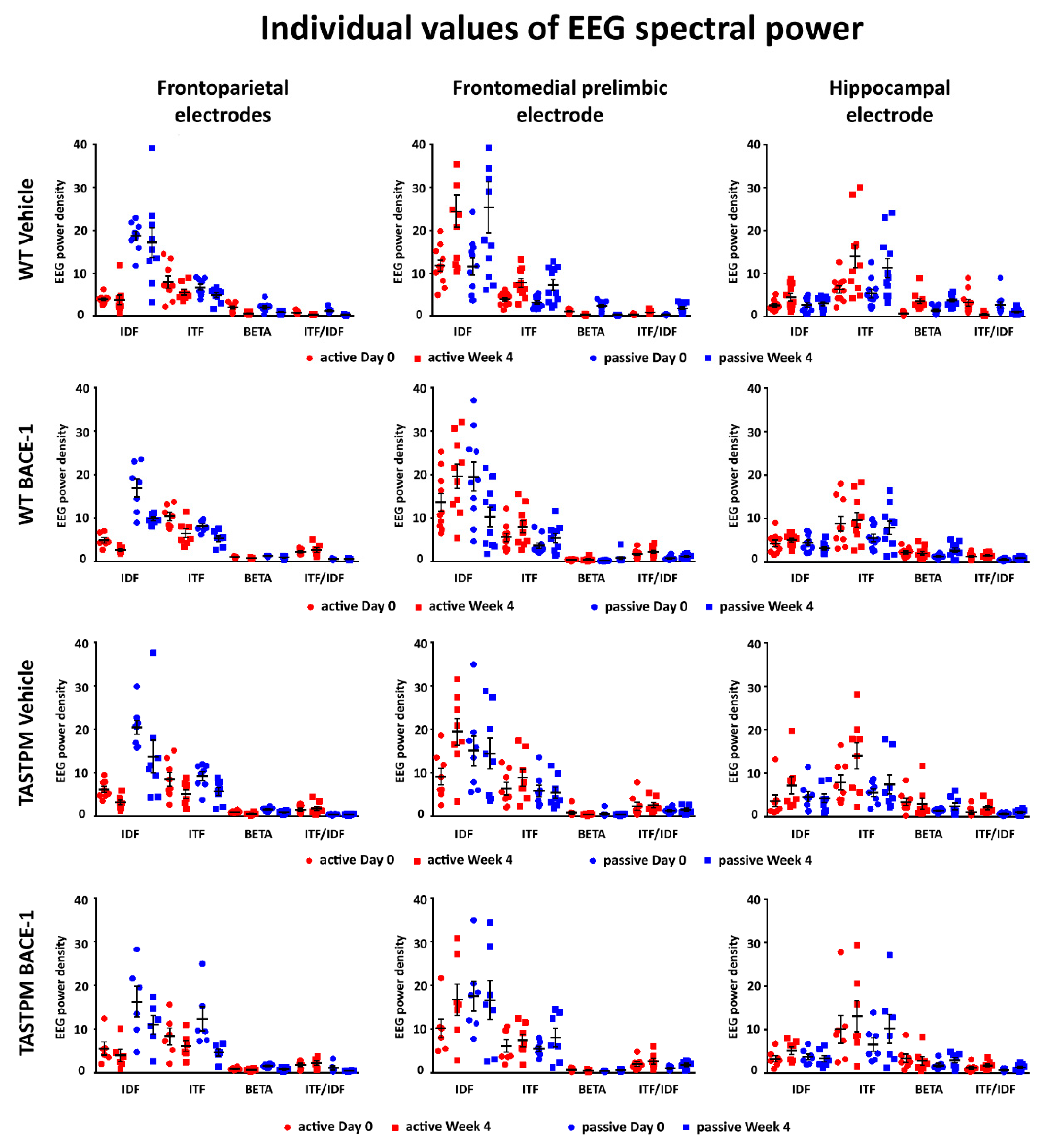
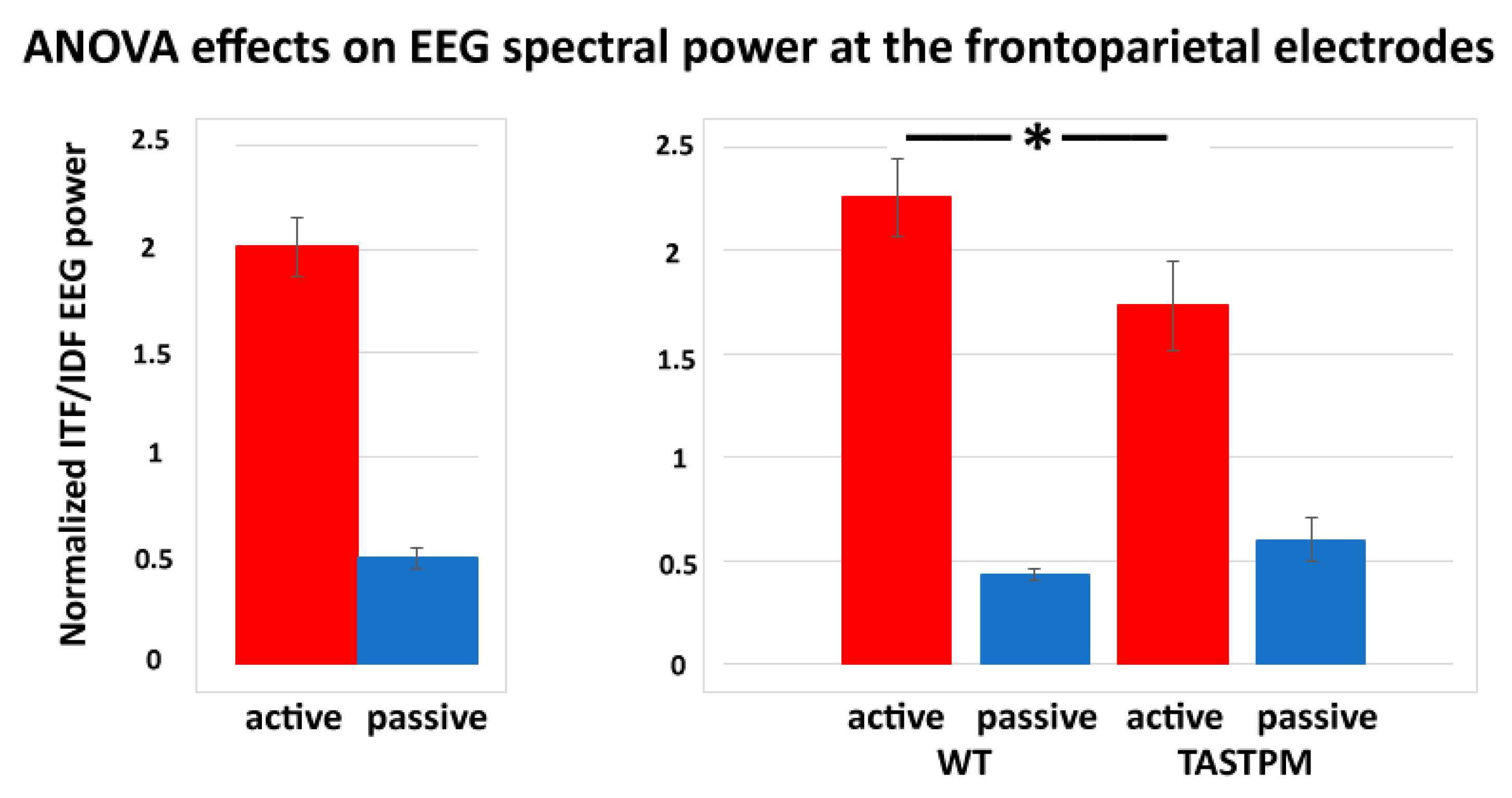
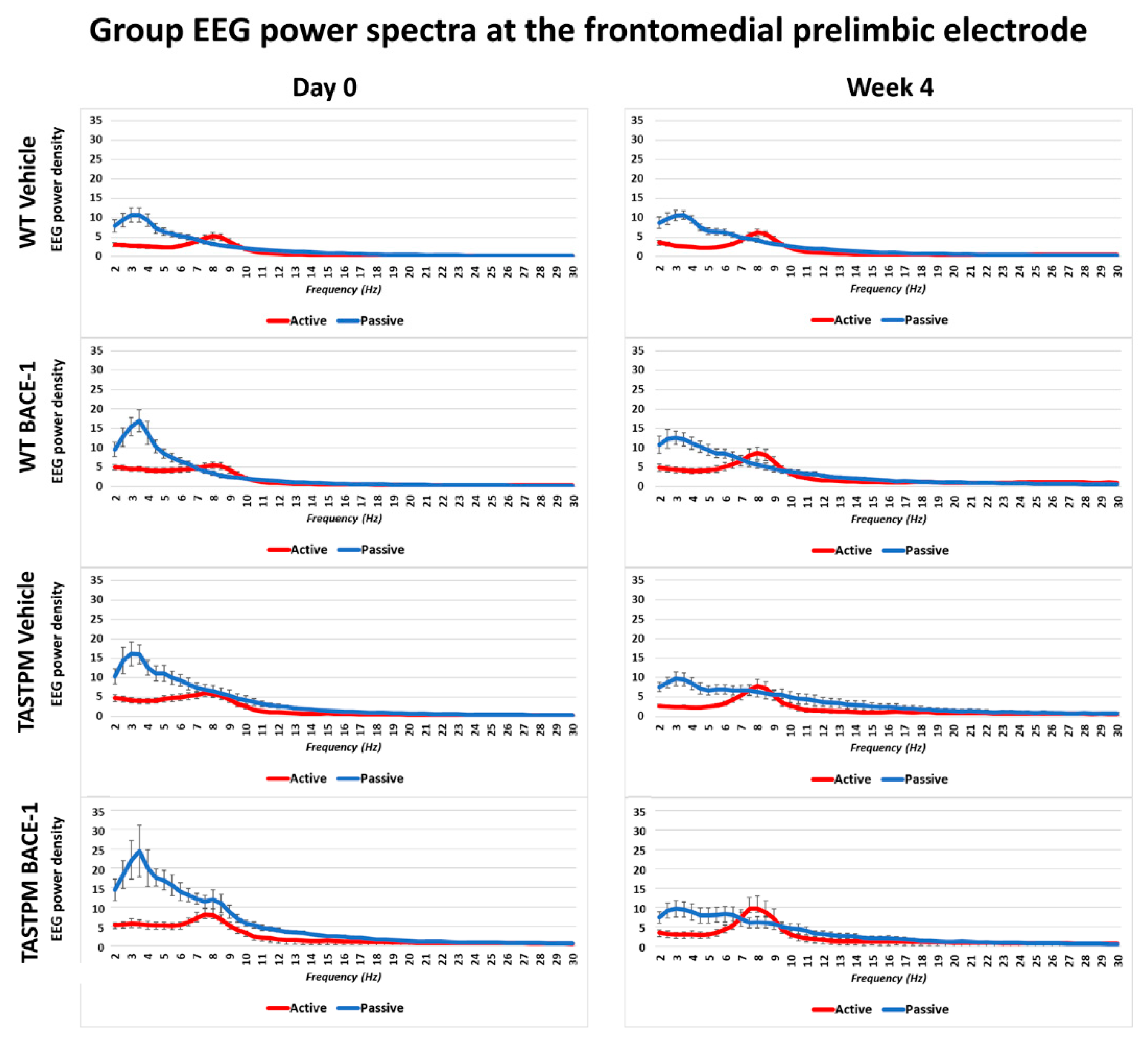
Objective. In this exploratory study, we tested whether electroencephalographic (EEG) rhythms may reflect the effects of a chronic administration (4 weeks) of an anti-amyloid β-site amyloid precursor protein (APP) cleaving enzyme 1 inhibitor (BACE-1; ER-901356; Eisai Co., Ltd., Tokyo, Japan) in TASTPM (double mutation in APP KM670/671NL and PSEN1 M146V) producing Alzheimer’s disease (AD) amyloid neuropathology as compared to wild type (WT) mice. Methods. Ongoing EEG rhythms were recorded from a bipolar frontoparietal and two monopolar frontomedial (prelimbic) and hippocampal channels in 11 WT Vehicle, 10 WT BACE-1, 10 TASTPM Vehicle, and 11 TASTPM BACE-1 mice (males; aged 8/9 months old at the beginning of treatment). Normalized EEG power (density) was compared between the first day (Day 0) and after 4 weeks (Week 4) of the BACE-1 inhibitor (10 mg/Kg) or vehicle administration in the 4 mouse groups. Frequency and magnitude of individual EEG delta and theta frequency peaks (IDF and ITF) were considered during animal conditions of behaviorally passive and active wakefulness. Cognitive status was not tested. Results. Compared with the WT group, the TASTPM group generally showed a significantly lower reactivity in frontoparietal ITF power during the active over the passive condition (p < 0.05). Notably, there was no other statistically significant effect (e.g., additional electrodes, recording time, and BACE-1 inhibitor). Conclusions. The above EEG biomarkers reflected differences between the WT and TASTPM groups, but no BACE-1 inhibitor effect. The results suggest an enhanced experimental design with the use of younger mice, longer drug administrations, an effective control drug, and neuropathological amyloid markers.
Keywords: electroencephalography (EEG); Alzheimer’s disease (AD); β-site amyloid precursor protein cleaving enzyme (BACE-1) inhibitor; TASTPM mice electroencephalography (EEG); Alzheimer’s disease (AD); β-site amyloid precursor protein cleaving enzyme (BACE-1) inhibitor; TASTPM mice