Article

Vitamin D Supplementation Reduces Both Oxidative DNA Damage and Insulin Resistance in the Elderly with Metabolic Disorders


by
Sylwia Wenclewska
1,
Izabela Szymczak-Pajor
2,
Józef Drzewoski
3,
Mariusz Bunk
3 and
Agnieszka Śliwińska
2,*
1
Department of Internal Medicine, Diabetology and Clinical Pharmacology, Medical University in Lodz, 251 Pomorska Street, 92-213 Lodz, Poland
2
Department of Nucleic Acid Biochemistry, Medical University of Lodz, 251 Pomorska Street, 92-213 Lodz, Poland
3
Central Teaching Hospital of the Medical University of Lodz, 251 Pomorska Street, 92-213 Lodz, Poland
*
Author to whom correspondence should be addressed.
Int. J. Mol. Sci. 2019, 20(12), 2891; https://doi.org/10.3390/ijms20122891
Submission received: 23 April 2019 / Revised: 31 May 2019 / Accepted: 10 June 2019 / Published: 13 June 2019
(This article belongs to the Section Bioactives and Nutraceuticals)

Abstract

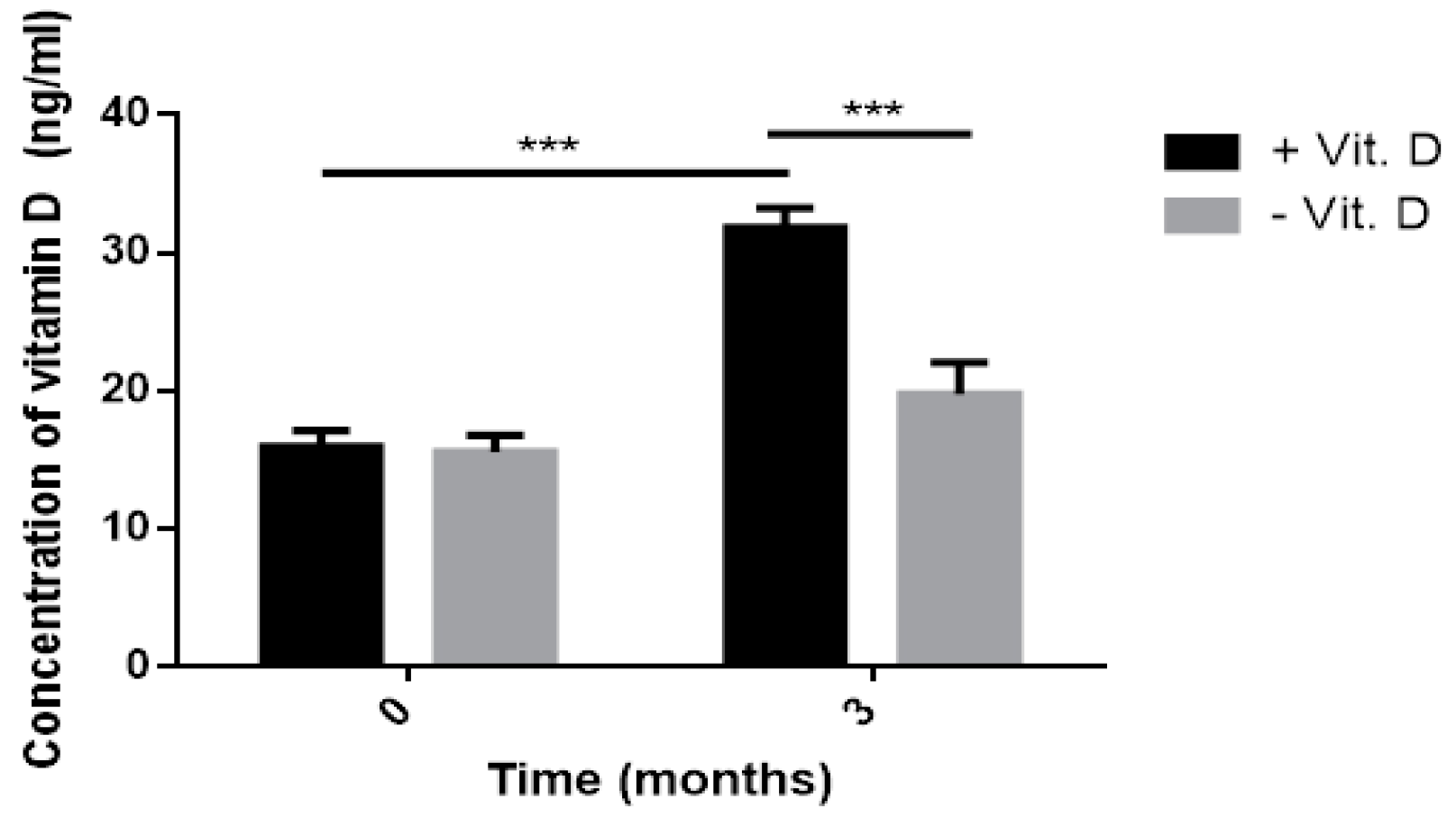
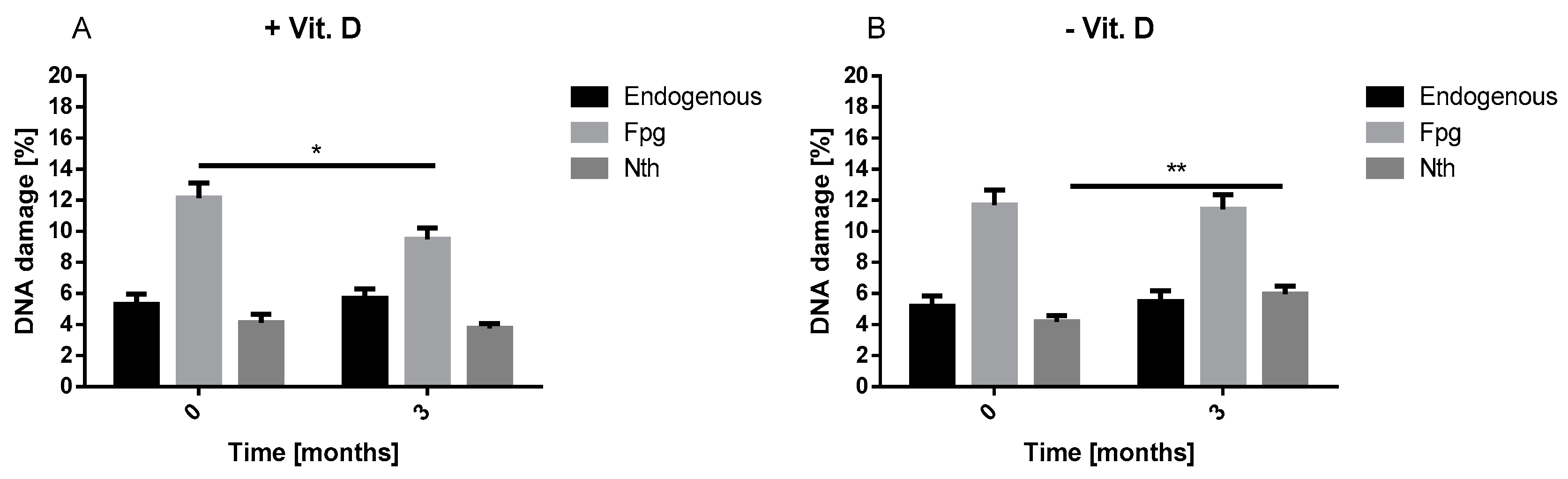
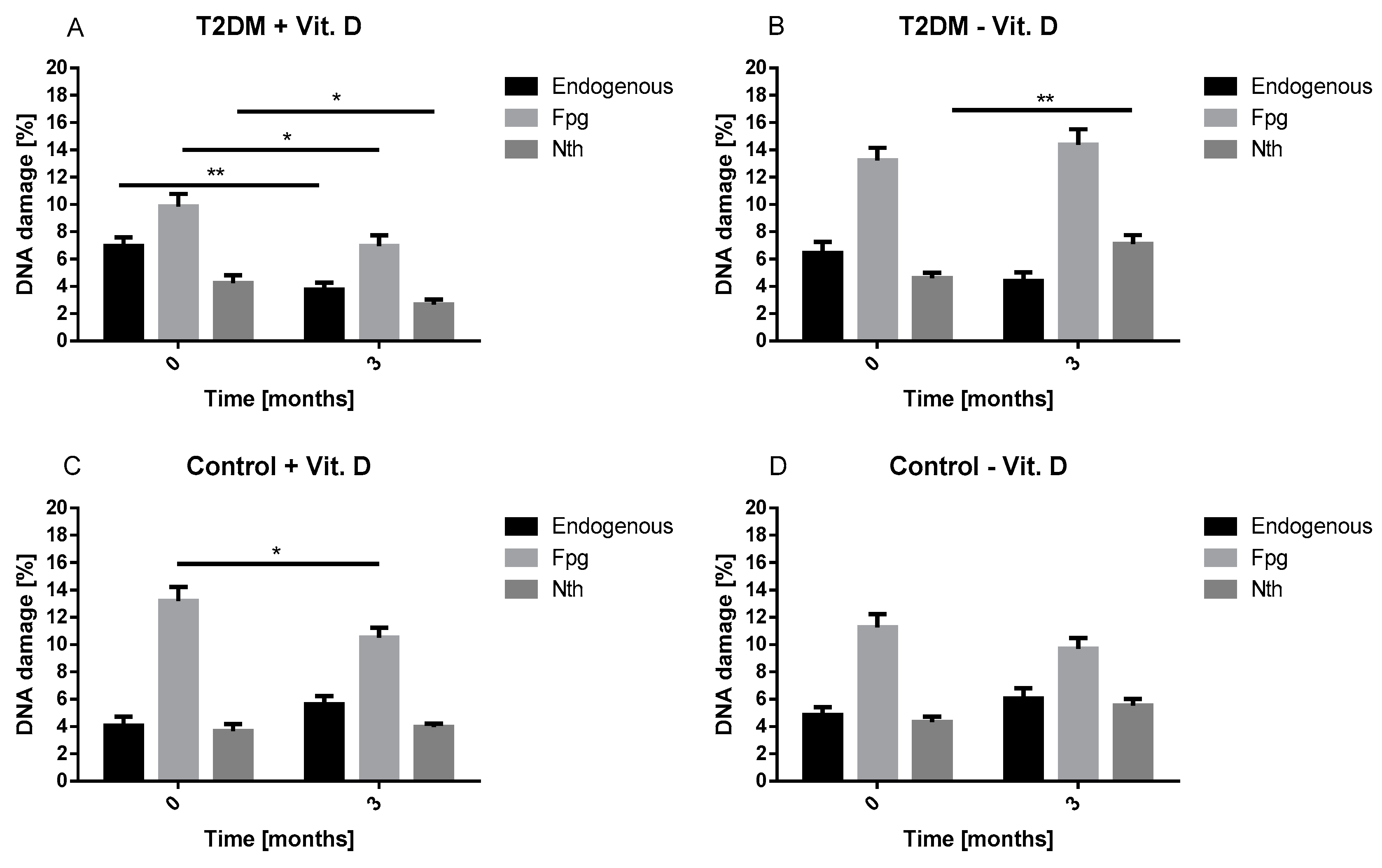
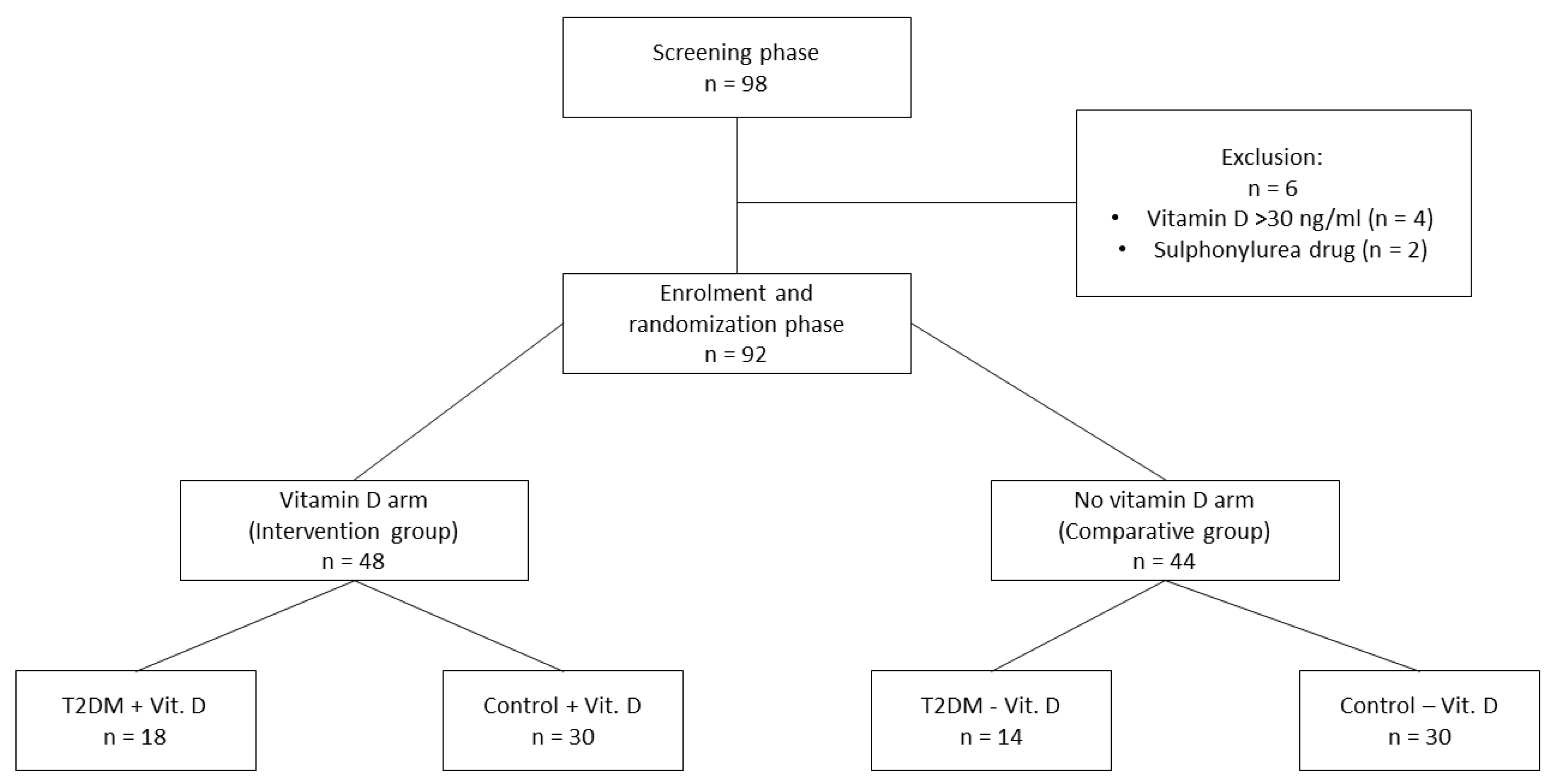
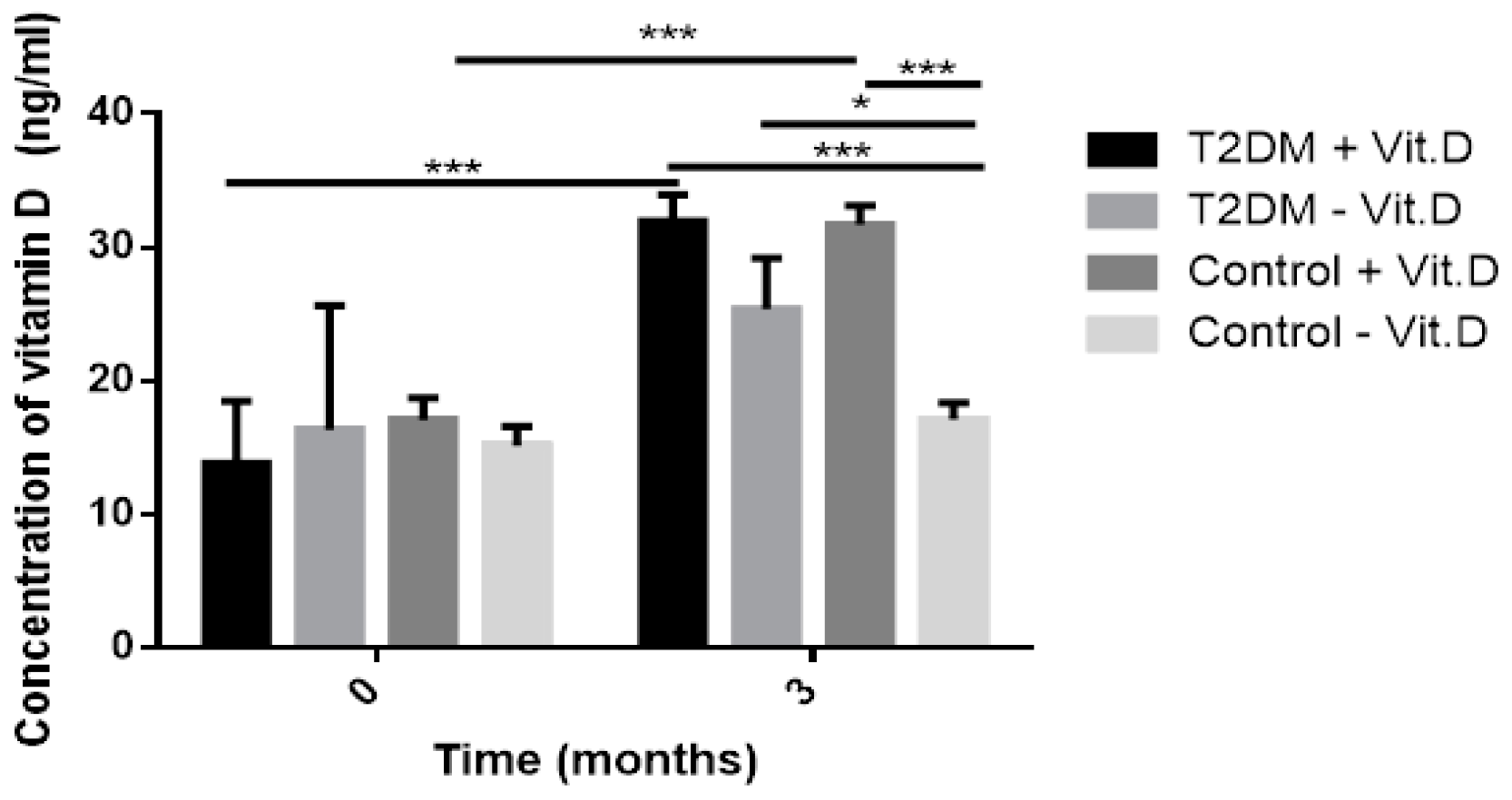
Background: Research evidence indicates that vitamin D deficiency is involved in the pathogenesis of insulin resistance (IR) and associated metabolic disorders including hyperglycemia and dyslipidemia. It also suggested that vitamin D deficiency is associated with elevated levels of oxidative stress and its complications. Therefore, the aim of our study was to determine the effect of vitamin D supplementation on DNA damage and metabolic parameters in vitamin D deficient individuals aged >45 with metabolic disorders. Material and Methods: Of 98 initially screened participants, 92 subjects deficient in vitamin D were included in the study. They were randomly assigned to the following group: with vitamin D supplementation (intervention group, n = 48) and without supplementation (comparative group, n = 44). The patients from both groups were divided into two subgroups according to the presence or absence of type 2 diabetes (T2DM). The intervention group was treated with 2000 International Unit (IU) cholecalciferol/day between October and March for three months. At baseline and after three-month supplementation vitamin D concentration (25-OH)D3 and endogenous and oxidative DNA damage were determined. In addition, fast plasma glucose (FPG), fasting insulin, HbA1c and lipid fraction (total cholesterol (TC), low-density lipoprotein cholesterol (LDL), high-density lipoprotein cholesterol (HDL), triglyceride (TG)), as well as anthropometric measurements (weight, height) were gathered. The following IR-related parameters were calculated Homeostatic Model Assesment – Insulin Resistance (HOMA-IR) and TG/HDL ratio. Results: Three-month vitamin D supplementation increased the mean vitamin D concentration to generally accepted physiological level independently of T2DM presence. Importantly, vitamin D exposure decreased the level of oxidative DNA damage in lymphocytes of patients of intervention group. Among studied metabolic parameters, vitamin D markedly increased HDL level, decreased HOMA-IR, TG/HDL ratio. Furthermore, we found that HbA1c percentage diminished about 0.5% in T2DM patients supplemented with vitamin D. Conclusion: The current study demonstrated that daily 2000I U intake of vitamin D for three months decreased the level of oxidative DNA damage, a marker of oxidative stress, independently on T2DM presence. Furthermore, vitamin D reduced metabolic parameters connected with IR and improved glucose and lipid metabolism. Therefore, our results support the assertion that vitamin D, by reducing oxidative stress and improving of metabolic profile, may decrease IR and related diseases.
Keywords: vitamin D; endogenous and oxidative DNA damage; type 2 diabetes; lipid profile; insulin resistance vitamin D; endogenous and oxidative DNA damage; type 2 diabetes; lipid profile; insulin resistance