Next Article in Journal
Inhibition of Tetraspanin Functions Impairs Human Papillomavirus and Cytomegalovirus Infections
Next Article in Special Issue
Chloroplasts at the Crossroad of Photosynthesis, Pathogen Infection and Plant Defense
Previous Article in Journal
Hepatoprotective Effect of Loquat Leaf Flavonoids in PM2.5-Induced Non-Alcoholic Fatty Liver Disease via Regulation of IRs-1/Akt and CYP2E1/JNK Pathways
Previous Article in Special Issue
Distinct Carbon and Nitrogen Metabolism of Two Contrasting Poplar Species in Response to Different N Supply Levels
Article

Comparison on Photosynthesis and Antioxidant Defense Systems in Wheat with Different Ploidy Levels and Octoploid Triticale

1
College of Life Sciences, Sichuan Agricultural University, Ya’an 625014, China
2
College of Life Sciences, Sichuan University, Chengdu 610061, China
3
College of Resources Science and Technology, Sichuan Agricultural University, Chengdu 611130, China
4
Department of Plant Physiology, Slovak Agricultural University, 94976 Nitra, Slovakia
*
Authors to whom correspondence should be addressed.
These authors contributed equally to this work.
Int. J. Mol. Sci. 2018, 19(10), 3006; https://doi.org/10.3390/ijms19103006
Received: 5 August 2018 / Revised: 15 September 2018 / Accepted: 25 September 2018 / Published: 2 October 2018
(This article belongs to the Special Issue Photosynthesis)
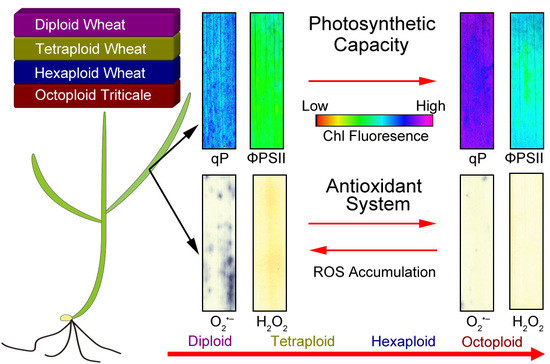
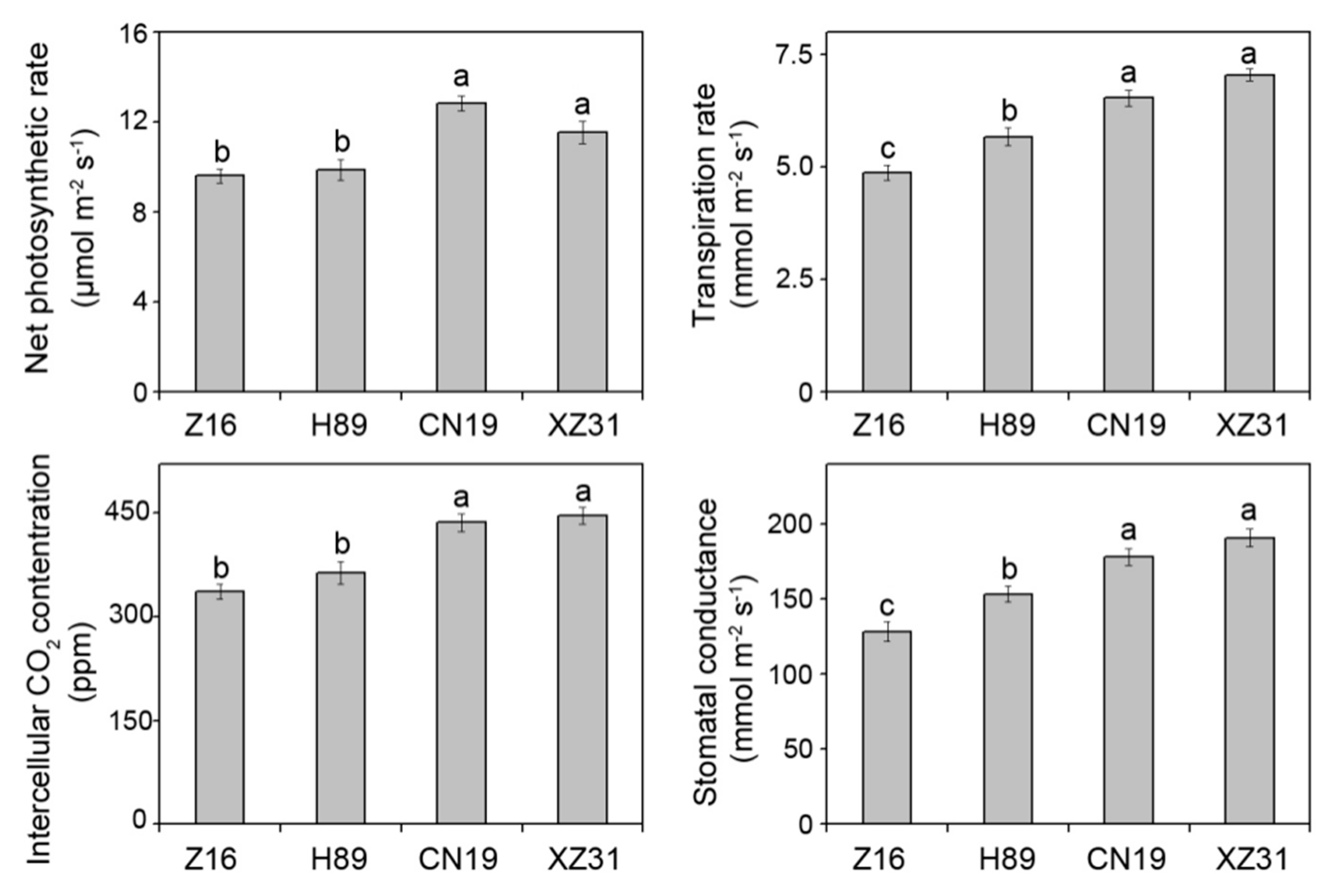
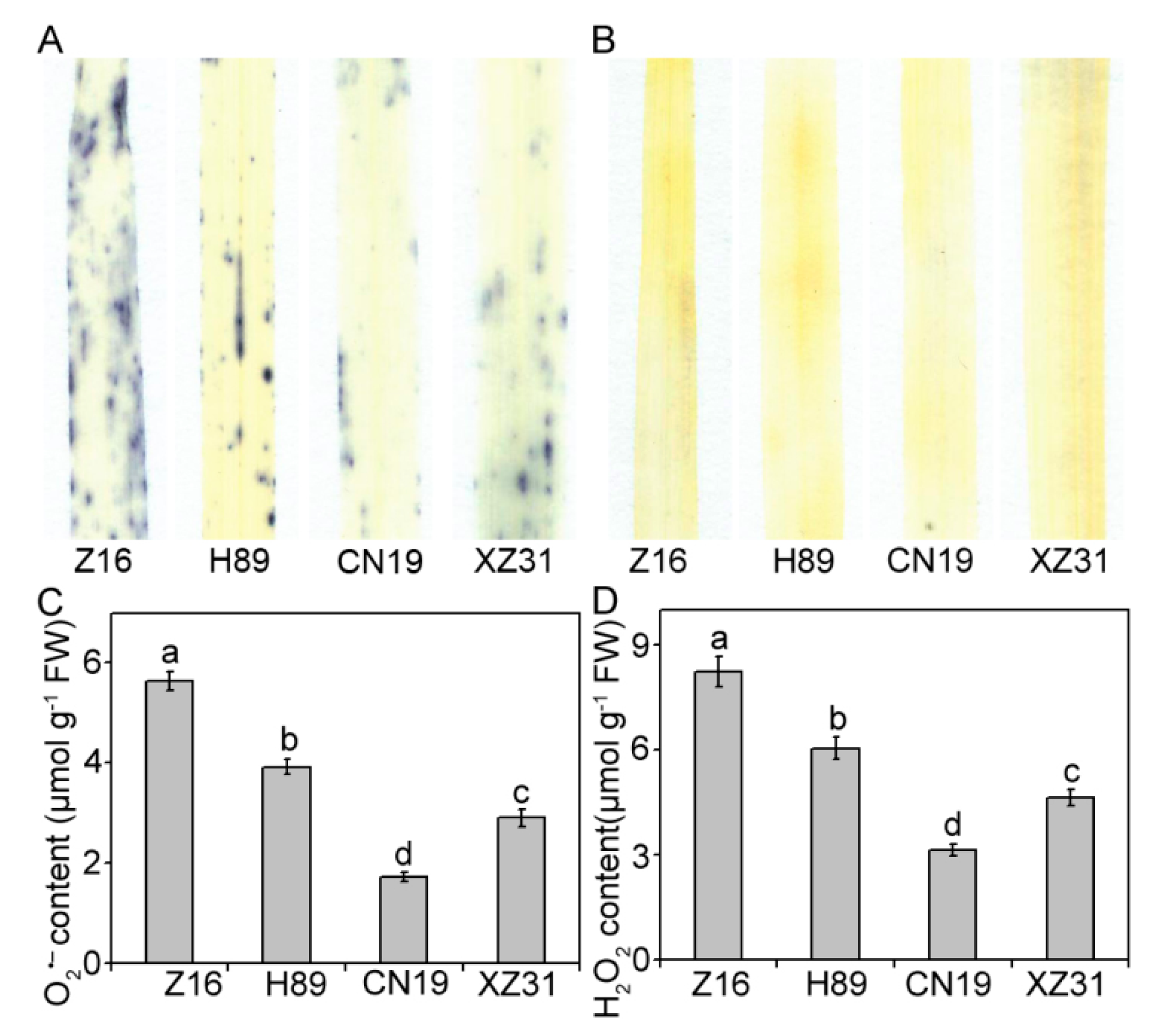
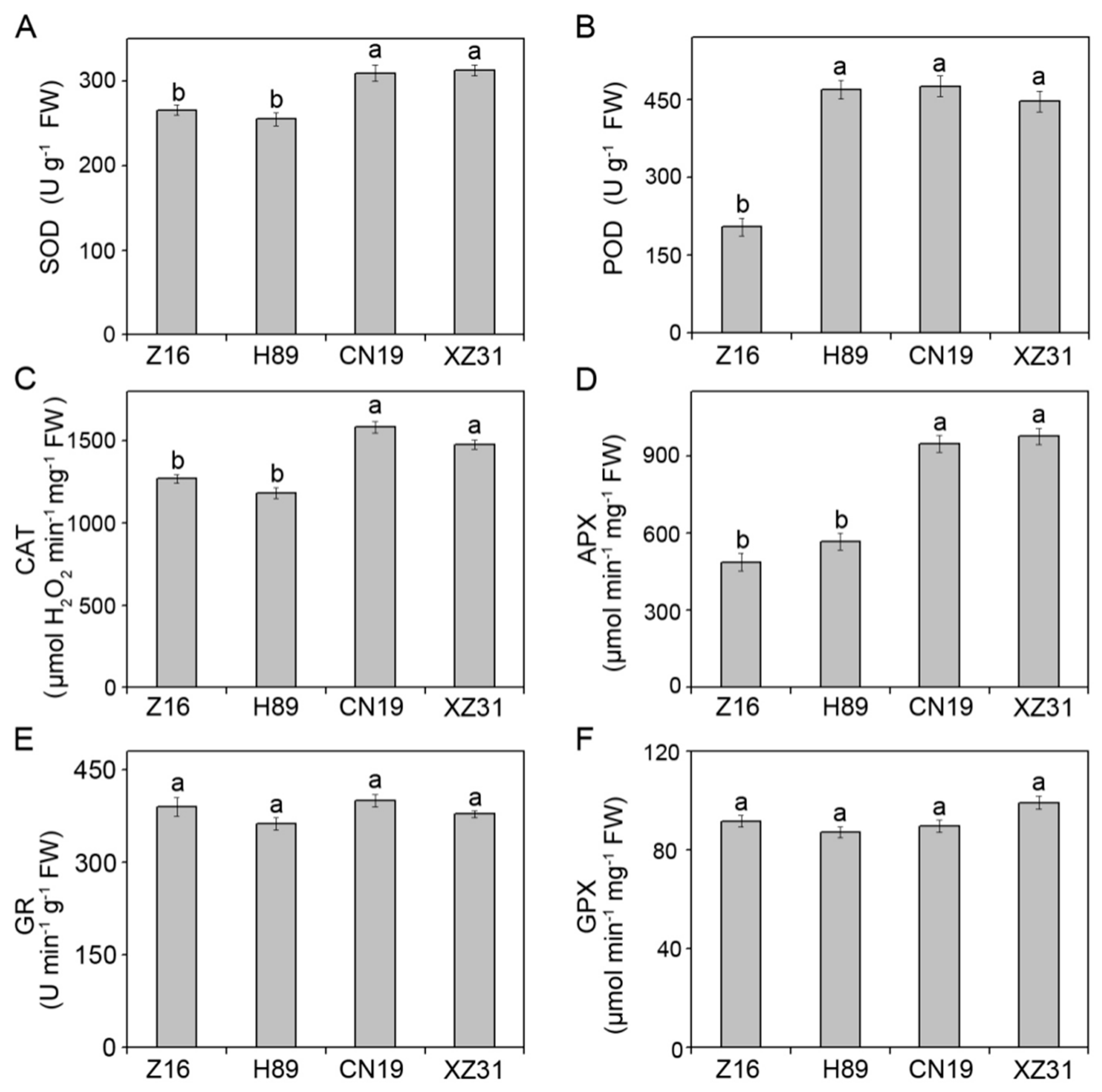
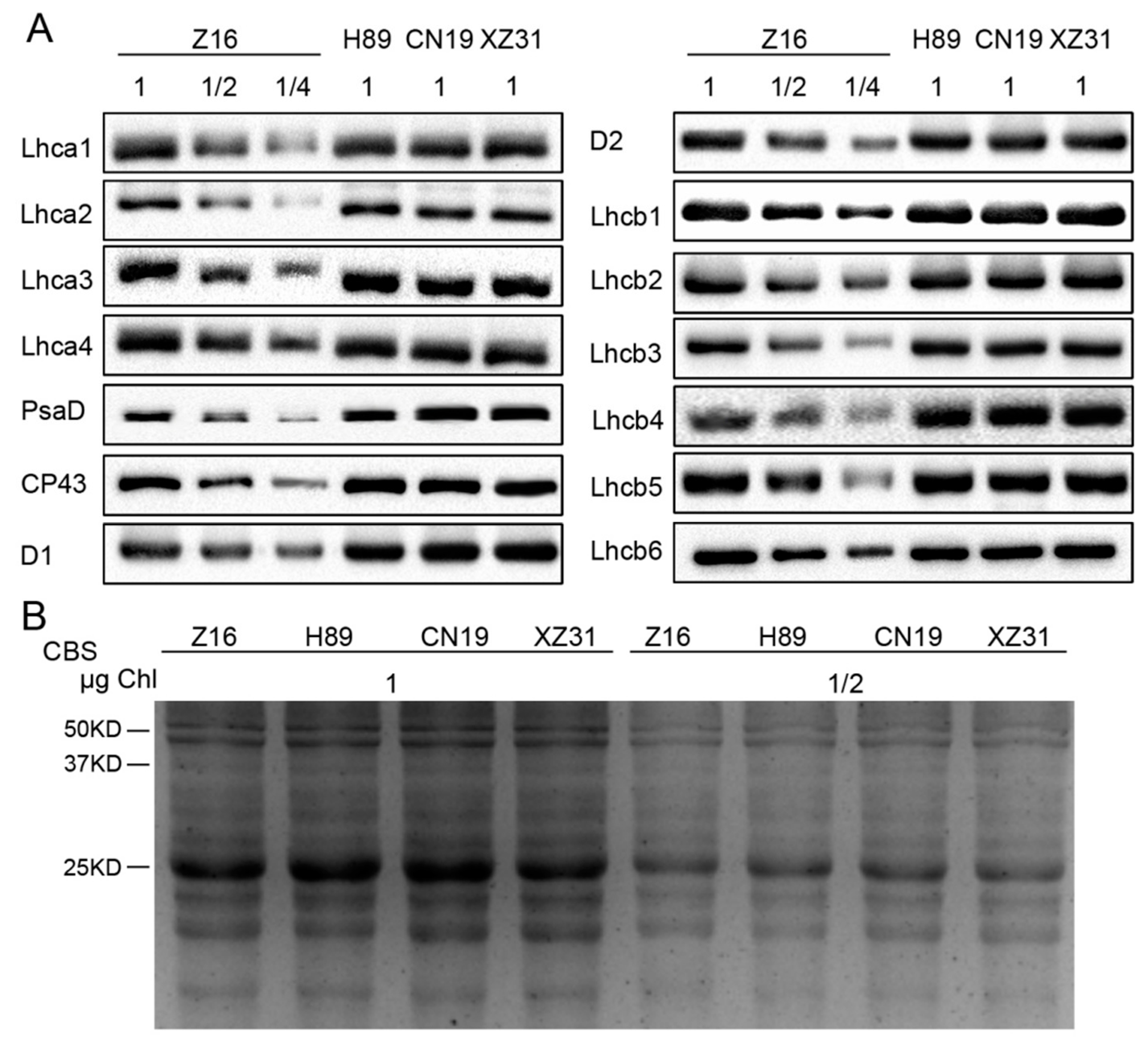
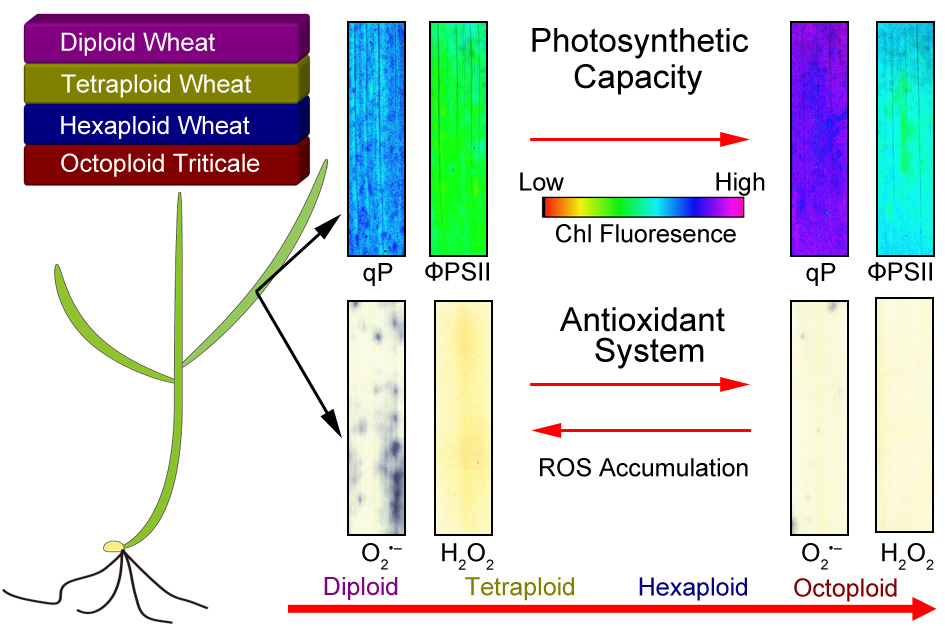
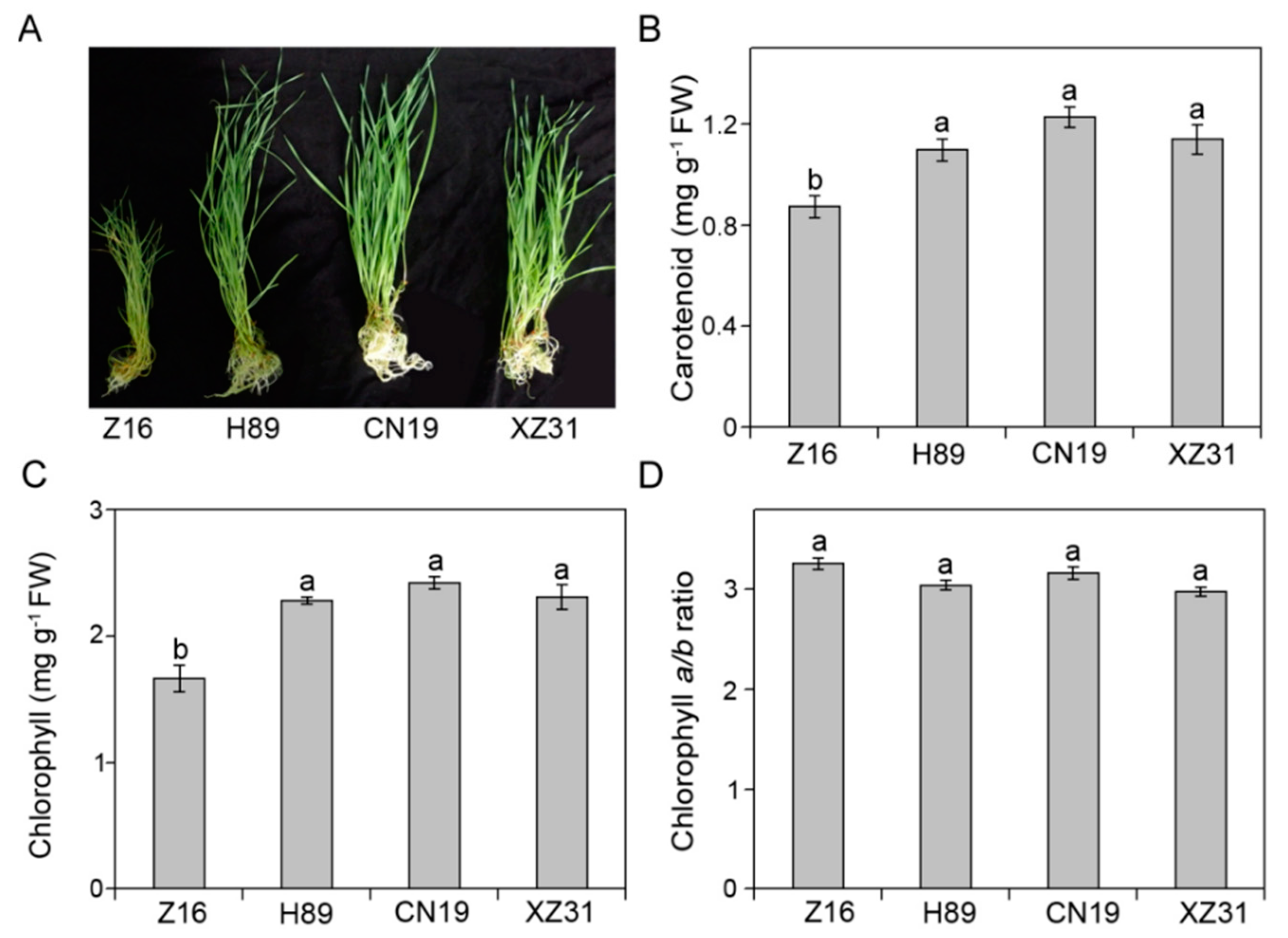
To investigate the evolutionary differences of wheat with different ploidy levels and octoploid Triticale, photosynthetic capacity, and antioxidant defenses system were compared within and between diploid, tetraploid and hexaploid wheat, and octoploid Triticale seedlings. The results showed that seed germination rate, chlorophyll content, and photochemical activity of photosystems, and the activities of antioxidative enzymes in hexaploid wheat and octoploid Triticale were significantly higher than in diploid and tetraploid wheat. Compared to other two wheat species and octoploid Triticale, hexaploid wheat presented lower levels of reactive oxygen species (ROS). Furthermore, we found that the levels of photosystem II reaction center protein D1, light-harvesting complex II b4 (CP29), and D subunit of photosystem I (PsaD) in diploid wheat were significantly lower compared with hexaploid wheat and octoploid Triticale. Taken together, we concluded that hexaploid wheat and octoploid Triticale have higher photosynthetic capacities and better antioxidant systems. These findings indicate that different ploidy levels of chromosome probably play an important regulatory role in photosystems and antioxidative systems of plants. View Full-Text
Keywords: photosynthetic characteristics; antioxidative enzymes; wheat; polyploidy; photosystems; chlorophyll fluorescence photosynthetic characteristics; antioxidative enzymes; wheat; polyploidy; photosystems; chlorophyll fluorescence
Show Figures

Graphical abstract

MDPI and ACS Style

Mao, H.; Chen, M.; Su, Y.; Wu, N.; Yuan, M.; Yuan, S.; Brestic, M.; Zivcak, M.; Zhang, H.; Chen, Y. Comparison on Photosynthesis and Antioxidant Defense Systems in Wheat with Different Ploidy Levels and Octoploid Triticale. Int. J. Mol. Sci. 2018, 19, 3006. https://doi.org/10.3390/ijms19103006

AMA Style

Mao H, Chen M, Su Y, Wu N, Yuan M, Yuan S, Brestic M, Zivcak M, Zhang H, Chen Y. Comparison on Photosynthesis and Antioxidant Defense Systems in Wheat with Different Ploidy Levels and Octoploid Triticale. International Journal of Molecular Sciences. 2018; 19(10):3006. https://doi.org/10.3390/ijms19103006
Chicago/Turabian Style

Mao, Haotian, Mengying Chen, Yanqiu Su, Nan Wu, Ming Yuan, Shu Yuan, Marian Brestic, Marek Zivcak, Huaiyu Zhang, and Yanger Chen. 2018. "Comparison on Photosynthesis and Antioxidant Defense Systems in Wheat with Different Ploidy Levels and Octoploid Triticale" International Journal of Molecular Sciences 19, no. 10: 3006. https://doi.org/10.3390/ijms19103006
Find Other Styles
Note that from the first issue of 2016, MDPI journals use article numbers instead of page numbers. See further details here.

Article Access Map by Country/Region

1
Back to TopTop