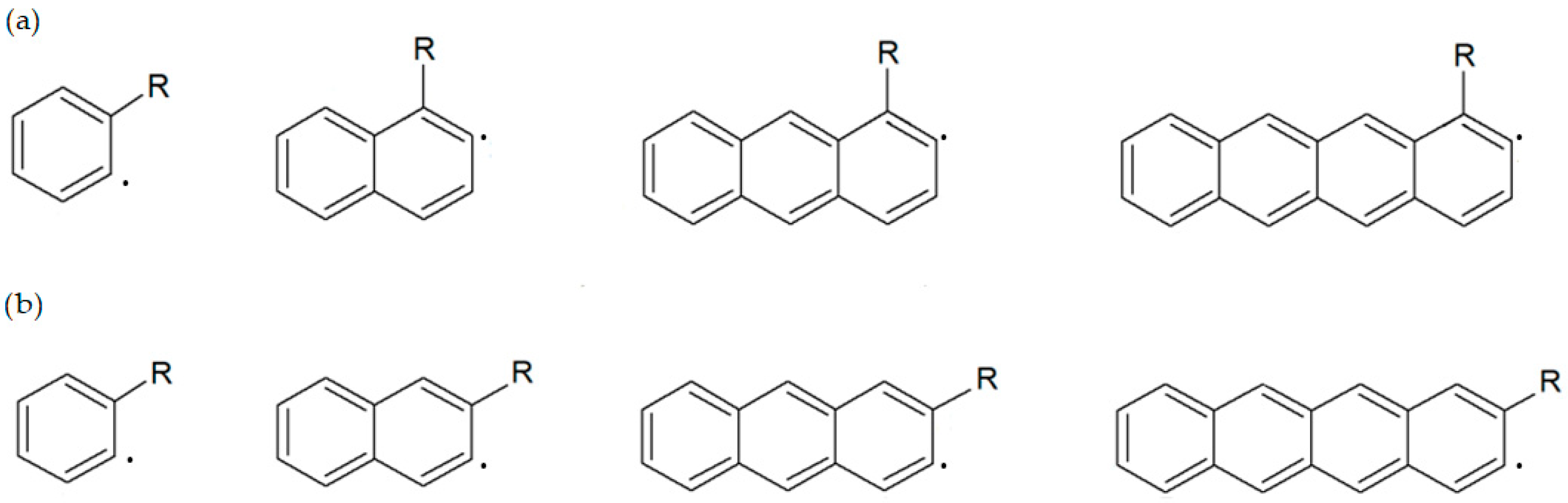
The relationship between the number of aromatic rings, the type of substituent, and the values of the kinetic parameters—the tunneling factor and the ratio of the reaction rate constants of substituted acene to unsubstituted ones at 300 K and 1500 K—were investigated. For this purpose, the response surface of a given kinetic parameter was determined depending on the number of aromatic rings and the type of substituent. A QSAR model was also developed, showing the dependence of the kinetic parameter value on the descriptors using DOE. The considered derivatives was divided according to the position of the substituent (α vs. β). Both chemically and statistically, this separation is essential: α-substituents exhibit both dominant electronic effects (such as resonance and inductive) and primary steric effects when they are in direct conjugation or close to the reactive/active site on the benzene core. On the other hand, β-substituents are separated by an extra atom, which leads to different conformational and secondary steric influences and decreased electronic effects that are frequently more inductive.
To construct statistically robust QSAR models, molecular descriptors were filtered based on a significance threshold (ANOVA *p*-value < 0.05). Recognizing the divergent electronic and steric influences of substituent position, the analysis was conducted on two distinct datasets: (i) α-substituted and benzene derivatives, and (ii) β-substituted and benzene derivatives, yielding two separate predictive equations.
3.1. Tunneling Factor
Our computational results demonstrate that substituent effects on the hydrogen-abstraction pathway in PAH + OH· reactions are governed not only by changes in classical activation barriers (Δ
G‡), but critically by modifications of the barrier shape that control quantum tunneling [
21]. In particular, strong electron-withdrawing groups (EWGs) such as –NO
2 and halogens typically increase the classical barrier height while simultaneously shifting the transition state toward the reactants (an “early” TS). This geometric shift shortens the breaking C–H distance at the barrier apex and steepens the potential-energy surface around the TS, producing a markedly narrower tunneling width. The combined effect of increased C–H polarization and reduced effective mass along the reaction coordinate further enhances the tunneling transmission coefficient
κ(
T). Consequently, nitro- and halo-substituted PAHs can show larger tunneling corrections (higher
κ(
T)) than electron-rich analogues, despite exhibiting higher Δ
G‡ values. These findings underline that barrier width and shape—not height alone—are decisive in the tunneling contribution in hydrogen abstraction by OH·, and therefore that mechanistic interpretations based solely on classical barrier heights may be misleading for substituted PAHs. Consequently, reporting both Δ
G‡ and
κ(
T) (or tunneling-corrected rate constants) to convey substituent effects on reactivity entirely is recommended. The tunneling factor (
κ) for
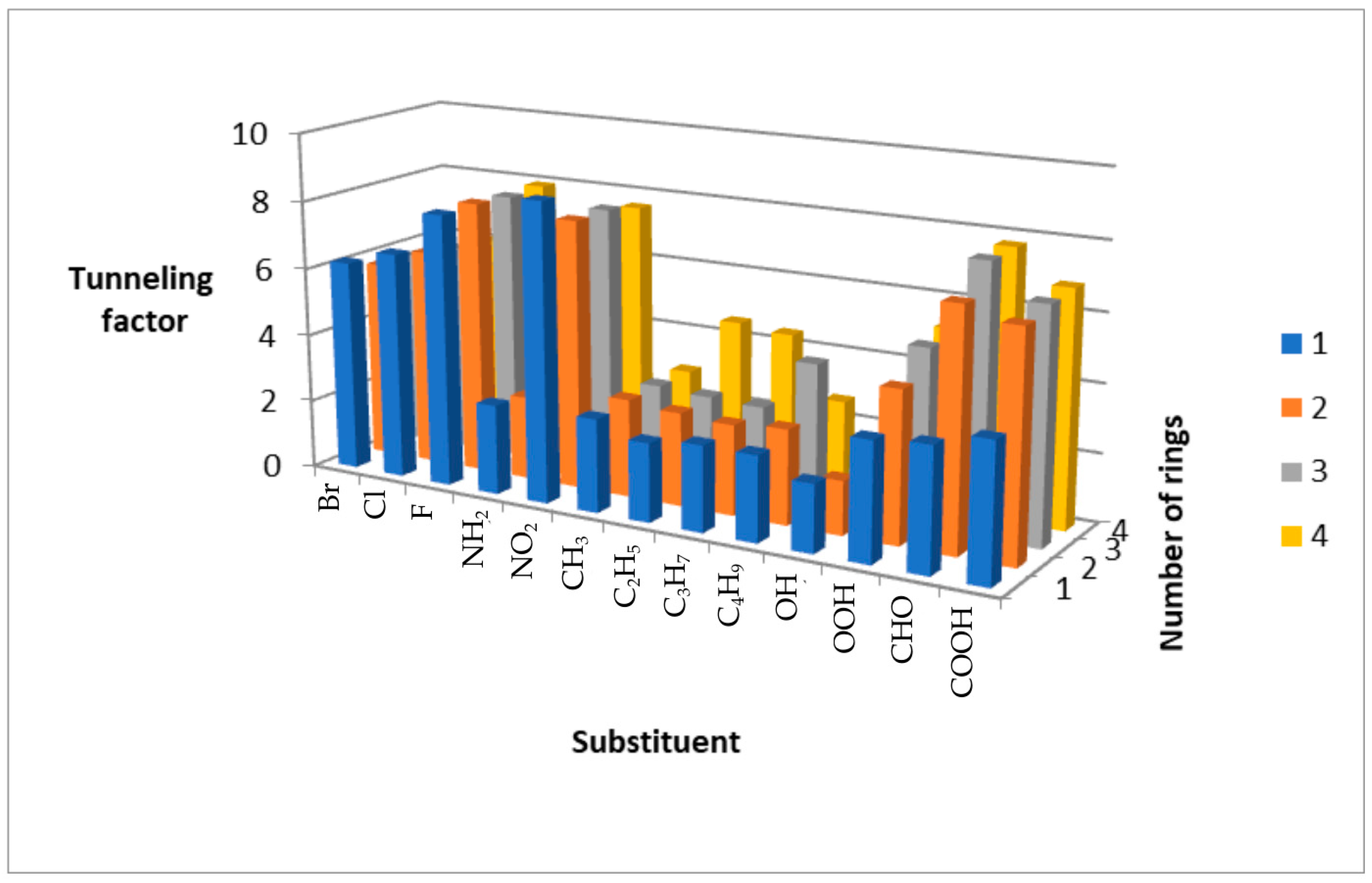
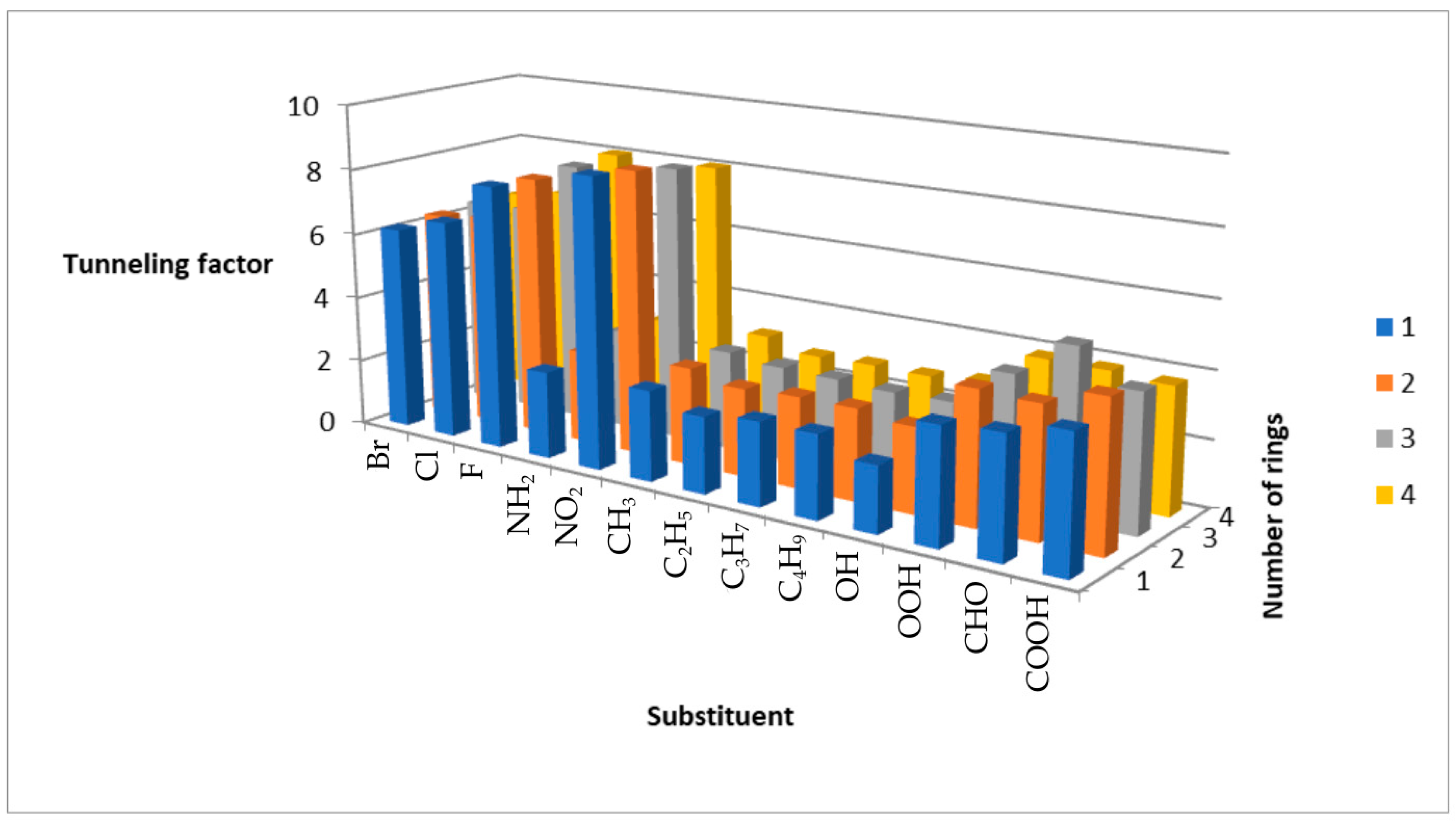
α-substituted PAHs exhibits clear dependence on both substituent type and the number of aromatic rings. As shown in
Figure 2,
κ is highest for halogenated, nitro, and carbonyl-substituted derivatives, and lowest for amines, alcohols, and alkyl chains. This trend correlates with the electron-withdrawing character of the substituent, which enhances hydrogen abstraction tunneling.
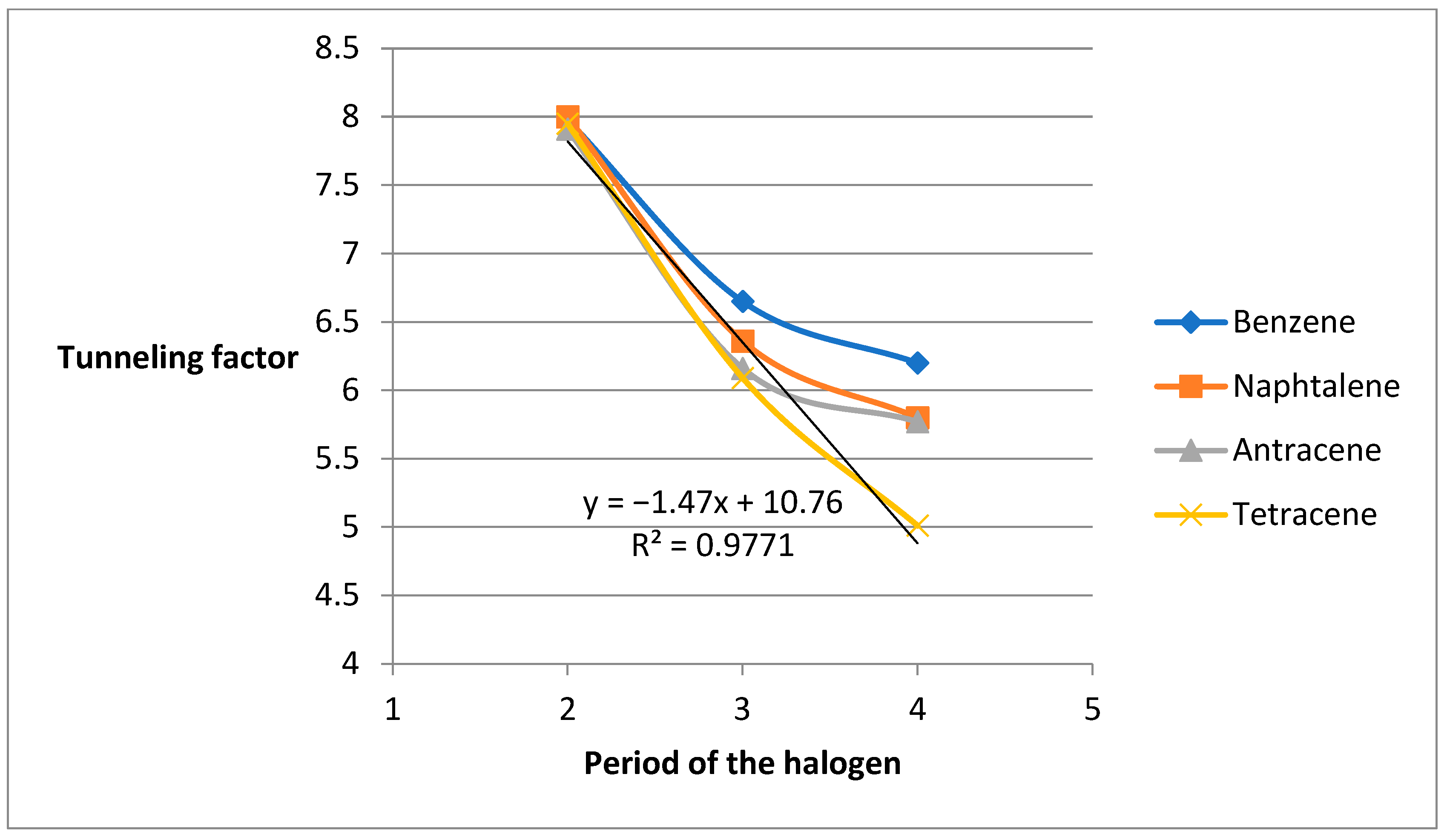
A nonlinear decrease in
κ is observed with increasing halogen period (F > Cl > Br), attributable to reduced electronegativity and polarizability (
Figure 3). For alkyl substituents,
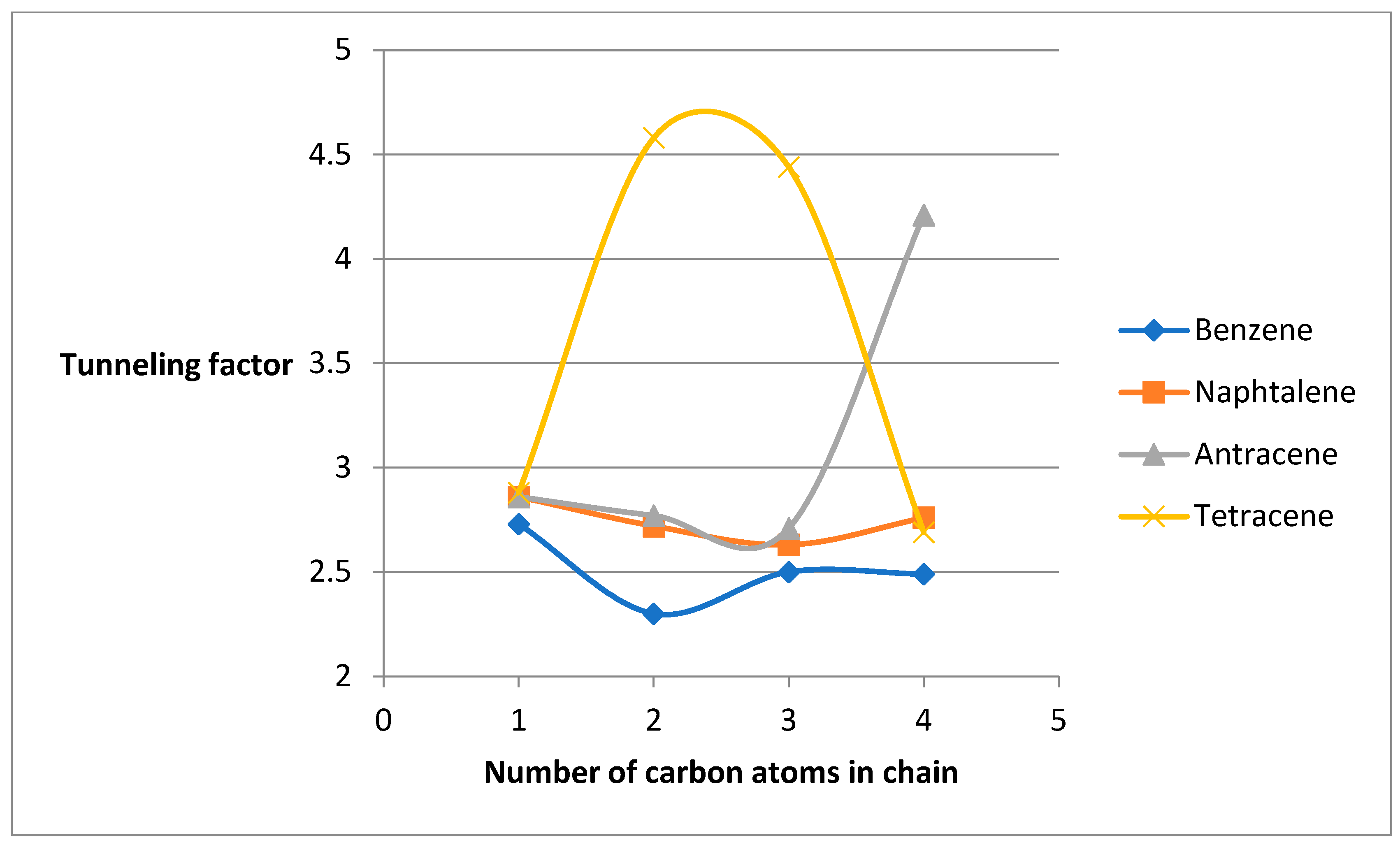
κ generally decreases with chain length, with the lowest value for ethylbenzene. Exceptions occur in tetracene derivatives, where ethyl- and propyl-substituted systems show elevated
κ values, likely due to enhanced hyperconjugation in larger π systems.
The relationship between
κ and molecular descriptors is captured by the following QSAR equation:
This model takes into account the number of aromatic rings, the HOMO–LUMO gap, and the NBO value. The coefficients indicate that both the number of rings and the NBO have a comparable and dominant effect on the tunneling factor, greater than that of the HOMO–LUMO gap. This simplified model retains strong predictive power while highlighting the primary electronic and structural drivers of tunneling behavior.
For
β-substituted PAHs,
κ similarly decreases with increasing ring number and shows a weaker dependence on substituent effects compared to
α derivatives (
Figure 4). Halogen and nitro groups again yield the highest
κ values, while amines and alkyl chains give the lowest. As with
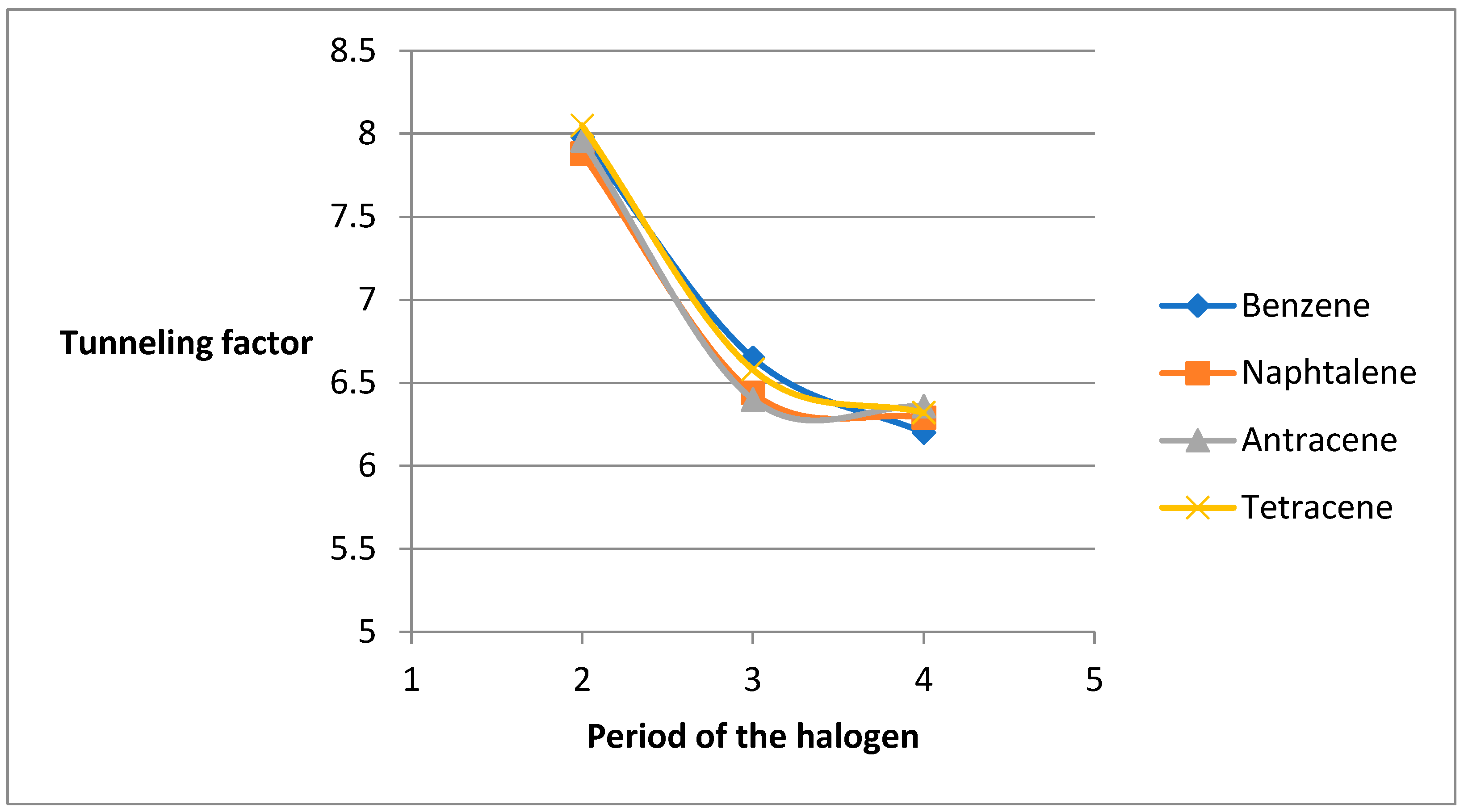
α derivatives,
κ decreases with halogen period, with fluoro derivatives exhibiting the highest values (
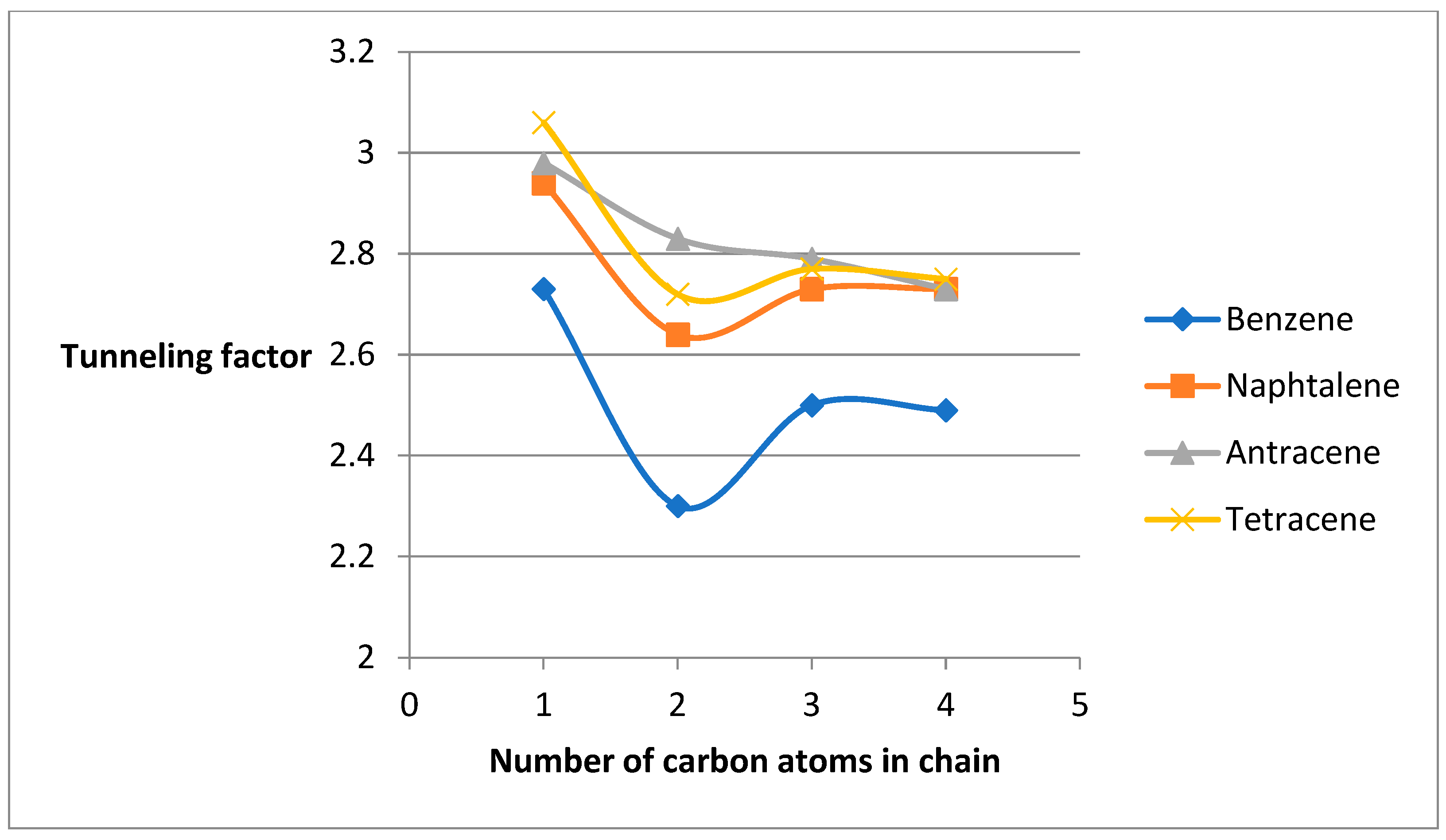
Figure 5). Alkyl chain-length effects are less pronounced, though methyl derivatives consistently show higher
κ than ethyl analogues. Notably, nitro derivatives exhibit a marked decrease in
κ with increasing ring number, contrasting with the behavior of amines.
Figure 5 shows the dependence of the tunneling factor on the period number of the halogen, as well as on the length of the attached chain:
The relationship between
κ and molecular descriptors for
β-derivatives is described by the following simplified QSAR equation:
This model highlights the importance of the number of aromatic rings, the HOMO–LUMO gap, polarizability (α), and the local electron localization (ELFRmax) in governing tunneling in β-substituted systems. The strong predictive power (R2 = 0.908) and simplicity of this model make it a valuable tool for estimating tunneling effects in substituted PAHs.
3.2. Reactions Rate Constants
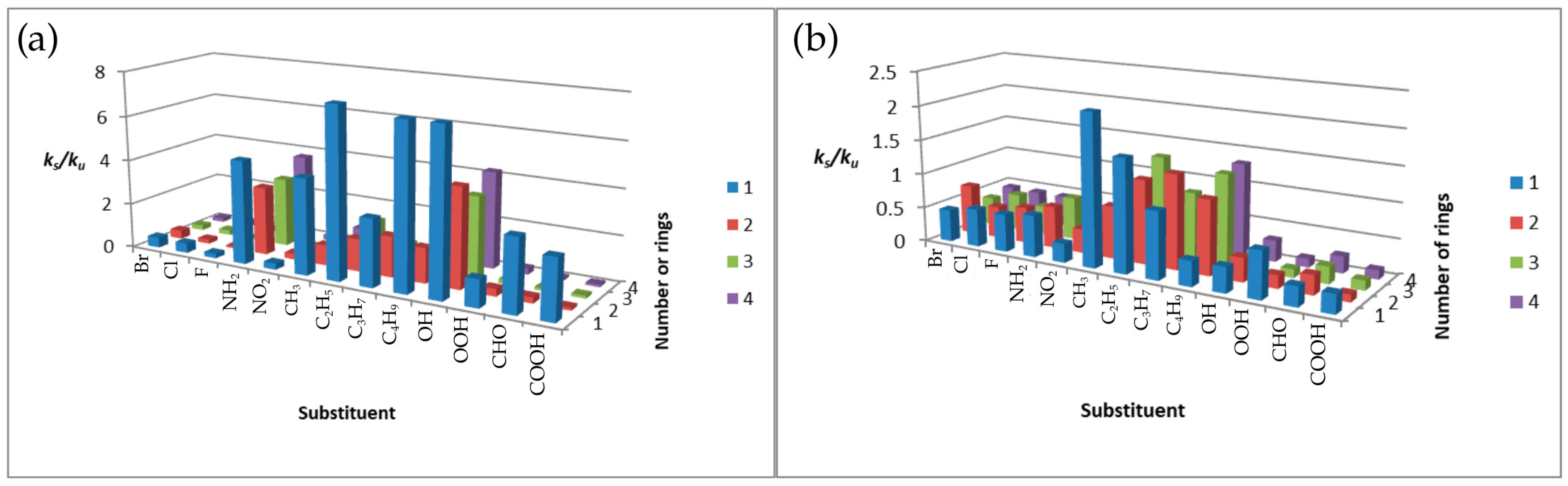
The dependence of the constant rate ratio for alpha derivatives at the two analyzed temperatures is shown in
Figure 6 below.
The calculated rate constant for unsubstituted benzene at 300 K
cm
3 molecule
−1 s
−1) agrees well with the experimental value at 298 K ((4.6 ± 2.8) × 10
−14 cm
3 molecule
−1 s
−1) [
46], thus validating the computational approach despite a small 2K difference in temperature. At 1500 K, our value (
cm
3 molecule
−1 s
−1) is comparable to the literature estimate (
cm
3 molecule
−1 s
−1) [
46]. For
α-naphthalene, the computed rate constant at 300 K (
cm
3 molecule
−1 s
−1) aligns with the CVT/SCT result (
cm
3 molecule
−1 s
−1 [
47]. Less comparable results were obtained for the β position, amounting to 0.19 × 10
−14 cm
3 molecule
−1 s
−1 in one study [
48] and 1.40 × 10
−14 cm
3 molecule
−1 s
−1 in this work. For toluene at 300 K, our value (
cm
3 molecule
−1 s
−1) is similar to the M06-2X/6-311+G(d,p) result (
cm
3 molecule
−1 s
−1) [
49]. Generally, the kinetic parameter values obtained in this study are typically within a factor of two of those reported in the literature, which supports the reliability of the proposed methodology. The exception is the comparison of the beta-naphthalene reaction, where the difference between the literature value and the calculated value is greater.
At 300 K, for halogen, nitro, methyl, and carbonyl derivatives, the reactions proceeded more slowly than for the unsubstituted compound. In contrast, the
ks/
ku for amines, hydroxyl compounds, and other alkyl derivatives was greater than unity. Exceptions are ethyl- and propyltetracene and propylanthracene. For unsubstituted acenes, the reaction rate at the
α position decreases in the order naphthalene > tetracene > anthracene at 300 K [
20]. This trend is not consistently observed for substituted derivatives, underscoring the strong influence of substituents on kinetics. In contrast, the
ks/
ku ratios at 1500 K are considerably lower than at 300 K. Values greater than unity are observed only for methylbenzene, ethyl derivatives (excluding ethyltetracene), propylnaphthalene, and butyl derivatives other than butylbenzene.
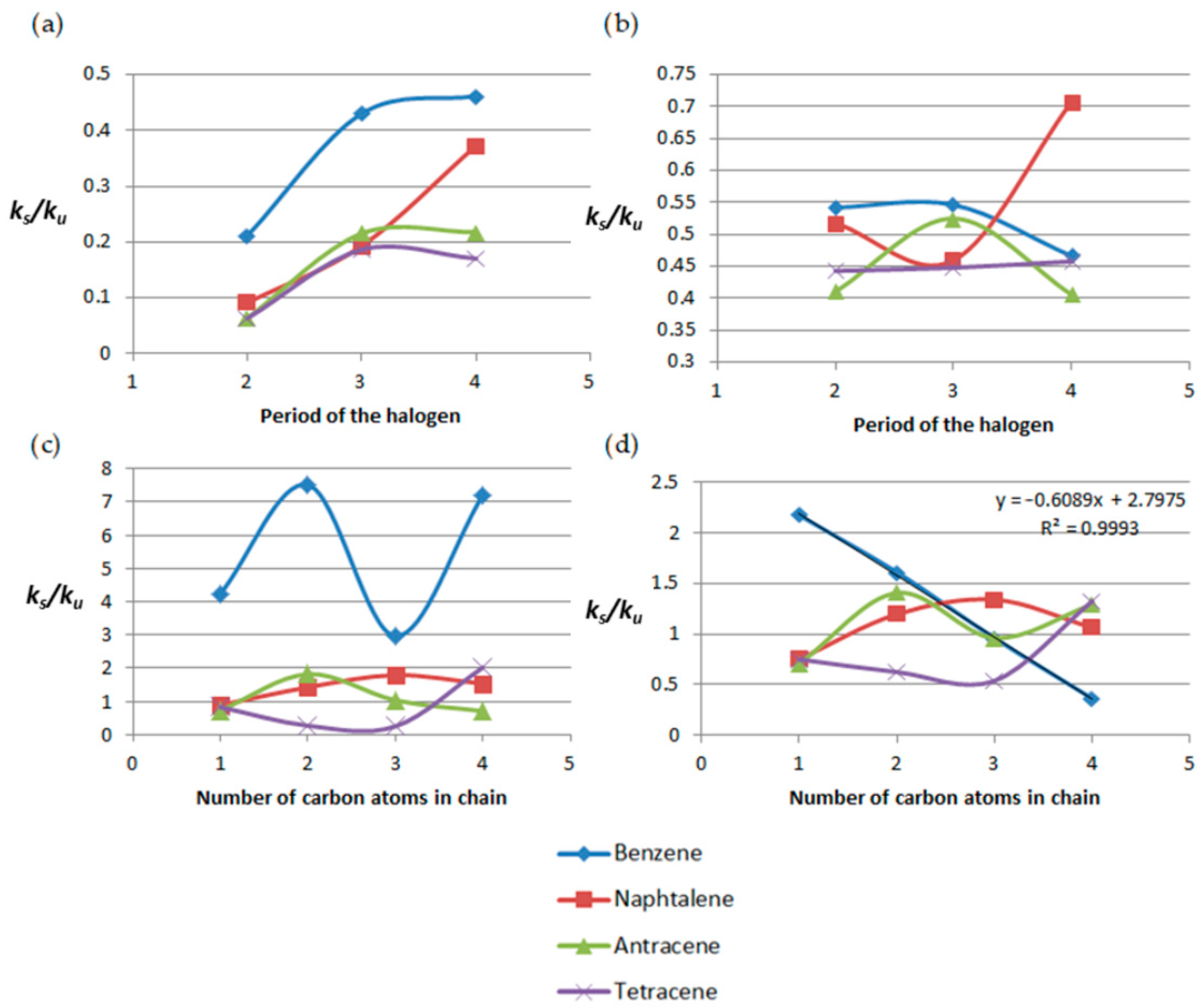
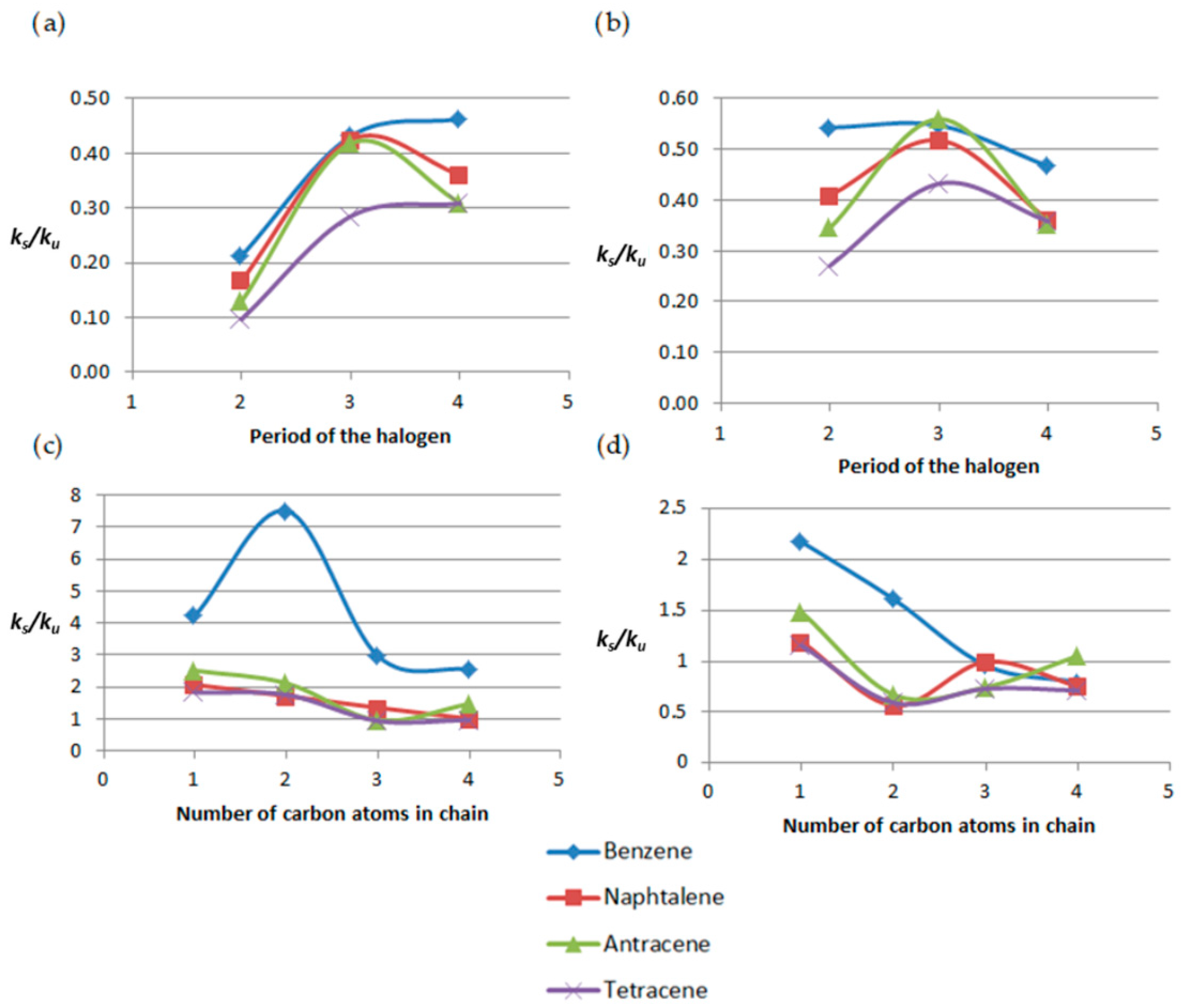
Figure 7 shows the dependence of
on halogen period and alkyl-chain length for
α derivatives. At 300 K, halogen-substituted benzenes exhibit the highest
ratios, while other systems show comparable values except for bromonaphthalene. At 1500 K, bromonaphthalene displays the largest enhancement. Alkyl-chain effects are nonlinear at 300 K. At 1500 K, the dependence for benzene derivatives becomes linear, with
decreasing with increasing chain length.
The QSAR models for ks/ku of α derivatives are:
The 300 K model is more complex, involving ring number, Fukui indices, frontier orbital energies, polarizability, and NBO. The 1500 K model simplifies to only two thermodynamic descriptors (specific heat and entropy), reflecting the reduced electronic sensitivity at high temperature.
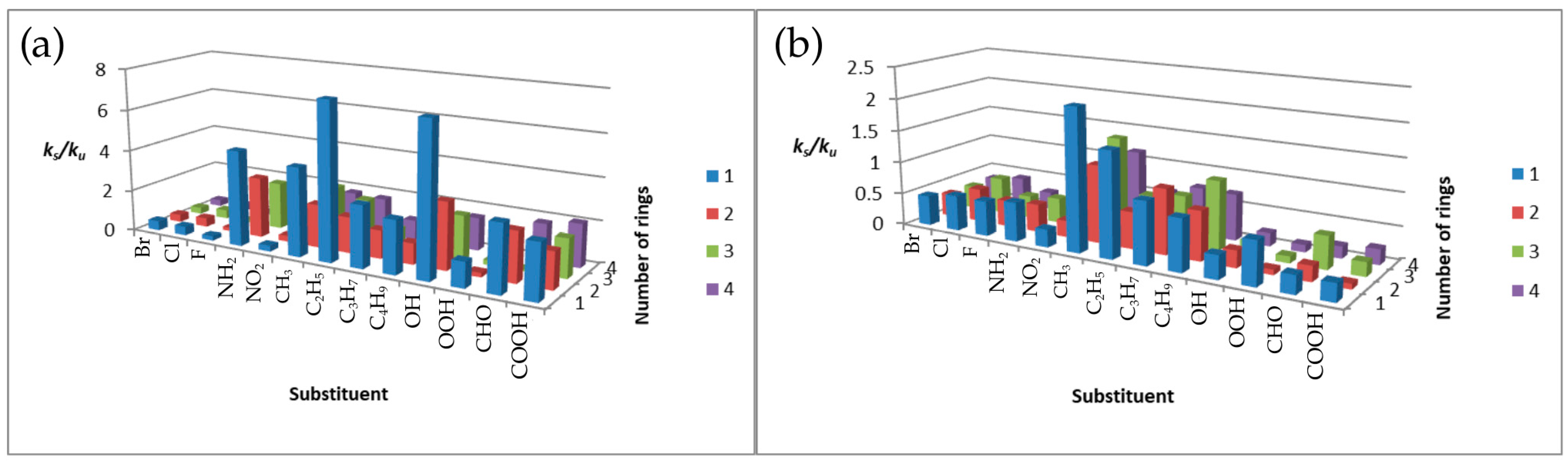
Analogous analyses were performed for beta derivatives, and the results are shown in
Figure 8.
At 300 K, the ks/ku values are greater than unity in the case of amines, alkyl derivatives, hydroxyl derivatives, and some carbonyl derivatives. Exceptions are propylanthracene and propyl- and butylotetracene. At 1500 K, as in the case of α derivatives, the ks/ku ratios are lower than those obtained at 300 K. At the higher temperature, the compounds reacting faster than their unsubstituted analogues include methyl derivatives, ethylbenzene, and butylanthracene.
The response surfaces (
Figures S2 and S3 in Supporting information—descriptors) for 300 K are similar to each other. They show a peak: the highest
ks/
ku values are observed for a low numerical value describing the substituent and a small number of aromatic rings. As at lower temperatures, the response surfaces for 1500 K are also similar: they show a slight change in the ratio of constant rates with a change in the substituent and an increase in
ks/
ku with a decrease in the number of aromatic rings.
Figure 9 presents the dependence of
ks/
ku on the halogen period number and the length of the attached chain for both temperature ranges for
β-derivatives.
At 300 K, the dependence of ks/ku on the halogen period number follows a similar trend, except that the lowest values are observed for tetracene derivatives. As in the case of α derivatives, the ks/ku ratios for alkyl derivatives of benzene are higher than for the other systems, which in turn display values that are mutually comparable.
The general patterns for the derivatives of naphthalene, anthracene, and tetracene at 1500 K are identical to those at 300 K. The behavior varies for benzene derivatives, though, with only methylbenzene and ethylbenzene showing higher ks/ku values than the others. None of these dependences is linear.
Equations describing the dependence of ks/ku on the studied descriptors are presented below:
The equation describing the reaction rate ratio at lower temperatures includes: the number of aromatic rings, the Fukui index describing nucleophilic attack, HOMO–LUMO gap, and NBO. As in previous cases, the number of aromatic rings has the greatest impact on the variable. In turn, the equation describing ks/ku at 1500 K takes into account the dipole moment, specific heat, and entropy. Thermodynamic parameters have a greater influence on the ratio of rate constants than the dipole moment.
In order to verify the obtained regression equations, calculations were performed for benzene derivatives (in meta position) and naphthalene derivatives (position 1) not included in the training set, and the kinetic parameter values were compared with the results obtained from the regression equations (
Table 1).
The values calculated using regression equations are similar to those calculated at the M06-2X/aug-cc-pVDZ level of theory. In the case of the quotient of constant rates, the observed error is greater due to the low values assumed by ks/ku.
3.3. Electrophilic Properties of Substituents
In order to examine the electrophilic properties of substituents, the global electrophilic index (
ω) was calculated, which is given by the formula:
where μ denotes chemical electron potential and η denotes chemical hardness [
50]:
The results are summarized in
Table 2.
Strong electrophiles are those with a
ω value greater than 0.055 Hartree, while moderate electrophiles have values between 0.03 Hartree and 0.055 Hartree. Weak electrophiles on the other hand are characterized by a
ω value lower than 0.03 Hartree [
51].
The values of the index suggest that there are no strong electrophiles among the compounds studied. On the other hand, all benzene derivatives and some naphthalene derivatives are moderate electrophiles. The electrophilicity of the tested systems decreases with an increase in aromatic rings. A similar trend is observed for most tunneling factors for the alpha position and for ks/ku of some alpha and beta derivatives at 300 K.
In addition to the global electrophilicity index, its local equivalent at the reaction center was calculated. It is given by the formula:
The results are summarized in
Table 3.
Aniline and carbonyl derivatives have the highest ωC values among benzene derivatives. At the two temperatures under investigation, these compounds exhibit moderate ks/ku values and comparatively low tunneling factors. The most electrophilic naphthalene derivatives are α-propylnaphthalene, α-butylnaphthalene, α-acid, and β-derivatives with –OH, –OOH, and –NH2 substituents. With the exception of the acid, all of these substances show comparatively low tunneling factors. Furthermore, compared to unsubstituted naphthalene, the reaction at 1500 K proceeds more slowly for the previously mentioned β derivatives. When it comes to anthracene derivatives, α-propyl-, α-butylanthracene, and β-fluoroanthracene exhibit the highest ωC values. Likewise, the ks/ku ratio at 1500 K is still low for β-naphthalene derivatives with -OH, -OOH, or -NH2 groups. The compounds with propyl and butyl substituents that have the highest local electrophilicity among tetracene derivatives are α-propyl- and α-butyl-tetracene, α-nitrotetracene, and β-tetracene. Relatively high tunneling factors are another characteristic of the α derivatives. At 300 K, the reaction rates for the β-derivatives discussed above are similar to those of the unsubstituted analogues, but they are lower at 1500 K. As the number of aromatic rings increases, electrophilicity generally tends to decrease.
3.4. PLS Analysis
To gain additional insight into the relationship between descriptors and tunneling factor and rate constants, PLS analysis was performed. Before proceeding, the VIP (variable importance in projection) function was calculated, and descriptors for which VIP was greater than 1 were used for further model building. The number of components was selected based on a permutation test. Regression coefficients, statistical data, and a biplot were determined for each dataset.
The results for the tunneling factor are presented in
Table 4 and
Table 5.
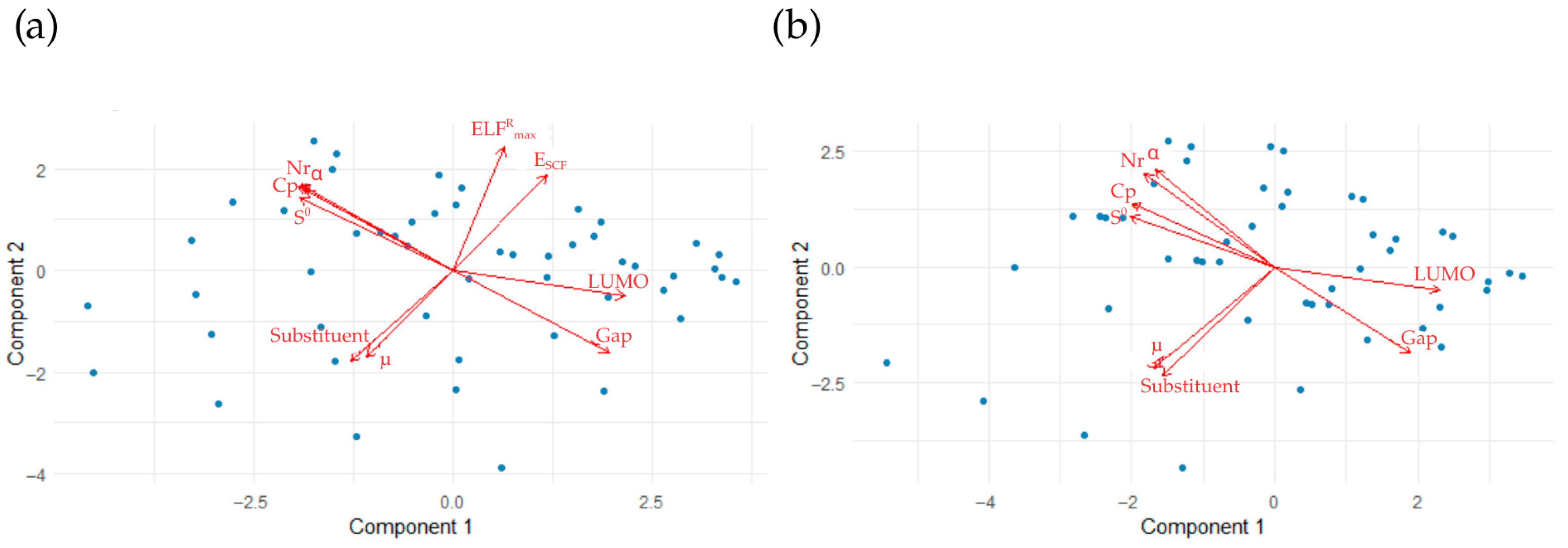
In both cases, polarizability shows the highest positive correlation. For alpha derivatives, an increase in the tunneling factor is observed with an increase in the local minimum of the ELF function within the base, NBO, and the number describing the base. In turn, a negative correlation occurs for the LUMO energy. In the case of beta derivatives, an increase in the tunneling factor is observed with an increase in the number describing the ligand and the HOMO and LUMO energies. In turn, a negative correlation occurs for the local maximum of the ELF function within the ligand and ESCF.
For both alpha and beta derivatives, the R2 coefficients are closer to unity for the MLR used in DOE. However, the p-values in each case are significantly less than 0.05.
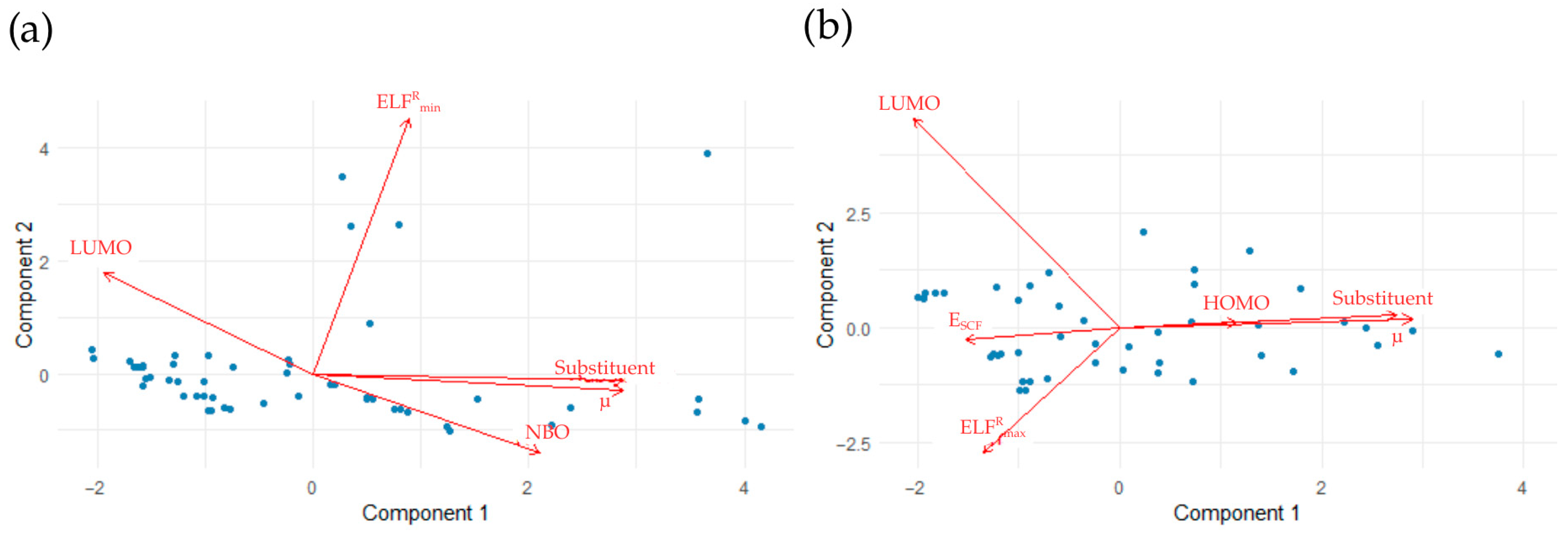
The results of the PLS analysis for the tunneling factor of alpha and beta derivatives are presented in
Figure 10.
Since dipole moment was used to calculate the numerical value describing the substituent, a close correlation between them can be observed in all graphs. In the case of alpha derivatives, the substituent correlates positively with NBO and negatively with LUMO energy. On the other hand, there is a weak correlation between the local minimum of the ELF function within the substituent. In the case of beta derivatives, there is a strong positive correlation between the substituent and HOMO energy and a strong negative correlation between the substituent and ESCF.
Similar studies were conducted for the
ks/
ku dataset for alpha derivatives at temperatures of 300 and 1500 K (
Table 6 and
Table 7).
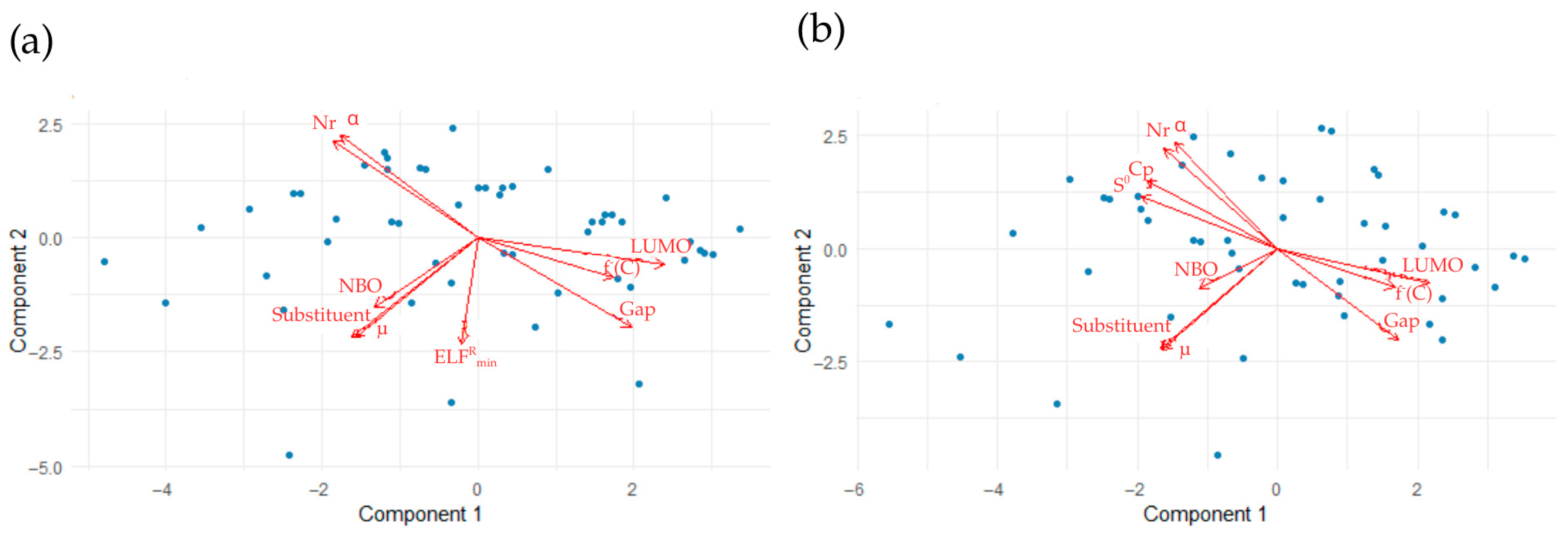
At lower temperatures, the strongest positive correlation between the ratio of constant rates and LUMO energy was observed, while a decrease in ks/ku occurs with an increase in dipole moment, polarizability, NBO, or the local minimum of the ELF function within the ligand. LUMO energy correlates most strongly with the ratio of constant rates also at 1500 K, while a negative correlation is observed for the number describing the ligand and dipole moment.
For both temperatures, the R2 and adjusted R2 coefficients are closer to unity for MLR. The F-statistic values are higher for DOE in both cases. The p-value is less than 0.05 for MLR, but greater for PLS.
The results of the PLS analysis for the ratio of rate constants for alpha derivatives at the two temperatures studied are shown in
Figure 11.
In both temperature cases, the variables are divided into three correlated groups. At 300 K, group 1 consists of substituent, NBO, and ELFRmin. This group shows weak correlations with the other two groups. Group 2 consists of polarizability and the number of aromatic rings, which correlates negatively with group 3 (LUMO energy, f-(C), and HOMO—LUMO gap). In the case of 1500 K, group 1 consists of the substituent and NBO. As with 300 K, group 1 correlates weakly with the other groups, while groups 2 and 3 correlate negatively with each other. Group 2 consists of polarizability, number of aromatic rings, specific heat, and entropy, while the composition of group 3 is identical to that of 300 K.
Similar analyses were performed for datasets describing the ratio of constant reaction rates of beta derivatives at 300 and 1500 K, and the results are summarized in
Table 8 and
Table 9.
For lower temperatures, the strongest positive correlation between the ratio of constant rates and descriptors is observed for the maximum of the ELF function within the base and ESCF and a negative correlation for dipole moment, polarizability, and the number describing the substituent. For higher temperatures, a strong negative correlation between ks/ku and dipole moment and the number describing the substituent is also observed. In turn, LUMO energy is a positively correlating descriptor.
Both R2 and adjusted R2 values are closer to unity in the case of the DOE method. The F statistics values are higher for MLR, and the p values are less than 0.05.
The results of the PLS analysis for the ratio of constant beta derivative rates at the two temperatures studied are shown in
Figure 12.
In the case of 300 K, the descriptors are divided into four groups. For group 1, —the substituent correlates weakly with groups 2 and 4 and correlates negatively with group 3. Additionally, groups 2 and 4 correlate negatively with each other. Group 2 consists of polarizability, number of aromatic rings, specific heat, and entropy. Group 3 consists of ELFRmax and ESCF, and group 4 consists of LUMO and HOMO energies and the LUMO gap. For higher temperatures, the formation of three groups of variables was observed. Group 1, consisting of substituents, correlates weakly with the others, which in turn correlate negatively with each other. The composition of group 2 is identical to that at 300 K, while the composition of group 3 at 1500 K is identical to group 4 at 300 K.
For each analyzed system, a more accurate description was obtained for MLR. The R2 values are closest to unity for the tunneling factor. In turn, they deviate most from unity for ks/ku at a temperature of 1500 K, which results from a smaller discrepancy in the ratio of constant rates at a higher temperature.
Although the correlation coefficients (R2) obtained for certain MLR and PLS models—particularly those describing ratios at 1500 K—do not exceed 0.7, the results remain valuable and scientifically meaningful. This is primarily because radical–aromatic systems such as PAH + ·OH reactions exhibit intrinsically high structural and energetic variability, where small changes in substituent polarity, steric hindrance, or conjugation can produce nonlinear kinetic responses. Consequently, even moderate R2 values in this range capture genuine structure–reactivity trends rather than statistical noise. The lower R2 values obtained for the PLS models can be partially attributed to the different variable selection strategies applied. While MLR models were constructed using descriptors with statistically significant p-values (p < 0.05), PLS models were additionally restricted to variables with a VIP > 1. Since the VIP reflects the overall contribution of variables across latent components rather than their direct correlation with the response, this criterion may exclude descriptors that are locally important for explaining the dependent variable, leading to reduced model performance.
Moreover, the statistical significance (p < 0.05 for all models except PLS for rate constant ratio in 1500 K) confirms that the identified descriptors—especially those related to electronic distribution (NBO, LUMO, Fukui indices)—are not random, but represent physically interpretable parameters governing the tunneling effect and reaction barriers.