Article

Synthesis and Antitumor Mechanism of Emodin-Derived Transition Metal Complexes

1
School of Chemistry and Life Sciences, Guilin Normal University, Guilin 541199, China
2
Guangxi Key Laboratory of Functional Phytochemicals and Continuous Utilization of Resources, Guangxi Institute of Botany, Guangxi Zhuang Autonomous Region and Chinese Academy of Sciences, Guilin 541006, China
3
College of Pharmacy, Guilin Medical University, Guilin 541100, China
*
Authors to whom correspondence should be addressed.
These authors contributed equally to this work.
Molecules 2026, 31(15), 2682; https://doi.org/10.3390/molecules31152682

Submission received: 12 June 2026 / Revised: 22 July 2026 / Accepted: 27 July 2026 / Published: 31 July 2026

Abstract

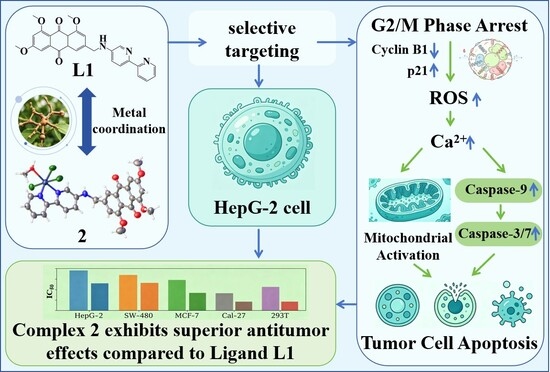
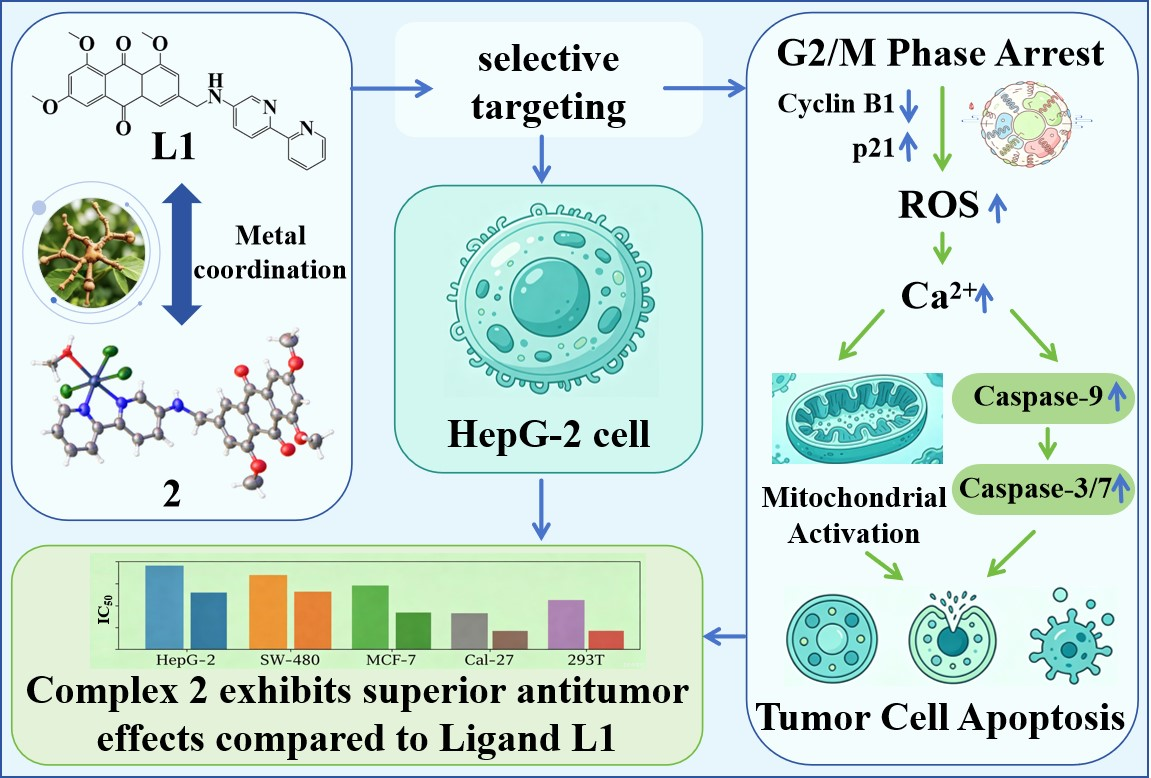
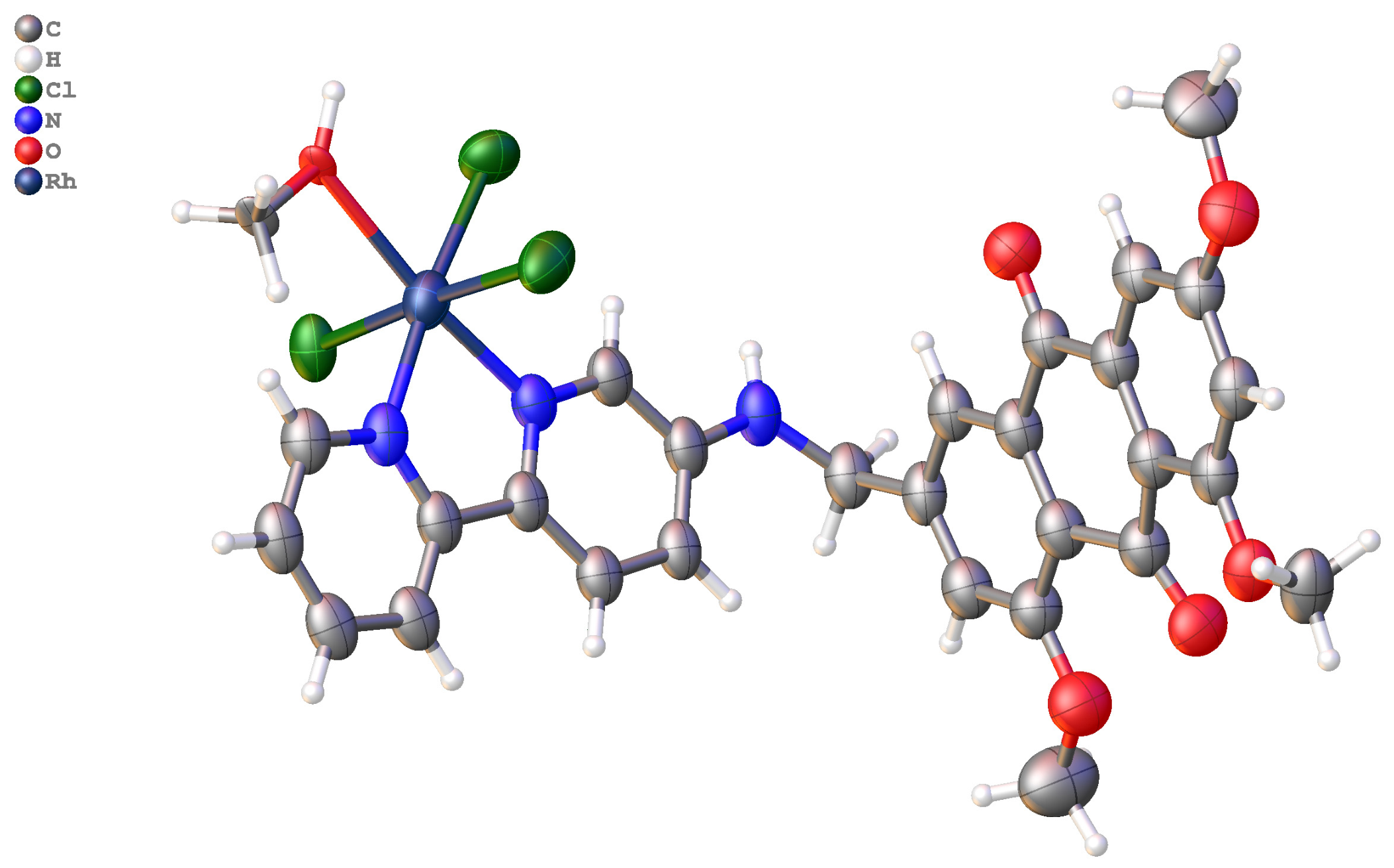
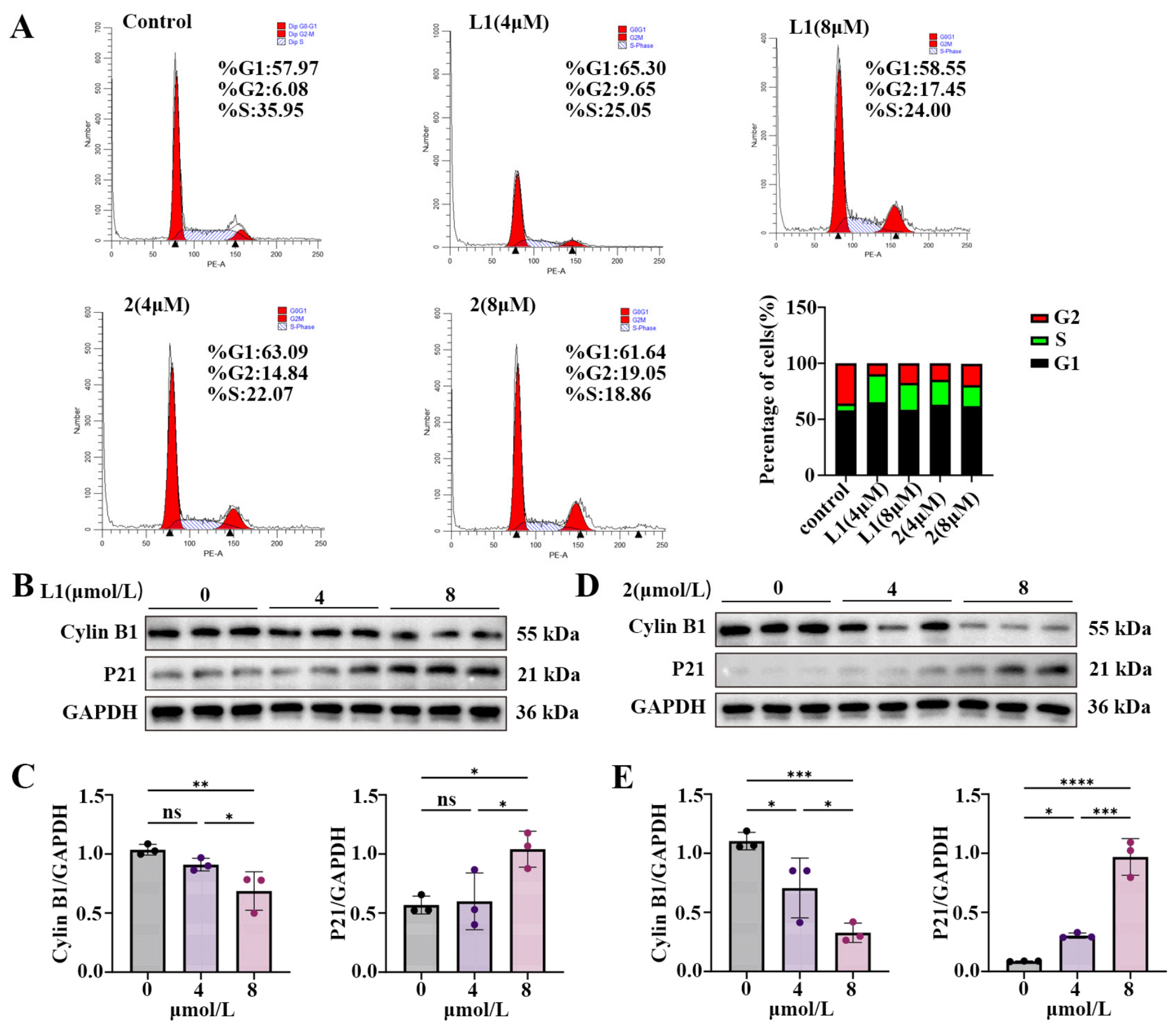
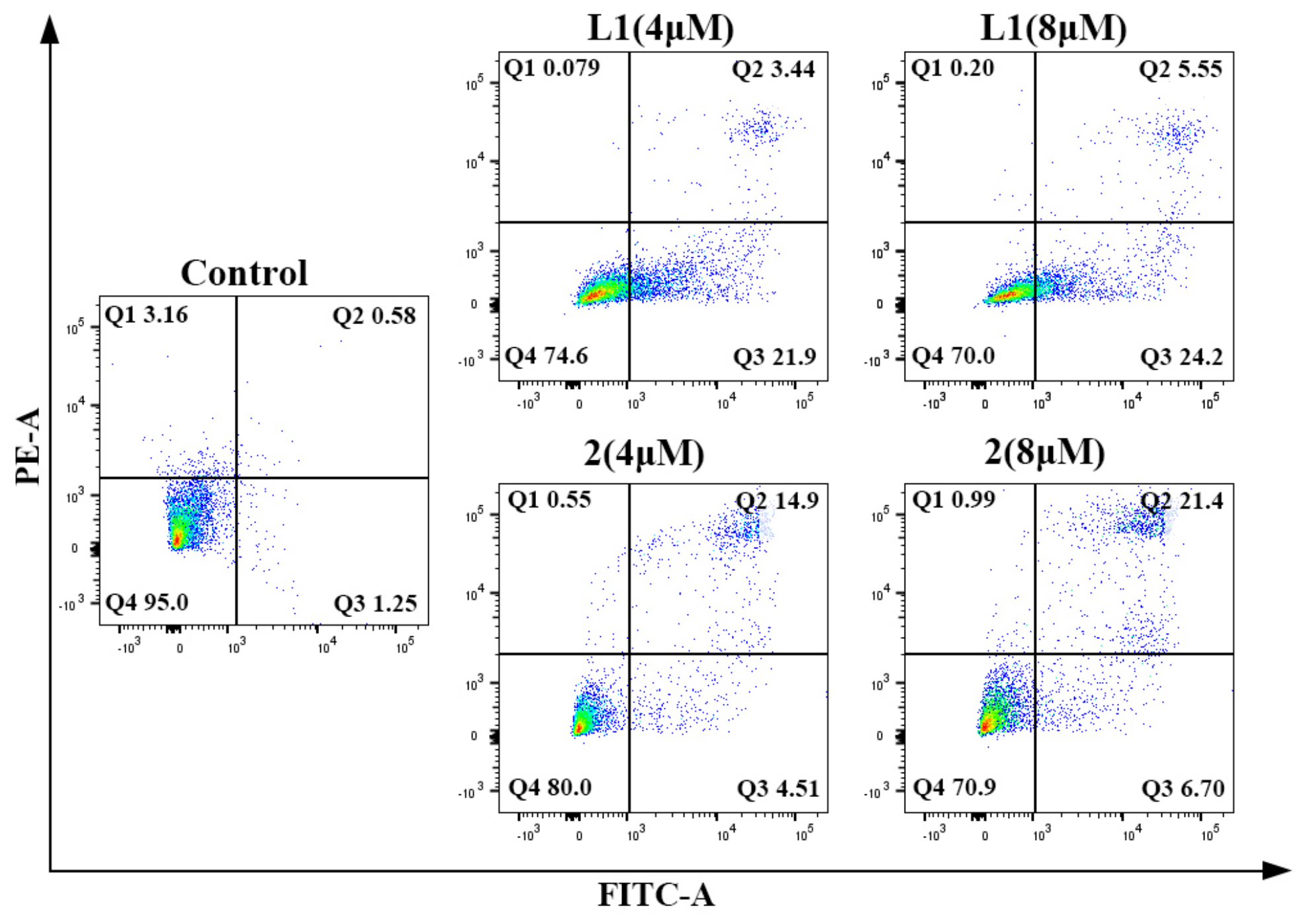
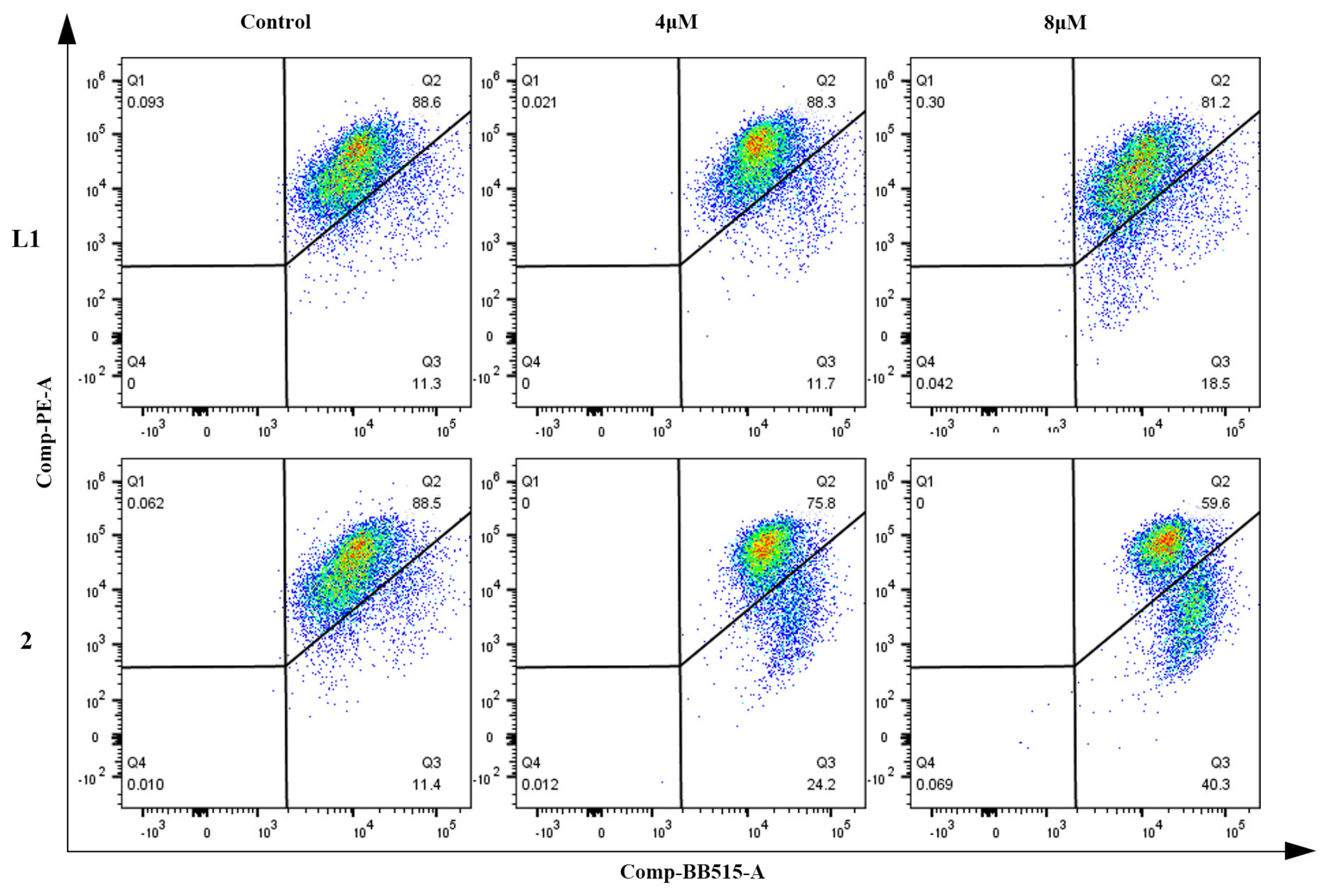
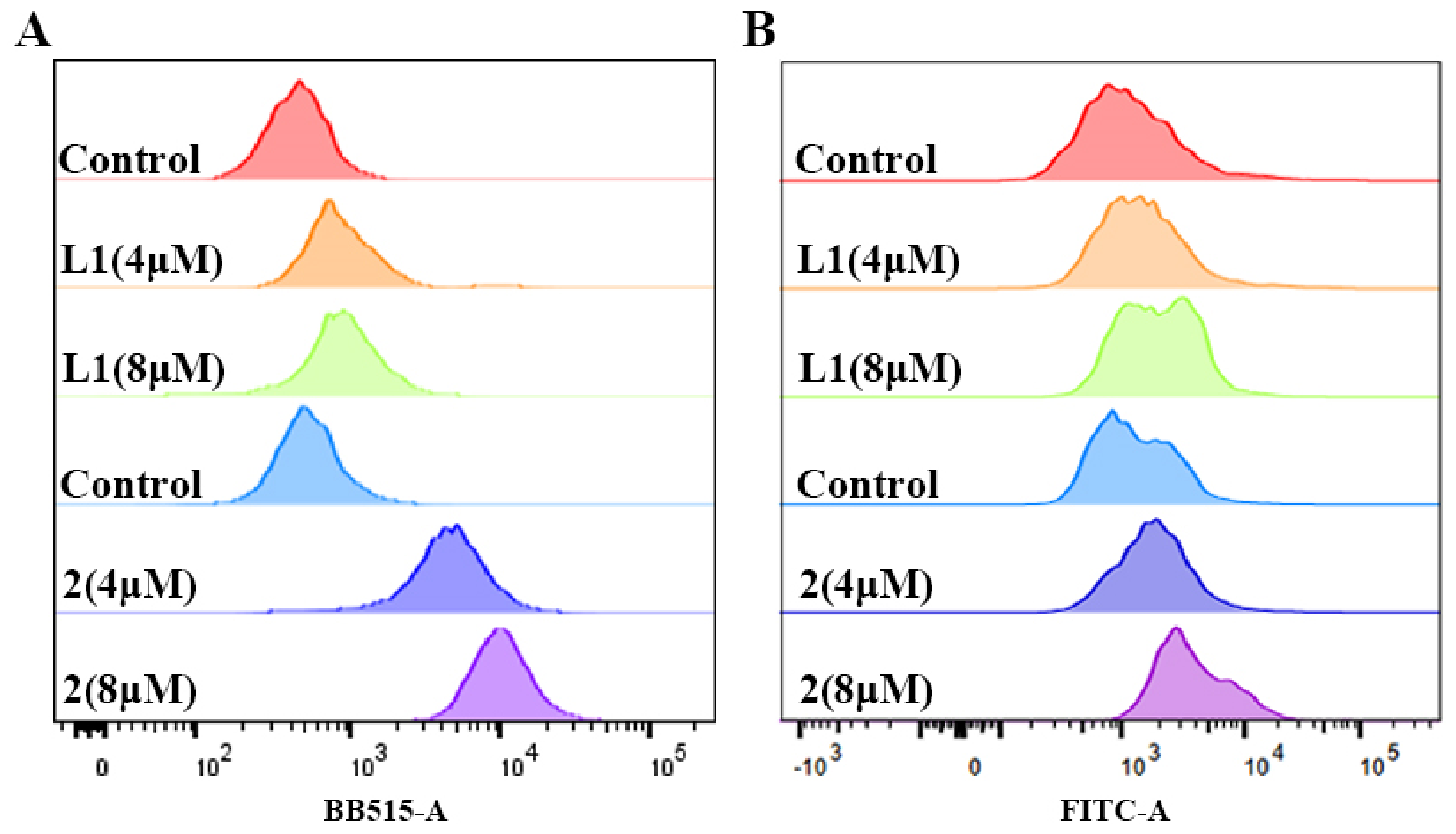
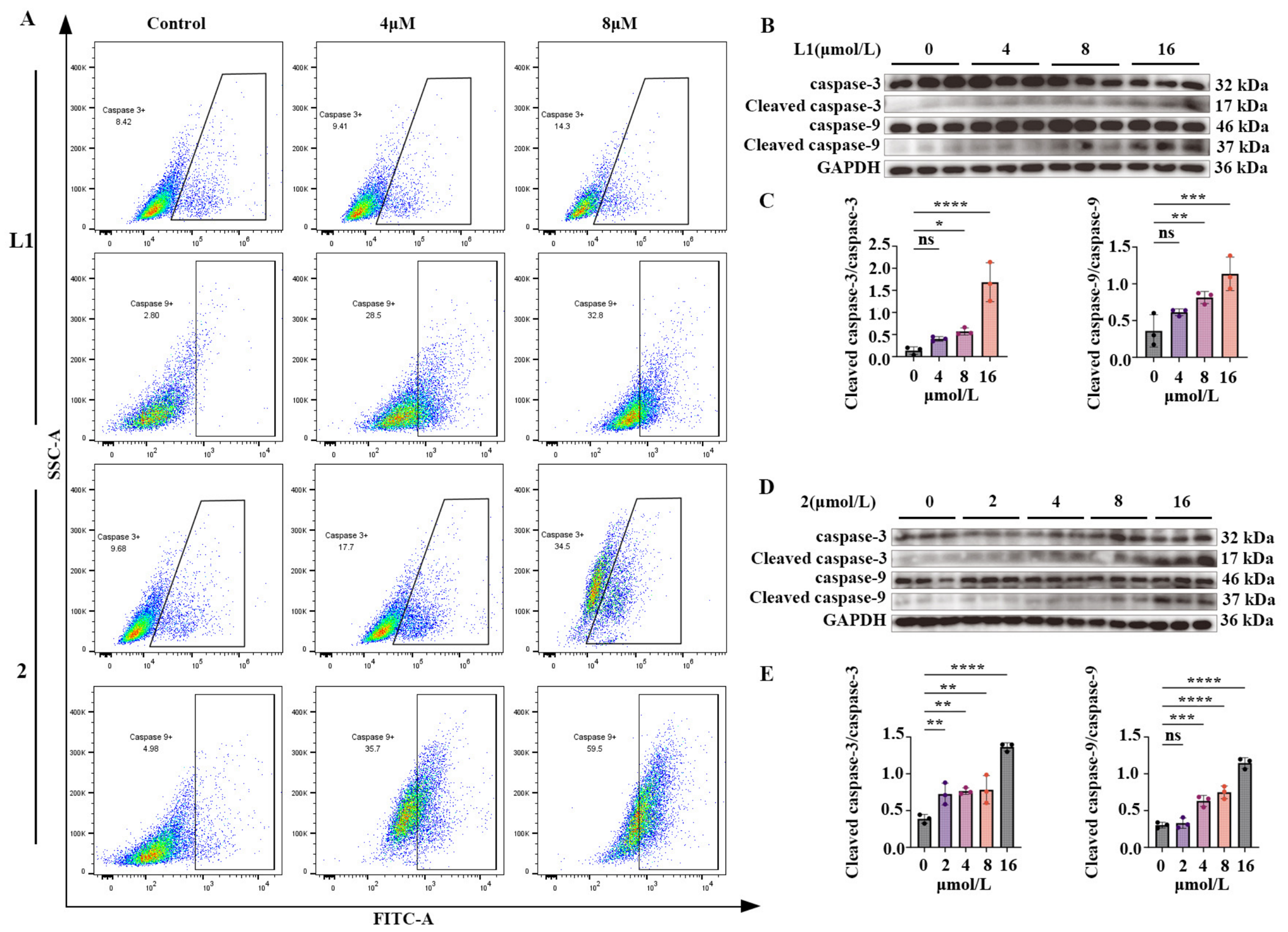
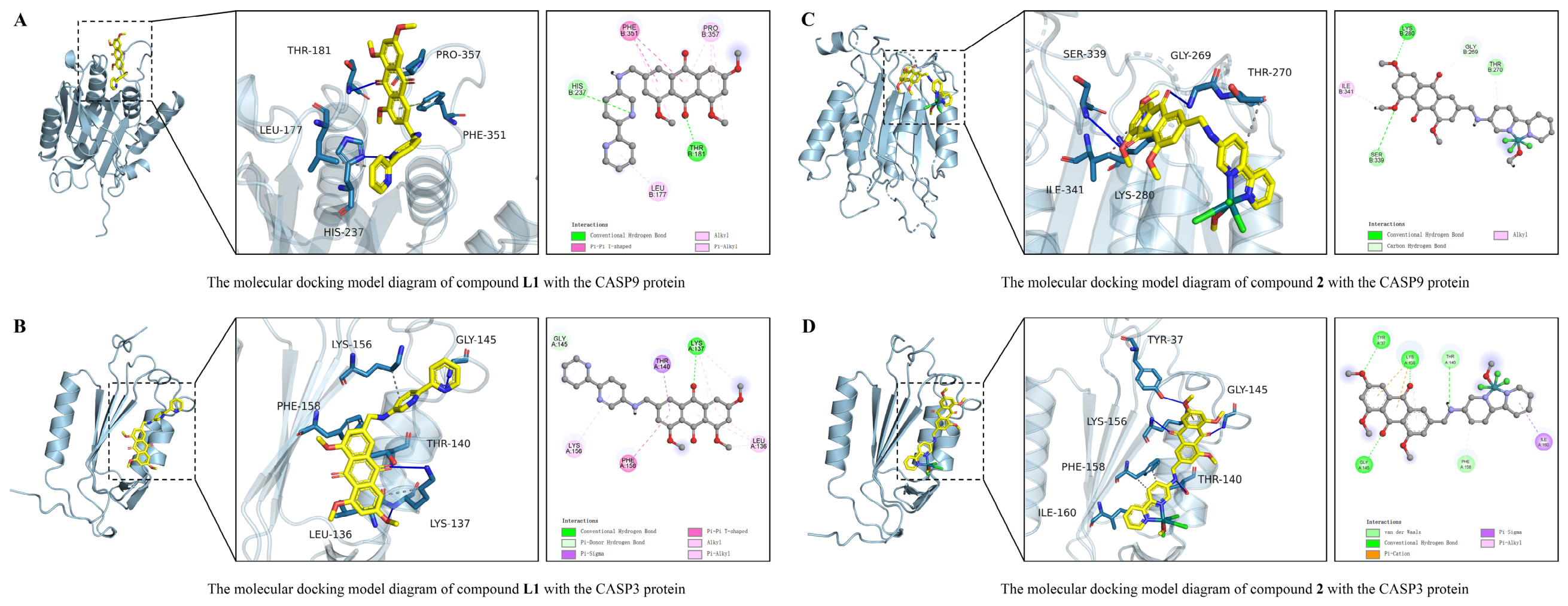
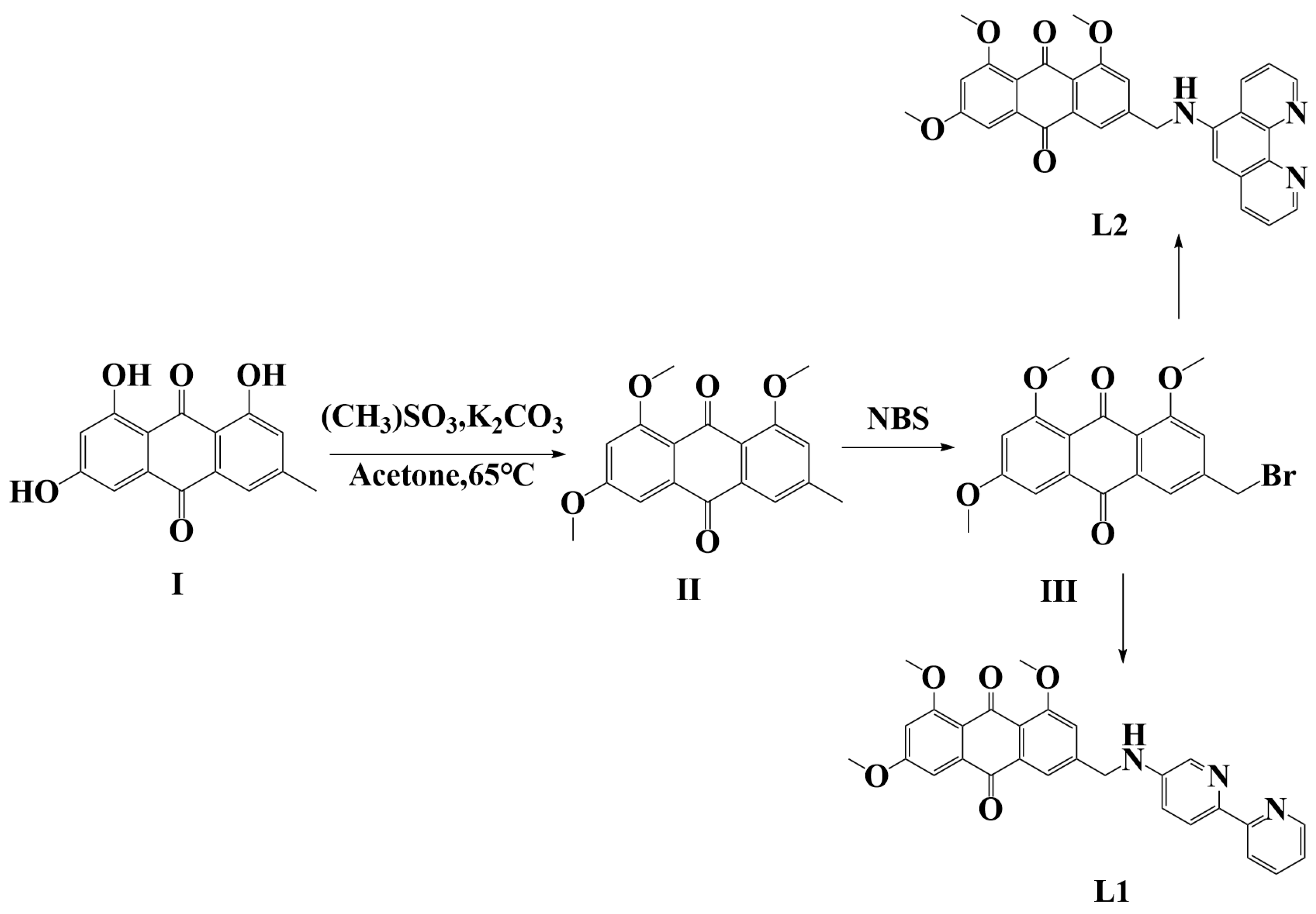
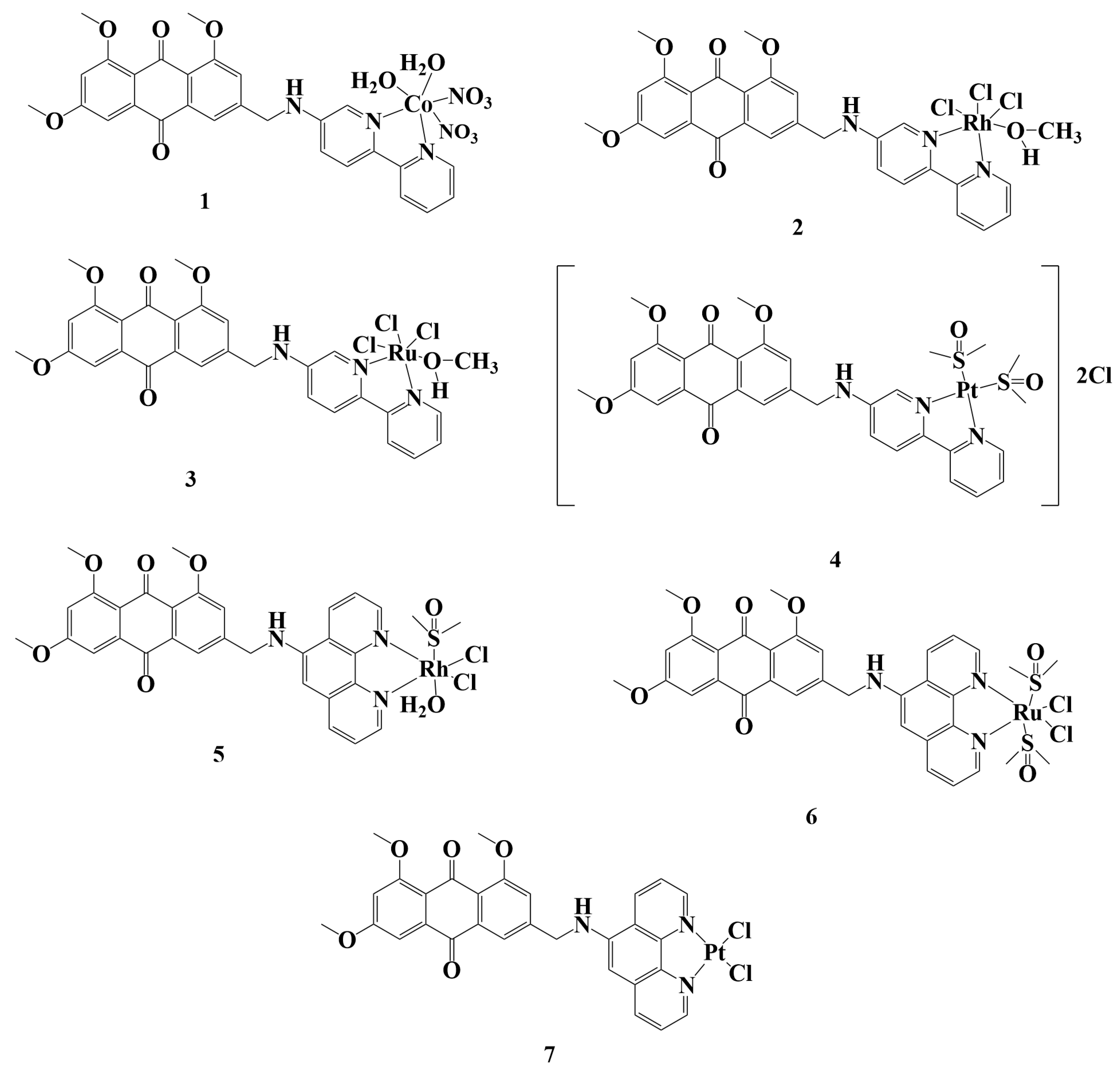
In this study, emodin was used as the starting material to synthesize two novel ligands, L1 and L2, containing bipyridine or phenanthroline moieties. Seven metal complexes (1–7) were obtained through coordination with Co, Rh, Ru, and Pt ions. Their structures were confirmed via NMR, HRMS, UV–Vis, IR, HPLC and SC-XRD analyses. The MTT assay showed that L1 and complex 2 selectively inhibited HepG-2 cells, with IC50 values of 8.77 μM and 6.10 μM, respectively. Both compounds exhibited stronger activity than cisplatin (9.05 μM) and low toxicity toward normal 293T cells. Mechanistic studies demonstrated that they induced G2/M phase arrest by regulating Cyclin B1 and P21 expression, which was accompanied by ROS and Ca2+ accumulation, mitochondrial membrane potential disruption, and activation of the Caspase-9/3 cascade. Complex 2 showed superior antitumor activity to L1, and this finding was further supported by molecular docking analysis. In sum, Rh(III) complex 2 was identified as a selective and mechanistically defined anti-hepatocellular carcinoma lead compound, providing a potential strategy for the development of natural product-based metal anticancer agents.
Keywords: emodin derivatives; azacyclic ligands; transition metal complexes; antitumor activity emodin derivatives; azacyclic ligands; transition metal complexes; antitumor activity
Graphical Abstract