



Phytochemistry, Biological Synthesis, and Pharmacology of Flavonoids from Genus Polygonatum
Abstract
1. Introduction
2. Methodology
3. Phytochemical Constituents

| NO. | Compounds | Structure | Formula | Source | Ref. |
|---|---|---|---|---|---|
| Homoisoflavanones | |||||
| 1 | (3R)-5,7-dihydroxy-3-(4′-hydroxybenzyl)-chroman-4-one |  | C16H14O5 | P. odoratum | [16] |
| 2 | (3R)-5,7-dihydroxy-8-methyl-3-(2′,4′-dihydroxybenzyl)-chroman-4-one |  | C16H16O6 | P. odoratum | [16] |
| 3 | (3R)-5,7-dihydroxy-3-(2′,4′-dihydroxybenzyl)-chroman-4-one |  | C15H14O6 | P. odoratum | [16] |
| 4 | (3R)-5,7-dihydroxy-8-methyl-3-(4′-hydroxybenzyl)-chroman-4-one | 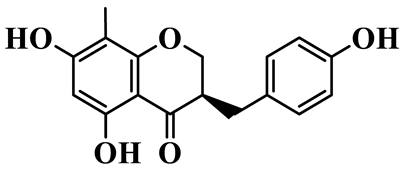 | C16H16O5 | P. odoratum | [16] |
| 5 | 4′,5,7-Trihydroxy-6,8-dimethylhomoisoflavanone |  | C18H18O5 | P. sibiricum, P. hunanense, P. cyrtonema | [17,18,19] |
| 6 | Disporopsin | 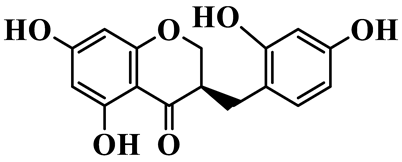 | C16H14O6 | P. odoratum, P. kingianum, P. cyrtonema | [16,20,21] |
| 7 | (3R)-5,7,3′-trihydroxy-4′-methoxy-8-methyl-homoisoflavanone | 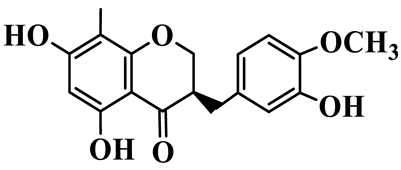 | C18H18O6 | P. cyrtonema | [21] |
| 8 | (3R)-5,7,4′-trihydroxy-8-methyl-homoisoflavanone |  | C17H16O5 | P. cyrtonema | [21] |
| 9 | 5,7,2′,4′-Tetrahydroxy-6-methyl-homoisoflavanone |  | C17H16O6 | P. cyrtonema | [21] |
| 10 | 5,7,2′,4′-Tetrahydroxy-6,8-dimethyl-homoisoflavanone |  | C19H20O6 | P. cyrtonema | [21] |
| 11 | 5,7,2′-Trihydroxy-4′-methoxy-6,8-dimethyl-homoisoflavanone |  | C20H22O6 | P. cyrtonema | [21] |
| 12 | 5,7,3′,4′-Tetrahydroxy-6,8-dimethyl-homoisoflavanone |  | C18H18O6 | P. cyrtonema | [21] |
| 13 | (3R)-5,7,2′,4′-tetrahydroxy-8-methyl-homoisoflavanone |  | C18H18O6 | P. cyrtonema | [21] |
| 14 | (3R)-5,7-dihydroxy-8-methyl-3-(4′-methoxybenzyl)-chroman-4-one |  | C18H18O5 | P. verticillatum | [22] |
| 15 | (3R)-5,7-dihydroxy-3-(2′-hydroxy-4′-methoxybenzyl)-chroman-4-one | 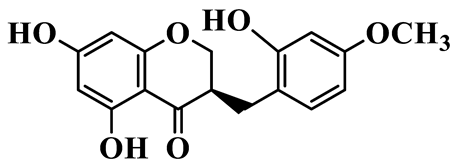 | C17H16O6 | P. odoratum, P. hunanense, P. verticillatum | [16,18,22] |
| 16 | (±)-5,7-Dihydroxy-6,8-dimethyl-3-(2′-hydroxy-4′-methoxybenzyl)-chroman-4-one | 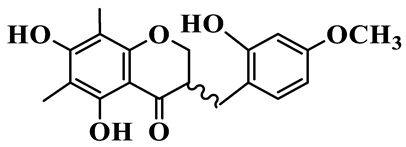 | C19H20O6 | P. odoratum, P. hunanense | [18,25] |
| 17 | Methylophiopogonanone B |  | C19H20O5 | P. odoratum | [25] |
| 18 | 5,7-Dihydroxy-6,8-dimethyl-3-(3′-hydroxy-4′-methoxybenzyl)-chroman-4-one |  | C19H20O6 | P. odoratum | [25] |
| 19 | Ophiopogonanone E |  | C19H20O7 | P. odoratum | [25] |
| 20 | (E)-7-O-β-D-glucopyranoside-5-hydroxy-3-(4′-hydroxybenzylidene)-chroman-4-one | 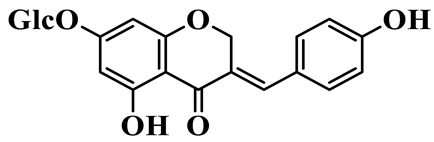 | C22H24O10 | P. odoratum | [25] |
| 21 | 3R-methylophiopogonanone |  | C19H18O6 | P. prattii | [26] |
| 22 | 4′-Demethylleucomin7-O-β-D-glucopyranoside |  | C22H22O10 | P. prattii | [26] |
| 23 | 5,7-Dihydroxy-3-(2′,4′-dihydroxybenzyl)-chroma-4-one | 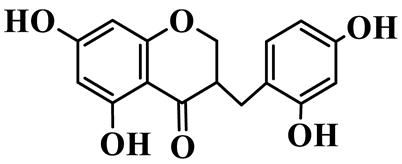 | C16H14O6 | P. odoratum | [27] |
| 24 | (3S)-3,5,7-trihydroxy-6,8-dimethyl-3-(4′-hydroxybenzyl)-chroma-4-one | 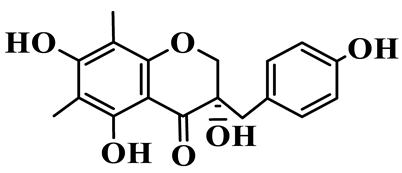 | C18H18O6 | P. odoratum | [27] |
| 25 | (3R)-5,7-dihydroxyl-6-methyl-8-methoxyl-3-(4′-hydroxylbenzyl)-chroman-4-one |  | C18H18O6 | P. odoratum | [35] |
| 26 | (3R)-5,7-dihydroxyl-6,8-dimethyl-3-(4′-hydroxylbenzyl)-chroman-4-one |  | C18H18O5 | P. odoratum | [35] |
| 27 | (3R)-5,7-dihydroxy-6-methoxyl-8-methyl-3-(2′,4′-dihydroxybenzyl)-chroman-4-one |  | C18H18O7 | P. odoratum | [36] |
| 28 | 5,7-Dihydroxy-6-methyl-3-(2′,4′-dihydroxybenzyl)-chroman-4-one |  | C17H16O6 | P. odoratum | [36] |
| 29 | 5,7-Dihydroxy-6-methoxyl-8-methyl-3-(2′,4′-dihydroxybenzyl)-chroman-4-one | 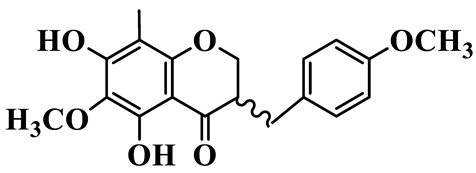 | C19H20O6 | P. odoratum | [36] |
| 30 | (3R)-5,7-dihydroxyl-6-methyl-3-(4′-hydroxylbenzyl)-chroman-4-one |  | C17H16O5 | P. odoratum, P. kingianum | [37,38] |
| 31 | (±)-5,7-Dihydroxy-6,8-dimethyl-3-(2′,4′-dihydroxybenzyl)-chroman-4-one | 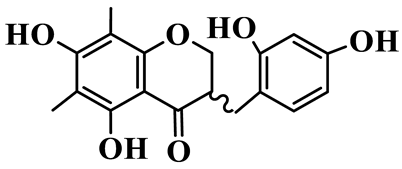 | C18H18O6 | P. kingianum | [38] |
| 32 | (3R)-5,7-dihydroxy-8-methyl-3-(2′-hydroxy-4′-methoxybenzyl)-chroman-4-one |  | C18H18O6 | P. sibiricum | [38] |
| 33 | Ophiopogonanone G |  | C17H16O6 | P. hunanense, P. kingianum | [18,38] |
| 34 | Polygonatone A |  | C18H18O7 | P. odoratum | [39] |
| 35 | Polygonatone B |  | C18H18O7 | P. odoratum | [39] |
| 36 | Polygonatone C |  | C18H18O6 | P. odoratum | [39] |
| 37 | (3R)-5,7-dihydroxy-8-methyl-3-(2′-hydroxy-4′-methoxybenzyl)-chroman-4-one |  | C18H18O6 | P. odoratum, P. kingianum, P. verticillatum | [22,38,40] |
| 38 | Odoratumone A |  | C19H20O6 | P. odoratum | [41] |
| 39 | Odoratumone B |  | C17H16O6 | P. odoratum | [41] |
| 40 | (E)-3-(3′,4′-dihydroxybenzylidene)-5,7-dihydroxy-6,8-dimethylchroman-4-one |  | C17H16O6 | P. odoratum | [42] |
| 41 | (E)-3-(3′,4′-dihydroxybenzylidene)-5,7-dihydroxy-8-methoxy-6-methylchroman-4-one | 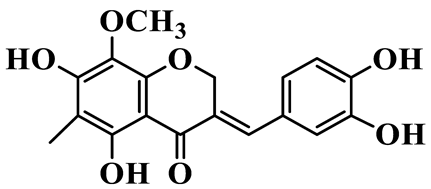 | C17H16O7 | P. odoratum | [42] |
| 42 | (3S)-3,5,7-trihydroxy-6-methyl-3-(4′-methoxybenzyl)-chroman-4-one |  | C18H18O6 | P. odoratum | [43] |
| 43 | (E)-5,7-dihydroxy-6,8-dimethyl-3-(4′-hydroxybenzylidene)-chroman-4-one |  | C18H16O5 | P. odoratum, P. cyrtonema | [25,44] |
| 44 | Polygonatone H | 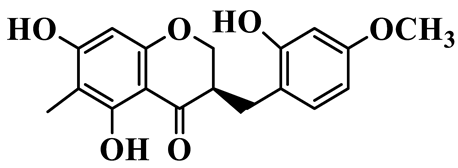 | C18H18O6 | P. cyrtonema, P. hunanense | [18,44] |
| 45 | (3R)-5-hydroxy-7-methoxy 3-(3′,4′-dihydroxybenzyl)- chroman-4-one |  | C17H16O6 | P. sibiricum | [45] |
| 46 | Polygonatone I |  | C18H18O7 | P. sibiricum | [45] |
| 47 | Polygonatone J |  | C18H18O6 | P. sibiricum | [45] |
| 48 | Polygonatone K |  | C18H16O6 | P. sibiricum | [45] |
| 49 | Polygonatone L |  | C23H28O10 | P. sibiricum | [45] |
| 50 | Polygonatone M |  | C24H28O11 | P. sibiricum | [45] |
| 51 | Polygonatone N | 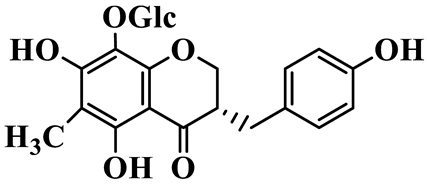 | C23H26O11 | P. sibiricum | [45] |
| 52 | 4′-Demethyleucomin |  | C16H12O5 | P. rhizoma | [46] |
| 53 | (3R)-brevifolin |  | C17H16O5 | P. rhizoma | [46] |
| 54 | (3R)-5,7-dihydroxyl-6-methyl-8-methoxyl-3-(4′-methoxybenzyl)-chroman-4-one |  | C19H20O5 | P. odoratum | [47] |
| Flavones | |||||
| 55 | Luteolin-7-O-rutinoside |  | C27H30O5 | P. cyrtonema | [23] |
| 56 | Isovitexin |  | C21H20O10 | P. sibiricum | [24] |
| 57 | Isovitexin 8-C-β-D-glucoside |  | C27H30O15 | P. sibiricum | [24] |
| 58 | Apigenin-7-O-β-D-glucopyranoside |  | C21H20O10 | P. sibiricum P. cyrtonema | [23,32] |
| 59 | Myricetin |  | C15H10O8 | P. sibiricum | [32] |
| 60 | Chrysoeriol |  | C16H12O6 | P. odoratum, P. sibiricum | [24,36] |
| 61 | Apigenin-8-C-glucoside |  | C21H20O10 | P. sibiricum | [48] |
| Isoflavones | |||||
| 62 | Tectoridin |  | C22H22O11 | P. odoratum | [25] |
| 63 | 2′,5-Dihydroxy-7-hydroxymethyl isoflavone |  | C16H12O5 | P. prattii | [26] |
| 64 | 5,7,4′-Trihydroxy isoflavone |  | C15H10O5 | P. odoratum | [27] |
| 65 | 5,7,4′-Trihydroxy-6-methoxy isoflavone |  | C16H12O6 | P. odoratum | [27] |
| 66 | 5,7,4′-Trihydroxy-6,3′-dimethoxy isoflavone |  | C17H14O7 | P. odoratum | [27] |
| 67 | 4′,7-Dihydroxy-3′-methoxyisoflavone | 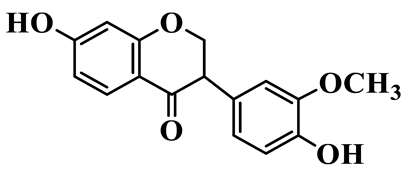 | C16H14O5 | P. kingianum | [29] |
| Chalcones | |||||
| 68 | Helichrysetin |  | C16H14O5 | P. cyrtonema | [21] |
| 69 | Neoisoliquiritin |  | C20H22O9 | P. kingianum | [28] |
| 70 | Isoliquiritigenin |  | C15H12O4 | P. kingianum | [29] |
| 71 | Polygonatone D | 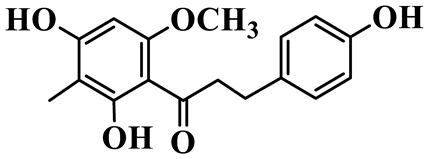 | C17H18O5 | P. odoratum | [30] |
| Flavanones | |||||
| 72 | (S)-4′,5,7-trihydroxy-8-methyl-flavanone |  | C16H14O5 | P. cyrtonema | [21] |
| 73 | Farrerol |  | C17H16O5 | P. cyrtonema | [21] |
| 74 | 5,7-Dihydroxy-8-methyl-4′-methoxyflavanone |  | C17H16O5 | P. cyrtonema | [21] |
| 75 | Hesperidin | 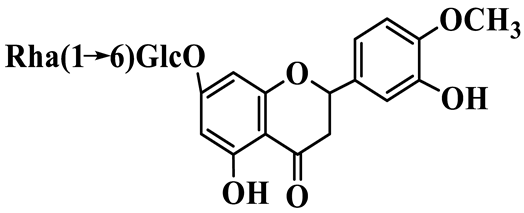 | C28H34O15 | P. odoratum | [25] |
| 76 | 7,4′-Dihydroxy-5-methoxy flavanones |  | C15H14O5 | P. prattii | [26] |
| 77 | Neoliquiritin |  | C20H20O9 | P. kingianum | [28] |
| 78 | Liquiritin |  | C15H12O4 | P. kingianum | [29] |
| 79 | Naringenin |  | C15H12O5 | P. rhizome, P. cyrtonema | [21,47] |
| 80 | Liquiritigenin |  | C15H12O4 | P. alte-lobatum, P. kingianum, P. odoratum | [28,29,49] |
| Isoflavanones | |||||
| 81 | 2′,7-Dihydroxy-3′,4′-dimethoxyisoflavan glucoside | 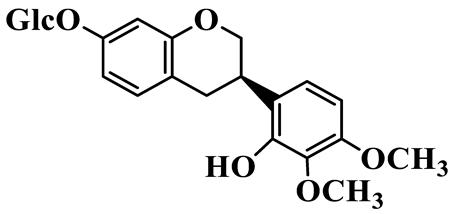 | C23H28O10 | P. kingianum | [28] |
| 82 | 2′,7-Dihydroxy-3′,4′-dimethoxyisoflavan |  | C17H18O5 | P. kingianum | [28] |
| 83 | 5,4′-Dihydroxy-7-methoxy-6-methylflavane |  | C17H18O4 | P. odoratum | [36] |
| 84 | Isomucronulatol |  | C17H18O5 | P. kingianum | [50] |
| Flavonols | |||||
| 85 | Quercetin 3-O-β-D-glucuronide |  | C21H20O12 | P. cyrtonema | [23] |
| 86 | Kaempferol-7-O-β-D-glucopyranoside | 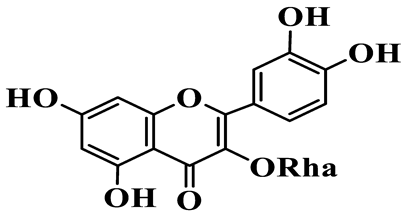 | C21H20O11 | P. cyrtonema | [23] |
| 87 | Quercetin 3-O-α-L-rhamnoside |  | C21H20O11 | P. sibiricum | [24] |
| 88 | Isorhamnetin-3-O-(6″-O-α-L-rhamnopyransoyl)-β-D-glucopyranoside |  | C29H32O16 | P. odoratum | [27] |
| 89 | Isoquercetin |  | C21H20O12 | P. sibiricum, | [33] |
| 90 | Hyperoside |  | C21H20O12 | P. sibiricum | [33] |
| 91 | Rutin |  | C27H30O16 | P. sibiricum, P. verticillatum, P. cyrtonema | [33,34,43] |
| 92 | Kaempferol |  | C15H10O6 | P. sibiricum, P. verticillatum | [32,34] |
| Pterocarpan | |||||
| 93 | (6aR,11aR)-3,9-dimethoxy-10-hydroxypterocarpan |  | C17H16O5 | P. kingianum | [29] |
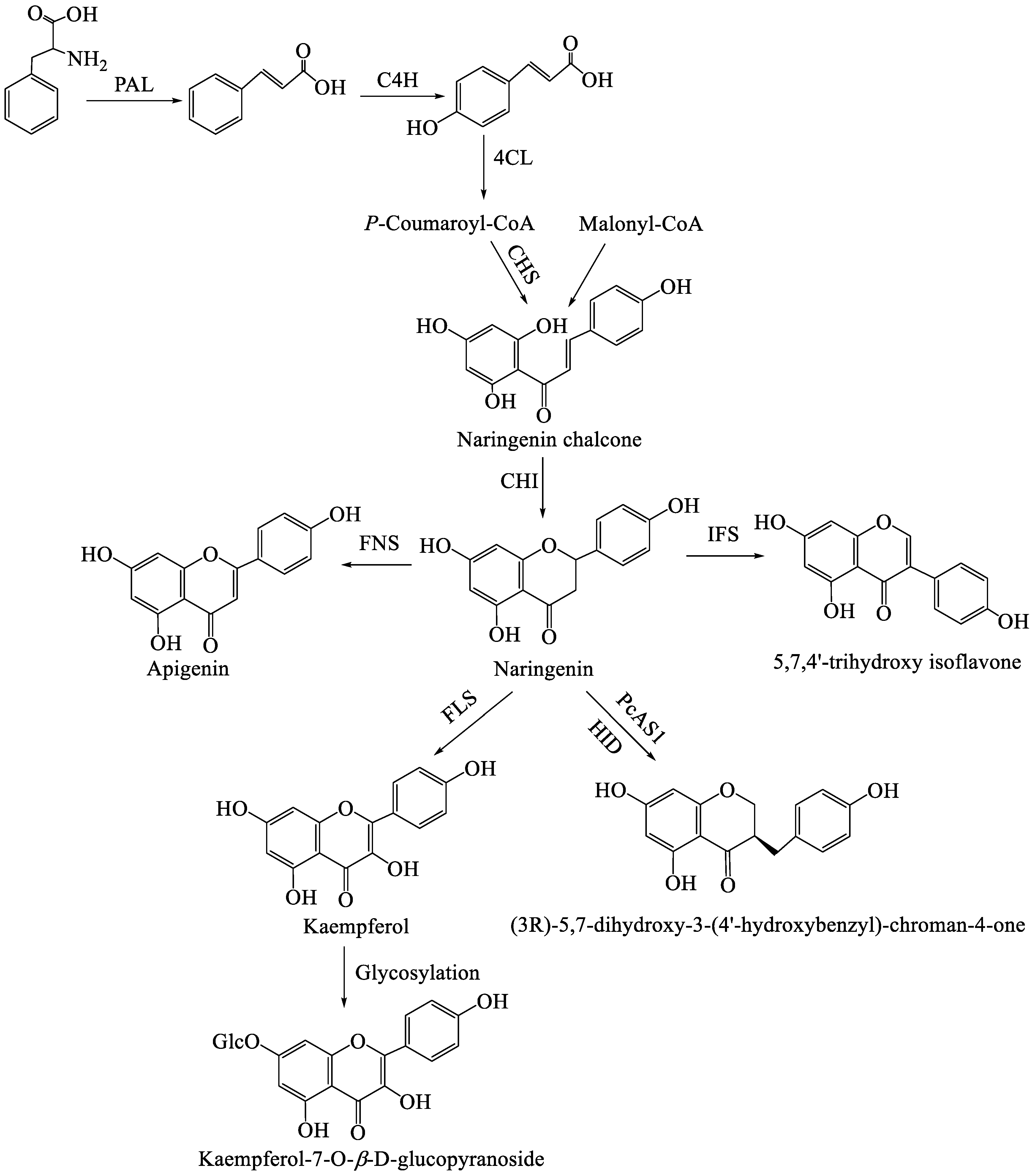
4. Biosynthesis of Flavonoids
5. Pharmacological Effects
5.1. Antioxidant Activity
5.2. Anti-Diabetic Activity
5.3. Anticancer Activity
5.4. Anti-Inflammatory Activity
5.5. Antibacterial Activity
5.6. Other Activities
| Pharmacology | Substances | In Vitro/In Vivo | Assay Methods/Experimental Model | Dosages | Mechanisms/Effects | Ref. |
|---|---|---|---|---|---|---|
| Antioxidant activity | 2, 3, and 27 | In vitro | DPPH | – | Compounds 2, 3, and 27 showed stronger antioxidant effects (IC50 = 4.9 ± 0.3, 3.8 ± 0.5, and 3.9 ± 0.4 μg/mL, respectively) than ascorbic acid (IC50 = 5.3 ± 0.6 μg/mL). | [16] |
| TFPo | In vitro | DPPH | 0.01–0.8 mg/mL | TFPo possess potent DPPH radical scavenging activity, and this capacity is markedly improved upon their interaction with iron salts. | [60] | |
| TFPs | In vitro | DPPH, ABTS | 0–500 μg/mL | TFPS showed DPPH and ABTS radical scavenging effects with IC50 values of 27.55 and 11.47 μg/mL, and its ferrous ion-chelating activity reached an IC50 value of 32.26 μg/mL. | [61] | |
| The ethanolic extract of P. alte-lobatum | In vitro | DPPH | 2–10 μg/mL | The extract showed DPPH radical scavenging activity, with an IC50 value of 9 μg/mL. | [62] | |
| TFPs | In vitro | DPPH, ABTS | 0.1–0.5 mg/mL | When the concentration of TFPs was 0.5 mg/mL, the DPPH and ABTS radical scavenging activities peaked, achieving scavenging rates of 84.3% and 81.5%, respectively. | [63] | |
| FE, 25, and 30 | In vitro | DPPH, OH, and reducing power | – | FE exhibited antioxidant activity with IC50 values of 0.06 ± 0.035 mg/mL against DPPH radicals and 0.68 ± 0.03 mg/mL against hydroxyl radicals, and its reducing power at 1.25 mg/mL was determined to be 0.56 ± 0.033. In addition, compounds 25 and 30 against DPPH radicals had IC50 values of 5.90 ± 0.150 mg/mL and 11.64 ± 0.296 mg/mL. | [64] | |
| TFPs | In vitro | DPPH, ABTS | 0.25–3.00 mg/mL | TFPs exhibited dose-dependent DPPH and ABTS radical scavenging activities, which increased progressively as the concentration rose from 0.25 to 3.00 mg/mL. | [66] | |
| TFPs | In vitro | DPPH | 0.1–0.5 mg/mL | When the concentration was 0.50 mg/mL, the DPPH scavenging capacity peaked at 91 %. | [67] | |
| TFPk | In vitro | DPPH, ABTS | 1–8 mg/mL | TFPk exhibited potent scavenging activities against DPPH and ABTS free radicals, with EC50 values of 2.11 and 1.63 mg/mL, respectively. | [68] | |
| TFPk | In vitro | DPPH, ABTS | 2–14 mg/mL | The scavenging rates of TFPk against DPPH and ABTS free radicals reached 82.44% and 86.22%, respectively. | [69] | |
| Anti-diabetic activity | 25, 26, and 38 | In vitro | AGE formation model | 0.312–0.25 μM | Compounds 25, 26, and 38 had notable inhibitory activity against AGE formation, with IC50 values of 56.30, 46.05, and 107.10 μM, respectively. | [48] |
| TFPk | In vitro | α-Glucosidase and α-amylase | 1–8 mg/mL | TFPk showed inhibitory activity on α-glucosidase and α-amylase, with EC50 values of 1.70 mg/mL and 2.69 mg/mL, respectively. | [68] | |
| 25, 26, 30, and 71 | In vitro | IAR-20 cells | 10 μM | Compounds 1, 2, 6, and 70 exhibited remarkable glucose-uptake-promoting effects via the activation of the AMPK signaling pathway. | [72] | |
| 1, 2, and 6 | In vitro | Caco-2 cells | 15 μM | Compounds 25, 26, and 30 had a stronger inhibitory effect on 25 mM glucose transport (47.5 ± 1.9 %, 41.6 ± 2.5 %, and 50.5 ± 7.6 %). | [73] | |
| Isorhamnetin | In vitro | Insulin-resistant (IR) HepG2 cell line | – | Isorhamnetin could significantly increase glucose consumption in insulin-resistant (IR) HepG2 cell models, upregulate the protein expression levels of PI3K and AKT1, and downregulate the protein expression levels of VEGF and mTOR. | [74] | |
| 25 and 26 | In vitro | HepG2 cell line | 0.1–10 μM | Compound 25 (IC50 = 12 μM) and compound 26 (IC50 = 7 μM) bound to the PPARγ ligand-binding domain with fair binding affinity. | [76] | |
| TFPo | In vivo and In vitro | Alloxan-induced diabetic rats and α-amylase | 50–200 mg/kg and 0.1–2%. | In vivo experiments indicated that the hypoglycemic effect of TFPo at 200 mg/kg is similar to that of acarbose 20 mg/kg and gliclazide 15 mg/kg. In vitro experiments indicated that TFPo significantly inhibited α-amylase activity in a dose-dependent manner. | [77] | |
| TFPs | In vivo and In vitro | Alloxan-induced diabetic rats and α-amylase | 50–200 mg/kg and 0.1–2%. | In vivo experiments indicated that TFPs could significantly increase the insulin level in alloxan-induced type 2 diabetic rats compared with the control. An α-amylase inhibition assay in vitro showed that TFPs significantly inhibited α-amylase activity in a dosage-dependent manner. | [78] | |
| Anticancer activity | 16 and 44 | In vitro | HCT-116, AGS, U-87 MG, and PC-12 | – | Compound 16 showed significant and selective cytotoxicities against AGS and PC12, with IC50 values of 7.2 and 9.8 μM, respectively; compound 44 showed cytotoxic activities against the four tumor cell lines, with IC50 values in the range of 2.2–9.8 μM. | [21] |
| 25 and 26 | In vitro | MCF-7 cells | 10–100 μM for compound 1, 10–80 μM for compound 2 | Compound 26 was more cytotoxic (IC50 = 30 μM) than compound 25 (IC50 = 90 μM). Compound 26 could induce Bcl-2 phosphorylation, apoptosis, and G2/M cell cycle arrest in breast tumor cells. | [35] | |
| 30–33, and 37 | In vitro | HepG2 and A549 cells | 15.625–500 μmol/L | Compounds 30, 33 and 37 had inhibitory effects on both cancer cell lines, with a relatively strong inhibitory effect on A549. Among them, compound 37 had a notable inhibitory effect on A549, with an IC50 value of 17.99 ± 1.45 μmol/L | [38] | |
| 25 | In vitro | A549 cells | 12.5–100 mg/L | Compound 25 could promote the apoptosis of A549 cells and increase the proportion of cells in G2/M via mitochondria-mediated apoptosis and the p38 MAPK pathway. | [84] | |
| 25 | In vitro | A549 cells | 12.5–100 mg/L | Compound 25 could induce apoptosis in A549 cells by regulating the mitochondria-caspase-dependent and ER stress pathways and resulted in G2/M arrest by activating the p38/p53 signaling pathway. | [85] | |
| 25–28 | In vitro | K562, A549, HCT-15, HLE, and DHODH | 0–100 μg/ mL | All compounds showed inhibitory activity against K562, A549 and HCT-15 cancer cells, with IC50 values of 7– 35 μg/mL. They also showed inhibitory activity against HLE, with IC50 values of 13.1, 70.4, 13.8, and 55.2 μg/mL, respectively. Compounds 26 and 28 showed inhibitory activity against DHODH, with IC50 values of 10.0 and 11.1 μg/mL, respectively. | [86] | |
| 80 | In vitro | MCF-7 and BT20 cell lines | 0.2 mmol/L | Compound 80 could reduce aggressiveness of BC cells by suppressing HSP90-mediated CMA. | [88] | |
| Anti-inflammatory activity | 55, 85, 86, and 91 | In vitro | RAW264.7 | 50 μL | All compounds showed a moderate inhibitory effect against NO production, with IC50 values of 8.28–41.85 μmol/L and without cytotoxicity against the cells. | [23] |
| 89–91 | In vitro | RAW264.7 | – | 91 (IC50 = 9.89 ± 1.36 μM) showed the strongest nitric oxide inhibitory effect, followed by 89 (IC50 = 17.03 ± 1.28 μM), 90 (IC50 = 18.87 ± 1.68 μM). | [33] | |
| 30–33, and 37 | In vitro | RAW264.7 | 16 μmol/L | All compounds could inhibit the release of NO. Among them, compound 31 showed good potential anti-inflammatory activity; the NO inhibition rate of 31 reached 91.16 ± 3.51 %, which was significantly higher than that of the positive control dexamethasone (64.81 ± 1.71 %). | [38] | |
| Antibacterial activity | 14, 15, and 37 | In vitro | Gram-positive bacteria and Gram-negative bacteria | 50 μL | Compounds 14, 15, and 37 exhibited noticeable antibacterial activity against non-pathogenic bacterial type strains. However, 37 showed the highest activity with the maximum inhibition zone against Gram-positive bacteria (S. aureus and B. subtilis; 15 mm), which is comparable to that achieved by the well-known antibiotic tetracycline. | [22] |
| TFPv | In vitro | Escherichia coli, Salmonella typhi, Shigella flexneri, and Staphylococcus aureus | 10 mg/mL | The MICs were 1.5–40, 3–6, 3–40, and 75–80 μg/mL, respectively. | [96] | |
| The crude methanol extract of P. verticillatum | In vitro | Gram-positive bacteria and Gram-negative bacteria | – | Among Gram-positive bacteria, only Bacillus subtilis was susceptible, with MIC values of 11–50 µg/mL. For Gram-negative bacteria, Salmonella typhi and Shigella flexneri were sensitive, with estimated MIC values of 2–7 µg/mL and 8–50 µg/mL, respectively. | [97] | |
| 25 | In vitro | Four bacterial strains and six plant pathogens | 10 μg/mL | Compound 25 displayed strong inhibitory effects against the growth of Colletotrichum lagenarium (50 %), Alternaria brassicae (51.67 %), Verticillium dahlia (44.92 %), Exserohilum turcicum (58.24 %), Escherichia coli (13 mm), Bacillus cereus (9.24 mm), and Corynebacterium sepedonicum (10.50 mm). | [98] | |
| Other activities | 30, 45, 47, 48, and 50 | In vitro | H2O2-induced PC12 cells | 50 μM | Compounds 30, 45, 47, 48, and 50 significantly alleviated H2O2-induced damage in PC12 cells, increasing cell viability to approximately 76 %, 72 %, 74 %, 76 %, and 79 %, respectively. | [45] |
| TFPk | In vivo | 5-week endurance exercise in mice | 100 and 200 mg/kg·d | TFPk exerted a protective effect on lipid peroxidation induced by excessive exercise in organisms, and it alleviated the oxidative damage caused by free radical lipid peroxidation. | [100] |
6. Conclusions
Author Contributions
Funding
Institutional Review Board Statement
Informed Consent Statement
Data Availability Statement
Conflicts of Interest
Abbreviations
| TFPo | Total flavonoids of P. odoratum | PC12 | Rat pheochromocytoma cells |
| TFPs | Total flavonoids of P. sibiricum | PCL | P. cyrtonema lectin |
| TFPk | Total flavonoids of P. kingianum | PI3K | Phosphatidylinositol-3-kinase |
| TFPv | Total flavonoids of P. verticillatum | AMPK | Adenosine monophosphate-activated kinase |
| TCM | Traditional Chinese medicine | BG | Blood glucose |
| Glc | β-D-glucopyranosyl | AMP | Adenosine monophosphate |
| Xyl | Xylopyranoside | 3T3-L1 | 3T3-L1 mouse embryonic fibroblast cells |
| Gal | Galactopyranose | ER | Endoplasmic reticulum |
| Rha | α-L-rhamnopyranose | PAL | Phenylalanine ammonialyase |
| GlcA | β-D-Glucopyranuronic acid | HCT-116 | Human colon tumor 116 |
| C4H | Cinnamate 4-hydroxylase | AGS | Adenocarcinoma gastric strain |
| 4CL | 4-Coumarate-CoA ligase | U-87 MG | Uppsala 87 malignant glioma |
| CHS | Chalcone synthase | MIC | Minimum inhibitory concentration |
| CHI | Chalcone isomerase | MCF-7 | Michigan Cancer Foundation-7 |
| FNS | Flavone synthase | BT20 | Breast tumor 20 |
| IFS | Isoflavone synthase | HepG2 | Hepatoma G2 |
| FLS | Flavonol synthase | A549 | Human lung adenocarcinoma A549 cell line |
| PcAS1 | Polygonatum cyrtonema cyclase 1 | K562 | K 562 Human chronic myeloid leukemia cells |
| HID | 2-Hydroxyisoflavanone dehydratase | HCT-15 | Human colon tumor 15 |
| Aβ | Amyloid β-peptide | HLE | Human hepatocellular carcinoma cell line |
| Ac | Acetyl | DHODH | Dihydroorotate dehydrogenase |
| RAW264.7 | Murine macrophage cells | IAR-20 | Rat liver epithelial cells |
| DPPH | 2,2-Diphenyl-1-picrylhydrazyl | Caco-2 cells | Colon carcinoma clone 2 |
| ABTS | 2,2′-Azino-bis(3-ethylbenzothiazoline-6-sulfonic acid) | Glut2 | Glucose transporter 2 |
| IC50 | 50% inhibitory concentration | IR | Insulin-resistant |
| EC50 | Effective concentration 50% | AGEs | Advanced glycation end products |
| HSCCC | High-speed counter-current chromatography | PPARγ | Peroxisome proliferator-activated receptor gamma |
| iNOS | Inducible nitric-oxide synthase | MDA | Malondialdehyde |
| LPS | Lipopolysaccharide | SOD | Superoxide oxide dismutase |
| NO | Nitric oxide | GSH-Px | Glutathione peroxidase |
References
- Luo, L.; Qiu, Y.X.; Gong, L.M.; Wang, W.; Wen, R.D. A review of Polygonatum Mill. genus: Its taxonomy, chemical constituents, and pharmacological effect due to processing changes. Molecules 2022, 27, 4821. [Google Scholar] [CrossRef] [Scilit] [PubMed]
- Shi, Y.; Si, D.; Chen, D.H.; Zhang, X.F.; Han, Z.G.; Yu, Q.; Liu, J.J.; Si, J.P. Bioactive compounds from Polygonatum genus as anti-diabetic agents with future perspectives. Food Chem. 2023, 408, 135183. [Google Scholar] [CrossRef] [Scilit]
- National Pharmacopoeia Commission. Pharmacopoeia of the People’s Republic of China. One; China Medical Science and Technology Press: Beijing, China, 2020; Volume 4, pp. 387–388. [Google Scholar]
- Li, M.; Xie, B.Z.; Li, L.W.; Zhang, Y.G.; Chen, Q.M.; Ju, J.; Ma, Y.L. A comprehensive review on the potential applications of medicine Polygonatum species in the food sector. Food Biosci. 2024, 60, 104116. [Google Scholar] [CrossRef] [Scilit]
- Li, X.L.; Ma, R.H.; Zhang, F.; Ni, Z.J.; Thakur, K.; Wang, S.Y.; Zhang, Z.J.; Wei, Z.J. Evolutionary research trend of Polygonatum species: A comprehensive account of their transformation from traditional medicines to functional foods. Crit. Rev. Food. Sci. Nutr. 2023, 63, 3803–3820. [Google Scholar] [CrossRef] [Scilit] [PubMed]
- Cheng, W.Q.; Pan, Z.B.; Zheng, H.J.; Luo, G.L.; Liu, Z.B.; Xu, S.L.; Lin, J.H. Characterization of phytochemical profile of rhizome of artificial ultured Polygonatum sibiricum with multiple rhizome buds. Appl. Biol. Chem. 2023, 66, 35. [Google Scholar] [CrossRef] [Scilit]
- Yao, X.J.; Deng, Z.Y.; Li, H.Y.; Zhang, B. Effect of processing cycles on the composition of Polygonatum cyrtonema Hua during nine-steam-nine-bask processing. Food Biosci. 2022, 50, 102081. [Google Scholar] [CrossRef] [Scilit]
- Sharma, S.; Joshi, R.; Kumar, D. Quantitative analysis of flavonols, flavonol glycoside and homoisoflavonoids in Polygonatum verticillatum using UHPLCDAD-QTOF-IMS and evaluation of their antioxidant potential. Phytochem. Anal. 2020, 31, 333–339. [Google Scholar] [CrossRef] [Scilit]
- Tao, A.N.; Zhang, X.C.; Du, Z.F.; Zhao, F.Y.; Xia, C.L.; Duan, B.Z. Research progress on flavonoids in plants of Polygonatum Mill. and their pharmacological activities. Chin. Tradit. Herb. Drugs 2018, 49, 2163–2171. [Google Scholar]
- Tang, Z.X.; Ye, X.P.; Jiang, Z.B.; Chen, Y.X.; Shen, H.Y.; Hu, Y.Y.; Shi, L.E. Recent advances in flavonoids from the genus Polygonatum: Extraction and processing methods. Front. Sustain. Food Syst. 2025, 9, 1569034. [Google Scholar] [CrossRef] [Scilit]
- Zhang, Y.W.; Li, X.Y.; Yu, D.H.; Yang, Z.Y.; Shen, Z.X.; Meng, Y.S.; Ding, Y.; Li, Y. Botany, chemistry, bioactivity, and application of Polygonatum odoratum (Mill.) Druce: A comprehensive review. Naunyn-Schmiedeberg’s Arch. Pharmacol. 2025, 398, 13545–13566. [Google Scholar] [CrossRef] [Scilit] [PubMed]
- Ma, D.C.; Guo, Y.M.; Ali, I.; Lin, J.R.; Xu, Y.Y.; Yang, M. Accumulation characteristics of plant flavonoids and effects of cultivation measures on their biosynthesis: A review. Plant Physiol. Biochem. 2024, 215, 108960. [Google Scholar] [CrossRef] [Scilit]
- Zhao, P.; Zhao, C.C.; Li, X.; Gao, Q.Z.; Huang, L.Q.; Xiao, P.G. The genus Polygonatum: A review of ethnopharmacology, phytochemistry and pharmacology. J. Ethnopharmacol. 2018, 214, 274–291. [Google Scholar] [CrossRef] [Scilit]
- Bi, J.Y.; Fang, H.Y.; Zhang, J.Y.; Lu, L.T.; Gu, X.; Zheng, Y.G. A review on the application, phytochemistry and pharmacology of Polygonatum odoratum, an edible medicinal plant. J. Future Foods 2023, 3, 240–251. [Google Scholar] [CrossRef] [Scilit]
- Lin, L.G.; Liu, Q.Y.; Ye, Y. Naturally occurring homoisoflavonoids and their pharmacological activities. Planta Med. 2014, 80, 1053–1066. [Google Scholar] [CrossRef] [Scilit]
- Zhou, X.L.; Zhang, Y.P.; Zhao, H.D.; Liang, J.S.; Zhang, Y.; Shi, S.Y. Antioxidant homoisoflavonoids from Polygonatum odoratum. Food Chem. 2015, 186, 63–68. [Google Scholar] [CrossRef] [Scilit]
- Tang, C.; Yu, Y.; Guo, P.; Huo, J.Y.; Tang, S.A. Chemical Constituents of Polygonatum sibiricum. Chem. Nat. Compd. 2019, 55, 331–333. [Google Scholar] [CrossRef] [Scilit]
- Li, W.Q.; Luo, H.; Zhang, H.; Zhang, P.F.; Liu, S.J. The chemical components of Homoisoflavonoids in Polygonatum hunanense. J. Anhui Univ. Chin. Med. 2024, 43, 102–108. [Google Scholar]
- Zhu, S.L.; Hu, H.P.; Zhang, Y.; Lu, C.X.; Wang, R.Z.; Wu, D.L.; Xu, F.Q. Chemical constituents from wine-processed Polygonatum cyrtonema Hua. Res. Pract. Chin. Med. 2025, 39, 49–53. [Google Scholar]
- Xu, L.L.; Xuan, Y.P.; Zhu, Y.L.; Zhou, X.; Wu, F.; Zhou, D.; Ge, F.H. Chemical Constituents of Polygonatum kingianum. J. Chin. Med. Mater. 2024, 47, 634–637. [Google Scholar]
- Wan, J.; Mei, G.Y.; Ma, J.X.; Zhao, Z.Y.; Wang, C.; Zhu, Z.P.; Li, J.M.; Hu, J.F. C-methylated homoisoflavanones from the rhizomes of Polygonatum cyrtonema and their chemotaxonomic significance. Biochem. Syst. Ecol. 2024, 112, 104773. [Google Scholar] [CrossRef] [Scilit]
- Sharma, S.; Patial, V.; Singh, D.; Sharma, U.; Kumar, D. Antimicrobial homoisoflavonoids from the rhizomes of Polygonatum verticillatum. Chem. Biodivers. 2018, 15, e1800430. [Google Scholar] [CrossRef] [Scilit] [PubMed]
- Zhang, Y.; Xia, C.H.; Han, J. Chemical constituents from Polygonatum cyrtonema Hua in Jiuhua Mountain and their anti-inflammatory activity. Nat. Prod. Res. Dev. 2024, 36, 1149–1157. [Google Scholar]
- Wang, Y.F.; Zhang, Z.X.; He, R.J.; Yang, B.Y.; Wang, L.; Huang, Y.L. Study on the chemical constituents of the aerial parts of Polygonatum sibiricum and its ancreatic lipase inhibitory activity. Nat. Prod. Res. Dev. 2020, 32, 1811–1817. [Google Scholar]
- Zhang, H.; Yang, F.; Qi, J.; Song, X.C.; Hu, Z.F.; Zhu, D.N.; Yu, B.Y. Homoisoflavonoids from the fibrous roots of Polygonatum odoratum with glucose uptake-stimulatory activity in 3T3-L1 adipocytes. J. Nat. Prod. 2010, 73, 548–552. [Google Scholar] [CrossRef] [Scilit]
- Dong, S.Q.; Wang, X.F.; Li, W.H.; Wang, L.; Du, H.X.; Yu, Y. Phytochemical constituents and chemotaxonomic study of Polygonatum prattii Baker. Biochem. Syst. Ecol. 2021, 97, 104278. [Google Scholar] [CrossRef] [Scilit]
- Liu, Q.; Li, W.; Nagata, K.; Zheng, W.; Ma, B.P. Isolation, structural elucidation, and liquid chromatography-mass spectrometry analysis of steroidal glycosides from Polygonatum odoratum. Agric. Food Chem. 2018, 66, 521. [Google Scholar] [CrossRef] [Scilit]
- Li, X.; Lai, G.F.; Wang, Y.F.; Zhang, B.G.; Luo, S.D. Studies on chemical constituents of Polygonatum kingianum (II). Chin. Tradit. Herb. Drugs 2008, 39, 825–828. [Google Scholar]
- Wang, Y.F.; Mu, T.H.; Chen, J.J.; Luo, S.D. Studies on chemical constituents of Polygonatum kingianum. Chin. J. Chin. Mater. Med. 2003, 28, 524–527. [Google Scholar]
- Yong, Q.; Wei, Q.M.; Liang, J.Y. Four Homoisoflavanones from Polygonatum odoratum. Chin. J. Nat. Med. 2010, 8, 189–191. [Google Scholar] [CrossRef] [Scilit]
- Kumar, S.; Pandey, A.K. Chemistry and Biological Activities of Flavonoids: An Overview. Hindawi 2013, 2013, 162750. [Google Scholar] [CrossRef] [Scilit]
- Gao, Y.; Qi, C.L.; Zhang, L.; Yue, X.M.; Wang, H. Studies on the Chemical Constituents of Fresh Polygonatum sibiricum. Pharm. Clin. Res. 2015, 23, 365–367. [Google Scholar]
- Chen, S.C.; Yang, C.S.; Chen, J.J. Main bioactive components and their biological activities fromnatural and processed rhizomes of Polygonum sibiricum. Antioxidants 2022, 11, 1383. [Google Scholar] [CrossRef] [Scilit]
- Park, U.H.; Jeong, J.C.; Jang, J.S.; Sung, M.R.; Youn, H.; Lee, S.J.; Kim, E.J.; Um, S.J. Negative regulation of adipogenesis by kaempferol, a component of Rhizoma Polygonati falcatum in 3T3-L1 cells. Biol. Pharm. Bull. 2012, 35, 1525–1533. [Google Scholar] [CrossRef] [Scilit]
- Rafi, M.M.; Vastano, B.C. Identification of a structure specific Bcl-2 phosphorylating homoisoflavone molecule from Vietnamese coriander (Polygonatum odoratum) that induces apoptosis and G2/M cell cycle arrest in breast cancer cell lines. Food Chem. 2007, 104, 332–340. [Google Scholar] [CrossRef] [Scilit]
- Li, L.H.; Ren, F.Z.; Chen, S.H.; Gao, Y.Q. New homoisoflavanones from Polygonatum odoratum (Mill.) Druce. Acta Pharm. Sin. 2009, 44, 764–767. [Google Scholar]
- Wang, D.M.; Li, D.W.; Zhu, W.; Peng, P. A new C-methylated homoisoflavanone and triterpenoid from the rhizomes of Polygonatum odoratum. Nat. Prod. Res. 2009, 23, 580–589. [Google Scholar] [CrossRef] [Scilit]
- Xuan, Y.P.; Xu, L.L.; Zheng, J.Z.; Mo, W.Y.; Zhou, X.; Ge, F.H. Chemical composition and activity of alkaloids and homoisoflavonoids from Polygonatum kingianum. Nat. Prod. Res. Dev. 2025, 37, 457–464. [Google Scholar]
- Pang, X.; Zhao, J.Y.; Wang, Y.J.; Zheng, W.; Zhang, J.; Chen, X.J.; Chen, S.; Yu, L.Y.; Ma, B.P. Steroidal glycosides, homoisoflavanones and cinnamic acid derivatives from Polygonatum odoratum and their inhibitory effects against influenza A virus. Fitoterapia 2020, 146, 104689. [Google Scholar] [CrossRef] [Scilit]
- Gan, L.S.; Chen, J.J.; Shi, M.F.; Zhou, C.X. A new homoisoflavanone from the rhizomes of Polygonatum cyrtonema. Nat. Prod. Commun. 2013, 8, 597–598. [Google Scholar] [CrossRef] [Scilit]
- Qian, Y.; Liang, J.Y.; Qu, W.; Che, Y.Y. Two new homoisoflavanones from Polygonatum odoratum (Mill.) Druce. Chin. Chem. Lett. 2010, 21, 706–708. [Google Scholar] [CrossRef] [Scilit]
- Che, Y.Y.; Qian, Y.; Wu, Y.; Che, Y. Two new homoisoflavanones from the Rhizome of Polygonatum odoratum. Chem. Nat. Compd. 2015, 51, 54–56. [Google Scholar] [CrossRef] [Scilit]
- Quan, L.T.; Wang, S.C.; Zhang, J. Chemical constituents from Polygonatum odoratum. Biochem. Syst. Ecol. 2015, 58, 281–284. [Google Scholar] [CrossRef] [Scilit]
- Wang, W.X.; Dabu, X.; He, J.; Yang, H.X.; Yang, S.C.; Chen, J.W.; Fan, W.; Zhang, G.H.; Cai, J.L.; Ai, H.L.; et al. Polygonatone H, a new homoisofavanone with cytotoxicity from Polygonatum Cyrtonema Hua. Nat. Prod. Res. 2018, 33, 1727–1733. [Google Scholar] [CrossRef] [Scilit] [PubMed]
- Zhu, Y.Y.; Meng, X.; Chen, Q.S.; Zhang, L.L.; Kuang, H.X.; Liu, Y.; Pan, J.; Liu, Y. New dihydrohomoisoflavones from Polygonatum sibiricum with neuroprotective activity. Fitoterapia 2026, 22, 107110. [Google Scholar] [CrossRef] [Scilit]
- Yu, J.Q.; Chen, W.X.; Zhao, L.; Yue, T.; Yang, W.C.; Wang, X. Efficient separation of anti-inflammatory isolates from Polygonti rhizome by three different modes of high-speed counter-current chromatography. J. Sep. Sci. 2022, 45, 4012–4022. [Google Scholar] [CrossRef] [Scilit] [PubMed]
- Dong, W.; Shi, H.B.; Ma, H.; Miao, Y.B.; Liu, T.J.; Wang, W. Homoisoflavanones from Polygonatum odoratum rhizomes inhibit advanced glycation end product formation. Arch. Pharm. Res. 2010, 33, 669–674. [Google Scholar] [CrossRef] [Scilit] [PubMed]
- Pan, Z.B.; Cheng, W.Q.; Liu, Z.B.; Wu, W.B.; Yang, B.; Lin, J.H. Comparative study of the phytochemical profiles of the rhizomes of cultivated and wild-grown Polygonatum sibiricum. Separations 2022, 9, 398. [Google Scholar] [CrossRef] [Scilit]
- Huang, P.L.; Gan, K.H.; Wu, R.R.; Lin, C.N. Benzoquinones, a homoisoflavanone and other constituents from Polygonatumalte-lobatum. Phytochemistry 1997, 44, 1369. [Google Scholar] [CrossRef] [Scilit]
- Wang, Y.F.; Lu, C.H.; Lai, G.F.; Cao, J.X.; Luo, S.D. A new indolizinone from Polygonatum kingianum. Planta Med. 2003, 69, 1066. [Google Scholar]
- Kang, Y.L.; Pei, J.; Cai, W.L.; Liu, W.; Luo, J.; Wu, Q.H. Research progress on flavonoid metabolic synthesis pathway and related function genes in medicinal plants. Chin. Tradit. Herb. Drugs 2014, 45, 1336–1341. [Google Scholar]
- Li, Y.J.; Gong, J.F.; Li, B.; Lu, X. Research progress on biosynthesis and metabolic regulation of flavonoids in Ginkgo biloba. Chin. J. Chin. Mater. Med. 2025, 50, 4201–4208. [Google Scholar]
- Yang, L.; Yang, Q.; Zhang, L.; Ren, F.; Zhang, Z.; Jia, Q. Integrated metabolomics and transcriptomics analysis of flavonoid biosynthesis pathway in Polygonatum cyrtonema Hua. Molecules 2024, 29, 2248. [Google Scholar] [CrossRef] [Scilit]
- Ye, X.P.; Hu, Y.Y.; Chen, Y.X.; Tang, Z.X.; Jiang, Z.B.; Fu, Y.; Wang, Z.X.; Pi, E.X.; Bian, G.F.; Shi, L.E. Flavonoids from the genus Polygonatum: Biological activities and biosynthesis mechanism. Front. Nutr. 2025, 12, 1574182. [Google Scholar] [CrossRef] [Scilit]
- Ye, B.H.; Yang, Y.; Zhu, J.L.; Shi, C.G.; Chen, Y.W.; Hu, C.J.; Song, Q.Y.; Li, H.B. Analysis of genes expression involved in flavonoids biosynthesis in Polygonatum cyrtonema based on comparative transcriptome. J. Food Sci. Biotech. 2022, 41, 84–92. [Google Scholar]
- Wan, X.; Xiao, Q. Integrative analysis of the metabolome and transcriptome provides insights into the mechanisms of flavonoid biosynthesis in Polygonatum. PLoS ONE 2025, 20, e0318026. [Google Scholar] [CrossRef] [Scilit] [PubMed]
- Han, Z.G.; Zhang, J.; Zhang, Y.X.; Wen, Z.Y.; Li, C.; Chen, D.H.; Si, J.P. Application of a Polygonatum cyrtonema Cclase PcAS1 in Pomoting Sppanone A Synthesis. China CN120989129A, 5 August 2025. [Google Scholar]
- Wan, K.; Ban, J.; Yang, F.; Zhang, X.; Huang, X.; Wang, Y.; Zhang, Z.; Lai, Z.; Chen, Y.; Lin, Y. Transcriptomic analysis reveals the flavonoid biosynthesis pathway involved in rhizome development in Polygonatum cyrtonema Hua. Plants 2024, 13, 1524. [Google Scholar] [CrossRef] [Scilit]
- Wang, X.; Li, Y.; Zhao, X.; Fu, D. Flavonoids in medicine and food homology substances: Structure–activity relationship, application challenges, and cutting-edge technological breakthroughs. Foods 2026, 15, 658. [Google Scholar] [CrossRef] [Scilit]
- Zhu, Q.; Zhang, Y.L.; Sun, S.J.; Fu, C.Y.; Zeng, L. Study on the synergistic scavenging DPPH free radical activities of total flavonoids extracted from Polygonatum combined with iron. Guangdong Chem. Ind. 2016, 43, 89–90. [Google Scholar]
- He, L.X.; Ding, K.; Xie, M.H.; Ji, L.Q.; Ge, M. Study on enzymatic-ultrasonic assisted extraction of total flavonoids from Polygonatum Sibirici and its antioxidant activities. Chin. J. Mod. Appl. Pharm. 2019, 36, 1075–1080. [Google Scholar]
- Horng, C.T.; Huang, J.K.; Wang, H.Y.; Huang, C.C.; Chen, F.A. Antioxidant and antifatigue activities of Polygonatum Altelobatum Hayata rhizomes in rats. Nutrients 2014, 6, 5327–5337. [Google Scholar] [CrossRef] [Scilit] [PubMed]
- Lu, L.; Dou, J.Y.; Lian, X.J. Optimization of total flavonoids extraction process from Rhizoma polygonatum leaves and its antioxidant activity. Fine Chem. Spec. Chem. 2025, 33, 20–23. [Google Scholar]
- Wang, D.M.; Zeng, L.; Li, D.W.; Pu, W.J. Antioxidant activities of different extracts and homoisoflavanones isolated from the Polygonatum odoratum. Nat. Prod. Res. 2013, 27, 1111–1114. [Google Scholar] [CrossRef] [Scilit] [PubMed]
- Xue, M.; Guo, K.L.; Yuan, P.P.; Liu, J.P.; Shi, Y.H.; Guo, X.F.; Wang, B.; Zhu, X.M. Extraction optimization and antioxidant activities of total flavonoid from alcoholic polygonatum. Cent. South Pharm. 2023, 21, 351–356. [Google Scholar]
- Zhang, J.X.; Liang, S.Q.; Xiao, Q.; Cui, L.J. Extraction and antioxidant activity analysis of total flavonoids of Polygonatum sibiricum. Hubei For. Sci. Technol. 2024, 53, 37–44. [Google Scholar]
- Wei, G.L.; Wu, C.Q.; Hu, X.H.; Long, J.F.; Zhang, Q.M. Optimization of extraction process and antioxidant study on total flavonoids from Polygonatum sibiricum. Guangzhou Chem. Ind. 2023, 51, 127–130. [Google Scholar]
- Wang, Y.H.; Zhang, X.; Qian, Z.W. Optimization of extraction of flavonoid from Polygonatum kingianum with deep eutectic solvent by response surface method and its bioactivity. China Food Addit. 2023, 4, 116–123. [Google Scholar]
- Wang, J.Q.; Li, M.M.; Fan, B.; Cui, W.Y.; Wang, Q.; Lu, C.; Wang, F.Z.; Hou, X.J. Optimization of purification process of flavonoids from P. kingianum Coll. by macroporous resin and comparison of antioxidant activity before and after purification. Feed Res. 2024, 47, 74–81. [Google Scholar]
- Liu, M.; Liu, C.; Zhaxi, P.; Kou, X.; Liu, Y.; Xue, Z. Research Progress on Hypoglycemic Effects and Molecular Mechanisms of Flavonoids: A Review. Antioxidants 2025, 14, 378. [Google Scholar] [CrossRef] [Scilit]
- Saikia, L.; Talukdar, N.C.; Dutta, P.P. Exploring the therapeutic role of flavonoids through AMPK activation in metabolic syndrome: A narrative review. Phytother. Res. 2025, 39, 1403–1421. [Google Scholar] [CrossRef] [Scilit]
- Guo, H.J.; Zhao, H.X.; Kanno, Y.; Li, W.; Mu, Y.L.; Kuang, X.Z.; Inouye, Y.; Koike, K.; Jiang, H.P.; Bai, H. A dihydrochalcone and several homoisoflavonoids from Polygonatum odoratum are activators of adenosine monophosphate-activated protein kinase. Bioorg. Med. Chem. Lett. 2013, 23, 3137–3139. [Google Scholar] [CrossRef] [Scilit] [PubMed]
- Wang, H.J.; Fowler, M.; Messenger, D.; Terry, L.; Gu, X.L.; Zhou, L.X.; Liu, R.M.; Juan, S.; Shi, S.; Ordaz-Ortíz, J.; et al. Homoisoflavonoids are potent glucose transporter 2 (GLUT 2) inhibitors-a potential mechanism for the glucose-lowering properties of Polygonatum odoratum. J. Agric. Food Chem. 2018, 66, 3137–3145. [Google Scholar] [CrossRef] [Scilit] [PubMed]
- Chen, L.; Wang, M.; Hu, Y.; Liu, Y.P.; Chen, H.P.; Wang, F. Differential analysis of secondary metabolites of medicinal and edible Polygonati Rhizoma and study on potential active components and mechanism for improving insulin resistance. Nat. Prod. Res. Dev. 2022, 34, 1521–1528. [Google Scholar]
- Noori, M.; Azimirad, M.; Ghorbaninejad, M.; Meyfour, A.; Zali, M.R.; Yadegar, A. PPAR-γ agonist mitigates intestinal barrier dysfunction and inflammation induced by Clostridioides difficile SlpA in vitro. Sci. Rep. 2024, 14, 32087. [Google Scholar] [CrossRef] [Scilit]
- Lin, H.R. Two homoisoflavonoids act as peroxisome proliferator-activated receptor agonists. Med. Chem. Res. 2015, 24, 2898–2905. [Google Scholar] [CrossRef] [Scilit]
- Shu, X.S.; Lv, J.H.; Tao, J.; Li, G.M.; Li, H.D.; Ma, N. Antihyperglycemic effects of total flavonoids from Polygonatum odoratum in STZ and alloxan-induced diabetic rats. J. Ethnopharmacol. 2009, 124, 539–543. [Google Scholar] [CrossRef] [Scilit]
- Shu, X.S.; Lv, J.H.; Chen, D.M.; Chen, Y.H. Anti-diabetic effects of total flavonoids from Polygonatum sibiricum red in induced diabetic mice and induced diabetic rats. Her. J. Biochem. Bioinform. 2012, 2, 14–19. [Google Scholar]
- Kim, Y.W.; Bak, S.B.; Baek, S.Y.; Kim, I.L.; Lee, W.Y.; Yun, U.J.; Park, K.I. Mylabris phalerata induces the apoptosis and cell cycle delay in HCC, and potentiates the effect of sorafenib based on the molecular and network pharmacology approach. Mol. Cell. Toxicol. 2023, 19, 731–742. [Google Scholar] [CrossRef] [Scilit]
- Chahar, M.K.; Sharma, N.; Dobhal, M.P.; Joshi, Y.C. Flavonoids: A versatile source of anticancer drugs. Pharmacogn. Rev. 2011, 5, 1–12. [Google Scholar] [CrossRef] [Scilit]
- Pandey, P.; Lakhanpal, S.; Mahmood, D.; Kang, H.N.; Kim, B.; Kang, S.; Choi, J.; Choi, M.; Pandey, S.; Bhat, M.; et al. An updated review summarizing the anticancer potential of flavonoids via targeting NF-κB pathway. Front. Pharmacol. 2025, 15, 1513422. [Google Scholar] [CrossRef] [Scilit] [PubMed]
- Stachelska, M.A.; Karpiński, P.; Kruszewski, B. A comprehensive review of biological properties of flavonoids and their role in the prevention of metabolic, cancer and neurodegenerative diseases. Appl. Sci. 2025, 15, 10840. [Google Scholar] [CrossRef] [Scilit]
- Fan, L.M.; Xie, B.B. Analysis of the anticancer activity and mechanisms of plant flavonoids. Mol. Plant Breed. 2025, 23, 8001–8006. [Google Scholar]
- Ning, D.L.; Liu, J.; Li, M.; Li, W.J.; Li, L.; Zhang, H.L.; Sun, J.K. Anti-proliferation effect of homoisoflavonoids extracted from Polygonati Odorati rhizoma on A549 Cells. Chin. J. Exp. Tradit. Med. Formulae 2017, 23, 174–179. [Google Scholar]
- Ning, D.L.; Jin, M.; Xv, T.; Sun, J.K.; Li, M. Homoisoflavanone-1 isolated from Polygonatum odoratum arrests the cell cycle and induces apoptosis in A549 cells. Oncol. Lett. 2018, 16, 3545–3554. [Google Scholar] [CrossRef] [Scilit]
- Li, L.H.; Ren, F.Z.; Zheng, Z.H.; Chen, S.H.; Gao, Y.Q.; Zhu, X.L. Studies on biological activity of homoisoflavanones from Polygonatum Odoratum (Mill.) Druce. J. Hebei Norm. Univ. Nat. Sci. Ed. 2012, 36, 509–511. [Google Scholar]
- Guo, X.D.; Yung, X.F.; Yang, C.G.; Xiao, C.H. Study on the changes of the active ingredients in Polygonatum sibiricum after the alcoholic preparation. Lishizhen Med. Mater. Med. Res. 2022, 33, 1366–1368. [Google Scholar]
- Xu, S.; Ma, Z.; Xing, L.; Cheng, W. Polygonatum sibiricum component liquiritigenin restrains breast cancer cell invasion and migration by inhibiting hsp90 and chaperone-mediated autophagy. Korean J. Physiol. Pharmacol. 2024, 28, 379–387. [Google Scholar] [CrossRef] [Scilit]
- Wang, J.X.; Wu, X.; Li, Z.H.; Ming, T.W.; Liu, J.J.; Tong, X.F. Mechanism of Polygonatum sibiricum against hepatocellular carcinoma based on network pharmacology and molecular docking. Drugs Clin. 2025, 40, 2196–2204. [Google Scholar]
- Fan, H.J.; Zhao, H.Z.; Zhang, P.; Yu, P.F.; Ji, Y.F.; Chen, G.; Jin, H.L.; Liu, Y.F.; Liu, J.; Chen, Z.S.; et al. Homoisoflavanone delays colorectal cancer progression via DNA Damage-Induced mitochondrial apoptosis and parthanatos-like cell death. Adv. Sci. 2026, 13, e11406. [Google Scholar] [CrossRef] [Scilit]
- Al-Khayri, J.M.; Sahana, G.R.; Nagella, P.; Joseph, B.V.; Alessa, F.M.; Al-Mssallem, M.Q. Flavonoids as potential anti-Inflammatory mlecules: A review. Molecules 2022, 27, 2901. [Google Scholar] [CrossRef] [Scilit]
- Maleki, S.J.; Crespo, J.F.; Cabanillas, B. Anti-inflammatory effects of flavonoids. Food Chem. 2019, 99, 125124. [Google Scholar] [CrossRef] [Scilit] [PubMed]
- Liu, T.; Ji, J.; Wang, L.C.; Cheng, J.M. Exploring the mechanism of Polygonatum cyrtonema Hua in improving inflammatory fatigue based on LC-MS analysis and network pharmacology research. J. Nanjing Univ. Tradit. Chin. Med. 2023, 39, 879–887. [Google Scholar]
- Niu, S.R.; Li, M.M.; Cui, W.Y.; Yang, J.B.; Bai, X.J.; Fan, B. Effects of high pressure steam processing on antioxidant and anti-inflammatory activities of Polygonatum kingianum. Sci. Technol. Food Ind. 2025, 46, 351–359. [Google Scholar]
- Zhang, Z.J.; Cao, M.Z.; Shang, Z.X.; Xu, J.; Chen, X.; Zhu, Z.; Wang, W.W.; Wei, X.J.; Zhou, X.Z.; Bai, Y.B.; et al. Research progress on the antibacterial activity of natural flavonoids. Antibiotics 2025, 14, 334. [Google Scholar] [CrossRef] [Scilit]
- Khan, H.; Saeed, M.; Muhammad, N.; Ghaffar, R.; Khan, S.A.; Hassan, S. Antimicrobial activities of rhizomes of Polygonatum verticillatum: Attributed to its total flavonoidal and phenolic contents. Pak. J. Pharm. Sci. 2012, 25, 463–467. [Google Scholar]
- Khan, H.; Saeed, M.; Muhammad, N.; Perviz, S. Phytochemical analysis, antibacterial, and antifungal assessment of aerial parts of Polygonatum verticillatum. Toxicol. Ind. Health 2016, 32, 841–847. [Google Scholar] [CrossRef] [Scilit]
- Wang, D.M.; Li, D.W.; Zhu, W.; Peng, P. Chemical constituents with antisepsis activity from the rhizomes of Polygonatum odoratum. Chem. Nat. Compd. 2009, 45, 876–880. [Google Scholar] [CrossRef] [Scilit]
- Wei, X.; Wang, D.; Liu, J.; Zhu, Q.; Xu, Z.; Niu, J.; Xu, W. Interpreting the mechanism of active ingredients in Polygonati Rhizoma in treating depression by combining systemic pharmacology and in vitro experiments. Nutrients 2024, 16, 1167. [Google Scholar] [CrossRef] [Scilit] [PubMed]
- Yang, X.; Dai, P.; Zeng, L.; Jiang, B. Anti-fatigue effect and mechanism of flavonoids from Rhizoma polygonatum. Mod. Food 2019, 8, 134–137. [Google Scholar]
Disclaimer/Publisher’s Note: The statements, opinions and data contained in all publications are solely those of the individual author(s) and contributor(s) and not of MDPI and/or the editor(s). MDPI and/or the editor(s) disclaim responsibility for any injury to people or property resulting from any ideas, methods, instructions or products referred to in the content. |
© 2026 by the authors. Licensee MDPI, Basel, Switzerland. This article is an open access article distributed under the terms and conditions of the Creative Commons Attribution (CC BY) license.
Share and Cite
Liu, H.-Q.; Qu, Z.-Y.; He, B.; Shao, C.; Zhang, J.; Hou, W. Phytochemistry, Biological Synthesis, and Pharmacology of Flavonoids from Genus Polygonatum. Molecules 2026, 31, 1558. https://doi.org/10.3390/molecules31101558
Liu H-Q, Qu Z-Y, He B, Shao C, Zhang J, Hou W. Phytochemistry, Biological Synthesis, and Pharmacology of Flavonoids from Genus Polygonatum. Molecules. 2026; 31(10):1558. https://doi.org/10.3390/molecules31101558
Chicago/Turabian StyleLiu, Hong-Qun, Zheng-Yi Qu, Bo He, Cai Shao, Jun Zhang, and Wei Hou. 2026. "Phytochemistry, Biological Synthesis, and Pharmacology of Flavonoids from Genus Polygonatum" Molecules 31, no. 10: 1558. https://doi.org/10.3390/molecules31101558
APA StyleLiu, H.-Q., Qu, Z.-Y., He, B., Shao, C., Zhang, J., & Hou, W. (2026). Phytochemistry, Biological Synthesis, and Pharmacology of Flavonoids from Genus Polygonatum. Molecules, 31(10), 1558. https://doi.org/10.3390/molecules31101558

