Article

Garlic-Derived Phytochemical Candidates Predicted to Disrupt SARS-CoV-2 RBD–ACE2 Binding and Inhibit Viral Entry


by
Martha Susana García-Delgado
1,
Aldo Fernando Herrera-Rodulfo
1,
Karen Y. Reyes-Melo
2,
Ashly Mohan
2,
Fernando Góngora-Rivera
3,
Jesús Andrés Pedroza-Flores
4,
Alma D. Paz-González
5,
Gildardo Rivera
5,
María del Rayo Camacho-Corona
2,* and
Mauricio Carrillo-Tripp
1,*
1
Biomolecular Diversity Laboratory, Centro de Investigación y de Estudios Avanzados del Instituto Politécnico Nacional Unidad Monterrey, Vía del Conocimiento 201, PIIT, Apodaca 66600, Nuevo León, Mexico
2
Facultad de Ciencias Químicas, Universidad Autónoma de Nuevo León, Avenida Universidad s/n, Ciudad Universitaria, San Nicolás de los Garza 66455, Nuevo León, Mexico
3
Facultad de Medicina, Universidad Autónoma de Nuevo León, Av. Dr. José Eleuterio González 235, Mitras Centro, Monterrey 64460, Nuevo León, Mexico
4
Facultad de Agronomía, Universidad Autónoma de Nuevo León, Francisco Villa S/N, Col. Exhacienda El Canadá, General Escobedo 66050, Nuevo León, Mexico
5
Laboratorio de Biotecnología Farmacéutica, Centro de Biotecnología Genómica, Instituto Politécnico Nacional, Reynosa 88710, Tamaulipas, Mexico
*
Authors to whom correspondence should be addressed.
Molecules 2025, 30(23), 4616; https://doi.org/10.3390/molecules30234616 (registering DOI)
Submission received: 9 October 2025 / Revised: 15 November 2025 / Accepted: 20 November 2025 / Published: 1 December 2025
(This article belongs to the Special Issue Biological Evaluation of Plant Extracts)

Abstract

The emergence of SARS-CoV-2 and its rapid global spread underscores the urgent need for novel therapeutic strategies. This study investigates the antiviral potential of Allium sativum (garlic) extracts against SARS-CoV-2, focusing on disruption of the spike protein’s receptor-binding domain (RBD) interaction with angiotensin-converting enzyme 2 (ACE2), a critical step in viral entry. Two garlic cultivars (Tigre and Fermín) were processed via oven-drying or freeze-drying, followed by maceration with CH2Cl2/MeOH (1:1) and fractionation with liquid–liquid partition. ELISA immunoassays revealed that freeze-dried Tigre (TL) extracts had the highest inhibitory activity (42.16% at 0.1 µg/mL), with its aqueous fraction achieving 57.26% inhibition at 0.01 µg/mL. Chemical profiling via GC-MS found sulfur and other types of compounds. Molecular docking identified three garlic TL-derived aqueous fraction compounds with strong binding affinities (ΔG = −7.5 to −6.9 kcal/mol) to the RBD-ACE2 interface. Furthermore, ADME in silico analysis highlighted one of them (L17) as the main candidate, having high gastrointestinal absorption, blood–brain barrier permeability, and compliance with drug-likeness criteria. These findings underscore garlic-derived compounds as promising inhibitors of SARS-CoV-2 entry, calling for further preclinical validation. The study integrates experimental and computational approaches to advance natural product-based antiviral discovery, emphasizing the need for standardized formulations to address therapeutic variability across viral variants.

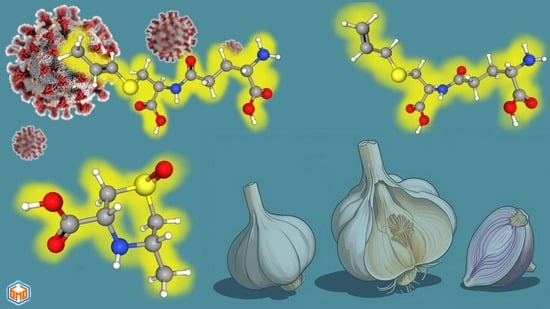
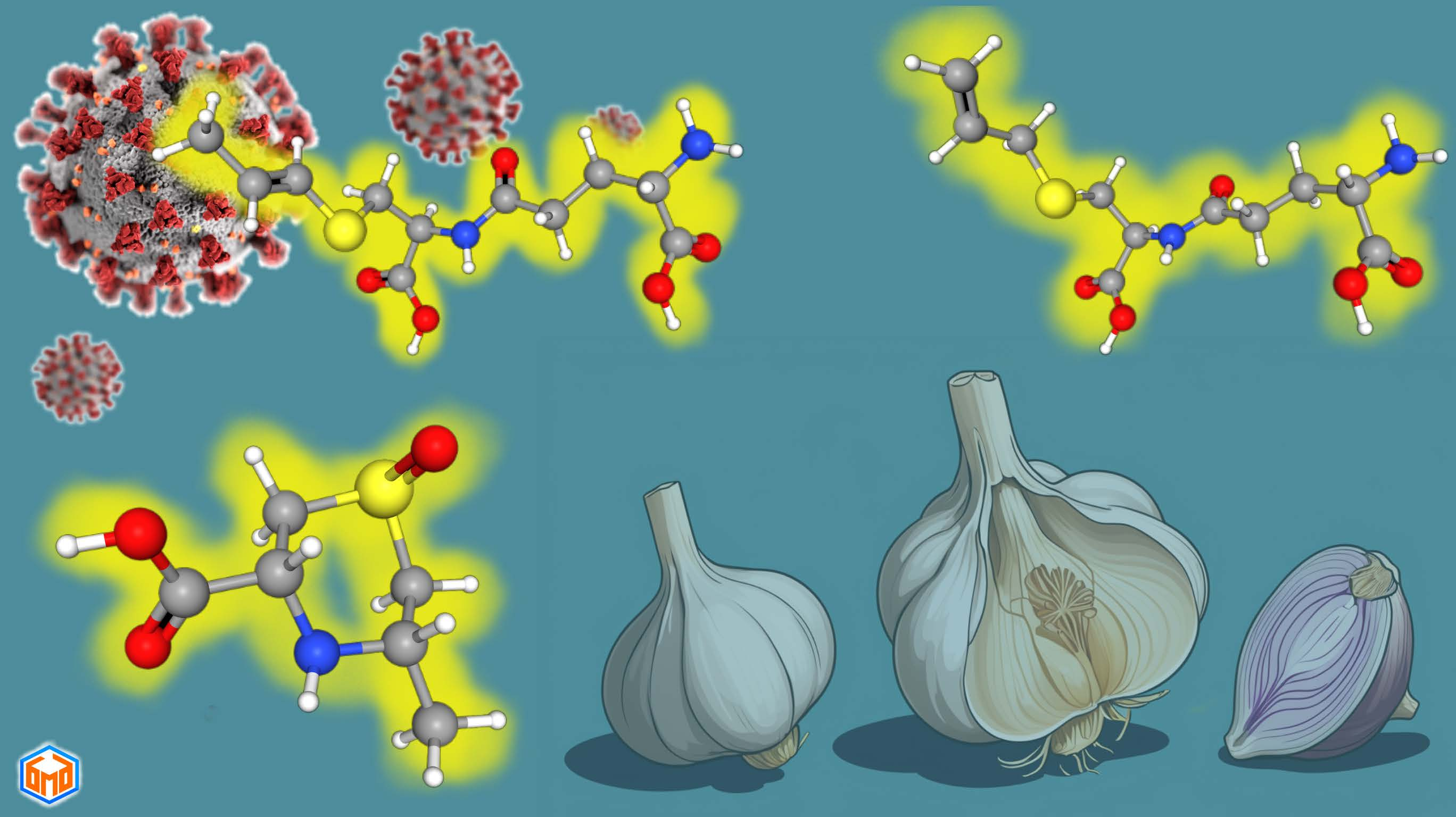
Graphical Abstract

1. Introduction

The coronavirus disease of 2019 (COVID-19) was declared a pandemic by the World Health Organization (WHO) on 11 March 2020. The causative agent is the severe acute respiratory syndrome coronavirus 2 (SARS-CoV-2). As of 25 February 2024, over 700 million confirmed cases and more than 7 million deaths have been reported globally [1]. Among the seven known human coronaviruses (HCoVs), SARS-CoV (identified in China in 2002) and the Middle East respiratory syndrome coronavirus (MERS-CoV, identified in Saudi Arabia in 2012) caused prior epidemics. Insights from these outbreaks facilitated the rapid development of containment strategies, vaccines, and therapies for COVID-19. SARS-CoV-2 is an enveloped +ssRNA betacoronavirus with a ~30 kb genome and a spherical virion of 80–120 nm. Its defining feature is the trimeric spike (S) glycoprotein, where the S1 subunit binds ACE2 receptors, and S2 drives membrane fusion. This makes the RBD, particularly its receptor-binding motif, a prime therapeutic target. Additional drug strategies focus on inhibiting viral proteases (PLpro, Mpro) and the RNA-dependent RNA polymerase needed for replication [2,3].
To date, COVID-19 treatments are classified into five primary medication categories: antivirals, immune modulators, anticoagulants, monoclonal antibodies (mAbs) targeting SARS-CoV-2, and renal replacement therapies. Among these, only antivirals and SARS-CoV-2-specific mAbs directly target the virus, whereas other groups mitigate the disease complications. As of 2024, the United States Food and Drug Administration (FDA) has approved two antivirals for COVID-19 treatment: Paxlovid (a combination of nirmatrelvir and ritonavir) and Veklury (remdesivir). Lagevrio (molnupiravir) remains authorized solely for emergency use [4]. Paxlovid inhibits the SARS-CoV-2 main protease (Mpro), with nirmatrelvir directly blocking viral protease activity to prevent replication. Ritonavir, a cytochrome CYP3A inhibitor, prolongs nirmatrelvir’s efficacy by reducing its metabolic degradation [5].
Remdesivir, an adenosine analog prodrug, is metabolized intracellularly to its monophosphoramidate form and subsequently converted into an active adenosine triphosphate analog. It impedes viral replication by binding to the RNA-dependent RNA polymerase (RdRp), inducing premature termination of RNA transcription [6]. Molnupiravir, another prodrug, undergoes rapid conversion in plasma to β-D-N4-hydroxycytidine (NHC). Host kinases phosphorylate NHC into its triphosphate form (NHC-TP), which is incorporated into the viral genome by RNA polymerase. This incorporation introduces lethal mutations, thereby suppressing viral replication [5].
Regarding monoclonal antibodies (mAbs), none have received FDA approval to date, though several remain under investigation in clinical trials. While these antibodies have demonstrated therapeutic potential against SARS-CoV-2 infection, their efficacy varies markedly among viral variants and subvariants. This variability has delayed regulatory approval and underscores concerns about their universal effectiveness against all SARS-CoV-2 strains [4]. Notably, most molecules tested in SARS-CoV-2 clinical trials are repurposed from prior antiviral or disease research, with no novel compounds specifically developed for this virus.
The challenges posed by SARS-CoV-2’s genetic diversity (over 75 documented variants; [7]), the absence of new antiviral agents, and the anticipated emergence of novel human coronaviruses (HCoVs) necessitate continued exploration of alternative therapeutics. Natural products (NPs) represent a critical strategy in this pursuit, given their historical significance in drug discovery, particularly for infectious diseases. NPs exhibit unique advantages, including structural diversity and molecular complexity. Furthermore, their origins in traditional medicinal sources provide preliminary insights into efficacy and safety profiles, though rigorous pharmacological validation remains essential [8].
During the COVID-19 pandemic, populations globally turned to traditional medicine to mitigate the disease. A. sativum L. (Amaryllidaceae), commonly known as garlic, emerged as one of the most widely utilized remedies, often consumed alone or in combination with botanicals such as ginger, turmeric, chamomile, cinnamon, lime, lemon, black pepper, artemisia, neem leaf, orange, onion, and cardamom [9,10,11,12,13,14,15]. Emerging evidence suggests a correlation between dietary garlic intake and reduced risk of severe COVID-19 outcomes [16]. However, the lack of standardization in the preparation methods and dosages raises concerns, as excessive consumption may pose health risks. Current guidelines recommend a maximum daily intake of 4 g raw garlic for adults or 50 mg/kg body weight [17,18,19]. Consequently, identifying and quantifying garlic’s bioactive compounds is critical to developing standardized extracts with defined antiviral activity. Such formulations could serve as adjuvants to reduce the viral load in COVID-19 patients or enhance the therapeutic efficacy.
Garlic is a bulbous herbaceous plant widely utilized both as a culinary spice and a medicinal agent. Recognized as one of the oldest herbs employed since ancient times in traditional medicine, it has historically been used to treat parasitic infections, rheumatism, dermatological conditions (e.g., scabies, warts), animal or insect bites, and respiratory ailments such as cough, asthma, bronchitis, hoarseness, and influenza [20,21]. Garlic is classified as a functional food due to its broad pharmacological properties, including antibacterial, antifungal, antiprotozoal, antiviral, antioxidant, anti-inflammatory, anticancer, anti-Alzheimer’s, and antihypertensive activities [22]. Furthermore, garlic exhibits therapeutic activity against metabolic disorders such as obesity, diabetes mellitus, and dyslipidemia, which are comorbidities associated with severe COVID-19 outcomes [2,20,23,24,25,26,27].
Being among the most rigorously studied medicinal plants, garlic has garnered significant interest in its potential as a preventive agent and adjunct therapy against viral infections, including SARS-CoV-2. Key pharmacological properties relevant to COVID-19 management include immunomodulatory, antioxidant, anti-inflammatory, and antihypertensive effects. It has been proposed that this stems from the bioactive diversity of its extracts and unique organosulfur compounds. Table 1 shows some previously reported potential anti-SARS-CoV-2 compounds and their target, either the viral protease MPro or the cell’s ACE2 receptor.
In the present work, we aimed to investigate A. sativum whole extracts and their fractions as potential sources of antiviral molecules for developing novel therapeutics against human coronaviruses, particularly SARS-CoV-2. We focused our study on the receptor binding domain of the viral Spike, given its implications in the first steps of the infection process. To elucidate the antiviral mechanisms, we integrated experimental and computational methodologies, enabling detailed insights into modes of action. This dual approach helped the precise identification of compounds with therapeutic potential, providing foundational data to guide their development as agents against COVID-19.

2. Results

2.1. Garlic Bioactive Compounds

Two garlic varieties were analyzed under distinct drying conditions. The total extracts and fractions were evaluated via ELISA immunoassays. Although none exhibited ≥50% inhibition, the inhibitory concentration (IC) was determined through data interpolation, and the maximum inhibition values were recorded to assess the relative efficacy (Table 2). Among the four extracts—Fermín freeze-dried (FL), Fermín oven-dried (FE), Tigre freeze-dried (TL), and Tigre oven-dried (TE)—the TL extract showed the highest potency, achieving 42.16% of maximum inhibition (with an IC35 of 0.1 μg/mL).
TL’s inhibitory activity at low concentrations underscored its potential as a candidate for further investigation. The TL extract was subjected to sequential liquid–liquid partitioning using solvents of varying polarities such as hexane, chloroform, and ethyl acetate, yielding four fractions. These fractions were serially diluted to concentrations of 100, 10, 1, 0.1, 0.01, and 0 µg/mL for subsequent immunoassays analysis.
Table 3 summarizes the inhibitory potential of the four fractions (hexane, chloroform, AcOEt, and aqueous) derived from the TL extract. Notably, the aqueous fraction achieved the highest inhibition of 57.26% (IC40 of 0.01 μg/mL), indicating its potent inhibitory capacity at low concentrations. This result positions the aqueous fraction as the most promising candidate among those evaluated, with its constituents harboring bioactive compounds capable of effectively inhibiting the quaternary RBD interface of SARS-CoV-2. As a comparison with a known control reference, similar immunoassays were carried out for methylene blue, which has been reported to inhibit the SARS-CoV-2 Spike-ACE2 protein–protein interaction [31], obtaining a maximum inhibition of 63.90% at a concentration of 1000 µg/mL.

2.2. GC-MS Analysis of TL Bulbs Aqueous Fraction

The GC-MS analysis results of the TL-derived aqueous fraction are shown in Table 4, with general percentages of the following compounds: sugar (2.48%), sulfur compounds (14.48%), organic acids (9.54%), esters (11.83%), aminoacids (6.47%), and others (55.20%).

2.3. Molecular Docking

The RBD of the SARS-CoV-2 S protein serves as a pivotal structural component for viral entry, mediating host cell infection through its interaction with ACE2. Disrupting this interaction represents a promising therapeutic strategy to block viral pathogenesis. In this study, ELISA immunoassays combined with GC-MS analyses identified bioactive compounds in A. sativum from the TL-derived aqueous fraction with potential inhibitory activity. A total of 55 GC-MS identified phytochemicals (Table 4) were analyzed by molecular docking to evaluate their steric and electronic complementarity at the quaternary RBD–ACE2 binding interface.
Hence, to define the docking search space, we focused on the RBD region of the SARS-CoV-2 spike protein that directly contacts ACE2, i.e., the same interface interrogated by the ELISA RBD–ACE2 binding inhibition immunoassay. We evaluated the viability of this interface using pocket- and hotspot-identification approaches conceptually related to geometric pocket mapping (CASTp), ligand-binding hotspot clustering (FTMap), and druggability scoring of shallow concave surfaces (PockDrug). Specifically, the PockDrug analysis [32] identified a shallow but contiguous depression at the ACE2-contacting surface of the RBD, enriched in both hydrophobic and hydrogen bond-capable residues and predicted to contain ligandable hotspots (pocket P1) with Volume Hull = 540.65 Å3 and 12 pocket residues. Other features (P2–P4) scored lower, with P2 considered a decoy. Guided by this result and by the ELISA’s interface specificity, we centered the docking grid on the ACE2-contacting region at (X, Y, Z) = (−47.398, −20.053, 17.466) with dimensions 24 × 44 × 32 Å (grid spacing 0.375 Å), fully encompassing P1 and neighboring residues within ~10 Å. The identified cavity overlaps with the functional ACE2 contact patch, supporting its biological relevance. We therefore restricted our docking to this rationally predicted interface pocket rather than performing unrestricted (‘blind’) docking over the entire S1 spike protein surface.
Using AutoDock Vina software v1.2.7, compounds were docked into the predefined RBD quaternary interface, and binding affinities were ranked based on an energy score [kcal/mol]. This computational approach aimed to identify high-affinity compounds capable of competitively inhibiting the RBD–ACE2 interaction. Data analysis was performed to prioritize compounds based on binding affinity scores. AutoDock Vina-derived affinity scores incorporate key physicochemical parameters—Van der Waals interactions, electrostatic forces, hydrogen bonding, solvation effects, and torsional entropy—expressed numerically. These values quantify RBD-compound binding energetics, where more negative scores indicate significantly stronger compound affinity for the RBD relative to its mean binding affinity across all evaluated ligands. Conversely, less negative scores denote weaker-than-average interaction strength. This comparison enables identification of compounds with preferential binding specificity for the RBD-ACE2 interface, independent of absolute affinity magnitudes (Figure 1).
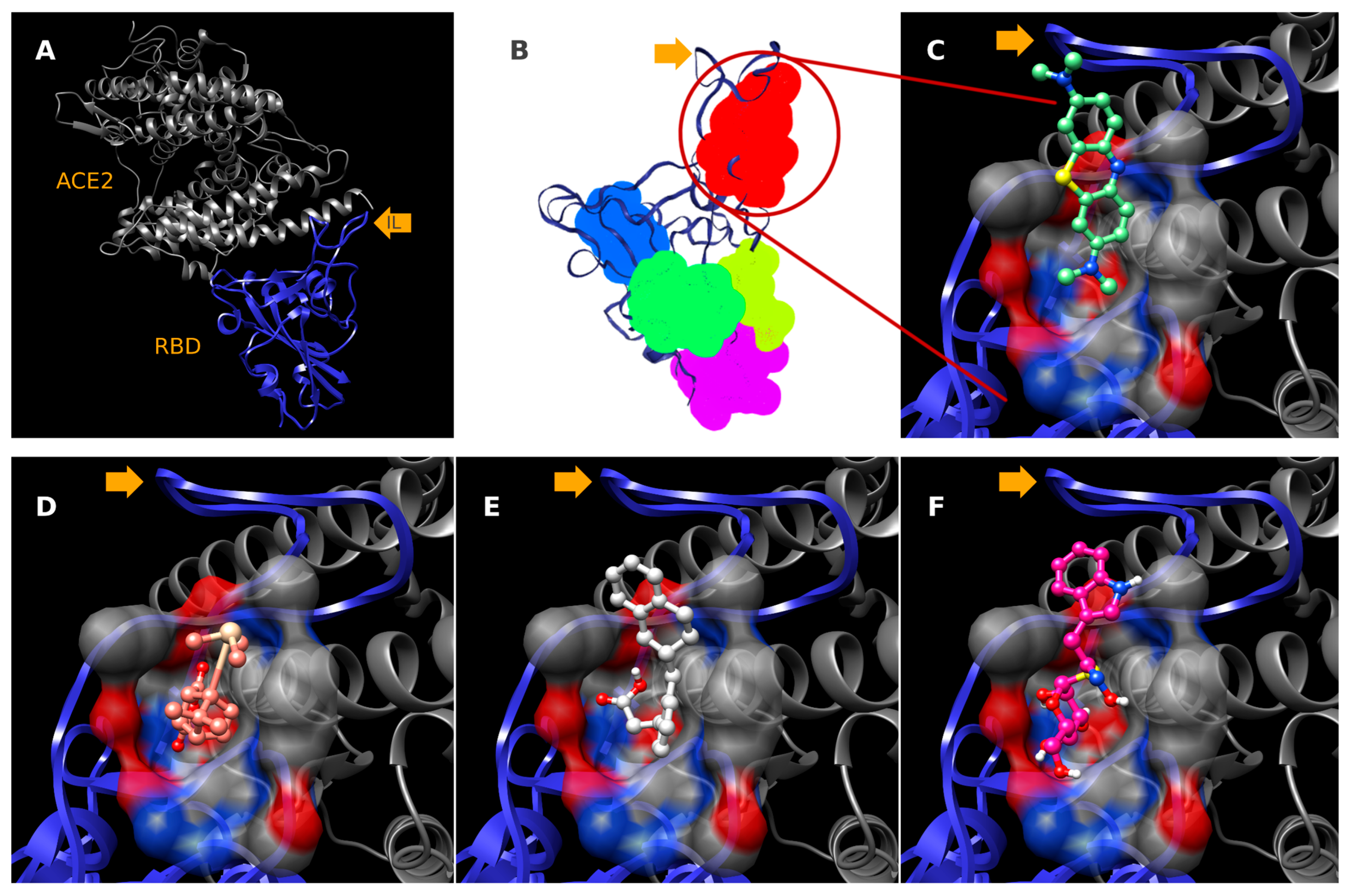
Three garlic-derived compounds with binding scores below the threshold of −2.0 standard deviations from the mean were identified as the most probable mediators of the observed ELISA inhibitory activity via disruption of the RBD–ACE2 interaction: compound L36 (−7.5 kcal/mol), L20 (−7.0 kcal/mol), and L17 (−6.9 kcal/mol). These compounds showed the most negative binding Vina scores within the analyzed dataset. Furthermore, we verified that the poses of these three top-ranked candidates lie within the hotspot-enriched depression identified by our druggability assessment. This supports the interpretation that these phytochemicals are not being artificially forced into an implausible flat surface but, instead, occupy a region with predicted small-molecule ligand ability at the RBD–ACE2 interface (Figure 2), potentially hindering the formation of the infection-initiating complex as a putative molecular mechanism that explains the ELISA immunoassays results.

3. Discussion

Our analyses revealed that garlic extracts and fractions are primarily composed of organosulfur compounds (OSCs), fatty acid esters, aldehydes, and ketones. OSCs exhibit broad-spectrum antiviral activity against pathogens such as influenza, rhinovirus, and adenovirus, among others [22]. Recent studies highlight their potential anti-SARS-CoV-2 activity, with multiple mechanisms of action elucidated. The predominant mechanism involves inhibition of the major protease (Mpro), a key enzyme in SARS-CoV-2 replication and viral packaging [30]. Structural studies further demonstrate that specific OSCs directly bind Mpro, disrupting their function [28]. These findings underscore OSCs’ multifaceted role in targeting critical viral components.
For instance, γ-L-glutamyl-S-allylcysteine—reported in a molecular docking study by Parashar et al. [30]—exhibits high estimated affinity (18.7 μM–1.86 mM) for SARS-CoV-2 Mpro. Similarly, allicin, investigated in an in silico study by Shekh et al. [29], acts as a potent Mpro inhibitor via dual S-thioallylation of the solvent-exposed Cys-145 and Cys-85/Cys-156 residues. In contrast, no literature evidence supports anti-SARS-CoV-2 activity for fatty acids or fatty acid esters identified in this study’s extracts and fractions. A prior molecular docking analysis of volatile compounds from Chorisia tree species [33], assessed interactions with SARS-CoV-2 structural proteins, but none overlapped with compounds from A. sativum. While omega-3 fatty acids have been implicated in immune modulation during SARS-CoV-2 infections [34], these were absent in the analyzed extracts. Additionally, no anti-SARS-CoV-2 activity has been reported for amino acids, ketones, aldehydes, or other compound classes detected in this study’s A. sativum fractions. However, our GC–MS analysis of the aqueous extract of A. sativum revealed compounds with other reported biological activities, notably antioxidant and anti-inflammatory effects (Table 5).

3.1. Evaluation of Garlic Anti-SARS-CoV-2-RBD Therapeutic Potential

Nonetheless, this study’s principal contribution lies in having identified three A. sativum TL-derived aqueous fraction compounds (L36, L20, L17) with potential inhibitory activity against SARS-CoV-2. Mechanistically, these ligands likely disrupt the quaternary RBD–ACE2 interface, a critical interaction for viral entry. Integrated methodologies—ELISA immunoassays, GC-MS analyses, and molecular docking—revealed strong binding affinities for these compounds, as reflected by favorable free energy scores (ΔG = −7.5 to −6.9 kcal/mol). These findings position these garlic phytochemicals as promising compounds for developing antiviral therapeutics targeting the initial stages of SARS-CoV-2 infection.

3.2. Pharmacokinetic Profiles and Toxicity In Silico

The physicochemical and pharmacokinetic properties of the three candidate compounds were systematically evaluated to assess their potential as drug-like compounds. The comparative data are summarized in Table 6. L36 displayed high polarity, as indicated by its elevated number of hydrogen bond acceptors (7) and donors (6). This polarity was reflected in a low consensus Log P value (0.18) and a favorable solubility profile (Ali class: soluble). However, these properties translated into poor gastrointestinal (GI) absorption and lack of blood–brain barrier (BBB) permeability. Moreover, L36 violated multiple drug-likeness rules (Lipinski, Ghose, Veber, Egan, and Muegge) and showed a low bioavailability score (0.55). The predicted inhibition of CYP1A2 suggested possible drug–drug interactions, and the compound was further limited by its relatively high synthetic complexity. Overall, L36 appears unsuitable as an oral drug candidate.
L20 demonstrated a favorable profile. With only one hydrogen bond donor and two acceptors, it exhibited higher lipophilicity (consensus Log P: 4.14), leading to good membrane permeability, although at the cost of reduced solubility (Ali class: moderately soluble). Importantly, L20 showed high GI absorption and BBB permeability, with a superior bioavailability score of 0.85. While it was predicted to inhibit CYP2C9 and CYP2D6, which could lead to metabolic interactions, it had no PAINS or Brenk alerts and showed minimal drug-likeness violations (only one Muegge violation).
Furthermore, it was synthetically accessible (score: 2.77), supporting its potential for development. Although compound L20 showed excellent gastrointestinal absorption and the highest predicted bioavailability, its low aqueous solubility and inhibition of several CYP isoforms raise concerns about metabolic stability, potential drug–drug interactions, and overall druggability.
L17 presented a balanced profile, with moderate lipophilicity (consensus Log P: 2.49) and good solubility (Ali class: soluble); it showed high GI absorption, BBB permeability, and, notably, no inhibition of cytochrome P450 isoforms, indicating a lower likelihood of drug–drug interactions. L17 complied fully with all major drug-likeness rules and was free of PAINS alerts. However, its bioavailability score was moderate (0.55), and it showed a high synthetic accessibility score (4.91), suggesting challenges in practical synthesis. Despite these limitations, the combination of favorable attributes, acceptable lipophilicity, and overall safety profile designate L17 as the most favorable candidate among the three, with strong potential for further optimization and development.
In summary, the comparative analysis highlights L17 as the most promising candidate, owing to its favorable absorption, solubility, absence of CYP inhibition, and full compliance with drug-likeness rules. L20, while synthetically more accessible and showing high bioavailability, is limited by poor solubility and CYP-related liabilities, making it a less suitable candidate. Conversely, L36 demonstrated significant limitations that reduced its potential for further development.
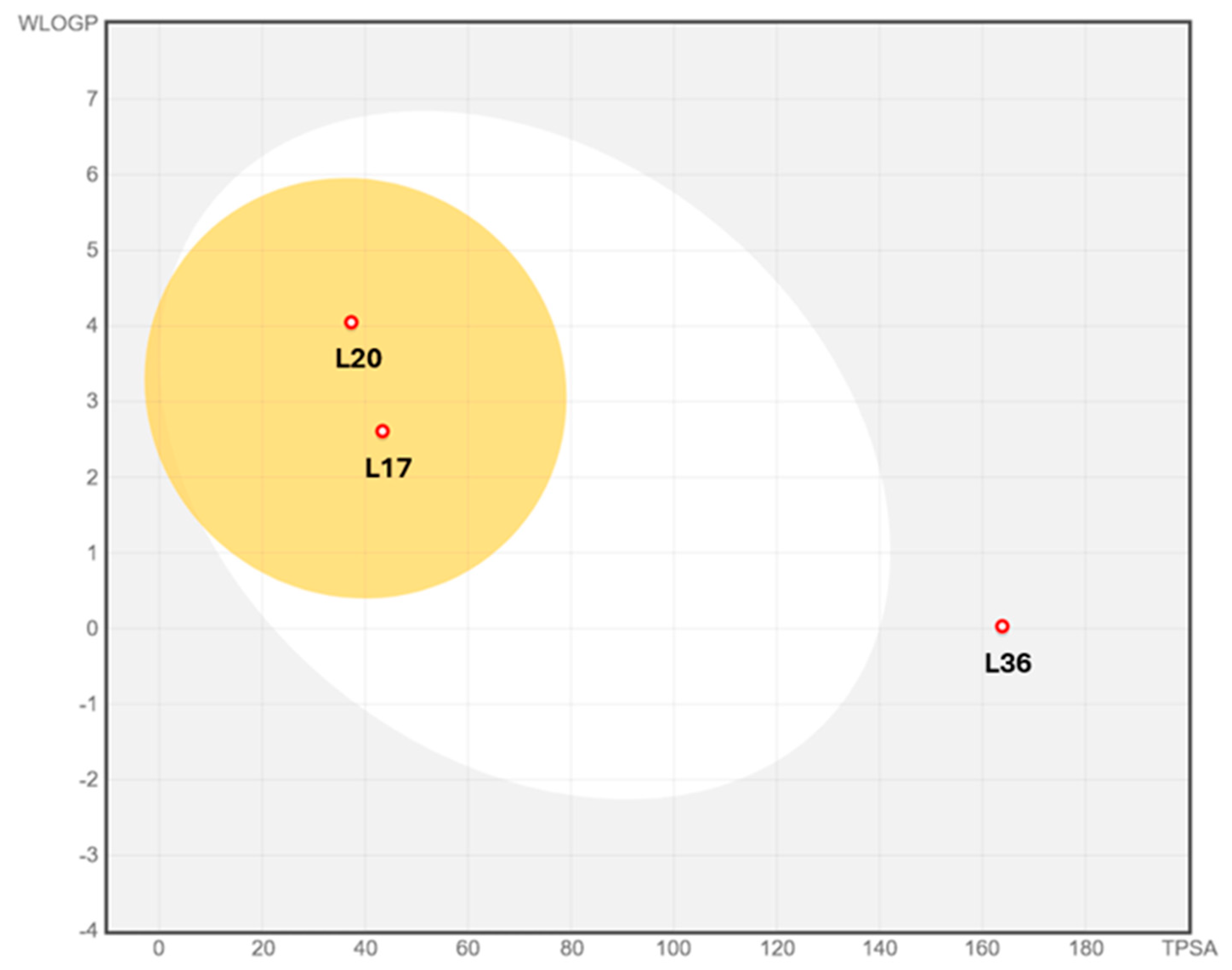
The pharmacokinetic properties of the three compounds were further assessed using the BOILED-Egg model (Figure 3), which predicts gastrointestinal absorption (GI) and BBB penetration based on WLOGP and TPSA values. L36 positioned outside both the white and yellow regions, exhibited a high TPSA (~160 Å2) and low lipophilicity, indicating poor GI absorption and negligible BBB permeability, consistent with its unfavorable ADMET profile. In contrast, L20, located within the yellow region, displayed optimal polarity (TPSA ~ 40 Å2) and lipophilicity (WLOGP ~ 4), suggesting both high GI absorption and strong BBB penetration. This observation supports its superior bioavailability and drug-likeness properties identified earlier. L17, with moderate lipophilicity (WLOGP ~ 2.5) and TPSA (~45 Å2), was also positioned within the yellow region, indicative of good oral absorption and potential, though less certain, BBB penetration. These findings reinforce the comparative analysis, where L20 appeared as the most promising candidate for oral administration and CNS activity, L17 stood for a balanced scaffold with favorable absorption and limited metabolic liabilities, and L36 was believed unsuitable due to its excessive polarity and poor permeability.
Toxicity predictions revealed distinct safety profiles for the three compounds (Table 7). Compound L36 showed the highest toxicological concern, with active predictions for nephrotoxicity (0.57), respiratory toxicity (0.74), and mutagenicity (0.50). The presence of mutagenic potential in L36 is of particular concern, as mutagenicity is a high-risk endpoint directly associated with genotoxic effects and long-term carcinogenic implications. Although L20 avoided mutagenicity, the simultaneous presence of neurotoxicity, nephrotoxicity, and ecotoxicity concerns could limit its suitability for further use. In contrast compound L17 showed fewer active toxic endpoints compared to L36 and L20, being positive for respiratory toxicity (0.67), BBB penetration (0.89), and ecotoxicity (0.59). Importantly, L17 was inactive for both nephrotoxicity and mutagenicity, two endpoints regarded as critical determinants in preclinical safety evaluation. Cytotoxicity was predicted as inactive with a high probability (0.79), indicating strong confidence that L17 is unlikely to be cytotoxic. Additionally, although L17 is predicted to cross the blood–brain barrier (0.89), its neurotoxicity is classified as inactive (0.70), suggesting that despite CNS exposure, it is predicted to be unlikely to cause harmful effects on the nervous system. Overall, these findings suggest that L17 has the most favorable toxicological profile among the three compounds, indicating a higher safety margin and greater suitability for further pharmacological development.

4. Materials and Methods

4.1. Garlic Cultivation and Extraction

A. sativum L. cultivation, varieties Tigre (T) and Don Fermín (F, speckled type), was established in the town of La Ascensión, Aramberri, Nuevo León, Mexico, at 24°21′90″ N, 99°56′24″ W and an altitude of 1960 m above sea level. Planting took place in October 2021, prior to the start of the cold season. Sowing was carried out manually, using a seeding density of 1200 kg of seed per hectare. The seed had previously received a chemical treatment, consisting of moistening it with a water-based mixture containing cypermethrin and carbofuran insecticides, as well as tetracycline and copper tetracycline to prevent attacks from insects, fungi, and soil bacteria. An auxin-type plant hormone was also applied to ensure proper crop establishment. The seed was distributed in the field in wide rows spaced 1.20 m apart, with two rows planted 0.05 m apart, resulting in a plant density of 330,000 plants per hectare. Soil moisture was supplied (irrigation) during crop development through a pressurized drip tape system, drawing water from a depth of 100 m. Mineral nutrition management consisted of applying 120 kg of nitrogen per hectare to the soil, using 130 kg of urea (46% nitrogen) and 292 kg of ammonium sulfate (20.5% nitrogen). Additionally, 60 kg of phosphorus was supplied using 190 kg of phosphoric acid (31.6% phosphorus) as the source. During the growth and development of the crop, pyrethroid insecticides are used to manage insect pests; for the control of fungal and bacterial pathogens, foliar applications of water with tetracycline and water with tetracycline-Cu, respectively, are used. Bulb harvesting takes place when 5 to 10% of the plants have exposed inflorescences. The plants, including their roots, are manually extracted from the soil using an agricultural implement called a “wide-winged plow.” The plants are then piled on the soil surface to release moisture until they reach approximately 60% hydration. The foliage and roots were then removed, leaving only the bulbs (garlic heads), the harvestable structures. These were placed in slotted plastic boxes to allow for aeration, reaching approximately 30% hydration. They were then sorted by total volume and packaged [64].
From the harvested bulbs, 910 g (T) and 890 g (F) of raw garlic were obtained. After peeling, the cloves yielded 675 g (T) and 750 g (F) of processed bulbs. These were sliced and subjected to two drying methods: oven drying (Quincy-Lab Inc Berlin, Germani), (E) at 35 °C for 120 h and freeze-drying (Labconco Corporation 8811, Prospect Ave. Kansas City, MO, USA) (L) at −52 °C under 0.63 mBar. The sliced T bulbs were divided into two 337.5 g batches, and the F bulbs into two 375 g batches. Oven drying produced 110.2 g (TE) and 124.1 g (FE) of dried material, while freeze-drying yielded 113.85 g (TL) and 135.9 g (FL). All batches were ground using a blade mill. Each dried sample underwent five sequential extractions with 400 mL of a 1:1 (v/v) dichloromethane (CH2Cl2)/methanol (MeOH) mixture. Maceration was performed for over 48 h at room temperature with intermittent stirring. The extracts were vacuum-filtered, and the filtrates were distilled under reduced pressure. Residual solvents were removed using a nitrogen stream, yielding the following dried extracts: TE (4.2363 g; 3.84% yield), FE (5.8417 g; 4.71%), TL (5.93 g; 5.21%), and FL (5.04 g; 3.71%). All extracts were stored at −20 °C for subsequent analysis.

4.2. Fractioning of Crude Extracts

Three grams of the most active extract were fractionated via sequential liquid–liquid partitioning using hexane (Hex), chloroform (CHCl3), and ethyl acetate (AcOEt). Each fraction was treated with anhydrous sodium sulfate, filtered to remove the desiccant, and concentrated under reduced pressure. The residual solvents were evaporated under a nitrogen stream, yielding the following dried fractions: 1.2 g (hexane), 0.03 g (CHCl3), and 0.012 g (AcOEt). While the aqueous fraction was lyophilized yielding 1.395 g (aqueous). The immunological activity of the fractions was assessed by ELISA. The active fractions (aqueous) were analyzed using Gas Chromatography–Mass Spectrometry (GC-MS).

4.3. ELISA Immunological Assays

High-binding-capacity polystyrene 96-well plates (flat bottom, 350 µL volume) were utilized for the assay. Antigen immobilization was performed by diluting SARS-CoV-2 Spike S1 protein (Sino Biological, Cat. #40591-V08H3, Houston, TX, USA) to 100 µg/mL in 0.2 M carbonate/bicarbonate buffer (pH 9.4). Then, 100 µL of this solution was added to each well, followed by an 18 h incubation at 4 °C under agitation. After coating, the plate underwent four washes (300 µL per well) with Wash Buffer (1xTBS, 0.1% Tween 20, St. Louis, MO, USA), each lasting 5 min at room temperature under agitation. Blocking was performed with 300 µL/well of 1% bovine serum albumin (BSA) in 1xTBS, and the mixture was incubated for 1 h at room temperature with shaking. After blocking, the plate was treated with 100 µL/well of the four garlic extracts (FE: Fermín oven-dried; FL: Fermín freeze-dried; TE: Tigre oven-dried; TL: Tigre freeze-dried). These extracts were applied at concentrations of 0.01, 0.1, 1, 10, 100, and 1000 µg/mL, in triplicate per concentration. The plate was then incubated for 2 h at room temperature with continuous agitation. Following incubation, the plate was washed as previously described. Additionally, the fractions: hexane, chloroform, ethyl acetate (AcOEt), and aqueous were evaluated using the same procedure. These fractions were tested at concentrations of 0.01, 0.1, 1, 10, and 100 µg/mL.
A total of 100 µL per well of the diluted SARS-CoV-2 Spike antibody (Sino Biological, Cat. #40150-D001-H) was added to the plate and incubated for 1 h at room temperature with gentle agitation. After six washes with Wash Buffer, 100 µL per well of 3′,5,5′-tetramethylbenzidine substrate solution (1-StepTM Turbo TMB-ELISA, Cat. #34022, Thermo Scientific, Waltham, MA, USA) was added and incubated for 30 min at room temperature in the dark. The reaction was stopped by adding 100 µL per well of hydrochloric acid (HCl), and the absorbance was immediately measured at 450 nm using a spectrophotometer. To produce a standard curve, the antibody was diluted to 6.25, 12.5, 25, 50, 75, and 100 ng/mL in buffer (1xTBS, 0.05% Tween 20, 0.5% BSA). A total volume of 305 µL was prepared to accommodate triplicate measurements for each standard concentration, and the absorbance was measured at 450 nm using a spectrophotometer (Biotek Instruments ELx800, Santa Clara, CA, USA).
Raw absorbance A450 values for each extract/fraction concentration were acquired in triplicate and averaged (Ā450c). Prior to normalization, readings were blank-corrected using reagent blanks run on the same plate. The resulting means were then normalized to the maximum binding signal of the antibody standard curve (top standard), which was defined as 100% RBD–antibody binding (Ā450max-std). The percent binding for each condition was calculated as (Ā450c/Ā450max-std) × 100. The percent inhibition reported in the Results section was computed as
% inhibition = 100 × [1 − (Ā450c/Ā450max-std)].
For each concentration, the values are presented as the mean ± standard error (SE) from 3 independent wells and 5 independent experiments performed on different days.

4.4. Gas Chromatography–Mass Spectrometry

The GC-MS analysis employed the method described by Molina-Calle et al. [65], with minor modifications. Analyses were conducted using a GC System Network Series (Agilent Technologies 7890B, Wilmington, DE, USA) coupled to a 5975C triple-axis mass selective detector, equipped with an HP-5ms 19091S-433 capillary column (J&W Scientific, Folsom, CA, USA; 30 m × 250 µm × 0.25 µm film thickness). The injector temperature was kept at 180 °C, and samples were introduced in split mode (1:5 ratio). Helium carrier gas was used at a constant flow rate of 1 mL/min (linear velocity: 27.458 cm/s). The oven temperature program began at 40 °C (held for 5 min), followed by a 10 °C/min ramp to 250 °C (held for 5 min). The total analysis time was 31 min, with a 3 min solvent delay to re-equilibrate the system conditions. Manual injections of 2 μL were performed for all samples. Electron ionization was conducted at 70 eV, with mass spectra obtained over an m/z range of 30–500. Chromatographic data were processed using MS ChemStation E.02.02.1431 and MS Interpreter 2.0 software (Agilent Technologies 7890B, Wilmington, DE, USA).

4.5. RBD-Compound Molecular Docking

Molecular docking studies were performed to characterize interactions at the receptor-binding domain (RBD) complex of the SARS-CoV-2 spike (S1) protein with compounds found via Elisa + GC-MS. Compound molecular structures were retrieved from the PubChem database https://pubchem.ncbi.nlm.nih.gov (accessed on 14 September 2024) using their respective Compound ID (CID) numbers. These structures were imported into UCSF Chimera to adjust protonation states and assign partial charges at neutral pH. Energy minimization was conducted to refine the compound conformation; then, torsional degrees of freedom were defined using AutoDock Tools. The three-dimensional structure of the spike (S) protein was obtained from the CHARMM-GUI database (ID: 6VXX-1-1-1). The protein was prepared by removing non-essential water molecules, ions, and ligands, followed by the addition of hydrogens and Gasteiger charges using AutoDock Tools.
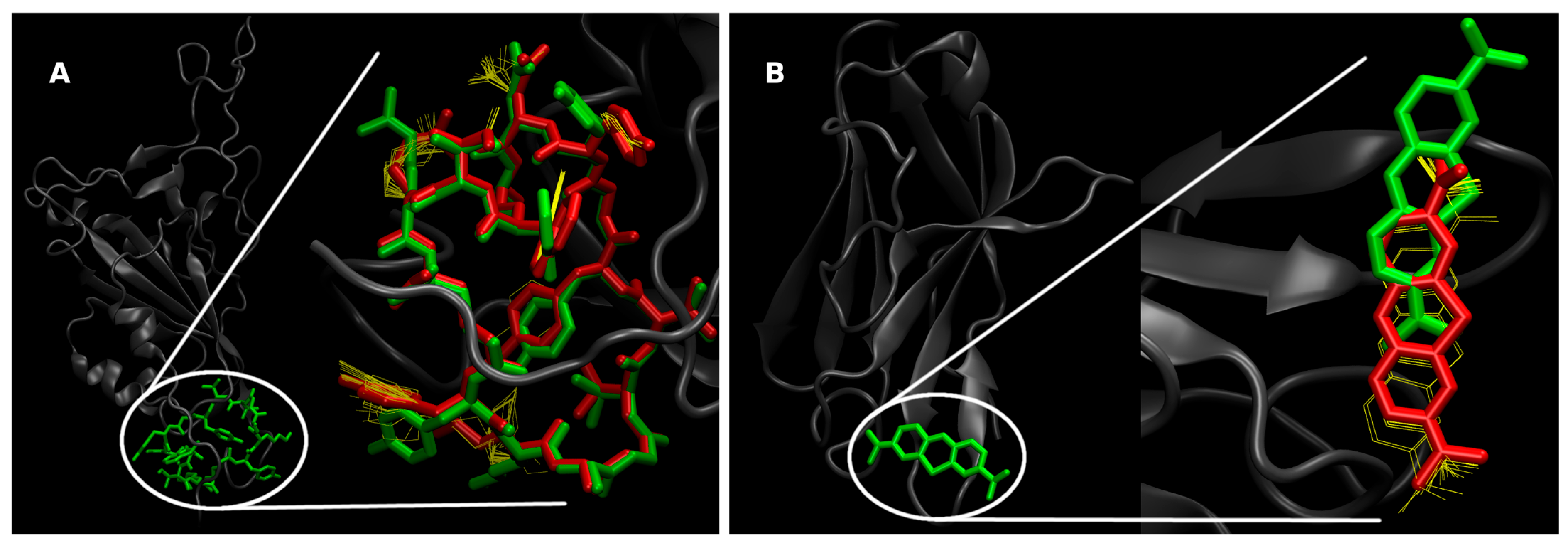
All RBD–ACE2 interface-focused dockings were performed using AutoDock Vina v1.2.7 with the following settings: grid center (X, Y, Z) = (−47.398, −20.053, 17.466); grid size (Å) = 24 × 44 × 32; grid spacing = 0.375 Å; energy_range = 3; exhaustiveness = 24; num_modes = 1. AutoDock Vina v1.2.7 offers a well-established balance of sampling efficiency and scoring performance for medium-throughput virtual screening. Our group has previously implemented and documented Vina-based pipelines in related contexts [66]. While alternative engines (DockThor, GOLD, AutoDock4, etc.) are certainly applicable, in the present study we kept a single internally consistent pipeline (GC–MS → Vina → ADME/Tox) to ensure strict comparability across all phytochemicals. The receptor was treated as rigid and ligands as flexible; identical preparation and parameters were applied to every compound. This protocol followed the method outlined in Li and Shah [67]. To test that the search depth was sufficient, and the poses were stable, we executed independent dockings at exhaustiveness = 12, 24, and 48, repeating each condition 30 times and recording the best-ranked affinity (kcal/mol) of a redocking control system (PDB 5ACM), obtaining for exhaustiveness = 12: min −5.559; max −5.360; mean −5.498; sample SD 0.046, exhaustiveness = 24: min −5.540; max −5.360; mean −5.479; sample SD 0.052, exhaustiveness = 48: min −5.559; max −5.360; mean −5.498; sample SD 0.046. The invariance of the top pose and the near-identical score distributions between 24 and 48 support practical convergence; we, therefore, fixed exhaustiveness = 24 for all production dockings.
For docking protocol validation (Figure 4), we first evaluated the pose recovery on the spike RBD scaffold by blind redocking the crystallographic ligand in the PDB 7L4Z (RBD–cyclic peptide, the only reported cocrystallized RBD-ligand found in the PDB at the time of this work). Using AutoDock Vina v1.2.7 (30 independent runs; grid center (X, Y, Z) = (18.766, −69.763, −52.858); grid size (Å) = 126 × 126 × 126; grid spacing = 0.375 Å; exhaustiveness = 24; num_modes = 1), the best-ranked pose reproduced the experimental geometry with RMSD = 2.01 Å (RMSD_lig-only = 9.86 Å). Affinity scores were consistent across runs (mean −8.846 kcal·mol−1; SD 0.117; min −9.133; max −8.571). Furthermore, we blind redocked methylene blue into its crystallographic target PDB 5ACM under the same protocol (30 independent runs; grid center (X, Y, Z) = (−2.853, 1.670, −9.274); grid size (Å) = 98 × 74 × 64; spacing 0.375 Å; exhaustiveness 24; num_modes 1), obtaining RMSD = 1.18 Å (RMSD_lig-only = 7.45 Å) and a tight affinity distribution (mean −5.980 kcal·mol−1; SD 0.044; min −6.040; max −5.884). These controls indicate that our preparation and search settings recover crystallographic poses and yield stable scores across independent runs.
Because the published set of small-molecule RBD–ACE2 interface blockers is currently limited, we treat the methylene blue redocking as a qualitative check rather than a quantitative correlation between ΔG and potency. We note that scores were employed only as an internal relative ranking of the garlic-derived phytochemicals under the same docking protocol. We do not interpret the score as an absolute predictor of potency. Rather, after validating the pose recovery and qualitative agreement with the known interface inhibitor, we used the scores to prioritize candidates for further study. We did not compute a decoy-set ROC/AUC due to the lack of a sufficiently powered active panel for the specific RBD–ACE2 interface.

4.6. Physicochemical, Pharmacokinetic, and Bioavailability Analyses

The SwissADME web tool developed by the Molecular Modeling Group of the Swiss Institute of Bioinformatics (http://www.swissadme.ch) (accessed on 14 September 2025) was used for the computational prediction of pharmacokinetic and physicochemical properties to evaluate the docking-predicted drug candidates. The platform integrates advanced predictive models to assess absorption, distribution, metabolism, and excretion (ADME) parameters alongside key molecular descriptors such as lipophilicity (iLOGP), topological polar surface area, and solubility, while employing validated frameworks like Lipinski’s Rule of Five and the BOILED-Egg model to evaluate the drug-likeness and bioavailability. Particularly valuable in natural product research, SwissADME facilitates the rapid screening of complex phytochemical libraries by finding bioactive constituents with favorable ADME profiles and filtering out compounds prone to poor absorption or metabolic instability, thereby guiding the prioritization of candidates for isolation and experimental validation. By offering early-stage insights into synthetic accessibility, blood–brain barrier penetration, and cytochrome P450 interactions, the tool streamlines lead optimization, while reducing reliance on resource-intensive in vitro assays.

5. Conclusions

In summary, in this study we showed that the freeze-dried Tigre cultivar garlic-derived aqueous fraction could inhibit the interaction between the SARS-CoV-2 spike receptor-binding domain (RBD) and human ACE2, suggested by a biochemical binding ELISA immunoassay. GC–MS analysis of this bioactive fraction allowed us to annotate its phytochemical composition. Docking and druggability analysis indicate that specific candidate small molecules (L17, L20, L36) are predicted to occupy a hotspot-enriched depression at the ACE2-contacting surface of the RBD, a plausible mechanism for disrupting viral entry at the host-cell attachment step.
Among these, L17 combines favorable predicted binding, interface localization, and in silico ADME/Tox properties, making it a high-priority phytochemical for experimental follow-up. Importantly, we recognize that the present study relies on in vitro binding inhibition and computational prioritization; confirmation of direct antiviral activity in a cellular pseudovirus entry model, as well as biophysical validation of RBD engagement (e.g., SPR, MST), will be essential. Future work will therefore focus on purifying or synthesizing L17, confirming its structure (NMR/MS), and testing its ability to block spike-mediated entry in relevant cellular systems.
Overall, our results support the concept that A. sativum contains small molecules with potential to interfere with SARS-CoV-2 spike–ACE2 recognition, and they provide chemically defined starting points for developing entry inhibitors from a widely available natural source.

Author Contributions

Conceptualization, M.S.G.-D., M.d.R.C.-C. and M.C.-T.; Methodology, M.S.G.-D., A.F.H.-R., K.Y.R.-M., A.M., F.G.-R., A.D.P.-G., G.R., M.d.R.C.-C. and M.C.-T.; Software, A.F.H.-R. and M.C.-T.; Validation, M.S.G.-D., A.F.H.-R. and M.C.-T.; Formal analysis, M.S.G.-D., A.F.H.-R., M.d.R.C.-C. and M.C.-T.; Investigation, M.S.G.-D., K.Y.R.-M., A.M., F.G.-R., J.A.P.-F., A.D.P.-G., G.R., M.d.R.C.-C. and M.C.-T.; Resources, J.A.P.-F., M.d.R.C.-C. and M.C.-T.; Data curation, A.F.H.-R., M.d.R.C.-C. and M.C.-T.; Writing—original draft, M.S.G.-D., M.d.R.C.-C. and M.C.-T.; Visualization, M.C.-T.; Supervision, M.d.R.C.-C. and M.C.-T.; Project administration, M.d.R.C.-C. and M.C.-T.; Funding acquisition, M.d.R.C.-C. and M.C.-T. All authors have read and agreed to the published version of the manuscript.

Funding

This research was partially funded by the Consejo Nacional de Ciencia y Tecnología México [grant number 132376 to M.C.-T.], Fondo Sectorial de Investigación para la Educación México [grant number A1-S-17041 to M.C.-T.]. The publishing cost of this report was shared between the Universidad Autónoma de Nuevo León México and all authors.

Data Availability Statement

The original contributions presented in this study are included in the article. Further inquiries can be directed to the corresponding author(s).

Conflicts of Interest

The authors declare no conflict of interest.

References

  1. World Health Organization COVID-19 Deaths | WHO COVID-19 Dashboard. Available online: https://data.who.int/dashboards/covid19/deaths (accessed on 19 November 2025).
  2. Kim, C.-H. Anti–SARS-CoV-2 Natural Products as Potentially Therapeutic Agents. Front. Pharmacol. 2021, 12, 590509. [Google Scholar] [CrossRef]
  3. Solomon, M.; Liang, C. Human Coronaviruses: The Emergence of SARS-CoV-2 and Management of COVID-19. Virus Res. 2022, 319, 198882. [Google Scholar] [CrossRef]
  4. National Institutes of Health COVID-19 Treatment Guidelines Panel. Coronavirus Disease 2019 (COVID-19) Treatment Guidelines. Available online: https://www.ncbi.nlm.nih.gov/books/NBK570371/pdf/Bookshelf_NBK570371.pdf (accessed on 1 May 2025).
  5. Choi, H.S.; Choi, A.Y.; Kopp, J.B.; Winkler, C.A.; Cho, S.K. Review of COVID-19 Therapeutics by Mechanism: From Discovery to Approval. J. Korean Med. Sci. 2024, 39. [Google Scholar] [CrossRef]
  6. Panahi, Y.; Gorabi, A.M.; Talaei, S.; Beiraghdar, F.; Akbarzadeh, A.; Tarhriz, V.; Mellatyar, H. An Overview on the Treatments and Prevention against COVID-19. Virol. J. 2023, 20, 23. [Google Scholar] [CrossRef] [PubMed]
  7. European Centre for Disease Prevention and Control SARS-CoV-2 Variants of Concern as of 31 October 2025. Available online: https://www.ecdc.europa.eu/en/covid-19/variants-concern (accessed on 19 November 2025).
  8. Atanasov, A.G.; Zotchev, S.B.; Dirsch, V.M.; Supuran, C.T. Natural Products in Drug Discovery: Advances and Opportunities. Nat. Rev. Drug Discov. 2021, 20, 200–216. [Google Scholar] [CrossRef] [PubMed]
  9. Hamulka, J.; Jeruszka-Bielak, M.; Górnicka, M.; Drywień, M.E.; Zielinska-Pukos, M.A. Dietary Supplements during COVID-19 Outbreak. Results of Google Trends Analysis Supported by PLifeCOVID-19 Online Studies. Nutrients 2021, 13, 54. [Google Scholar] [CrossRef] [PubMed]
  10. Orisakwe, O.E.; Orish, C.N.; Nwanaforo, E.O. Coronavirus Disease (COVID-19) and Africa: Acclaimed Home Remedies. Sci. Afr. 2020, 10, e00620. [Google Scholar] [CrossRef]
  11. Chebaibi, M.; Bousta, D.; Bourhia, M.; Baammi, S.; Salamatullah, A.M.; Nafidi, H.-A.; Hoummani, H.; Achour, S. Ethnobotanical Study of Medicinal Plants Used against COVID-19. Evid.-Based Complement. Altern. Med. 2022, 2022, 2085297. [Google Scholar] [CrossRef]
  12. Khamees, A.; Awadi, S.; Rawashdeh, S.; Talafha, M.; Bani-Issa, J.; Alkadiri, M.A.S.; Zoubi, M.S.A.; Hussein, E.; Fattah, F.A.; Bashayreh, I.H.; et al. Impact of COVID-19 Pandemic on the Jordanian Eating and Nutritional Habits. Heliyon 2022, 8, e09585. [Google Scholar] [CrossRef]
  13. Kladar, N.; Bijelić, K.; Gatarić, B.; Bubić Pajić, N.; Hitl, M. Phytotherapy and Dietotherapy of COVID-19—An Online Survey Results from Central Part of Balkan Peninsula. Healthcare 2022, 10, 1678. [Google Scholar] [CrossRef]
  14. Mlozi, S.H. The Role of Natural Products from Medicinal Plants against COVID-19: Traditional Medicine Practice in Tanzania. Heliyon 2022, 8, e09739. [Google Scholar] [CrossRef]
  15. Almuqbil, M.; Alshaikh, S.; Alrumayh, N.; Alnahdi, F.; Fallatah, E.; Almutairi, S.; Imran, M.; Kamal, M.; Almehmadi, M.; Alsaiari, A.A.; et al. Role of Natural Products in the Management of COVID-19: A Saudi Arabian Perspective. Healthcare 2023, 11, 1584. [Google Scholar] [CrossRef] [PubMed]
  16. Ganguli, S.; Howlader, S.; Dey, K.; Barua, S.; Islam, M.N.; Begum, A.; Sobahan, M.A.; Chakraborty, R.R.; Hawlader, M.D.H.; Biswas, P.K. Association of Food Habit with the COVID-19 Severity and Hospitalization: A Cross-Sectional Study among the Recovered Individuals in Bangladesh. Nutr. Health 2022, 28, 771–782. [Google Scholar] [CrossRef] [PubMed]
  17. Rana, S.V.; Pal, R.; Vaiphei, K.; Sharma, S.K.; Ola, R.P. Garlic in Health and Disease. Nutr. Res. Rev. 2011, 24, 60–71. [Google Scholar] [CrossRef]
  18. European Medicines Agency Allii Sativi Bulbus—Herbal Medicinal Product | European Medicines Agency (EMA). Available online: https://www.ema.europa.eu/en/medicines/herbal/allii-sativi-bulbus (accessed on 19 November 2025).
  19. World Health Organization. WHO Monographs on Selected Medicinal Plants; World Health Organization, Ed.; World Health Organization: Geneva, Switzerland, 1999; ISBN 978-92-4-154517-4. [Google Scholar]
  20. El-Saber Batiha, G.; Magdy Beshbishy, A.G.; Wasef, L.; Elewa, Y.H.A.; A. Al-Sagan, A.; Abd El-Hack, M.E.; Taha, A.E.; M. Abd-Elhakim, Y.; Prasad Devkota, H. Chemical Constituents and Pharmacological Activities of Garlic (Allium sativum L.): A Review. Nutrients 2020, 12, 872. [Google Scholar] [CrossRef]
  21. Universidad Autónoma de México :: :: Términos—Atlas de las Plantas de la Medicina Tradicional Mexicana :: Biblioteca Digital de la Medicina Tradicional Mexicana. Available online: http://www.medicinatradicionalmexicana.unam.mx/ (accessed on 19 November 2025).
  22. Rouf, R.; Uddin, S.J.; Sarker, D.K.; Islam, M.T.; Ali, E.S.; Shilpi, J.A.; Nahar, L.; Tiralongo, E.; Sarker, S.D. Antiviral Potential of Garlic (Allium sativum) and Its Organosulfur Compounds: A Systematic Update of Pre-Clinical and Clinical Data. Trends in Food Sci. Technol. 2020, 104, 219–234. [Google Scholar] [CrossRef]
  23. Khubber, S.; Hashemifesharaki, R.; Mohammadi, M.; Gharibzahedi, S.M.T. Garlic (Allium sativum L.): A Potential Unique Therapeutic Food Rich in Organosulfur and Flavonoid Compounds to Fight with COVID-19. Nutr. J. 2020, 19, 124. [Google Scholar] [CrossRef]
  24. Donma, M.M.; Donma, O. The Effects of Allium sativum on Immunity within the Scope of COVID-19 Infection. Med. Hypotheses 2020, 144, 109934. [Google Scholar] [CrossRef]
  25. Pandey, R.K.; Pandey, R.K.; Shukla, S.S.; Pandey, P. A Review on Corona Virus and Treatment Approaches with Allium Sativam. Future J. Pharm. Sci. 2021, 7, 159. [Google Scholar] [CrossRef]
  26. Del Rayo Camacho-Corona, M.; Camacho-Morales, A.; Góngora-Rivera, F.; Escamilla-García, E.; Morales-Landa, J.L.; Andrade-Medina, M.; Herrera-Rodulfo, A.F.; García-Juárez, M.; García-Espinosa, P.; Stefani, T.; et al. Immunomodulatory Effects of Allium sativum L. and Its Constituents against Viral Infections and Metabolic Diseases. Curr. Top. Med. Chem. 2022, 22, 109–131. [Google Scholar] [CrossRef]
  27. Elsebai, M.F.; Albalawi, M.A. Essential Oils and COVID-19. Molecules 2022, 27, 7893. [Google Scholar] [CrossRef]
  28. Thuy, B.T.P.; My, T.T.A.; Hai, N.T.T.; Hieu, L.T.; Hoa, T.T.; Thi Phuong Loan, H.; Triet, N.T.; Anh, T.T.V.; Quy, P.T.; Tat, P.V.; et al. Investigation into SARS-CoV-2 Resistance of Compounds in Garlic Essential Oil. ACS Omega 2020, 5, 8312–8320. [Google Scholar] [CrossRef]
  29. Shekh, S.; Reddy, K.K.A.; Gowd, K.H. In Silico Allicin Induced S-Thioallylation of SARS-CoV-2 Main Protease. J. Sulfur Chem. 2021, 42, 109–120. [Google Scholar] [CrossRef]
  30. Parashar, A.; Shukla, A.; Sharma, A.; Behl, T.; Goswami, D.; Mehta, V. Reckoning γ-Glutamyl-S-Allylcysteine as a Potential Main Protease (Mpro) Inhibitor of Novel SARS-CoV-2 Virus Identified Using Docking and Molecular Dynamics Simulation. Drug Dev. Ind. Pharm. 2021, 47, 699–710. [Google Scholar] [CrossRef] [PubMed]
  31. Bojadzic, D.; Alcazar, O.; Buchwald, P. Methylene Blue Inhibits the SARS-CoV-2 Spike–ACE2 Protein-Protein Interaction–a Mechanism That Can Contribute to Its Antiviral Activity Against COVID-19. Front. Pharmacol. 2021, 11, 600372. [Google Scholar] [CrossRef] [PubMed]
  32. Hussein, H.A.; Borrel, A.; Geneix, C.; Patitjean, M.; Regard, L.; Camproux, A.-C. PockDrug-Server: A New Web Server for Predicting Pocket Druggability on Holo and Apo Proteins. Nucleic Acids Res. 2015, 43, W436–W442. [Google Scholar] [CrossRef]
  33. Refaat Fahim, J.; Darwish, A.G.; El Zawily, A.; Wells, J.; Abourehab, M.A.S.; Yehia Desoukey, S.; Zekry Attia, E. Exploring the Volatile Metabolites of Three Chorisia Species: Comparative Headspace GC–MS, Multivariate Chemometrics, Chemotaxonomic Significance, and Anti-SARS-CoV-2 Potential. Saudi Pharma. J. 2023, 31, 706–726. [Google Scholar] [CrossRef]
  34. Nursyifa Fadiyah, N.; Megawati, G.; Erlangga Luftimas, D. Potential of Omega 3 Supplementation for Coronavirus Disease 2019 (COVID-19): A Scoping Review. Int. J. Gen. Med. 2022, 15, 3915–3922. [Google Scholar] [CrossRef]
  35. Peiffer, A.L.; Garlick, J.M.; Wu, Y.; Wotring, J.W.; Arora, S.; Harmata, A.S.; Bochar, D.A.; Stephenson, C.J.; Soellner, M.B.; Sexton, J.Z.; et al. TMPRSS2 Inhibitor Discovery Facilitated through an In Silico and Biochemical Screening Platform. ACS Med. Chem. Lett. 2023, 14, 860–866. [Google Scholar] [CrossRef]
  36. Zhen, Y.; Slanař, O.; Krausz, K.W.; Chen, C.; Slavík, J.; McPhail, K.L.; Zabriskie, T.M.; Perlík, F.; Gonzalez, F.J.; Idle, J.R. 3,4-Dehydrodebrisoquine, a Novel Debrisoquine Metabolite Formed from 4-Hydroxydebrisoquine That Affects the CYP2D6 Metabolic Ratio. Drug Metab. Dispos. 2006, 34, 1563–1574. [Google Scholar] [CrossRef]
  37. Feng, Y.; Yang, Y.; Zou, S.; Qiu, S.; Yang, H.; Hu, Y.; Lin, G.; Yao, X.; Liu, S.; Zou, M. Identification of Alpha-Linolenic Acid as a Broad-Spectrum Antiviral against Zika, Dengue, Herpes Simplex, Influenza Virus and SARS-CoV-2 Infection. Antivir. Res. 2023, 216, 105666. [Google Scholar] [CrossRef]
  38. Yuan, Q.; Xie, F.; Huang, W.; Hu, M.; Yan, Q.; Chen, Z.; Zheng, Y.; Liu, L. The Review of Alpha-Linolenic Acid: Sources, Metabolism, and Pharmacology. Phytother. Res. 2022, 36, 164–188. [Google Scholar] [CrossRef] [PubMed]
  39. Kusumah, D.; Wakui, M.; Murakami, M.; Xie, X.; Yukihito, K.; Maeda, I. Linoleic Acid, α-Linolenic Acid, and Monolinolenins as Antibacterial Substances in the Heat-Processed Soybean Fermented with Rhizopus Oligosporus. Biosci. Biotechnol. Biochem. 2020, 84, 1285–1290. [Google Scholar] [CrossRef] [PubMed]
  40. Loria, R.M.; Padgett, D.A. α-Linolenic Acid Prevents the Hypercholesteremic Effects of Cholesterol Addition to a Corn Oil Diet. J. Nutr. Biochem. 1997, 8, 140–146. [Google Scholar] [CrossRef]
  41. Luisetto, R.; Scarpa, M.; Villano, G.; Martini, A.; Quarta, S.; Ruvoletto, M.; Guerra, P.; Scarpa, M.; Chinellato, M.; Biasiolo, A.; et al. 1-Piperidine Propionic Acid Protects from Septic Shock Through Protease Receptor 2 Inhibition. Int. J. Mol. Sci. 2024, 25, 11662. [Google Scholar] [CrossRef]
  42. Chinellato, M.; Gasparotto, M.; Quarta, S.; Ruvoletto, M.; Biasiolo, A.; Filippini, F.; Spiezia, L.; Cendron, L.; Pontisso, P. 1-Piperidine Propionic Acid as an Allosteric Inhibitor of Protease Activated Receptor-2. Pharmaceuticals 2023, 16, 1486. [Google Scholar] [CrossRef]
  43. Mu, W.; Yu, S.; Zhu, L.; Zhang, T.; Jiang, B. Recent Research on 3-Phenyllactic Acid, a Broad-Spectrum Antimicrobial Compound. Appl. Microbiol. Biotechnol. 2012, 95, 1155–1163. [Google Scholar] [CrossRef]
  44. Parappilly, S.J.; Radhakrishnan, E.K.; George, S.M. Antibacterial and Antibiofilm Activity of Human Gut Lactic Acid Bacteria. Braz. J. Microbiol. 2024, 55, 3529–3539. [Google Scholar] [CrossRef]
  45. Yu, X.; Zhao, M.; Liu, F.; Zeng, S.; Hu, J. Identification of 2,3-Dihydro-3,5-Dihydroxy-6-Methyl-4H-Pyran-4-One as a Strong Antioxidant in Glucose–Histidine Maillard Reaction Products. Food Res. Int. 2013, 51, 397–403. [Google Scholar] [CrossRef]
  46. Čechovská, L.; Cejpek, K.; Konečný, M.; Velíšek, J. On the Role of 2,3-Dihydro-3,5-Dihydroxy-6-Methyl-(4H)-Pyran-4-One in Antioxidant Capacity of Prunes. Eur. Food Res. Technol. 2011, 233, 367–376. [Google Scholar] [CrossRef]
  47. Chen, Z.; Liu, Q.; Zhao, Z.; Bai, B.; Sun, Z.; Cai, L.; Fu, Y.; Ma, Y.; Wang, Q.; Xi, G. Effect of Hydroxyl on Antioxidant Properties of 2,3-Dihydro-3,5-Dihydroxy-6-Methyl-4H-Pyran-4-One to Scavenge Free Radicals. RSC Adv. 2021, 11, 34456–34461. [Google Scholar] [CrossRef]
  48. Malla, R.; Marni, R.; Chakraborty, A.; Kamal, M.A. Diallyl Disulfide and Diallyl Trisulfide in Garlic as Novel Therapeutic Agents to Overcome Drug Resistance in Breast Cancer. J. Pharm. Anal. 2022, 12, 221–231. [Google Scholar] [CrossRef]
  49. Song, X.; Yue, Z.; Nie, L.; Zhao, P.; Zhu, K.; Wang, Q. Biological Functions of Diallyl Disulfide, a Garlic-Derived Natural Organic Sulfur Compound. Evid.-Based Complement. Altern. Med. 2021, 2021, 5103626. [Google Scholar] [CrossRef]
  50. Lee, C.G.; Park, J.K. Comparison of Inhibitory Activity of Bioactive Molecules on the Dextransucrase from Streptococcus Mutans. Appl. Microbiol. Biotechnol. 2015, 99, 7495–7503. [Google Scholar] [CrossRef] [PubMed]
  51. Onoda, T.; Morikawa, S.; Harada, T.; Morikawa, K. Antitumor Activity of D-Mannosamine In Vitro: Cytotoxic Effect Produced by Mannosamine in Combination with Free Fatty Acids on Human Leukemia T-Cell Lines. Jpn. J. Clin. Oncol. 1985, 15, 545–552. [Google Scholar] [CrossRef] [PubMed]
  52. Wang, M.; Yu, J.; Xu, H.; Xu, K.; Sohail, M.; Wang, J.; Ning, H.; Zhang, J.; Yu, B. Recent Research Advances in Multi-Functional Diallyl Trisulfide (DATS): A Comprehensive Review of Characteristics, Metabolism, Pharmacodynamics, Applications, and Drug Delivery Systems. Int. J. Nanomed. 2025, 20, 4381–4398. [Google Scholar] [CrossRef] [PubMed]
  53. Barman, H.; Kabir, M.E.; Borah, A.; Afzal, N.U.; Loying, R.; Sharmah, B.; Ibeyaima, A.; Kalita, J.; Manna, P. Therapeutic Uses of Dietary Organosulfur Compounds in Response to Viral (SARS-CoV-2)/Bacterial Infection, Inflammation, Cancer, Oxidative Stress, Cardiovascular Diseases, Obesity, and Diabetes. Chem. Biodivers. 2025, e00731. [Google Scholar] [CrossRef]
  54. Guo, X.; Su, B. Diallyl Trisulfide Intervention in Redox Homeostasis and Its Multitarget Antitumor Effects. J. Agric. Food Chem. 2025, 73, 16011–16027. [Google Scholar] [CrossRef]
  55. Lu, L.; Gao, Z.; Song, J.; Jin, L.; Liang, Z. The Potential of Diallyl Trisulfide for Cancer Prevention and Treatment, with Mechanism Insights. Front. Cell Dev. Biol. 2024, 12, 1450836. [Google Scholar] [CrossRef]
  56. Novakovic, J.; Muric, M.; Bradic, J.; Ramenskaya, G.; Jakovljevic, V.; Jeremic, N. Diallyl Trisulfide and Cardiovascular Health: Evidence and Potential Molecular Mechanisms. Int. J. Mol. Sci. 2024, 25, 9831. [Google Scholar] [CrossRef]
  57. Ariga, T.; Takeda, A.; Teramoto, S.; Seki, T. Inhibition Site of Methylallyl Trisulfide: A Volatile Oil Component of Garlic, in the Platelet Arachidonic Acid Cascade. In Food Factors for Cancer Prevention; Ohigashi, H., Osawa, T., Terao, J., Watanabe, S., Yoshikawa, T., Eds.; Springer: Tokyo, Japan, 1997; pp. 231–234. [Google Scholar]
  58. Seki, T.; Hosono, T. Prevention of Cardiovascular Diseases by Garlic-Derived Sulfur Compounds. J. Nutr. Sci. Vitaminol. 2015, 61, S83–S85. [Google Scholar] [CrossRef]
  59. Tallima, H.; El Ridi, R. Arachidonic Acid: Physiological Roles and Potential Health Benefits – A Review. J. Adv. Res. 2018, 11, 33–41. [Google Scholar] [CrossRef]
  60. Ojo, O.A.; Ogunlakin, A.D.; Gyebi, G.A.; Ayokunle, D.I.; Odugbemi, A.I.; Babatunde, D.E.; Ajayi-Odoko, O.A.; Iyobhebhe, M.; Ezea, S.C.; Akintayo, C.O.; et al. GC-MS Chemical Profiling, Antioxidant, Anti-Diabetic, and Anti-Inflammatory Activities of Ethyl Acetate Fraction of Spilanthes Filicaulis (Schumach. and Thonn.) C.D. Adams Leaves: Experimental and Computational Studies. Front. Pharmacol. 2023, 14, 1235810. [Google Scholar] [CrossRef] [PubMed]
  61. Park, S.Y.; Seetharaman, R.; Ko, M.J.; Kim, D.Y.; Kim, T.H.; Yoon, M.K.; Kwak, J.H.; Lee, S.J.; Bae, Y.S.; Choi, Y.W. Ethyl Linoleate from Garlic Attenuates Lipopolysaccharide-Induced pro-Inflammatory Cytokine Production by Inducing Heme Oxygenase-1 in RAW264.7 Cells. Int. Immunopharmacol. 2014, 19, 253–261. [Google Scholar] [CrossRef]
  62. Huh, S.; Kim, Y.-S.; Jung, E.; Lim, J.; Jung, K.S.; Kim, M.-O.; Lee, J.; Park, D. Melanogenesis Inhibitory Effect of Fatty Acid Alkyl Esters Isolated from Oxalis Triangularis. Biol. Pharm. Bull. 2010, 33, 1242–1245. [Google Scholar] [CrossRef]
  63. Ko, G.-A.; Kim Cho, S. Ethyl Linoleate Inhibits α-MSH-Induced Melanogenesis through Akt/GSK3β/β-Catenin Signal Pathway. Korean J. Physiol. Pharmacol. 2018, 22, 53–61. [Google Scholar] [CrossRef]
  64. Obregón Medina, J.R. Etiología, incidencia y daños por pudrición seca de ajo (Allium sativum L.) en La Ascensión, Aramberri, Nuevo León. Master’s Thesis, Universidad Autónoma de Nuevo León, San Nicolás de los Garza, Mexico, 2022. [Google Scholar]
  65. Molina-Calle, M.; Priego-Capote, F.; de Castro, M.D.L. HS–GC/MS Volatile Profile of Different Varieties of Garlic and Their Behavior under Heating. Anal. Bioanal. Chem. 2016, 408, 3843–3852. [Google Scholar] [CrossRef]
  66. Herrera-Rodulfo, A.; Andrade-Medina, M.; Carrillo-Tripp, M.; Herrera-Rodulfo, A.; Andrade-Medina, M.; Carrillo-Tripp, M. Repurposing Drugs as Potential Therapeutics for the SARS-Cov-2 Viral Infection: Automatizing a Blind Molecular Docking High-Throughput Pipeline. In Molecular Docking—Recent Advances; IntechOpen: London, UK, 2022; ISBN 978-1-80356-468-5. [Google Scholar]
  67. Li, Q.; Shah, S. Structure-Based Virtual Screening. In Protein Bioinformatics: From Protein Modifications and Networks to Proteomics; Wu, C.H., Arighi, C.N., Ross, K.E., Eds.; Springer: New York, NY, USA, 2017; pp. 111–124. ISBN 978-1-4939-6783-4. [Google Scholar]
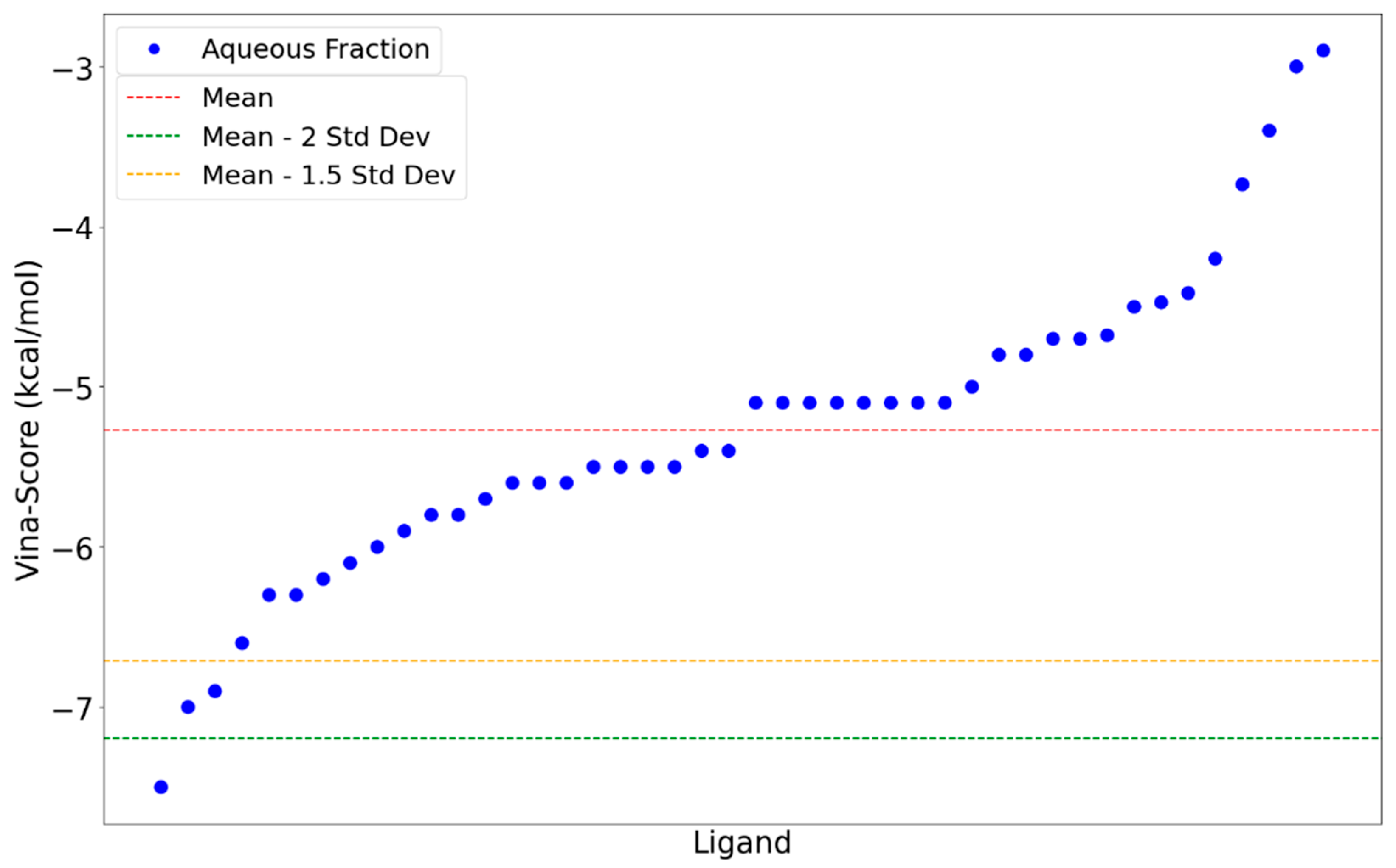
Figure 1. AutoDock Vina scores of TL-derived aqueous fraction compounds in complex with RBD [kcal/mol]. Statistical metrics are indicated by dashed horizontal lines: average score (red), mean minus one and a half standard deviation (orange), and the mean minus two standard deviations (green).
Molecules 30 04616 g001
Figure 2. Binding-site rationale and docking poses at the SARS-CoV-2 RBD–ACE2 interface. (A) Overall RBD–ACE2 complex (RBD in blue, ACE2 in grey; cartoon representation). The orange arrow marks the interface loop (IL) used as a positional reference throughout. (B) Druggability mapping of the RBD surface using PockDrug analysis; the most likely ligandable pocket (P1, red) lies on the ACE2-contacting face; additional lower-scoring surface features are shown in blue/green/magenta. (CF) Best-scoring docking poses. P1 is rendered as a semi-transparent molecular surface color-coded by atom type (carbon grey, oxygen red, nitrogen blue). (C) Methylene blue (experimental control), (D) Candidate L17, (E) Candidate L20 and, (F) Candidate L36. All docked ligands occupy the same interface-proximal depression identified as P1 in panel (B).
Molecules 30 04616 g002
Figure 3. BOILED-Egg model of compounds (L36, L20, L17).
Molecules 30 04616 g003
Figure 4. Docking protocol validation. Blind redocking of (A) the crystallographic ligand in PDB 7L4Z (RBD–cyclic peptide), and (B) methylene blue into its crystallographic target PDB 5ACM. In both panels, protein is shown in dark-grey cartoon representation; left: full protein–ligand complex; right: zoomed binding region. Crystallographic pose in green, best Vina pose in red, and additional poses from independent blind docking runs shown as yellow line traces.
Molecules 30 04616 g004
Table 1. A. sativum organosulfur compounds previously reported as having anti SARS-CoV-2 activity.
CompoundStructureAnti-SARS-CoV-2 Target ProteinReference
Tetrasulfide, di-2-propenyl.Molecules 30 04616 i001ACE2[28]
Diallyl disulfide.Molecules 30 04616 i002ACE2[28]
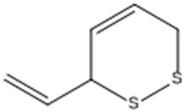
3-Vinyl-1,2-dithiacyclohex-4-ene.Molecules 30 04616 i003ACE2[28]
Diallyl trisulfide.Molecules 30 04616 i004ACE2[28]
Diallyl tetrasulfide.Molecules 30 04616 i005ACE2[28]
Allicin. (Allyl 2-propenethiosulfinate).Molecules 30 04616 i006Mpro[29]
γ-L-Glutamyl-S-allylcysteine.Molecules 30 04616 i007Mpro[30]
Table 2. Maximum inhibition and IC35 ± standard error (SE), values of garlic extracts on RBD–antibody interaction. Data are reported as mean % inhibition of SARS-CoV-2 RBD binding to antibody, measured in an ELISA-format competitive binding assay. Each value represents mean of n = 10 independent measurements performed at the indicated extract concentration (µg/mL). Higher % inhibition indicates reduced RBD–antibody complex formation.
ExtractsConcentration (μg/mL)Max. Inhibition (%)IC35
(μg/mL)
FL1038.711.0 ± 0.38
FE1035.133.1 ± 0.62
TL1042.160.1 ± 0.03
TE1034.950.5 ± 0.06
Fermín freeze-dried (FL), Fermín oven-dried (FE), Tigre freeze-dried (TL), and Tigre oven-dried (TE).
Table 3. Maximum inhibition of TL-derived fractions and IC40 ± standard error (SE) values of fractions on RBD–antibody interaction. Data are reported as mean % inhibition of SARS-CoV-2 RBD binding to antibody, measured in an ELISA-format competitive binding assay. Each value represents mean of n = 10 independent measurements performed at the indicated fraction concentration (µg/mL). Higher % inhibition indicates reduced RBD–antibody complex formation.
FractionsConcentration (μg/mL)Inhibition Max (%)IC40
(μg/mL)
Hexane10048.760.09 ± 0.03
Chloroform10040.3696.07 ± 35.36
AcOEt10040.780.07 ± 0.03
Aqueous10057.260.01 ± 0.005
Table 4. Compounds found by GC-MS analysis of the TL bulbs’ aqueous fraction.
L2D
Structures
IUPACClassMolecular
Formula
Exact
Mass
PubChem
CID
Rt (min)m/z Experimental
[M-H]-
m/z
Calculated
[M-H]-
Area (%)Reference
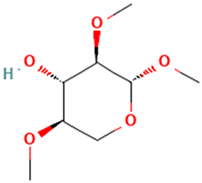
1Molecules 30 04616 i008Methyl 2,4-di-O-methyl-β-d-xylopyranoside SugarsC8H16O5192.09977361 Da216077303.591192192.0991.189PubChem CID:
21607730 NIST Mass Spectrometry Data Center
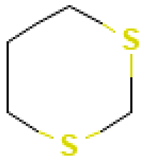
2Molecules 30 04616 i0091,3-Dithiane Sulfur compoundsC4H8S2120.00674260 Da104515.6151201200.519PubChem CID: 10451 NIST Mass Spectrometry Data Center
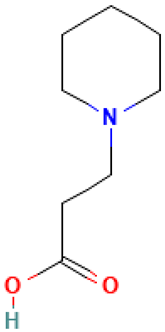
3Molecules 30 04616 i0101-Piperidinepropanoic acid Organic acidsC8H15NO2157.110278721 Da1177826.565157157.110.107PubChem CID: 117782 NIST Mass Spectrometry Data Center
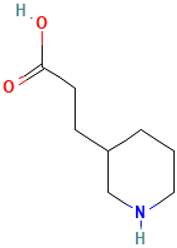
4Molecules 30 04616 i0113-(Piperidin-3-yl)propanoic acidOrganic acidsC8H15NO2157.110278721 Da51523046.6157157.110.124PubChem CID: 5152304 NIST Mass Spectrometry Data Center
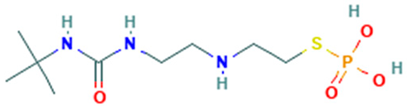
5Molecules 30 04616 i012N-t-Butyl-N′-2-[2-thiophosphatoethyl]aminoethylurea Sulfur compoundC9H22N3O4PS299.10686436 Da5468896.897166166.060.166PubChem CID:
546889 NIST Mass Spectrometry Data Center
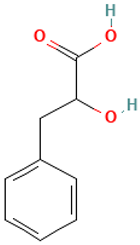
6Molecules 30 04616 i013DL-3-Phenyllactic acidOrganic acidsC9H10O3166.062994177 Da38487.134166166.060.395PubChem CID: 117782 NIST Mass Spectrometry Data Center
7Molecules 30 04616 i0142,2-Dimethylthiazolidine Sulfur compoundC5H11NS117.06122053 Da880157.235117117.060.476PubChem CID: 3848 NIST Mass Spectrometry Data Center
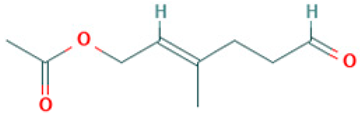
8Molecules 30 04616 i015Acetic acid, 3-methyl-6-oxo-hex-2-enyl ester EstersC9H14O3170.094294304 Da53635687.657170170.091.177PubChem CID: 5363568 NIST Mass Spectrometry Data Center
9Molecules 30 04616 i0161-[N-Aziridyl]propane-2-thiol Sulfur compoundsC5H11NS117.06122053 Da2847647.959117117.060.852PubChem CID: 284764 NIST Mass Spectrometry Data Center
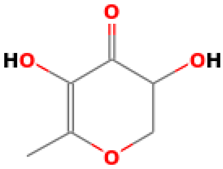
10Molecules 30 04616 i0174H-Pyran-4-one, 2,3-dihydro-3,5-dihydroxy-6-methyl OthersC6H8O4144.04225873 Da1198388.227144144.040.467PubChem CID:
119838 NIST Mass Spectrometry Data Center
11Molecules 30 04616 i0181-[(Trimethylsilyl)oxy]propan-2-ol OthersC6H16O2Si148.091956283 Da231051088.494148148.094.749PubChem CID: 23105108 NIST Mass Spectrometry Data Center
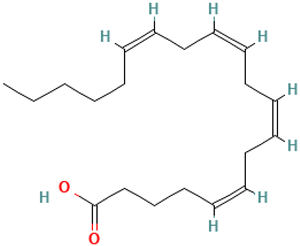
12Molecules 30 04616 i0193,6-Octadecadiynoic acid, methyl ester EstersC19H30O2294.255880323 Da7143860810.167290290.221.365PubChem CID: 71438608 NIST Mass Spectrometry Data Center
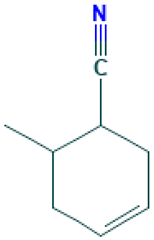
13Molecules 30 04616 i0203-Cyclohexen-1-nitrile, 6-methyl OthersC8H11N121.089149355 Da54925710.547121121.080.409PubChem CID: 549257 NIST Mass Spectrometry Data Center
14Molecules 30 04616 i02112,15-Octadecadiynoic acid, methyl ester EstersC19H30O2290.224580195 Da53845310.66290290.220.409PubChem CID: 538453 NIST Mass Spectrometry Data Center
15Molecules 30 04616 i022Diallyl disulphide Sulfur compoundsC6H10S2146.02239267 Da1659011.918146146.020.589PubChem CID: 16590 NIST Mass Spectrometry Data Center
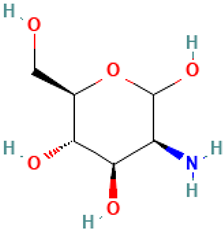
16Molecules 30 04616 i023Mannosamine OthersC6H13NO5179.07937252 Da44004912.233179179.070.428PubChem CID: 440049 NIST Mass Spectrometry Data Center
17Molecules 30 04616 i0244-Oxatricyclo[5.2.1.0(2,6)]dec-8-ene-3,5-dione, 10,10-dimethyl-7-(trimethylsilyl)OthersC14H20O3Si264.11817103 Da55328914.732264264.112.308PubChem CID: 553289 NIST Mass Spectrometry Data Center
18Molecules 30 04616 i025l-Gala-l-ido-octoseSugarsC8H16O8240.084517 Da21965912.678240240.080.651PubChem CID:
219659; NIST Mass Spectrometry Data Center
19Molecules 30 04616 i026Trisulfide, di-2-propenylSulfur compoundsC6H10S3177.99446384 Da1631513.052178177.990.247PubChem CID: 16315; NIST Mass Spectrometry Data Center
20Molecules 30 04616 i027Hydrocinnamic acid, o-[(1,2,3,4-tetrahydro-2-naphthyl)methyl]Organic acidsC21H24O2294.161979940 Da58280915.948294294.161.503PubChem CID: 582934 NIST Mass Spectrometry Data Center
21Molecules 30 04616 i028Trisulfide, methyl 2-propenyl Sulfur compoundsC4H8S3151.97881378 Da6192613.936152151.973.861PubChem CID: 135403803 NIST Mass Spectrometry Data Center
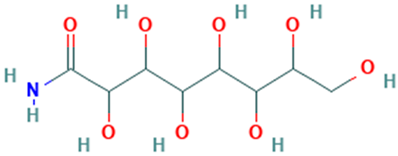
22Molecules 30 04616 i029d-Gala-l-ido-octonic amide OthersC8H17NO8255.09541650 Da55206120.133255255.090.521PubChem CID: 552061NIST Mass Spectrometry Data Center
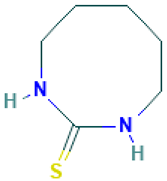
23Molecules 30 04616 i0301,3-Diazacyclooctane-2-thione Sulfur compoundsC6H12N2S144.07211956 Da537273414.465144144.072.114PubChem CID: 5372734 NIST Mass Spectrometry Data Center
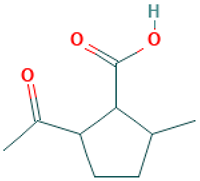
24Molecules 30 04616 i031Cyclopentanecarboxylic acid, 2-acetyl-5-methyl- Organic acidsC9H14O3170.094294304 Da53809512.447170170.090.572PubChem CID: 440049; NIST Mass Spectrometry Data Center
25Molecules 30 04616 i0324-Methyl(trimethylene)silyloxyoctaneOthersC12H26OSi214.175291983 Da58857415.153214214.172.522PubChem CID: 588574 NIST Mass Spectrometry Data Center
26Molecules 30 04616 i0331-Methyl-1-n-octyloxy-1-silacyclobutane OthersC12H26OSi214.175291983 Da59858515.414214214.172.076PubChem CID: 598585NIST Mass Spectrometry Data Center
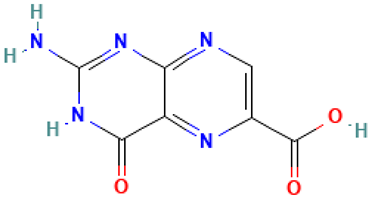
27Molecules 30 04616 i034Pterin-6-carboxylic acid Organic acidsC7H5N5O3207.03923904 Da13540380313.408207207.030.182PubChem CID:
61926 NIST Mass Spectrometry Data Center
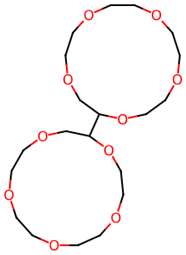
28Molecules 30 04616 i035(2S,2′S)-2,2′-Bis[1,4,7,10,13-pentaoxacyclopentadecane] OthersC20H38O10438.24649740 Da55259516.026438438.241.712PubChem CID: 552595 NIST Mass Spectrometry Data Center
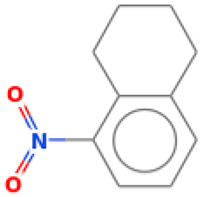
29Molecules 30 04616 i036Naphthalene, 1,2,3,4-tetrahydro-5-nitroOthersC10H11NO2177.078978594 Da9313016.405177177.072.55PubChem CID: 93130 NIST Mass Spectrometry Data Center
30Molecules 30 04616 i0373,7,11,14,18-Pentaoxa-2,19-disilaeicosane, 2,2,19,19-tetramethyl- OthersC17H40O5Si2380.24142744 Da55294316.904380380.243.723PubChem CID: 552943 NIST Mass Spectrometry Data Center
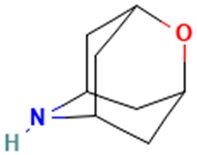
31Molecules 30 04616 i0382-Oxa-6-azatricyclo [3.3.1.1(3,7)]decane OthersC8H13NO139.099714038 Da58697717.587139139.091.602PubChem CID:
586977 NIST Mass Spectrometry Data Center
32Molecules 30 04616 i0399,12,15-Octadecatrienoic acid, 2-[(trimethylsilyl)oxy]-1-[[(trimethylsilyl)oxy]methyl]ethyl ester, (Z,Z,Z)-EstersC27H52O4Si2496.34041320 Da536285717.925496496.30.621PubChem CID: 5362857 NIST Mass Spectrometry Data Center
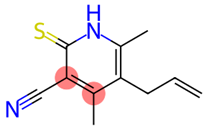
33Molecules 30 04616 i040Pyridine-3-carbonitrile, 5-allyl-4,6-dimeethyl-2-mercapto- Sulfur compoundsC11H12N2S204.07211956 Da65792718.079204204.070.622PubChem CID:
657927 NIST Mass Spectrometry Data Center
34Molecules 30 04616 i041Acetamide, N-methyl-N-[4-(3-hydroxypyrrolidinyl)-2-butynyl]- OthersC11H18N2O2210.136827821 Da53666918.88210210.130.604PubChem CID: 536669 NIST Mass Spectrometry Data Center
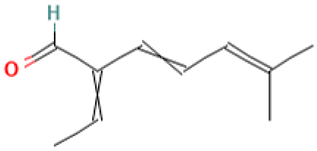
35Molecules 30 04616 i0423,5-Heptadienal, 2-ethylidene-6-methyl- OthersC10H14O150.104465066 Da57212719.717150150.11.569PubChem CID: 572127 NIST Mass Spectrometry Data Center
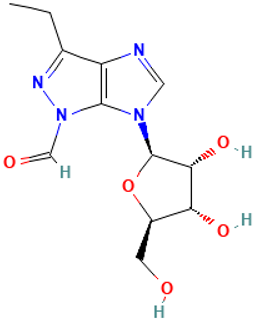
36Molecules 30 04616 i043Pyrazole[4,5-b]imidazole, 1-formyl-3-ethyl-6-β-d-ribofuranosyl- OthersC12H16N4O5296.11206962 Da91692119 14.612296296.111.547PubChem CID: 91692119 NIST Mass Spectrometry Data Center
37Molecules 30 04616 i044L-Glucose SugarsC6H12O6180.06338810 Da272448820.441180180.060.512PubChem CID: 2724488 NIST Mass Spectrometry Data Center
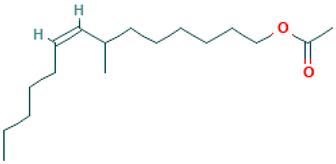
38Molecules 30 04616 i0457-Methyl-Z-tetradecen-1-ol acetate EstersC17H32O2268.240230259 Da536322220.744268268.240.451PubChem CID: 5363222 NIST Mass Spectrometry Data Center
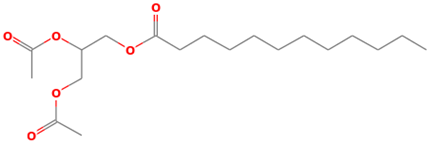
39Molecules 30 04616 i046Dodecanoic acid, 2,3-bis(acetyloxy)propyl esterEstersC19H34O6358.23553880 Da16921221.462358358.232.143PubChem CID: 169212 NIST Mass Spectrometry Data Center
40Molecules 30 04616 i047DL-Leucine, N-[2-(chloroimino)-1-oxopropyl]Amino acid C9H15ClN2O3234.0771200 Da960362921.694234234.071.39PubChem CID:
9603629 NIST Mass Spectrometry Data Center
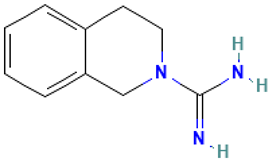
41Molecules 30 04616 i0482(1H)-Isoquinolinecarboximidamide, 3,4-dihydro- OthersC10H13N3175.110947427 Da296621.996175175.112.246PubChem CID: 2966 NIST Mass Spectrometry Data Center
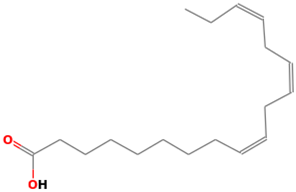
42Molecules 30 04616 i0499,12,15-Octadecatrienoic acidOrganic acidsC18H30O2278.224580195 Da8880187522.186278278.422.472PubChem CID: 88801875 NIST Mass Spectrometry Data Center
43Molecules 30 04616 i050Arachidonic acidOrganic acidsC20H32O2304.240230259 Da44489922.685304304.461.984PubChem CID: 444899 NIST Mass Spectrometry Data Center
44Molecules 30 04616 i0512-Nonenoic acid, 9-(dimethylamino)-7-hydroxy-2-methyl-9-oxo-, methyl esterEstersC13H23NO4257.16270821 Da536416023257257.161.579PubChem CID:
5364160 NIST Mass Spectrometry Data Center
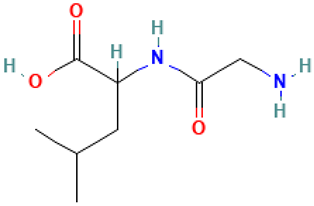
45Molecules 30 04616 i052DL-Leucine, N-glycylAmino acidC8H16N2O3188.11609238 Da10246823.409188188.114.755PubChem CID: 102468 NIST Mass Spectrometry Data Center
46Molecules 30 04616 i0531-S-[(1E)-N-Hydroxy-2-(1H-indol-3-yl)ethanimidoyl]-1-thiohexopyranose Sulfur compoundsC16H20N2O6S368.10420754 Da960328323.86368368.11.128PubChem CID:
9603283 NIST Mass Spectrometry Data Center
47Molecules 30 04616 i054Benzocycloheptano[2,3,4-I,j]isoquinoline, 4,5,6,6a-tetrahydro-1,9-dihydroxy-2,10-dimethoxy-5-methylAlkaloidC20H23NO4341.16270821 Da33932624.014341341.160.964PubChem CID: 339326 NIST Mass Spectrometry Data Center
48Molecules 30 04616 i055Desulphosinigrin Sulfur compoundsC10H17NO6S279.07765844 Da960171625.041279279.071.055PubChem CID: 9601716 NIST Mass Spectrometry Data Center
49Molecules 30 04616 i056Linoleic acid ethyl esterEstersC20H36O2308.271530387 Da528218425.386308308.273.485PubChem CID: 5282184 NIST Mass Spectrometry Data Center
50Molecules 30 04616 i057(+-)-5-(1-Acetoxy-1-methylethyl)-2-methyl-2-cyclohexen-1-one semicarbazoneOthersC13H21N3O3267.15829154 Da960371625.932267267.153.594PubChem CID: 9603716 NIST Mass Spectrometry Data Center
51Molecules 30 04616 i0582(3H)-Naphthalenone, 4,4a,5,6,7,8-hexahydro-1-methoxyOthersC11H16O180.115029749 Da53431327.059180180.113.659PubChem CID: 534313 NIST Mass Spectrometry Data Center
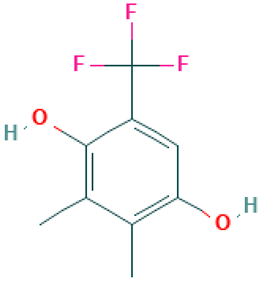
52Molecules 30 04616 i059Phen-1,4-diol, 2,3-dimethyl-5-trifluoromethylOthersC9H9F3O2206.05546401 Da59085027.558206206.052.824PubChem CID: 590850 NIST Mass Spectrometry Data Center
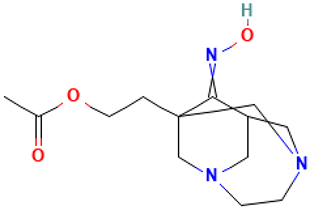
53Molecules 30 04616 i0601-(2-Acetoxyethyl)-3,6-diazahomoadamantan-9-one oximeOthersC13H21N3O3267.15829154 Da55190628.561267267.154.072PubChem CID: 551906 NIST Mass Spectrometry Data Center
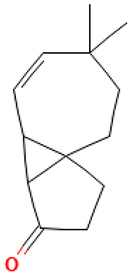
54Molecules 30 04616 i061Cyclopenta[1,3]cyclopropa[1,2]cyclohepten-3(3aH)-one, 1,2,3b,6,7,8-hexahydro-6,6-dimethylOthersC13H18O190.135765193 Da56186930.946190190.132.99PubChem CID: 561869 NIST Mass Spectrometry Data Center
55Molecules 30 04616 i062Heptaethylene glycol monododecyl etherOthersC26H54O8494.38186868 Da7645931.653494494.383.487PubChem CID: 76459 NIST Mass Spectrometry Data Center
Table 5. Reported biological bioactivities of compounds in the A. sativum TL-derived aqueous fraction.
CompoundAntiviral ActivityOther Relevant Activities
L41: 2(1H)-Isoquinolinecarboximidamide, 3,4-dihydro-
(Debrisoquine)
TMPRSS2 inhibitor [35]Antihypertensive [36]
L42: 9,12,15-Octadecatrienoic acid
(α-Linolenic acid)
Interrupts the binding, adsorption, and entry stages of Zika virus replication cycle [37]Anti-obesity, antidiabetic, cardiovascular-protective, anti-inflammatory, anticancer, neuroprotection, and antibacterial [38,39]
Anti-hypercholesterolemic [40]
L3: 1-Piperidinepropanoic acidNot reportedAnti-inflammatory [41,42]
L6: DL-3-Phenyllactic acidNot reportedAntibacterial, antibiofilm, and antifungal [43,44]
L10: 4H-Pyran-4-one, 2,3-dihydro-3,5-dihydroxy-6-methyl-Not reportedAntioxidant [45,46,47]
L15: Diallyl disulphide
(DADS)
Not reportedAnticancer [48]
Cardioprotective, antihypertensive, antibacterial, antiparasitic, antioxidant, and anti-inflammatory [49]
L16: MannosamineNot reportedDextransucrase inhibition [50]
Cytotoxic effects with free fatty acids [51]
L19: Trisulfide, di-2-propenyl
(Diallyl trisulfide or DATS)
Not reportedAntioxidant, anti-inflammatory, antibacterial, antitumor, cardioprotective, and immunomodulatory [48,52,53,54,55,56]
L21: Trisulfide, methyl 2-propenyl
(MATS)
Not reportedAntiplatelet [57,58]
L43: Arachidonic acidNot reportedTumoricidal [59]
L47: Benzocycloheptano[2,3,4-I,j]isoquinoline, 4,5,6,6a-tetrahydro-1,9-dihydroxy-2,10-dimethoxy-5-methylNot reportedAntidiabetic potential [60]
L49: Linoleic acid ethyl ester
(Ethyl Linoleate)
Not reportedAnti-inflammatory [61]
Melanogenesis inhibitor [62,63]
Table 6. ADME profile of L36, L20, L17 compounds.
CompoundsL36L20L17
MW368.4294.39264.39
H-bond acceptors723
H-bond donors610
iLOGP1.332.732.49
XLOGP30.54.733.15
Consensus Log P0.184.142.49
Ali Log S−3.51−5.24−3.73
Ali classSolubleModerately solubleSoluble
GI absorptionLowHighHigh
BBB permeantNoYesYes
Pgp substrateNoNoNo
CYP1A2 inhibitorYesNoNo
CYP2C19 inhibitorNoNoNo
CYP2C9 inhibitorNoYesNo
CYP2D6 inhibitorNoYesNo
CYP3A4 inhibitorNoNoNo
log Kp (cm/s)−8.19−4.74−5.68
Lipinski violations110
Ghose violations000
Veber violations100
Egan violations100
Muegge violations200
Bioavailability score0.550.850.55
PAINS 000
Brenk 404
Leadlikeness violations110
Synthetic accessibility4.882.774.91
Table 7. Toxicity profile of L36, L20, L17 compounds.
TargetL36L20L17
HepatotoxicityInactive (0.55)Inactive (0.51)Inactive (0.72)
NeurotoxicityInactive (0.72)Inactive (0.61)Inactive (0.70)
NephrotoxicityActive (0.57)Active (0.54)Inactive (0.59)
Respiratory toxicityActive (0.74)Active (0.62)Active (0.67)
CardiotoxicityInactive (0.60)Inactive (0.57)Inactive (0.83)
CarcinogenicityInactive (0.51)Inactive (0.68)Inactive (0.60)
ImmunotoxicityInactive (0.98)Inactive (0.99)Inactive (0.98)
MutagenicityActive (0.50)Inactive (0.66)Inactive (0.64)
CytotoxicityInactive (0.69)Inactive (0.83)Inactive (0.79)
BBB barrierActive (0.59)Active (0.81)Active (0.89)
EcotoxicityInactive (0.59)Active (0.57)Active (0.59)
Clinical toxicityInactive (0.52)Inactive (0.55)Inactive (0.56)
Nutritional toxicityInactive (0.58)Inactive (0.65)Inactive (0.54)
Disclaimer/Publisher’s Note: The statements, opinions and data contained in all publications are solely those of the individual author(s) and contributor(s) and not of MDPI and/or the editor(s). MDPI and/or the editor(s) disclaim responsibility for any injury to people or property resulting from any ideas, methods, instructions or products referred to in the content.