Article

Unveiling the Structure of PROT and ATB0,+: Unique Members of the Glycine Transporter Subfamily

1
Department of Physicochemical Drug Analysis, Faculty of Pharmacy, Jagiellonian University Medical College, Medyczna 9, 30-688 Cracow, Poland
2
Doctoral School of Medical and Health Sciences, Jagiellonian University Medical College, Św. Łazarza 16, 31-530 Cracow, Poland
3
Institute of Pharmacy and Food Chemistry, University of Würzburg, Am Hubland, 97074 Würzburg, Germany
*
Author to whom correspondence should be addressed.
Molecules 2025, 30(22), 4412; https://doi.org/10.3390/molecules30224412

Submission received: 8 October 2025 / Revised: 8 November 2025 / Accepted: 11 November 2025 / Published: 14 November 2025
(This article belongs to the Special Issue Computational Studies and Drug Design)

Abstract

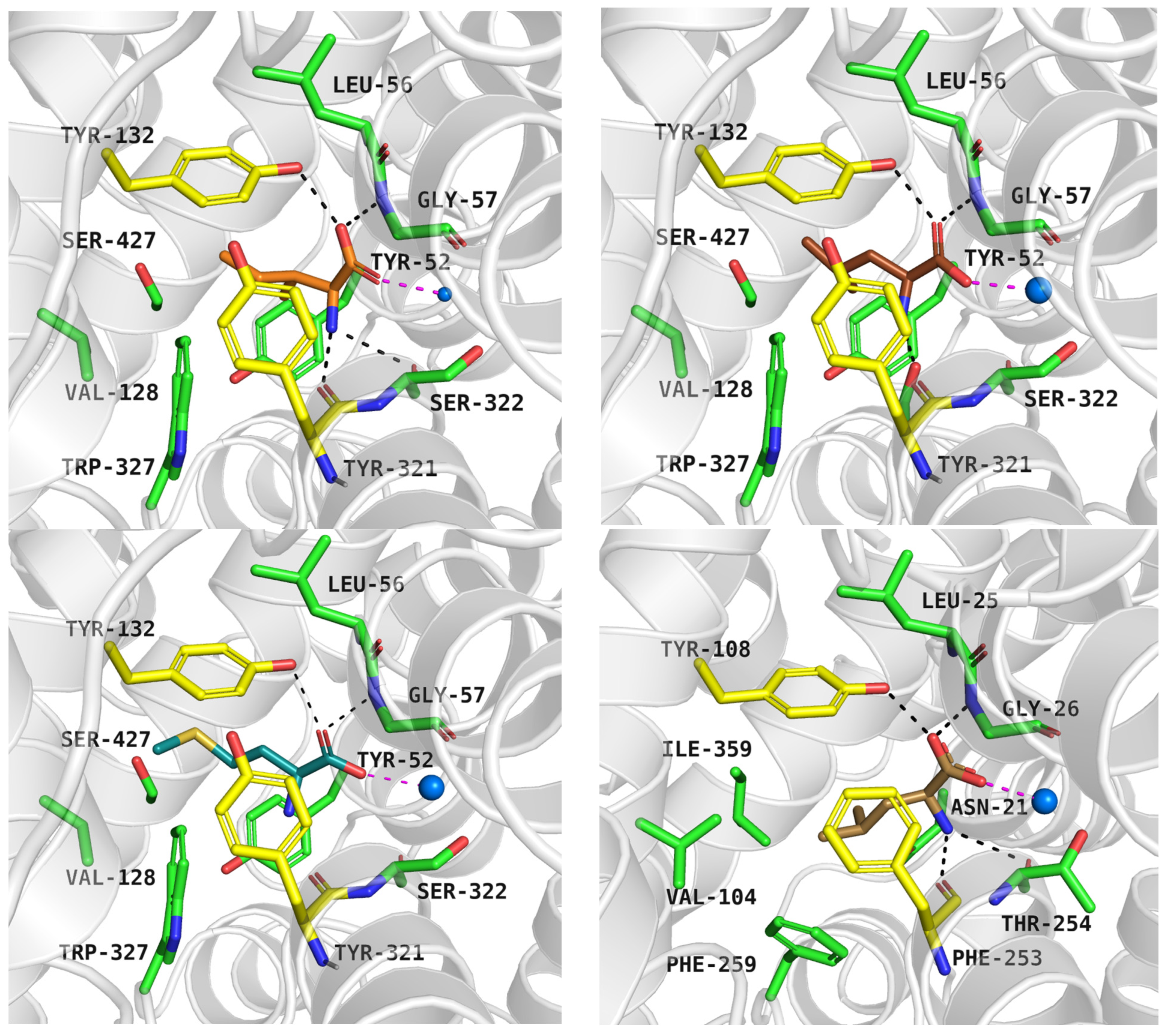
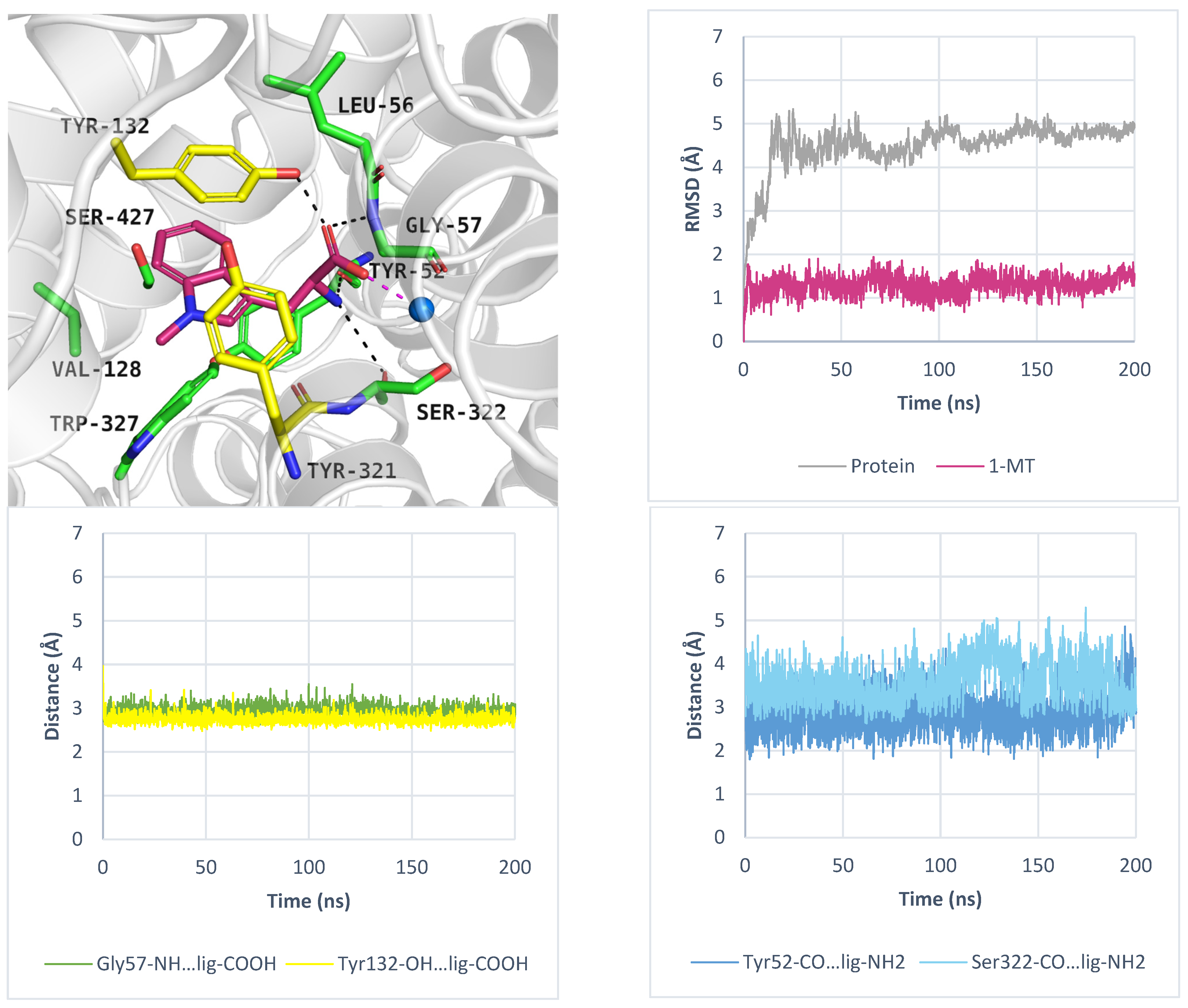
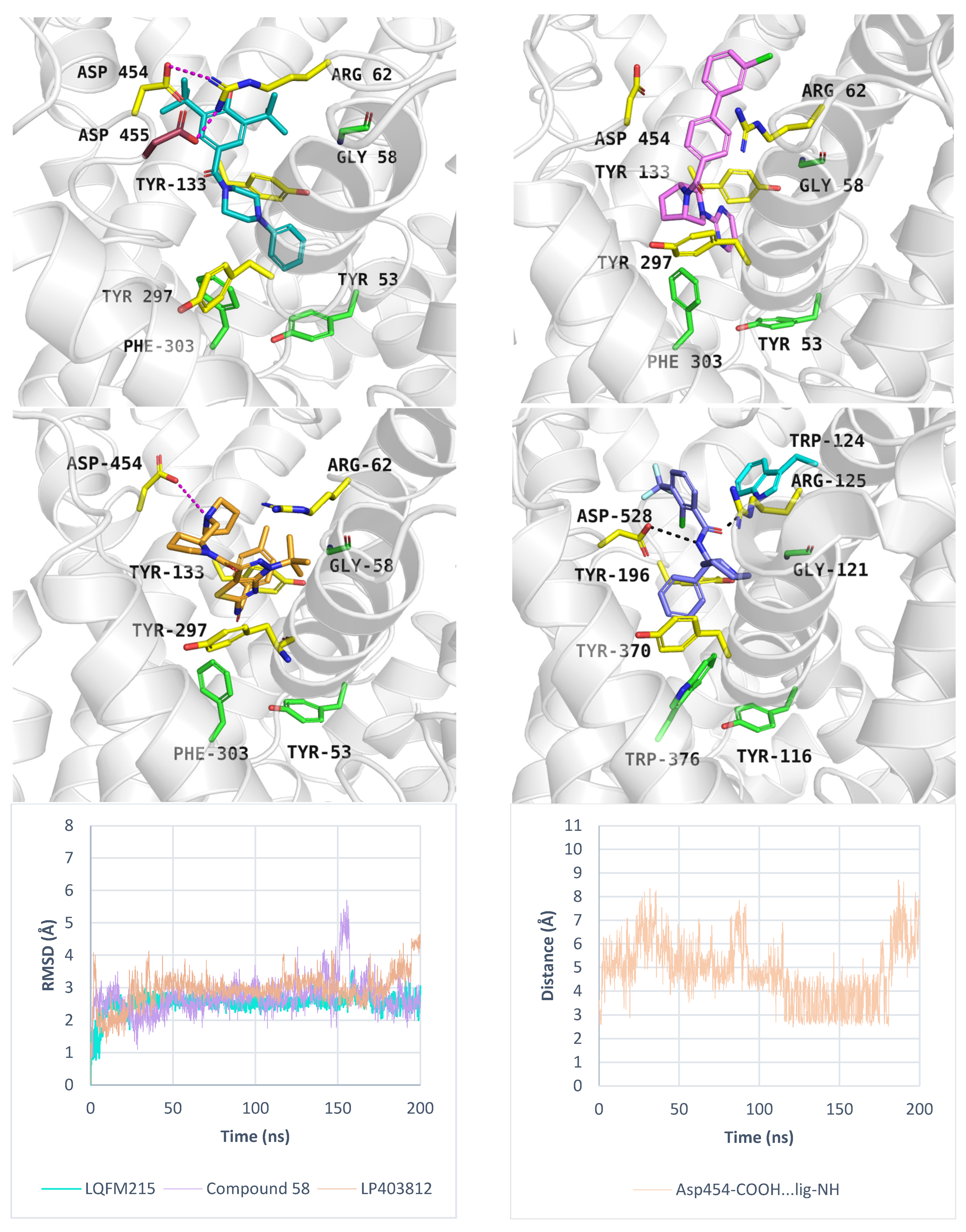
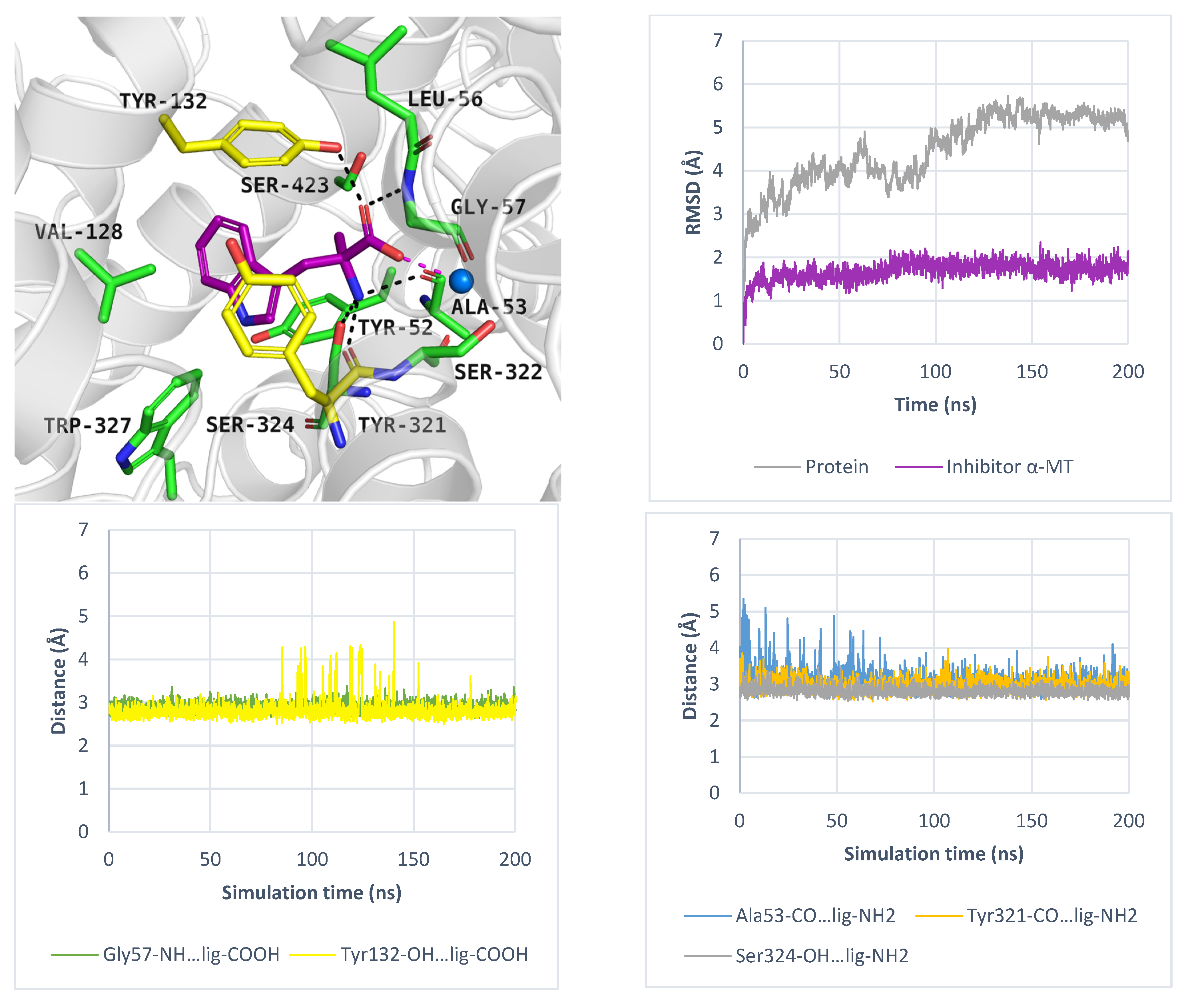
The proline transporter (PROT, SLC6A7) and the neutral and cationic amino acid transporter (ATB0,+, SLC6A14) belong to the glycine transporter subfamily, exhibiting distinct substrate specificities and physiological functions. PROT modulates neurotransmission through proline transport in the brain, while ATB0,+ facilitates nutrient uptake, especially in the gastrointestinal tract. Impaired function of PROT has been associated with neurological disorders, while ATB0,+ overexpression has been linked to cancers. Despite their biological relevance, the pool of known ligands for these transporters is limited, and their exact 3D structures remain unknown. Therefore, we conducted an in silico analysis of PROT and ATB0,+ and compared the obtained results with available literature data on the glycine transporter GlyT1, from the same subfamily. Using homology modelling, docking studies, and molecular dynamics simulations, we investigated the structural properties of PROT and ATB0,+ and described protein–ligand interactions. We pointed crucial residues responsible for ligand binding, including Tyr133, Tyr297, Phe303, and Phe403 in PROT and Trp327, Val128, and Tyr321 in ATB0,+. This work provides new insights into the molecular features of PROT and ATB0,+ transporters, which could support the development of novel transporter inhibitors.
Keywords: SLC6A7; SLC6A14; glycine transporter subfamily; structure; inhibitors; homology modelling; docking; molecular dynamics SLC6A7; SLC6A14; glycine transporter subfamily; structure; inhibitors; homology modelling; docking; molecular dynamics