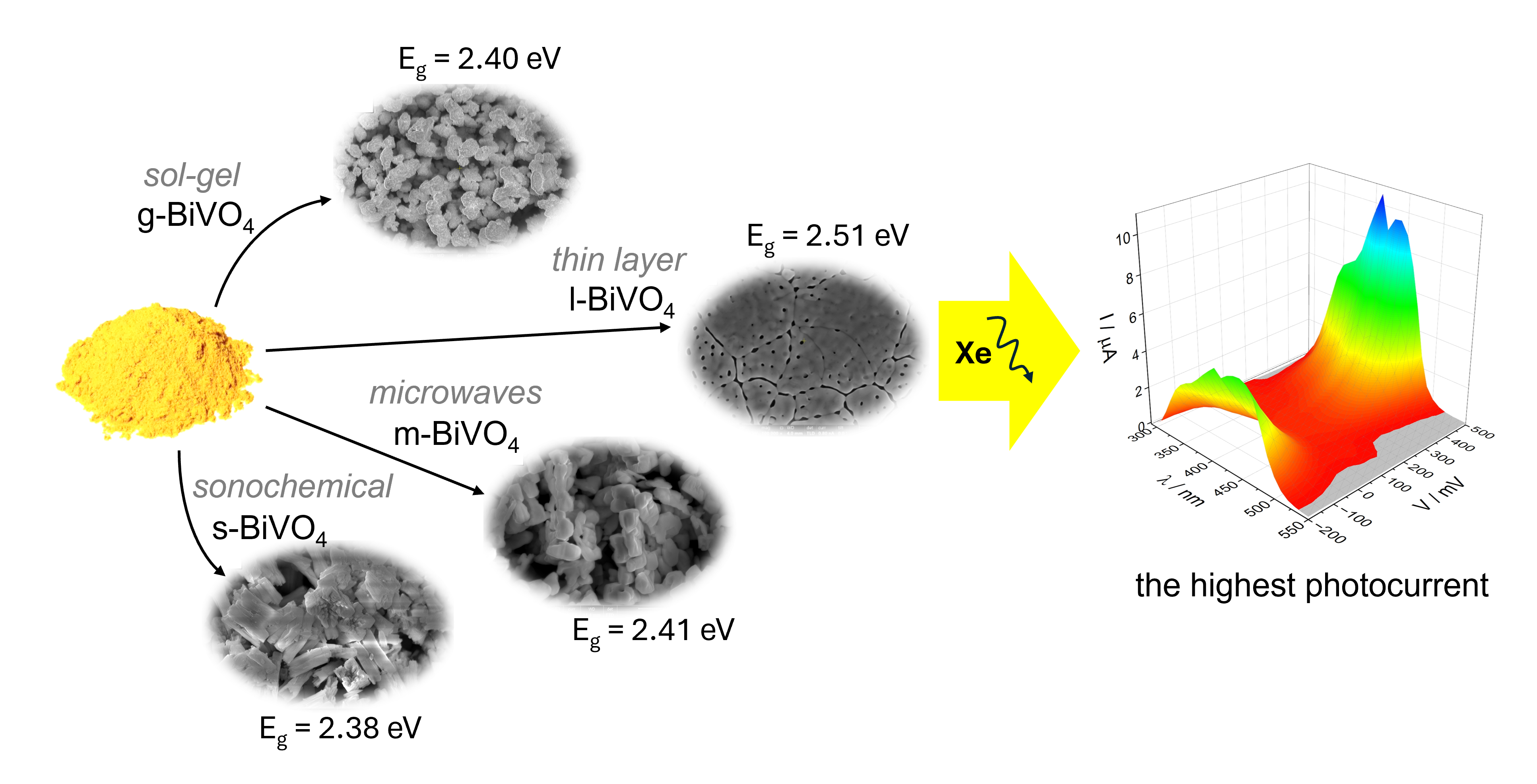
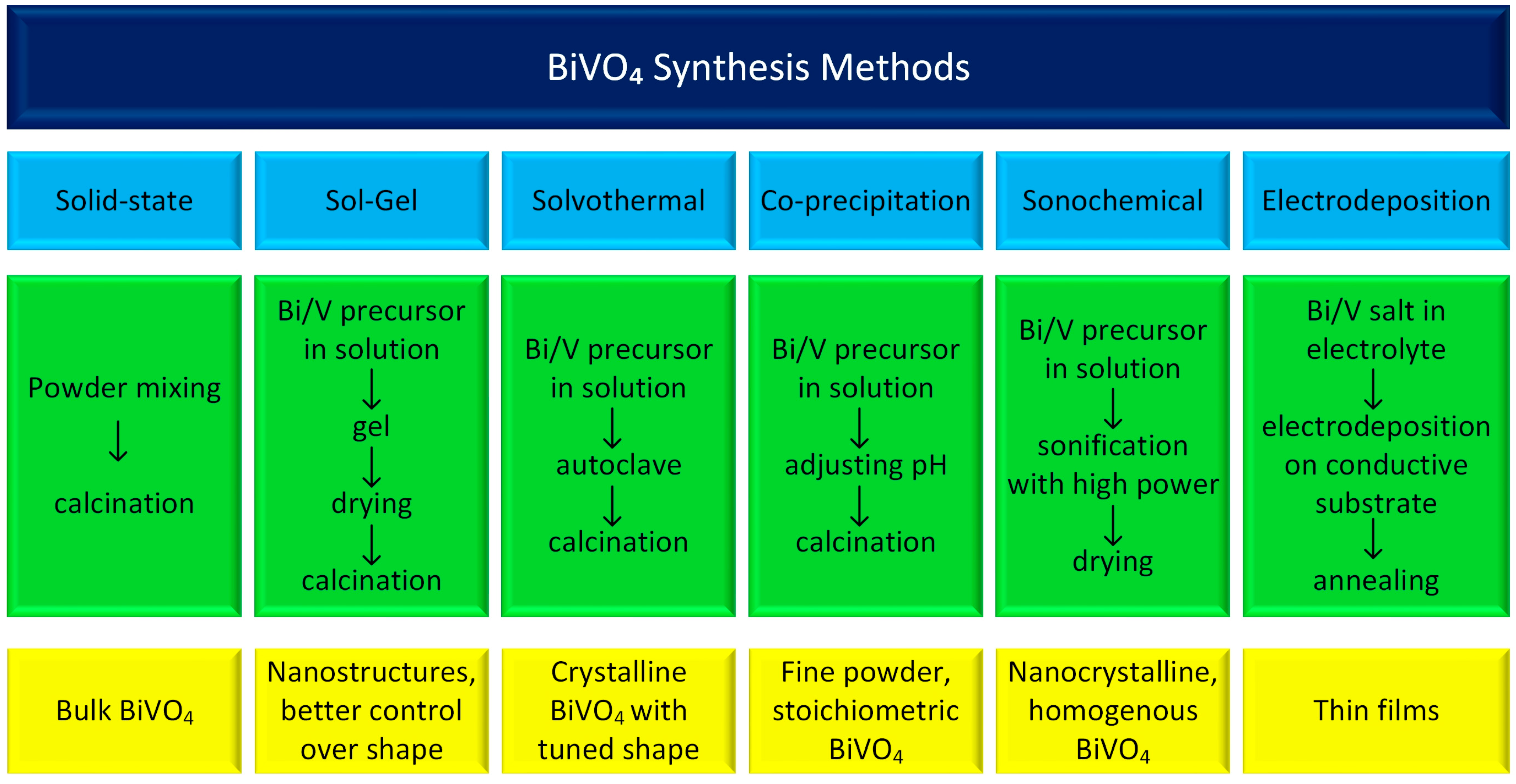
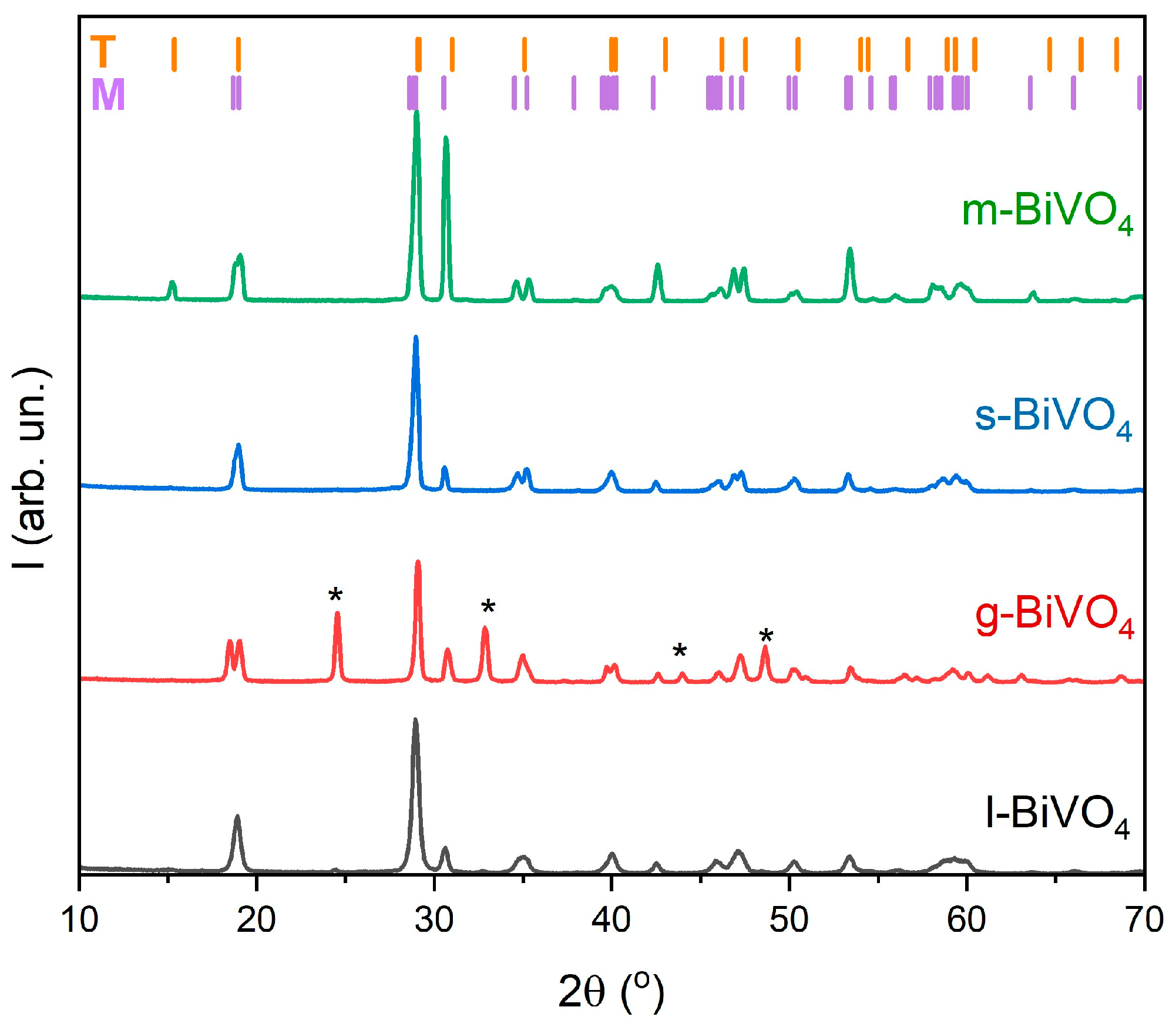
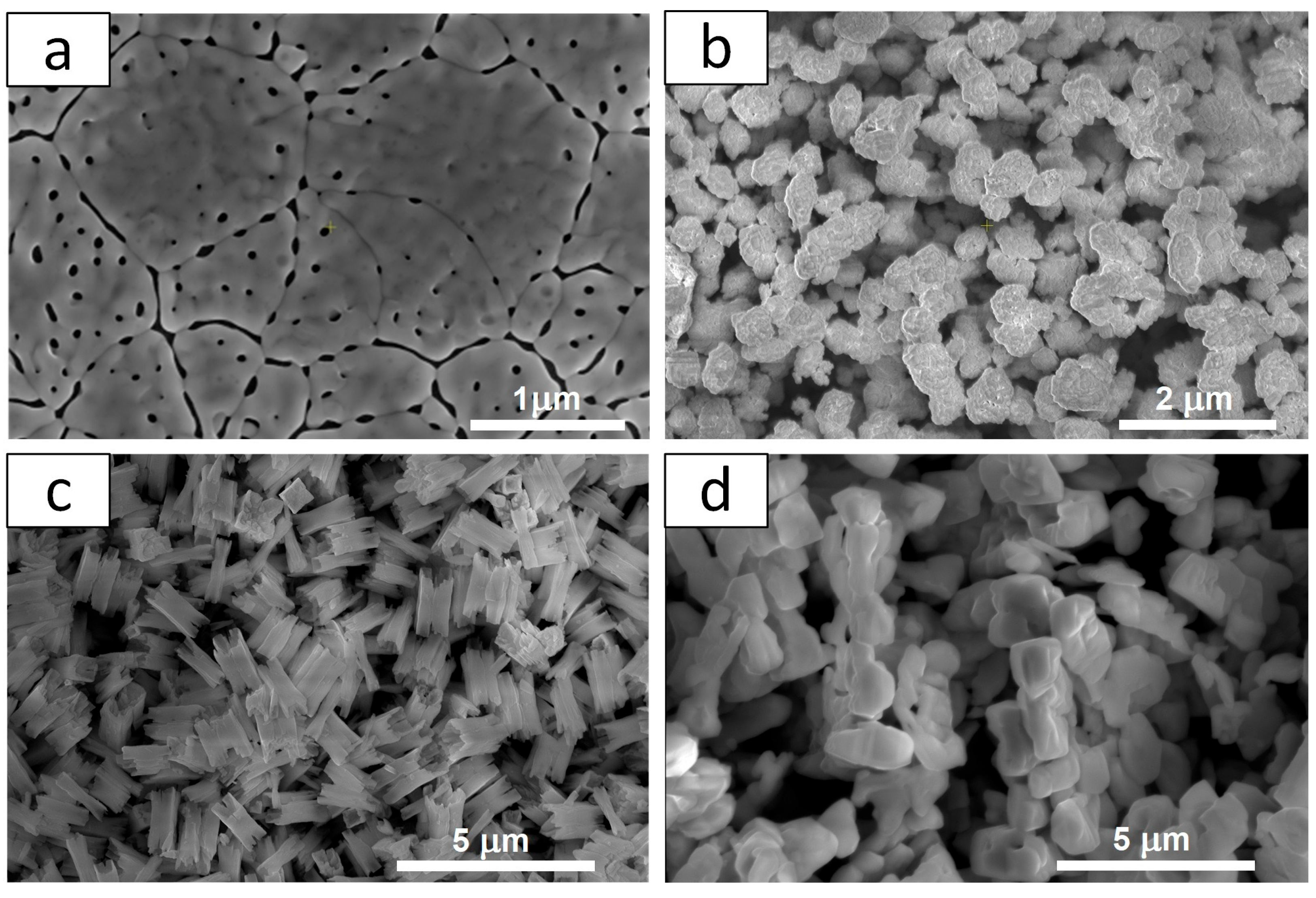
Comparative Studies on Synthesis Methods of BiVO4 for Photoelectrochemical Applications

 , , , and
 Abstract
Share and Cite
Caus, D.; Berent, K.; Mech, K.; Naumov, A.; Marciszko-Wiąckowska, M.; Podborska, A. Comparative Studies on Synthesis Methods of BiVO4 for Photoelectrochemical Applications. Molecules 2025, 30, 3818. https://doi.org/10.3390/molecules30183818
Caus D, Berent K, Mech K, Naumov A, Marciszko-Wiąckowska M, Podborska A. Comparative Studies on Synthesis Methods of BiVO4 for Photoelectrochemical Applications. Molecules. 2025; 30(18):3818. https://doi.org/10.3390/molecules30183818
Chicago/Turabian StyleCaus, Dominik, Katarzyna Berent, Krzysztof Mech, Andrii Naumov, Marianna Marciszko-Wiąckowska, and Agnieszka Podborska. 2025. "Comparative Studies on Synthesis Methods of BiVO4 for Photoelectrochemical Applications" Molecules 30, no. 18: 3818. https://doi.org/10.3390/molecules30183818
APA StyleCaus, D., Berent, K., Mech, K., Naumov, A., Marciszko-Wiąckowska, M., & Podborska, A. (2025). Comparative Studies on Synthesis Methods of BiVO4 for Photoelectrochemical Applications. Molecules, 30(18), 3818. https://doi.org/10.3390/molecules30183818