Article

Scandium(III) Solvation and Association and Water Structure in the Gigapascal Pressure Range Investigated by Neutron Scattering


by
Toshio Yamaguchi
1,2,*,
Sinichi Machida
3 and
Takanori Hattori
4
1
Key Laboratory of Comprehensive and Highly Efficient Utilization of Salt Lake Resources, Key Laboratory of Salt Lake Resources Chemistry of Qinghai Province, Qinghai Institute of Salt Lakes, Chinese Academy of Sciences, Xining 810008, China
2
Department of Chemistry, Faculty of Science, Fukuoka University, Jonan, Fukuoka 814-0180, Japan
3
Neutron Science and Technology Center, Comprehensive Research Organization for Science and Society, Tokai, Naka 319-1106, Japan
4
J-PARC Center, Japan Atomic Energy Agency, Tokai, Naka 319-1195, Japan
*
Author to whom correspondence should be addressed.
Molecules 2025, 30(16), 3417; https://doi.org/10.3390/molecules30163417

Submission received: 9 July 2025 / Revised: 5 August 2025 / Accepted: 13 August 2025 / Published: 19 August 2025
(This article belongs to the Special Issue Influence of Solvent Molecules in Coordination Chemistry)

Abstract

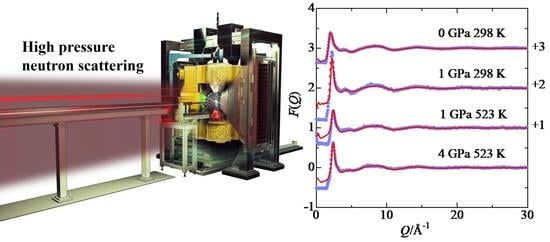
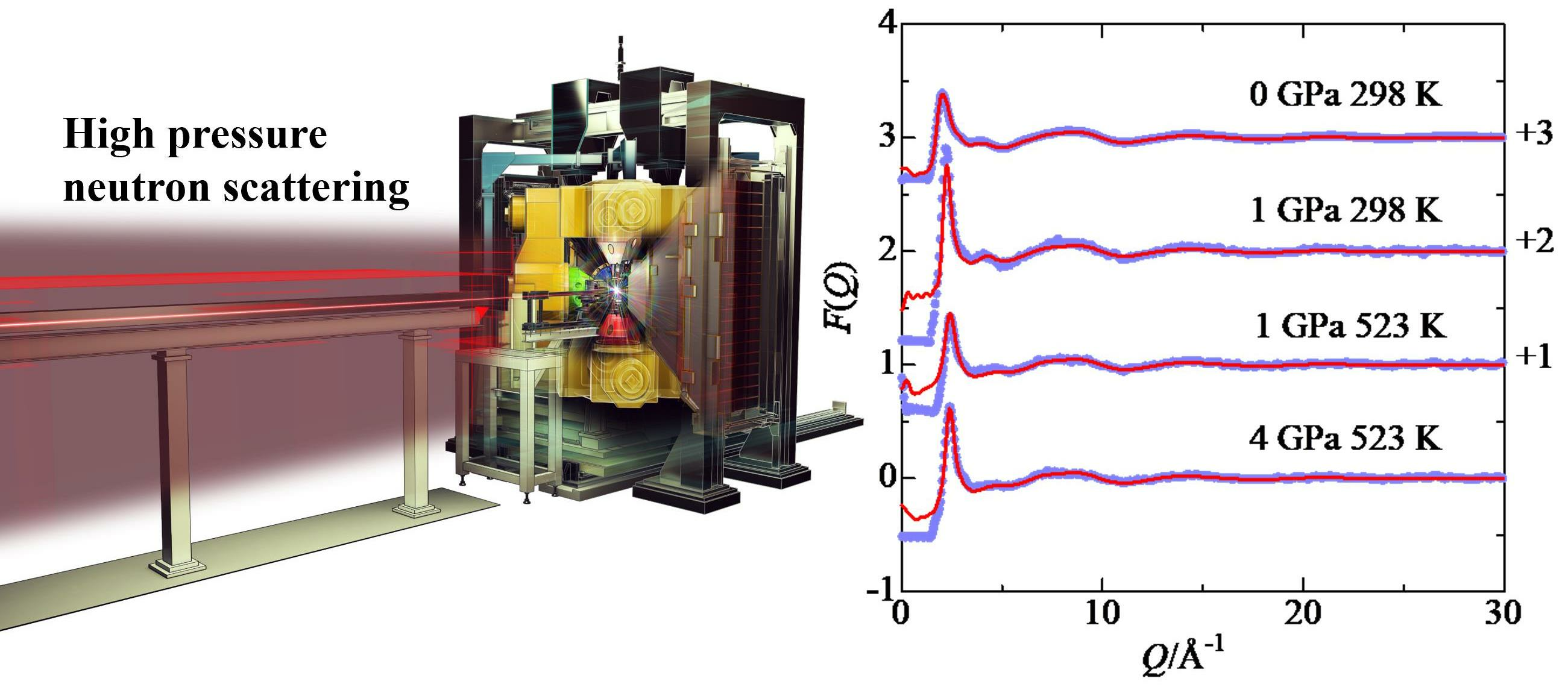
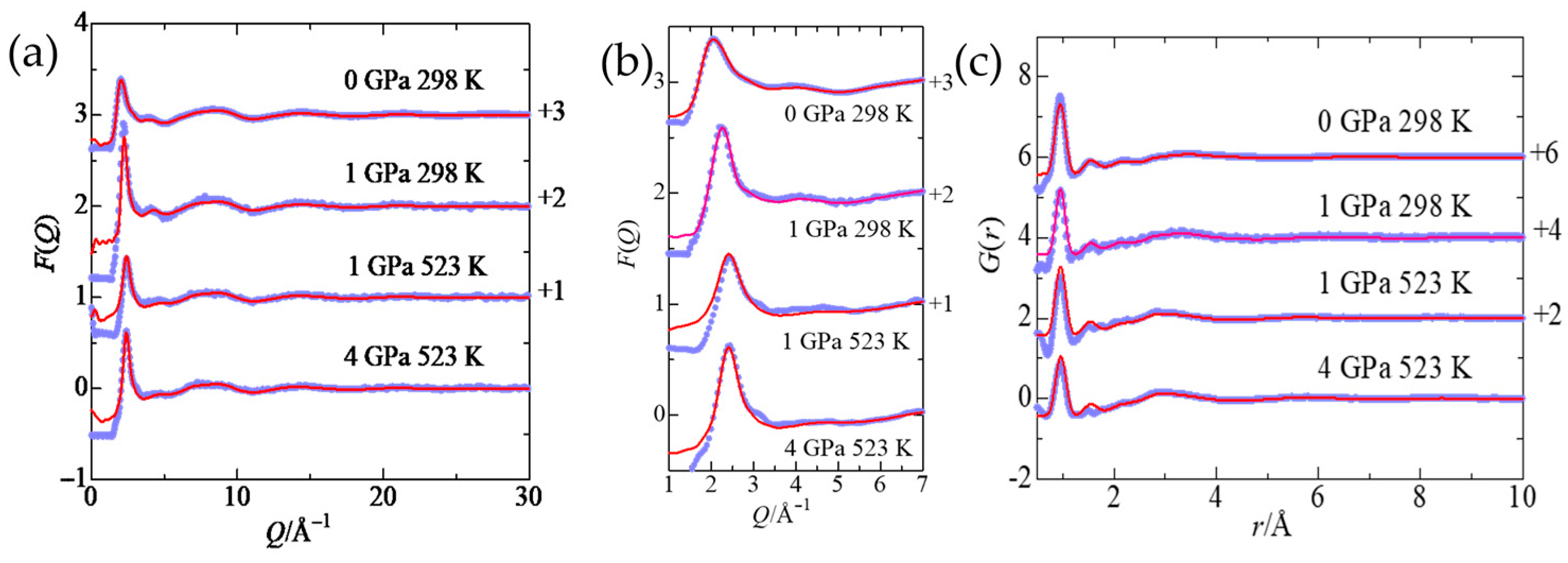
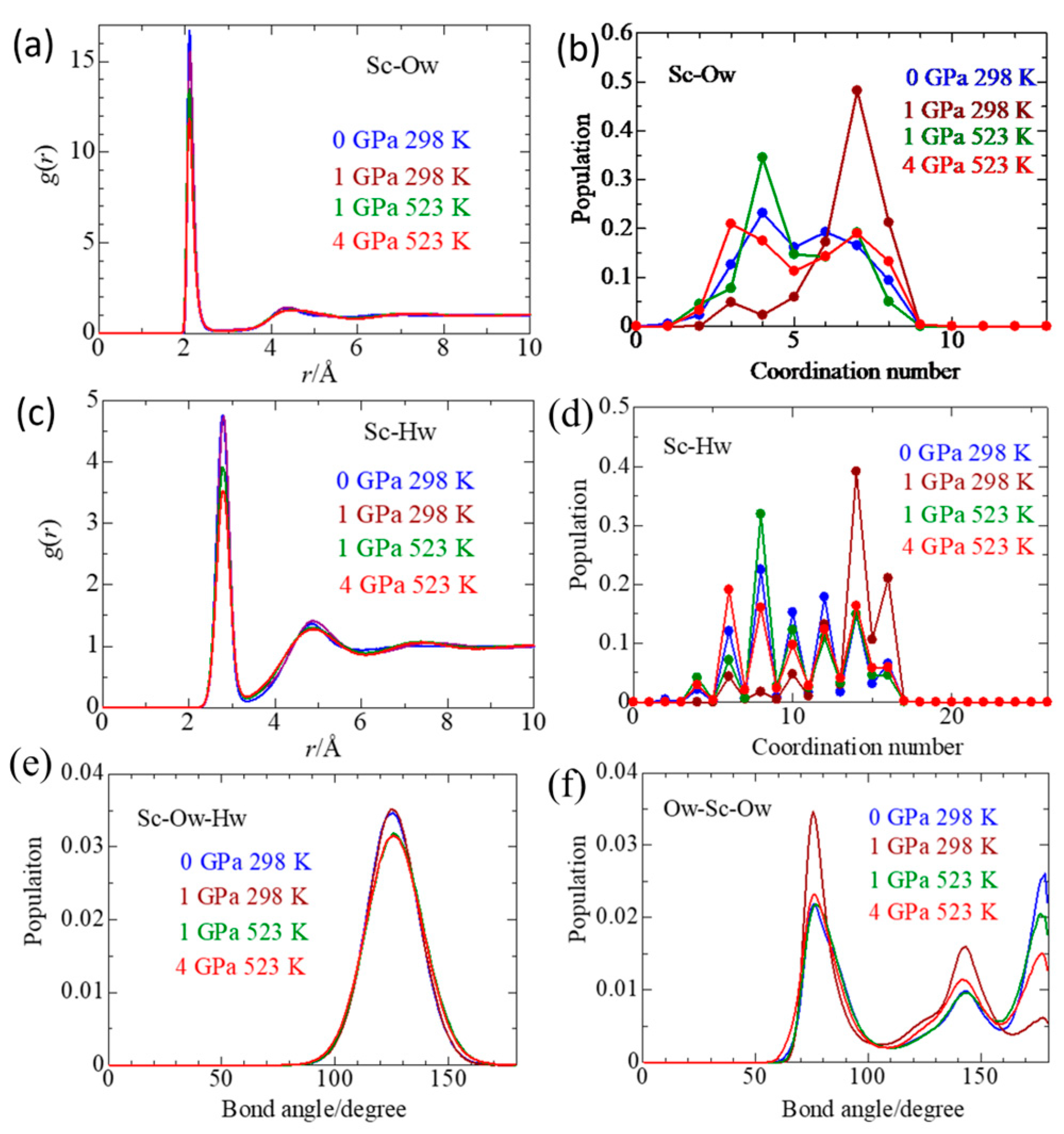
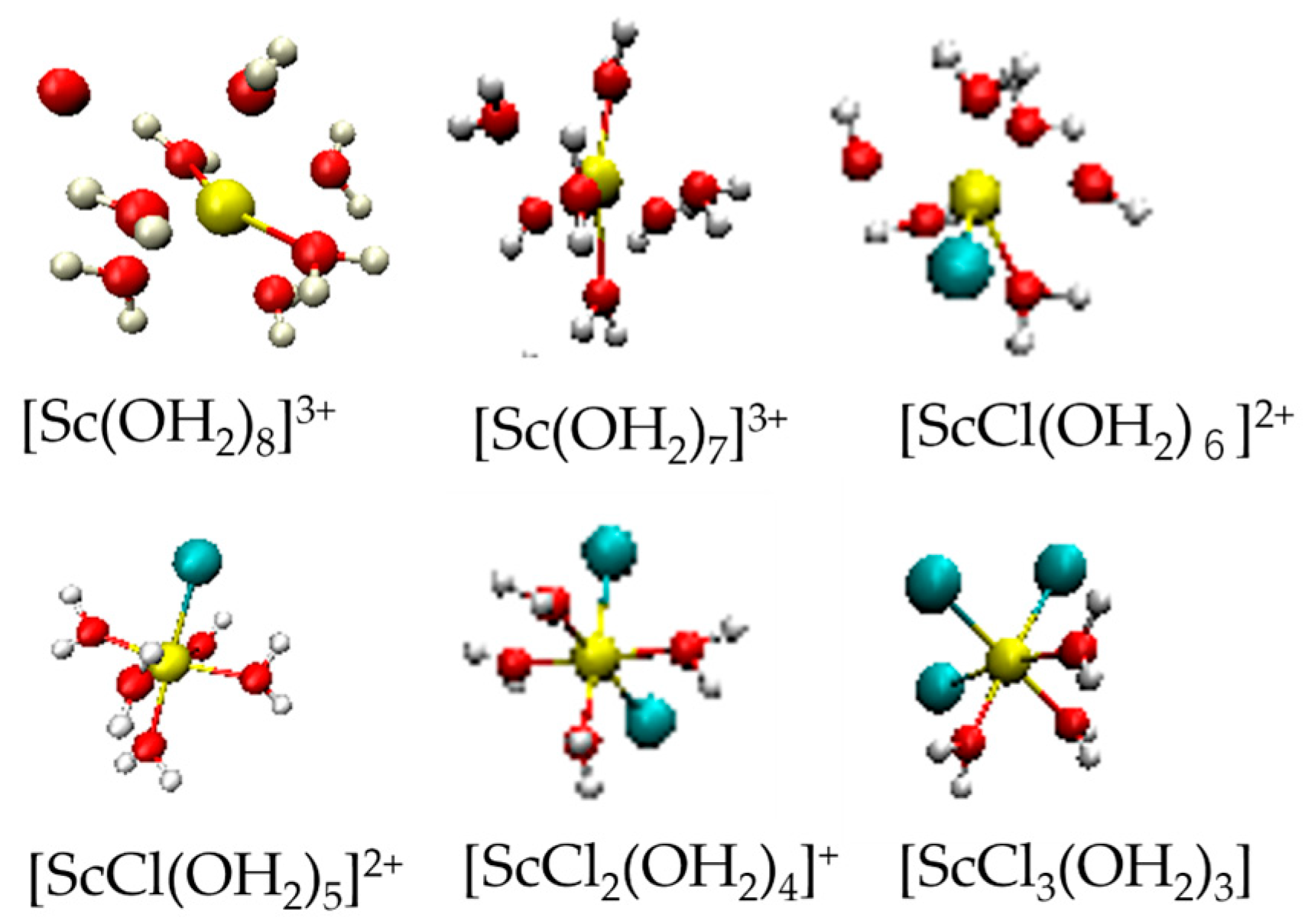
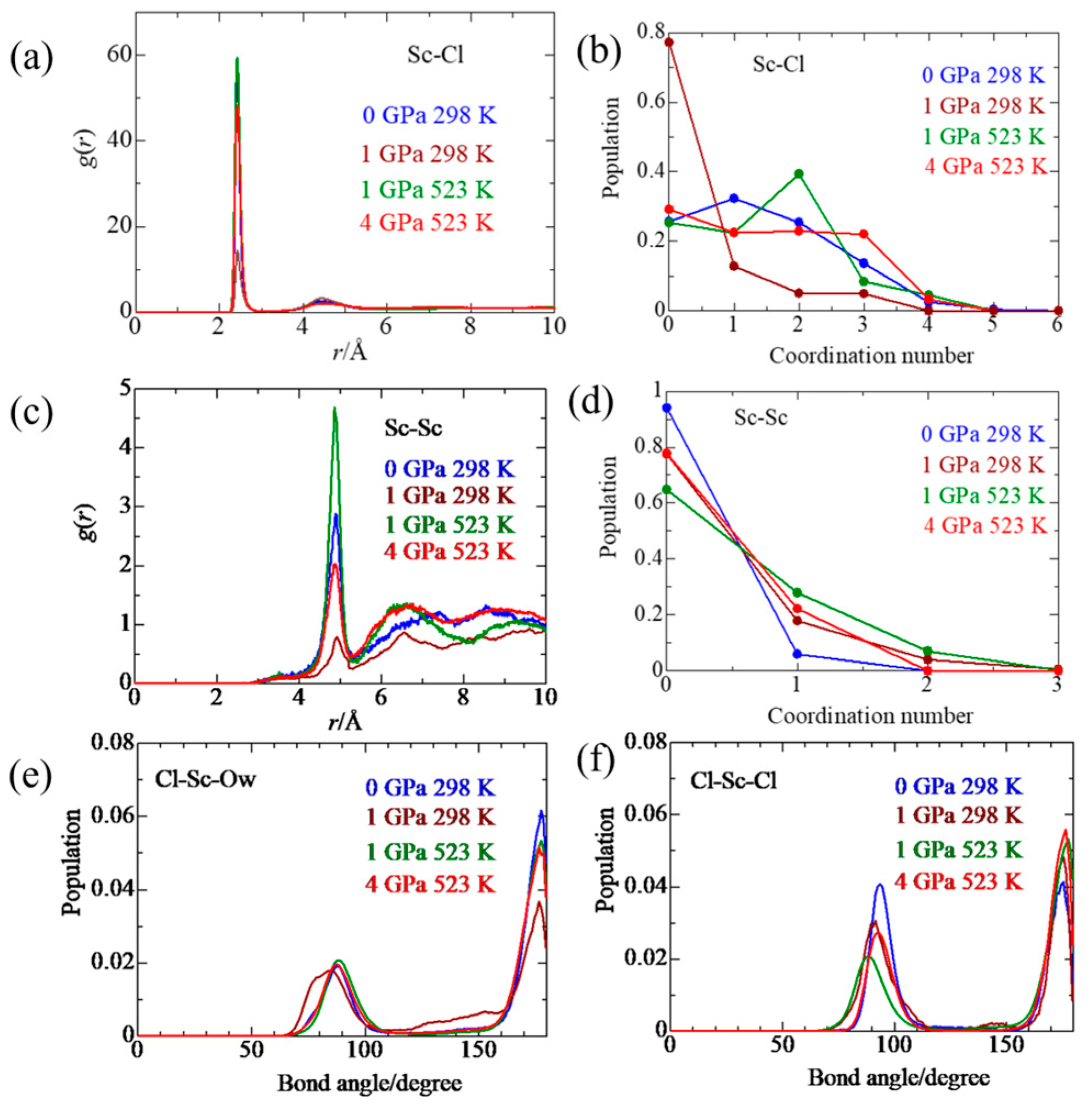
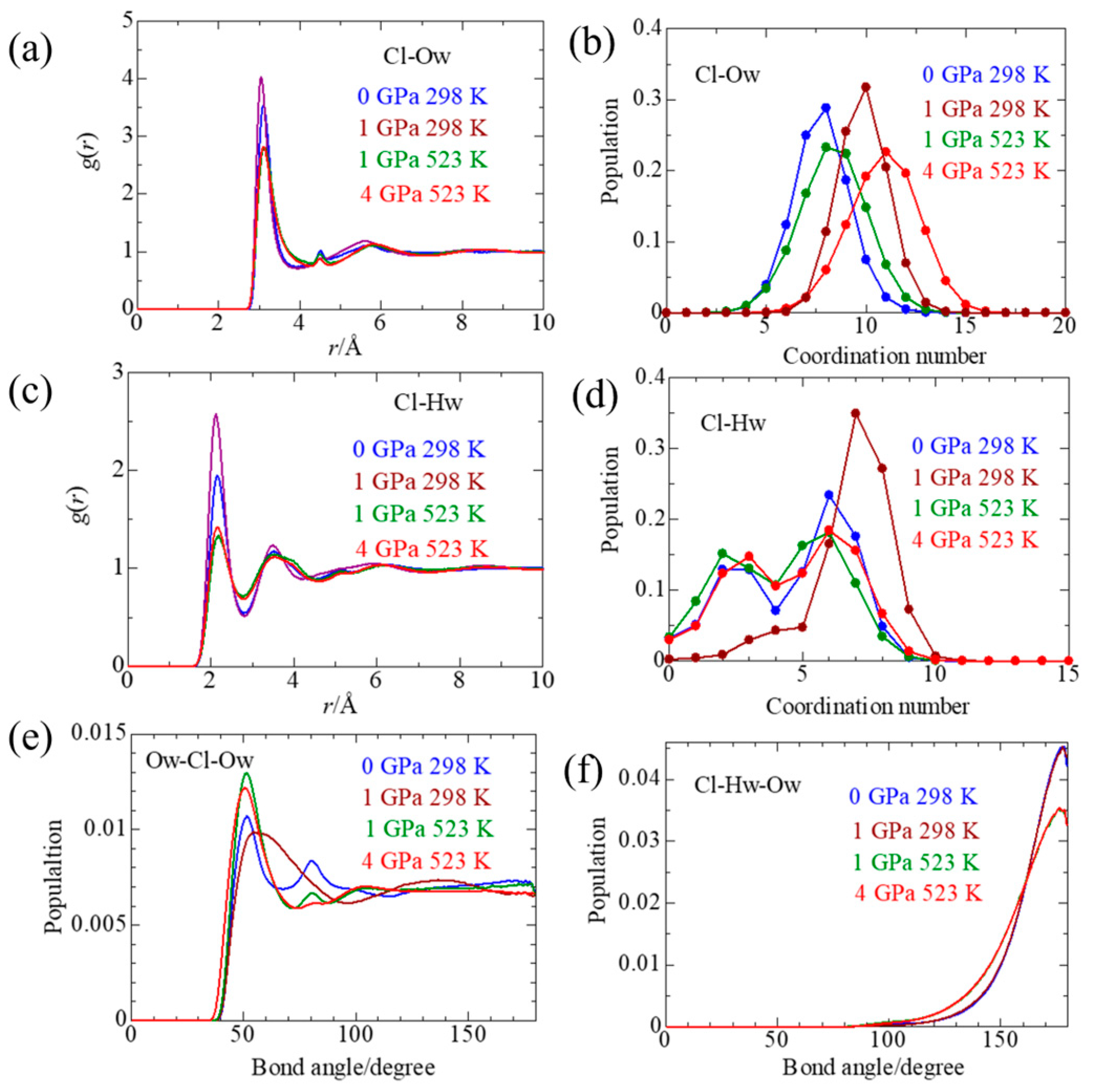
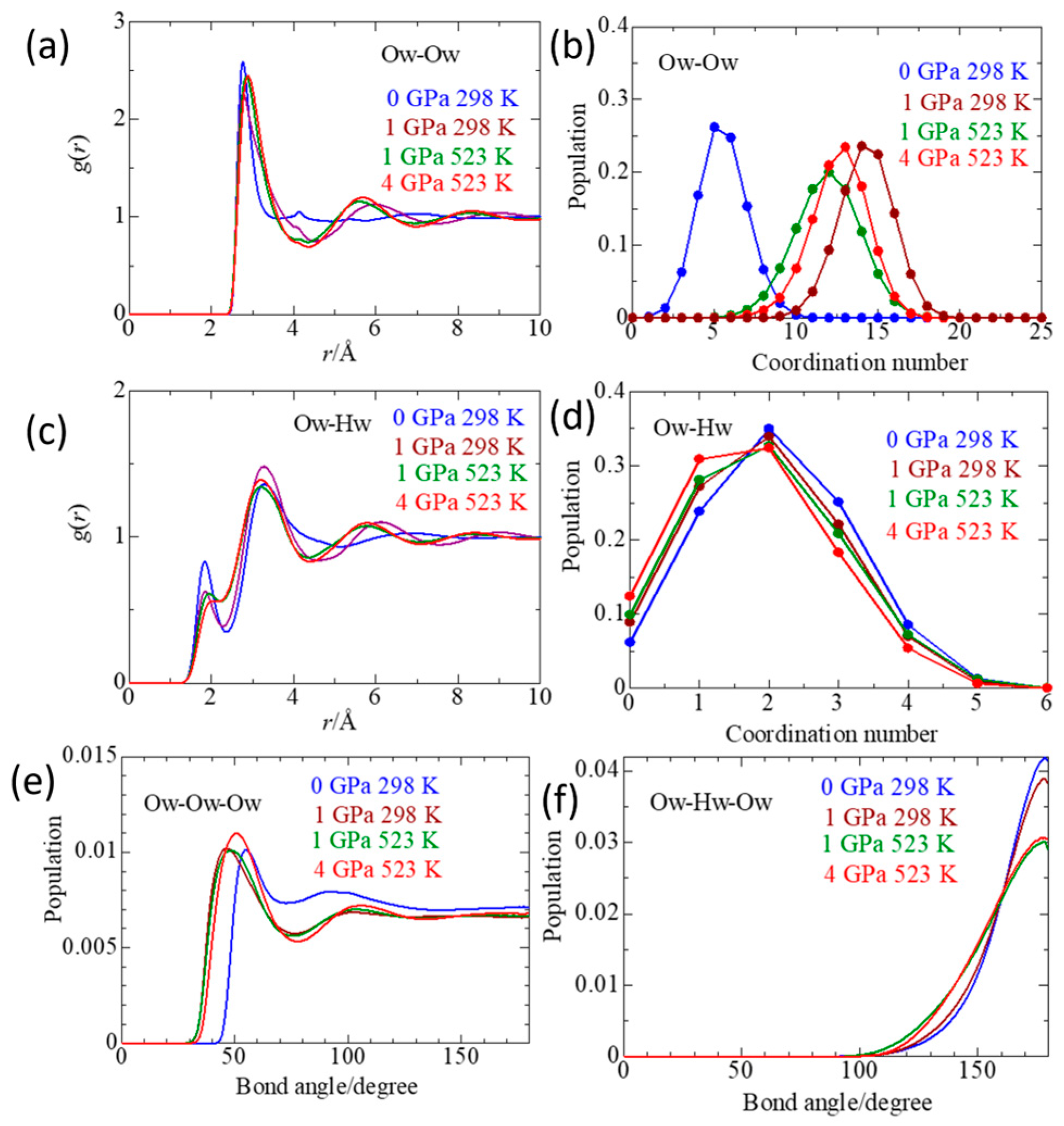
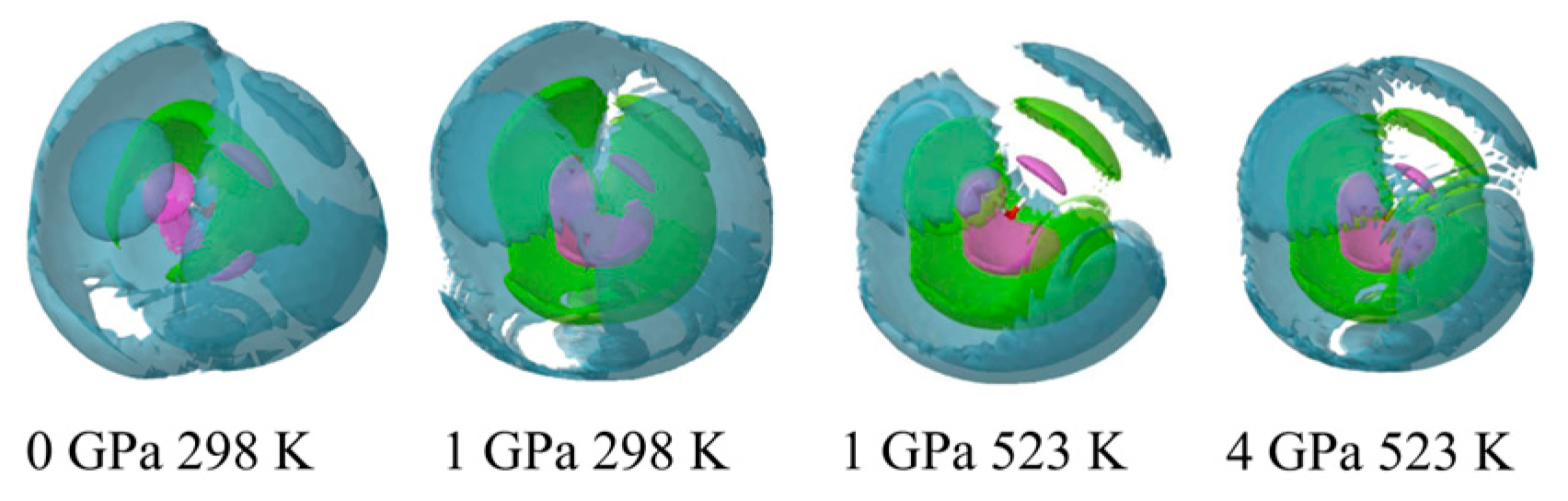
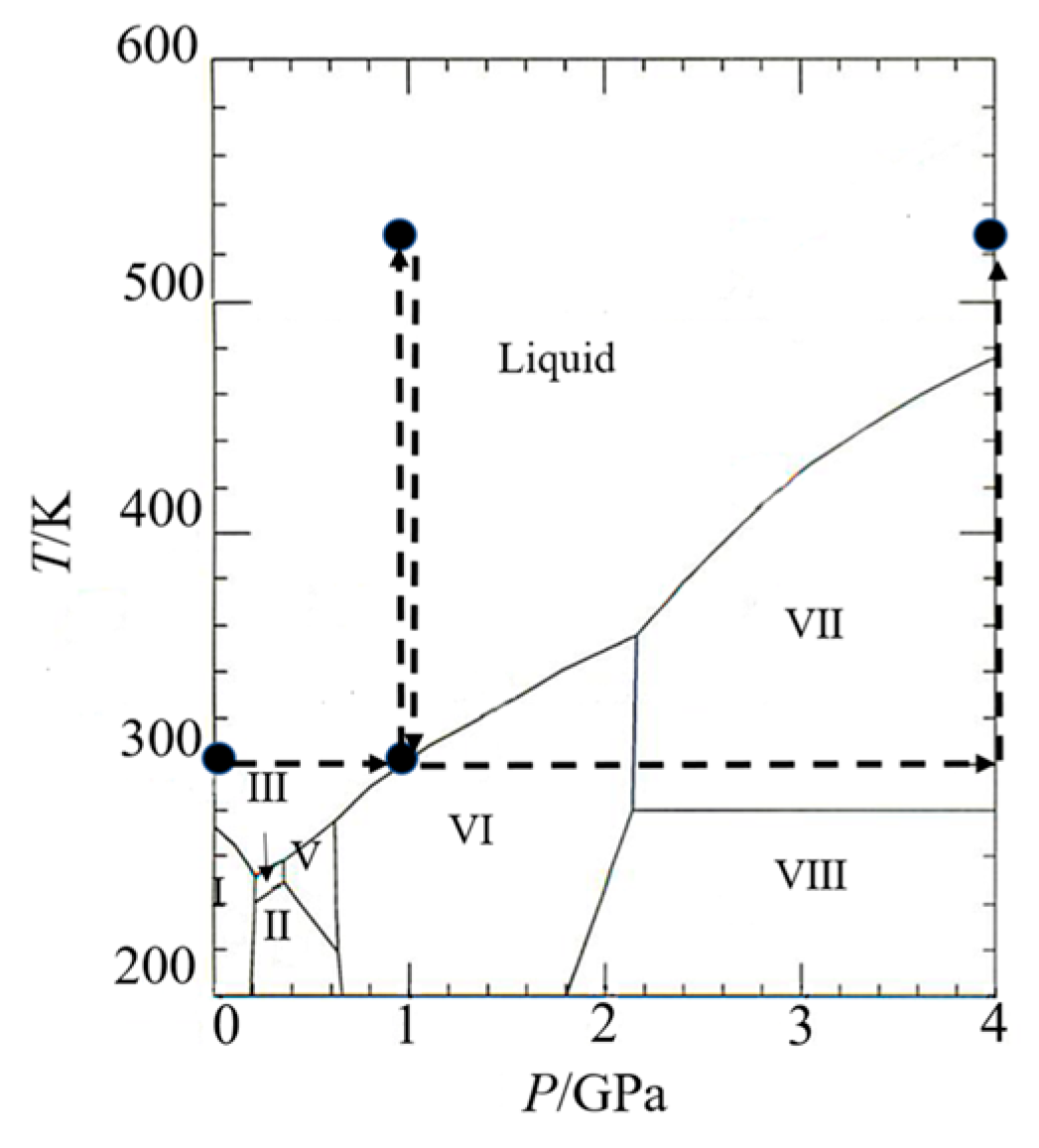
Scandium(III) (Sc(III)) is the smallest among the trivalent ions in Group 3, which includes yttrium(III) and lanthanides (III) with a hydration number of 8 and 8–9, respectively. The hydration number of Sc(III) in aqueous solutions reported so far varies from six to ten and remains an open question. In general, applying pressure and temperature to aqueous solutions perturbs the water structure and ion solvation, providing insight into the nature of ion solvation. In the present study, we perform neutron scattering measurements of a 1 m (mol/kg) ScCl3 aqueous solution in D2O (hereafter H is used to symbolize the hydrogen atom instead of D) under the thermodynamic conditions from 0.1 MPa/298 K to 4 GPa/523 K. Using the empirical potential structure refinement (EPSR) method, the neutron scattering data are analyzed to extract the site–site pair distribution functions, coordination number distributions, angle distributions, and spatial density functions (3D structure). A predominant Sc(III) species is [Sc(OH2)7]3+ with a distorted pentagonal bipyramidal geometry together with appreciable amounts of contact ion pair species [ScCln(OH2)(6−n)](3−n)+ (n = 1–3) and [Sc(OH2)8]3+ with mean Sc–Cl and Sc–OH2 distances of 2.42 and 2.11 Å, respectively. An aqua chloride ion is surrounded on average by 7.8 and 10.9 water molecules with a Cl–H2O distance of 3.10 Å at 0.1 MPa/298 K and 4 GPa/523 K, respectively. Applying GPa pressure transforms the tetrahedral network structure of water under ambient conditions to a dense, randomly packed structure with a mean coordination number of 12.6, resulting in an increase in the first-neighbor distance from 2.77 to 2.89 Å. The hydrogen bonds between water molecules remain linear but are largely distorted at high temperatures and high pressures. The present results provide a hint for understanding the underlying mechanism of high-pressure and temperature coordination chemistry and in applied fields, such as processes in geochemistry of the Earth’s upper mantle and pressure-induced protein denaturation.
Keywords: scandium; ion solvation; ion association; water; structure; neutron scattering scandium; ion solvation; ion association; water; structure; neutron scattering
Graphical Abstract