Article

Rapid RAFT Polymerization of Acrylamide with High Conversion

1
CNOOC Key Laboratory of Offshore Drilling Fluids and Cementing, China Oilfield Services Limited, Sanhe 065201, China
2
Polymer Research Institute, State Key Laboratory of Polymer Materials Engineering, Sichuan University, Chengdu 610065, China
*
Authors to whom correspondence should be addressed.
Molecules 2023, 28(6), 2588; https://doi.org/10.3390/molecules28062588

Submission received: 14 February 2023 / Revised: 9 March 2023 / Accepted: 10 March 2023 / Published: 13 March 2023
(This article belongs to the Special Issue Advances in Water-Soluble Polymers)

Abstract

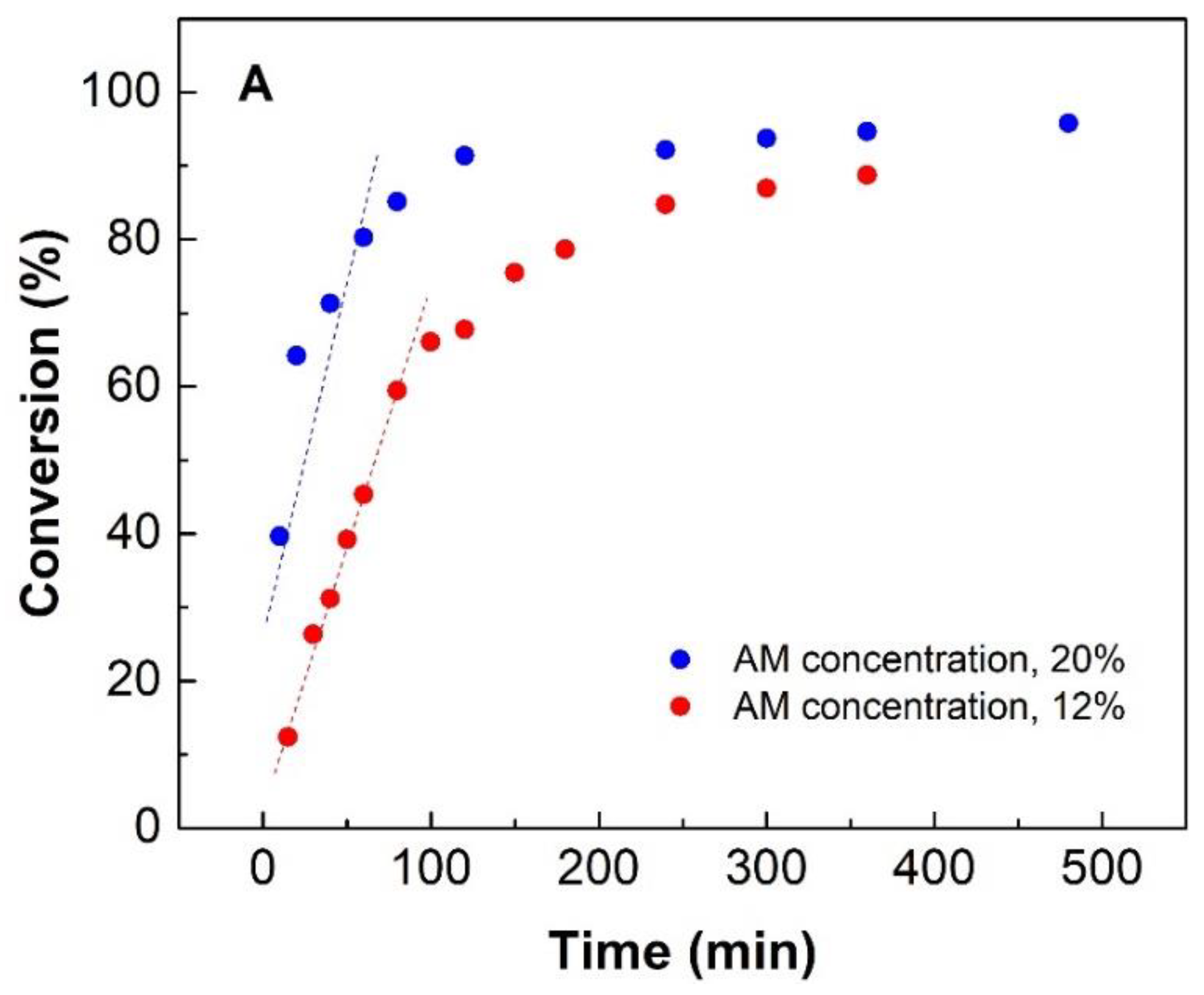
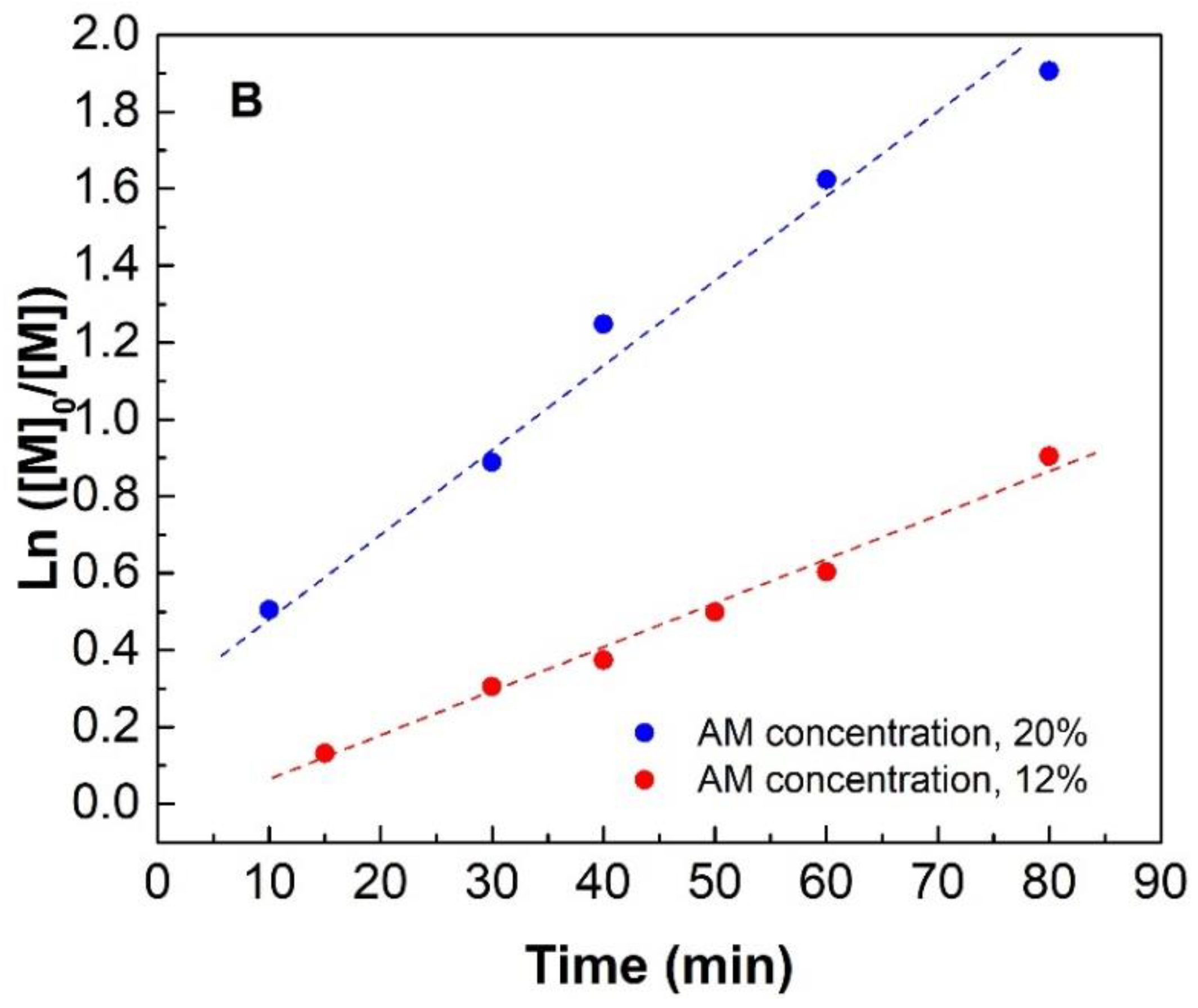
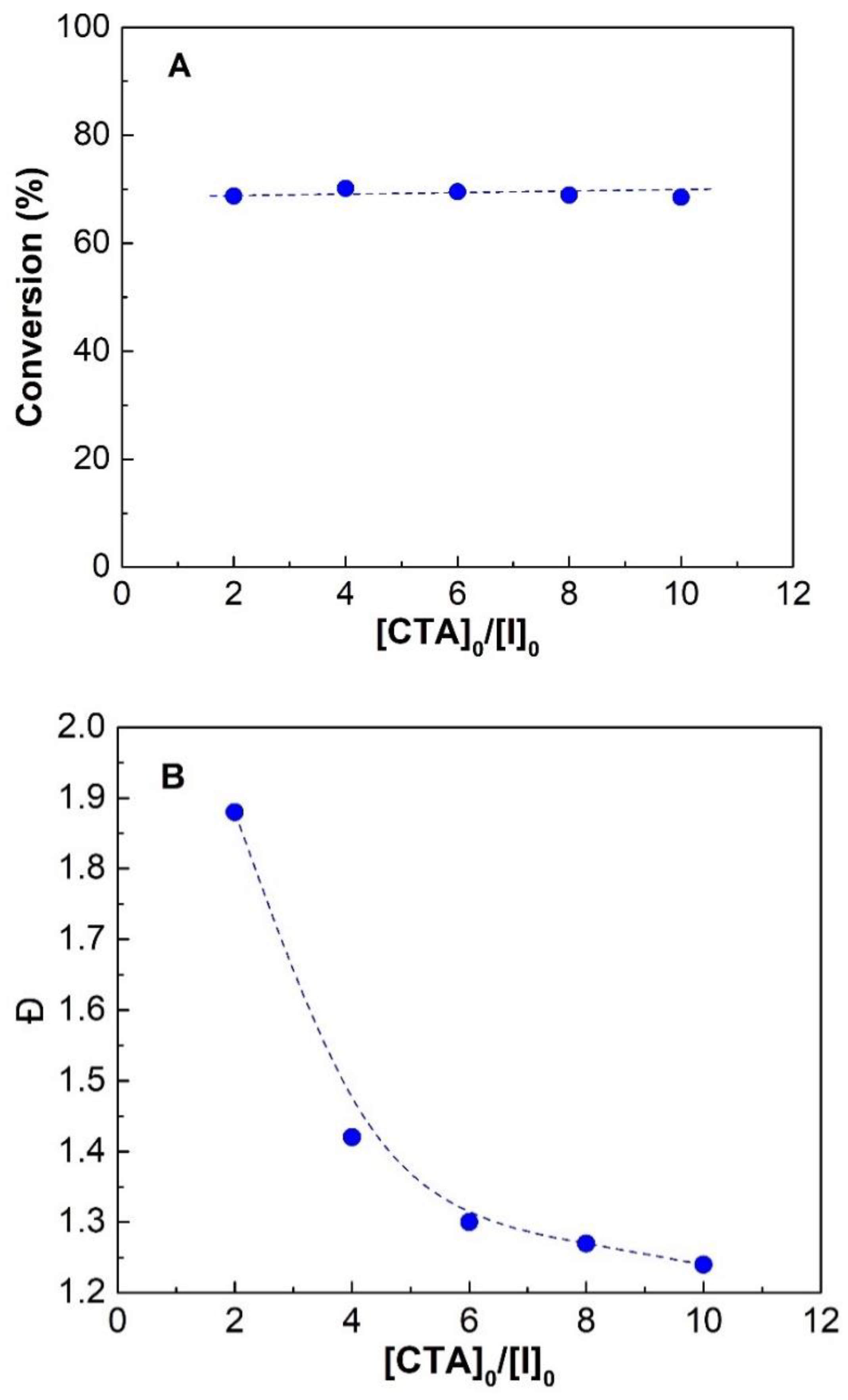
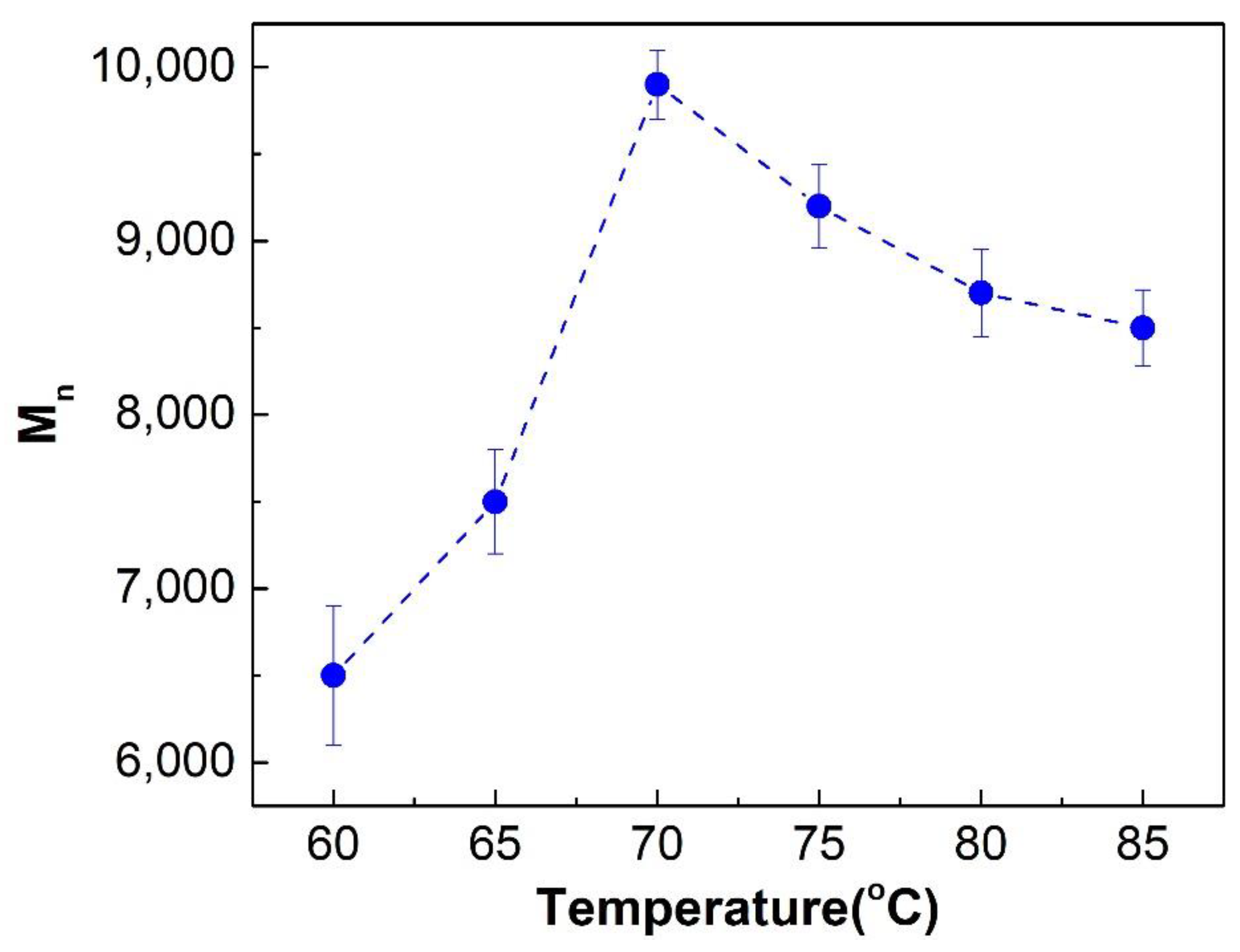
Rapid RAFT polymerization can significantly improve production efficiency of PAM with designed molecular structure. This study shows that ideal Reversible Addition–Fragmentation Chain Transfer (RAFT) polymerization of acrylamide is achieved in dimethyl sulfoxide (DMSO) solution at 70 °C. The key to success is the appropriate choice of both a suitable RAFT chain transfer agent (CTA) and initiating species. It is illustrated that dodecyl trithiodimethyl propionic acid (DMPA) is a suitable trithiocarbonate RAFT CTA and is synthesized more easily than other CTAs. Compared to other RAFT processes of polymers, the reaction system shortens reaction time, enhances conversion, and bears all the characteristics of a controlled radical polymerization. The calculation result shows that high concentrations can reduce high conversions, accelerate the reaction rate, and widen molecular weight distributions slightly. This work proposes an excellent approach for rapid synthesis of PAMs with a restricted molecular weight distribution.
Keywords: RAFT; acrylamide; water-soluble polymer; controllable living radical polymerization RAFT; acrylamide; water-soluble polymer; controllable living radical polymerization