Article

Identification of Therapeutic Targets for Medulloblastoma by Tissue-Specific Genome-Scale Metabolic Model


Chemical Engineering Department, Bogazici University, Bebek, Istanbul 34342, Turkey
*
Author to whom correspondence should be addressed.
Molecules 2023, 28(2), 779; https://doi.org/10.3390/molecules28020779

Submission received: 27 November 2022 / Revised: 2 January 2023 / Accepted: 4 January 2023 / Published: 12 January 2023
(This article belongs to the Special Issue Novel Anti-cancer Lead Compounds)

Abstract

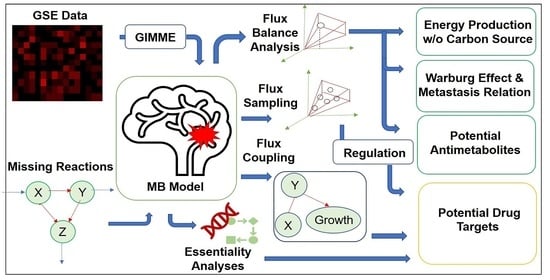
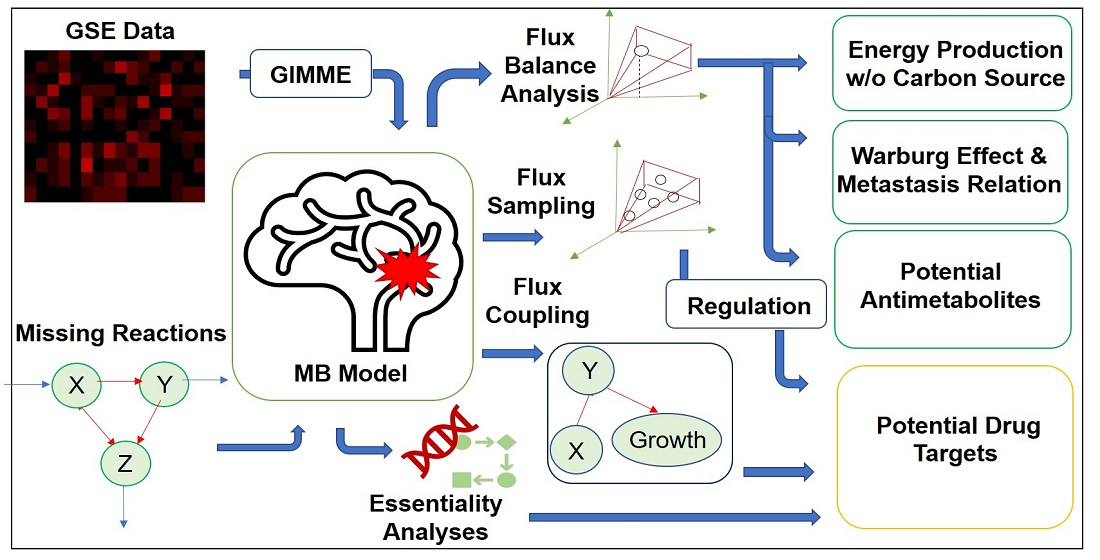
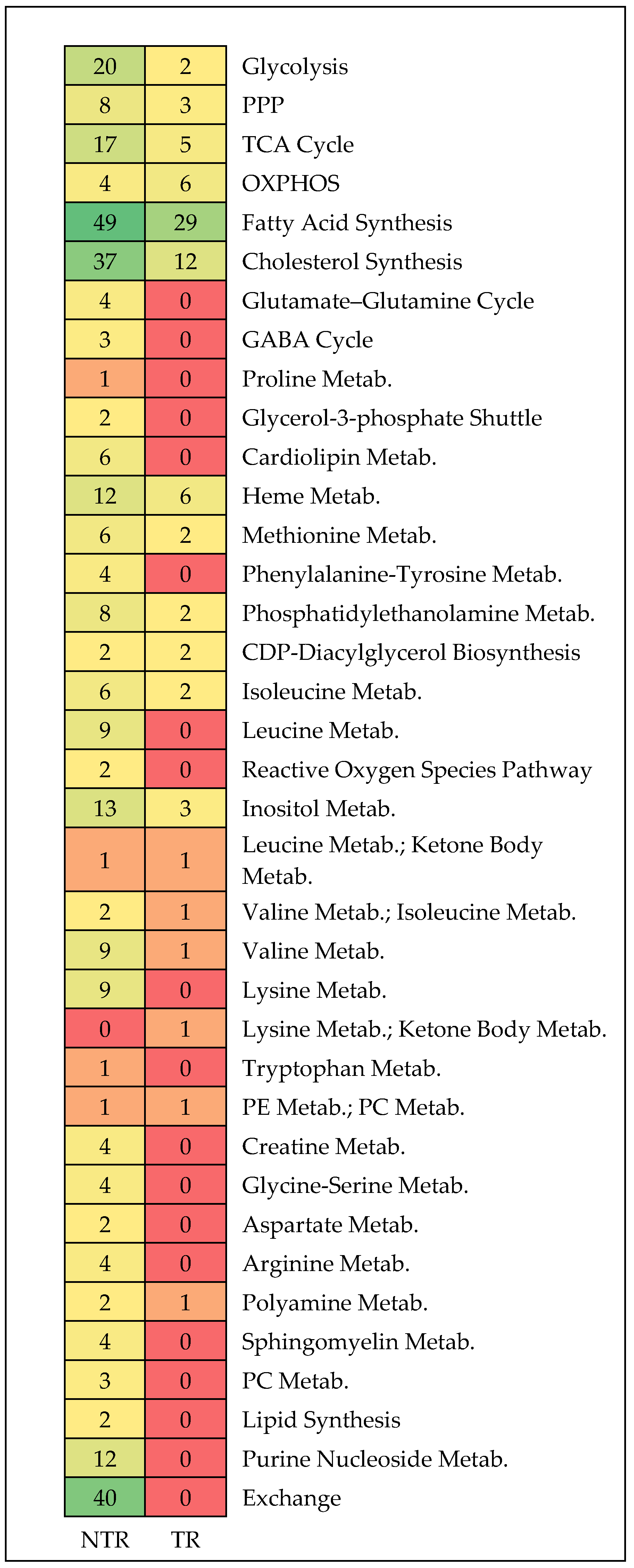
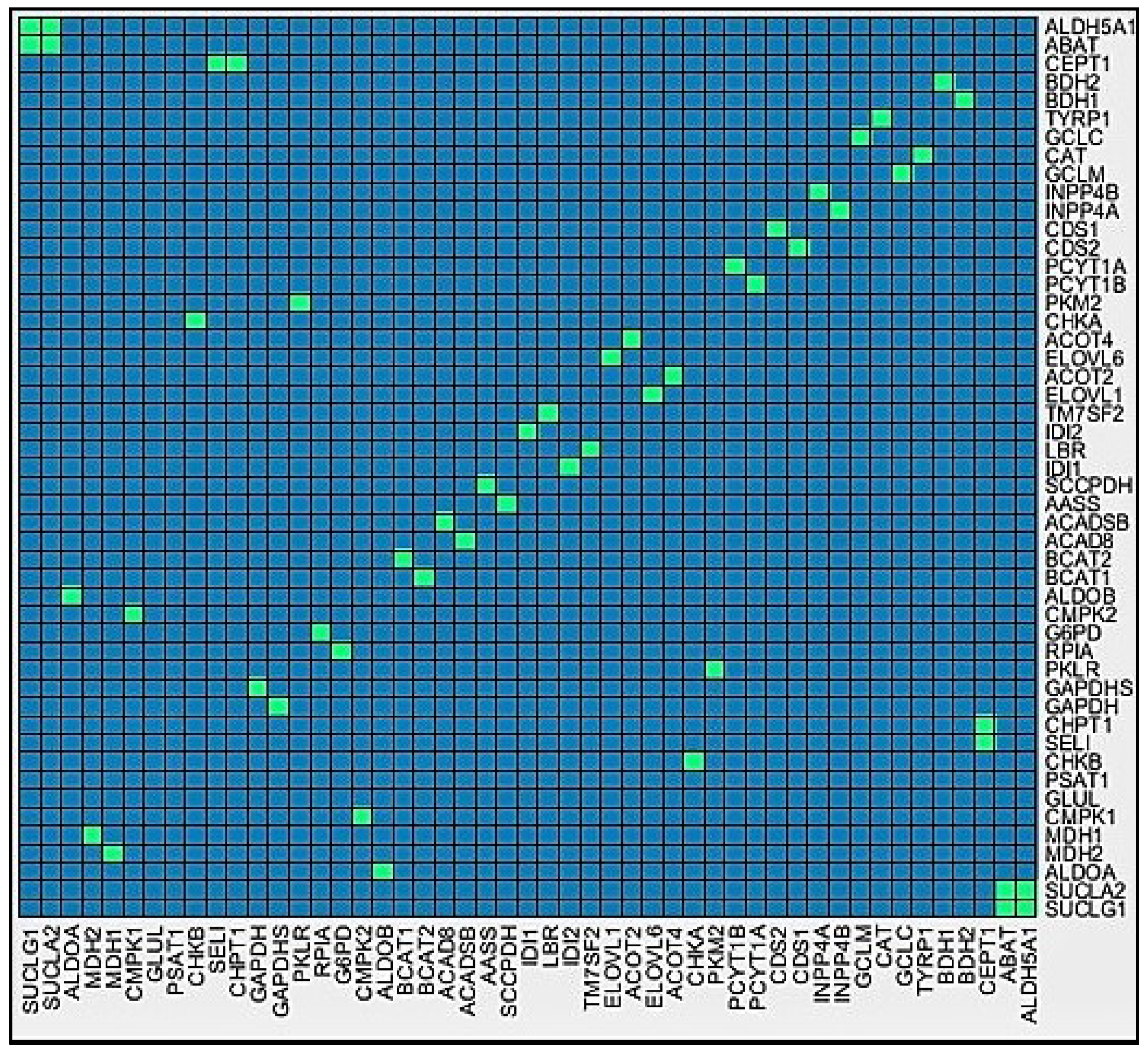
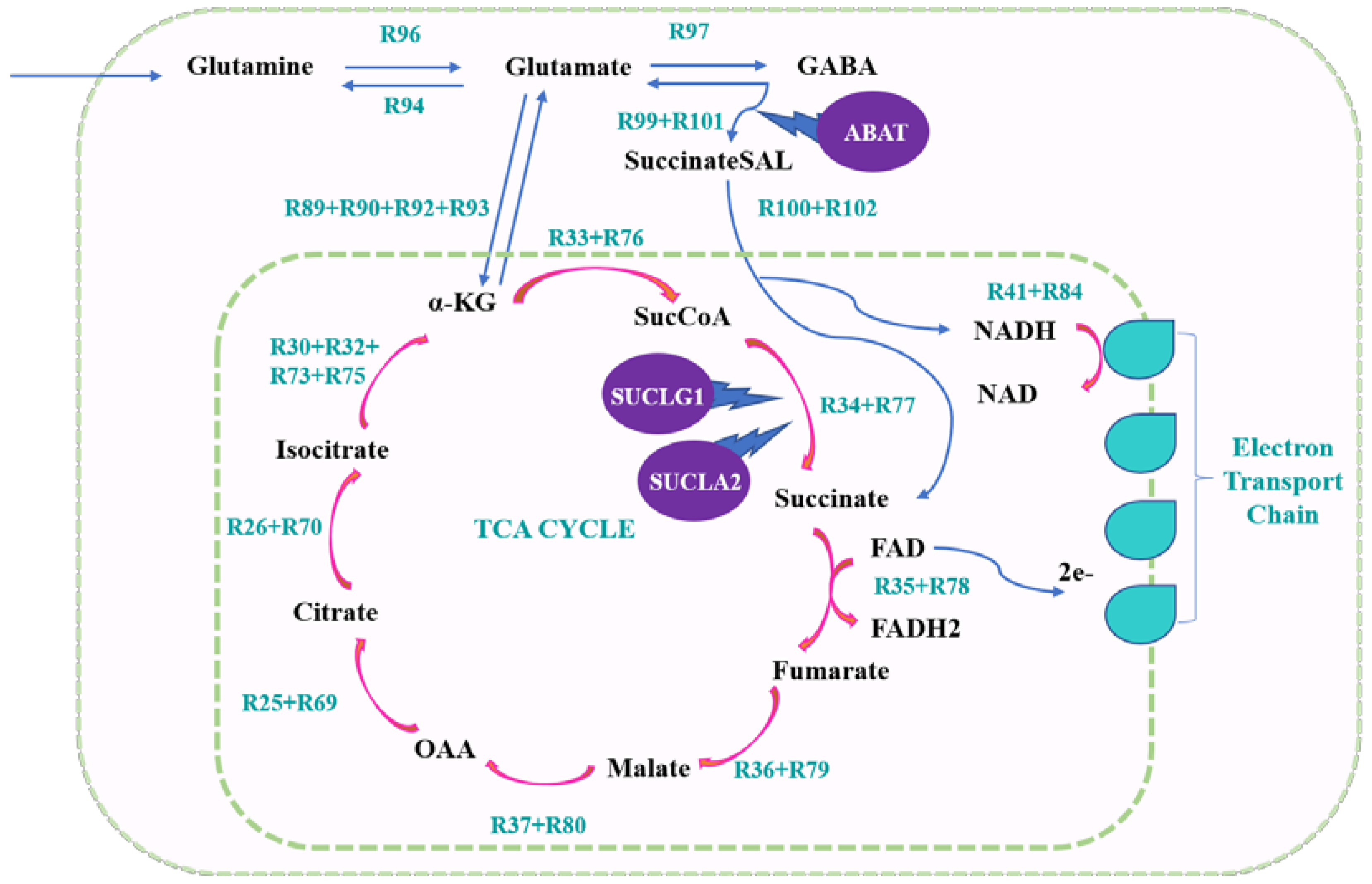
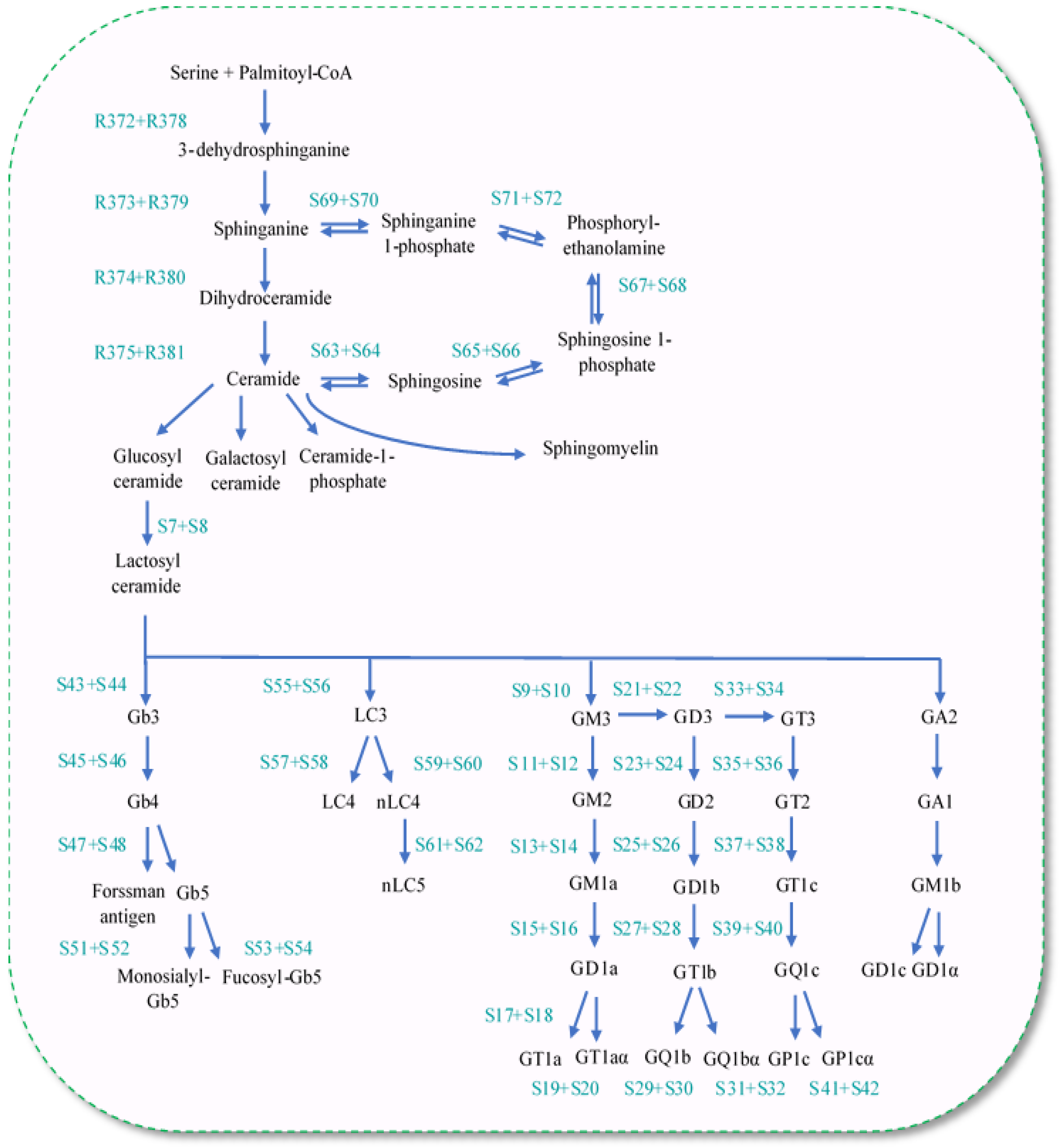
Medulloblastoma (MB), occurring in the cerebellum, is the most common childhood brain tumor. Because conventional methods decline life quality and endanger children with detrimental side effects, computer models are needed to imitate the characteristics of cancer cells and uncover effective therapeutic targets with minimum toxic effects on healthy cells. In this study, metabolic changes specific to MB were captured by the genome-scale metabolic brain model integrated with transcriptome data. To determine the roles of sphingolipid metabolism in proliferation and metastasis in the cancer cell, 79 reactions were incorporated into the MB model. The pathways employed by MB without a carbon source and the link between metastasis and the Warburg effect were examined in detail. To reveal therapeutic targets for MB, biomass-coupled reactions, the essential genes/gene products, and the antimetabolites, which might deplete the use of metabolites in cells by triggering competitive inhibition, were determined. As a result, interfering with the enzymes associated with fatty acid synthesis (FAs) and the mevalonate pathway in cholesterol synthesis, suppressing cardiolipin production, and tumor-supporting sphingolipid metabolites might be effective therapeutic approaches for MB. Moreover, decreasing the activity of succinate synthesis and GABA-catalyzing enzymes concurrently might be a promising strategy for metastatic MB.
Keywords: medulloblastoma; systems biology; metabolic brain model; sphingolipid metabolism; drug target medulloblastoma; systems biology; metabolic brain model; sphingolipid metabolism; drug target
Graphical Abstract