Article

Profiling and Isolation of Ten Rare Branched-Chain Alkylresorcinols in Quinoa

Institute of Food Chemistry, University of Hohenheim, D-70599 Stuttgart, Germany
*
Author to whom correspondence should be addressed.
Molecules 2023, 28(13), 5220; https://doi.org/10.3390/molecules28135220

Submission received: 12 May 2023 / Revised: 2 July 2023 / Accepted: 3 July 2023 / Published: 5 July 2023

Abstract

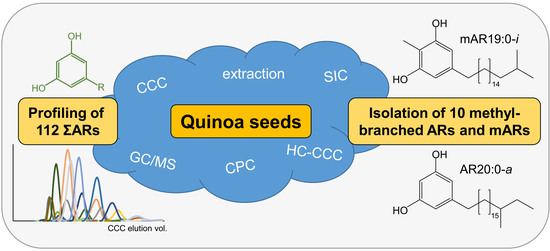
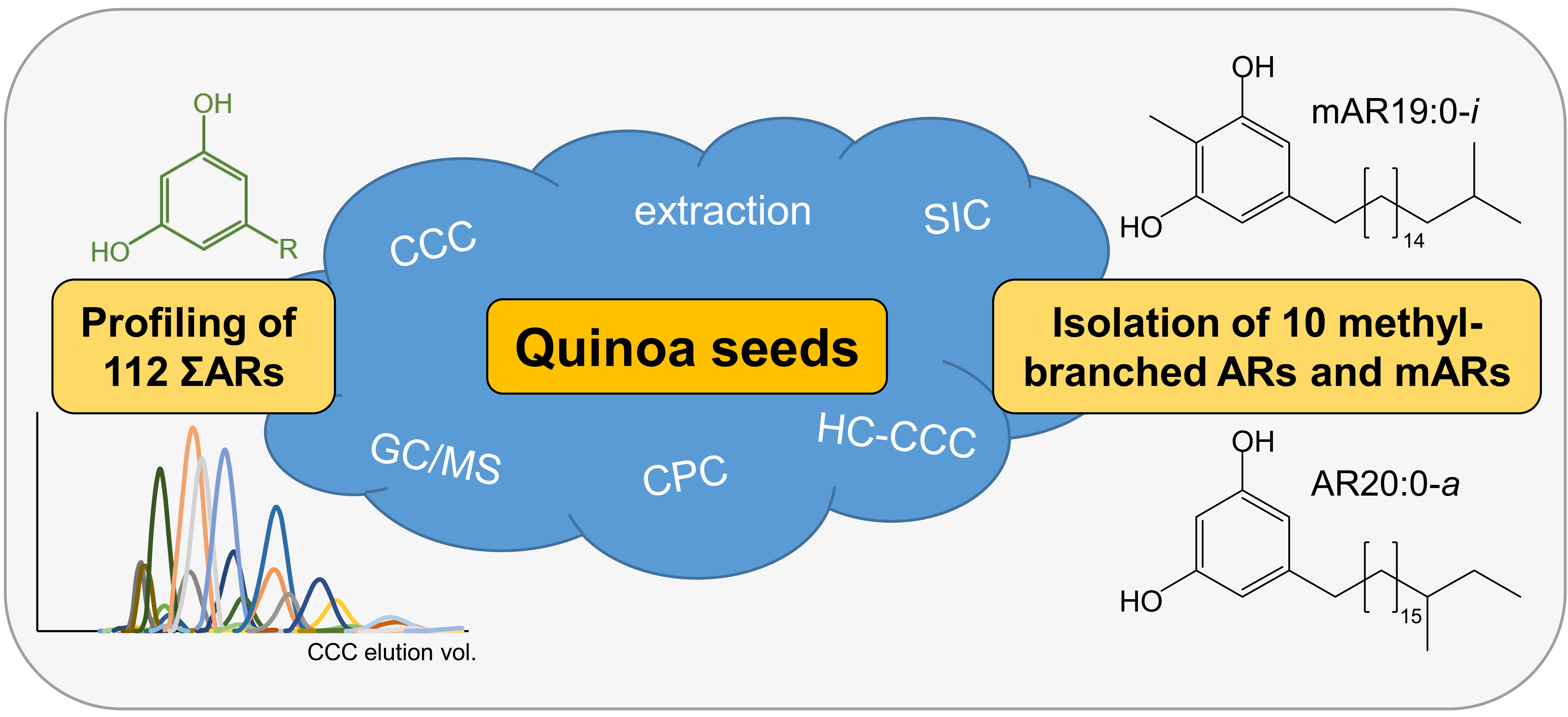
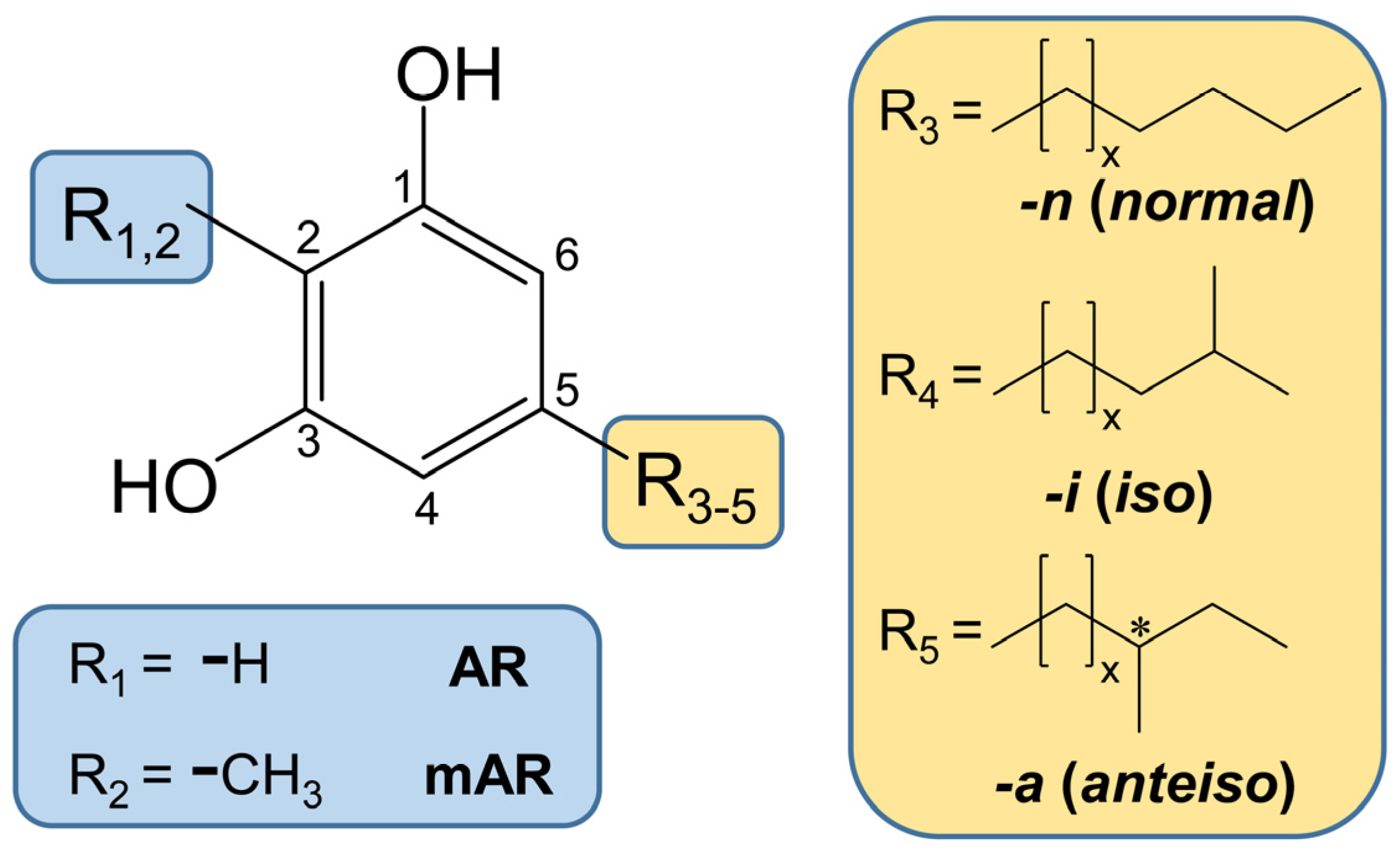
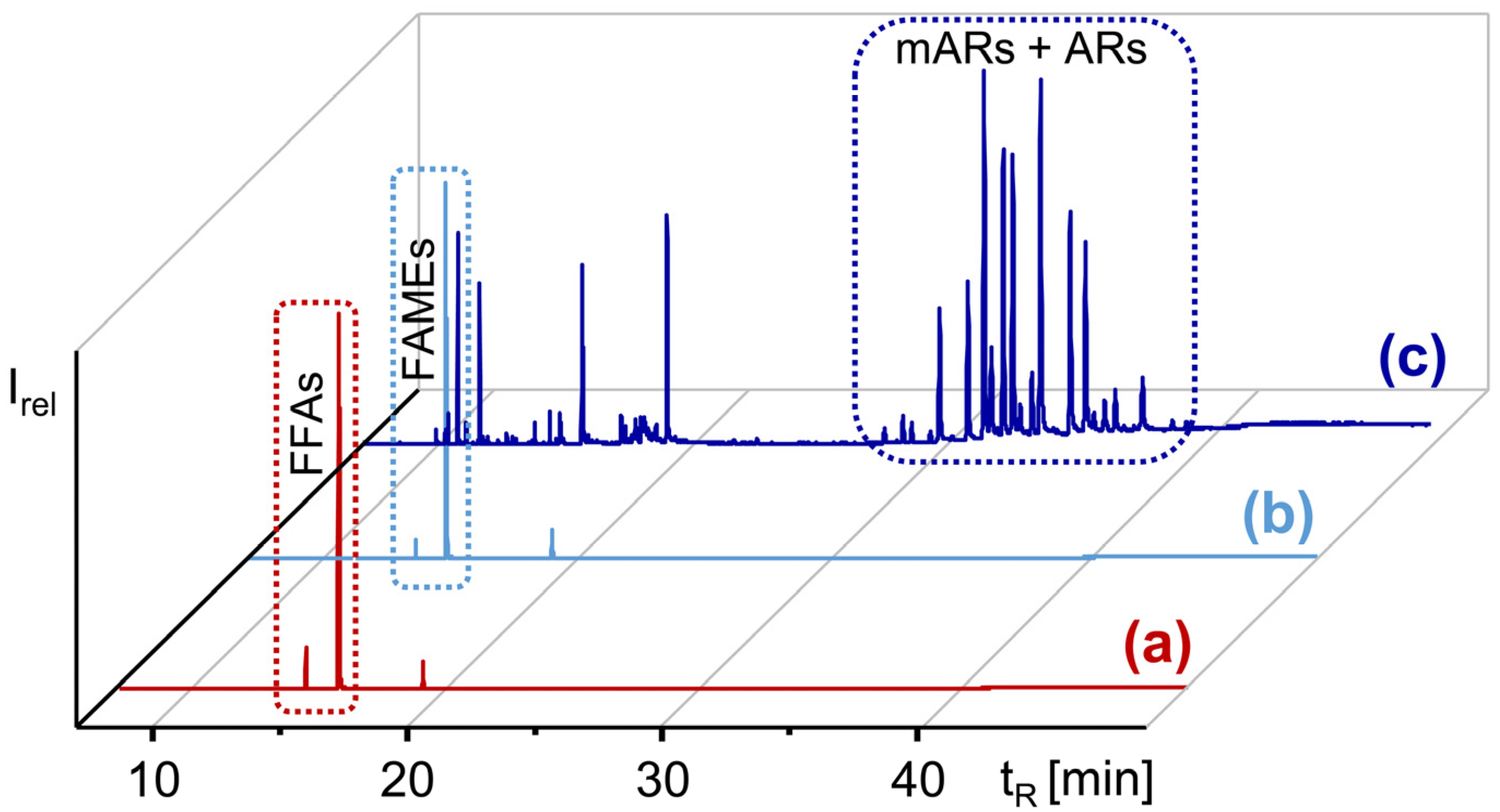
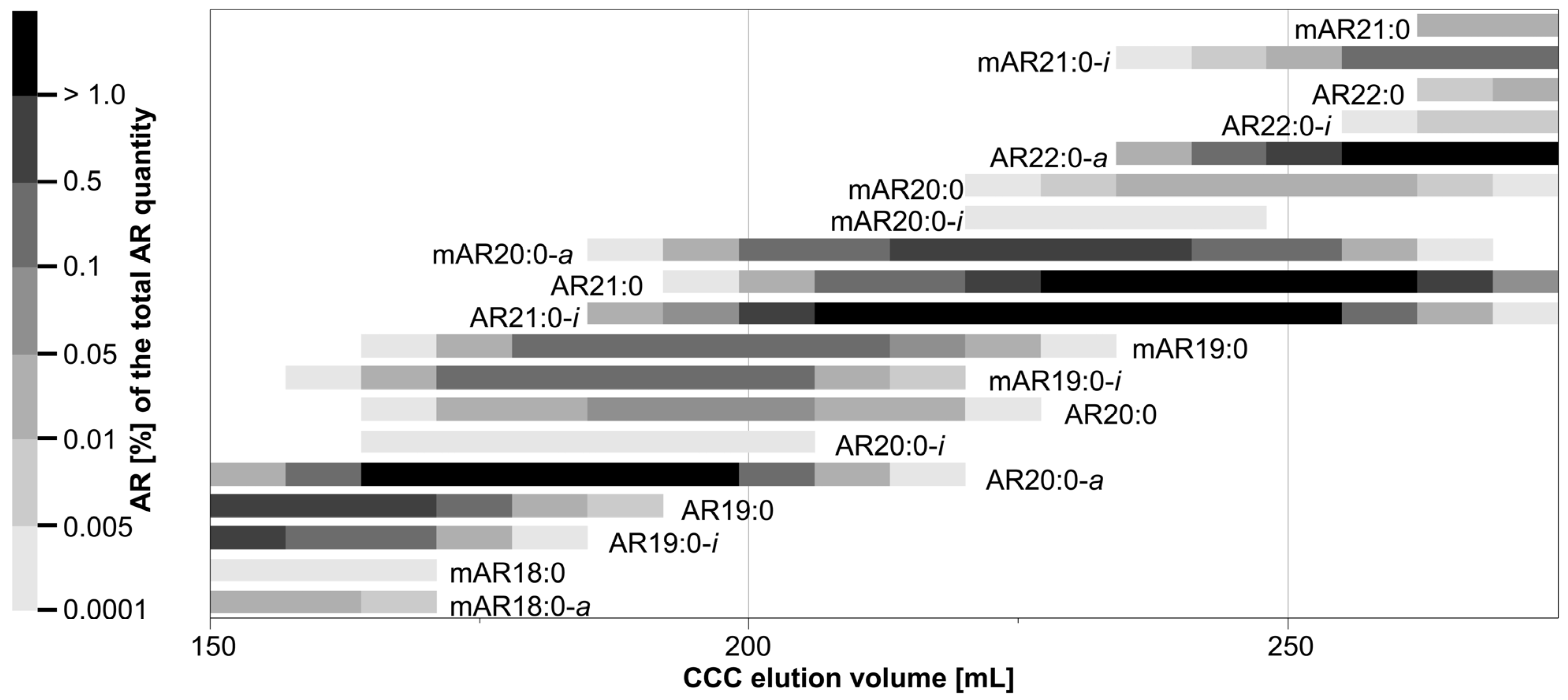
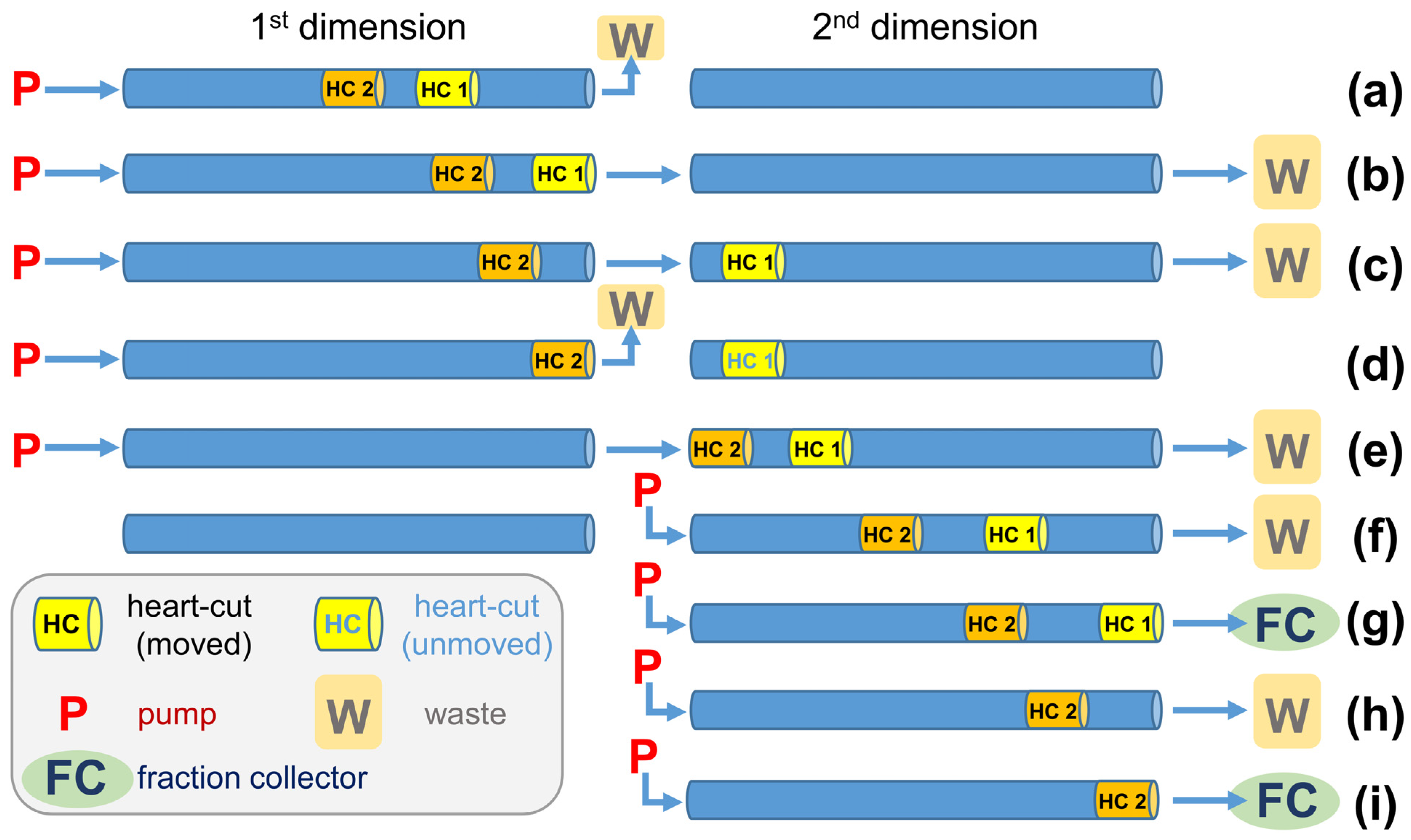
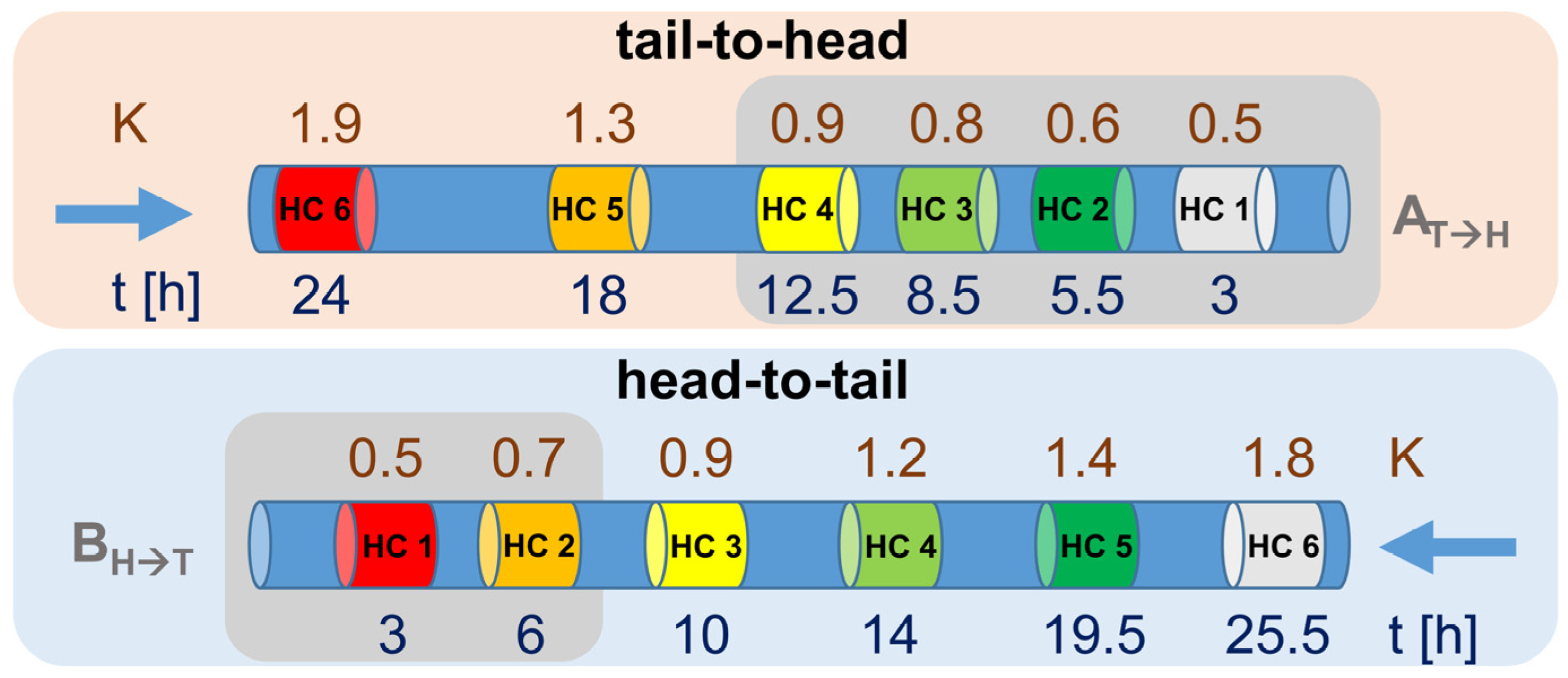
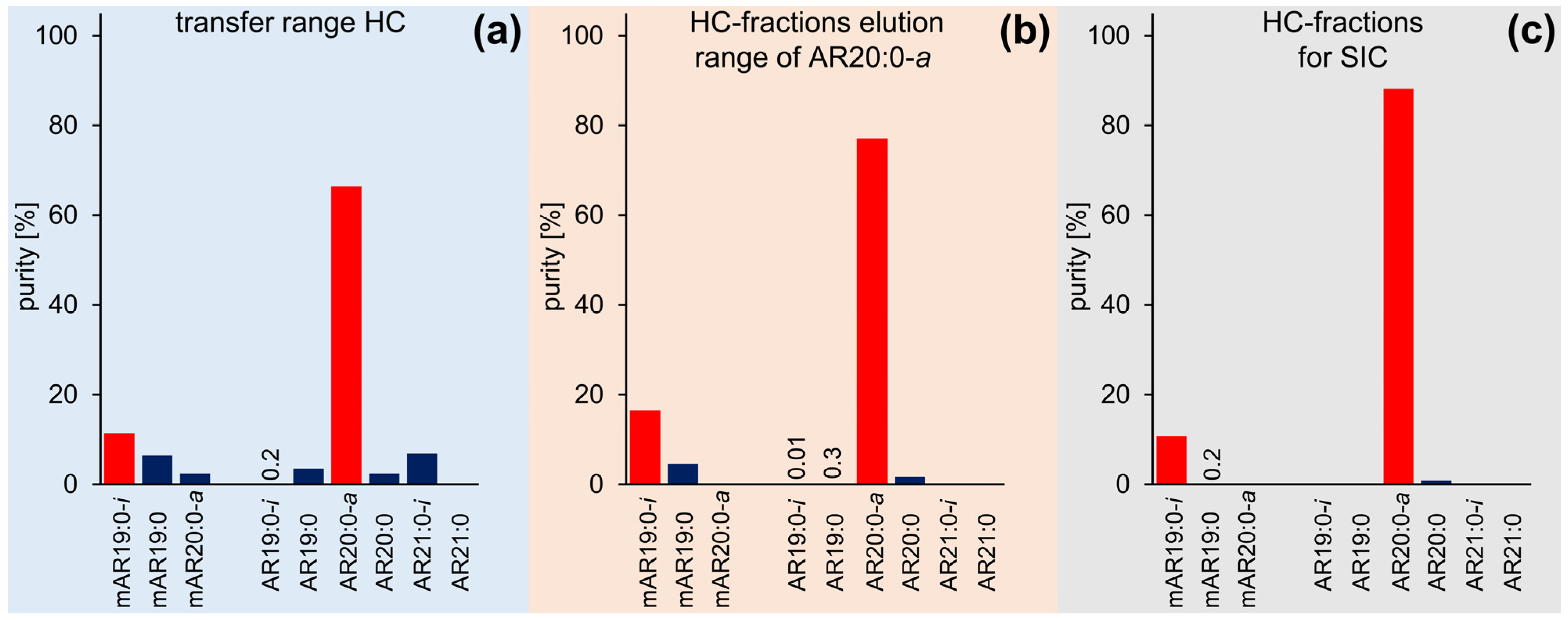
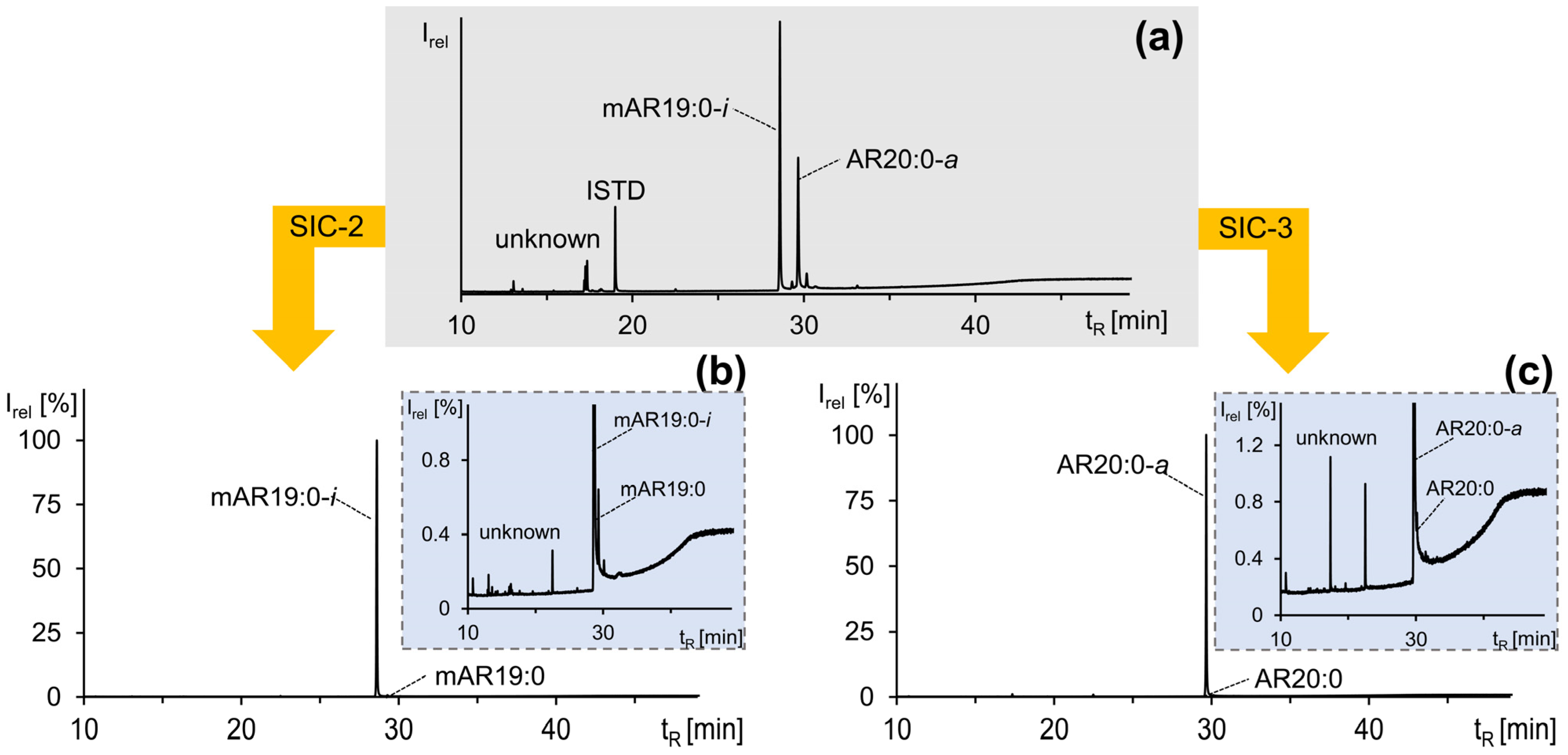
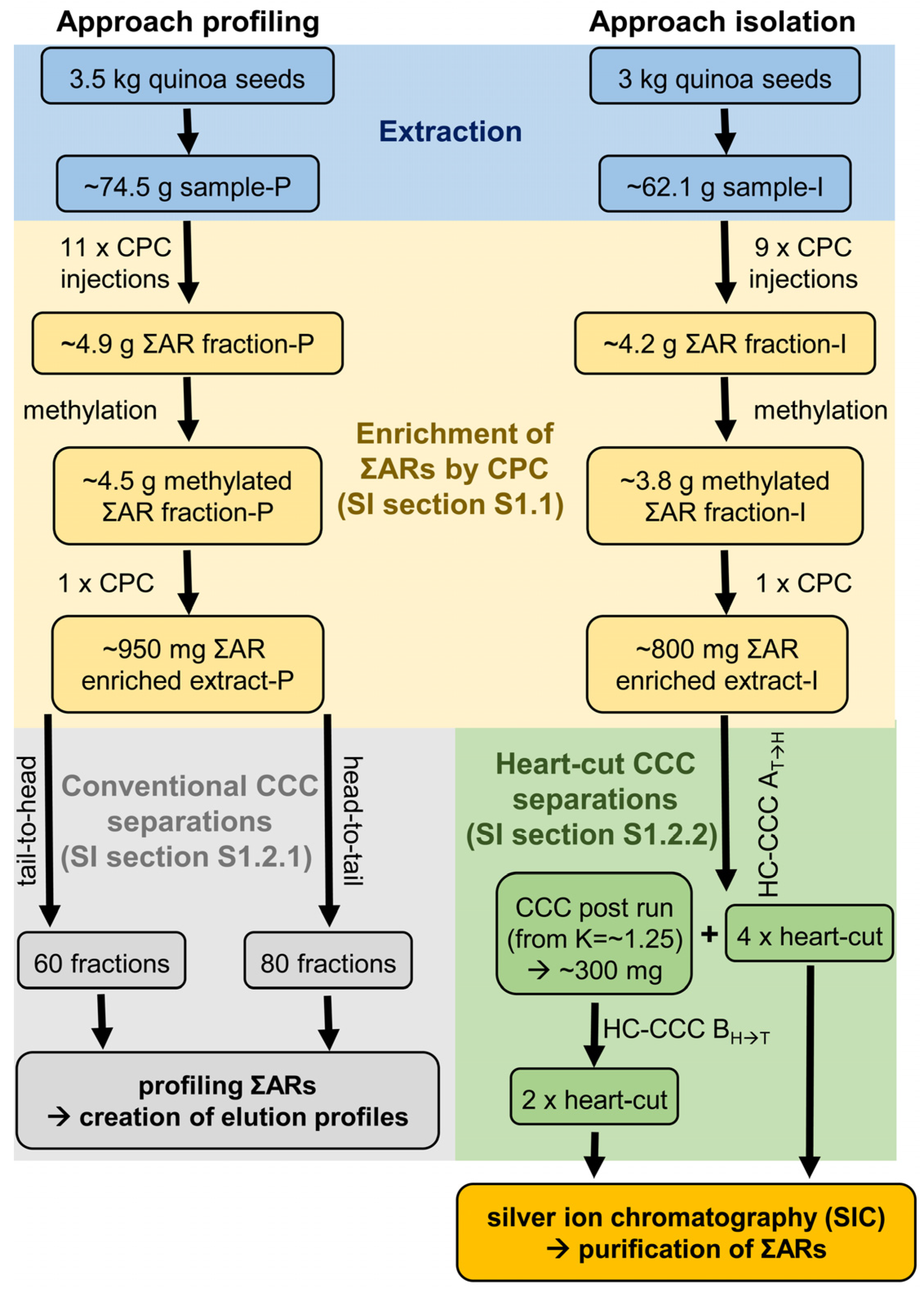
Alkylresorcinols (∑ARs) are bioactive lipid compounds predominantly found in cereals. These amphiphilic compounds exist in a high structural diversity and can be divided into two main groups, i.e., 5-alkylresorcinols (ARs) and 2-methyl-5-alkylresorcinols (mARs). The pseudocereal quinoa has a very unique AR profile, consisting not only of straight-chain alkyl chains but also iso- and anteiso-branched isomers. Here, we describe a method for the isolation of such methyl-branched ARs and mARs from quinoa. The enrichment of the ∑AR fraction from the lipid extracts by centrifugal partition chromatography (CPC) was followed by ∑AR profiling using countercurrent chromatography (CCC) and GC/MS analysis of CCC fractions. A total of 112 ∑ARs could be detected, 63 of which had not been previously described in quinoa. Due to this high number of ∑ARs, the direct isolation of individual ARs was not possible using conventional CCC. Instead, the more powerful heart-cut mode was applied to enrich the target compounds. A final purification step—the separation of CCC-co-eluting mARs from ARs —was performed via silver ion chromatography. Altogether, ten rare branched-chain ∑ARs (five iso-branched mARs and five anteiso-branched ARs, including mAR19:0-i and AR20:0-a) were isolated with purities up to 98% in the double-digit mg range.
Keywords: alkylresorcinol; centrifugal partition chromatography; countercurrent chromatography; quinoa; silver ion chromatography alkylresorcinol; centrifugal partition chromatography; countercurrent chromatography; quinoa; silver ion chromatography
Graphical Abstract