Article

The Origin of Stereoselectivity in the Hydrogenation of Oximes Catalyzed by Iridium Complexes: A DFT Mechanistic Study


1
State Key Laboratory of Chemical Resource Engineering, Institute of Computational Chemistry, College of Chemistry, Beijing University of Chemical Technology, Beijing 100029, China
2
School of Materials Design and Engineering, Beijing Institute of Fashion Technology, Beijing 100029, China
*
Author to whom correspondence should be addressed.
Molecules 2022, 27(23), 8349; https://doi.org/10.3390/molecules27238349

Submission received: 27 September 2022 / Revised: 23 November 2022 / Accepted: 25 November 2022 / Published: 30 November 2022
(This article belongs to the Special Issue Catalytic Green Reductions and Oxidations)

Abstract

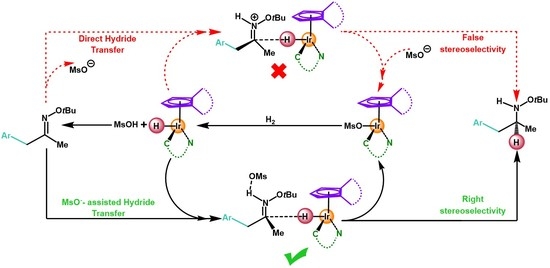
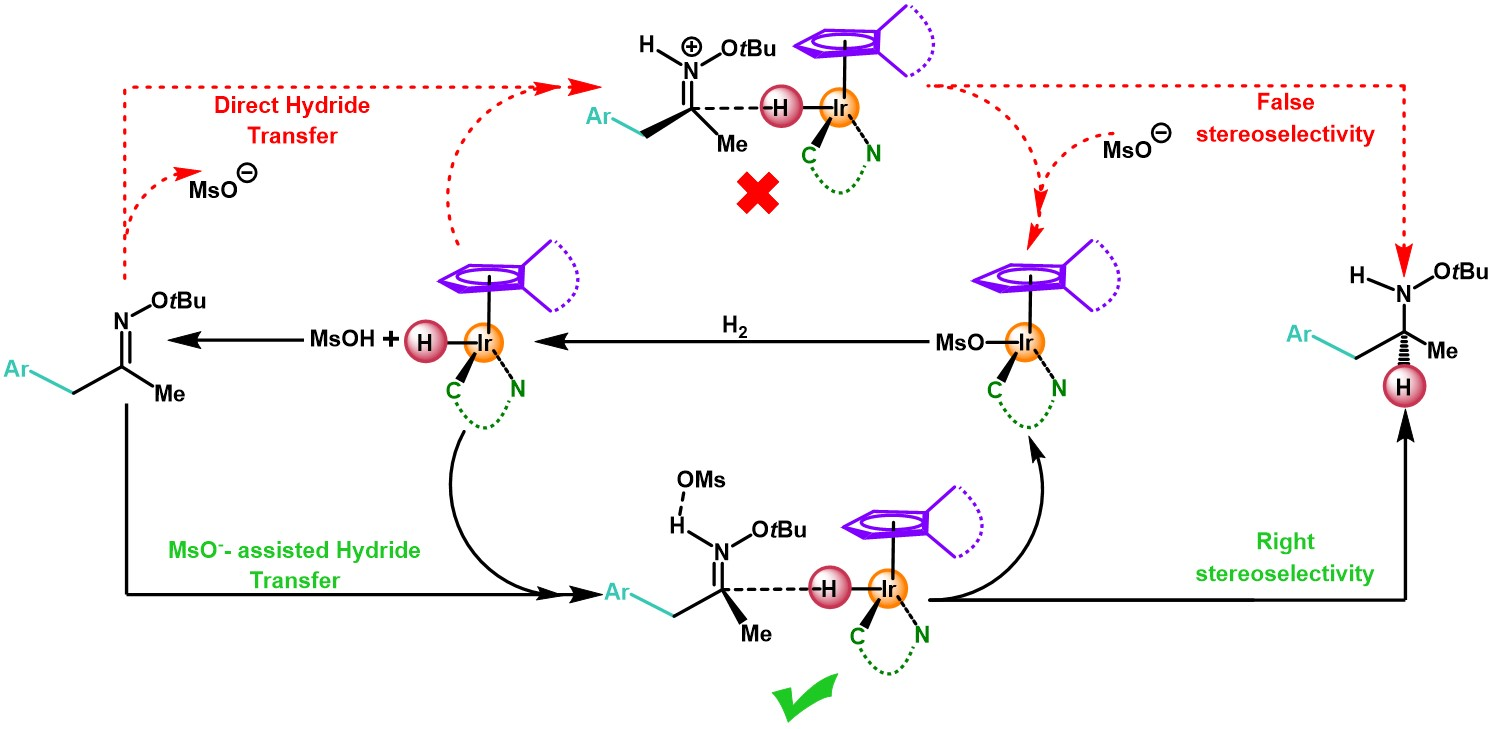
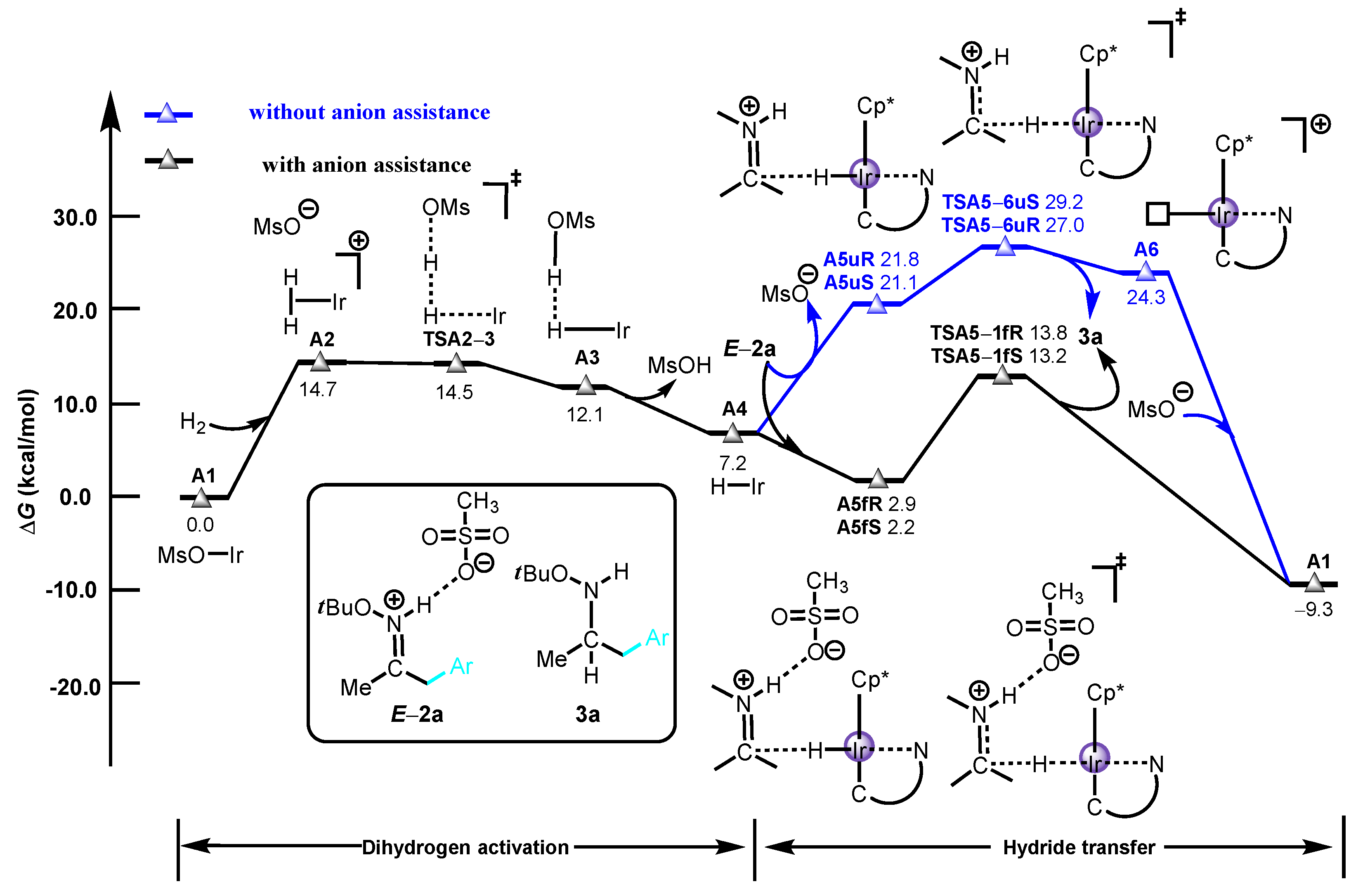
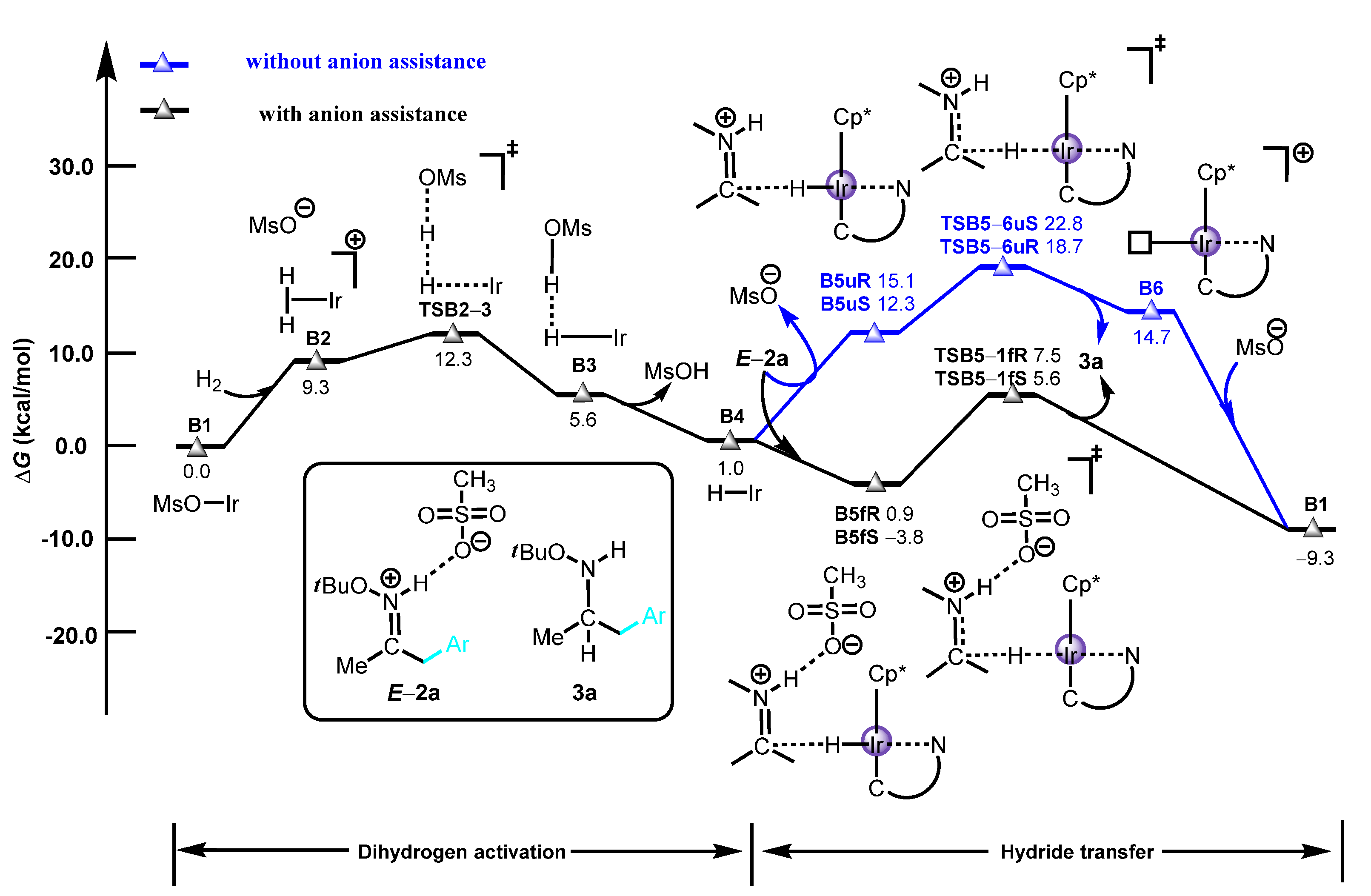
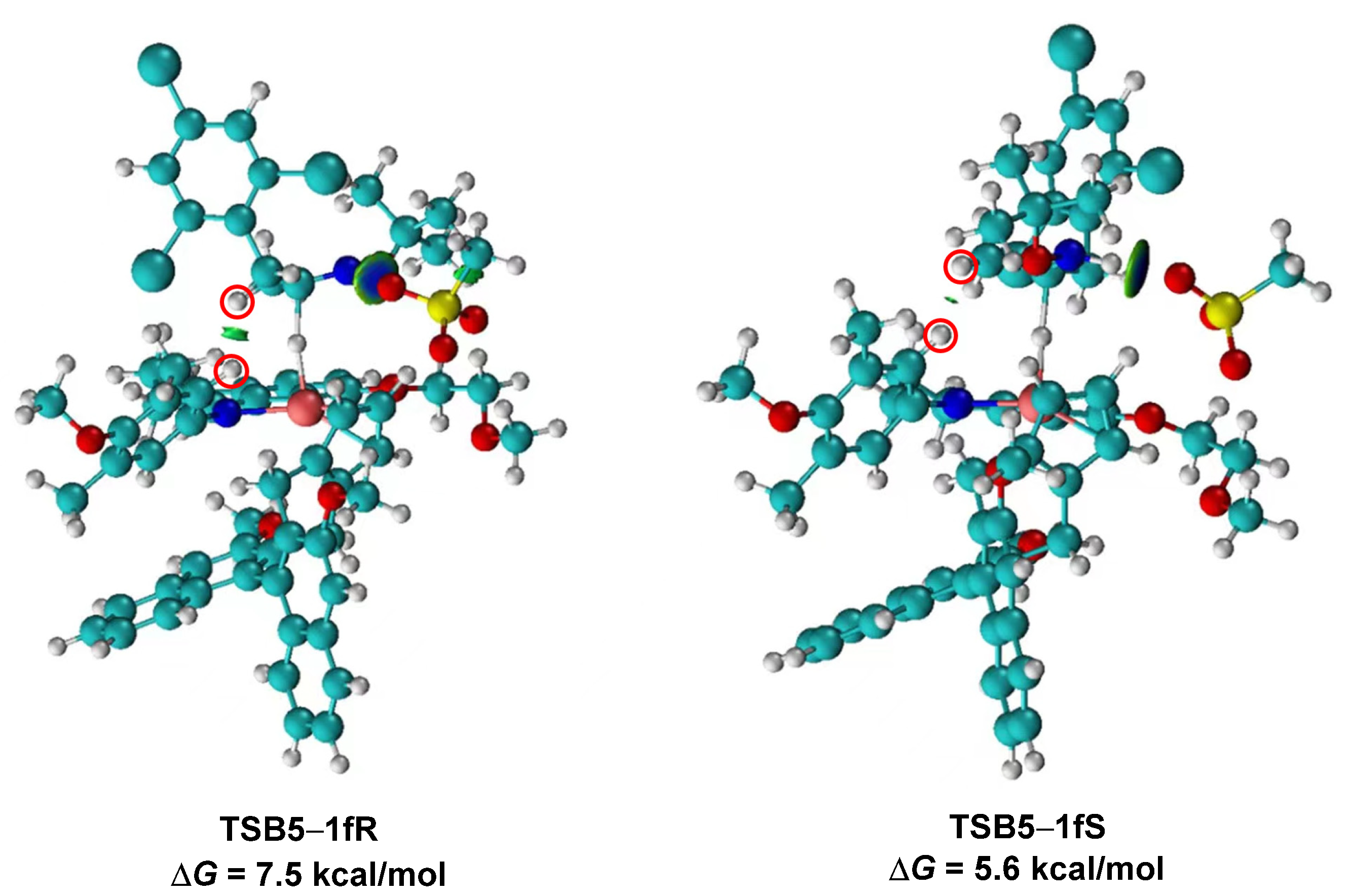
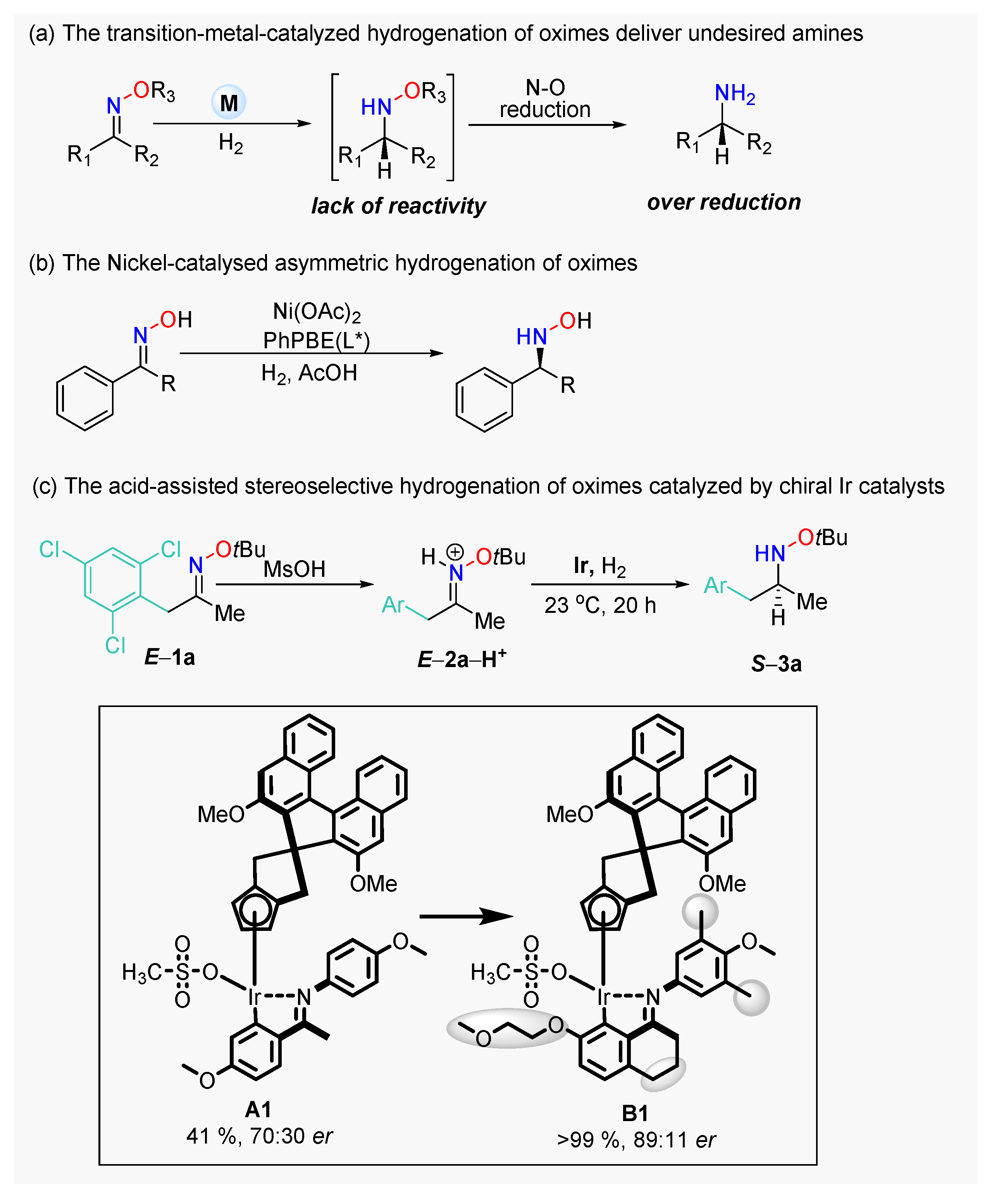
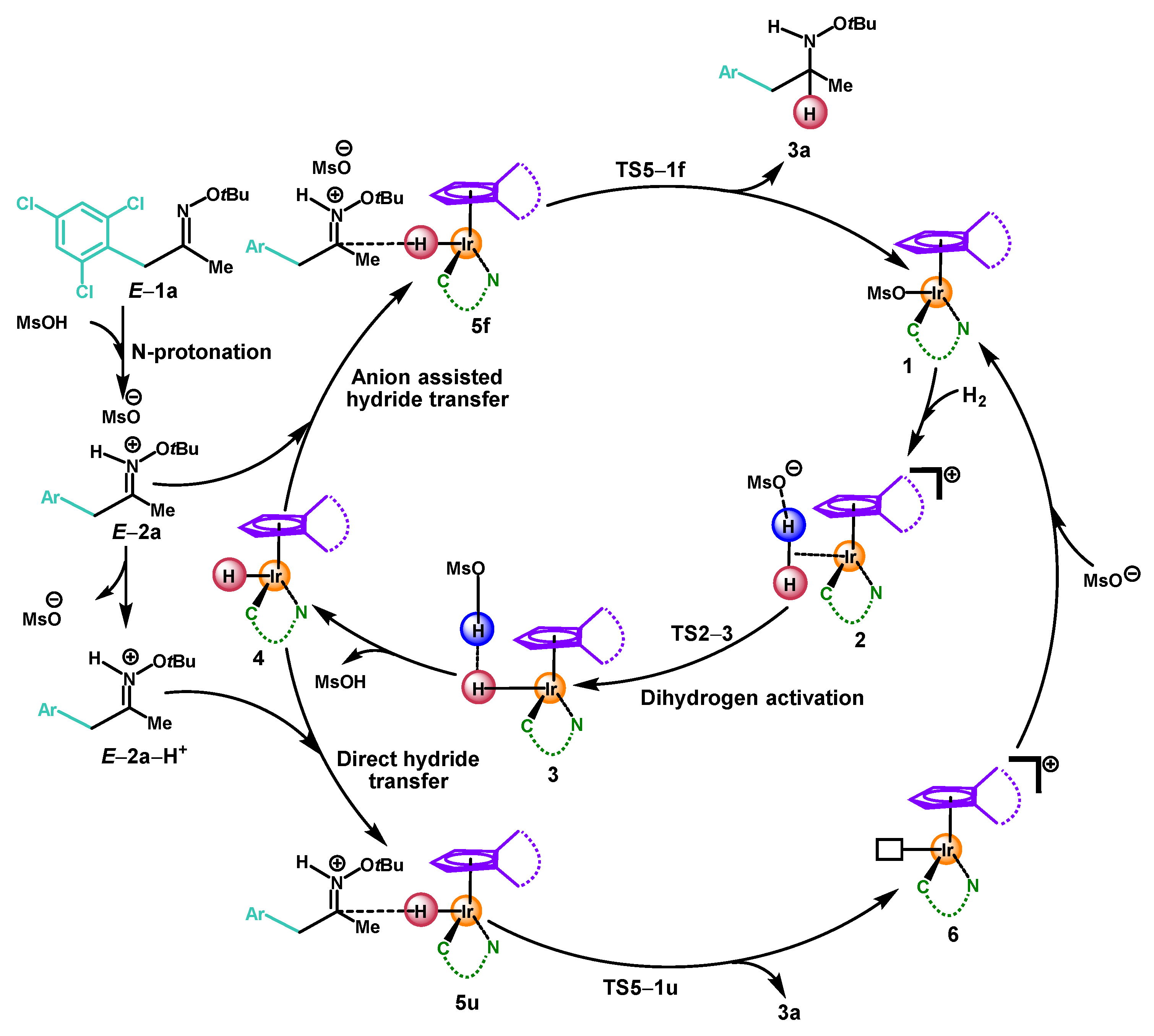
Herein the reaction mechanism and the origin of stereoselectivity of asymmetric hydrogenation of oximes to hydroxylamines catalyzed by the cyclometalated iridium (III) complexes with chiral substituted single cyclopentadienyl ligands (Ir catalysts A1 and B1) under acidic condition were unveiled using DFT calculations. The catalytic cycle for this reaction consists of the dihydrogen activation step and the hydride transfer step. The calculated results indicate that the hydride transfer step is the chirality-determining step and the involvement of methanesulfonate anion (MsO) in this reaction is of importance in the asymmetric hydrogenation of oximes catalyzed by A1 and B1. The calculated energy barriers for the hydride transfer steps without an MsO anion are higher than those with an MsO anion. The differences in Gibbs free energies between TSA5−1fR/TSA5−1fS and TSB5−1fR/TSB5−1fS are 13.8/13.2 (ΔΔG = 0.6 kcal/mol) and 7.5/5.6 (ΔΔG = 1.9 kcal/mol) kcal/mol for the hydride transfer step of substrate protonated oximes with E configuration (E−2a−H+) with MsO anion to chiral hydroxylamines product R−3a/S−3a catalyzed by A1 and B1, respectively. According to the Curtin–Hammet principle, the major products are hydroxylamines S−3a for the reaction catalyzed by A1 and B1, which agrees well with the experimental results. This is due to the non-covalent interactions among the protonated substrate, MsO anion and catalytic species. The hydrogen bond could not only stabilize the catalytic species, but also change the preference of stereoselectivity of this reaction.
Keywords: DFT; non-covalent interactions; stereoselectivity; asymmetric hydrogenation; oxime DFT; non-covalent interactions; stereoselectivity; asymmetric hydrogenation; oxime
Graphical Abstract