Article

Uncovering the Mechanisms of Active Components from Toad Venom against Hepatocellular Carcinoma Using Untargeted Metabolomics

1
National Traditional Chinese Medicine Clinical Research Base, Drug Research Center of Integrated Traditional Chinese and Western Medicine, The Affiliated Traditional Chinese Medicine Hospital of Southwest Medical University, Luzhou 646000, China
2
State Key Laboratories for Quality Research in Chinese Medicines, Faculty of Chinese Medicine, Macau University of Science and Technology, Macau 853, China
3
Institute of Integrated Chinese and Western Medicine, Southwest Medical University, Luzhou 646000, China
*
Authors to whom correspondence should be addressed.
Molecules 2022, 27(22), 7758; https://doi.org/10.3390/molecules27227758

Submission received: 5 October 2022 / Revised: 7 November 2022 / Accepted: 8 November 2022 / Published: 10 November 2022
(This article belongs to the Special Issue Natural Products as Antitumor Agents)

Abstract

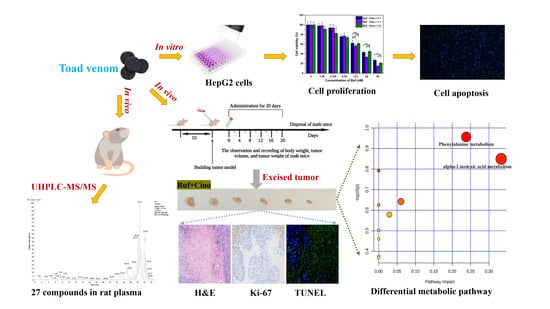
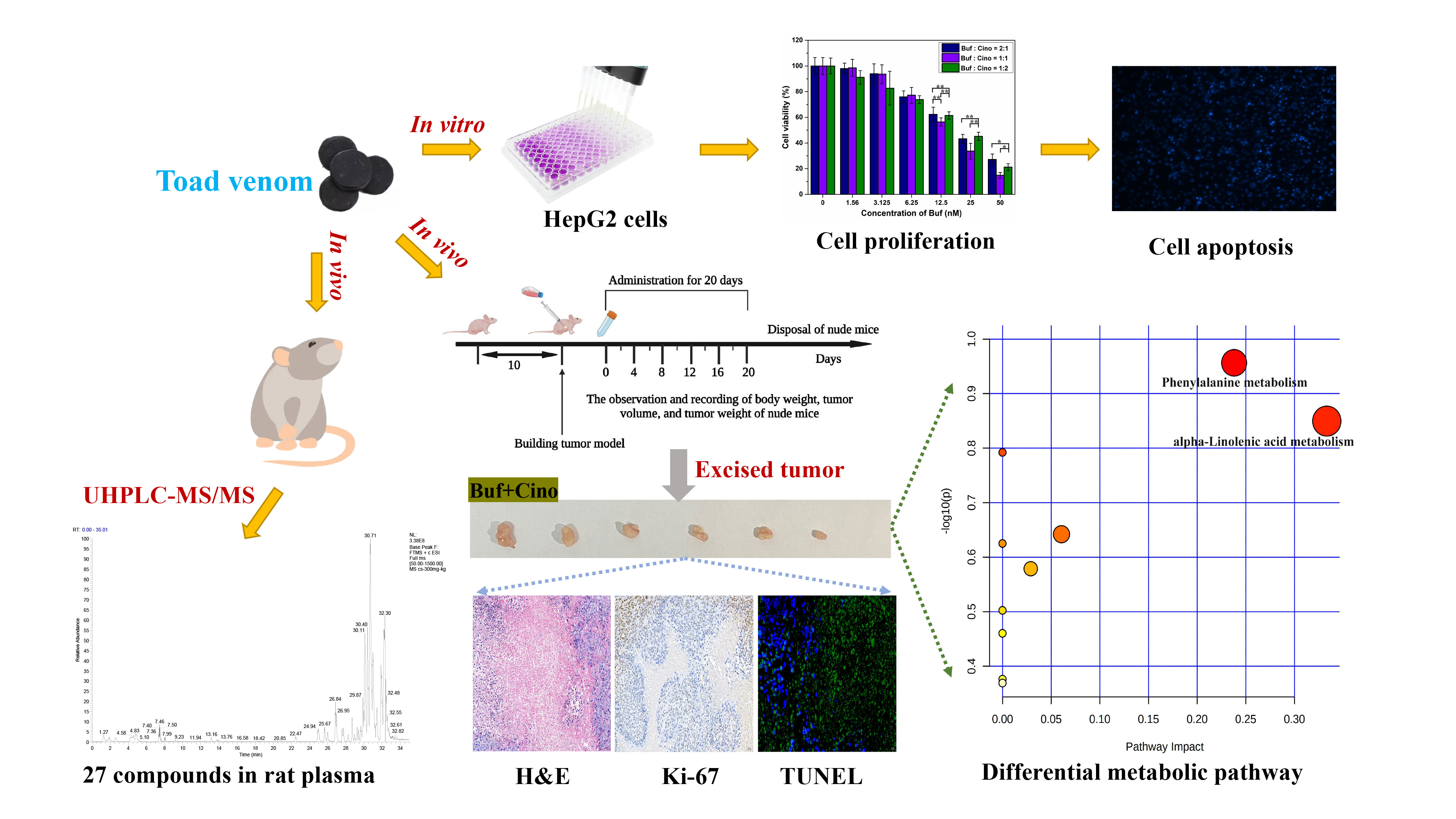
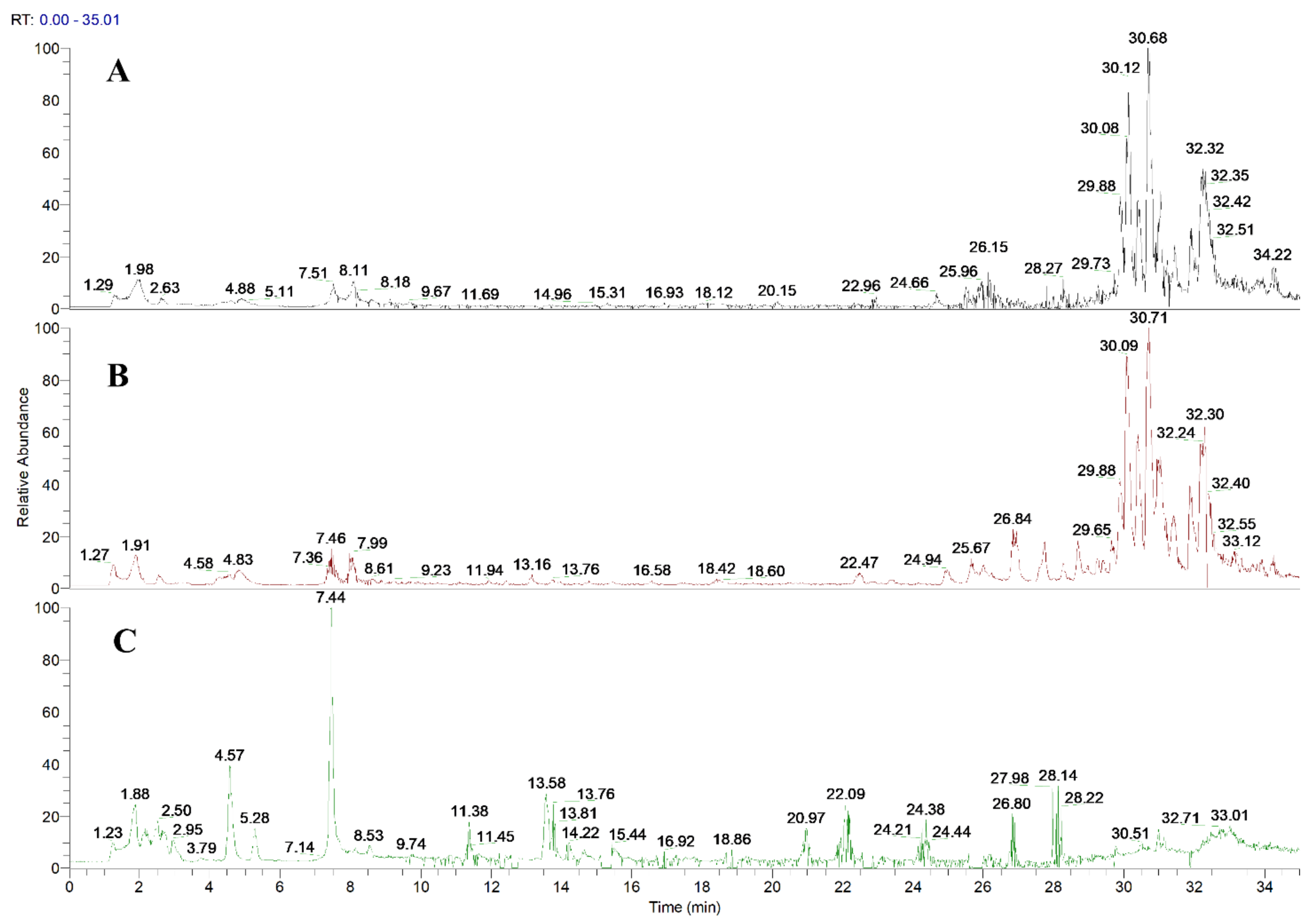
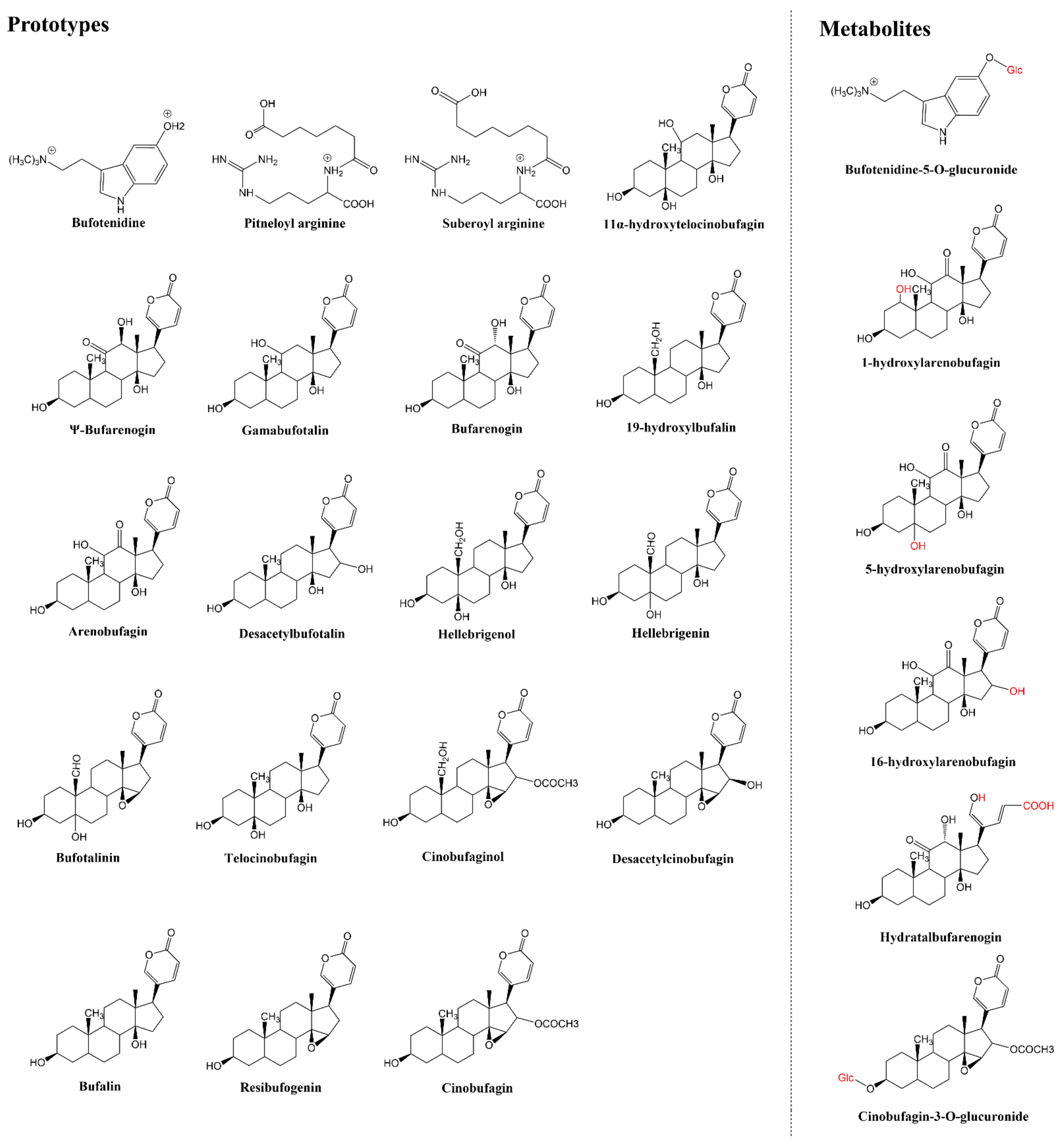
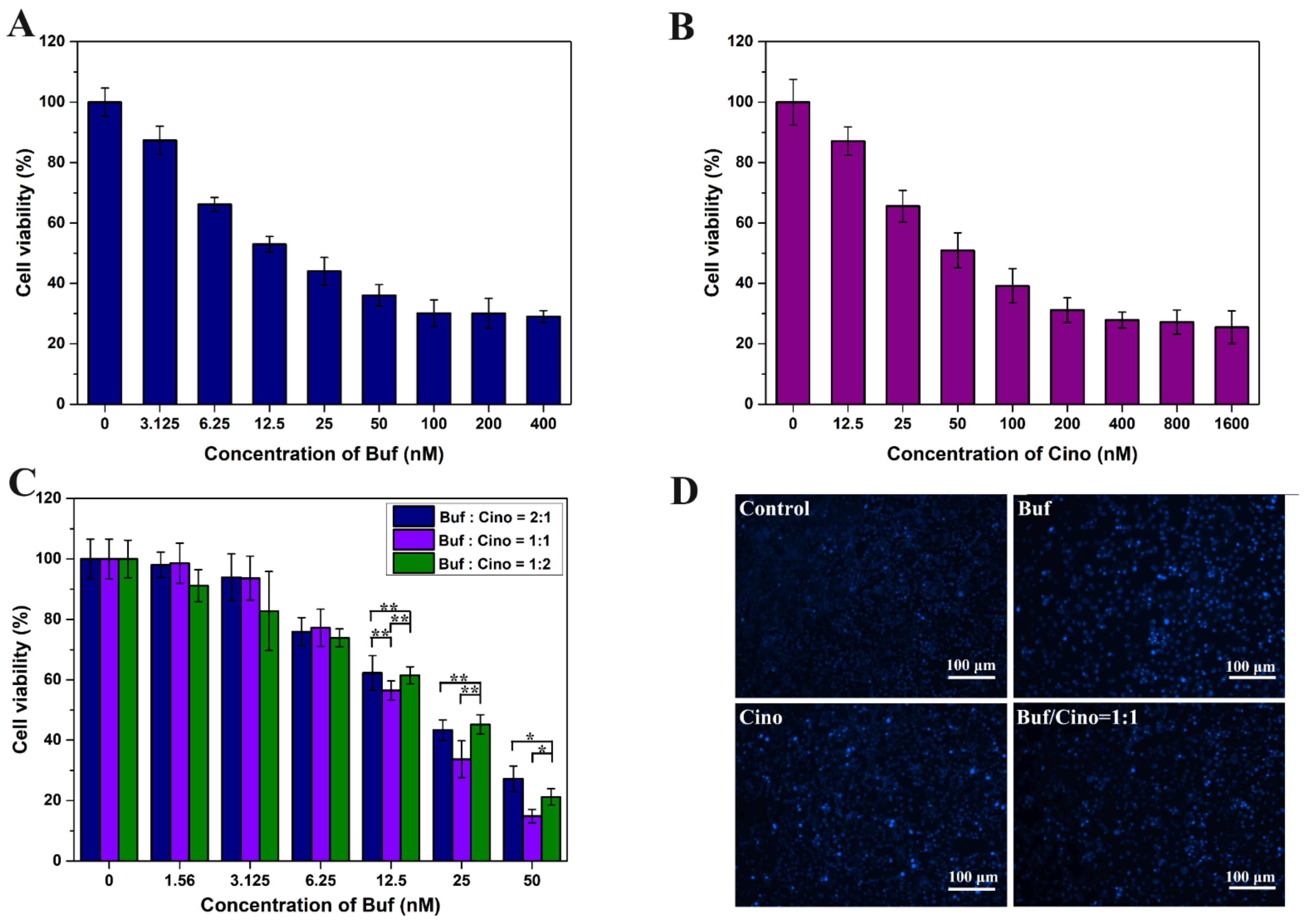
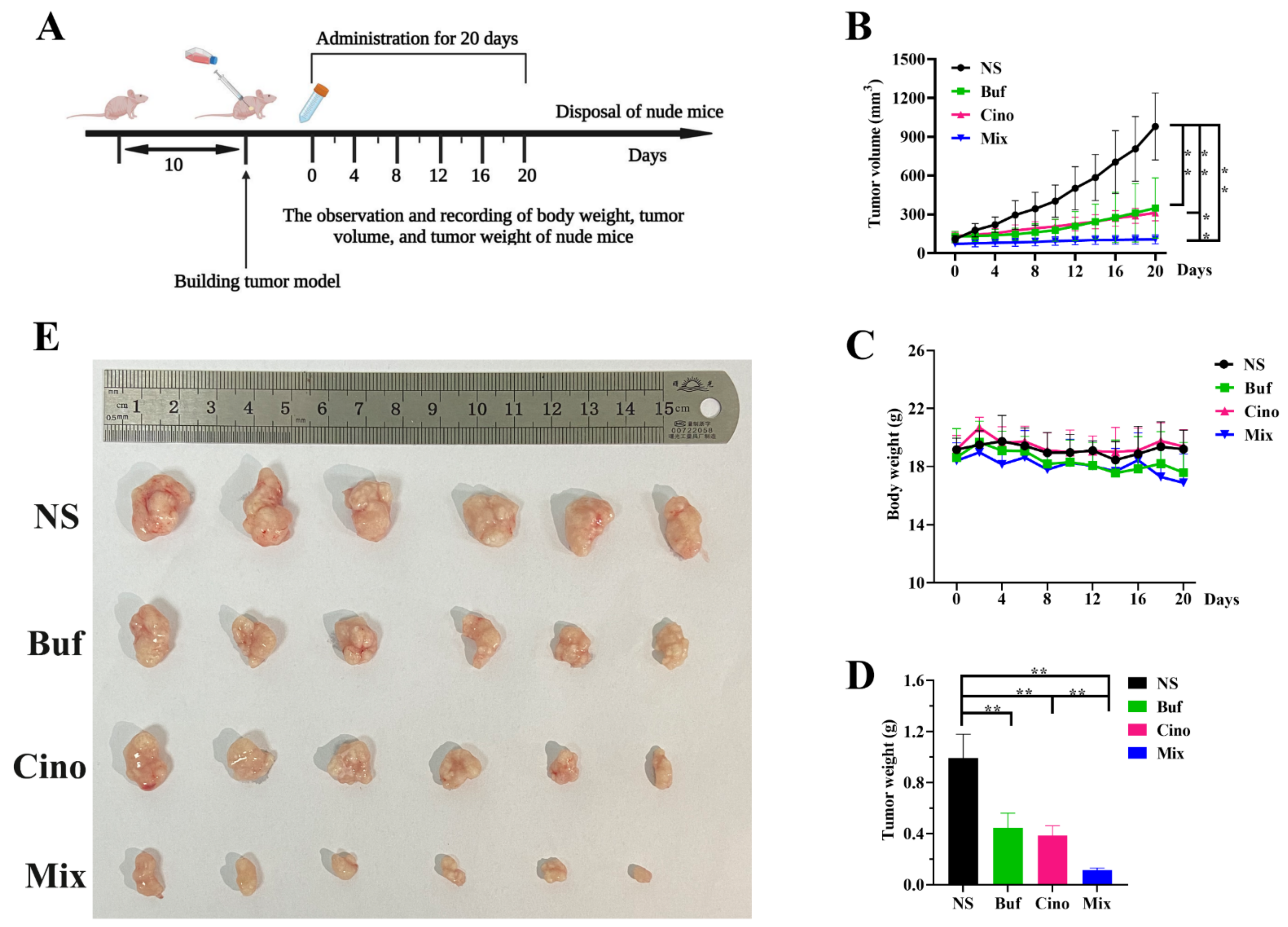
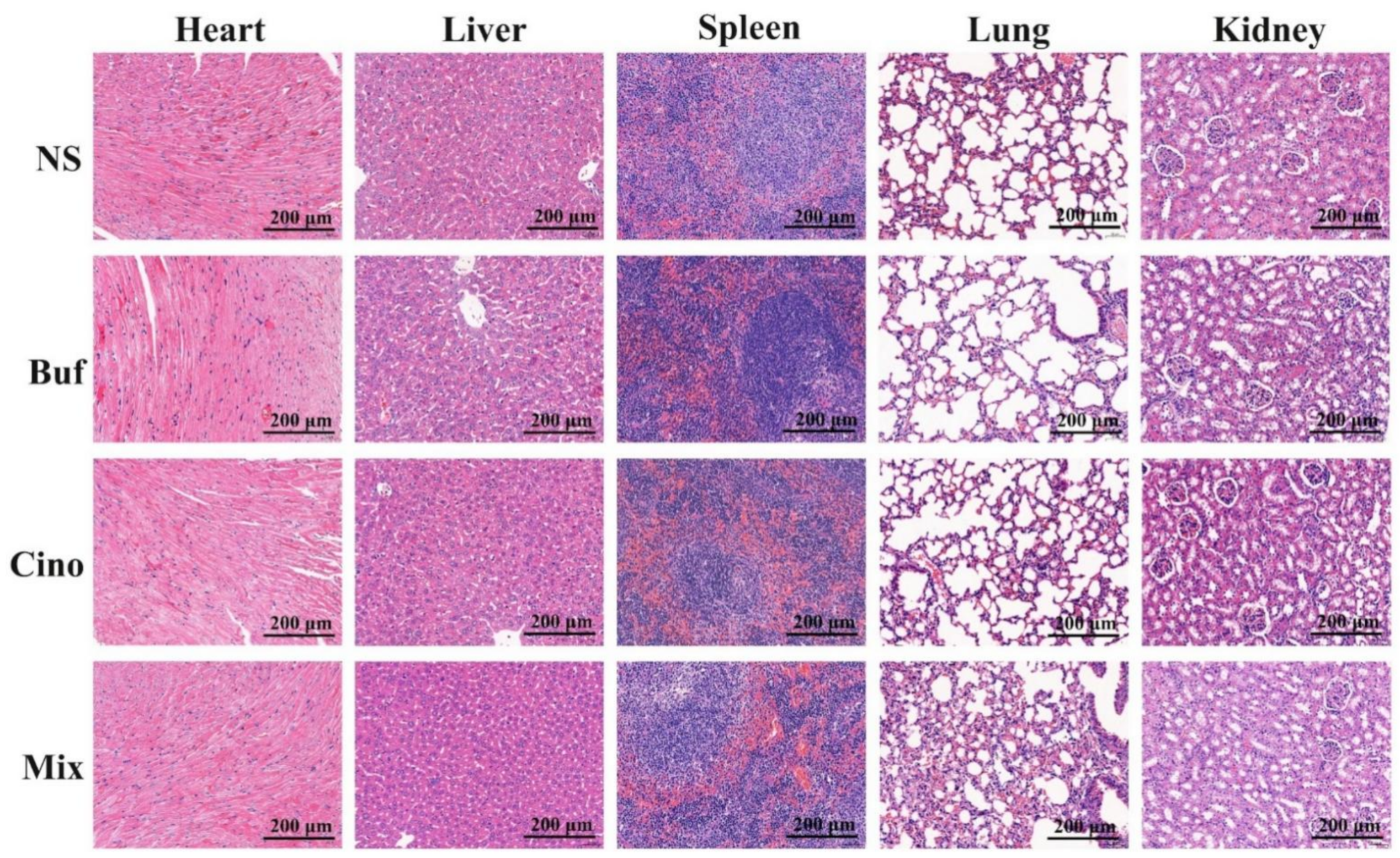
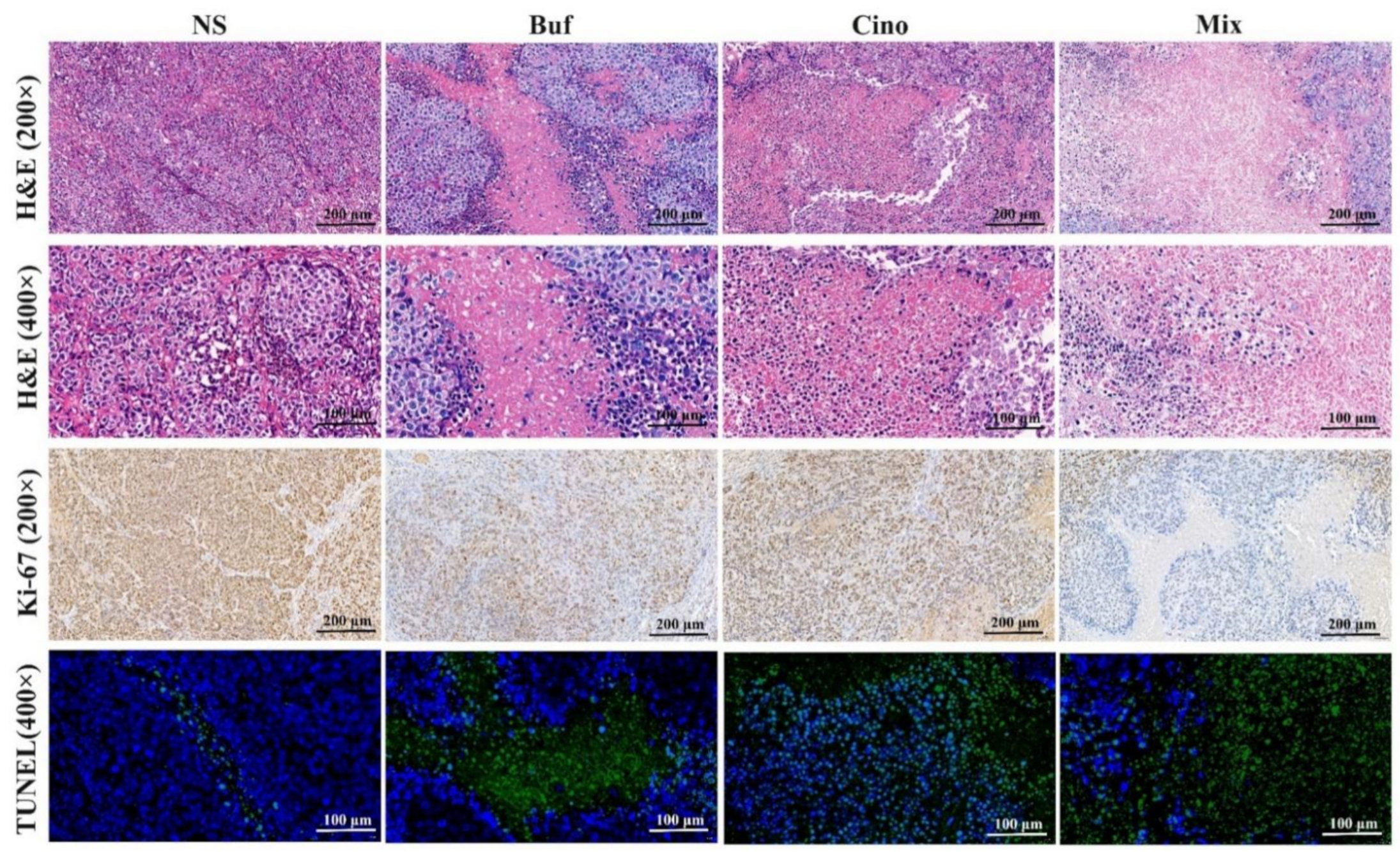
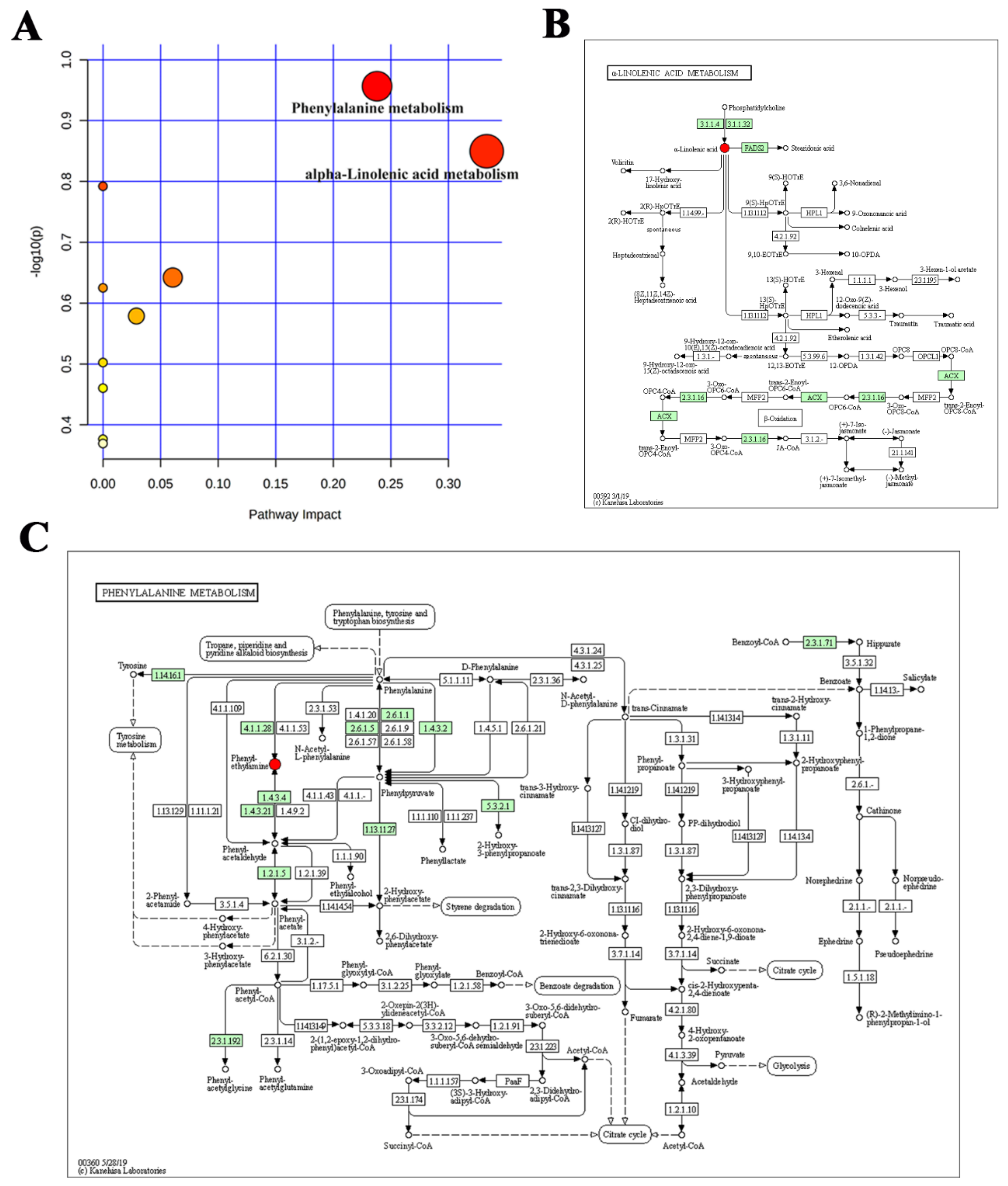
Toad venom, a dried product of secretion from Bufo bufo gargarizans Cantor or Bufo melanostictus Schneider, has had the therapeutic effects of hepatocellular carcinoma confirmed. Bufalin and cinobufagin were considered as the two most representative antitumor active components in toad venom. However, the underlying mechanisms of this antitumor effect have not been fully implemented, especially the changes in endogenous small molecules after treatment. Therefore, this study was designed to explore the intrinsic mechanism on hepatocellular carcinoma after the cotreatment of bufalin and cinobufagin based on untargeted tumor metabolomics. Ultraperformance liquid chromatography with tandem mass spectrometry (UHPLC-MS/MS) was performed to identify the absorbed components of toad venom in rat plasma. In vitro experiments were determined to evaluate the therapeutic effects of bufalin and cinobufagin and screen the optimal ratio between them. An in vivo HepG2 tumor-bearing nude mice model was established, and a series of pharmacodynamic indicators were determined, including the body weight of mice, tumor volume, tumor weight, and histopathological examination of tumor. Further, the entire metabolic alterations in tumor after treating with bufalin and cinobufagin were also profiled by UHPLC-MS/MS. Twenty-seven active components from toad venom were absorbed in rat plasma. We found that the cotreatment of bufalin and cinobufagin exerted significant antitumor effects both in vitro and in vivo, which were reflected in inhibiting proliferation and inducing apoptosis of HepG2 cells and thereby causing cell necrosis. After cotherapy of bufalin and cinobufagin for twenty days, compared with the normal group, fifty-six endogenous metabolites were obviously changed on HepG2 tumor-bearing nude mice. Meanwhile, the abundance of α-linolenic acid and phenethylamine after the bufalin and cinobufagin intervention was significantly upregulated, which involved phenylalanine metabolism and α-linolenic acid metabolism. Furthermore, we noticed that amino acid metabolites were also altered in HepG2 tumor after drug intervention, such as norvaline and Leu-Ala. Taken together, the cotreatment of bufalin and cinobufagin has significant antitumor effects on HepG2 tumor-bearing nude mice. Our work demonstrated that the in-depth mechanism of antitumor activity was mainly through the regulation of phenylalanine metabolism and α-Linolenic acid metabolism.
Keywords: toad venom; hepatocellular carcinoma; metabolomic; UHPLC-MS/MS; bufalin; cinobufagin toad venom; hepatocellular carcinoma; metabolomic; UHPLC-MS/MS; bufalin; cinobufagin
Graphical Abstract