Article

Nanolipogel Loaded with Tea Tree Oil for the Management of Burn: GC-MS Analysis, In Vitro and In Vivo Evaluation


1
Pharmaceutical Technology Department, National Research Centre, Cairo 12622, Egypt
2
Pharmacognosy Department, Faculty of Pharmacy, University of Sadat City, Sadat City 32897, Egypt
3
Department of Microbiology and Immunology, National Research Centre, Cairo 12622, Egypt
4
Institute of Food Science and Human Nutrition, Department of Food Development and Food Quality, Gottfried Wilhelm Leibniz University Hannover, Am Kleinen Felde 30, 30167 Hannover, Germany
*
Authors to whom correspondence should be addressed.
Molecules 2022, 27(19), 6143; https://doi.org/10.3390/molecules27196143

Submission received: 23 August 2022 / Revised: 13 September 2022 / Accepted: 15 September 2022 / Published: 20 September 2022
(This article belongs to the Section Natural Products Chemistry)

Abstract

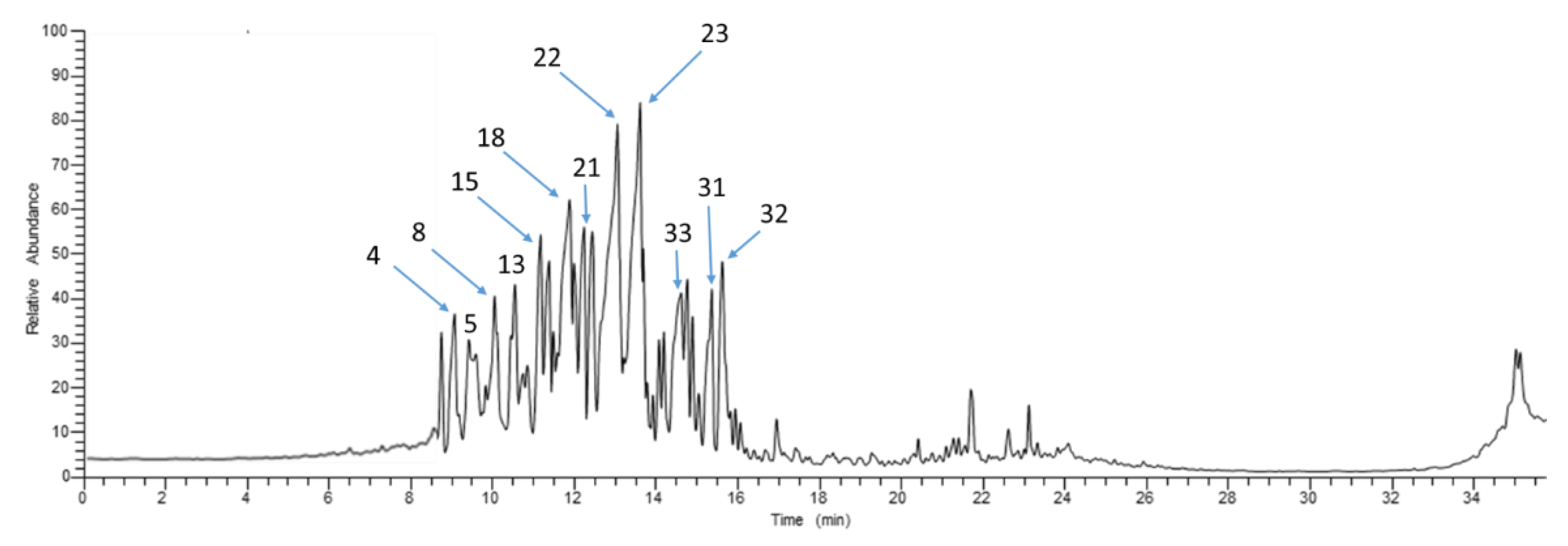
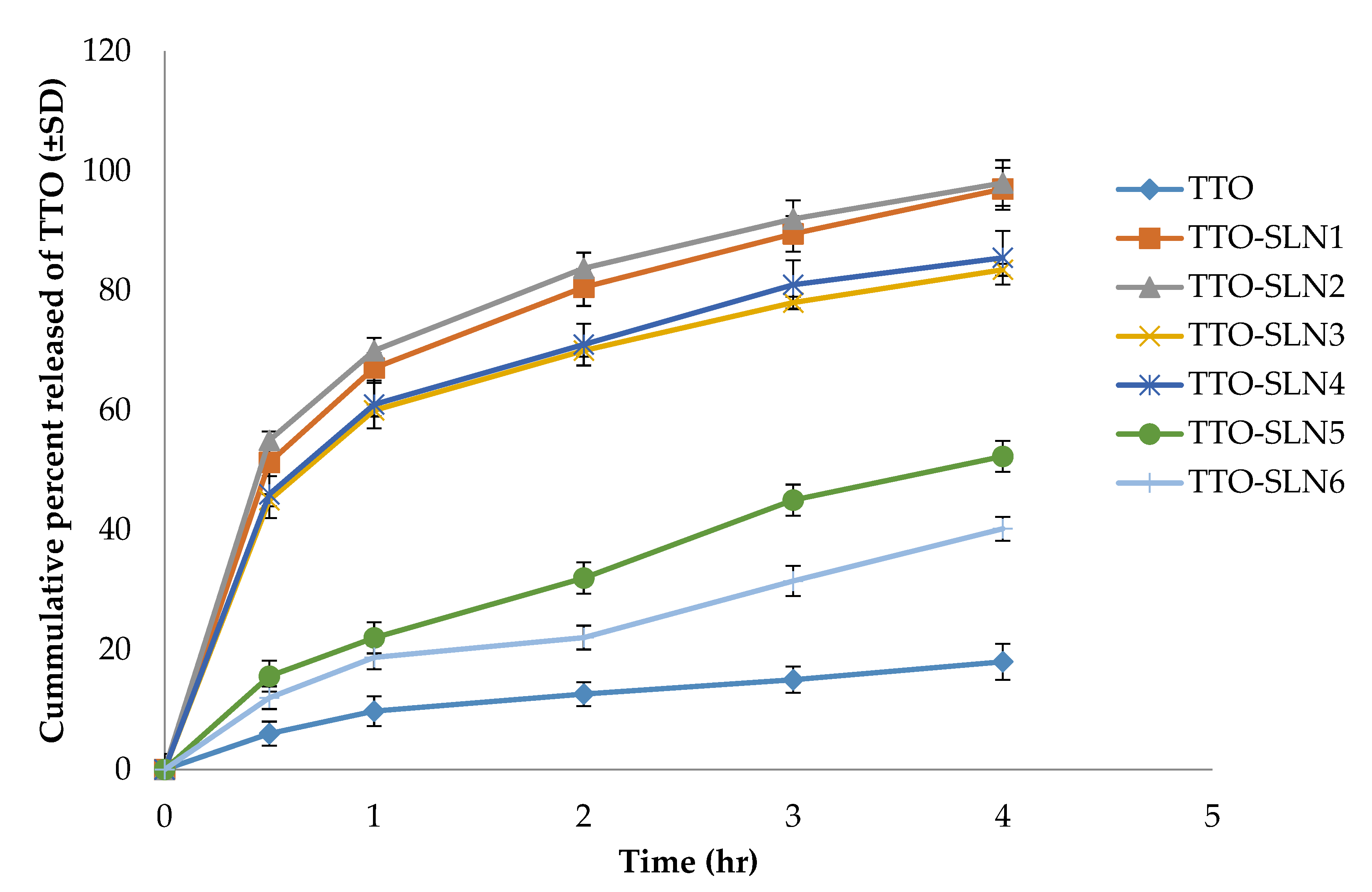
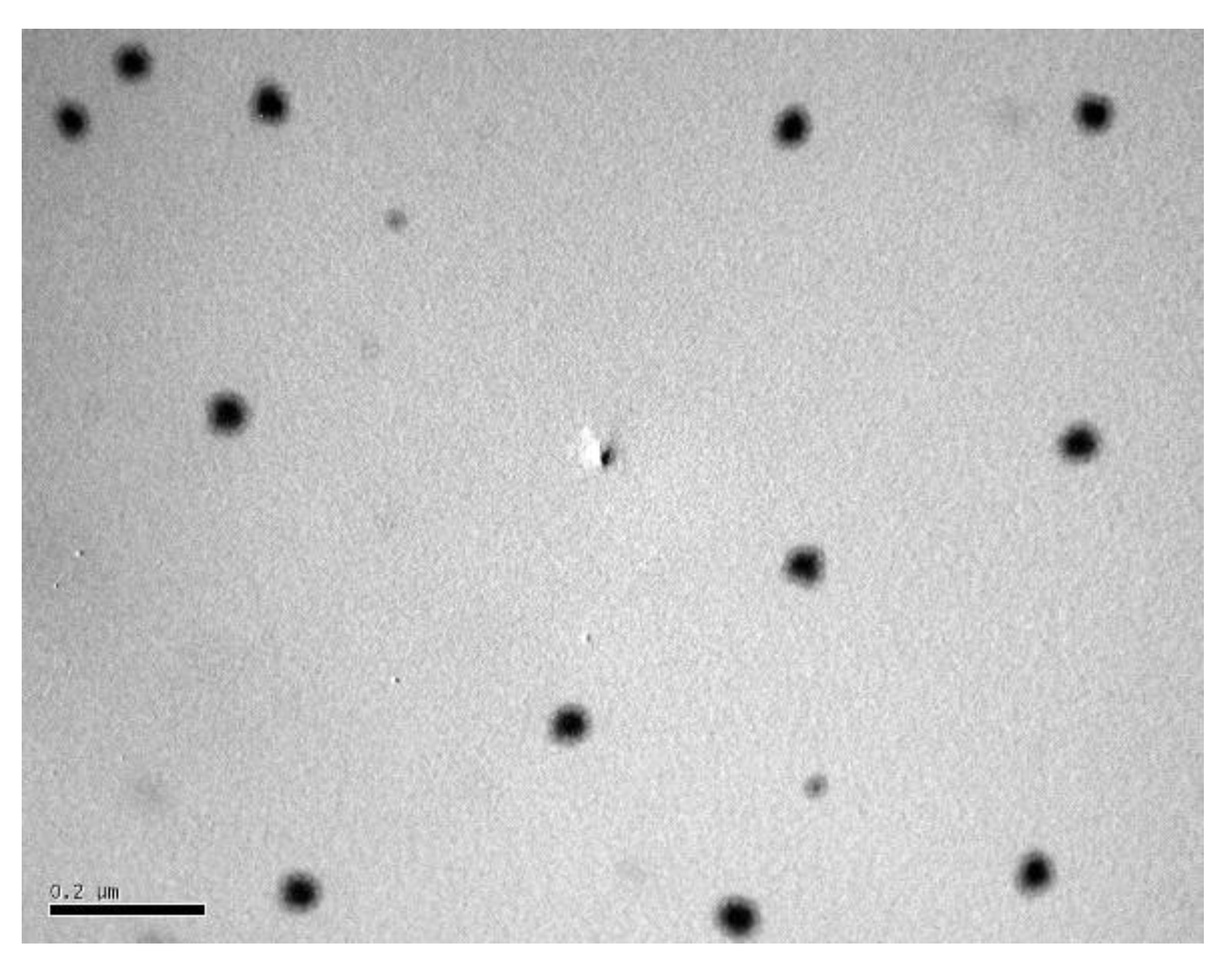
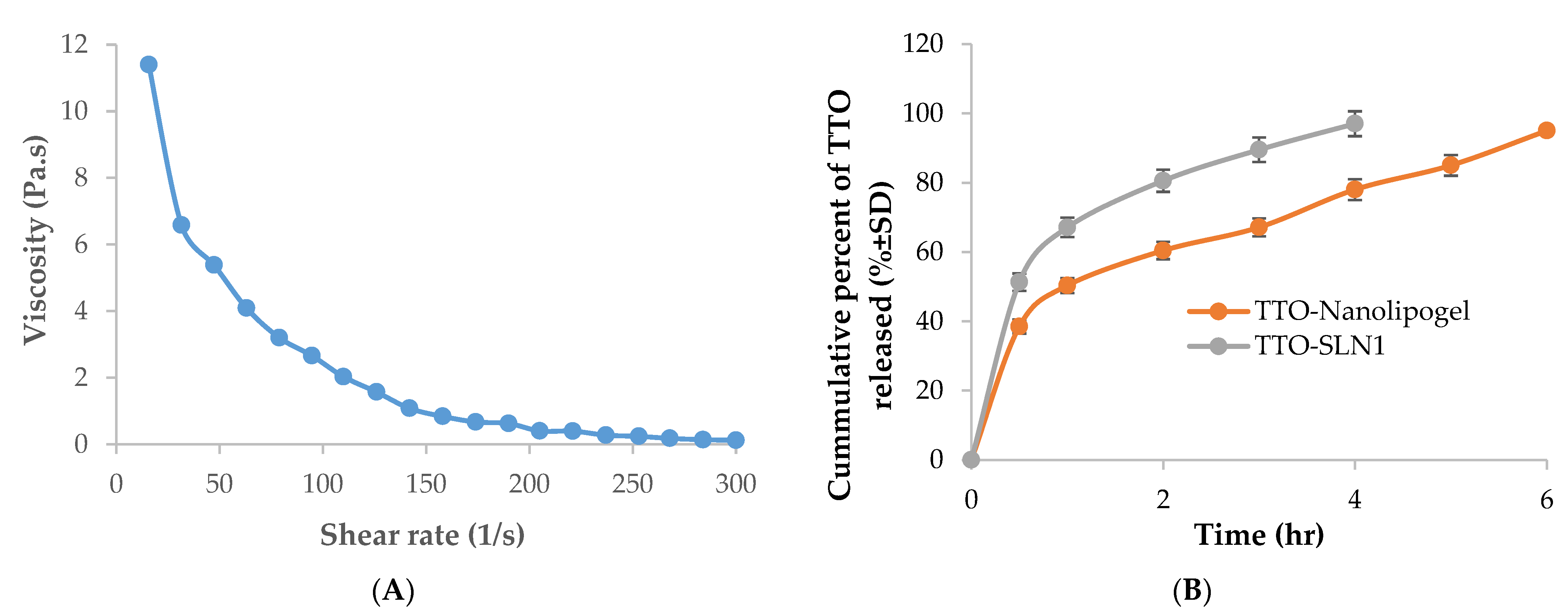
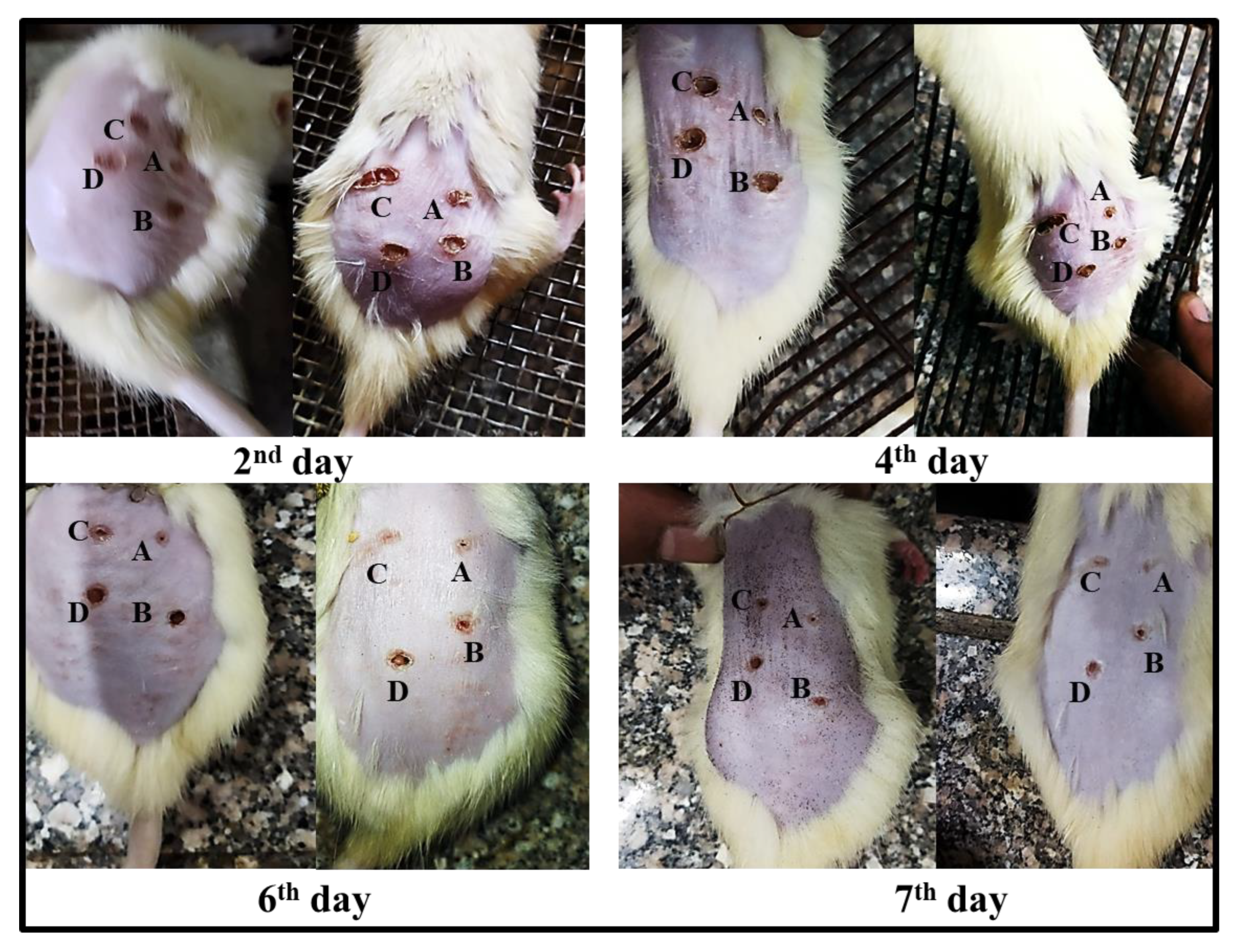
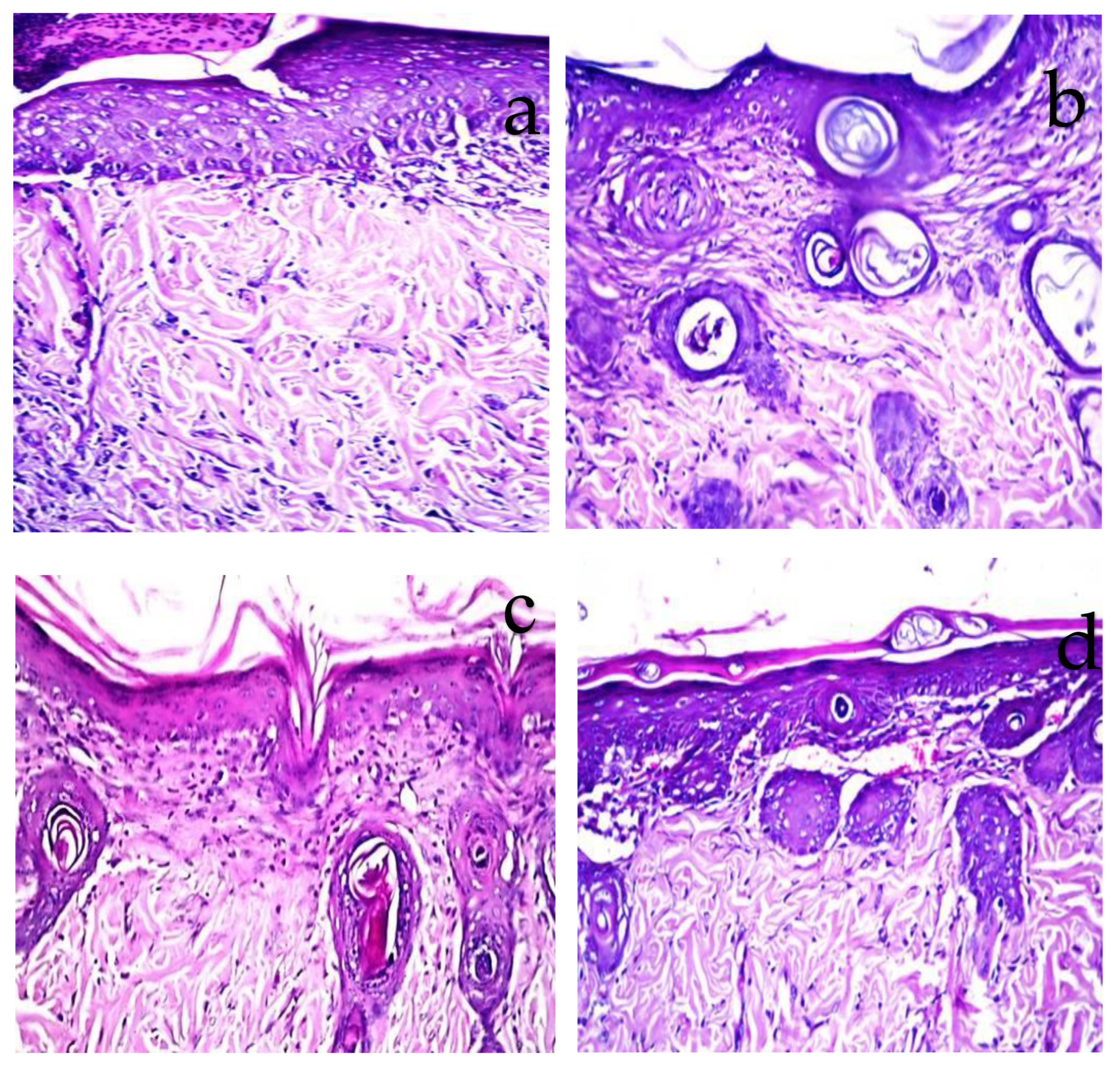
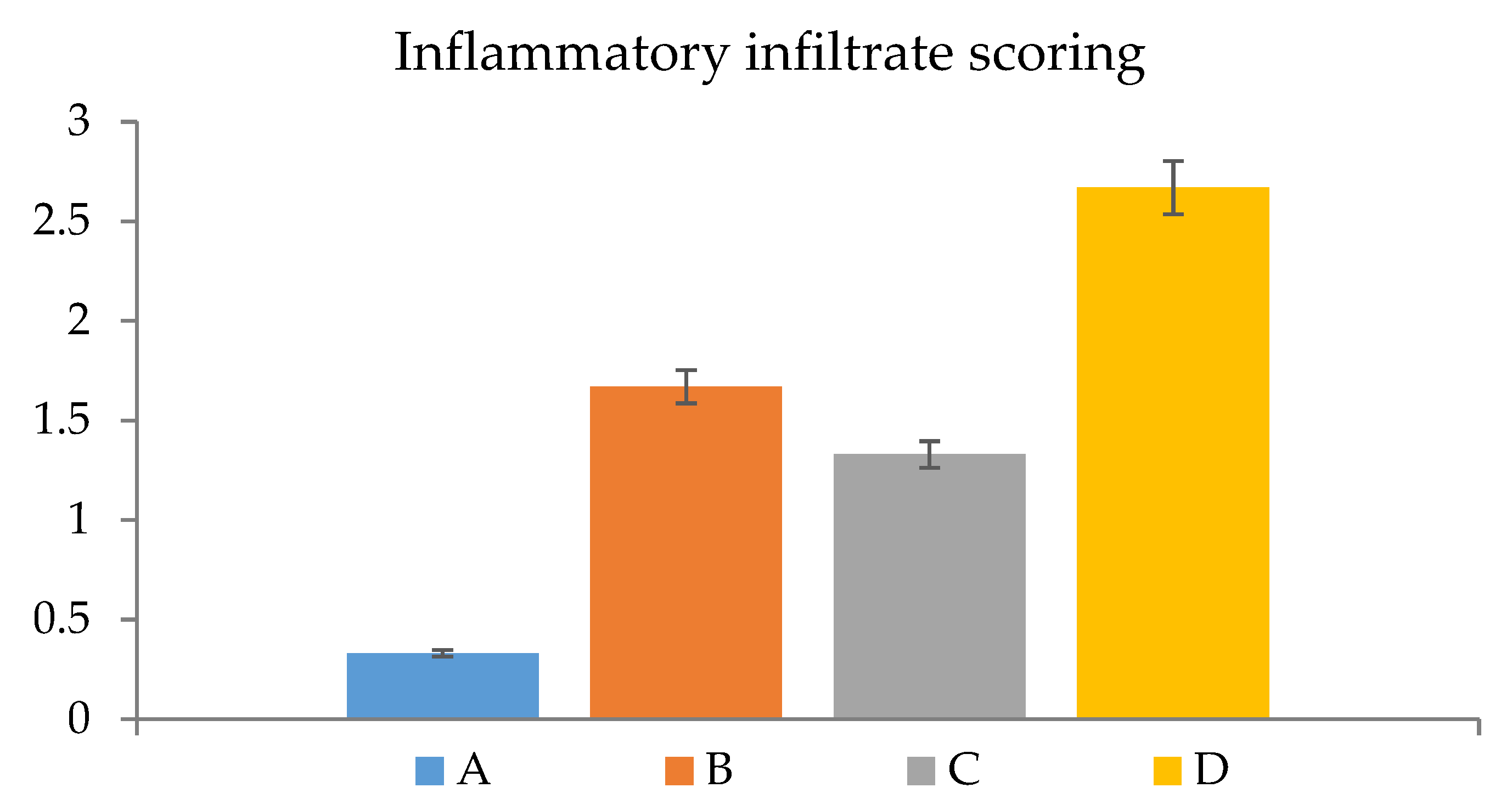
The GC-MS analysis of tea tree oil (TTO) revealed 38 volatile components with sesquiterpene hydrocarbons (43.56%) and alcohols (41.03%) as major detected classes. TTO efficacy is masked by its hydrophobicity; nanoencapsulation can address this drawback. The results showed that TTO-loaded solid lipid nanoparticles (SLN1), composed of glyceryl monostearate (2% w/w) and Poloxamer188 (5% w/w), was spherical in shape with a core-shell microstructure. TTO-SLN1 showed a high entrapment efficiency (96.26 ± 2.3%), small particle size (235.0 ± 20.4 nm), low polydispersity index (0.31 ± 0.01), and high negative Zeta potential (−32 mV). Moreover, it exhibited a faster active agent release (almost complete within 4 h) compared to other formulated TTO-SLNs as well as the plain oil. TTO-SLN1 was then incorporated into cellulose nanofibers gel, isolated from sugarcane bagasse, to form the ‘TTO-loaded nanolipogel’ which had a shear-thinning behavior. Second-degree thermal injuries were induced in Wistar rats, then the burned skin areas were treated daily for 7 days with the TTO-loaded nanolipogel compared to the unmedicated nanolipogel, the TTO-loaded conventional gel, and the normal saline (control). The measurement of burn contraction proved that TTO-loaded nanolipogel exhibited a significantly accelerated skin healing, this was confirmed by histopathological examination as well as quantitative assessment of inflammatory infiltrate. This study highlighted the success of the proposed nanotechnology approach in improving the efficacy of TTO used for the repair of skin damage induced by burns.
Keywords: essential oil; lipid nanoparticles; cellulose nanofibers; lipogel; burn dressing; sesquiterpene; alcohols; dermal essential oil; lipid nanoparticles; cellulose nanofibers; lipogel; burn dressing; sesquiterpene; alcohols; dermal