Article

Chemistry and Bioactivity of Microsorum scolopendria (Polypodiaceae): Antioxidant Effects on an Epithelial Damage Model

by
Cristóbal Balada
1,
Valentina Díaz
1,
Mónica Castro
2,
Macarena Echeverría-Bugueño
3,4,
María José Marchant
1 and
Leda Guzmán
1,*
1
Laboratorio de Biomedicina y Biocatálisis, Instituto de Química, Facultad de Ciencias, Pontificia Universidad Católica de Valparaíso, Avenida Universidad 330, Valparaíso 2340000, Chile
2
Laboratorio de Propagación, Escuela de Agronomía, Facultad de Ciencias Agronómicas y de los Alimentos, Pontificia Universidad Católica de Valparaíso, La Palma S/N, Quillota 2260000, Chile
3
Laboratorio de Patología de Organismos Acuáticos y Biotecnología Acuícola, Facultad de Ciencias de la Vida, Universidad Andrés Bello, Quillota 980, Viña del Mar 2531015, Chile
4
Centro Interdisciplinario para la Investigación Acuícola (INCAR), Universidad Andrés Bello, Quillota 980, Viña del Mar 2531015, Chile
*
Author to whom correspondence should be addressed.
Molecules 2022, 27(17), 5467; https://doi.org/10.3390/molecules27175467

Submission received: 30 July 2022 / Revised: 19 August 2022 / Accepted: 22 August 2022 / Published: 25 August 2022

Abstract

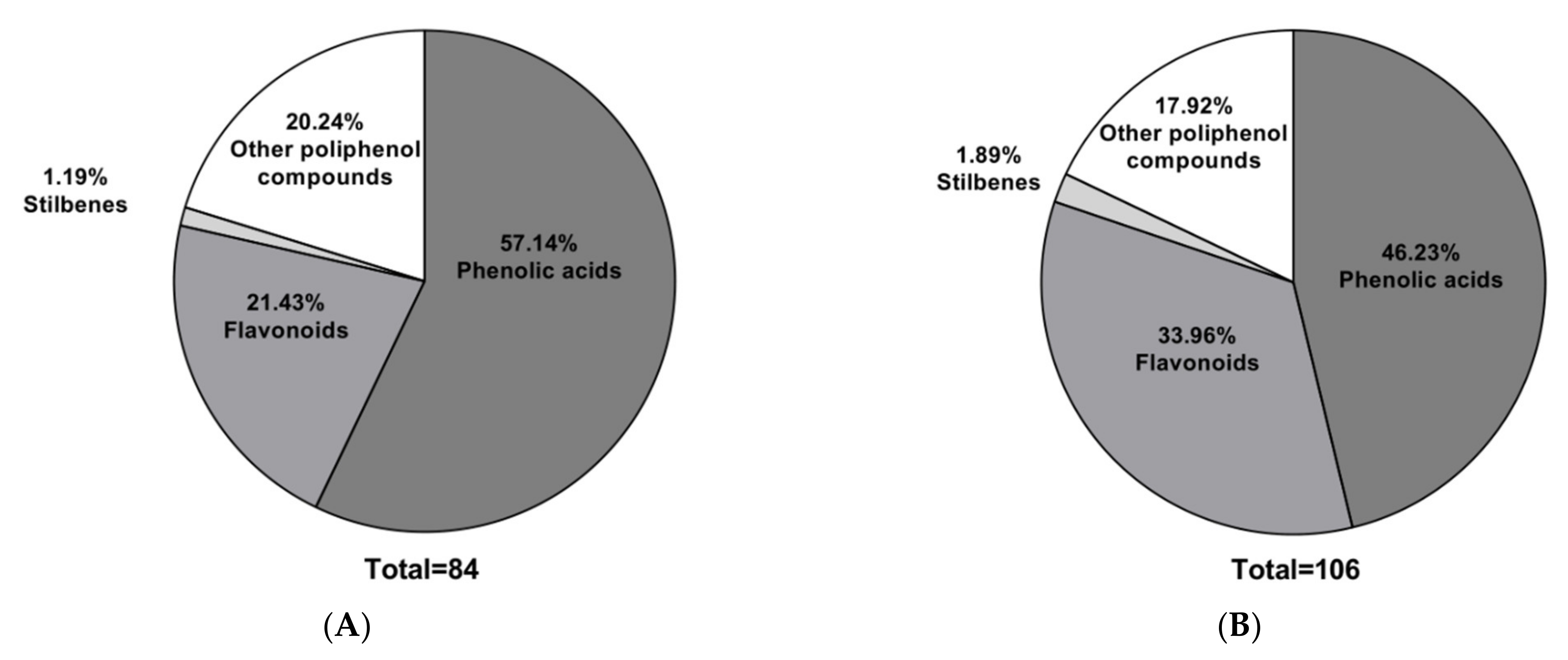
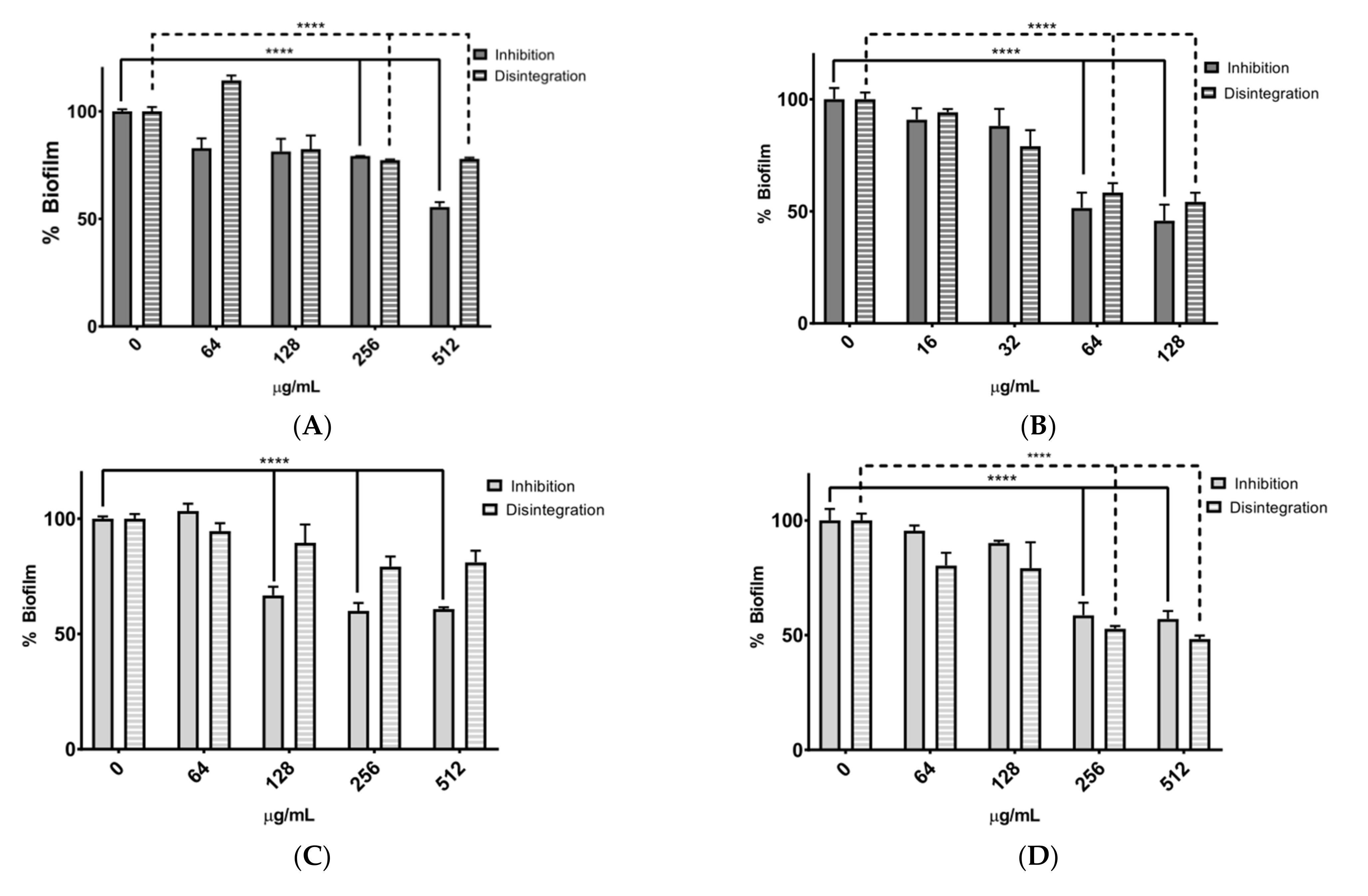
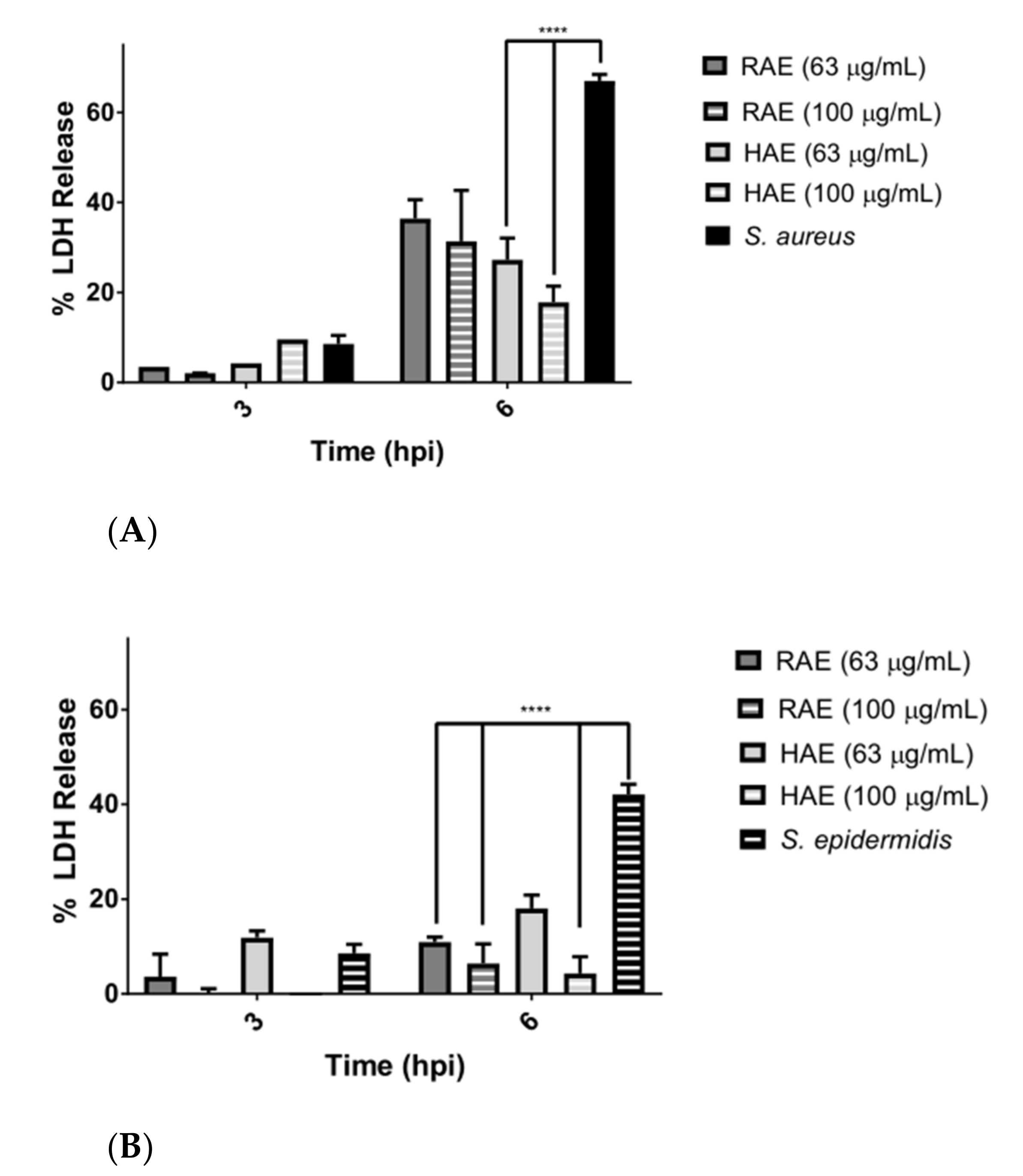
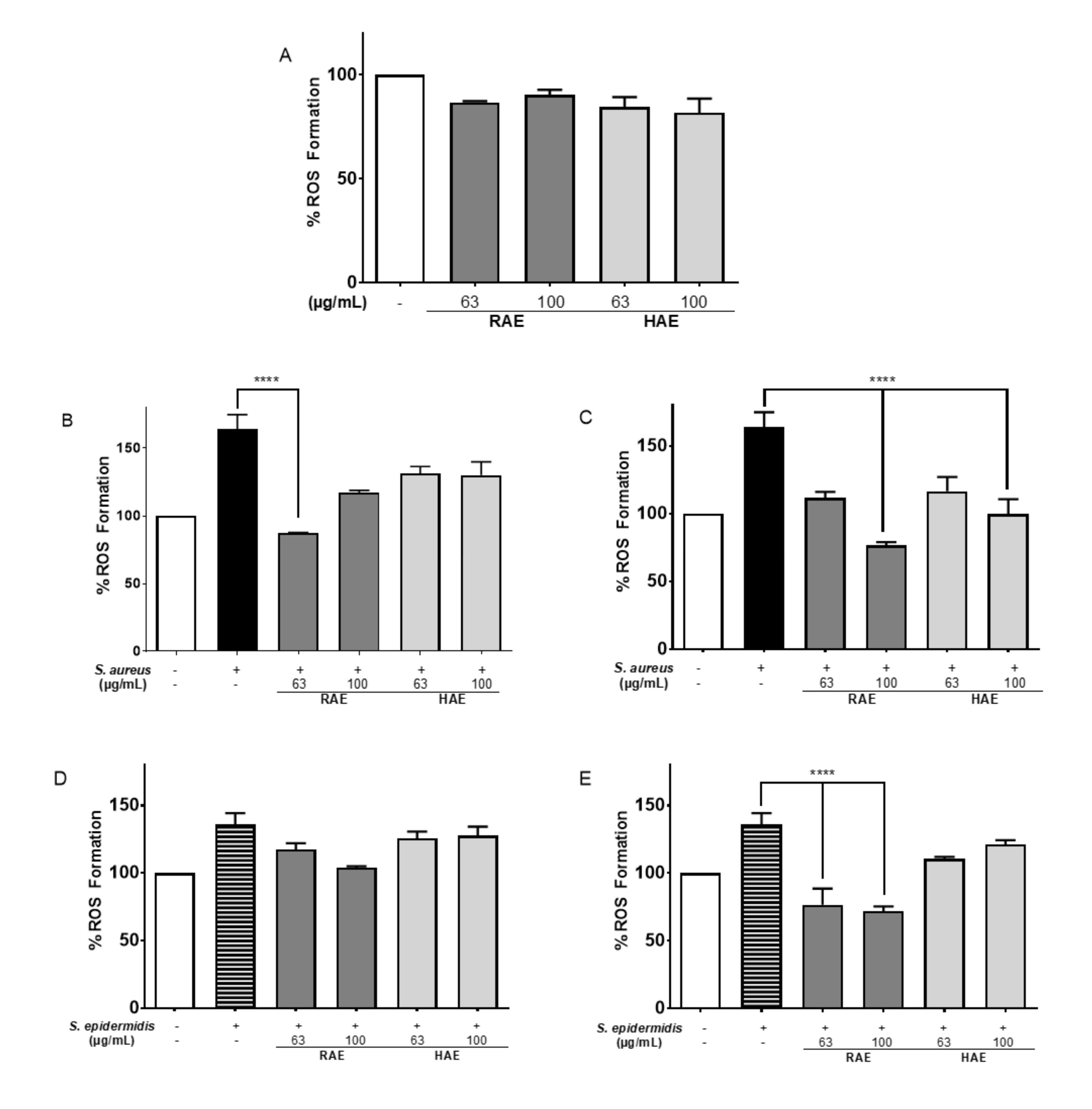
Microsorum scolopendia (MS), which grows on the Chilean island of Rapa Nui, is a medicinal fern used to treat several diseases. Despite being widely used, this fern has not been deeply investigated. The aim of this study was to perform a characterization of the polyphenolic and flavonoid identity, radical scavenging, antimicrobial, and anti-inflammatory properties of MS rhizome and leaf extracts (RAE and HAE). The compound identity was analyzed through the reversed-phase high-performance liquid chromatography (RP-HPLC) method coupled with mass spectrometry. The radical scavenging and anti-inflammatory activities were evaluated for DPPH, ORAC, ROS formation, and COX inhibition activity assay. The antimicrobial properties were evaluated using an infection model on Human Dermal Fibroblast adult (HDFa) cell lines incubated with Staphylococcus aureus and Staphylococcus epidermidis. The most abundant compounds were phenolic acids between 46% to 57% in rhizome and leaf extracts, respectively; followed by flavonoids such as protocatechic acid 4-O-glucoside, cirsimaritin, and isoxanthohumol, among others. MS extract inhibited and disaggregated the biofilm bacterial formed and showed an anti-inflammatory selective property against COX-2 enzyme. RAE generated a 64% reduction of ROS formation in the presence of S. aureus and 87.35% less ROS in the presence of S. epidermidis on HDFa cells. MS has great therapeutic potential and possesses several biological properties that should be evaluated.
Keywords: antioxidant; anti-inflammatory; Matu’a Pua’a; polyphenols; flavonoids; Rapa Nui antioxidant; anti-inflammatory; Matu’a Pua’a; polyphenols; flavonoids; Rapa Nui